
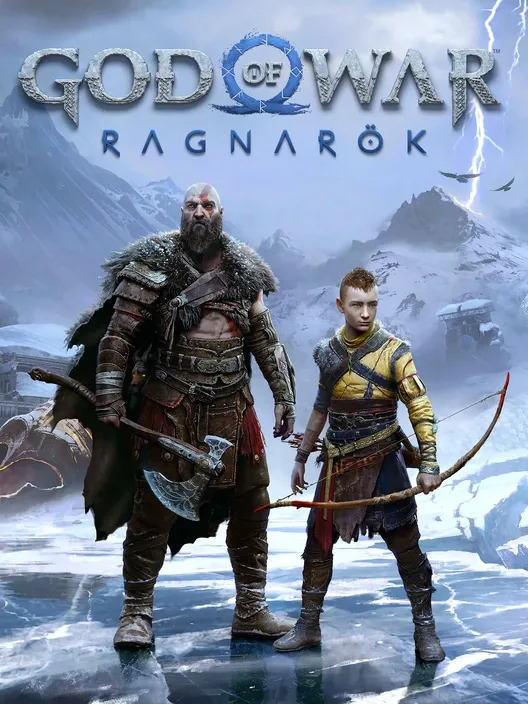
 God of War Ragnarök
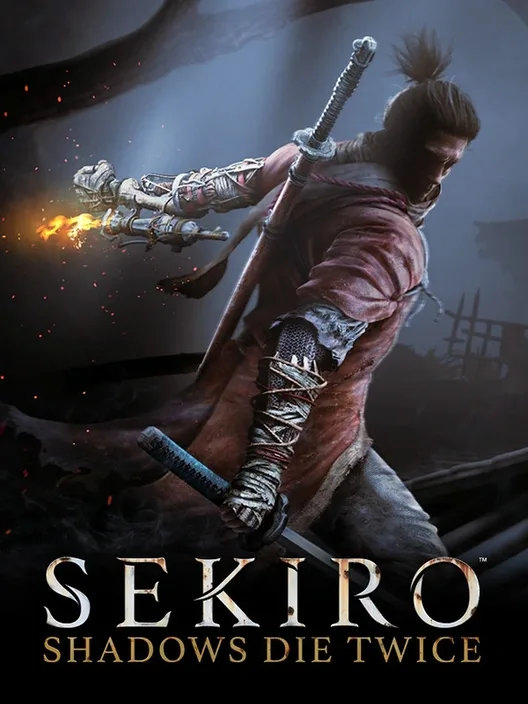 Sekiro: Shadows Die Twice
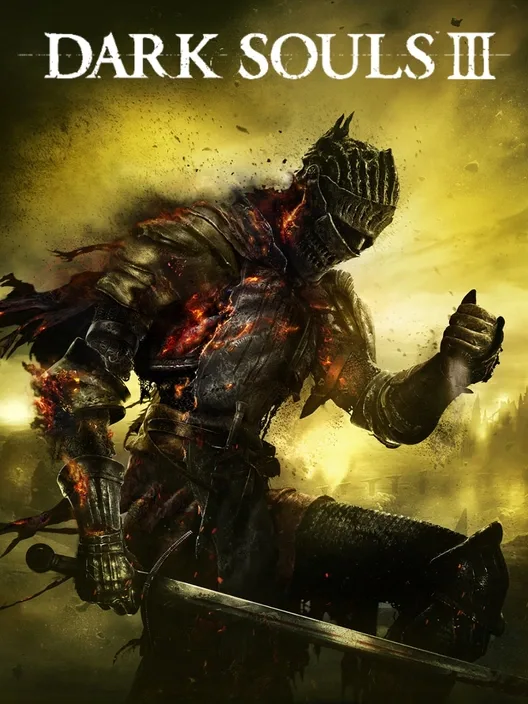 Dark Souls III
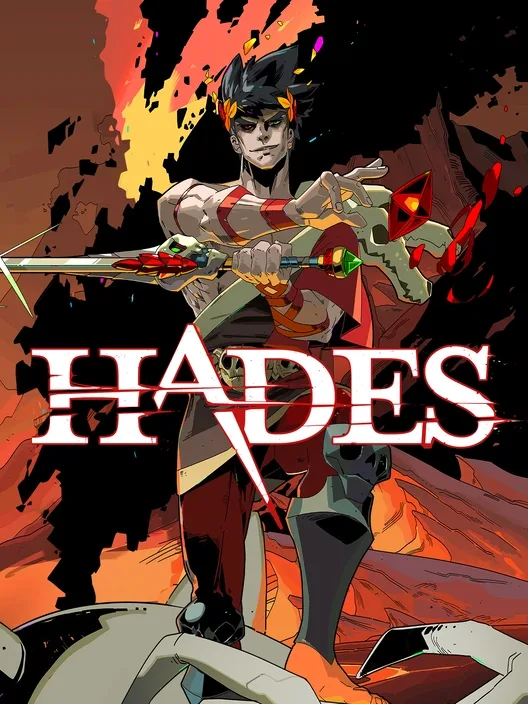 Hades
Hades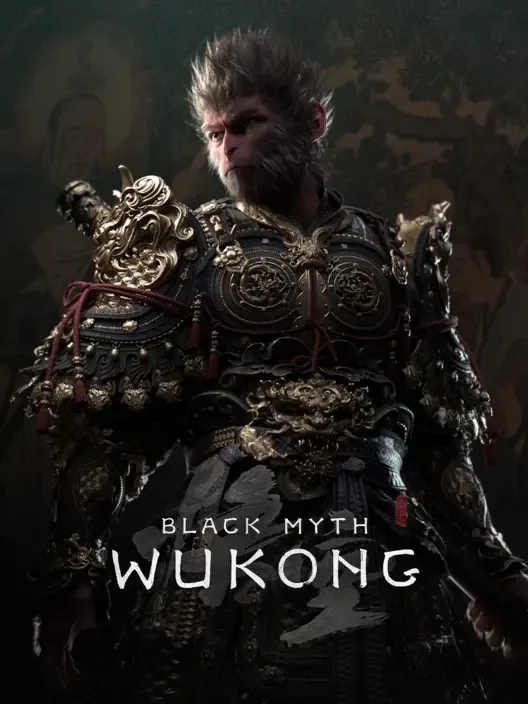 Black Myth: Wukong
 Doom: The Dark Ages
This is GameAvant's own ranked list of the best action games right now, built from the site's combined rating data rather than picked by hand. "Action" on this page means character action and hack-and-slash specifically: souls-likes built on patient observation, combo-focused games that reward style and rhythm, and boss-centric games where a handful of fights carry the whole design. It does not mean open-world adventure games where combat sits alongside traversal, crafting, and exploration as one system among several — those live on the separate adventure-games page, and the split matters, because judging a soulslike and an open-world epic by the same yardstick flattens what makes each of them work.
The order below comes from blending IGDB's aggregate critic score with Steam's own user review percentage, and it moves as more people rate these games or as new ones join the catalog. That means you'll find franchise giants sitting next to niche games you've probably never heard of, ranked by the same math rather than by name recognition. Read the write-ups for what each entry actually does well and where it falls short — the rank tells you how it currently scores, not which one is right for you.
1. God of War (2018)#
Sony Santa Monica's reboot earns the top spot by doing something genuinely rare: it slows a hack-and-slash franchise down without making it boring. The Leviathan Axe throw-and-recall is the best single addition — a ranged option that still rewards melee positioning, since recalling the axe mid-swing punishes enemies who thought they had an opening. The single unbroken camera take across the entire game is a real structural achievement, not a gimmick, because it forces every load and transition into the world itself rather than a loading screen. The Baldur fights are the clearest evidence the redesign works: multi-phase, mobile, and genuinely frightening in a way Kratos's old god-killing rampages never bothered to be. The drawback is pacing — the deliberate, weighty combat that makes hits feel consequential also means early hours move noticeably slower than the button-mashing spectacle the original trilogy trained players to expect, and the realm-travel side content occasionally pads runtime without adding much combat variety.
2. Hades#
Supergiant's roguelike succeeds by making failure the actual content instead of a punishment for it — every death sends Zagreus back to the House of Hades with new dialogue, new relationships, and narrative progress that has nothing to do with how far the run went. The boon system, stacking Olympian gods' powers onto a run in combinations that can completely change how a weapon plays, gives the game a build-crafting depth that most roguelikes only gesture at. The Theseus and Asterius double boss fight is the clearest high point: two enemies with completely different aggression patterns forcing constant target-prioritization decisions rather than a single memorizable dance. The six weapons, each with its own moveset and Aspects that further reshape them, mean the combat itself rarely goes stale even after dozens of runs. The honest caveat is structural rather than a flaw exactly — the underlying loop of clear-room-get-boon-repeat is the same shape run after run, and if that shape doesn't click in the first few hours, more hours of it won't change that.
3. Batman: Arkham City#
Rocksteady's Freeflow combat system is still the reference point a decade and a half later: chained counters, gadget interrupts, and takedowns that string together into a rhythm where reading eight attackers at once becomes second nature rather than overwhelming. Fighting in an open, three-dimensional space rather than the original's contained arenas adds verticality — gliding into a brawl from above, or using the grapple to reposition mid-combo — that Arkham Asylum didn't have room for. The predator sections, where Batman stalks armed enemies from the shadows using fear takedowns and environmental traps, are a genuinely different rhythm from the Freeflow brawls, and switching between the two keeps either from wearing thin across a long campaign. The drawback is that switch itself: the tonal and pacing whiplash between stealth-predator sections and full combat arenas isn't always well-signposted, and the sprawling collectible count (the Riddler's trophies alone number in the hundreds) exists mostly to inflate completion time rather than to reward exploration with anything combat-relevant.
4. Hades II#
Supergiant's sequel, which left early access for its full 1.0 release in September 2025, swaps Zagreus for his sister Melinoë and swaps a single weapon-and-boon loop for a witch's arsenal of Incantations and Arcana cards layered on top of the returning boon system — more moving parts, and more ways a single run's build can diverge from the last one. The setting shift to the Titan Chronos as the recurring threat, rather than Zagreus's father, changes the emotional register of the whole cast around Melinoë, and the added weapon-stance system (each weapon now has two distinct forms) doubles the moveset variety of the original without doubling the button count. Boss encounters inherit the first game's habit of demanding constant repositioning rather than a memorized script, and the visual read on incoming attacks is, if anything, clearer than the original. The honest drawback: because the game only recently left early access, some of the later-game content and difficulty pacing still shows the seams of a game whose back half was built and rebalanced in public.
5. Black Myth: Wukong#
Game Science's adaptation of Journey to the West, which reached PC and PS5 in August 2024 and Xbox Series X/S a year later, is built almost entirely around its boss fights, and it is honest about that — the levels between them exist mainly to deliver the next one. The transformation system, letting the Destined One temporarily become a defeated boss or absorbed creature mid-fight, is the standout mechanic: it turns boss fights into puzzles about when to spend a limited resource for a completely different moveset rather than just a bigger health bar to whittle down. The presentation, particularly the boss character designs pulled from Chinese mythology, is more visually distinct than most Souls-adjacent games manage. The real caveat is accessibility: there's no difficulty option, some of the multi-phase boss fights run long enough that a single mistake near the end costs several minutes of replayed setup, and several late-game encounters spike in difficulty sharply enough to feel like a design gap rather than a deliberate curve.
6. Hi-Fi Rush#
Tango Gameworks' surprise 2023 release does something no other game on this list attempts: it locks every attack, dodge, and enemy telegraph to the beat of a licensed soundtrack, turning the usual timing-and-readability skillset of character action into rhythm-game precision without ever feeling like a rhythm game bolted onto a brawler. Chai's robot arm and the visual beat-indicators (the whole world visibly pulses on-tempo) mean the rhythm requirement is taught rather than assumed, and successfully landing combos on-beat produces a genuinely different kind of satisfaction than a style-meter number climbing. The soundtrack licensing itself — real songs, not just an original score — gives fights a hook most character-action games don't have. The honest drawback: players with weak rhythm sense are locked out of a meaningful chunk of the game's intended experience in a way no amount of practice fully resolves, and the visual chaos in the busiest late-game fights can make the beat itself harder to track against everything else on screen.
7. Devil May Cry 5#
Capcom's letter-graded style meter is still the clearest expression of "stylish" combat as its own design philosophy: getting hit rarely ends a run, but watching an S-rank slide back down to a D for repeating the same move stings in a completely different way. Splitting the campaign across three playable characters — Nero's mechanical Devil Breaker arms, Dante's four switchable fighting styles, and V's remote-summon puppet-master approach — gives the game more structural variety than any single-character brawler on this list, and V's approach in particular reframes what "combat" even means by putting the player's own character mostly out of direct danger. The combo depth rewards genuine mastery: canceling animations into each other, juggling enemies between weapons, and mixing ranged and melee options in the same string is a skill ceiling most games in the genre don't reach. The drawback is uneven character design — V's slow, vulnerable playstyle is the least popular of the three by a wide margin, and mandatory sections playing as him interrupt the momentum the Nero and Dante chapters build.
8. God of War III#
The PS3 conclusion to Kratos's original Greek saga is the series at its most viscerally excessive, and that excess is the point: the QTE-driven finishing executions against Poseidon, Hades, and eventually Zeus are staged as full setpieces rather than quick cutscenes, using boss scale (the opening Poseidon fight climbing across a moving Titan) that the 2018 reboot deliberately doesn't attempt to match. The weapon variety — Blades of Exile alongside the Nemean Cestus gauntlets and Nemesis Whip — keeps the core combo system from feeling identical to God of War II despite reusing the same basic structure. The brutality of the finishers, still shocking by today's standards, gives every major kill a sense of weight that pure combo counters alone don't produce. The honest drawback is that it hasn't aged as gracefully as the reboot: the heavy reliance on quick-time prompts to punctuate encounters was already becoming a dated design pattern by 2010, and the revenge-driven story has none of the emotional layering the 2018 game builds around Kratos and Atreus.
9. God of War Ragnarök#
The direct sequel to the 2018 reboot expands nearly everything — more realms, a larger roster of companions fighting alongside Kratos, and boss encounters built as elaborate multi-phase set pieces rather than single-arena fights. The Thor confrontation, staged in two separate encounters across the story, is the clearest high point: a boss who talks through the fight, changes tactics between phases, and lands hits that reframe the stakes of the whole saga rather than just testing a moveset. The expanded combat toolkit — Draupnir Spear as a genuine third weapon alongside the returning axe and blades, plus a much deeper companion-command system with Atreus and other allies — gives encounters more tactical texture than the previous game allowed. The drawback is scope-related bloat: side content and collectible density increased substantially over the first game, and the middle third of the campaign slows considerably to accommodate world-building that the tighter original didn't need.
10. Ninja Gaiden Black#
Team Ninja's Xbox-era refinement of the original Ninja Gaiden is still cited as one of the hardest, most technically demanding character-action games ever released, and it earns that reputation honestly: Ryu Hayabusa's moveset rewards precise spacing and weapon-switching (the Dragon Sword's speed against the War Hammer's power trade-offs) rather than a single dominant strategy. Enemy design leans on genuinely dangerous group encounters rather than damage-sponge bosses — a room of armed Fiends or ninjas can kill faster than any single boss in the game, which forces constant spatial awareness rather than a memorized boss pattern. The counter and dodge windows are unforgivingly tight, which is exactly what makes landing them feel earned rather than lucky. The honest drawback: the fixed camera struggles in genuinely cramped spaces, occasionally hiding an attack coming from off-screen in a way that reads as a camera failure rather than a fair difficulty spike, and the difficulty curve offers almost nothing for players not already comfortable with the genre.
11. Nine Sols#
Red Candle Games built its taopunk Metroidvania almost entirely around a Sekiro-inspired parry, and the twist — a second, separate parry input specifically for otherwise-unblockable red attacks — keeps the system from becoming a single-button solution to every encounter. A clean parry produces a distinct clang and builds Qi, the resource spent on offensive talisman attacks, which means defense and offense are the same currency rather than separate systems, and that loop (parry, charge, detonate) becomes the actual skill expression the game is testing. The boss roster is unusually varied in what it demands — some fights are pure parry-rhythm tests, others force genuine platforming under pressure — which keeps the parry mechanic from feeling like the entire game by the halfway point. The Taoist-mythology-meets-cyberpunk setting also gives the boss roster a visual identity most Sekiro-likes don't bother building. The drawback is pacing: the Metroidvania traversal and puzzle-solving between boss encounters is well-made but noticeably slower than the combat, and it can feel like a detour from what the game is actually good at.
12. Yakuza 0#
RGG Studio's 1988-set prequel gives both playable protagonists, Kiryu and Majima, multiple switchable fighting styles rather than one fixed moveset — Kiryu alone has four styles ranging from balanced brawling to a dedicated grappling stance, and reading which style an encounter calls for is its own layer of decision-making most brawlers don't offer. Heat Actions, contextual finishing moves triggered by environment and enemy state, turn ordinary street fights into constantly escalating spectacle: slamming an enemy into a vending machine or using a bicycle as an improvised weapon mid-combo rewards paying attention to the surroundings rather than just the enemy's health bar. The sheer density of side content wrapped around the combat — real estate management, hostess-club minigames, an entire disco rhythm minigame — gives the combat a much larger world to sit inside than any pure character-action game attempts. The honest drawback: the fighting styles, while varied, are individually shallower than a dedicated action game's single combat system, and the volume of side content can genuinely bury the main story for players chasing everything the city offers.
13. Batman: Arkham Knight#
Rocksteady's series finale sharpens the Freeflow combat system further — dual-play sections switching control between Batman and an ally mid-fight, and a wider gadget kit that opens up more combo routes than City allowed. The Scarecrow fear sequences, blending platforming, environmental puzzle logic, and horror-tinged visual distortion, are a genuinely different rhythm from anything else in the series and land as some of its most memorable non-combat sections. Arkham Knight's own identity as an armored antagonist with genuine detective-plot stakes gives the story more weight than City's villain roster managed collectively. The drawback is well known and deserved: the Batmobile sections, particularly the tank-combat drone battles forced between story beats, interrupt the hand-to-hand combat rhythm the series built its reputation on, and they remain the most-cited reason this entry sits below City rather than above it despite technical refinements everywhere else.
14. Ghost of Tsushima#
Sucker Punch's samurai epic centers its combat on the Standoff — a duel mechanic where holding position against an approaching enemy and landing a single perfectly timed strike can end a fight before it starts — which gives even minor encounters a moment of real tension absent from most open-world combat systems. The four combat stances, each tuned against a specific enemy archetype (Stone against sword users, Water against spear users, and so on), turn fights into a constant read-and-switch problem rather than one dominant playstyle carrying the whole game. Jin Sakai's growing willingness to use dishonorable tools — smoke bombs, poison, assassination — as the story progresses is mirrored directly in the combat options unlocking alongside it, tying mechanical growth to narrative theme more tightly than most open-world action games bother to. The honest caveat: the combat system, while elegant, is simpler in raw mechanical depth than the dedicated character-action games ranked above it, and the open-world structure around it — collectibles, side content, cosmetic-focused progression — dilutes the density of meaningful fights across a long runtime.
15. Cult of the Lamb#
Massive Monster's hybrid of dungeon-crawling roguelike and cult-management sim keeps its combat lean and dodge-focused rather than layering in blocking or parrying — the loop rewards spacing and timing over defensive options, with roughly ten-minute "Crusade" runs designed to slot naturally between stretches of running the cult's home base. The screen-shake weight on every hit landed or received gives even the simplest weapon a satisfying physicality that a lot of top-down roguelikes skip. Tying combat resources and unlocks directly to how the home base is managed — followers, resources, and cult development all feed back into what's available on the next run — makes the two halves of the game genuinely interdependent rather than combat existing as a separate minigame bolted onto a management sim. The honest drawback, and the most common critique of the game: the combat itself is shallower than the games it's most often compared to, with weapon and curse variety that rarely forces a real change in approach the way Hades's boon system does, which leaves the base-management half doing more of the game's actual heavy lifting.
16. Demon's Souls#
Bluepoint's PS5 remake of FromSoftware's 2009 original is the prototype the entire souls-like strand grew from, and playing it now means seeing the format's foundational ideas in their rawest form — before the series learned to soften some of its harsher edges. The World Tendency system, which shifts the game's difficulty and available content based on cumulative deaths and boss kills across a playthrough, is a genuinely unique structural idea nothing on this list has replicated since, turning the wider world itself into something with stakes beyond the current character build. The Old Monk boss fight, which can pull another player in as an AI-controlled or human invader defending the boss, remains one of the strangest and most memorable set pieces the format has produced. The drawback is honest rather than damning: as the series' first entry, the boss roster is less mechanically varied than later Souls games manage, and World Tendency's rules are obtuse enough that most players only understand what they were actually doing well after a first playthrough is over.
17. Bayonetta 2#
Platinum Games' Wii U sequel refines the dodge-offset "Witch Time" system that defines the whole series — slow enemy time briefly on a perfectly timed dodge, opening a punish window that rewards reading an attack rather than reacting to a hit. The Umbran Climax mechanic, unlocked by filling a magic meter, temporarily extends Bayonetta's hair-based Wicked Weave attacks into screen-filling summons that turn ordinary combo strings into genuine spectacle without breaking the underlying rhythm the combat is built on. Enemy variety among the angel- and demon-hunting roster is broader than the original managed, giving Witch Time practice against more distinct attack patterns to actually read. The story leans even further into the series' trademark camp and narrative incoherence than the first game did, which is either a feature or a genuine barrier depending on tolerance for it — following the plot without having played the original is close to impossible, and the tonal whiplash between genuinely stylish combat and deliberately absurd cutscenes isn't for everyone.
18. One Finger Death Punch 2#
Silver Dollar Games' two-button brawler sounds like a joke on paper — attack left, attack right, stick-figure combatants — and turns out to be one of the more mechanically dense games on this entire list once color-coded enemy types stack up: enemies requiring multiple hits, enemies that swap sides mid-fight, ranged attackers whose projectiles can be dodged, caught, or redirected into other enemies depending on timing. The skill-bar system, filling as enemies fall, unlocks temporary abilities like a screen-clearing shockwave or a brief window where every hit is a one-shot kill, giving runs an escalating rhythm closer to a rhythm game's flow state than a traditional brawler's combo-counter chase. The sheer volume of enemy types the game introduces over its runtime keeps the two-button premise from running dry far longer than it has any right to. The honest drawback: the stick-figure presentation and stripped-down visual style is a real barrier for players who judge a game on production values before mechanics, and the format's simplicity caps how much genuine depth two buttons can ultimately support.
19. Diablo II#
Blizzard North's isometric action-RPG, later given a faithful visual overhaul in 2021's Resurrected remaster, is arguably the single most influential game on this list in terms of genre lineage — its itemization systems, character classes, and loot-drop philosophy shaped essentially every action-RPG that followed it, including games far outside this specific ranking. The Prime Evils trilogy of boss fights — Mephisto, Diablo, and Baal across the game's three acts and expansion — established the "escalating cosmic threat" boss structure the genre still leans on decades later. Character build diversity across seven classes, each with distinct skill trees that support wildly different playstyles within the same base combat system, gives it a build-crafting depth that predates and arguably still rivals more modern entries in the genre. The honest drawback: mechanics that felt cutting-edge in 2000 show their age now — inventory management built around literal Tetris-style item shapes, a grindy endgame loop with comparatively little to do once a build is finished, and skill systems that, without later patches, offered little room to correct an early mistake.
20. Bayonetta#
Platinum Games' 2009 original introduced the dodge-offset Witch Time system that would define the studio's entire subsequent output, and the game's confidence in that single mechanic — building nearly every encounter around rewarding a perfectly timed dodge over blocking or retreating — gives it a clarity of design purpose the more elaborate sequel sometimes trades away for spectacle. The Wicked Weave attacks, summoned from Bayonetta's own hair mid-combo, turn ordinary strings into increasingly outrageous punctuation marks without ever losing the underlying combo-counter rhythm the whole system is built on. Boss encounters against towering angelic figures use scale as a genuine mechanical element, not just a visual flex — reading where to be relative to a boss many times Bayonetta's size is its own skill separate from the dodge-timing the rest of the game tests. The honest drawback: fixed-camera platforming and quick-time sequences occasionally interrupt the otherwise excellent combat rhythm, and the tone's over-the-top sexuality and humor is a genuine turn-off for some players rather than a simple stylistic quirk to shrug off.
21. God of War II#
The PS2 sequel to the original God of War is the series at its most confidently over-scaled: the opening Colossus of Rhodes sequence, climbing across and eventually inside a moving mechanical giant, remains one of the most ambitious setpieces the format attempted on that hardware. The Blades of Chaos combat retains the original's satisfying weight while expanding the magic and item roster enough to give boss fights against the Sisters of Fate genuine tactical variety rather than repeating the first game's rhythm unchanged. Environmental puzzle-platforming woven directly into combat arenas — levers, moving platforms, and environmental hazards used mid-fight — gives encounters a structural creativity later entries streamlined away in favor of more contained arenas. The honest drawback: two decades on, the puzzle-heavy pacing and platforming-adjacent camera work read as dated compared to both the original trilogy's own PS3 remaster and especially the 2018 reboot, and newcomers unfamiliar with early-2000s action-game design conventions will feel the age more than longtime fans will.
22. Metal Gear Rising: Revengeance#
Platinum Games took Metal Gear's stealth-series name and built something almost entirely unrelated to it: a blade-parry system precise enough that, in theory, an entire fight can be played by reading an incoming attack and cutting through it at exactly the right instant, rather than relying on a broader combo vocabulary. Blade Mode, which lets Raiden slow time and freely cut anything on screen along a manually aimed line, turns Zandatsu executions — slicing an enemy open to harvest their spine for a health-and-energy refill — into a genuine skill test about cut placement rather than a scripted finisher. The Sundowner, Monsoon, and Senator Armstrong boss fights each escalate the parry-reading demand further, with Armstrong in particular staging one of the more memorable final-boss sequences in the genre. The honest drawback: the campaign is notably short even by character-action standards, and the parry timing window is strict enough that the game offers little forgiveness for players used to the more generous dodge windows other entries on this list allow.
23. Touhou Luna Nights#
Team Ladybug's officially licensed Touhou Project spinoff casts series maid character Sakuya Izayoi in a Metroidvania built entirely around time manipulation — slowing time to dodge through bullet-hell-style attack patterns, or stopping it completely to reposition around an enemy before it can react. The graze system, carried over from the Touhou series' bullet-hell roots, rewards deliberately grazing past enemy projectiles rather than avoiding them entirely, refilling resources in a way that turns defensive play into an active risk-reward decision instead of pure avoidance. The movement feel, frequently compared to Castlevania: Symphony of the Night, gives traversal between fights a fluidity that matches the precision the combat demands, rather than treating exploration as filler between the parts that matter. The honest drawback: the game is shorter and mechanically slighter than most other Metroidvania-adjacent entries on this list, and its combat difficulty, while satisfying, doesn't reach the sustained challenge ceiling of the boss-focused games ranked above it.
24. Monster Hunter 4 Ultimate#
Capcom's 3DS entry introduced full verticality to the series' hunting grounds — climbing terrain and mounting monsters mid-hunt to ride and stagger them — which reshaped how positioning worked for every one of the fourteen weapon types on offer, from the reach-and-mobility tradeoffs of the Insect Glaive to the deliberate, punishing weight of the Great Sword. Gore Magala, the game's signature new monster, introduced a frenzy-virus status effect that visibly alters its own attack patterns and appearance mid-hunt, giving one of the series' more memorable fights a structural reason to feel different from a standard damage-race. The sheer weapon-type variety means the same monster fight plays as an entirely different puzzle depending on loadout, giving the game replay depth few action titles on this list can match. The honest drawback: the learning curve is genuinely steep, with menu-heavy crafting systems and weapon mechanics that assume prior series familiarity, making it one of the least newcomer-friendly entries on this entire ranking despite the depth on offer once that curve is cleared.
25. Marvel's Spider-Man Remastered#
Insomniac's take on Spider-Man blends Arkham-style counter-and-gadget combat with the series' own web-based traversal and battle mobility — swinging directly into a fight, redirecting mid-combo with a web-yank, and using the environment (lampposts, cars, rooftops) as active combat tools rather than static scenery. Boss encounters against Rhino, Vulture, and Electro each demand a genuinely different combat approach, forcing gadget and web-attack variety the street-level crowd fights don't always require. The traversal itself, widely regarded as some of the best web-swinging ever put in a game, means moving between fights is its own source of enjoyment rather than downtime to be endured. The honest drawback: on lower difficulty settings, gadget spam and web-based crowd control can trivialize even large enemy groups well before mastering the deeper combo system becomes necessary, and the open-world structure around the combat leans on a familiar checklist of crimes and bases that pads runtime without meaningfully expanding what the fighting itself offers.
26. Blasphemous II#
The Game Kitchen's sequel hands the Penitent One three distinct weapons that can be switched mid-combo rather than the original's single blade, giving combat a rock-paper-scissors layer against different enemy types that the first Blasphemous never attempted. The Metroidvania structure wraps around genuinely punishing, unforgiving combat encounters that lean on trial-and-error learning rather than telegraphed openness, closer in spirit to the harsher end of the souls-like spectrum than most side-scrolling action games attempt. The grim, Catholic-iconography-inflected art direction gives its boss roster a visual identity as distinct as anything on this list, and several encounters use that imagery directly as a mechanical element rather than pure decoration. The honest drawback: the difficulty curve is uneven rather than consistently escalating, with some early encounters against unfamiliar enemy types feeling harder than certain later bosses, and the trial-and-error philosophy that defines the combat won't sit well with players who prefer clearly telegraphed, learnable patterns over repeated deaths as the primary teaching tool.
27. Super Castlevania IV#
Konami's SNES reimagining of the original Castlevania handed Simon Belmont's whip genuinely novel eight-directional control and swinging momentum, a mechanical upgrade that let the game build entire rooms and platforming sequences around whip-based traversal rather than treating the weapon as purely offensive. The atmospheric, gothic-horror level design — clock towers, collapsing dungeons, a memorably disorienting rotating room — uses the era's technical ceiling about as well as any 16-bit action game managed, giving combat encounters a sense of place that a lot of character-action games skip in favor of abstract arenas. Enemy and hazard placement throughout leans on precise spacing and whip-range judgment rather than reflexes alone, rewarding the kind of deliberate, controlled play the original NES trilogy demanded. The honest drawback: the control scheme, while innovative for its time, reads as stiff and dated against modern expectations for movement and attack fluidity, and the game offers essentially no build-crafting or progression system beyond periodic weapon-power upgrades picked up along the way.
28. Hyper Light Drifter#
Heart Machine's dash-based action game tells its entire story wordlessly, through environmental detail and cryptic visual cues rather than dialogue, which puts unusual pressure on the combat itself to carry the emotional weight most narrative games hand to cutscenes — and the combat mostly earns that trust. The dash mechanic doubles as both offense and defense, meaning positioning decisions happen constantly and at speed, with enemy density in later areas high enough that a single mistimed dash can mean immediate death rather than a health-bar chip. The pixel-art presentation, built around specific saturated color palettes per region, gives each of the game's four main zones a distinct combat identity beyond just enemy stat changes. The honest drawback: the navigation and map design is deliberately obtuse, offering little guidance about where to go next, and the punishing difficulty arrives without much in the way of tutorializing — a design choice some players read as purposeful and others read as simply unfriendly to newcomers of the genre.
29. One Finger Death Punch#
Silver Dollar Games' original two-button brawler, the game the sequel above refined rather than reinvented, established the entire core premise: enemies approach from the left and right, a single directional press lands the appropriate attack, and the challenge scales entirely through enemy variety and pattern-reading rather than combo complexity. Even in its rawer, first form, the game's escalation curve — introducing multi-hit enemies, side-swapping enemies, and ranged attackers in careful sequence — teaches the two-button system with a rhythm-game precision that belies how simple the control scheme sounds on paper. Its stick-figure minimalism means literally nothing distracts from the pattern-reading the mechanics are built around, which some players find more focusing than the sequel's slightly busier presentation. The honest drawback: the sequel above genuinely supersedes it in content volume, enemy variety, and unlockable ability depth, making the original mostly a curiosity for players who want to see where the format started rather than a first recommendation over its own follow-up.
30. Lizards Must Die#
SMOLA Games' top-down horde-clearing hack-and-slash is the least famous name on this entire list, and it earns its spot on data alone: over 23,000 Steam user reviews sit at 96% positive, a genuinely exceptional ratio for a game with this small a public profile. The premise is intentionally absurd — a roster of heroic fighters drawn from over-the-top Slavic mythology, fully voice-acted with deliberately theatrical delivery, clearing wave after wave of the titular lizard hordes across a techno-scored campaign that never takes itself remotely seriously. Character variety, from the sword-and-shield brawler to a ranged wizard, gives the horde-clearing loop enough tactical texture that picking a fighter meaningfully changes how a level plays rather than just reskinning the same combat. The honest drawback, and the reason it sits at the bottom of this list rather than higher despite its review score: the combat depth is genuinely shallow compared to nearly everything else here, the production values are unmistakably indie-budget, and the loop's charm rests almost entirely on its comedic premise rather than mechanical sophistication — which is exactly why it's worth knowing about rather than being surprised it exists.
The ranking above blends IGDB's aggregate critic and user rating with Steam's own user review percentage, and only for games with a real sample size behind the score rather than a handful of early ratings that can swing wildly. Nothing on this list was hand-picked for inclusion or placement — the order is a direct output of that combined score, which means it shifts automatically as more people rate these games or as new releases join the catalog with enough reviews to be scored fairly. Read it as a live snapshot of how these games are currently rated relative to each other, not a fixed, permanent verdict — check back as the data changes, because it will.