 Celeste
 Inside
 Pizza Tower
 Katana Zero
 Noita
NoitaGame Avant's ranked list of the best 2D platformers covers run-and-jump games built around discrete, hand-crafted levels — a screen or a stage with a clear start and finish, cleared through precise jumps, dashes, and reflexes — rather than the single sprawling, ability-gated map that defines the metroidvania, which gets its own separate page on this site because Celeste's tightly tuned individual screens and Hollow Knight's interconnected Hallownest reward completely different kinds of mastery. That distinction matters even when the two subgenres share surface-level DNA: several games here, like Pizza Tower and Katana Zero, borrow light exploration or replay elements from the metroidvania tradition without ever adopting its core structure, and they stay on this list because level-to-level mastery, not world-spanning backtracking, is still what they're actually built around.
The order below blends IGDB's aggregate critic score with Steam's own user review percentage, with real editorial judgment applied on top of the raw numbers so that a focused, beloved indie platformer isn't automatically outranked by a bigger name with a larger but less enthusiastic review base. It shifts as more people rate these games or as new releases earn a stable sample size. Read the write-ups below for what each of the best 2D platformers actually does well and where it genuinely falls short.
1. Celeste#
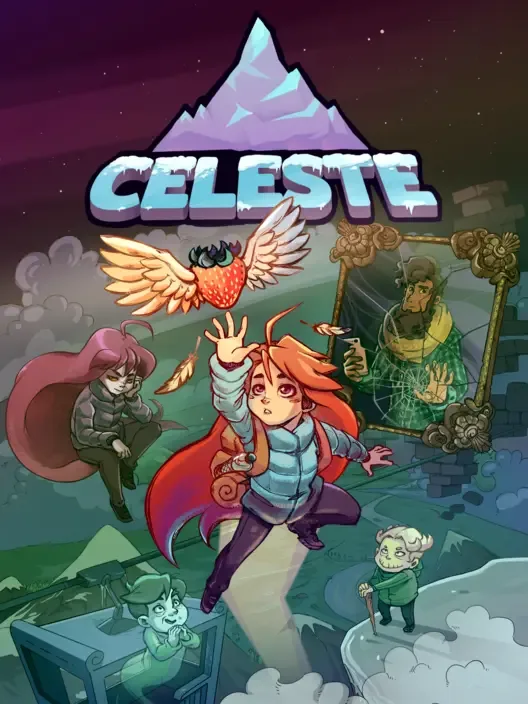
Extremely OK Games' 2018 release, expanded from a 2016 game jam prototype by a four-person core team led by Maddy Thorson and Noel Berry, builds its entire identity around a tight, technical air-dash-and-climb moveset — one mid-air dash, a wall-climb with a depleting stamina meter, and pixel-perfect jump timing — applied across hundreds of hand-crafted single-screen challenge rooms that never overstay their welcome. Strawberries, optional collectibles scattered through harder side-paths, exist purely for players chasing extra challenge rather than gating any story progress, keeping the base campaign accessible while B-Side and C-Side remixed chapters escalate difficulty sharply for those who want it. Assist Mode, added shortly after launch, lets players adjust game speed, grant infinite stamina, or make dashes unlimited without altering the base design, a genuinely unusual accessibility commitment for a game this precision-focused. The story, following Madeline's climb up the fictional Celeste Mountain while confronting a literal manifestation of her own anxiety, ties its platforming difficulty directly to its central metaphor about pushing through self-doubt rather than treating narrative and mechanics as separate layers. The free Chapter 9: Farewell epilogue, released in 2019, added one of the hardest single stretches of platforming in the entire game. The honest drawback: the true final C-Side chapters and Farewell demand a level of frame-perfect execution that is a real wall even for players who cleared the entire main campaign comfortably.
2. Cuphead#
StudioMDHR's 2017 release, developed by brothers Chad and Jared Moldenhauer over roughly seven years and rendered entirely in hand-drawn cel animation styled after 1930s rubber-hose cartoons, pairs traditional run-and-gun platforming stages with an even heavier emphasis on boss-rush combat, where nearly every level culminates in a multi-phase fight against a large, telegraphing enemy drawn from that era's cartoon aesthetic. The parry system, timed off a specific pink-colored attack type, rewards aggressive positioning by charging a super meter faster than simply shooting does, tying risk directly to reward in a way the genre's platforming-only entries don't need to. Weapons, unlocked by spending coins earned in the game's dedicated run-and-gun levels, each have a distinct firing pattern and range, while equippable Charms and Super Arts layer passive bonuses and a screen-clearing special attack on top of a chosen loadout. Local co-op, supported throughout the entire campaign, lets a second player control Cuphead's brother Mugman for simultaneous two-player boss attempts. The Delicious Last Course DLC, released in 2022 after a lengthy delay, added a fourth playable character, Ms. Chalice, along with an entirely new island of bosses. The honest drawback: the game's difficulty is heavily front-loaded toward its boss fights rather than its platforming stages, which is a real mismatch for players drawn in by the aesthetic who expected the traversal challenge to match the combat's brutal difficulty curve.
3. Shovel Knight#
Yacht Club Games' 2014 debut, funded through a Kickstarter campaign from a team of former WayForward developers, deliberately recreates the look, feel, and 8-bit-inspired soundtrack of NES-era platformers while layering in modern design sensibilities the originals never had, built around Shovel Knight's shovel-as-weapon moveset, including a signature downward Shovel Drop bounce used for both combat and traversal puzzles. Relics, purchasable tools like the Phase Locket or the Propeller Dagger, add ranged and mobility options on top of the base shovel kit, while Gear upgrades bought from the Blacksmith improve armor and the shovel's own base capabilities. The game's structure, an overworld map connecting discrete themed stages each capped by a boss fight against a member of the Order of No Quarter, follows the classic Mega Man format closely while adding checkpoint flexibility the originals lacked. Free post-launch campaigns — Plague of Shadows, Specter of Torment, and King of Cards — each recast a different character as the protagonist with an entirely separate moveset, turning the base game's shell into four functionally distinct campaigns over several years of ongoing support. The Battle of the Nine Knights mode, added in the Showdown expansion, layers a fighting-game-style competitive mode onto the same cast and assets. The honest drawback: the deliberately retro-limited color palette and chiptune presentation, while a core part of its identity, is a real barrier for players who find the aesthetic dated rather than charming.
4. Rayman Legends#
Ubisoft Montpellier's 2013 release, following directly from 2011's Rayman Origins, refines that game's hand-drawn art direction and physics-based platforming with new mechanics built around Murfy, an AI or co-op-controlled companion who can cut ropes and manipulate the environment while the main character keeps moving. The Music Levels, rhythm-synced stages where enemy patterns, platform timing, and even level geometry move in step with a licensed or original soundtrack track, became the game's signature set pieces and a genuine high point for the format across the entire genre. Up to four-player local co-op, supported through the full campaign, lets additional players drop in as Globox or one of the Teensies without altering the core stage design, a structural commitment the genre's harder precision platformers rarely attempt. The Invasion levels, added as free post-launch content, are shorter, harder timed challenges built for leaderboard chasing rather than the main campaign's more relaxed pacing. Over 700 captured Teensies, hidden throughout every stage, function as the game's completion currency, unlocking new playable characters and bonus content as more are rescued. The honest drawback: the game's heavy reliance on the Wii U GamePad for several of its original touch-based Murfy sections was awkwardly retrofitted for later platform ports, leaving those specific segments feeling noticeably less elegant than the rest of the campaign.
5. Pizza Tower#
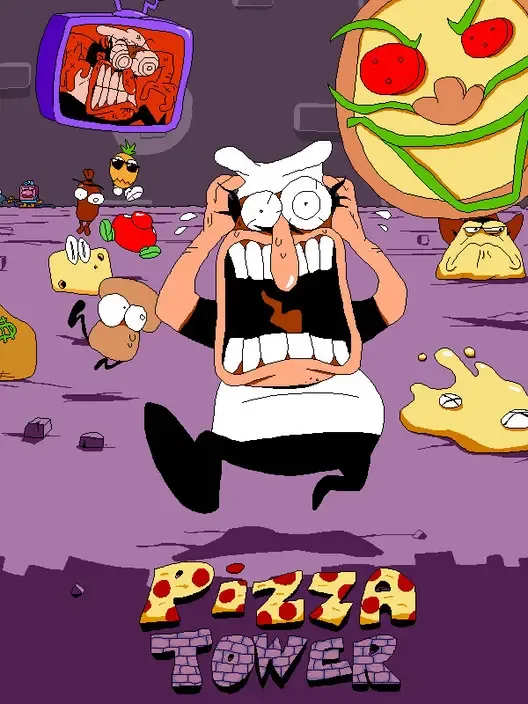
Tour De Pizza's 2023 release, developed largely by solo creator McPig over roughly six years and inspired heavily by the Wario Land series' momentum-based platforming, builds its core loop around a breakneck combo system where Peppino the pizza chef gains speed and score multipliers by chaining together enemy hits, dashes, and environmental interactions without stopping. The Pizza Time mechanic, triggered near the end of every level, forces an escape back through the entire stage at maximum speed while being chased, turning what would otherwise be a simple exit into the level's own dedicated set piece. Transformations, triggered by specific pickups, temporarily grant Peppino new movesets — a rolling ball form, a fire-breathing mode — that change how a section of a level has to be approached rather than simply adding a power-up buff. The scoring and ranking system, grading each level on speed, combo maintenance, and secret collection separately, gives the game genuine replay depth for players chasing an S-rank on every stage rather than just a first clear. The hand-drawn, deliberately exaggerated animation style, rendered at a framerate and expressiveness unusual for the genre, became one of the game's most widely discussed features on release. The honest drawback: the momentum-heavy movement and combo-chasing design has a real learning curve that punishes cautious, exploratory play far more harshly than the genre's more forgiving entries.
6. Katana Zero#
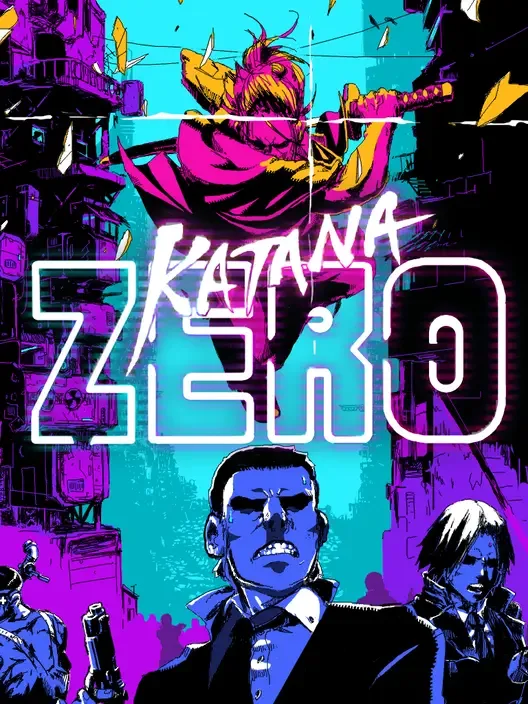
Askiisoft's 2019 release, developed largely by solo creator Justin Stander over roughly five years, pairs one-hit-kill stealth-action combat with a time-manipulation mechanic — bullets can be deflected mid-flight, dashes phase through attacks, and the ability to slow time briefly lets a player thread through a room full of simultaneous threats that would otherwise be unbeatable in real time. The level-replay structure, framing each stage as a pre-recorded tape reviewed after the fact, lets failed attempts be retried instantly without a loading screen, turning trial-and-error itself into part of the game's narrative device rather than a pure gameplay convenience. Combat rewards planning an entire room's clear in advance more than reacting on the fly, since a single hit kills the player character just as easily as any enemy, making methodical restart-and-refine play the actual core loop rather than a fallback. The neo-noir, synthwave-scored presentation and a narrative built around an amnesiac assassin questioning his own handler's motives give the game a tone distinct from the genre's more common cartoon or retro styling. Dialogue choices during therapy-session cutscenes between missions subtly affect specific late-game story beats without turning the game into a branching-path adventure. The honest drawback: the game's story ends on an explicit cliffhanger with no sequel released as of the game's most recent update, leaving several of its central narrative threads deliberately unresolved.
7. Super Meat Boy#
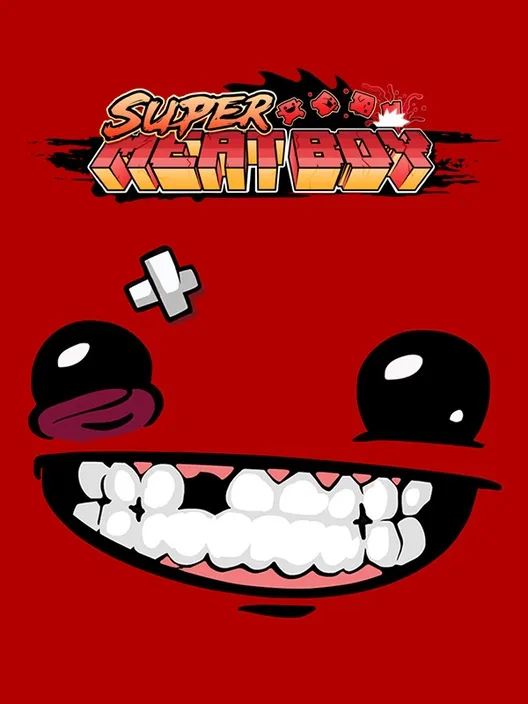
Team Meat's 2010 release, developed by Edmund McMillen and Tommy Refenes and expanded from a 2008 Flash prototype, distilled the precision platformer down to its purest form: single-screen levels rarely longer than a few seconds to clear, an instant-respawn-on-death loop with essentially no loading time, and a movement system built entirely around momentum-preserving wall jumps and dashes rather than any combat at all. The game's roughly 300 main levels, split across chapters each introducing a new hazard type or mechanic twist, are deliberately designed to be replayed dozens of times per level as players shave down their completion time. The Warp Zone levels, optional retro-styled bonus stages parodying classic platformers' visual styles, reward exploration with unlockable playable characters, each with a slightly different jump arc or dash property that meaningfully changes movement tech. The simultaneous replay feature, showing every previous death's ghost trail racing alongside the current attempt once a level is cleared, turns the game's brutal difficulty into its own kind of dark comedy rather than pure frustration. Dark World levels, unlocked by finding a hidden bandage in a level's light-world counterpart, offer an even harder remixed version of that same stage. The honest drawback: the game's difficulty curve escalates sharply in its final chapters, and its lack of any built-in level editor at launch — later added via a since-shuttered companion app — limited community content compared to genre peers that supported it from day one.
8. Sanabi#
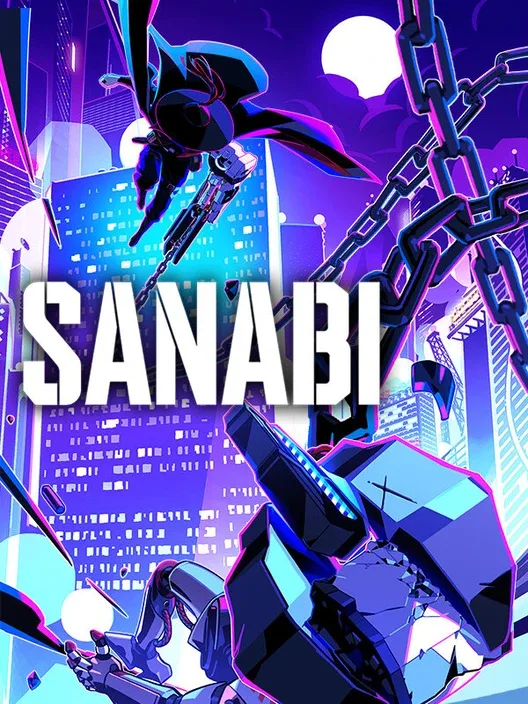
Wonder Potion's 2023 release, developed by a small South Korean studio and published by Neowiz, builds its entire moveset around a cybernetic prosthetic arm equipped with a grappling hook, used simultaneously for traversal — swinging between anchor points, launching off surfaces for extra height — and combat, since slamming into an enemy at speed deals direct damage rather than relying on a separate weapon system. Combat encounters are built almost entirely around chaining grapple-swings and dash-slams together across vertical arenas, turning what could be a simple movement tool into the game's core offensive mechanic rather than a traversal-only gadget. The game's emotionally weighted narrative, following a father-figure protagonist investigating a tech conglomerate's collapse while flashing back to memories of raising a daughter, ties its late-game difficulty spikes to specific story beats rather than pacing them purely for mechanical escalation. Boss fights are staged as large-scale set pieces that specifically demand fluent grapple-based movement to even reach an attackable position, rather than testing combat timing alone. A free content update following the base release added a prequel-focused expansion continuing the same protagonist's earlier story. The honest drawback: the grappling-hook movement system has a real learning curve early on, and players who haven't fully internalized its momentum rules by the game's mid-point will find its hardest boss encounters considerably more frustrating than intended.
9. Spelunky 2#
Mossmouth's 2020 release, developed largely by Derek Yu as a direct sequel to 2013's Spelunky, keeps that game's defining formula intact — a fully physics-simulated, procedurally generated cave system where whip attacks, bomb placement, and rope-throwing all interact with destructible terrain and momentum in ways that create genuinely emergent, unscripted situations. Items carried between levels, from a jetpack to a shotgun to a cape allowing a controlled glide, each meaningfully change how later levels can be approached, and losing them to a trap or an enemy mid-run is a real, permanent loss within that specific attempt. The game's biome progression, from mines through jungle, volcana, and beyond into hidden late-game areas, layers new hazard types and enemy behaviors onto the same core physics rules rather than introducing entirely new mechanics per area. Online and local co-op, supporting up to four players simultaneously, adds friendly-fire chaos to the same procedurally generated levels, turning cooperative runs into their own distinct challenge from solo play. The Moon Challenges and other deep late-game secrets, requiring specific item combinations and precise sequences to unlock, extend the game's difficulty ceiling well past what a typical run ever touches. The honest drawback: the procedural generation occasionally produces genuinely unfair level layouts that punish a well-executed run through no real fault of player skill, a frustration the original Spelunky shared but never fully eliminated either.
10. Sheepy: A Short Adventure#
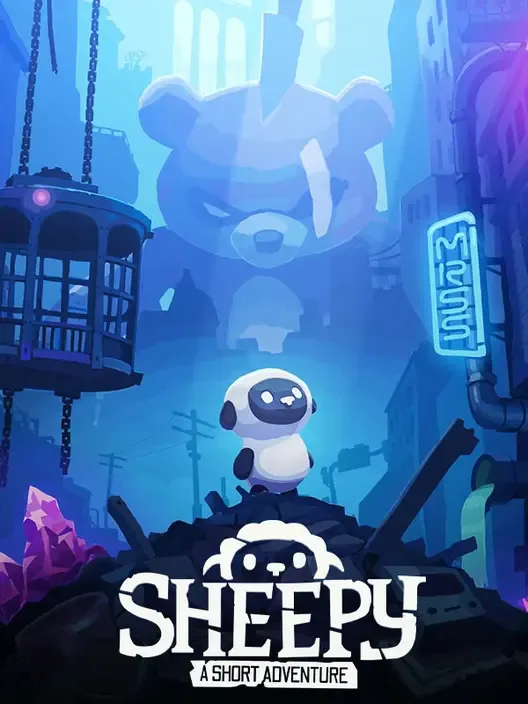
A 2025 indie release built around a small, expressive sheep protagonist navigating a hand-drawn 2D world, structured as a tightly paced short-form platformer that leans on atmosphere and emotional beats alongside its jump-and-dash traversal rather than pure difficulty. Movement is kept deliberately simple — a jump, a dash, and later a handful of context-specific traversal tools introduced gradually — so that the game's puzzle and platforming challenges stay readable without a large ability roster to track. The game's short overall length, clearable in a single sitting, is treated as a structural choice rather than a limitation, with each area introducing and then fully exhausting a specific mechanic before moving on rather than padding the runtime. Its melancholic, wordless storytelling, communicated through environmental detail and character animation rather than dialogue, gives the game a tonal register closer to Inside or Limbo than to the genre's more common upbeat platforming style. Collectible secrets tucked into optional side paths reward exploration without gating story progress behind them. The honest drawback: the game's short length and low difficulty ceiling, while appropriate to its narrative pacing, leave it with considerably less replay value than the longer, mechanically deeper entries elsewhere on this list.
11. Trine 2#
Frozenbyte's 2011 release, following the studio's 2009 debut, keeps the series' three-character-swapping formula intact — a wizard who conjures boxes and platforms, a knight built around melee combat and blocking, and a thief specializing in a grapple-hook bow and ranged attacks — with the player able to swap freely between all three at any point outside combat to solve physics-based puzzles. Puzzle design leans heavily on the wizard's box- and plank-conjuring to build makeshift bridges and counterweights, while the knight's shield and the thief's rope-arrows offer alternate solutions to several of the same obstacles, giving genuine flexibility in how a given puzzle room gets solved. Up to three-player local or online co-op, with each player controlling a different character simultaneously, turns solo physics puzzles into a genuinely different cooperative experience, since one player's wizard-conjured platform can support another's knight mid-jump. The game's hand-painted fantasy art direction, a considerable visual step up from the first Trine, gives each of its forest, desert, and industrial-themed chapters a distinct look. Skill trees for each character, unlocked through experience gained across the campaign, add build choices like the wizard's ability to conjure a fireball rather than just boxes. The honest drawback: the game's puzzle difficulty is tuned conservatively compared to the series' later entries, leaving experienced players with comparatively little challenge outside of its handful of optional bonus-level puzzles.
12. BattleBlock Theater#
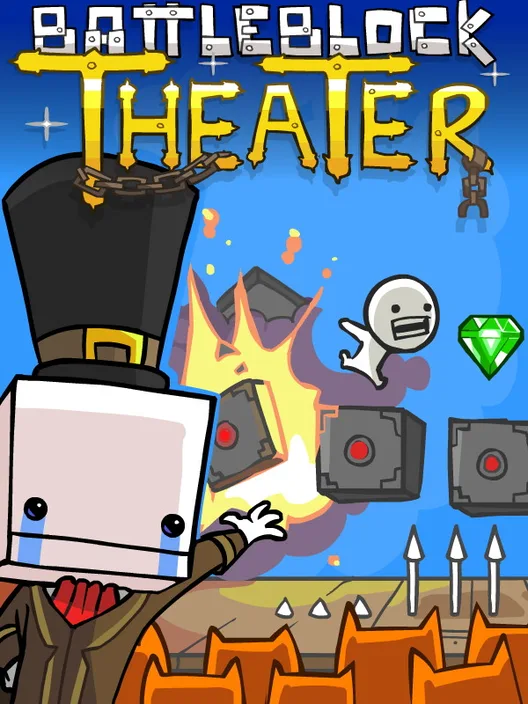
The Behemoth's 2013 release, following Castle Crashers from the same small studio, frames its entire campaign as a stage show narrated by a sardonic in-world host, with single-player and up to four-player co-op levels built around a shared cat-shaped protagonist roster and a moveset centered on jumping, gliding with a cape, and lobbing gel projectiles that turn surfaces into bouncy or sticky terrain. Puzzle-platforming stages frequently require one player to sacrifice themselves or manipulate the environment specifically to let a partner reach an otherwise unreachable switch, making its co-op levels functionally distinct puzzles rather than the same single-player stage with an extra player added. The Arena mode, a separate suite of minigames built around the same gel-and-jump toolkit, layers competitive versus content onto the same core mechanics used in the story campaign. Yarn, the game's unlock currency earned by clearing levels, is spent on cosmetic hats and a level editor's building blocks rather than any stat-affecting gear, keeping progression purely cosmetic. The community level-sharing system, built around the game's included editor, let players design and upload entire custom stages using the same gel-and-switch mechanics as the main campaign. The honest drawback: the game's heavy dependence on a second player for its most interesting puzzle design means the solo campaign, while fully playable, noticeably undersells what the level design is actually built to do.
13. Ultimate Chicken Horse#
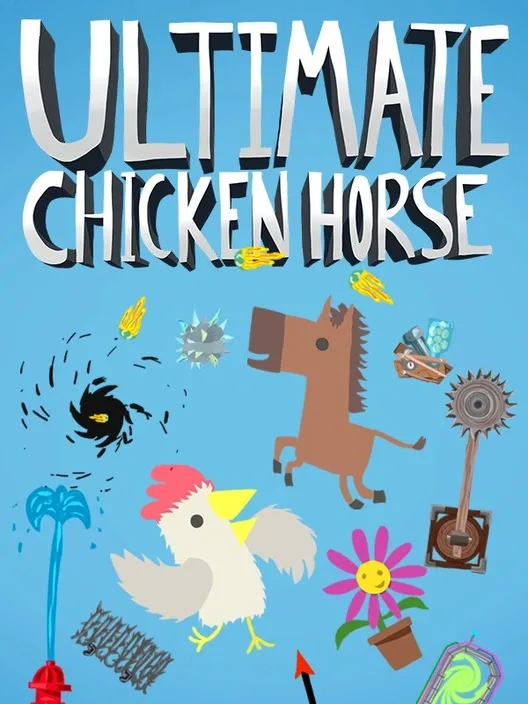
Clever Endeavour Games' 2016 release turns level design itself into the core competitive mechanic: up to four players take turns placing traps, platforms, and hazards into a shared, otherwise-empty stage, then race to the level's exit together, with points awarded only to players who successfully complete the level while a placed hazard specifically causes at least one other player to fail. The drafting system, offering each player a random hand of buildable pieces to choose from each round, forces a constant tension between building something that helps your own run and something that actively sabotages an opponent's. Level themes, from a simple grass field to a lava-filled industrial stage, each come with a distinct hazard palette and physics quirks — bounce pads, conveyor belts, saw blades — that change which placed-piece strategies are actually viable. The game's deliberately janky, physics-based character movement, including floaty jumps and momentum that carries through collisions, is a structural choice that keeps failed attempts feeling like slapstick rather than punishing precision failure. Online and local play are both fully supported for the full four-player format, and custom level-sharing extends the base game's building-piece roster with community-made content. The honest drawback: the game's entire structural hook depends on a group of players engaging with the sabotage mechanic in good spirits, and it loses much of its appeal in solo play against AI, which the game supports but was never really designed around.
14. Webbed#
Sbug Games' 2021 release casts the player as a small jumping spider building a home for herself and, eventually, a mate, with a moveset built entirely around a web-slinging grapple mechanic used for both fast traversal and physics-based puzzle-solving, since webs can be attached to nearly any surface and used to swing, sling objects, or build makeshift bridges across gaps. The game's central objective — collecting flower petals scattered across a garden-scale world to decorate a chosen mate's bower and win her attention — reframes the genre's usual exploration-and-collection loop around a distinctly lower-stakes, whimsical premise than the survival or combat framing most platformers default to. Environmental puzzles frequently require slinging specific objects, like berries or twigs, to precise locations using the same core web mechanic used for movement, blurring the line between traversal and puzzle-solving throughout the whole game. The hand-drawn, sun-dappled garden art direction and a largely dialogue-light tone give the game a gentle, low-pressure atmosphere distinct from the genre's more common difficulty-forward framing. A brief but well-reviewed campaign length keeps the web-slinging mechanic from overstaying its welcome across the game's relatively small handful of distinct garden regions. The honest drawback: the web-based physics puzzles occasionally behave inconsistently in ways that can make an intended solution feel like it isn't working as designed, a rough edge in an otherwise polished physics system.
15. Neon Abyss#
Veewo Games' 2020 release, published by Team17, fuses roguelike run structure with straightforward platforming-and-shooting combat, sending the player through procedurally generated dungeon floors filled with jump-and-shoot enemy encounters, environmental hazards, and a huge pool of unlockable items that stack passive effects across a single run. Weapon variety spans dozens of firearms, each with a distinct firing pattern, while equipped passive items can combine in ways that meaningfully change the moment-to-moment platforming — some grant an extra jump, others alter fall damage or movement speed entirely. God Rooms, a recurring optional room type tied to specific in-run deities, let a player sacrifice eggs (the game's core hatching-and-pet currency) for a randomized boon that meaningfully reshapes that run's build. Pets, hatched from eggs collected throughout a run, function as passive companions with their own combat or utility effects, adding a genre-adjacent collection layer most straight roguelikes don't include. The soundtrack, built around an electronic score paired with the game's bright, neon-soaked pixel art, gives runs a consistent audiovisual identity across its many procedurally varied floors. The honest drawback: the sheer number of stackable items and passive effects creates real build variance between runs, but also means a genuinely unlucky item pool can make a run feel unwinnable through no fault of the player's actual platforming or combat skill.
16. Rounds#
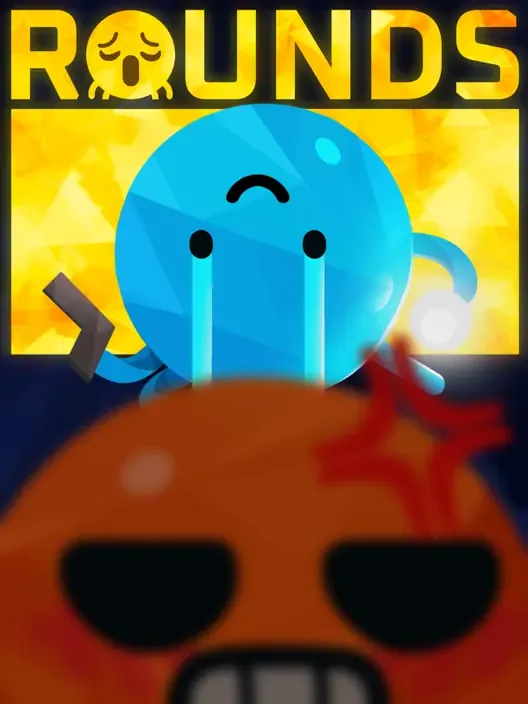
Landfall Games' 2020 release strips 2D platforming combat down to a minimalist one-on-one duel format: two players, each with a single starting pistol and a double jump, fight across a small arena, with the loser of each round picking a new card-based upgrade before the next round begins, stacking effects across the match rather than resetting between rounds. The card-drafting system, offering a choice between upgrades that alter weapon behavior, movement, or defensive options, lets a losing player's build snowball in power specifically to keep close matches competitive rather than letting an early lead run away with the whole game. Weapon pickups, found on the arena floor mid-round, add temporary variety on top of a player's permanent card build, from a slow-firing shotgun to a bouncing grenade launcher. The physics-based movement, including a dash and destructible arena cover, rewards positioning and momentum management as much as raw aim, keeping fights readable even as card stacks grow increasingly chaotic. Local and online multiplayer are both fully supported, and the game's roguelike-adjacent card pool has been expanded considerably through free post-launch content updates. The honest drawback: the game's entire structure is built around head-to-head multiplayer, and its single-player content, while present, is a clearly secondary mode rather than a fully developed campaign in its own right.
17. Sonic the Hedgehog 2#
Sega's 1992 release, developed by Sonic Team and designed with significant input from Yuji Naka, Hirokazu Yasuhara, and character designer Naoto Ohshima, introduced Tails as a second playable character and the spin dash move that let Sonic build momentum from a standstill rather than requiring a running start, both of which became staples across the entire franchise going forward. Level design across zones like Chemical Plant and Casino Night is built around chaining momentum through loops, ramps, and slopes rather than the more deliberate jump-timing common in Western platformers of the same era, rewarding a player who reads the terrain's flow over one who treats each obstacle as a discrete challenge. The Chaos Emerald special stages, accessed through checkpoint rings scattered across levels, shift into a rotating half-pipe format distinct from the main game's side-scrolling perspective, and collecting all seven unlocks Super Sonic, a temporary invincible transformation. Two-player split-screen competitive mode, a rarity for the genre at the time, let a second player race through altered versions of the main campaign's zones. The game's Casino Night Zone pinball mechanics and Mystic Cave Zone's crumbling ceiling hazards each introduce genre-uncommon set pieces specific to that single zone. The honest drawback: the game's momentum-based physics can occasionally send a player into pits or enemies faster than reaction time allows to correct, a genre-defining trade-off that some players read as thrilling and others as a real fairness issue even decades later.
18. Inside#
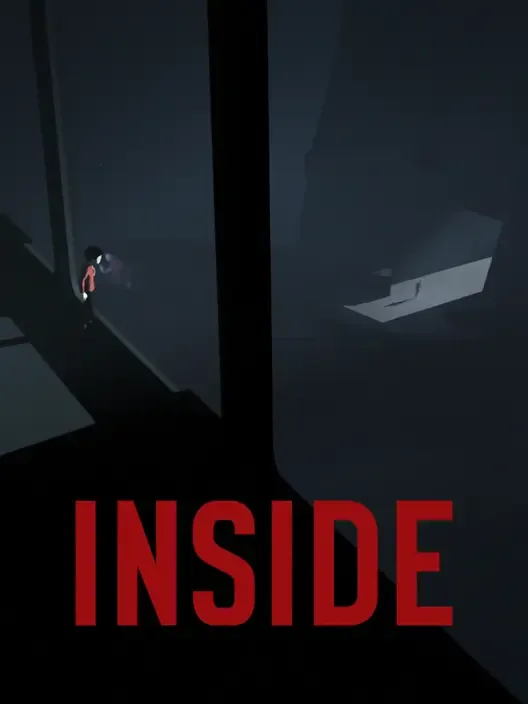
Playdead's 2016 release, following the Danish studio's 2010 debut Limbo, keeps that game's monochrome, wordless presentation while expanding its scope into a considerably more ambitious dystopian narrative told entirely through environmental staging and unsettling set pieces rather than any dialogue or text. Puzzle design leans on the same push-pull-and-jump physics interactions as Limbo but layers in mind-control sequences, underwater sections, and increasingly disturbing enemy encounters that escalate the stakes well past the earlier game's more contained scope. The boy protagonist has no combat ability whatsoever — every threat, from patrolling guards to a genuinely unsettling late-game creature, must be evaded, outrun, or solved around rather than fought directly. The game's pacing is built almost entirely around escalating dread, with each new area introducing a mechanic specifically to service that area's central horror beat rather than building toward a larger, reusable toolkit. Its ending, among the most discussed in the genre for its abrupt tonal shift, recontextualizes much of what came before it without any explicit exposition. The honest drawback: the complete absence of any difficulty options or combat system, central to the game's tone, is a real mismatch for players looking for the reflex-driven challenge more common elsewhere on this list.
19. Trine#
Frozenbyte's 2009 debut established the series' three-character, physics-puzzle format later refined by Trine 2, letting a player swap between a box-and-plank-conjuring wizard, a shield-and-sword knight, and a grapple-bow-wielding thief to solve environmental puzzles across a fantasy setting considerably rougher and darker in tone than its more polished sequel. Puzzle design here leans more heavily on precise physics manipulation than the sequel's more forgiving systems, requiring careful box-stacking and momentum management that the original's less refined physics engine occasionally made frustrating rather than satisfying. Up to three-player local or online co-op lets each player control a different character simultaneously, with one player's wizard-conjured platform supporting another's mid-air knight in the same cooperative puzzle-solving the series became known for. Combat, while present against skeleton and spider enemies scattered through each level, was always secondary to the puzzle-platforming, a balance the series leaned into further with each subsequent release. Its hand-painted fantasy art direction, while less refined than Trine 2's considerable visual upgrade, established the series' distinct storybook look from its first release. The honest drawback: the original's rougher, stiffer physics implementation makes several of its puzzles feel more like fighting the engine than solving an intended solution, a rough edge the sequel specifically addressed.
The list above treats 2D platforming as a test of moment-to-moment execution rather than world-spanning exploration, and the nineteen games here span everything from a decades-old arcade classic to 2025's smallest indie surprises without losing that common thread. The ranking blends IGDB's aggregate critic and user score with Steam's own review percentage, applied only where a real sample size backs the number, and it will keep shifting as new releases earn enough ratings to be scored fairly. Treat it as a live snapshot of the genre's current standing rather than a fixed, permanent verdict.