 Persona 5 Royal
 Persona 3 Reload
 Omori
 Deltarune
 Shin Megami Tensei V: Vengeance
 Octopath Traveler II
This is Game Avant's own ranked list of the best JRPGs right now, built from the site's combined critic-and-player rating data rather than picked by hand. "JRPG" on this page means role-playing games built in the design and storytelling tradition Japanese studios established and refined over decades — party-based turn-based or hybrid combat, character-driven arcs with a strong emotional throughline, distinctive visual and musical identities, and pacing conventions (chapter structures, recruitable rosters, calendar systems) that trace back to the genre's Japanese origins — rather than a strict rule about where a studio is headquartered. Most of the games below were developed in Japan, and that's noted for each one, but a handful of Western-developed titles included here are explicitly in the JRPG tradition, visibly built by teams working in dialogue with that lineage rather than incidentally resembling it; those entries are labeled honestly as JRPG-style or genre-homage games rather than misrepresented as Japanese productions. That's what separates this list from the turn-based subgenre page, which groups games by combat mechanics regardless of cultural lineage, and from the tactical page, where grid-based strategy takes priority over character-driven pacing.
The order below comes from blending IGDB's aggregate critic score with Steam's own user review percentage, applied only to games with a real sample size behind the number, and it shifts as more people rate these games or as new ones join the catalog with enough reviews to be scored fairly. Read the write-ups below for what each of these best JRPGs actually does well and where it falls short.
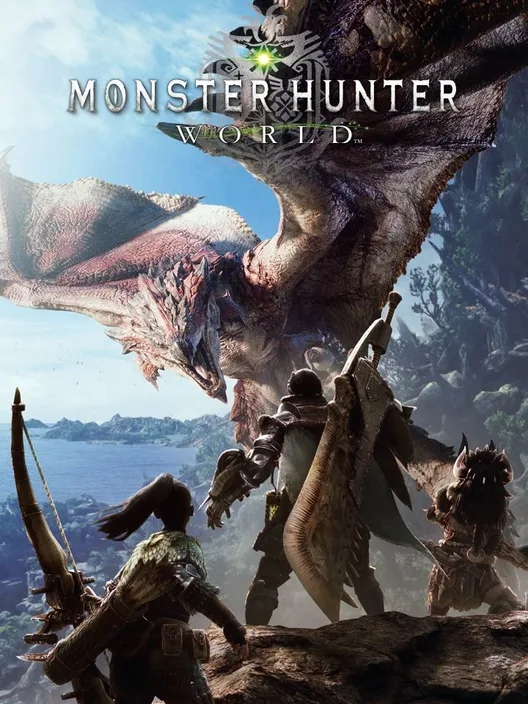
1. Persona 5 Royal#
Atlus's 2020 definitive re-release of the Japanese-developed Persona 5 layers a full extra semester, a new companion in Kasumi Yoshizawa, and a rebalanced Third Semester epilogue onto an already dense social-link-and-dungeon-crawling loop. The Persona-fusion system, combining two demons into a stronger one that inherits skills from its parents, turns party building into an ongoing puzzle that rewards planning fusion chains days in advance. Confidant relationships — the game's social-link system — feed directly back into combat by unlocking new fusion options and combat bonuses, tying the visual-novel half of the game mechanically to the dungeon-crawling half rather than keeping them separate. The Palace heist structure, each one built around a specific villain's psychological distortion made architectural, gives every dungeon a distinct visual identity and puzzle logic instead of reused tilesets. The honest drawback: the game demands a serious time investment, comfortably over 100 hours for a full playthrough, and its rigid day-by-day calendar structure punishes any activity chosen without forethought.
2. Phantasy Star IV: The End of the Millennium#
Sega's Genesis-era classic, developed in Japan, closes out the original Phantasy Star tetralogy with a combo-attack system, called Macro, that lets the player pre-script multi-character attack sequences and fire them off as a single command, a genuine quality-of-life innovation most turn-based RPGs of 1993 hadn't considered. The game's manga-style cutscene panels, used for major story beats instead of static text boxes, gave it a visual identity distinct from its Dragon Quest and Final Fantasy contemporaries. Party composition matters concretely: Force-users like Rune and Rika cast the game's most powerful spells but need careful positioning to avoid being one-shot by physical attackers, creating real risk-reward tension in party building. The story's connections to the earlier three Phantasy Star games reward long-time fans without locking newcomers out of following the plot. The honest drawback: by modern standards the game's difficulty curve spikes unevenly, and several late-game dungeons rely on grinding that a lot of contemporary RPGs have since designed away.
3. Fuga: Melodies of Steel 2#
CyberConnect2's 2023 sequel, developed in Japan, continues the crew of child protagonists' journey inside the giant tank Taranis with an expanded roster and a deeper version of the original's core tension: each cannon is powered by a specific child's emotional state, and firing in "Berserk" mode deals devastating damage while pushing that child toward a permanent, narratively significant transformation if overused. New playable children introduced this entry each carry distinct personal arcs that tie into the tank's weapon assignments, so bonding events unlock support skills specific to who's paired with whom in a given battle. The game's turn-based combat splits between personal character actions and manning the tank's weapon stations, meaning positioning decisions are about long-term role assignment as much as which move to pick each turn. The sequel's story digs further into the found-family themes the first game established, following the same cast through a continuing wartime survival arc rather than a fully standalone plot. The honest drawback: newcomers who skip the first Fuga will find the emotional stakes and character relationships considerably less impactful without that foundation, and the game's scope remains comparatively modest next to the genre's longest-running franchises.
4. The Legend of Heroes: Trails Beyond the Horizon#
Nihon Falcom's 2024 entry (localized internationally by NIS America in 2026), developed in Japan, continues the long-running Trails series' turn-based Combat Link and Craft/S-Craft systems while advancing the overarching Calvard-arc storyline the recent games have built toward, tying a genuinely massive cast of returning characters from across the series' Crossbell, Cold Steel, and Calvard sub-series into a single converging plot. The Orbment customization system returns with further refinements, letting Quartz slotted into a grid reshape both stats and available spells for a cast that, by this point in the series, numbers in the dozens of playable characters. The game's structure leans on the series' famously dense, politically grounded worldbuilding, with the turn-based encounters serving as punctuation for lengthy town-exploration and dialogue sections rather than the primary draw. The honest drawback: the game is aimed squarely at longtime series veterans, assuming familiarity with roughly a decade's worth of prior Trails entries, and the barrier to entry for newcomers is about as steep as anything in the genre.
5. Shining Force II#
Camelot's 1994 tactical RPG for the Genesis, developed in Japan, remains one of the clearest examples of grid-based JRPG tactics done right, with a roster large enough — over thirty recruitable characters — that party composition becomes a genuine strategic layer rather than an afterthought. Promotion items, which evolve a character into a stronger class partway through the campaign (a Centaur becoming a Baldiore, for instance), give long-term investment in a specific unit real mechanical payoff rather than just a stat bump. Terrain and positioning matter concretely in every battle, with archers and mages needing protection from melee units who in turn need healers within range, forcing genuine formation thinking rather than a straightforward damage race. The lighthearted tone and surprisingly deep post-game content, including a bonus dungeon accessible only after specific in-game conditions are met, gave it replay value beyond the main campaign. The honest drawback: several promotion items are missable without a guide, permanently locking a character out of their strongest form for that playthrough.
6. Lisa: The Painful#
Austin Jorgensen's cult RPG, an American-developed game working explicitly in a JRPG-inspired mold rather than a Japanese production, follows Brad Armstrong through a post-apocalyptic wasteland populated entirely by men, after a mysterious event killed every woman on Earth, and builds an entire moral framework around a single mechanic: Brad must repeatedly choose which party members to sacrifice to save his adopted daughter Buddy, and those choices are permanent, with no reload-and-fix-it safety net the genre usually provides. Combat draws on beat-em-up-style positioning layered onto a turn-based JRPG structure, with a deliberately punishing itemization system where healing items are scarce enough that a single bad fight can cascade into a genuinely desperate resource crisis. The game's dark comedy, deployed constantly and without warning, whiplashes hard against moments of real, unflinching bleakness in a way that's clearly deliberate rather than tonal confusion. The Golden Bat's plotline in particular carries some of the darkest material the genre has attempted. The honest drawback: the game's content is genuinely disturbing by design, including material some players will find upsetting for reasons that go well beyond typical RPG stakes, and its skill-based platforming sections are considerably weaker than the RPG mechanics around them.
7. Clair Obscur: Expedition 33#
Sandfall Interactive's 2025 debut, developed by a French studio working explicitly in JRPG-influenced turn-based traditions rather than a Japanese production, reinvents that combat style by layering real-time dodges and parries onto every enemy attack, meaning a fight against Expedition 33's painters can be lost entirely to bad reflexes even with a perfectly optimized party. The Lumina and Pictos systems let characters equip passive effects lifted from earlier fights, so late-game builds can stack unlikely combinations, like a tank character built around counterattacking every parry, that the game never explicitly points players toward. Gustave, Lune, Maelle, and the rest of the expedition each play distinctly enough that switching a lead character mid-fight changes the whole approach rather than just the character model. The Gommage premise, a mysterious painted entity erasing everyone above a certain age each year, gives the story genuine urgency without over-explaining itself early, in a visual and tonal register that draws heavily on the genre's melancholic storytelling traditions. The honest drawback: the parry-timing demands are unforgiving enough that players who want a purely turn-based, strategy-first experience closer to the genre's classic feel may find the reflex layer an unwelcome addition rather than a refinement.
8. Fear & Hunger 2: Termina#
Finnish solo developer Miro Haverinen's 2022 survival-horror RPG, developed outside Japan but working in explicit conversation with JRPG dungeon-crawling structure and turn-based combat conventions, builds its systems around a body-part-targeting system where every attack can aim for a specific limb or organ, and losing a limb permanently changes what a character can do for the rest of the run. Sanity mechanics degrade a character's mental state during extended dungeon crawls, occasionally causing hallucinated enemies or corrupted turn options that blur the line between mechanical challenge and psychological horror, a tonal register far darker than most of the genre's mainstream output. Multiple playable characters, each with wildly different starting stats and one-time unique abilities, mean the same encounter plays out completely differently depending on who's fighting it. Stance choices made before combat trade offense for defense in ways that reward careful planning over reflexive menu-mashing. The honest drawback: the game's difficulty is unforgiving by design, with permanent character loss and content some players will find genuinely disturbing, a combination that keeps it a niche pick despite its mechanical ambition.
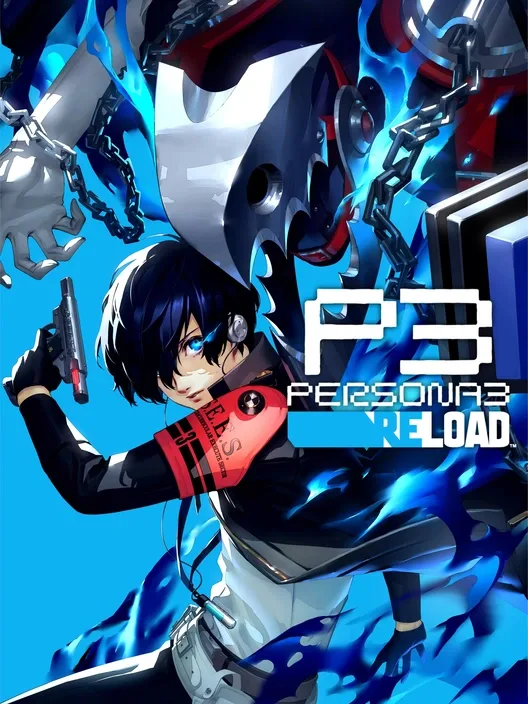
9. Persona 3 Reload#
Atlus's 2024 remake of the 2006 original, developed in Japan, rebuilds Persona 3's turn-based combat around the One More system, where hitting an enemy's elemental weakness grants an extra action immediately, so a well-read turn order can chain an entire party's abilities together before the enemy acts at all. The Persona-summoning mechanic, tied to the protagonist's Evoker, lets a single character carry multiple Personas and swap between them mid-battle, giving one party member access to a toolkit as flexible as the rest of the party combined. Social Links, built during the game's calendar-driven daytime sections, directly feed into Persona fusion strength, tying the dungeon crawling of Tartarus to a separate social-simulation layer running in parallel, the same structural DNA later refined in Persona 5. The remake's reworked Theurgy system, new to Reload, gives each named party member a unique super-move charged through character-specific in-battle conditions. The honest drawback: Tartarus, the game's single repeating dungeon, is considerably more monotonous in its floor layouts than the bespoke dungeons of later Persona games, and the remake's changes haven't fully addressed the structural repetition that was a common criticism of the original.
10. Omori#
OMOCAT's 2020 debut, developed by an American-led independent team working explicitly within JRPG structure and RPG Maker-adjacent presentation, splits its story between a surreal, colorful dream world called Headspace and a grounded, muted real-world narrative dealing with grief and trauma, with turn-based combat mechanics shifting to reflect which reality the player currently occupies. The Emotion system lets characters inflict and suffer from states like Happy, Sad, or Afraid, each modifying stats and unlocking specific combat options, turning the JRPG genre's usual status-effect mechanics into a direct extension of the story's psychological themes. Party members recruited in Headspace each represent a real person from the protagonist's life, refracted through dream logic, so combat roles carry emotional weight tied directly to the overarching mystery the game is built around. Multiple distinct endings, branching heavily on choices made throughout rather than a single late-game decision, reward attentive, careful play over button-mashing through dialogue. The honest drawback: the game's subject matter, including sustained depictions of grief, self-harm, and psychological trauma, is heavy enough that it's a real barrier for players wanting a lighter genre experience, and its turn-based combat itself is comparatively simple next to its narrative ambition.
11. Deltarune#
Toby Fox's ongoing episodic RPG, developed independently in the West but built as a direct continuation of Undertale's JRPG-inspired bullet-hell "SOUL" combat system, released its first two chapters free in 2018 and 2021 before Chapters 3 and 4 launched as a paid release in 2025, with Chapter 5 following as a free update in 2026. Combat blends traditional turn-based menu selection with a real-time bullet-dodging minigame during the enemy's turn, and the game's TP-fueled special-attack system lets party members combine moves in ways Undertale's solo-protagonist structure never allowed. Party members like Susie and Ralsei carry distinct personal arcs that develop specifically through the game's chapter structure, with each new release expanding the cast's relationships rather than resetting them. The game's world, a parallel "Dark World" reflecting the real-world town of Hometown, gives its turn-based dungeons a genuine narrative throughline tied to the mystery of why the protagonist keeps being pulled into these parallel spaces. The honest drawback: the game's episodic release schedule, with years between major chapters, means the story remains incomplete, and newcomers are committing to an unfinished work without a clear timeline for its conclusion.
12. Fuga: Melodies of Steel#
CyberConnect2's 2021 original, developed in Japan, puts a crew of child protagonists inside a giant tank and turns each character into both a fighter and a literal weapon operator, with turn-based combat split between personal actions and manning the tank's cannons, which are powered by a specific child's own emotional state. Firing a cannon in "Berserk" mode deals devastating damage but pushes the operating child toward a permanent, narratively significant transformation if used too often, turning the numbers-optimization instinct most RPGs reward into a genuine moral tension. The tank's multiple weapon slots, each requiring a different crew member, mean positioning decisions are about who's assigned to what role for an entire battle rather than just which move to pick each turn. Bonding events between children, triggered between battles, unlock support skills that alter their combat stats, tying the game's found-family narrative directly to its mechanics rather than keeping them separate. The honest drawback: the game's combat, while mechanically sound, is comparatively short and straightforward next to the genre's longest-running franchises, and the emotionally difficult subject matter involving child soldiers is a real barrier for some players regardless of how the mechanics handle it.
13. Shin Megami Tensei V: Vengeance#
Atlus's 2024 expanded re-release of Shin Megami Tensei V, developed in Japan, keeps the series' demon-negotiation system intact — talking to enemies mid-battle to recruit them rather than simply defeating them — while adding an entirely new story branch, the Vengeance path, that runs parallel to the original Creation/Reason routes and introduces the character Yoko Hiromine as a new companion. The Press Turn battle system rewards exploiting elemental weaknesses with extra actions while punishing missed attacks by losing turns outright, making careful demon-team composition, built through the deep fusion system, the difference between a trivial fight and a party wipe. Miman collectibles and new open-world side areas added in this release expand the base game's already sprawling Da'at wasteland with additional side content tied to the new story branch. The demon-fusion system, letting two or more demons combine into a new one that inherits and can be manually assigned specific skills, remains one of the deepest party-building tools in the genre. The honest drawback: the game's demon-heavy, apocalyptic tone and steep difficulty curve, especially on higher difficulties, are considerably harsher than the more approachable Persona spin-off series from the same studio, a real barrier for players expecting Persona's gentler pacing.
14. Utawarerumono: Mask of Truth#
Aquaplus's 2016 entry (localized in the West by Atlus USA in 2017), developed in Japan, continues the visual-novel-turned-tactical-RPG hybrid structure established by Mask of Deception, splitting its runtime between dense narrative sections and grid-based tactical battles where unit positioning, terrain, and turn order determine encounter outcomes as much as raw stats. The game's large cast, carried over from its predecessor and expanded with new recruits, each bring distinct tactical roles and Astral Weapon special attacks that require specific in-battle conditions to trigger, rewarding players who track individual character states rather than treating the roster interchangeably. The story concludes the political and personal arcs set up across both Mask games, paying off relationships and conflicts built over a combined runtime that easily exceeds 80 hours between the two entries. The tactical battles themselves grew more complex than the first Mask game, with expanded skill trees and equipment options that let returning characters be rebuilt toward different combat roles. The honest drawback: the game's heavy narrative-to-combat ratio and reliance on the previous game's setup make it a poor entry point for newcomers, and the visual-novel sections' pacing will test the patience of players primarily interested in the tactical combat.
15. South Park: The Stick of Truth#
Obsidian Entertainment's 2014 release, an American-developed game built explicitly as a loving JRPG homage using the South Park license rather than a Japanese production, adopts turn-based combat structured almost beat-for-beat on classic Paper Mario and Super Mario RPG conventions, including timed button-press inputs that boost attack damage or reduce incoming damage. Character classes, including Fighter, Mage, Thief, and Jew, each unlock distinct combat abilities and dialogue options, with class choice affecting more than just combat stats since certain quest solutions are gated behind specific class abilities. The game's turn-based dungeons are built entirely around the show's small-town setting and specific episode references, turning familiar South Park locations like the elementary school and Mr. Slave's apartment into RPG-appropriate combat and exploration spaces. Companion party members drawn from the show's cast, including Cartman as an AI-summonable ally, each bring skills that reference specific character traits from the series rather than generic RPG archetypes. The honest drawback: the game's humor is deliberately vulgar and shock-driven in line with the source material, which is a dealbreaker for players uninterested in South Park's specific brand of comedy regardless of how competently the JRPG mechanics underneath are built.
16. Dragon Quest VII Reimagined#
Square Enix's 2026 remake of the 2000 original, developed in Japan, rebuilds Dragon Quest VII's fragmented, island-hopping story structure with entirely new visuals and expanded storylines while keeping the core Vocation (job) system intact: characters can freely switch between Vocations like Warrior, Mage, and dozens more unlocked through exploration, each contributing permanently learned skills to a character's overall kit even after switching away. The original's time-travel structure, visiting past versions of ruined islands to restore them to the present, remains the game's central hook, with each restored island unlocking new areas, side quests, and Vocations in the present timeline. The remake's added storylines flesh out islands the 2000 original treated as comparatively thin, giving the notoriously slow-paced original's early hours more narrative momentum. The turn-based combat itself keeps Dragon Quest's classic command-menu structure largely intact, prioritizing familiar genre conventions over structural reinvention. The honest drawback: even with the remake's new content and quality-of-life improvements, the original's famously deliberate pacing, especially in its first several hours before the job system fully opens up, remains a real barrier for players used to more immediately gratifying modern RPGs.
17. Octopath Traveler II#
Square Enix and Acquire's 2023 sequel, developed in Japan, refines the HD-2D visual style and Path Actions system the first game introduced, letting each of the eight playable protagonists use a unique field ability, like Challenging an NPC to a duel or Guiding them away from their post, to solve the same town-based problems in different ways depending on which character leads the party. The Break-and-Boost combat system, where hitting a specific elemental or weapon-type weakness enough times staggers an enemy for bonus damage, rewards careful party composition built around covering as many weakness types as possible. Combining two characters' Latent Powers, unique passive or active abilities specific to each protagonist's backstory, lets advanced players stack effects the game doesn't explicitly signpost, similar in spirit to the series' turn-based tactical depth. The eight separate, mostly independent character storylines, each with its own tone ranging from a revenge tragedy to a lighthearted heist story, can be played in almost any order, a structural choice distinct from the more linear main-quest pacing of most JRPGs. The honest drawback: the eight storylines rarely intersect meaningfully until deep into the postgame, so the game's biggest structural idea, that these are eight separate journeys, comes at the cost of a unified central narrative most genre peers build around.
This ranking is a live, data-driven snapshot of how these JRPGs are currently rated relative to each other, not a fixed, permanent verdict. It shifts automatically as more people rate these games or as new releases join the catalog with enough reviews to be scored fairly — check back as the data changes, because it will.