

A servant, a house and a lot of things that should not be there#
Servant of the Lake is the newest premium point-and-click adventure from Rusty Lake, the Amsterdam studio behind the Cube Escape series and a long line of surreal puzzle games. It was released on 13 August 2026 and places the player in the role of a hired servant at the Vanderboom estate. The job description sounds harmless: make breakfast, dress the family, clean the rooms. The house, of course, is not harmless, and each ordinary task turns into a small, strange and often grisly puzzle.
The short version of this review is that the game does exactly what Rusty Lake fans hope for and does it with confidence. It is compact, inventive and consistently creepy, and it gives the studio's trademark mix of dry humour and dread a structure that is easy to follow. Most critics respond warmly, praising the atmosphere, the variety of puzzles and the writing, and the main reservations are about length and difficulty rather than about quality. That is the reason it lands at 8 out of 10: it is an excellent short game, not a long or demanding one.
What makes Servant of the Lake different#
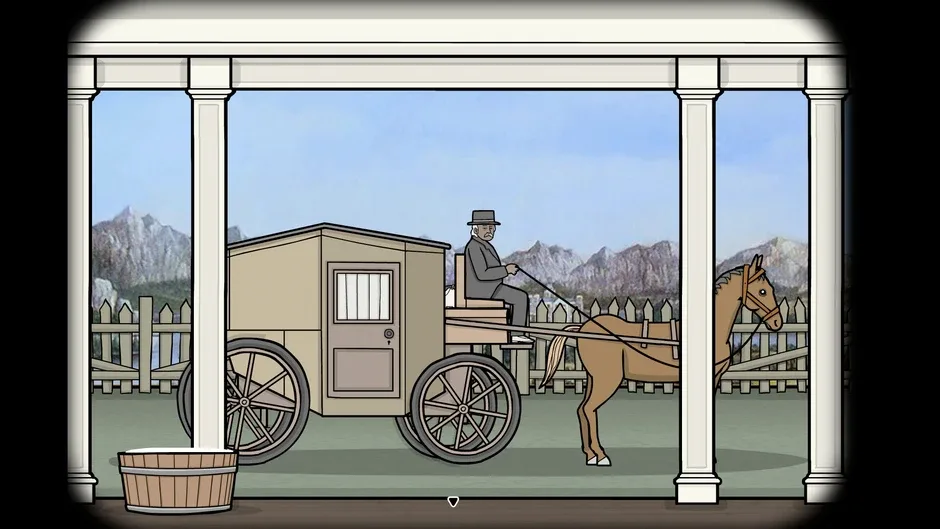
The idea that carries the game is the servant's point of view. Earlier Rusty Lake games often cast the player as an investigator or a wanderer through someone else's nightmare. Here the player is part of the household machinery, someone who is expected to do the work and not ask questions. That position gives the game a quiet kind of tension. A servant sees things and is not supposed to react, and the game plays with the gap between what you are told to do and what you can plainly see is wrong.
The story is set decades before the events of Rusty Lake: Roots, in the era of the Vanderboom family's earlier generation. That makes the game a prequel, but a gentle one. According to the critics who have written about it, no knowledge of the other games is required to follow what happens, though longtime fans will recognise names, places and small references that reward their loyalty. This matters, because many series in this genre become closed circles. Servant of the Lake is designed so that a newcomer can start here without feeling locked out.
The structure: three days, one chore at a time#
The game is organised around short chapters, each built around a household task. Reviews describe the story as playing out over three days, with chapters named after chores such as preparing a meal, dressing the family and cleaning. The structure works well for two reasons.
First, it gives every puzzle a clear purpose. Instead of wandering through a room hoping that a lever does something, the player has a concrete job and works toward it, and the interesting part is how the job goes wrong. Bathing someone, feeding the family cat or tidying a room all begin as everyday tasks and slide quickly into the macabre. The humour comes from that slide. The game keeps a straight face while asking you to do something that no real household would accept.
Second, the structure keeps the pacing tight. A chapter is short, the objective is clear and the reward is a new glimpse of the family and the house. There is little room for filler, and the game is better for it. Players who prefer open-ended exploration may miss the sense of a sprawling map, but the focused layout suits a story that depends on mood.

Puzzles: variety over difficulty#
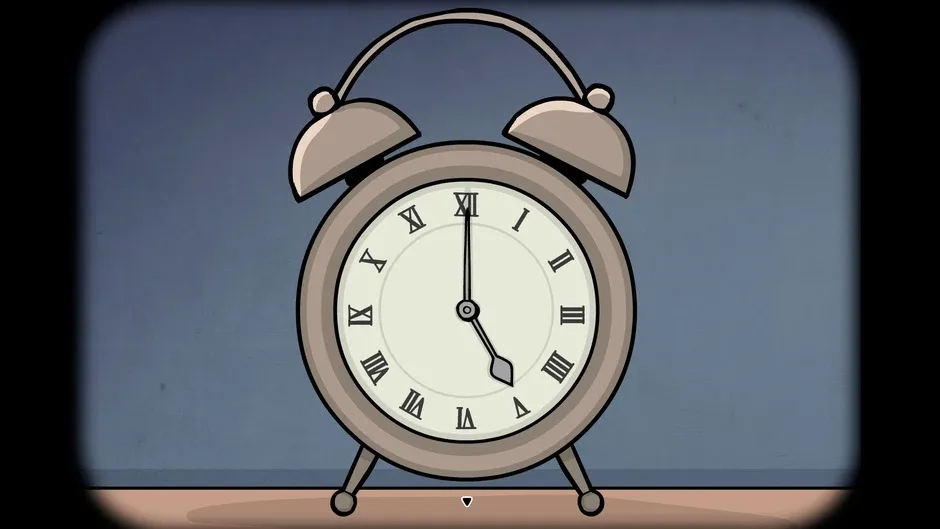
Puzzles are the centre of the game, and the variety is its main strength. Reviewers describe a mix of classic point-and-click object puzzles, where you find an item and work out where it belongs, together with sorting tasks, sliding-block puzzles and logic challenges. Puzzles begin almost at once and rarely repeat the same idea twice in a row, which keeps the pace fresh across a short running time.
The more interesting question is difficulty. Most coverage agrees that the puzzles are fair and rarely stop progress for long. Some critics say a number of them are too easy, while also noting that the harder ones make the whole game worth playing. Players on Steam describe the puzzles as challenging yet fair, which fits the same picture from a different angle. The result is a game that feels clever without becoming frustrating, and that is a deliberate balance. It is a game for people who want to feel smart, not for people who want to feel stuck.
The honest limit is that experienced puzzle fans may reach the end without ever being truly blocked. If your favourite adventure games are the ones that demand notebooks and long pauses, this is gentler than that. For everyone else, the lack of friction is a feature.
Atmosphere, art and sound#
Rusty Lake has a recognisable visual identity, and Servant of the Lake leans into it. According to the studio's own description, the art consists of handmade oil paintings by Johan Scherft, and the 2D hand-drawn look gives the Vanderboom house a texture that a polished 3D world could not match. The rooms are detailed and slightly off, as if the painter wanted you to feel the wrongness before you can name it.
The music is by Victor Butzelaar, who has long worked with the studio, and the soundtrack includes a collaboration with the harpist Lavinia Meijer. The result is a score that is delicate rather than loud, and it gives the horror a quiet and formal quality. Combined with full voice acting, which critics single out as a strength, the sound design pulls the player into the household. The family is strange, but they are performed with enough conviction that their strangeness feels like a way of life and not like a joke.
The reception on atmosphere is close to unanimous. Reviewers praise the vague, unsettling mood that made the studio's earlier games memorable, and the game's Steam tags, which include atmospheric, psychological horror, surreal and dark, say the same thing from the audience side.
Story and tone#
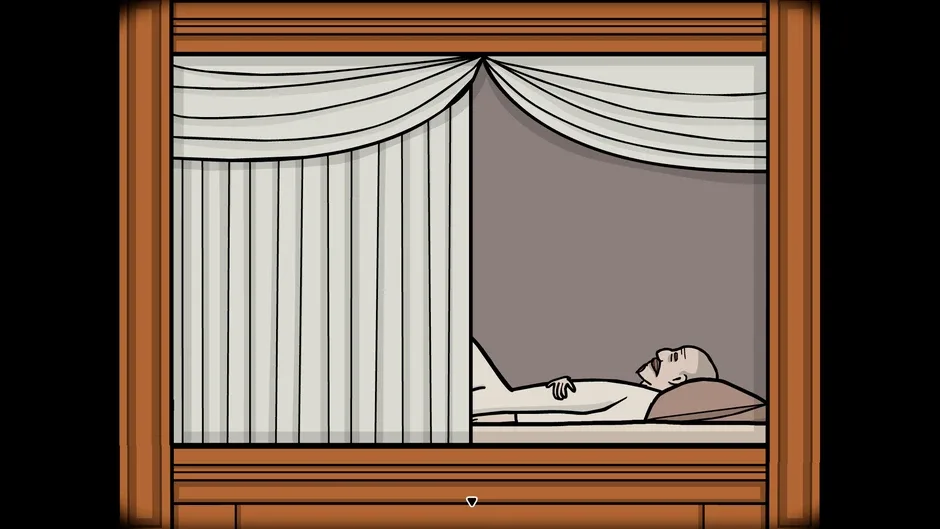
The story is delivered through short scenes instead of long cutscenes or heavy exposition, and that choice suits the game. The Vanderboom family is the focus, and each member is built from a few sharp details that suggest much more than they say. The servant stays slightly outside the drama, which helps the player keep a distance from the worst of it while still being responsible for the tasks that move it forward.
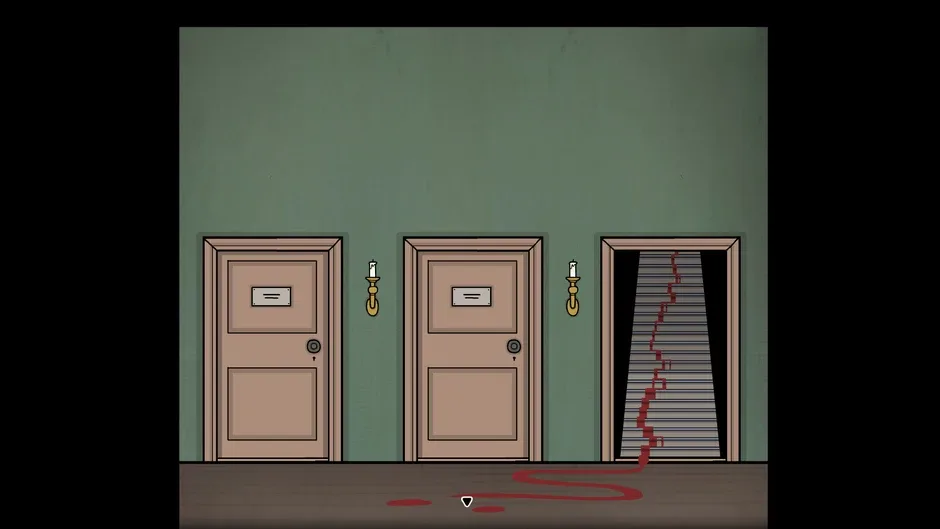
The tone is dark, macabre and darkly funny. The game asks you to do things that are gross, uncomfortable or cruel, and it does so with a straight face. That is where the humour lives, and it is also where some players will draw a line. The imagery includes body horror and the kind of detail that makes squeamish players look away. If that sounds appealing, it is one of the reasons to play. If it does not, this is not a game that will win you over.
On the story itself, opinions are slightly more mixed than on the atmosphere. Some critics find it strong, praising the writing, while one notable review feels the plot is not fantastic and the revelations are fairly predictable. That is a fair summary: the journey is more memorable than the destination, and the pleasure comes from the details of the house rather than from a major twist.
Difficulty, hints and accessibility#
The game is approachable. Puzzles are clearly tied to the task at hand, and the structure of short chapters keeps the player from drifting. Reviews mention a video walkthrough reachable from the in-game menu that acts as a hint option, which means a player who gets stuck does not need to leave the game to search for help. That is a friendly design choice, and it helps newcomers who have never played a point-and-click puzzle game.
Beyond that, details of accessibility options such as text size, colour settings or subtitles have not been verified for this review, so check the store page for what is on offer. The game is single-player, there is no time pressure in the puzzles, and the action is entirely mouse or touch driven, which keeps the controls simple on both PC and mobile.
Technical state#
The technical picture is mostly positive. Critics who reviewed the game on PC do not describe major technical problems, and the audience response on Steam is strongly positive. The one recurring complaint in player feedback concerns items disappearing from the inventory, which can block progress until the player reloads or retraces steps. It is a bug worth knowing about rather than a reason to avoid the game, and patches may already have addressed it, so check the latest community discussion on the store page.
Compared with Cube Escape and Rusty Lake: Roots#
The obvious comparison is with the rest of the series. The Cube Escape games are short, surreal and strange, built from small rooms and dream logic. Rusty Lake: Roots is a longer, more story-driven game that follows the Vanderboom family through generations. Servant of the Lake sits closer to Roots in subject and closer to Cube Escape in length and spirit. It is a prequel with a tighter structure, and it uses the same house as a stage for a more guided and more comic story.
| Servant of the Lake | Rusty Lake: Roots | |
|---|---|---|
| Structure | Three days of chores in short chapters | A family saga across generations |
| Tone | Darkly comic, domestic horror | Dark, mysterious and sprawling |
| Setting | The Vanderboom estate, decades earlier | The Vanderboom family across time |
| Length | Roughly 3 to 5 hours | Longer |
| Best for | Newcomers and fans wanting a compact story | Players who want a bigger saga |
Outside the series, the closest relatives are other short, atmospheric point-and-click puzzlers where puzzle and mood work together. What sets Servant of the Lake apart is the domestic framing: the horror comes from ordinary work done in a house where nothing is ordinary.
New to Rusty Lake? Start here#
This is a reasonable first Rusty Lake game, and a few habits help.
- Read each room slowly before you click, because small details usually point at the next step.
- Treat the current chore as a clue. The task you were given almost always explains what the puzzle wants.
- Try everything with everything. Item combinations are a core idea of the genre, and the game rewards curiosity.
- Use the hint option when you are stuck for a long time, since the game is built to be enjoyed, not endured.
Worth the money?#
The launch price on Steam was USD 7.99 according to the studio's press release, and the mobile versions were priced lower, at USD 4.99. A launch discount was reported for the first two weeks, and prices differ by region and over time, so check the current price on your platform before buying. For a game of three to five hours, that is a modest outlay, and the response from players suggests that most feel they got their money's worth.
The length is the honest question. Reviews put the main story at roughly 3 to 5 hours, and the game includes many achievements for completionists, which adds a little time. If you judge games by hours, this is short. If you judge them by the density of ideas per hour, it is one of the stronger recent examples. A free demo on Steam and lite versions on mobile have been reported, so you can test the style before spending anything. Supported languages for text and voice have not been verified for this review, so check the store page before buying.
Play this instead if…#
Shorter: The Cube Escape games are even smaller pieces of the same universe, and they suit anyone who wants a quick taste of the studio's style in a single sitting.
Easier: Games with an even gentler puzzle curve, such as cosy hidden-object or simple adventure titles, are better if you want atmosphere with almost no friction. Servant of the Lake is already friendly, but it still asks you to think.
Cheaper or co-op: Rusty Lake has a catalogue of older, inexpensive games that often appear in sales. Servant of the Lake is a single-player experience, so anyone after co-op should look at cooperative puzzle games such as It Takes Two instead.
Frequently asked questions#
How long is Servant of the Lake? The main story takes roughly 3 to 5 hours, depending on how quickly you solve the puzzles.
Do I need to play the other Rusty Lake games first? No. Reviewers say the game works for newcomers, although fans will notice references to the wider series.
Which platforms is it on? It launched on 13 August 2026 on Steam and on iOS and Android. Check the store pages for the exact list of supported systems.
Is it scary? It is unsettling and gruesome in a darkly comic way. There is body-horror imagery, but the game leans on atmosphere and dread rather than jump scares.
Does it have co-op or multiplayer? No. It is a single-player game.
Is there a hint system? Reviews mention a video walkthrough reachable from the in-game menu.
The Game Avant verdict#
Servant of the Lake is a small game with a strong sense of itself. The idea of turning household chores into horror is simple, and the execution is careful: a clear structure, a wide mix of puzzles, a striking painted look and a cast that sells its strangeness. The weaknesses are real but modest. It is short, many puzzles are easy, a reported inventory bug can interrupt progress, and the story is better at mood than at surprise.
The contrarian view is that the brevity is part of the strength. A longer version would likely have stretched its ideas, and a harder version would have broken the rhythm of its chores. As it stands, it is a tidy, memorable evening or two of macabre puzzles, and a good starting point for anyone curious about Rusty Lake.
8 out of 10 – a short, sharp and darkly funny puzzle adventure that makes housework unsettling.