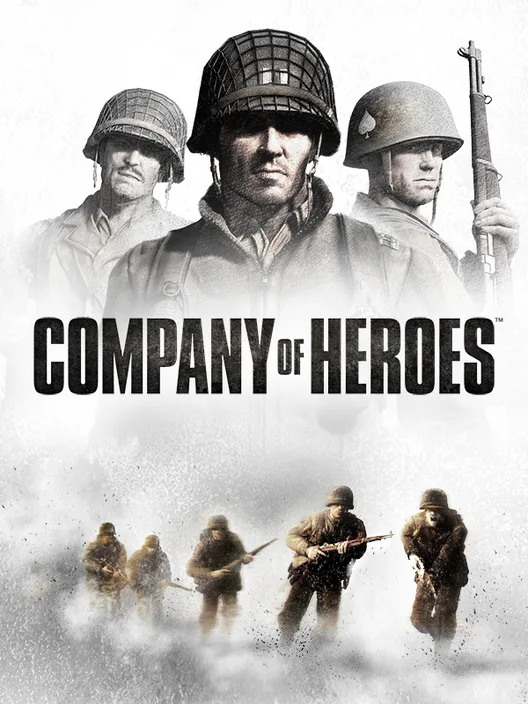
 Company of Heroes
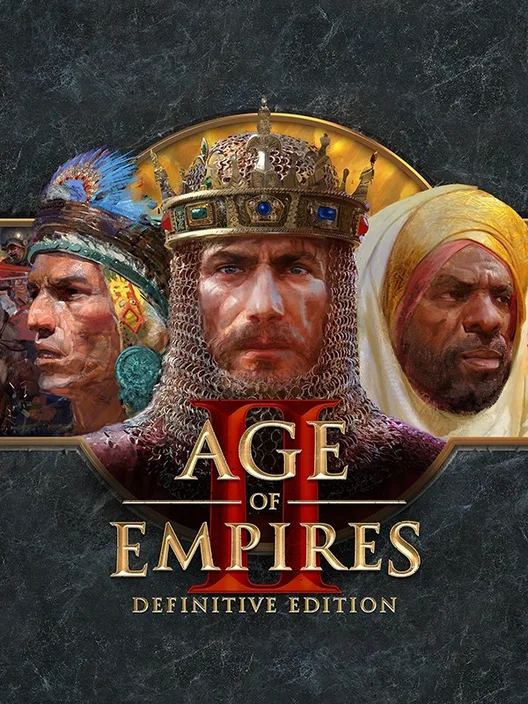 Age of Empires II: Definitive Edition
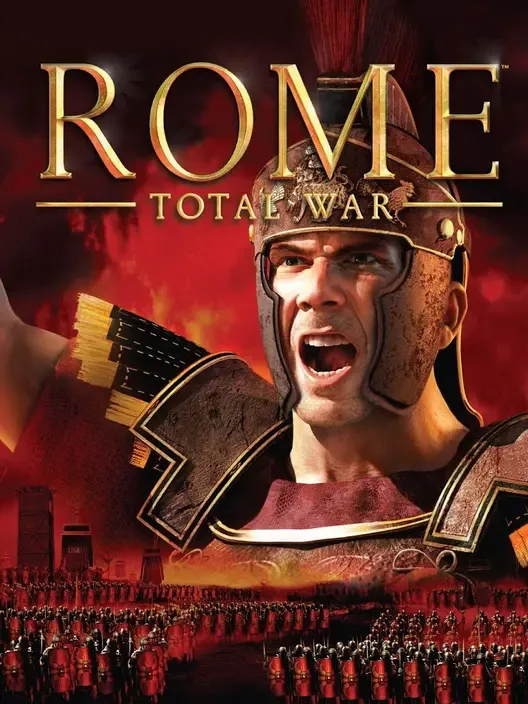 Rome: Total War
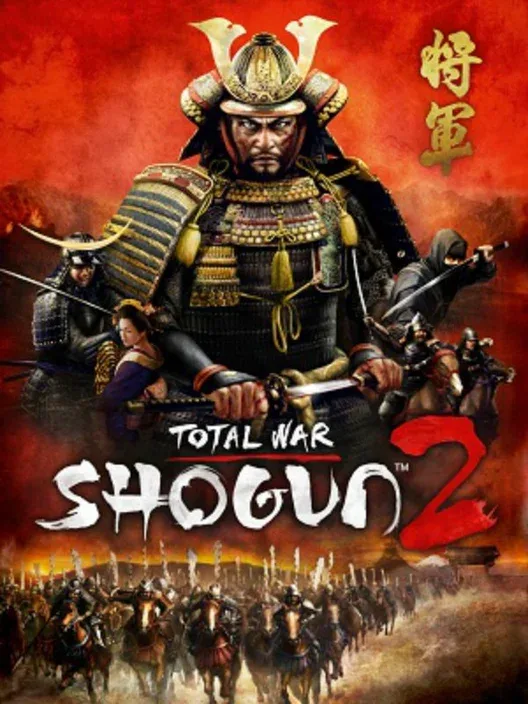 Total War: Shogun 2
 Warhammer 40,000: Dawn of War
This is Game Avant's own ranked list of the best real-time strategy games right now, built from the site's combined critic and player rating data rather than picked by hand. "Real-time" strategy means everything happens on a running clock rather than a turn order: base-building, resource gathering, and unit control all compete for the same seconds, and a player's actions-per-minute matter as much as the plan behind them. That distinguishes the subgenre from neighboring tactical games, which strip out base-building and economy to focus purely on squad-level positioning, and from grand strategy, which runs on turns or a pausable calendar rather than a live clock and operates at the scale of nations rather than individual units. A handful of entries below pair a turn-based campaign map with real-time battles — the battle itself is what earns them a place on this specific list, since that's where the economy of army composition and terrain gets tested live.
The order below comes from blending IGDB's aggregate critic and user score with Steam's own user review percentage, weighted toward games with a real sample size behind the number, and only counting entries with at least 50 reviews behind their score. That means a two-decade-old classic can sit above a flashier recent release, because the math doesn't care which one has the bigger marketing budget. Read the write-ups below for what each entry actually does on the map — the rank tells you how it currently scores among the best RTS games worth playing, not which one fits tonight.
1. Company of Heroes#
Relic Entertainment's 2006 World War II real-time strategy game, published by THQ, reframed the genre around territory and cover rather than base-building macro: capturing strategic points on the map feeds resources directly into the war effort, and the fully destructible environment means a defended position can be shelled into rubble mid-fight, removing the cover that made it valuable in the first place. The doctrine system lets commanders specialize toward armor, airborne support, or defensive tactics partway through a match, giving matches a genuine build-around decision beyond simple unit composition. Squad-based infantry, where a unit's effectiveness degrades member by member rather than dying all at once, makes flanking and suppression fire genuinely readable in the moment instead of abstracted into a single health bar. Physics-driven combat, where explosions can flip vehicles and buildings can be garrisoned for cover, gave battles a sense of place that base-building RTS games of the era rarely bothered with. Veterancy, where a squad that survives long enough at the front gains real combat bonuses, gives a canny commander genuine incentive to preserve experienced infantry instead of treating every unit as disposable. The honest drawback: the smaller unit caps and squad-focused scale can feel slight next to a sprawling Total War battle or a classic base-and-army RTS, and the franchise's several sequels and spin-offs make it genuinely unclear to a newcomer which entry is the one to actually start with.
2. Medieval II: Total War#
Creative Assembly's 2006 entry in the Total War series, published by Sega, earns its place on a real-time strategy list specifically through its battles: the campaign map handles diplomacy, construction, and army movement turn by turn, but actual engagements play out as physical, positioned fights where terrain, unit formation, and flanking decide the outcome in real time rather than a stat comparison. Faction-specific unit rosters — the Byzantine Empire's armored cataphracts, the Holy Roman Empire's pike-wielding landsknechts — mean armies from different corners of the map genuinely fight differently instead of sharing a common list with reskins. The religious system, layering crusades and jihads onto standard warfare, gives certain campaigns entire additional axes of conflict beyond territorial expansion. The family tree system, tracking named generals who accumulate traits and can marry into rival factions, gives individual characters stakes a purely abstract army roster never manages. Trade income and city-specific building chains, from cathedrals to guild halls, mean a faction's prosperity depends as much on economic development between wars as army size. The honest drawback: the AI's battlefield pathing and campaign-level diplomacy show real age by modern standards, siege battles in particular can produce pathing errors that undercut otherwise well-designed maps, and the engine's visuals are dated enough that newcomers used to modern Total War entries will notice immediately.
3. Rome: Total War#
Creative Assembly's 2004 entry, published by Activision, set the template the Total War series has followed ever since: a turn-based campaign map for diplomacy, construction, and army movement, paired with real-time battles where terrain, formation, and flanking decide a fight, at a scale — armies numbering in the thousands rendered simultaneously on one battlefield — that had no real precedent when the game shipped. The family tree system ties every general to a named character with accumulating traits and vices, so a brilliant commander's early death to poor health or a botched assassination can cost a faction more than the battle it was about to win. Playing as Rome specifically adds the Senate, which hands out conquest and diplomatic missions separate from a player's own ambitions and can strip a faction's legitimacy if ignored too often. Agents sent into the field — spies to scout garrisons, diplomats to negotiate treaties, and assassins to eliminate rival generals — turn the campaign map into its own layer of covert conflict running alongside open war. Trade routes and province-specific buildings, from temples to farms, mean a faction's treasury depends as much on economic development between campaigns as the size of the legions it can field. The honest drawback: the AI's battlefield pathing and campaign-level diplomacy are unmistakably a product of 2004, sieges in particular can produce unit-clumping and pathing errors, and only the Roman factions get the Senate's mission structure, leaving barbarian and Eastern factions comparatively thin on campaign-specific systems.
4. Warhammer 40,000: Dawn of War#
Relic Entertainment's 2004 real-time strategy game, published by THQ, broke from the genre's usual resource-harvesting formula: territory is captured and held by garrisoning strategic points scattered across the map, and losing a contested point cuts off the resource flow it was generating, turning map control itself into the primary economic decision instead of a secondary one. Squad-based units, reinforced by adding fresh members to an existing squad rather than training replacements from scratch, keep veteran units relevant across a long fight instead of discarding them for fresh ones. Cover mechanics, where units in the open take substantially more damage than units using terrain, reward positioning discipline more than most contemporaries of the era attempted. Four playable armies at launch — Space Marines, Orks, Eldar, and Chaos Space Marines — each with genuinely distinct unit rosters and playstyles drawn from Games Workshop's tabletop lore, mean a Space Marine rush and an Ork horde barely resemble the same game. Elite hero units with unique wargear and abilities give late-game engagements a focal point beyond raw numbers. The honest drawback: the campaign is built around a single Space Marine chapter and offers little insight into the other three factions, and the base game's four-race roster feels thin next to what the eventual expansions would add.
5. Stronghold Crusader HD#
Firefly Studios' 2012 high-definition re-release of the 2002 original moves the Stronghold formula out of medieval England and into the desert theater of the Crusades, trading some of the original's town-happiness bookkeeping for a leaner, combat-first version of the same economy-versus-army balancing act. Nine AI lords with named personalities and fixed strategies — the aggressive Saladin, the defensive Sultan, the raiding Wolf — give skirmish and campaign maps a real sense of facing a specific opponent rather than a generic difficulty slider. Siege equipment, from catapults and mangonels to a tunneling mechanic that can undermine castle walls from below, gives offense options beyond a straightforward frontal assault. The Oasis and desert-specific building set, including the camel-mounted Arabian unit roster distinct from the original game's European one, gives skirmishes against different lords genuinely different unit match-ups to plan around. The HD edition itself added widescreen resolution support, additional AI lords, and Steam achievements on top of the two-decade-old base game rather than reworking its systems. The honest drawback: the underlying engine and pathfinding are unmistakably from 2002, large battles can bog down into visual clutter, and the simplified economy compared to the original Stronghold means the city-management half of the genre gets comparatively little attention here.
6. Original War#
Altar Interactive's 2001 real-time strategy game, published by Virgin Interactive, builds its entire design around a single scarcity rule: new soldiers cannot be trained or recruited, so the same finite roster of named colonists has to staff mines, run factories, and fight on the front line for an entire campaign, and losing an experienced worker to combat is a genuine, permanent cost rather than a number to replace. Set in an alternate-history 1980s where American and Soviet colonists are stranded in prehistoric Africa competing for a mysterious substance called Nikan-Ta, the game splits its two playable factions along real technological lines rather than reskinned unit lists. Colonists can be reassigned between roles — pulling a miner into a tank to defend a raid, then sending them back to the crates afterward — turning workforce allocation into a constant, granular decision instead of a one-time build order. The pausable, orders-queue command style lets a small force be choreographed with precision uncommon in the genre's more twitch-focused entries. The honest drawback: the scarcity-of-manpower premise that makes the game distinctive also makes it punishing and slow-paced by RTS standards, and the dated 2001 interface and limited unit-selection tools have aged out of step with how the genre eventually standardized control schemes.
7. Age of Empires II: Definitive Edition#
Microsoft and Forgotten Empires' 2019 remaster of the 1999 original keeps the underlying design intact while rebuilding it around a civilization system that now spans over 40 factions, each with unique units, technologies, and tech-tree gaps that make a Mongol cavalry rush and a Byzantine defensive turtle barely resemble the same game. The age-up structure — Dark, Feudal, Castle, Imperial — creates a steady rhythm of economic investment followed by a military spike, and racing a rival to complete a Wonder offers an alternate win condition even from a losing military position. The Definitive Edition's 4K remastered assets and rebuilt pathfinding sit on top of the original's still-active esports scene, itself a quarter-century old, which is a strong signal the underlying systems reward genuine mastery rather than memorization alone. Campaign scenarios built around historical figures, from Genghis Khan to Joan of Arc, use scripted objectives and hero units to teach the same systems the competitive ladder tests, in a far more forgiving setting. Ongoing balance patches, still shipping years after the remaster's release, keep the civilization roster from calcifying around a fixed competitive meta. The honest drawback: early-game villager and economy management is unforgiving of mistakes, the competitive meta leans on scripted opening build orders that can feel like homework before a match becomes interactive, and newcomers matched against experienced players can lose in the first five minutes without understanding why.
8. Stronghold#
Firefly Studios' 2001 debut, published by Take-Two, built the template the rest of the series would follow: a dual economy where a castle's military strength is directly funded by a town's production chains, and a Popularity stat — driven by tax rates, food variety, and law enforcement — determines whether that town keeps growing or starts quietly emptying out. Nine named AI lords, from the Rat to the Wolf, give the campaign's escalating siege missions distinct personalities and preferred tactics rather than a uniform difficulty curve. The castle-building tools let walls, gatehouses, and moats be placed freely rather than snapped to a fixed layout, so a well-designed fortress is a genuine defensive asset instead of a cosmetic backdrop. Food variety specifically, requiring bread, meat, or ale rather than a single stockpiled resource, ties a town's growth to genuine production-chain planning rather than a single number going up. The Military Campaign and separate Economic Campaign split the game's two halves cleanly, letting a player lean into siege warfare or town management as a standalone challenge. The honest drawback: the AI's siege-assault pathing and combat logic show real age by modern standards, and the Popularity system's tax-and-food balancing can tip into fiddly micromanagement once a town grows past a certain size.
9. Warhammer 40,000: Dawn of War - Dark Crusade#
Relic Entertainment's 2006 standalone expansion, published by THQ, wraps the Dawn of War formula in a turn-based conquest meta-game: a map of the planet Kronus is divided into territories that can be attacked in any order, each connected region granting a specific bonus — extra starting resources, stronger defensive structures — to whichever faction controls it before the next real-time battle even begins. Seven playable armies, doubling the original game's roster by adding the Imperial Guard, Necrons, and Tau Empire to the four launch factions, each bring mechanics found nowhere else in the base game: the Necrons' units can self-repair over time, while the Tau's Kroot auxiliaries and jetpack-mobile Battlesuits play unlike anything in the other six rosters. The capture-and-hold resource points from the original game carry over unchanged, keeping map control as the core economic decision rather than base-building macro. AI-controlled rival factions expand across the Kronus map on their own initiative between the player's battles, so a slow campaign can mean waking up to a considerably smaller territory than expected. The honest drawback: the conquest layer's territory bonuses are fairly shallow strategically compared to a dedicated grand-strategy map, and several of the seven factions received noticeably less balance attention than the four from the original release.
10. Total War: Shogun 2#
Creative Assembly's 2011 entry, published by Sega, returns the series to its feudal-Japan roots with what's widely considered the tightest campaign map the studio built up to that point: a compact archipelago where every province border matters, paired with an Avatar Conquest online mode that lets a player's created general level up and carry gear across ranked multiplayer battles rather than resetting each match. Clan-specific unit rosters and specializations — the Takeda's cavalry doctrine against the Mori's naval strength — give each starting position a genuinely different opening strategy rather than a reskinned unit list. Ninja and Metsuke agents can assassinate rival generals or sabotage a province's economy directly, turning the map phase into a layer of covert conflict that runs alongside open war. The religion mechanic, spreading Buddhism, Shinto, or Christianity between provinces, adds a soft-power axis that can destabilize a rival's territory without a single battle being fought. Naval combat, rebuilt with wind direction and ship broadsides as genuine tactical factors, gives coastal campaigns a real strategic layer the series had previously treated as an afterthought. The honest drawback: the campaign AI still struggles with naval invasions and can behave passively in the late game, and the small map scale that makes the campaign tight also means less large-scale, multi-front warfare than earlier entries in the series offered.
11. Kohan: Ahriman's Gift#
TimeGate Studios' 2001 standalone expansion to Kohan: Immortal Sovereigns swaps individual-unit micromanagement for something closer to squad-level command: armies are built from Companies, groups of several soldiers that move, fight, and take casualties as a single formation, which lets a player direct a battle line rather than click-managing dozens of separate units. Ahriman's Gift is a prequel campaign, letting players take control of the original game's villainous faction, and it adds three new campaigns, 30 new spells, 30 new unit types, and 25 new hero units on top of the base game's roster. Kohan's resource system ties economic output directly to a nation's road network, so extending supply lines and protecting them from raids is as strategically important as the front line itself. Hero units gain experience and new abilities across a campaign, giving named characters a persistent arc that most RTS games of the era reserved for the story rather than actual gameplay systems. The day-night cycle affects unit vision and certain faction abilities, adding a scheduling layer to offensives that few contemporaries bothered simulating. The honest drawback: the slower, company-based combat pacing is a deliberate departure from the genre's usual click-speed emphasis, which can feel sluggish to players coming from a faster RTS, and the game's dated 2001 interface has not aged as gracefully as its systems have.
12. Lords of the Realm II#
Impressions Games' 1996 game, published by Sierra On-Line, splits its design cleanly between two modes that few RTS-adjacent games have combined since: a turn-based strategic map for taxation, crop planting, and county management, and a real-time siege-and-battle layer where army formations, siege towers, and castle walls decide a fight once diplomacy breaks down. The crop-rotation system, requiring specific grain types to be planted and harvested across seasons to avoid famine, ties a county's military capacity directly to whether its granaries were managed competently months earlier. Castle construction, placing walls, towers, and gatehouses tile by tile rather than from a fixed template, makes each stronghold a genuinely custom defensive puzzle rather than a generic building. Real-time siege battles let attackers use battering rams, siege towers, and catapults against a garrison that can pour boiling oil or loose arrows from the walls, giving the combat layer tactical texture beyond simple troop-count comparisons. Peasant loyalty, which can tip into open revolt if taxation runs too high for too long, means overextending a county's treasury has a real, visible consequence beyond a spreadsheet number turning red. The honest drawback: the interface and 3D siege-battle presentation are unmistakably a product of the mid-1990s, and the pacing between the strategic and real-time layers can feel disjointed compared to more tightly integrated modern hybrids.
13. Supreme Commander: Forged Alliance#
Gas Powered Games' 2007 standalone expansion, published by THQ, pushed the scale of real-time strategy further than most of the genre has attempted before or since, built around the Strategic Zoom feature that lets a player pull the camera back from a single Engineer unit all the way out to an icon-based view of an entire multi-planet battlefield without ever pausing the simulation underneath it. Three factions — the United Earth Federation, the Cybran Nation, and the Aeon Illuminate — each build toward an Experimental unit, a single late-game superweapon or war machine capable of reshaping a match on its own, giving every faction a distinct endgame identity beyond its early unit roster. The Mass and Energy resource economy scales without a hard cap, so a long enough match can produce genuinely enormous armies rather than being artificially capped by a fixed resource ceiling. Six new single-player missions and a fourth playable faction, the Seraphim, expanded the base game's roster and story specifically for this expansion. Nuclear and strategic missile defenses, requiring dedicated structures to intercept an incoming warhead, add a late-game arms-race layer the base game's economy scale makes genuinely threatening rather than decorative. The honest drawback: matches at the game's intended scale can run for hours and demand serious hardware even by the standards of its own 2007 release, and the sheer scope of managing a multi-planet economy can overwhelm players coming from a more conventional, single-map RTS.
The ranking above blends IGDB's aggregate critic and user rating with Steam's own user review percentage, counted only for games with a real sample size behind the score — a 50-review floor — rather than a handful of early ratings that can swing wildly. Nothing on this list was hand-picked for inclusion or placement — the order is a direct output of that combined score, which means it shifts automatically as more people rate these games or as new releases join the catalog with enough reviews to be scored fairly. Treat this as a live snapshot of how these RTS games are currently rated relative to each other, not a fixed, permanent verdict on the best real-time strategy games of 2026 — check back as the data changes, because it will.