 Company of Heroes
 Desperados III
 Shadow Tactics: Blades of the Shogun
 XCOM: Enemy Unknown
 Into the Breach
Tactical strategy narrows the whole genre down to a single encounter: a squad, a map, and the positioning decisions that decide whether that squad walks away. Where strategy generally spans economies, tech trees, and empires built over dozens of turns, a tactical game lives entirely inside one mission — cover, flanking angles, line of sight, and the order units act in matter more than anything happening off-screen. That's also what separates it from real-time strategy proper: there's no base to build and no macro economy to balance against the fighting, just the units already on the map and what can be done with them. And it's a narrower claim than "turn-based" or "real-time" alone, since both show up here — what defines the subgenre is the scale of a single combat encounter, not the clock governing it, which is why a turn-based squad tactics game and a real-time-with-pause stealth mission sit on the same page.
The order below comes from blending IGDB's aggregate critic and user score with Steam's own user review percentage, weighted toward games with a real sample size behind the number, exactly as with Game Avant's other ranked lists. That means a decades-old squad-tactics game can outrank something released last year, and the write-ups below describe what each entry actually does on the map, not how well-known the name is.
1. Company of Heroes#
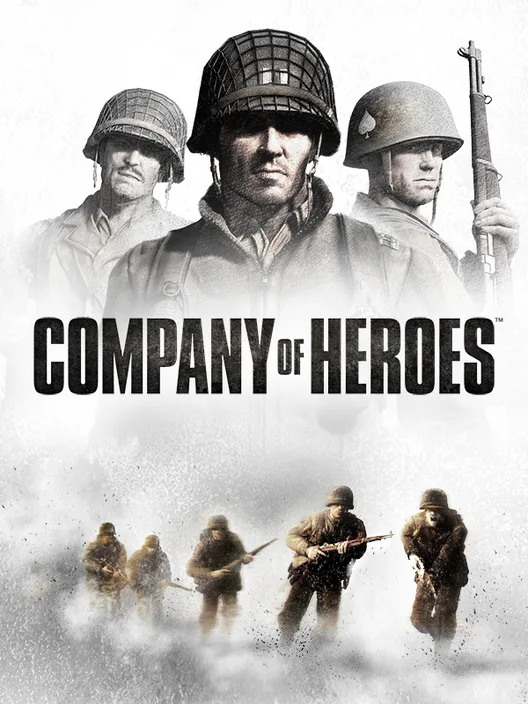
Relic Entertainment's 2006 World War II real-time strategy game earns its place on a tactics list specifically because of how it reframes small-unit combat: squad-based infantry lose effectiveness member by member as individual soldiers are hit rather than dying as a single abstracted health bar, so a squad caught in the open visibly degrades before it breaks. The cover and suppression system ties positioning directly to survival — units hunkered behind a wall or sandbags take reduced casualties and can pin down an advancing enemy squad with sustained fire, while the fully destructible environment means that same wall can be shelled into rubble mid-fight, stripping away the exact cover that made the position worth holding. The doctrine system lets a commander specialize an army toward armor support, airborne reinforcements, or defensive tactics partway through a match, giving each engagement a build-around decision that extends beyond simple unit composition. Veterancy rewards keeping a squad alive at the front rather than treating every unit as disposable, since survivors accumulate real combat bonuses the longer they last. Vehicles can be flipped or disabled by nearby explosions, and buildings can be garrisoned for cover, giving the map itself tactical weight rather than serving as a passive backdrop for unit stats to resolve against. The honest drawback: the smaller unit caps and territory-capture economy can feel slight next to a full-scale RTS, and the resulting design puts more weight on precise squad positioning than on the base-building most other real-time strategy games are built around — which is exactly why it belongs on a tactics list rather than a general strategy one.
2. Desperados III#
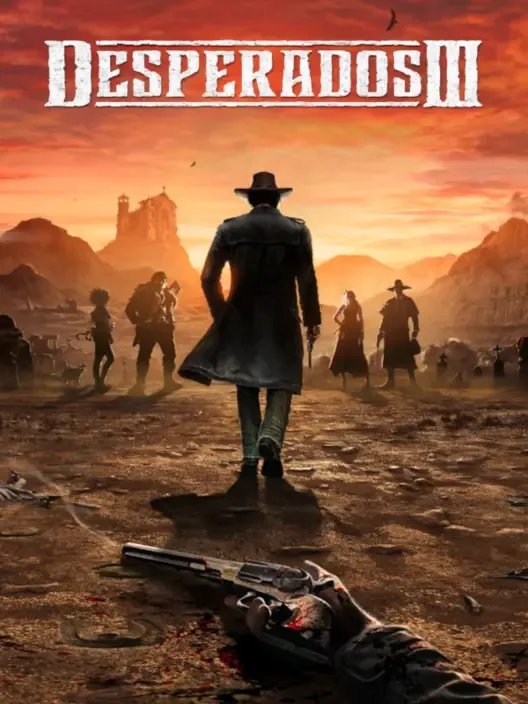
Mimimi Games' 2020 real-time tactics game, published by THQ Nordic, is a prequel that refines the stealth-tactics formula the studio had already proven with Shadow Tactics: five playable characters — Cooper's throwing knife and dual revolvers, Doc McCoy's tranquilizer bandages and sniper pistol, Hector's giant bear trap and brute strength, Kate's crowd-distracting disguise, and Isabelle's voodoo doll that can puppet an enemy at range — each solve the same guarded map from a genuinely different angle. Showdown Mode, which pauses the action so a player can queue up a synchronized kill order across several characters and then execute the whole sequence in a single unpauseable burst, is the mechanic the entire late game is built around, turning what would otherwise be sequential trial-and-error into one planned action. Guards react to bodies, footprints, and disturbed cover with genuine investigation behavior rather than a simple alert radius, so hiding a corpse in a barrel, well, or patch of tall grass is frequently as important as the kill itself. Limited ammunition and cooldown-gated special abilities mean a character's toolkit has to be rationed across an entire mission rather than spammed at the first sign of trouble. The Baron difficulty setting, which removes Showdown Mode's ability to fully pause time, exists specifically for players who want the genre's older, harder rhythm back. The honest drawback: the difficulty curve is punishing by design, individual missions can demand a genuine trial-and-error toll as a single spotted guard unravels several minutes of careful planning, and the slow, methodical pace is a poor fit for anyone looking for a faster-moving tactics game.
3. Freedom Force vs. The 3rd Reich#
Irrational Games' 2005 sequel to Freedom Force sends a roster of Silver Age-styled superheroes back through time to fight Nazis, and it does so through real-time tactics that pause on command so a player can issue orders to an entire team without the action continuing to unfold underneath them. Each hero draws from a distinct power set — flight, super-strength, energy projection, and more — and building a team around complementary abilities matters more than raw stat totals, since a squad without crowd control or ranged options struggles against certain enemy formations regardless of individual power level. A hero-leveling system lets players spend points earned between missions on specific powers, letting the same character specialize differently across a campaign or a replay. Environmental interaction is a real part of combat: cars, lampposts, and other street furniture can be picked up and thrown, and destructible scenery changes the battlefield's cover and sightlines as a fight goes on. The time-travel framing lets missions drop the cast into distinctly different historical settings, from occupied Europe to the deserts of the Pacific theater, each with its own enemy rosters and objectives layered on top of the same core combat system. The honest drawback: the game's comic-book tone and dated Gamebryo-engine presentation have aged more visibly than its tactical systems have, and the camera and pathing in tighter urban maps can make precise positioning more fiddly than the underlying combat design deserves.
4. X-COM: UFO Defense#
Mythos Games and MicroProse's 1994 original — released in Europe as UFO: Enemy Unknown — set the template that nearly every squad tactics game on this list is still measured against: turn-based missions where soldiers move under a strict time-unit budget, spending them on movement, aiming, or reserving a shot for reaction fire against anything that moves into view before the turn ends. Line of sight is calculated soldier by soldier rather than abstracted to the whole squad, so a soldier standing in darkness or behind low cover can be genuinely invisible to the alien on the other side of a wall until someone actually rounds the corner. Destructible terrain lets a well-placed grenade or rocket punch through a building's wall to open a new firing line, and panic and morale mechanics mean a squad taking heavy losses can start disobeying orders entirely, adding a real risk to overextending regardless of how the mission itself is going. Autopsies and captured live aliens feed a research tree back at base that unlocks better weapons and armor, tying the tactical layer directly to the strategic geoscape layer of base-building, interception, and funding nations that the missions themselves sit inside. The honest drawback: the interface is unmistakably a product of 1994, the time-unit system and reaction-fire rules are genuinely opaque to a newcomer without outside explanation, and the game's famous difficulty spikes can wipe out a veteran squad to bad luck as easily as to a bad plan.
5. Shadow Tactics: Blades of the Shogun#
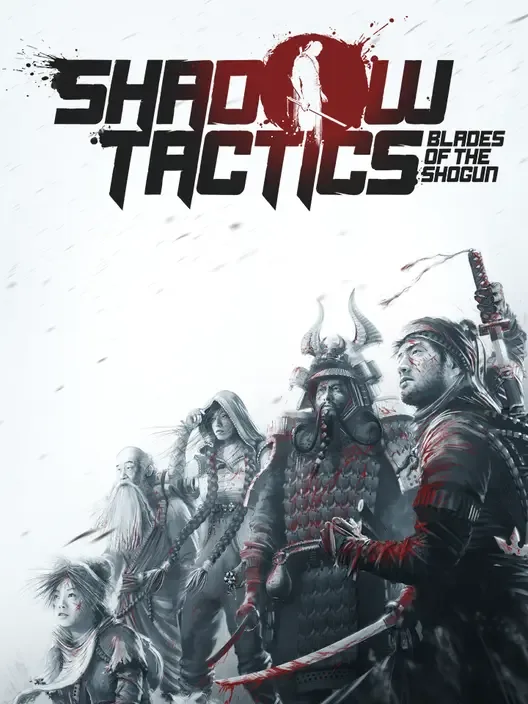
Mimimi Games' 2016 real-time stealth-tactics game, published by Daedalic Entertainment and set in an alternate Edo-period Japan, established the studio's formula before Desperados III refined it further: five characters — Hayato the agile shinobi, Mugen the armored samurai who can clear a group with an area attack, Yuki the kunoichi whose whistle lures guards into ambush, Aiko the disguise-and-poison specialist, and Takuma the slow but long-ranged sniper — each solve the same patrol pattern from a different angle. Shadow Mode lets a player queue synchronized actions across multiple characters and release them together, turning careful multi-character setups into a single clean execution rather than a sequence of separately timed risks. Guards who spot a disturbance investigate methodically, following footprints in snow or noticing a missing colleague, so hiding a body in a well, barrel, or patch of tall grass is as essential to a clean mission as the takedown itself. Traps and staged accidents, from felling a lantern onto a guard's head to rigging an explosive barrel, let a single well-placed setup clear a chokepoint without alerting anyone nearby. Maps introduce new environmental wrinkles steadily — rooftop sightlines in a castle town, deep snow that muffles or reveals movement — so the core toolkit keeps getting tested in new ways across the campaign. The honest drawback: individual missions can demand real trial-and-error as a single miscalculated guard route unravels several minutes of careful setup, and the isometric camera occasionally obscures sightlines or hidden guards in dense terrain, undercutting the precision the genre otherwise demands.
6. FTL: Faster Than Light#
Subset Games' 2012 roguelike puts the tactical encounter inside a single spaceship rather than an open map, and its combat still earns a place among tactics games because of what it asks a player to manage moment to moment: crew members assigned to specific rooms — helm, shields, weapons, engines — determine what the ship can actually do in a fight, and repositioning a crew member mid-battle to fight off boarders or repair a breached room is a real-time tactical decision made under direct fire. Combat itself pauses on command, letting a player redirect power between systems, choose which enemy subsystem to target — disabling shields before a missile volley lands, or knocking out weapons before they can fire again — and queue crew movement without the fight continuing to unfold unattended. Boarding actions turn the crew itself into a squad, with teleporter-delivered fighters and defending crew resolving room-by-room skirmishes that play out with the same positioning logic as the ship-to-ship fight happening around them. Permadeath across a single run means every tactical decision, not just the strategic ones between fights, carries lasting weight. The honest drawback: the game's roguelike shell and sector-hopping structure sit closer to run-based strategy than to a dedicated squad tactics game, and players expecting open-map positioning and cover will find its tactical layer compressed into ship-system management rather than the wider battlefield the rest of this list is built around.
7. Into the Breach#
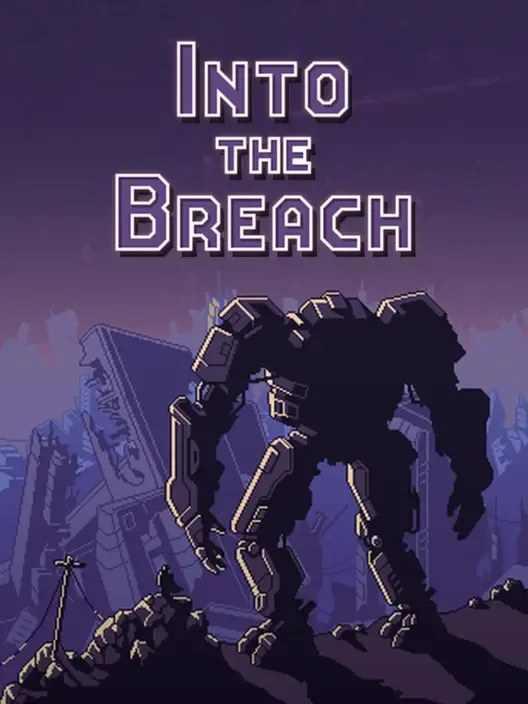
Subset Games' 2018 tactics game, from the team behind FTL, strips turn-based squad combat down to a deliberately tiny scale — three mechs, an 8x8 grid, and enemy attacks that are always telegraphed a full turn in advance — and builds a surprisingly deep game entirely around that constraint. Because every incoming attack is known before the player acts, the actual skill being tested is positioning and sequencing rather than reading an unknown threat, which makes losses feel like genuine planning failures rather than bad luck. The push-don't-kill philosophy, where shoving an enemy unit into another enemy, into water, or off a cliff is frequently the correct play instead of dealing damage, reframes what "winning" a turn even means compared to most tactics games. Pilots that carry over between timeline resets, gaining permanent bonuses even after a failed run, give the roguelike structure a sense of accumulating progress rather than starting fully from zero each time. The eight unlockable squads on offer, each built around a different core idea — fire damage, ice control, lightning chains, or pure kinetic force — change the entire strategic vocabulary of a run despite the map and enemy roster staying largely the same. The honest drawback: the tiny map and squad size are the whole point mechanically, but they also cap how epic or large-scale any single encounter can ever feel, and players wanting the sprawl of a bigger tactics game may find the format's minimalism wears thin faster than its density suggests it should.
8. Tactical Breach Wizards#
Suspicious Developments' 2024 turn-based tactics game reframes room-clearing as spellcasting: a squad of modern-day battle wizards breaches doors and windows one room at a time, using knockback, throws, and elemental effects to punch enemies into walls, out of windows, or into each other rather than simply trading damage. Each character carries a distinct toolkit — one build routes around lightning that chains between wet or metal-touching targets, another around temporary time-clones that fire alongside the caster and refund their mana cost if destroyed before the turn ends — so squad composition changes which sequences of knockback and positioning are even available in a given room. The rewind mechanic, letting a player undo actions within the current turn without penalty, turns the game into more of a puzzle to be solved cleanly than a battle to be survived, since a bad opening move can be walked back and re-planned before it locks in. Rooms are cleared with full information about enemy position and facing before a plan is committed, so success depends on reading the geometry of a room and chaining abilities correctly rather than managing incomplete information under fire. Action points, mana costs, and knockback distances all interact directly, meaning a single spell choice can set up or ruin every other action available that turn. The honest drawback: the rewind-and-replan structure removes most of the tension and risk that make other tactics games nerve-wracking, since a bad plan rarely has to be lived with, and the story-driven, short-campaign format means it's over well before a genre veteran might want it to be.
9. XCOM: Enemy Unknown#
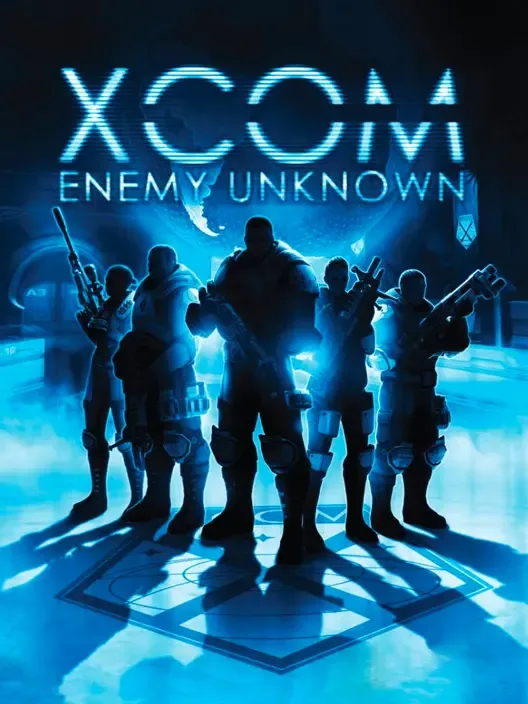
Firaxis Games' 2012 reboot of the X-COM series streamlined the original's time-unit system into a cleaner two-action turn structure while keeping the tactical core intact and genuinely improving on it: flanking a target removes the standard cover penalty entirely and grants a 50% critical-hit bonus, which turns repositioning around an enemy's cover into the single most important decision available on a given turn. The Overwatch system lets a unit hold its action to fire reactively at anything that moves into view before the player's next turn, trading offense for board control and turning defensive positioning into a genuine tactical choice rather than a default fallback. Permadeath on named, customizable soldiers means losses actually sting, and a squad that survives enough missions develops real attachment through the class-and-perk system that lets Assaults, Snipers, Heavies, and Support soldiers specialize in different directions. Destructible cover means a wall that looked safe at the start of a turn can be blown away by enemy fire before the player's next move, forcing a constant reassessment of where safety actually is. Back at base, the strategic layer of satellite coverage, panic management, and research funds the squad's equipment, tying tactical success directly to what's available on the next mission. The honest drawback: the percentage-based hit system means a displayed 85% shot can still miss, which is mathematically fair but feels arbitrary in the moment, and newcomers unfamiliar with the series' brutal difficulty curve can lose a campaign's best soldiers to bad luck before they've learned to play around it.
10. Door Kickers 2#
KillHouse Games' 2024 real-time tactics game drops the turn structure entirely: an optional active pause lets a player plan simultaneous, multi-operator breaches down to the exact second, scripting one unit to wait on another's flashbang before pushing through a door while a second team stacks a different entry point at the same time. There are no hexes or action points — units are dragged directly across the map, and detailed movement stances (sprint, walk, crawl, hold) combined with commands like "go silent" or "wait for clear" let a plan account for noise discipline and timing as much as raw positioning. Automatic engagement means operatives fire on visible threats without manual input, freeing the player to manage flashbangs, breaching charges, and squad coordination instead of individual trigger pulls, while destructible doors and walls let a team create an unplanned entry point mid-assault if the scripted plan breaks down. Mission objectives extend past simple room-clearing into hostage rescue and bomb disposal, each demanding a different balance between speed and caution from the same core toolkit. The procedural and community-made mission support gives the format a far larger library of scenarios than a single fixed campaign could offer on its own. The honest drawback: the real-time-with-pause structure and heavy reliance on scripted unit behavior have a real learning curve of their own, and a plan that looks sound in the pause screen can still fall apart in the live seconds after execution in ways that feel more like a control problem than a tactical one.
11. Terra Nova: Strike Force Centauri#
Looking Glass Technologies' 1996 tactical shooter puts a single player-controlled mech at the center of missions fought alongside AI-controlled squadmates who can be issued direct tactical commands — hold position, focus fire, regroup — making it one of the earliest games to combine first-person mech combat with genuine squad management rather than treating teammates as scenery. Mission briefings and a persistent campaign structure tie individual firefights to a larger war for the Alpha Centauri system, giving tactical victories and losses actual consequences for what equipment and support are available in the missions that follow. The mech-customization system lets players configure loadouts around different roles before a mission, so a squad's effectiveness depends as much on the mix of equipment chosen beforehand as on how well the fight itself is played. Terrain and mission objectives vary enough — escort runs, base assaults, defensive holds — that the same squad-command toolkit gets tested against genuinely different tactical problems rather than a single repeated combat loop. Squadmates react to orders with enough independence to feel like a real unit under command rather than scripted followers, which was a genuine novelty for a 3D game at the time. The honest drawback: the commercial failure that followed its critical reception meant the intended franchise never got a sequel, and the fixed camera and mid-'90s interface make the squad-command system noticeably clunkier to operate than the isometric tactics games it helped pave the way for.
12. Shadow Tactics: Blades of the Shogun - Aiko's Choice#
Mimimi Games' 2021 standalone expansion puts Aiko, previously a supporting character in the original Shadow Tactics roster, at the center of her own six-mission campaign, using that smaller scale to introduce mechanics gradually instead of front-loading a returning cast's full toolkit at once. Aiko's own kit — disguising herself among civilians to move unnoticed through populated areas and poisoning food or drink to eliminate a target without raising an alarm — gets built on with new additions like Takuma's tamed tanuki, a companion that can be sent ahead to distract guards and pull attention away from a planned route. The investigation behavior carried over from the base game remains intact: guards who find a disturbed body, a missing colleague, or a strange footprint still methodically search the area, so hiding a corpse in a well, barrel, or patch of tall grass stays as essential as it was in the original campaign. Interlude missions, shorter and more constrained than the three main outings, teach a new mechanic in isolation before folding it into a full mission's guard patterns. Setting the campaign across both quiet forest camps and busier Edo-period towns gives the smaller cast room to be tested against genuinely different sightline and crowd-density problems than the base game relied on. The honest drawback: at roughly six missions, the campaign is noticeably shorter than the base game it expands, and returning players already fluent in the series' guard-investigation logic may find the pacing built to reintroduce mechanics slower than a veteran needs it to be.
The ranking above blends IGDB's aggregate critic and user rating with Steam's own user review percentage, applied only to games with a real sample size behind the score rather than a handful of early ratings that can swing wildly. Nothing on this list was hand-picked for inclusion or placement — the order is a direct output of that combined score, which means it shifts automatically as more people rate these games or as new releases join the catalog with enough reviews to be scored fairly. Treat this as a live snapshot of how these tactical strategy games are currently rated relative to each other, not a fixed, permanent verdict — check back as the data changes, because it will.