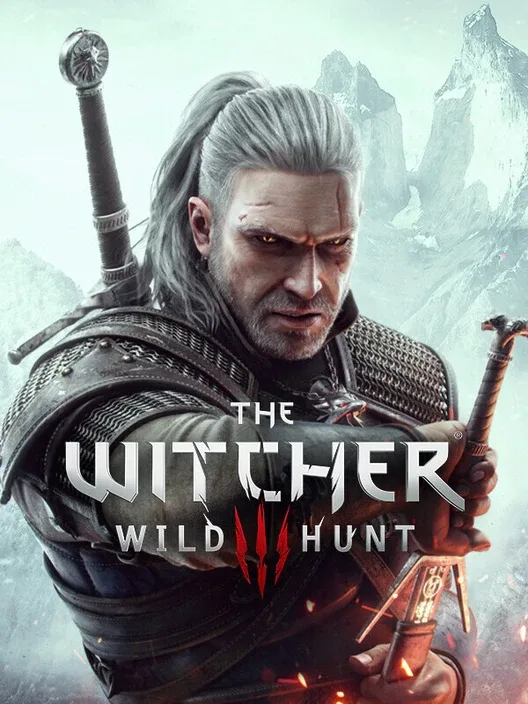
- Pick Blood and Broken Bones for a first playthrough. Death March is the intended way to experience the alchemy system, but it punishes a player who has not yet learned the game's rhythms.
- Meditate and drink Potions before a fight, not during one. The Witcher 3's alchemy is built around preparation, not panic-clicking in the middle of a swordfight.
- Oils matter more than most players expect. A blade oiled against the right enemy type does noticeably more damage than a bare sword.
- Sign management runs on Vigor, the blue-ish resource under the health bar. Quen (a shield) saves more lives early on than Igni or Aard ever will.
- Crafting diagrams and Witcher gear sets look tempting immediately, but early crafted gear is rarely better than what you can loot or buy. Save your material hoarding instinct for a set you actually plan to finish.
- Hearts of Stone is written for a Geralt around level 30, Blood and Wine around level 34. Both expansions genuinely want you to have finished a good chunk of the main story first.
- Skip nothing in Novigrad and Velen on your way through: contracts, question marks, and the smaller human stories are where a lot of the game's best writing lives, and they are easy to miss if you rush the main quest markers.
What The Witcher 3 actually is, and what you're getting into#
The Witcher 3: Wild Hunt is CD Projekt Red's open-world action RPG, originally released on 19 May 2015 for PlayStation 4, Windows PC and Xbox One. A Nintendo Switch version followed in October 2019, built by Saber Interactive as a genuinely impressive downscale of the full game. In December 2022, the free Next-Gen Update (patch 4.0) brought the game to PlayStation 5 and Xbox Series X|S, added ray tracing, DLSS 3, FSR 2.1 and Intel XeSS support on PC, an Ultra+ visual preset, cross-platform save transfer, and a set of cosmetic items tied to the Netflix show. Patches since then, including 4.04, have continued to fix bugs and bring content parity to the Switch version. A remastered version subtitled Wild Hunt — Remastered arrives on Nintendo Switch 2, and owners of the existing Switch release get it as a free upgrade with their save carried over.
Whichever version you're on, the core game is the same enormous story: Geralt of Rivia, a professional monster hunter known as a Witcher, searches a continent at war for his adopted daughter Ciri, while an otherworldly force called the Wild Hunt searches for her too. It is not a game that assumes you've played the earlier Witcher titles or read the novels, though small details land better if you have. Everything you need to follow the plot is explained as you go.
The single biggest adjustment for a newcomer, especially one coming from a FromSoftware game or a modern looter, is pacing. The Witcher 3 wants you to talk to people, read notice boards, follow footprints, and let quests take you somewhere unexpected. It rewards curiosity more than reflexes.
Difficulty settings: what they actually change#
The Witcher 3 has four difficulty levels, and the differences are not cosmetic. They change enemy health, enemy damage, whether meditation heals you at all, and how forgiving the loot economy is.
| Difficulty | Enemy health | Enemy damage | Meditation heals you | Best for |
|---|---|---|---|---|
| Just the Story | Lowest | Lowest | Yes | Players who want the plot with minimal combat friction |
| Story and Sword | Standard | Standard | Yes | A relaxed first playthrough that still has real combat |
| Blood and Broken Bones | +20% | +130% | Yes | A first playthrough for anyone who wants to feel challenged |
| Death March | +80% | +230% | No | A second playthrough, or a first one for players who already know their alchemy |
Blood and Broken Bones is the difficulty to start on. It is genuinely hard by the standards of most open-world RPGs, enough that fights force you to use signs, dodge, and pay attention to enemy types, but it does not require the deep alchemy knowledge that Death March effectively demands. Death March removes automatic healing from meditation and multiplies enemy damage so far that ignoring Potions, oils and food is not really an option; it's the mode the game's own itemization was designed around, but it is a poor place to learn the game.
You can change difficulty at any point from the menu, in either direction, without penalty. A sensible approach for a new player: start on Blood and Broken Bones, and if a specific fight or region feels unfair rather than hard, drop to Story and Sword for that stretch and go back up later. There's no achievement or ending tied to a specific difficulty, so nothing is lost by adjusting on the fly.
Character progression: signs, alchemy and combat#
Geralt's skill system is built around four trees: Combat, Signs, Alchemy and General. Skill points come from levelling up and from Places of Power, magical sites scattered across the map where meditating grants a free point the first time you visit. You unlock skill slots gradually rather than all at once, which is the game's way of forcing you to commit to a handful of choices rather than spreading points thin.
The five signs
| Sign | Base effect | What it's for |
|---|---|---|
| Igni | A cone of fire in front of Geralt | Groups of weak enemies, and extra damage against enemies weak to fire |
| Quen | A protective shield that absorbs a hit | The single best early defensive tool; use it before a fight starts, not mid-combo |
| Aard | A knockback blast | Staggering enemies, knocking flying or shielded enemies down, breaking through cracked walls and ice |
| Yrden | A magic trap on the ground | Slowing enemies inside it, and forcing certain enemy types (wraiths, some bosses) to become vulnerable |
| Axii | A short mind-control effect | Making a weaker enemy briefly fight for you, or forcing dialogue options that skip a fight entirely |
New players lean on Igni because it looks like the most obviously powerful option, but Quen is what actually keeps you alive in the first fifteen or so hours: it's a free heal-and-shield combo when timed before an enemy swings, and Alternate Quen (unlocked as a mutually exclusive upgrade) turns it into a recastable barrier that pulses and heals you whenever it absorbs damage. Yrden is under-used by beginners and is close to mandatory against wraiths, noonwraiths and several boss-tier monsters that are meant to be fought while their invulnerability is stripped by the sign.
Alchemy: the system Death March is built around, and everyone else benefits from too
Alchemy in The Witcher 3 covers Potions, Decoctions, Oils and Bombs, all crafted from ingredients you loot from the world, buy from herbalists and alchemists, or harvest from monster corpses.
- Potions are Geralt's primary healing and buffing tool. They cost Toxicity to drink, and Toxicity is capped: once you're near the cap, drinking another potion actively damages you, so you can't just chug everything before a boss. A skill in the General tree and certain mutagens raise the cap as you invest in it.
- Decoctions are stronger, longer-lasting buffs made from monster trophies obtained by defeating specific creatures (a Decoction of Ekimmara, for example, requires killing an ekimmara). They're unlocked through the Hearts of Stone expansion's alchemy update to the base system, and they're worth pursuing once you're mid-game.
- Oils are applied directly to your steel or silver sword and grant bonus damage against a category of enemy — Hybrid Oil against hybrids, Necrophage Oil against ghouls and rotfiends, and so on. Checking an enemy's Bestiary entry (accessed by scanning with your Witcher Senses or simply examining a foe you've fought before) tells you which oil and which sign it's weak to.
- Bombs cover crowd control and utility that signs can't always match: Dancing Star for fire damage over an area, Northern Wind to freeze a cluster of enemies solid, Devil's Puffball for a poison cloud.
The practical habit that separates a smooth Witcher 3 fight from a frustrating one: meditate before you approach a monster nest, a bandit camp, or a contract target, drink the potions you'll need, apply the right oil, and only then engage. Doing this consistently, even on Blood and Broken Bones, removes most of the difficulty spikes new players run into.
Combat basics
Combat is built on light attacks, heavy attacks, dodging, rolling and parrying, plus whichever sign you have queued on the sign wheel. A few things beginners consistently miss:
- Dodging is generally better than rolling for staying close enough to counter-attack; rolling covers more distance but leaves you further from your target.
- Parrying works against most human enemies and reduces incoming damage significantly if timed on the swing, but it does nothing against many monster attacks — check whether the enemy has a parriable weapon before relying on it.
- Fast attacks build up Adrenaline Points, a resource that powers several skills and, once you have the right skill unlocked, boosts damage on your next strong attack.
- Group fights favor Aard and Igni to create space, then picking off isolated enemies rather than standing in the middle of a crowd.
Two viable early builds
A new player doesn't need a min-maxed build, but having a direction helps skill point allocation feel purposeful.
- Quen tank / sword build: prioritize Quen and its upgrades, put points into fast-attack and vitality skills in Combat, and treat signs as a defensive layer around a mostly-sword playthrough. Forgiving, simple, works on Blood and Broken Bones without much fuss.
- Alchemy/sign hybrid: invest heavily in the Alchemy tree (Synergy, Acquired Tolerance, and the potion-duration skills) alongside Igni and Yrden, lean on decoctions and oils, and use your sword as a finisher rather than the main damage source. More engaging on higher difficulties, more demanding to manage.
Respeccing is available at any time via a potion called Potion of Clearance, purchasable from herbalists or later crafted, which refunds all your skill points for a small gold cost. There's no reason to be precious about early build choices.
Gear progression: looting, buying, crafting and Witcher sets#
Gear in The Witcher 3 comes from three sources, and understanding when each one matters saves a lot of wasted effort.
- Looted and bought gear carries you through most of the early and mid game. It's readily available, doesn't require material hunting, and is usually good enough. Merchants restock, and a merchant who specializes in armor or weapons is worth checking every time you pass through a city.
- Crafted gear, made at a blacksmith (for weapons and metal armor) or armorer (for leather and cloth), requires a diagram plus the specific materials it lists. Generic crafted gear is rarely worth detouring for early on — the ingredient hunt usually costs more time than the upgrade is worth compared to what you can simply loot.
- Witcher gear sets are the exception. These are multi-piece armor and weapon sets tied to the different Witcher Schools (Wolf, Cat, Griffin, Bear, Manticore and Viper, the last two added via free DLC), each themed around a different playstyle: Cat is fast and stealthy, Bear is tanky and strong-attack focused, Griffin buffs signs, Wolf is a balanced all-rounder, and Manticore leans into alchemy. Their diagrams are hidden across the world (often behind a treasure hunt questline that starts from a diagram fragment or a loose page) and require significant crafting materials, but a completed set at the right upgrade tier is a real power spike and comes with its own set bonuses.
The realistic approach for a first playthrough: don't chase a Witcher set from level one. Loot and buy normally through Velen and Novigrad, and if a School gear treasure hunt crosses your path naturally (several start from item descriptions or notice boards), follow it — but don't go out of your way hunting fragments before level 20 or so, since the early tiers of these sets aren't dramatically better than what you'll already have.
| Source | Time cost | Power level early game | Power level late game |
|---|---|---|---|
| Looted/bought gear | Low | Solid | Falls behind |
| Generic crafted gear | Medium | Rarely worth it | Situational |
| Witcher School gear sets | High (treasure hunts + materials) | Not worth chasing yet | Among the strongest gear in the game |
Steel swords are for humans and non-monster enemies; silver swords are for monsters. Carrying both, sharp, and swapped through the quick-menu depending on what you're fighting is a habit worth building early — fighting a monster with a dull steel sword is one of the most common reasons a fight takes three times longer than it should.
Main story and expansion pacing: when to start Hearts of Stone and Blood and Wine#
The Witcher 3 has two story expansions, both large enough to function as their own games.
- Hearts of Stone, released 13 October 2015, is a shorter, tightly written expansion (roughly 10 hours of main content) centered on a deal with a mysterious, powerful entity named Gaunter O'Dimm. It's designed for a Geralt around level 30.
- Blood and Wine, released 31 May 2016, is the larger of the two, adding the entire new region of Toussaint and a story about knighthood, vampires and a serial-killer mystery. It's designed for a Geralt around level 34, and its main quest alone runs well past 20 hours.
Both expansions are accessed from your main map once your level and story progress allow it — Hearts of Stone opens through a contact you're pointed to once you're leveled appropriately, and Blood and Wine opens through a letter that arrives once you meet its level requirement.
The order that works best for most players: play through the main story until you're well past the midpoint (roughly finishing the Novigrad/Skellige arcs and closing in on level 30+), then play Hearts of Stone, then Blood and Wine, then return to finish the main campaign's ending if you haven't already. Blood and Wine in particular is written partly as a send-off for Geralt as a character, and starting it too early, before you've spent real time with him across the base game, undersells what it's going for. Playing the expansions before you've made real progress in the main story is possible but wastes a lot of the narrative and mechanical payoff they're built on — Hearts of Stone's central relationship recontextualizes things you'll have already learned about Geralt's world, and Blood and Wine's alchemy and gear updates (including Decoctions and Grandmaster Witcher gear) are meant to reward a character who already has a developed build.
Gwent: the basics#
Gwent is The Witcher 3's built-in card game, playable against dozens of NPCs across the world, and popular enough that it later became its own standalone game. You don't need to engage with it to finish The Witcher 3, but it's genuinely well designed and worth learning even briefly.
The essentials:
- Matches are best-of-three rounds. You don't need to win every round — losing round one while keeping most of your cards in hand to win rounds two and three is a completely standard strategy.
- Each deck is built around one of the game's factions (Northern Realms, Nilfgaard, Scoia'tael, Skellige, and Monsters, the last of which you unlock partway through the story), and each faction has a unique leader ability and playstyle.
- Cards belong to rows: melee, ranged and siege. Some cards have abilities that boost, damage, or otherwise affect specific rows.
- Weather cards debuff an entire row (Biting Frost weakens melee, Impenetrable Fog weakens ranged, Torrential Rain weakens siege) unless the defending player has a card immune to it — these are one of the game's key tactical tools.
- You collect new cards by winning matches against NPCs, buying them from Gwent-specific card merchants, finding them as loot, and completing quests tied to particularly strong opponents.
A practical first step: play every innkeeper you meet, since they're consistently easy opponents who hand you starter cards without much risk, then look for the marked Gwent players tied to quests (several regions have a named "master" Gwent player worth specifically tracking down) once your deck has some depth.
Early tips that make the first ten hours smoother#
- Sign management is about timing, not spamming. Vigor (the sign resource) regenerates on its own, but slowly enough that using Quen defensively before a fight, rather than reactively mid-fight, is almost always the better play.
- Check enemy weaknesses before engaging, especially against anything undead, a wraith, or a named contract target — these fights are built around a specific sign or oil, and skipping that step turns a 30-second fight into a five-minute one.
- Keep your swords sharpened and your armor repaired. Both degrade with use, and a blunted sword loses real damage. Whetstones and repair kits are cheap and stack, or you can pay a blacksmith/armorer directly.
- Don't ignore side quests and question marks in Velen and Novigrad. A meaningful share of the game's best-written content (several quests that are frequently cited among the strongest in the whole RPG genre) is entirely optional and easy to miss if you rush the main story markers.
- Loot bodies and containers, but don't hoard everything. Selling junk items regularly to merchants keeps your inventory manageable; alchemy ingredients and diagrams are worth keeping, generic "sell for gold" items are not.
- Use Witcher Senses. Holding the button highlights scent trails, clues and interactable objects in a warm color; it's how you track contracts and investigation quests, and skipping it makes several quests confusing for no reason.
- Fast travel from signposts, not by walking everywhere. The world is large, and the game expects you to fast travel between signposts and ride Roach, Geralt's horse, for shorter distances.
Commonly missed content#
- Witcher contracts are distinct from generic side quests: they're monster-hunting jobs posted on notice boards, often with a genuine investigation attached (following clues with Witcher Senses, reading books for lore on the monster, choosing the right approach). They're some of the most mechanically rich content in the game and easy to walk past if you only follow the main quest line and yellow map markers.
- Places of Power, the standing stones that grant a free skill point on first visit, are marked on the map once discovered but easy to miss if you don't explore off the road.
- The Grandmaster Witcher gear upgrades, added via free DLC after launch, let you upgrade a completed Witcher School set beyond its base tier — most players who do collect a full set never realize the Grandmaster upgrade exists.
- Free DLC content in general: sixteen pieces of free extra content were released for The Witcher 3, including alternate outfits, extra quests like "Scavenger Hunt: Wolf School Gear," and the New Game Plus mode, which lets you replay the story on a fresh save while carrying over your level, gear and skills.
- Skellige's smaller island content. Skellige is easy to treat as a detour on the way to the main story's Kaer Morhen chapters, but a large amount of side content — smaller islands, side quests tied to individual clans, its own contracts — sits outside the main path and rewards a slower pace.
Frequently asked questions#
Which difficulty should a first-time player choose? Blood and Broken Bones for a real but fair challenge, or Story and Sword for a more relaxed pace focused on the story. Death March is best saved for a second playthrough once you understand alchemy and sign timing.
Do I need to play the earlier Witcher games first? No. The Witcher 3 explains what a new player needs to know as the story goes, though returning players will recognize a handful of characters and references.
When should I start Hearts of Stone and Blood and Wine? Hearts of Stone is built for roughly level 30, Blood and Wine for roughly level 34. Both land best once you're well into the main story rather than right at the start.
Is Gwent required to finish the game? No, it's entirely optional, though a small number of quests intersect with specific Gwent opponents.
What's the difference between crafted gear and Witcher School sets? Generic crafted gear is usually not worth the material hunt early on since looted or bought gear is comparable. Witcher School sets are a genuine power spike, but their treasure hunts and material requirements make them a mid-to-late-game project rather than an early one.
Should I use oils and potions on lower difficulties too? Yes. They're not just a Death March requirement; oils in particular meaningfully speed up fights against resistant enemy types on any difficulty.
Is The Witcher 3 coming to Nintendo Switch 2? Yes — The Witcher 3: Wild Hunt — Remastered is releasing on Nintendo Switch 2, and players who already own the existing Switch version get the upgrade for free with their save carried over.
How long does the game take to finish? The main story alone runs roughly 50 hours for most players; finishing the base game's side content plus both expansions commonly runs past 150 hours.