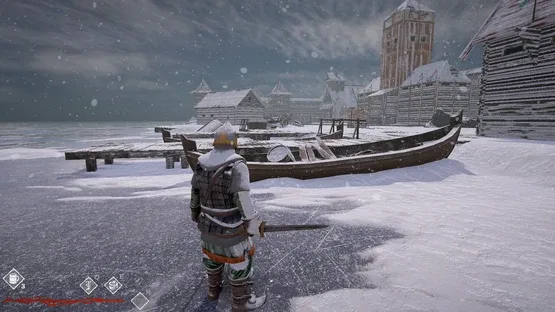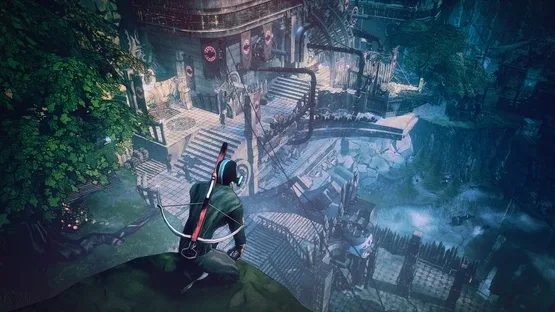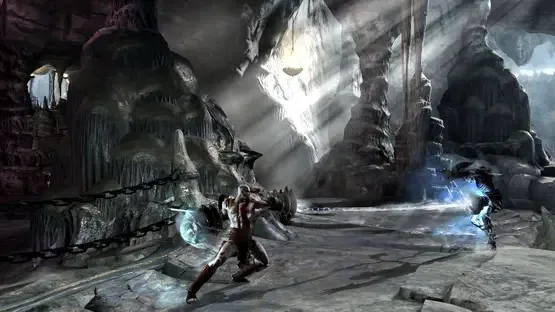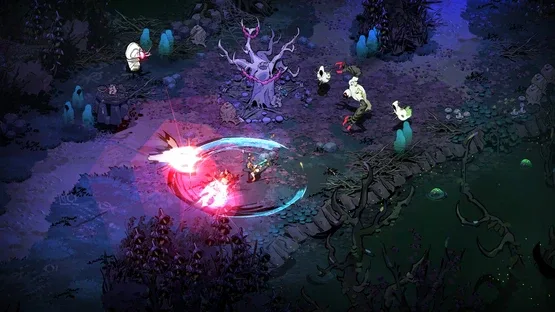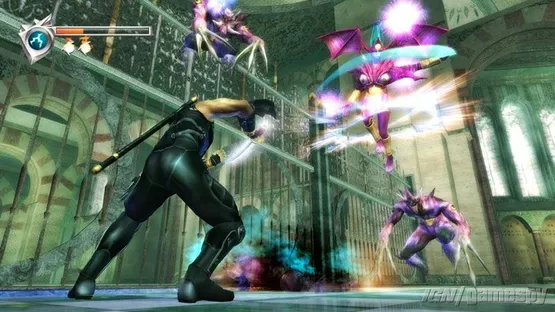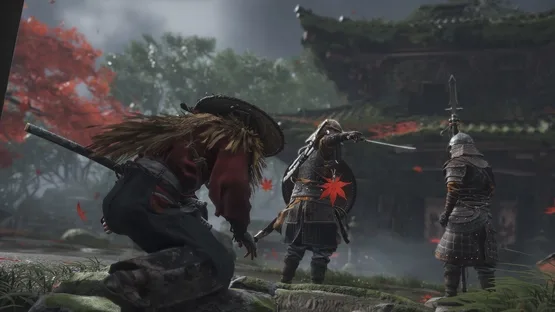
 God of War Ragnarök
 Sekiro: Shadows Die Twice
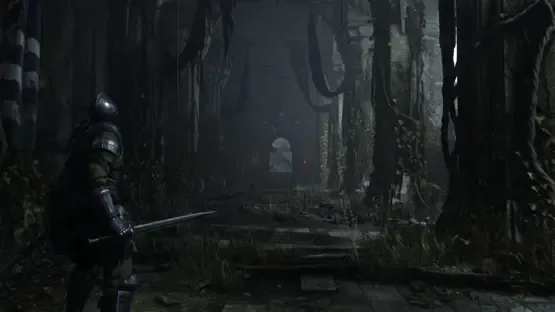
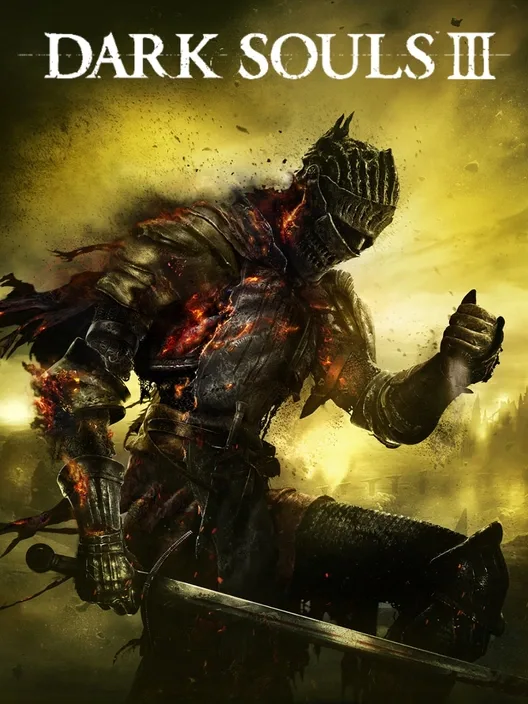 Dark Souls III
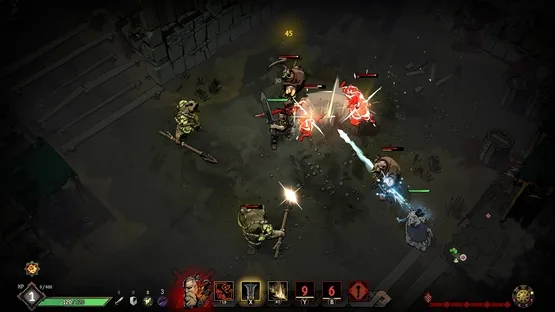
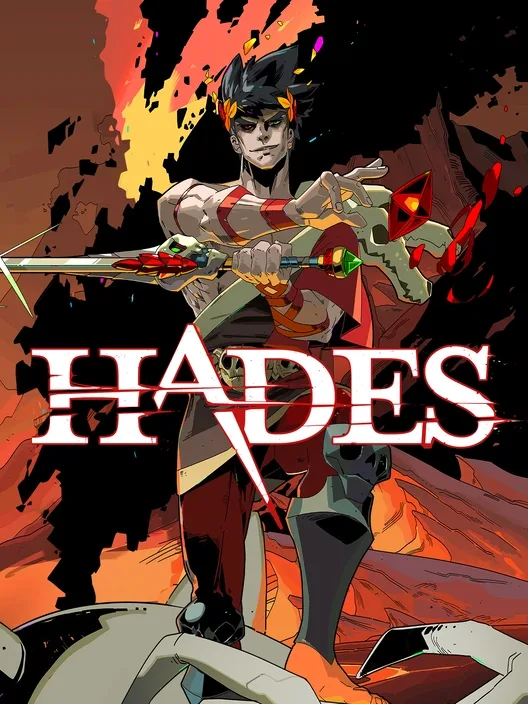 Hades
Hades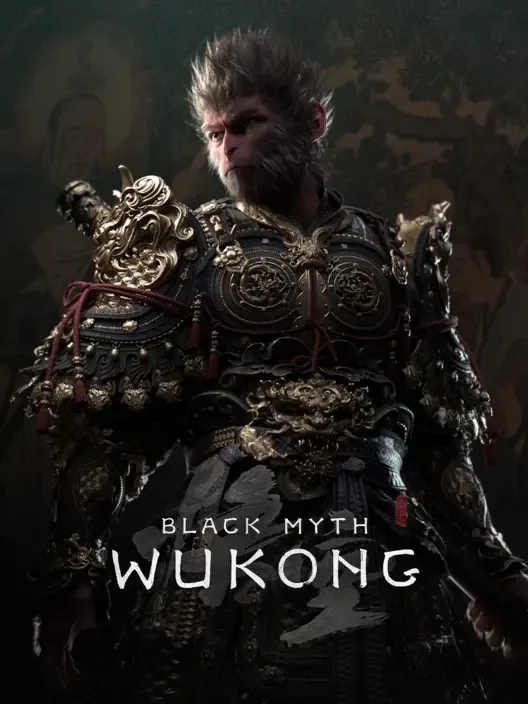 Black Myth: Wukong
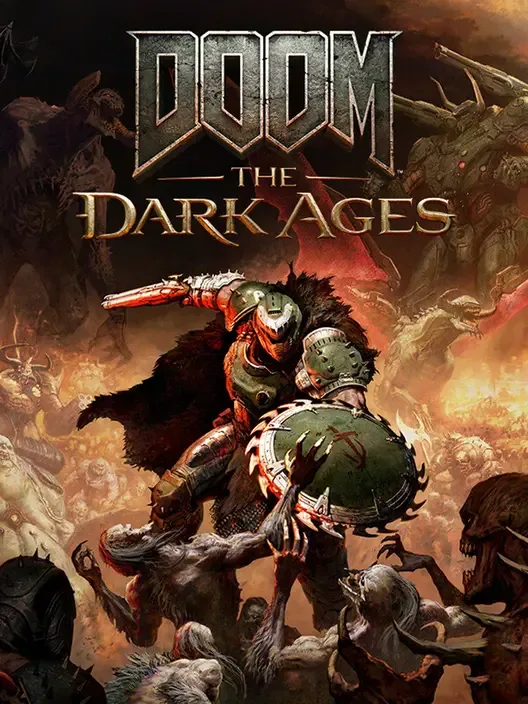 Doom: The Dark Ages
What actually makes an action game good#
Difficulty is the easiest thing to notice about an action game and the least useful thing to judge it by. A game that kills you in one hit from an attack you never saw coming is not hard in any interesting sense — it is just unfair. A game that kills you in one hit from an attack it clearly telegraphed, gave you time to read, and let you dodge, parry, or punish is something else entirely. That difference — fairness, readability, the sense that every death is information rather than a random tax — is what separates the action games worth your time from the ones that just throw big numbers at you and call it challenge.
The genre this page covers is narrower than "action" as a marketing label. It is character action and hack-and-slash in the specific sense: games built around direct, moment-to-moment combat against enemies and bosses, where your input and the game's response are tightly coupled and the whole experience is judged on how that loop feels. That includes punishing souls-likes built around patient observation and calculated risk, stylish combo-focused games that reward flash and rhythm as much as survival, and boss-rush-adjacent character-action games where a handful of enemy encounters carry the entire design. It does not include open-world adventure games where combat is one system among many next to traversal, crafting, and exploration — those live on the adventure-games page, and the distinction matters more than it might seem.
Three things tend to define whether combat in one of these games actually feels good, independent of how punishing it is. First, enemy readability: can you learn an attack by watching it, or does the game rely on obscuring wind-ups and inconsistent timing to manufacture difficulty. Second, the weight and honesty of your own hitbox and iframes — whether a dodge that looks like it should work actually works, consistently, every time. Third, whether the game's difficulty comes from the design of the encounter itself — enemy placement, move variety, arena shape — rather than from attrition, damage sponges, or numbers you can out-level instead of out-play. Games that get all three right tend to produce the kind of moment players actually remember: the boss that took forty attempts and then finally clicked, not because you got lucky, but because you finally understood the pattern.
There is a fourth factor that gets less attention than it deserves: audio and camera. A surprising amount of what reads as "unfair" in a bad action game is actually a camera problem — a lock-on that snaps to the wrong target mid-combo, or a fixed angle that hides an attack coming from off-screen. Sound design does similar invisible work: the games with the best-regarded combat almost always pair a visual telegraph with a distinct audio cue, so a fight can be played, at least partially, by ear. When a boss fight suddenly feels unfair after dozens of clean attempts, the actual cause is frequently a camera or readability failure rather than a spike in raw difficulty, and it is worth distinguishing the two before writing a game off.
The punishing school: souls-likes and their descendants#
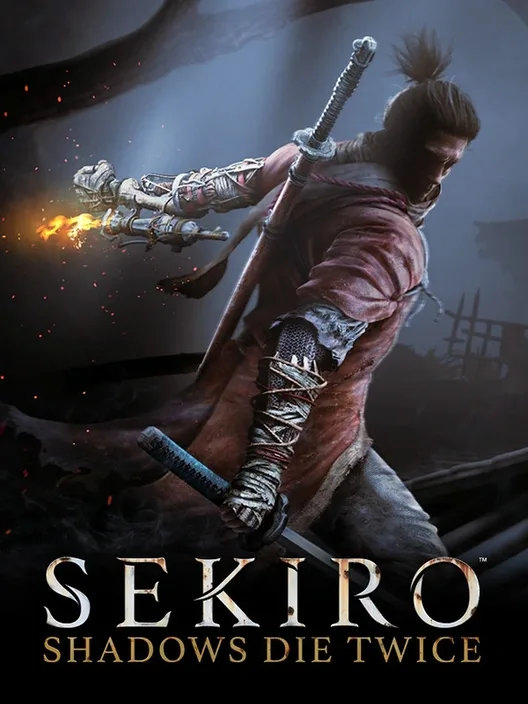
The souls-like strand of the genre is built on a simple promise: the game will not go easy on you, but it will always be fair, and the resources for beating it are always on screen if you pay attention. Dark Souls III and Sekiro: Shadows Die Twice, both already highlighted as starting points on this page, are the clearest expressions of two different versions of that promise — Dark Souls III rewards patience, spacing, and stamina management, while Sekiro replaces the stamina bar with a posture system that turns every fight into a rhythm exercise built on parries rather than dodges.
Beyond those two, the strand is wide and has been for over a decade. Bloodborne swapped Dark Souls' caution for aggression, rewarding players who stepped into an attack rather than backing away from it, and its rally system — regaining lost health by landing hits after taking damage — is one of the more elegant pieces of combat design the genre has produced. Nioh 2 leaned harder into stance-switching and a much faster combo vocabulary than its Dark Souls contemporaries, closer to a hybrid between souls-like structure and stylish action combos. Wo Long: Fallen Dynasty, from the same studio, built its entire combat system around a deflect mechanic that punishes passive play far more explicitly than Dark Souls ever did — standing still and blocking is a losing strategy by design.
The strand has also spread well outside Japan. Lords of the Fallen and Lies of P both took the Dark Souls formula and applied it to different settings — grimdark fantasy in one case, a Belle Époque riff on Pinocchio in the other — while keeping the core promise of readable, punishing combat intact. Lies of P in particular is worth calling out for how directly it borrows Sekiro's parry-centric philosophy while building its own weapon-crafting identity on top. Stellar Blade, which arrived on PS5 in 2024 and reached PC in June 2025, sits at the boundary of the strand too: parry timing and stamina management that souls veterans will recognize immediately, wrapped around faster, more acrobatic movement than the genre's Japanese-developed entries typically allow.
Sifu takes the same design philosophy in a different direction entirely: a beat-em-up structure rather than an RPG one, but built on the exact same principle of punishing, readable combat where every mistake costs something real. Its aging mechanic — dying advances your character's age instead of simply ending the run, eventually making you slower and weaker if you rely on it too often — is one of the more inventive ways the broader souls-like design philosophy has been reapplied outside its usual RPG trappings. It is also a useful reminder that "souls-like" describes an approach to combat and failure, not a specific set of RPG systems, and that the approach travels well into other structures.
The strand has also produced one of the genre's longest-running debates: whether difficulty options undermine the design or simply widen who gets to experience it. The counterargument from series like Dark Souls and Sekiro has generally been that the difficulty is inseparable from the pacing and tension of learning a boss — soften it and the fight stops teaching you anything — while other developers, including the teams behind several of the newer soulslikes mentioned above, have added adjustable difficulty without removing the core parry-and-punish loop for players who want it untouched. Neither position is obviously correct, but it is worth knowing the debate exists before assuming every game in this strand handles accessibility the same way.
The stylish school: combo counters, style meters, and score-chasing#
A second, distinct strand of the genre cares less about punishing the player and more about giving them room to show off. Devil May Cry 5 is the reference point here — a style meter that literally grades your combat performance letter by letter, rewarding players who mix weapons, cancel animations, and juggle enemies rather than repeat the same safe combo. Getting hit is not usually fatal in the way it is in a souls-like; the real punishment is a style rank dropping from S back down to D, which stings in a completely different way.
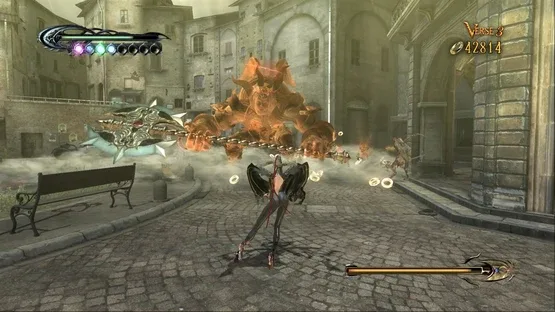
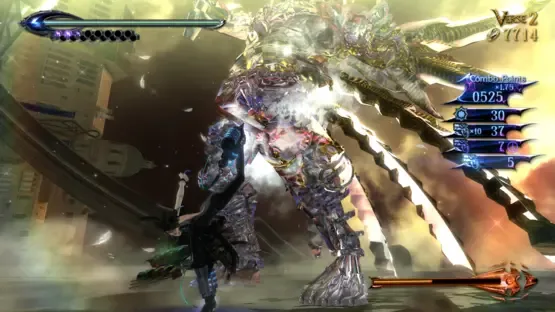
Bayonetta and its sequels occupy similar territory with an even heavier emphasis on dodge-offset timing — the series is built around the idea that a perfectly timed dodge, not a block, is the correct response to almost anything, and that timing that dodge well opens a window for retaliation that a cautious player will never see. Metal Gear Rising: Revengeance took the same design philosophy and attached it to a blade-parry system so precise that the entire game can, in theory, be played by reading incoming attacks and cutting through them at the exact right moment — a much stricter, more binary version of the parry mechanics souls-likes use more forgivingly. Astral Chain, from the same broader Japanese action-development lineage, added a second character under simultaneous control, which sounds like a gimmick until it becomes clear how much depth comes from coordinating two separate combat rhythms at once.
Ninja Gaiden 4, released in October 2025 as a collaboration between Team Ninja and PlatinumGames, is the newest significant entry in this lineage and arguably the cleanest hybrid of the two traditions on this list: punishing, precise, and unforgiving of mistakes in the souls-like sense, but built around a fast, aerial, combo-driven moveset that rewards style and aggression the way Devil May Cry does. It is a useful example of how porous the line between "punishing" and "stylish" actually is — the best games in each camp borrow constantly from the other.
Hi-Fi Rush, developed by Tango Gameworks, pushes the stylish strand in a direction none of the games above attempt: every attack, dodge, and enemy pattern is locked to the beat of the game's soundtrack, turning the usual timing-and-readability skillset of character action into something closer to a rhythm game wearing a hack-and-slash costume. It is a reminder that "stylish" in this genre does not just mean flashy animations — it can mean building the entire combat system around a structural gimmick that changes what skill even means in that context, the same way Metal Gear Rising built its entire identity around one parry mechanic rather than a broad moveset.
Boss-focused character action#
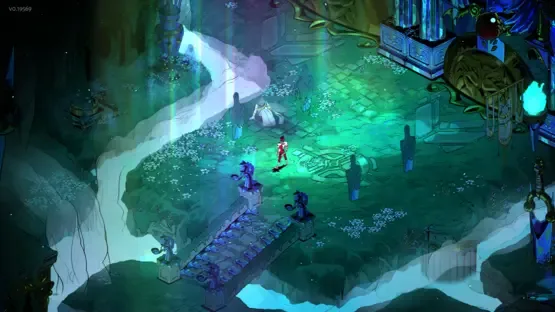
A smaller but distinct group of games builds almost its entire identity around boss encounters rather than continuous combat against regular enemies. Hades and Black Myth: Wukong, both already listed as starting points on this page, represent two very different takes on that idea — Hades wraps its boss gauntlets in a roguelike structure where death resets the run but not your accumulated knowledge of each boss's patterns, while Black Myth: Wukong, which launched on PC and PS5 in August 2024 and reached Xbox Series X/S in August 2025, builds long, deliberately paced levels that exist mainly to deliver a handful of enormous, mechanically distinct boss fights loosely adapted from Journey to the West.
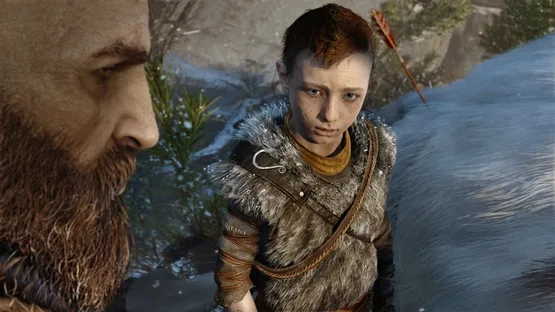
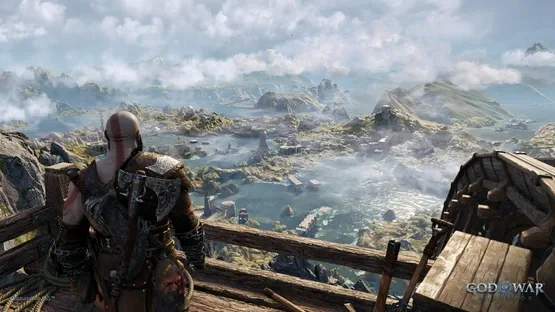
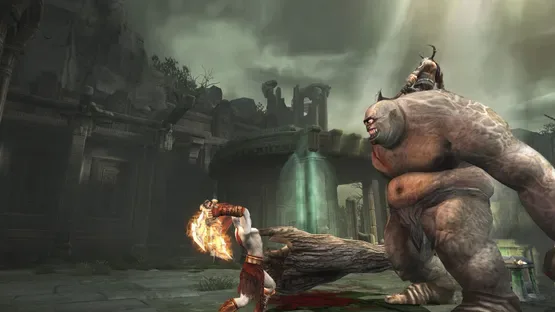
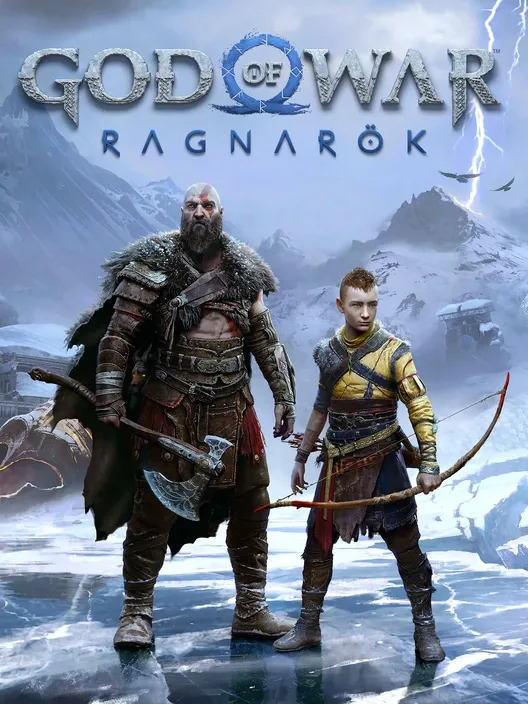
God of War Ragnarök, also on the starting-points list, sits closer to a hybrid: its boss fights are elaborate, multi-phase set pieces, but they are embedded in a much larger adventure structure with exploration and puzzle content around them — worth flagging precisely because it shows how blurry the boundary between "character action with boss fights" and "adventure game with combat" can get. Doom: The Dark Ages, released in May 2025, approaches the same boss-focused idea from a completely different angle: closer to an arena shooter than a melee character-action game, but built on exactly the same principle of dense, individually choreographed encounters rather than a steady drip of disposable enemies, with a shield-parry mechanic that borrows more from Sekiro than from Doom's own prior entries.
Furi, a much smaller-scale indie release, strips the boss-focused idea down to its purest form: there are no regular enemies at all, only a sequence of one-on-one duels, each blending twin-stick shooting with melee parries against a single distinctly designed opponent. It is worth mentioning specifically because it shows that boss-focused character action does not require a triple-A budget or a sprawling world around the fights — the format works just as well, arguably better for some players, when the boss fight is the entire game rather than the reward at the end of a long level.
Picking the right subtype for your taste#
Not everyone who enjoys this genre enjoys the same part of it, and the three strands above reward genuinely different instincts. If patience, observation, and the slow satisfaction of finally reading a pattern you have failed against a dozen times sounds appealing, the souls-like strand — Dark Souls III, Sekiro, Bloodborne, Nioh 2, Lies of P — is the right entry point, and Sekiro specifically is the better choice over Dark Souls III for players who prefer an active, parry-driven rhythm over stamina-based spacing and dodging.
If the appeal is closer to expression than survival — being rewarded for creativity and speed rather than caution — the stylish strand is the better fit. Devil May Cry 5 and Ninja Gaiden 4 reward players who actively chase a style rank or combo counter rather than just trying to reach the next checkpoint alive, and Bayonetta rewards near-frame-perfect dodge timing over blocking or retreating. These games are frequently just as difficult as a souls-like on higher difficulty settings, but the difficulty is framed around performance and score rather than survival alone, which changes how failure feels — a bad Devil May Cry 5 fight feels like a bad performance, not a near-death experience.
Story investment is the other axis worth thinking about. God of War Ragnarök and Black Myth: Wukong both wrap boss-centric combat in substantial narrative and character work, which matters if pure, minimal-narrative combat mechanics on their own do not hold your attention for the length of a full game. Hades sits in between — its story is told in short bursts between roguelike runs rather than as a continuous narrative, which suits players who want story motivation without a slow, cutscene-heavy pace.
One distinction is worth being explicit about, because the genre boundary genuinely gets confusing here: if what actually appeals to you is a large world to explore, side content to find, traversal systems like climbing or gliding, or a slower pace where combat is one part of a bigger loop rather than the entire point, this is not the right page. Adventure games — the ones built around open-world exploration and traversal rather than a tight, combat-first loop — are covered separately on the adventure-games page, and the split exists specifically because pure character action and open-world adventure reward different things and shouldn't be judged against each other. A soulslike with a large connected world is still fundamentally about the combat encounters inside it; an open-world adventure game with combat is fundamentally about the world.
There is also a second layer of taste worth considering once the broad strand is chosen: how you want to relate to your own performance after a fight is over. Souls-likes and Sifu both support a strong tradition of self-imposed challenge runs — no-hit clears, no-damage bosses, minimal-equipment playthroughs — because the underlying combat is precise enough to support that kind of scrutiny; a sloppy combat system falls apart under those constraints almost immediately, while a well-tuned one rewards the attempt. Stylish action games support a related but different tradition built around leaderboards and replayable difficulty tiers rather than self-imposed rules, since the style-meter systems in games like Devil May Cry 5 already provide a built-in scoring structure that a no-hit run in a souls-like has to invent for itself. Neither approach is required to enjoy either type of game once, but it is worth knowing they exist if a single playthrough leaves you wanting to go back in.
How the ranked list above works#
The grid at the top of this page is not a curated list of anyone's personal favorites, and that is a deliberate choice rather than a limitation. It is sorted by IGDB's aggregate rating — a score built from critic reviews and other structured rating sources that IGDB collects and normalizes — and it updates automatically as new ratings come in or existing scores shift. That means the order can and will change over time without anyone manually rewriting it, which is the point: a static "best of" list goes stale the moment a new game launches or a rating gets revised, while a live, rating-sorted list stays accurate without needing constant editorial upkeep.
The tradeoff is that an aggregate score cannot capture everything discussed above — it will not tell you whether a game's difficulty comes from fair, readable design or cheap damage sponges, and it will not tell you which of the three strands covered here a given entry belongs to. That is exactly the gap this article is meant to fill: use the grid to see what is currently rated highest, and use the "great starting points" list alongside the context above to figure out which of those highly rated games actually matches what you are looking for, rather than assuming a high score guarantees the right fit.
It is also worth understanding, briefly, what an aggregate rating is not measuring. IGDB's score reflects how positively a game was received by the critics and outlets it aggregates, weighted by however many of those sources have reviewed it — it says nothing directly about combat depth, about which of the three strands above a game belongs to, or about how steep its learning curve is relative to other entries in the same strand. A niche indie boss-rush game and a big-budget stylish action sequel can carry similar scores for entirely different reasons, and a newer release with fewer aggregated reviews can sit lower simply because it has had less time to accumulate them, not because it is a weaker game. Reading the grid alongside this article, rather than instead of it, is the point: the number tells you what critics thought overall, the context here tells you whether that particular flavor of action is the one worth your time.