 Slay the Spire
 Balatro
 Inscryption
 Dota Underlords
 Tabletop Simulator
 Minion Masters
This is Game Avant's own ranked list of the best card and board games right now, built from the site's combined rating data rather than picked by hand. The category covers a wide spread of what "card and board" means on PC: roguelike deckbuilders where a card pool and a run structure replace conventional levels, digital adaptations of physical tabletop games and collectible card games, and auto-battlers where drafting and positioning matter more than direct control. What unites the list isn't a shared genre so much as a shared foundation — cards, boards, dice, or drafted units doing the mechanical heavy lifting instead of real-time reflexes.
The order below comes from blending IGDB's aggregate critic score with Steam's own user review percentage, and it moves as more people rate these games or as new ones join the catalog. That means recent breakout hits sit alongside years-old genre staples, ranked by the same math rather than by release date or name recognition. Read the write-ups for what each entry actually does well and where it falls short — the rank tells you how it currently scores, not which one is right for you.
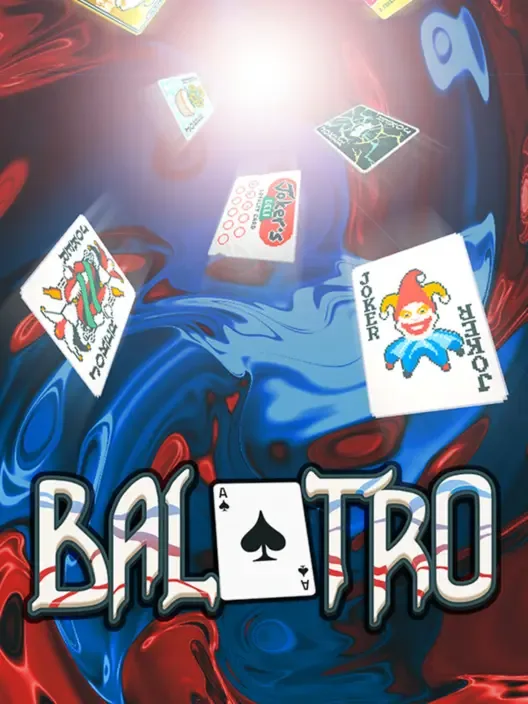
1. Balatro#
LocalThunk's 2024 breakout, published by Playstack, takes standard poker-hand scoring and turns it into a full roguelike deckbuilding loop: Joker cards, collected and stacked across a run, apply multiplicative and additive bonuses to specific hand types, so a run built around flushes plays completely differently from one built around stacking pairs into four-of-a-kinds. The tarot, planet, and spectral card systems layered on top of the core fifty-two-card deck let players permanently reshape their deck's composition between hands — removing weak cards, converting suits, or upgrading a hand type's base value — turning deckbuilding itself into as much of the strategic puzzle as the poker math underneath it. The escalating blind structure, requiring increasingly large chip totals across boss rounds with specific run-altering restrictions, forces genuine build adaptation rather than letting one dominant Joker combination clear the entire run. Its minimalist, retro-inspired visual and audio presentation, paired with a soundtrack built almost entirely around satisfying chip-counting sound design, gives the whole loop an addictive rhythm that's been widely credited for the game's outsized cultural reach. The honest drawback: a handful of extremely powerful Joker combinations can trivialize entire runs once discovered, and the genre-typical repetition of poker-hand math across dozens of runs eventually surfaces the format's mathematical ceiling for players chasing build variety above pure optimization.
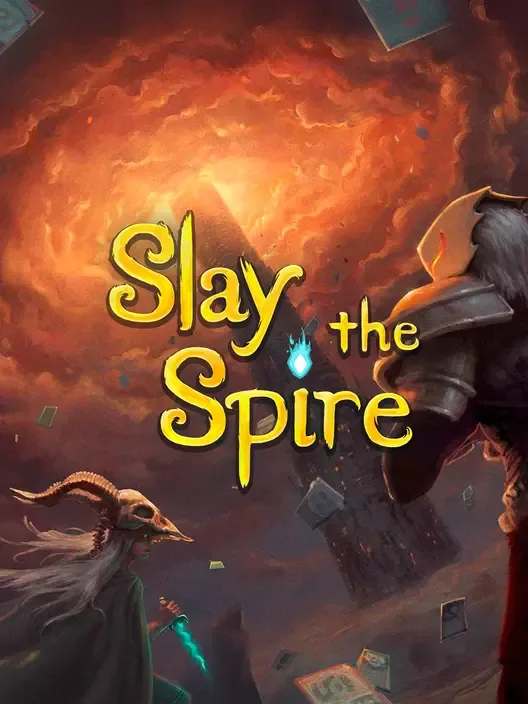
2. Slay the Spire#
MegaCrit's 2019 roguelike deckbuilder is widely credited with defining the genre's modern template: climbing a procedurally arranged spire one floor at a time, building a deck from cards drafted after combat encounters, and managing a limited energy pool each turn that forces genuine hand-to-hand tradeoffs rather than simply playing every available card. Four distinct playable characters — the straightforward Ironclad, the poison-and-shiv-focused Silent, the orb-channeling Defect, and the stance-shifting Watcher — each support entirely different deckbuilding philosophies and synergy webs, giving the format real replay depth well past a first clear. Relics, passive run-modifying items found or purchased between floors, stack in ways that can fundamentally warp a run's strategy, turning a mediocre early deck into a genuinely powerful late-run engine if the right combination lines up. The Ascension difficulty system, adding cumulative run-modifying penalties a player opts into voluntarily, gives the format a near-infinite challenge ceiling for players who've mastered the base difficulty. The honest drawback: the genre it helped define has moved forward with more elaborate deck-manipulation systems since 2019, and Slay the Spire's own comparatively simple card pool and unchanging core loop can feel less mechanically rich than newer entries it directly inspired.
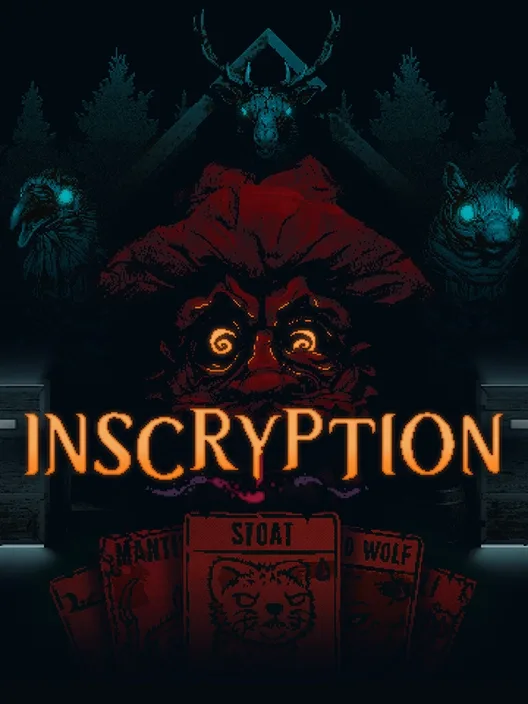
3. Inscryption#
Daniel Mullins Games' 2021 card-battler builds an entire horror-tinged narrative around what looks, at first, like a straightforward card-battling roguelike played across a candlelit cabin table against a menacing, unseen dealer — sacrificing weaker cards to play stronger ones, using squirrel tokens as expendable chaff, and building a deck around bosses that each demand a genuinely different countering strategy. The game's structural rug-pull partway through, breaking from the card-table framing into an entirely different presentation and genre for its middle act before returning to cards with a new ruleset, is one of the more audacious mid-campaign twists any card game has attempted, and describing it in detail would spoil the game's best surprise. Card modification through physical mutilation — stapling extra parts onto a card, sacrificing a card's own life for stat boosts — gives the deckbuilding a tactile, unsettling identity distinct from any other entry on this list. The alternate-reality-game layer woven into the game's files and presentation, encouraging community-wide puzzle-solving outside the game itself, extended the game's cultural footprint well past a typical single-player campaign. The honest drawback: the tonal and mechanical shifts between the game's acts are deliberately jarring, and a player drawn in purely by the first act's card-battling mechanics may find the later, stranger sections a less satisfying use of that same system.
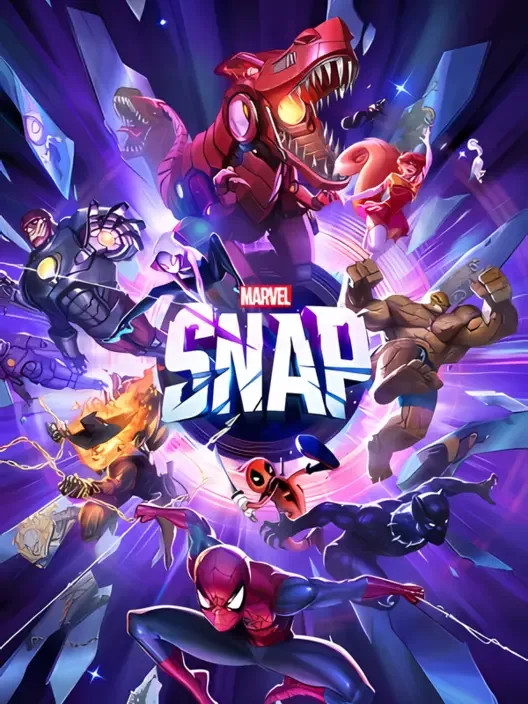
4. Marvel Snap#
Second Dinner's 2022 mobile-and-PC collectible card game strips the genre down to six-card decks, three-minute matches, and a deliberately small board of three lanes, each governed by a random modifier revealed at the start of a match that can radically change optimal strategy from game to game. The Snap mechanic itself, letting either player double the match's stakes at any point before a final reveal, turns even a short match into a genuine bluffing and risk-assessment game layered on top of the card play, since correctly reading an opponent's confidence can be worth more than the cards in hand. Its deliberately compressed match length and lane-based board, a real departure from the sprawling battlefields most digital card games use, makes it one of the more approachable entries on this list for a player without hours to commit to a single session. The regularly rotating card pool and season-based unlock structure keep the competitive meta shifting on a predictable cadence rather than solidifying around a single dominant strategy for years at a time. The honest drawback: the free-to-play card acquisition system gates access to newer, often stronger cards behind a season pass and token economy that can feel slow without spending real money, and the three-lane format's small card pool per match means a bad opening draw can decide a match before meaningful strategy comes into play.
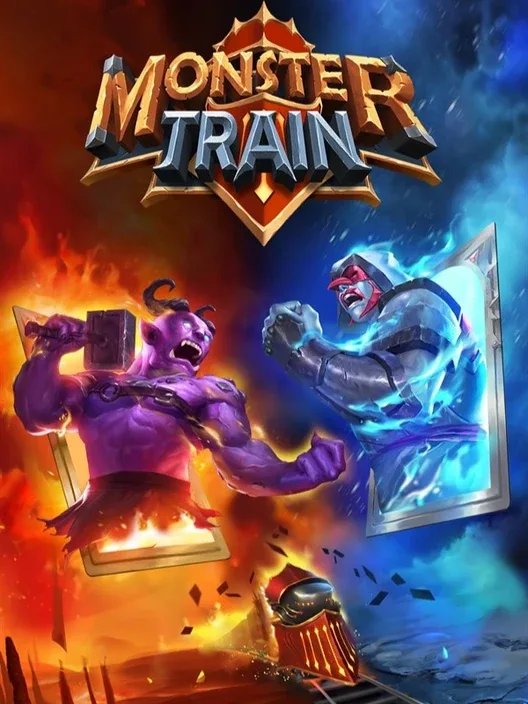
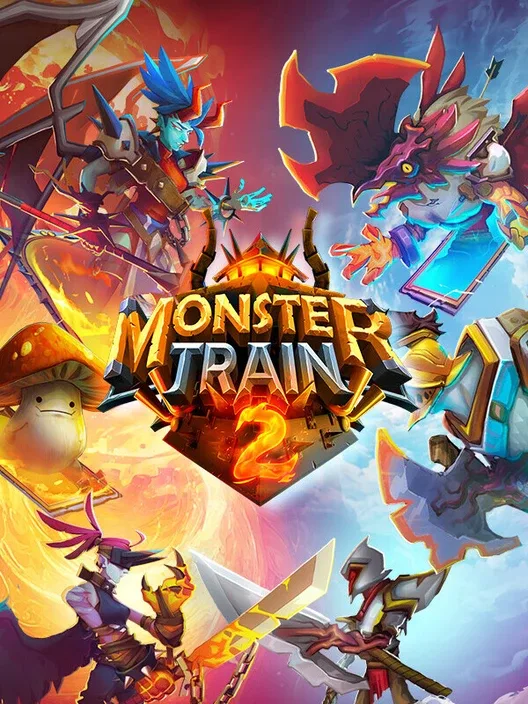
5. Monster Train#
Shiny Shoe's 2020 roguelike deckbuilder inverts the genre's usual top-down dungeon crawl into a vertical defense across three connected train car floors, with a Pyre at the bottom that must survive waves of attackers climbing upward, and units placed on lower floors block and absorb damage meant for units and the Pyre above them. Combining two of the game's five distinct Clans into a single deck, each pairing bringing genuinely different unit and spell synergies, produces the kind of deliberate, chosen-at-run-start build variety that most single-faction deckbuilders can't match, since the strategic identity of a run is set before a single card is even drawn. The multi-floor unit-placement layer adds a genuine tactical-positioning dimension most card-based roguelikes skip entirely in favor of simple hand management, since deciding which floor absorbs which enemy type is as consequential as the cards played that turn. Champion units, upgradeable across a run and central to each Clan's identity, give long runs a persistent power fantasy beyond simply accumulating more cards. The honest drawback: the floor-based unit-placement system has a real learning curve that's steeper than most card-focused roguelikes on this list, and newer players can lose winnable runs to positioning mistakes well before understanding why the loss happened.
6. Super Auto Pets#
Team Wood Games' 2021 auto-battler strips the genre down to its cleanest possible form: a shop of animal-themed units bought, leveled, and arranged in a simple left-to-right line, fighting automatically against another player's line with zero direct control once combat begins, and the entire strategic layer lives in the drafting and positioning decisions made beforehand. Each animal's unique triggered ability — a pet that buffs allies when it faints, one that summons a smaller copy of itself, one that poisons on hit — combines with adjacent units in ways that reward genuine synergy-hunting over simply drafting the individually strongest pets available. Its deliberately minimalist, cute pixel-art presentation and short per-round pacing make it one of the more approachable entries in the auto-battler space, requiring none of the map-and-hero layers that games like Dota Underlords build on top of the same core drafting loop. Regular content updates introducing new pet packs have kept the strategic meta shifting well past the base game's initial roster. The honest drawback: the genre's inherent randomness in shop offerings means even a well-played draft can lose to an opponent who simply drew better options, and the game's simplicity, while approachable, gives it noticeably less strategic depth than auto-battlers layering in hero abilities or positional terrain.
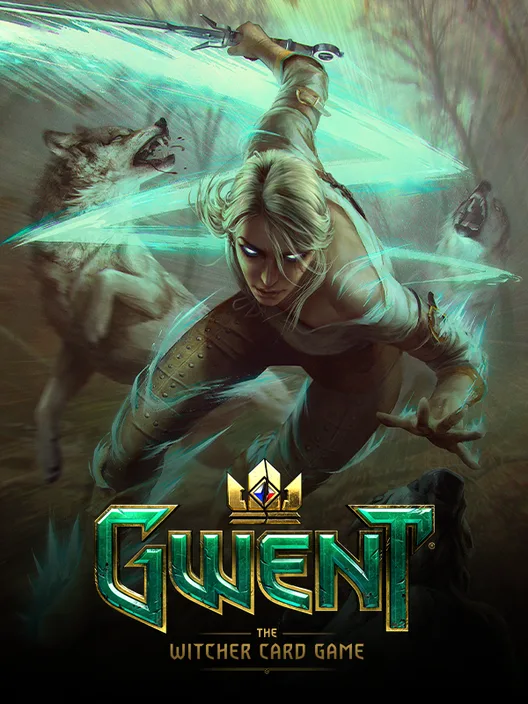
7. Gwent: The Witcher Card Game#
CD Projekt Red's 2018 standalone spinoff of the minigame from The Witcher 3 rebuilds it into a full competitive card game built around a genuinely distinctive round-based structure — matches are won two rounds out of three, and strategically conceding an unwinnable round to preserve cards for the next is a core, intended strategy rather than a loophole. Five factions, each with a genuinely different mechanical identity — Skellige's self-damaging aggression, Nilfgaard's card-spying control, Monsters' consume-and-grow synergy — give deckbuilding real structural variety beyond simple stat totals, and the row-based board, requiring cards to be placed in melee, ranged, or siege lanes with row-specific bonuses, adds a positional layer most collectible card games skip. The single-player Thronebreaker campaign spun out of the same card system shows how far the ruleset can stretch beyond pure competitive play. The card art and animations, pulling directly from The Witcher's established visual identity, give the game a level of individual card personality that helped it stand out at launch against more abstractly-presented competitors. The honest drawback: the game underwent several significant balance and structural overhauls after launch that alienated part of its original player base, and its round-conceding strategic core is genuinely unintuitive to players coming from more conventional card games where every round is played to win.
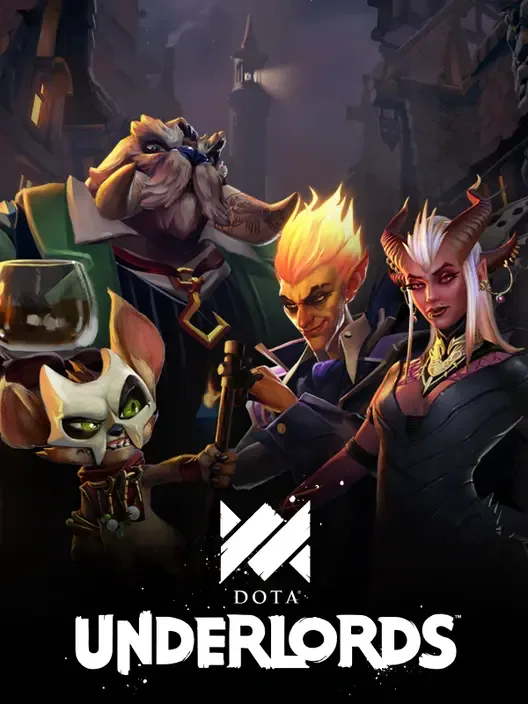
8. Dota Underlords#
Valve's take on the auto-battler format it helped popularize through the original Dota Auto Chess community mod launched in early access in mid-2019 and fully released in 2020, arranging Dota 2 hero units on a grid board where positioning, unit-type synergies across Alliances, and itemization drafted between rounds matter as much as which units are bought. The Alliance synergy system, granting bonus effects for fielding multiple units sharing a trait like Knight or Assassin, rewards genuine forward planning about which units to hold onto even when they're not individually the strongest immediate purchase. Underlords themselves, powerful hero units with their own leveling abilities layered on top of the standard board, add a persistent-power dimension most other auto-battlers of the era didn't attempt. Cross-platform play between PC and mobile meant the format's famously long individual matches could be picked up and continued on a phone, a genuine convenience most competitors in the space didn't offer. The honest drawback: Valve significantly scaled back active development and esports support for the game not long after its full launch, leaving it feeling comparatively undersupported next to auto-battlers that received sustained post-launch content, and the genre it helped popularize has since been more actively iterated on by other titles.
9. Loop Hero#
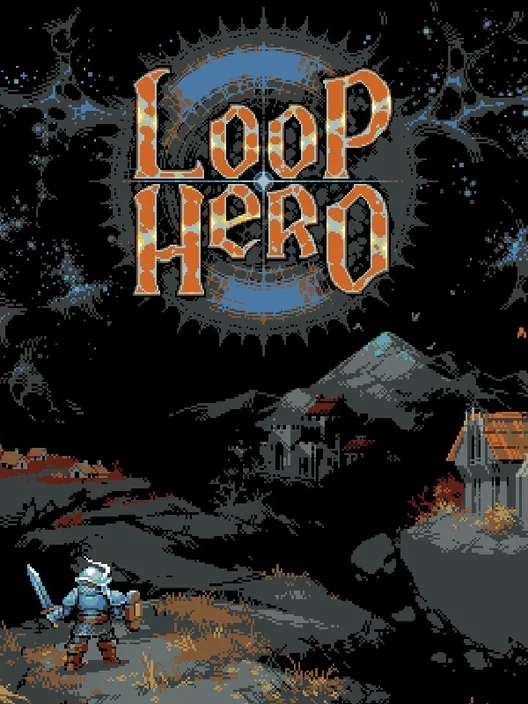
Four Quarters' 2021 roguelike hybrid combines deckbuilding with idle-adjacent automation: a hero walks an endless looping path entirely on its own, and the player's only direct interaction is placing terrain and enemy-spawning cards onto tiles along that loop, meaning the entire strategic layer is about which encounters and resources to introduce rather than controlling combat directly. That indirect-control premise, genuinely unusual for the genre, forces a kind of terrain-planning strategy closer to city-building than typical deckbuilding, since placing a forest tile near a village might buff resource generation while also increasing enemy difficulty nearby. The camp-building meta-progression between runs, unlocking permanent buildings and card types using resources hauled back from completed loops, gives the format a satisfying long-term unlock curve on top of each individual run's card-placement puzzle. Its deliberately retro, 16-bit-inspired pixel art and moody chiptune soundtrack give the automation-heavy loop an atmospheric hook that keeps otherwise passive-feeling runs visually engaging. The honest drawback: the hands-off combat means a player watching a run play out has genuinely limited ability to course-correct a bad early setup once it's underway, and the core loop's slower, more contemplative pace is a real departure from the moment-to-moment engagement most other roguelike deckbuilders on this list are built around.
10. Dorfromantik#
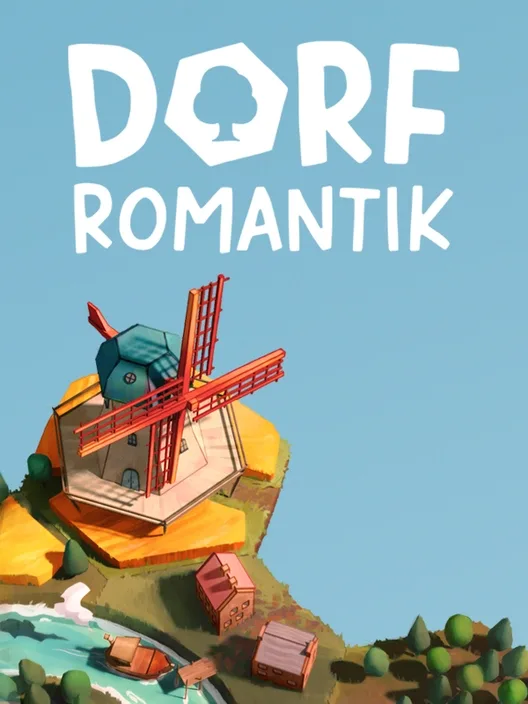
Toukana Interactive's 2022 tile-placement game translates the cozy, open-ended spirit of tabletop tile-layers directly to PC: hexagonal landscape tiles — forest, field, water, houses, rail — are drawn one at a time and placed to extend a sprawling, procedurally assembled countryside, with points awarded for matching terrain types across tile edges and completing enclosed regions. The quest-card system, offering optional objectives like connecting a set number of rail tiles or filling a region with a specific terrain type, gives the otherwise free-form placement loop a light structural goal without imposing a fail state or time pressure on the core building experience. Its watercolor-inspired, pastel visual style and ambient, almost meditative soundtrack lean fully into a relaxed pacing that stands apart from nearly every other competitive or run-based entry on this list. The game's origin as a small personal project that grew into a full commercial release, after its creators shared an early prototype online and found it resonated far beyond their expectations, is reflected in a design that prioritizes calm, open-ended building over any kind of win condition. The honest drawback: the format's total absence of a defined end state or genuine failure condition means the experience can feel aimless to players who prefer clear objectives, and the core tile-matching mechanic, while soothing, offers comparatively little strategic depth once its basic rules are understood.
11. Magic: The Gathering Arena#
Wizards of the Coast's 2019 official digital adaptation of the decades-old physical trading card game brings Magic's full color-pie system — five distinct colors of mana, each with a defined mechanical identity and philosophy, combinable into two- or three-color decks — to a genuinely polished, free-to-play digital client with automated rules enforcement handling a rules set complex enough that human judges are still needed at the physical game's top tournaments. Regularly rotating Standard-format sets keep the competitive card pool evolving on a predictable cadence, while the separate Historic and Alchemy formats let players build around a much larger card pool, including digital-only card redesigns not possible on paper, for those who want more deckbuilding freedom than the current rotation allows. Draft and Sealed limited formats, building a deck on the spot from a fixed pool of freshly opened packs, remain some of the most respected skill tests in the entire card-game space, rewarding real-time evaluation and deckbuilding under genuine resource constraints. Decades of physical-game card design experience underpin the digital card pool's mechanical variety, giving it a strategic depth few other entries on this list can match card-for-card. The honest drawback: the free-to-play economy is a genuine friction point, with competitive deck construction often requiring either substantial playtime or real money to acquire a complete set of a format's best cards, and the sheer size of Magic's overall card pool can be genuinely overwhelming for a player arriving with no prior tabletop Magic experience.
12. Yu-Gi-Oh! Master Duel#
Konami's 2022 free-to-play digital adaptation of the Yu-Gi-Oh! Trading Card Game brings the physical game's full modern ruleset — Fusion, Synchro, Xyz, Link, and Pendulum summoning mechanics layered on top of decades of accumulated card design — to a client that automates the format's famously intricate chain-and-priority rules interactions far more reliably than a human opponent could track by hand. Solo Mode, walking new players through structured tutorial duels using famous decks and duelists from the anime and card game's history, gives newcomers a genuinely more approachable on-ramp into the format's dense rules than most competitive card games attempt for players with zero prior experience. The deliberately compressed turn structure, where an established competitive deck can execute an entire multi-card combo sequence within a single turn before an opponent even acts, produces a genuinely different rhythm from Western-style card games built around slower, more turn-trading exchanges. Its crafting-point card-acquisition system, letting players disassemble unwanted cards to build toward specific ones they want, gives free-to-play deckbuilding a clearer sense of progress than a pure random-pack system would. The honest drawback: the format's combo-heavy competitive metagame is genuinely difficult for newcomers to parse, with top-tier decks executing lengthy, rules-dense turns that can leave an opponent watching passively for several minutes before getting to act at all.
13. Liar's Bar#
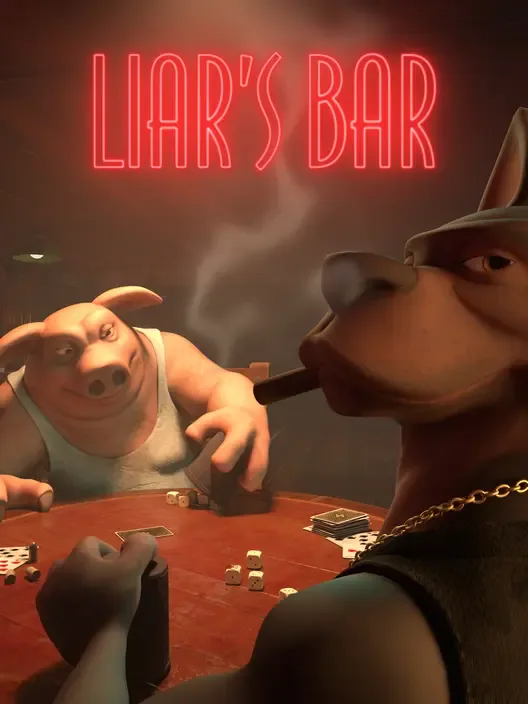
Curve Animation's 2024 social deception game, an unexpected breakout hit released into early access, strips card-based bluffing down to its rawest form: players claim to play specific cards face-down that may or may not match what they're actually holding, other players can call a bluff, and a losing bluffer faces a literal Russian-roulette-style consequence that raises the stakes of every single claim far beyond a normal points penalty. The game's minimal ruleset, learnable in minutes, puts nearly the entire weight of the experience on reading other players' behavior and bluffing patterns rather than on deck construction or card synergies, which distinguishes it sharply from nearly every other entry on this list built around building or optimizing a deck. Its stylized, slightly unsettling low-poly visual presentation and voice-chat-friendly party format helped the game spread rapidly through streaming and social media shortly after launch, turning a simple card-bluffing premise into a genuine cultural moment. The escalating tension of the elimination-style structure, where surviving players face increasingly high-stakes bluffing decisions as the table narrows, gives even a short session real dramatic weight. The honest drawback: the entire experience depends heavily on playing with real people whose bluffing tells can be read, and the mechanically thin ruleset offers comparatively little for a solo player against AI opponents once the initial novelty and social thrill of the bluffing wears off.
14. CloverPit#
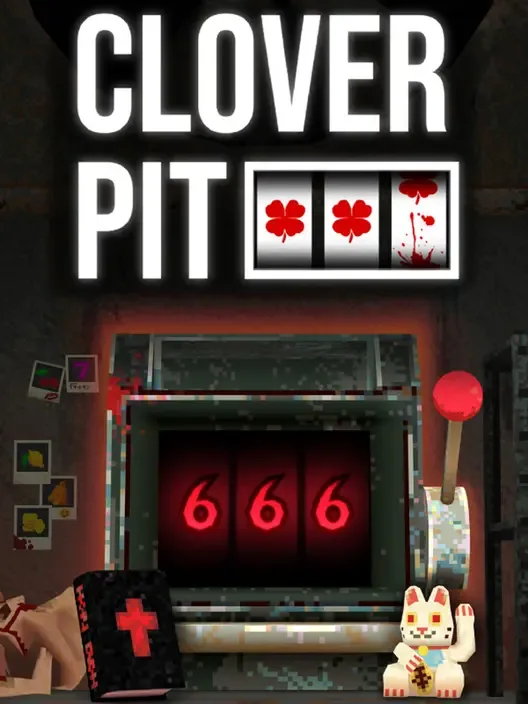
Panik Arcade's 2025 debut, published by Future Friends Games, fuses a slot-machine core with roguelike debt-management structure inside a grimy, first-person cell: each pull of the game's central slot machine can win currency toward a steadily rising debt quota, and augment items purchased between spins modify the reel's symbols, paylines, and odds in ways that let a player build genuinely different strategies around the same basic spin. The psychological-horror atmosphere layered over what's mechanically a gambling-simulation loop gives the escalating tension of each debt deadline a genuinely unsettling edge that distinguishes it from a straightforward slots game, with environmental degradation and unnerving audio design responding to how close a run is to failure. Its clear lineage from Balatro's card-based build-your-odds philosophy, applied to a slot reel instead of a poker hand, produced one of 2025's most unexpected breakout hits, crossing a million copies sold within weeks of its September release. The augment system's depth, letting a well-built run stack multiplier and payline effects into runs that look nothing like a standard slot machine by the end, gives the format real build variety despite its simple entry point. The honest drawback: the psychological-horror framing and rising-dread pacing is a deliberate stylistic choice that won't appeal to players wanting a lighter, more purely mechanical gambling-roguelike experience, and the format's slot-machine randomness means even a well-optimized build can lose a run to a genuinely unlucky spin streak.
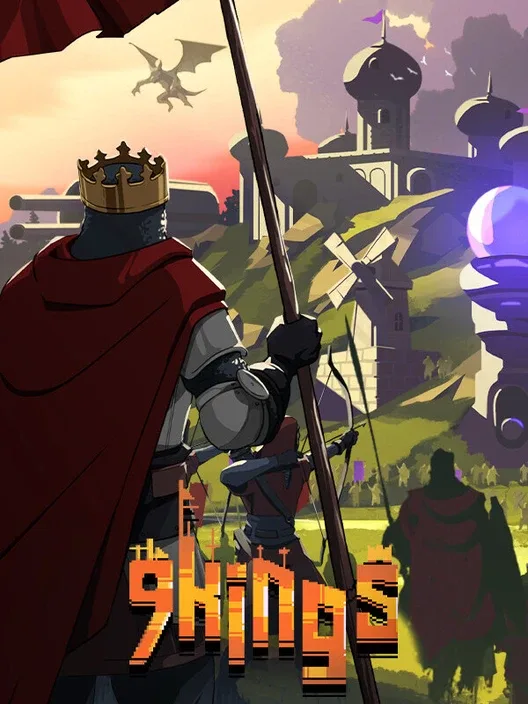
15. 9 Kings#
Sad Socket's 2025 early-access strategy roguelike, published by Hooded Horse, blends card-based kingdom building with real-time tower-defense-style battles fought across a nine-tile grid surrounding the player's castle, where cards summon armies, construct buildings, or cast spells that reshape the battlefield mid-fight rather than simply existing as a hand to be played passively. Selecting from an eventual roster of nine distinct playable kings, each with a genuinely different card pool and strategic identity, gives the format real build variety on top of the moment-to-moment tactical decisions made during each escalating wave of combat. The game's chaotic, explicitly "break the game" design philosophy, encouraging players to stack absurd card combinations into runs that spiral into deliberately over-the-top territory, gives it a distinct identity from more measured, balance-focused card strategy games. Built by a small team working across São Paulo and New York, and following on from the studio's earlier commercial success with Seraph's Last Stand, the game's early-access reception has been unusually strong, with a large majority of its user reviews rating it positively within months of launch. The honest drawback: as an early-access title still building out its full roster of kings and challenge modes, the current card pool and mode variety is noticeably thinner than the longer-established deckbuilders ranked above it, and its full scope depends on a year-long content roadmap the developer has publicly committed to but not yet completed.
16. Griftlands#
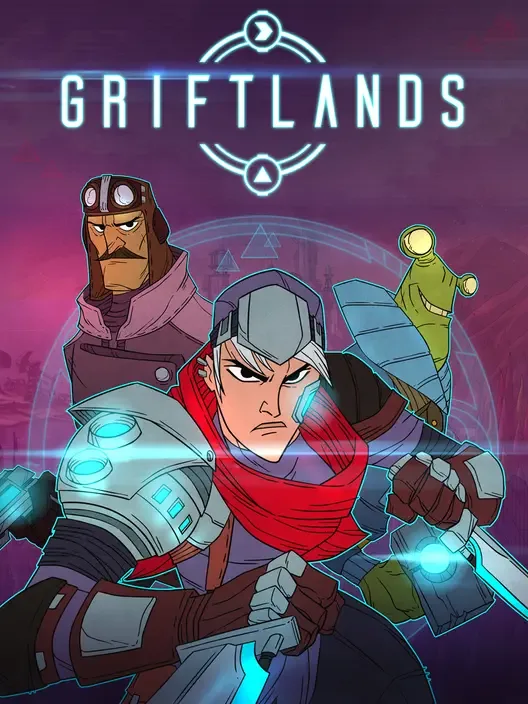
Klei Entertainment's 2021 roguelike deckbuilder, which left early access after several years of iterative development, layers a full branching-dialogue negotiation system on top of conventional card-based combat, giving players two entirely separate card decks per character — one for fighting, one for talking — that both draw from the same core resource-management logic but demand genuinely different strategic thinking. Three playable protagonists, each with distinct combat and negotiation decks and a differently structured overarching story, give the format real narrative replay value beyond simply reshuffling the same card pool into a new run. The negotiation-deck system specifically, letting players win encounters through persuasion, intimidation, or bribery cards instead of combat, is a genuinely novel mechanical idea few other card-based roguelikes on this list attempt at all, turning social encounters into as much of a build-crafting puzzle as fights are. Sticker cards, which permanently modify a specific card's behavior when attached to it, add a meaningful customization layer on top of the base deck without requiring an entirely separate crafting system. The honest drawback: running two parallel deck-building systems simultaneously adds real cognitive overhead compared to a single-deck roguelike, and the negotiation system's card pool is noticeably less developed and varied than the combat side, leaving it feeling like the less fully realized of the game's two central pillars.
17. For the King#
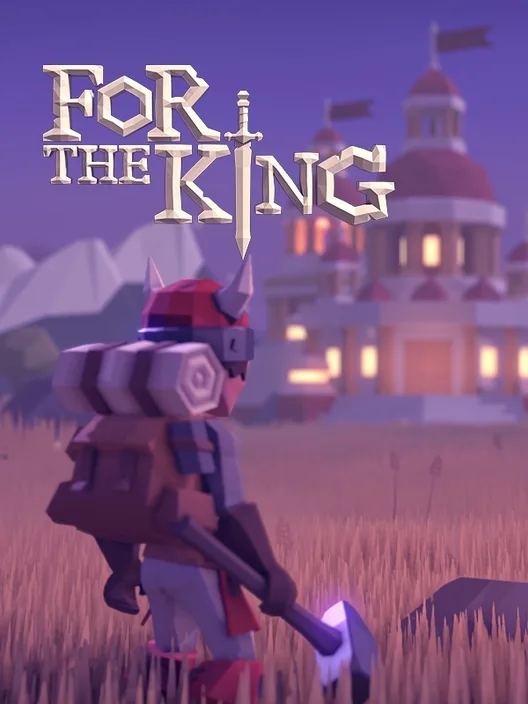
IronOak Games' 2018 tactical RPG blends turn-based, hex-grid party combat with a physical board game's presentation — a shared overworld map, dice-based movement and skill checks, and a genuine risk of permanent character death that echoes classic tabletop RPG stakes rather than a conventional video game's more forgiving failure states. Up to three players can control a shared party cooperatively, splitting the overworld's exploration, resource management, and combat decisions in ways that mirror a physical tabletop session's collaborative planning far more closely than most digital RPGs attempt. The game's roguelike structural layer, randomizing the overworld map and available quests each run while keeping the core kingdom-in-peril story consistent, gives repeated playthroughs genuine variety without discarding narrative continuity entirely. Class and equipment variety across the three-person party create real tactical decisions in nearly every combat encounter, particularly around which character absorbs frontline damage versus which stays back on ranged or support duty. The honest drawback: the dice-and-chance elements woven throughout combat and skill checks introduce a real degree of run-ending bad luck that some players find at odds with the tactical planning the combat otherwise rewards, and the game's difficulty curve can spike sharply for a party that's fallen behind on equipment early in a run.
18. Stacklands#
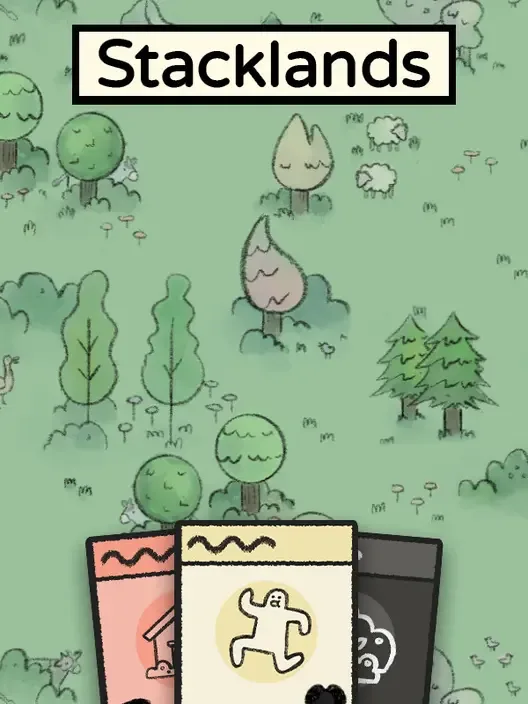
Sokpop Collective's 2023 card-based city-builder represents an entire settlement as a tabletop of physical cards laid out on a table: villager cards gather resource cards by being dragged onto them, resource cards combine on a crafting-style board to produce buildings and tools, and the settlement's growth is represented entirely through cards stacking, combining, and spawning new cards rather than any traditional building-placement interface. That card-as-the-entire-interface premise, genuinely unusual for a city-builder, produces a tactile, almost solitaire-like satisfaction to basic settlement management that few other management games attempt, since even routine tasks like farming or crafting play out as visible, physical card interactions rather than abstracted menu numbers. The game's roguelike structural layer, with randomized card packs purchased between in-game days and a real threat of the settlement's population dying out if resources run dry, adds genuine stakes to what could otherwise be a purely relaxed builder. Its origin from Sokpop Collective's subscription-based prototype pipeline, where the studio regularly releases small experimental games to subscribers before some are expanded into full releases, reflects in a design that stays tightly scoped and mechanically focused rather than sprawling. The honest drawback: the tabletop-card interface, while inventive, becomes visually cluttered once a settlement grows large, with dozens of overlapping cards making it genuinely difficult to track specific resources or villagers at a glance in a late-run save.
19. Luck be a Landlord#
Trampoline Terry's 2022 slot-machine roguelike, an early and influential entry in the symbol-based gambling-roguelike wave that CloverPit and others later built on, tasks players with paying an escalating rent using symbols purchased and placed onto a slot machine's reels, where adjacent-symbol synergies — a cat symbol that destroys adjacent mouse symbols for bonus coins, a coin symbol that multiplies based on neighboring gem symbols — turn simple slot spins into a genuine build-crafting puzzle. The sheer number of distinct symbols available, each with a specific triggered interaction, gives runs real build diversity despite the format's inherently random spin outcomes, since a well-assembled symbol board can produce wildly different scoring patterns from spin to spin. Its satirical framing, casting the player as a tenant using gambling winnings to literally pay off a landlord's escalating rent demands, gives the mechanically abstract slot-reel gameplay a wry thematic hook that several later entries in the genre have echoed. The game's relatively modest scope and price point, compared to more elaborately produced roguelikes on this list, made it an accessible early entry point into the symbol-synergy roguelike subgenre for many players. The honest drawback: the format's dependence on reel randomness means even a well-optimized symbol board can lose a run to an unlucky sequence of spins, and the game's presentation and content scope are noticeably more modest than the higher-production-value titles the subgenre it helped popularize has since produced.
20. Wingspan#
Monster Couch's 2020 digital adaptation of Elizabeth Hargrave's acclaimed physical board game translates its bird-collecting, engine-building card system faithfully to PC: players place bird cards into one of three habitat rows, each bird's printed ability triggering off specific in-game actions like laying eggs, gaining food, or drawing new cards, and a well-assembled row of synergistic birds can chain a single turn's action into a cascading combo across the entire board. The digital adaptation's automated rules enforcement removes a genuine barrier the physical board game presents to new players, since Wingspan's card text is dense enough that tracking every triggered ability by hand can slow a physical session considerably, while the digital version handles it instantly and correctly every time. Its scientifically accurate bird illustrations and factual bird-fact flavor text, carried over faithfully from the physical game, give the collecting premise an educational undercurrent that distinguishes it from more purely abstract card-engine games. Online and local multiplayer modes, along with a fully featured solo mode against AI opponents, make the digital version considerably more accessible for actually finding a full table than the physical game, which depends on gathering the right number of players in person. The honest drawback: the underlying engine-building strategy, while genuinely well-designed, is fundamentally a faithful port of a board game not built with a digital-first pacing in mind, and some players find its turn structure slower and more deliberate than the more streamlined pacing typical of card games designed for PC from the outset.
21. Chrono Ark#
Al Fine's roguelike deckbuilder, which spent years in early access before its full 2024 release, layers turn-based, party-based combat — up to four characters fighting simultaneously rather than a single deckbuilder protagonist — on top of a card system drawing heavily on Korean gacha and visual-novel presentation conventions, giving the format a genuinely different tone and structure from the Western roguelikes it's most often compared to. Managing a rotating cast of recruitable, anime-styled characters, each with a distinct card pool and combat role, adds a party-composition strategic layer most single-character deckbuilders on this list don't attempt, since deciding which characters to field together changes the deck's overall synergy far more dramatically than a single deck's card choices alone. The Sanity system, a resource that depletes as characters use certain abilities and can trigger negative status effects at low levels, adds a resource-management layer distinct from the straightforward energy or mana systems most other deckbuilders use. Its lengthy development in early access, with years of community feedback shaping mechanical changes before the official 1.0 release, produced a notably deep and iterated-upon card pool by the time of full launch. The honest drawback: the sheer number of recruitable characters, cards, and interlocking systems gives the game a genuinely steep learning curve compared to more streamlined entries on this list, and its dense, text-heavy narrative framing is a much bigger investment of time than a player looking for a quick roguelike run may want.
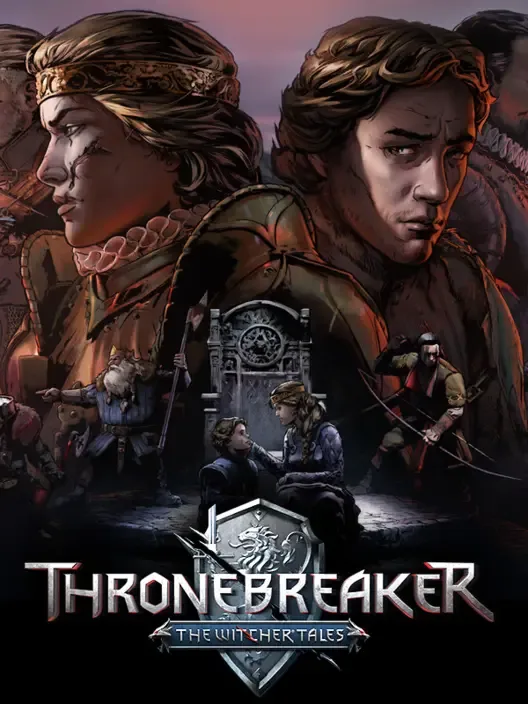
22. Thronebreaker: The Witcher Tales#
CD Projekt Red's 2018 single-player campaign, spun out of the same card system underpinning Gwent, follows Queen Meve through a fully voiced, choice-driven story where card battles serve the narrative rather than existing as the entire point, and puzzle-like combat scenarios on the overworld map — using specific cards to solve environmental challenges rather than fight opponents — give the underlying card system unexpected versatility outside pure combat. Deck-building decisions carry real narrative weight here in a way competitive Gwent doesn't attempt, since the story's branching choices can alter which cards and characters remain available for the rest of the campaign, tying deckbuilding directly to the consequences of dialogue decisions rather than treating the two systems as separate. The full voice acting and genuinely substantial production values, unusual for a card-game spinoff of this scope, give Thronebreaker a narrative weight closer to a full RPG than a typical single-player card-game campaign. Its map-based puzzle encounters, which reuse Gwent's card logic to solve spatial and resource puzzles rather than win a standard match, are a genuinely inventive use of an existing ruleset most card-game campaigns don't attempt. The honest drawback: the game launched as a commercial underperformer relative to its production budget, and its slower, story-first pacing is a real departure from Gwent's faster competitive matches, which can frustrate players expecting the same rhythm from the card system they already know.
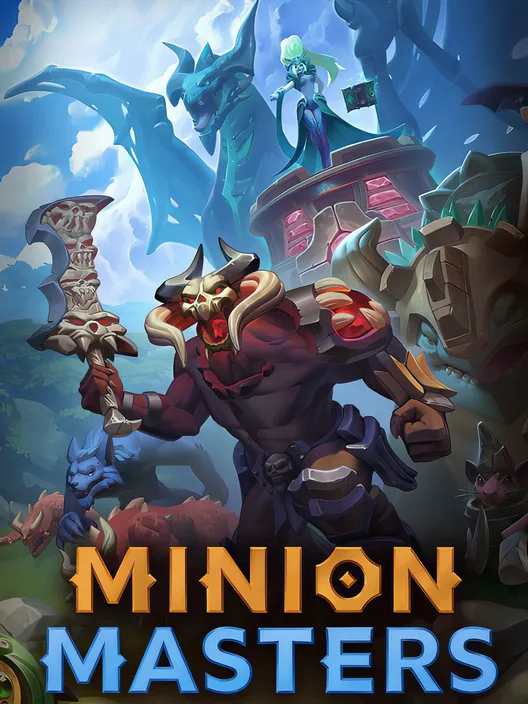
23. Minion Masters#
BetaDwarf's 2019 real-time card-battler splits the difference between a collectible card game and a lane-based tower-defense game: players draft a thirty-card deck of minions and spells, then play them in real time onto a shared lane between two opposing Master characters, with mana regenerating continuously rather than turn-by-turn, forcing constant tactical decisions about when to commit resources rather than deliberate, turn-based planning. The Master character selection, each with a distinct passive ability and ultimate power that shapes deckbuilding around it, gives the format a build-around-your-commander structure that adds strategic identity on top of the underlying card pool. Real-time lane combat, with minions automatically marching and fighting once played, produces a faster, more reflexive rhythm than almost any other card game on this list, closer in pace to a real-time strategy skirmish than a conventional card match. Regular free content updates, including new Masters and card sets, have kept the competitive card pool evolving years past the game's initial release. The honest drawback: the real-time pacing, while distinctive, sacrifices some of the deliberate strategic depth a turn-based card game allows, and the genre's relatively small remaining competitive population compared to its release-era peak can make matchmaking slower than it once was.
24. RISK: Global Domination#
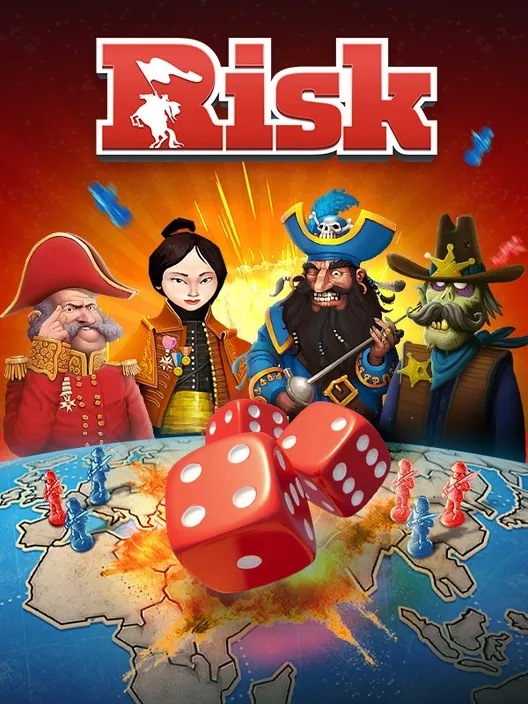
Marmalade Game Studio's 2016 digital adaptation of the classic Hasbro board game brings Risk's territory-conquest formula to PC largely unchanged: players deploy armies across a world map divided into continents and territories, attack adjacent territories using dice rolls to determine combat outcomes, and control of an entire continent grants a recurring reinforcement bonus that shapes the entire game's strategic push toward continental control. The faithful digital adaptation removes the physical game's biggest practical friction, the lengthy real-world setup and teardown of dozens of army pieces across a large board, while preserving the core dice-based combat and territorial strategy that's made Risk a staple for decades. Multiple official game modes and map variants, including licensed alternate maps beyond the classic world map, give the digital version more structural variety than most households' physical copy ever sees played. Online multiplayer and AI opponents of varying difficulty make it considerably easier to actually find a full match than gathering enough players around a physical board, which has always been one of Risk's practical barriers to regular play. The honest drawback: the underlying game design is decades old and shows real strategic limitations by modern standards, particularly the outsized influence dice-roll variance can have on a single pivotal battle, and the format's slower, elimination-based pacing can leave an early-eliminated player with a long wait before a match concludes.
25. 100% Orange Juice#
Orange_Juice's 2013 digital board game blends Mario Party-style board traversal with card-based, turn-based battle encounters: players roll dice to move across a board, landing on event or battle panels that trigger card-driven combat between an anime-styled cast of playable characters, each with a distinct deck of character-specific cards and a unique win condition tied to their own personal star system. The card-battle layer, requiring players to manage a hand of attack, defense, and support cards during each encounter, gives what could be a purely luck-based board game a genuine skill layer most party-board digital games skip entirely. Character variety is substantial, with a large and steadily expanded roster of playable characters, each bringing a meaningfully different card pool and win-condition strategy that changes how a given match should be approached from the character-select screen onward. Its deliberately retro, colorful anime-inspired presentation and consistently active modding and DLC-character community have kept the game's player base unusually persistent for a decade-plus-old title. The honest drawback: the dice-driven board movement retains a real degree of luck that can swing a match regardless of card-battle skill, and the sheer number of released DLC characters over the years makes the game's full roster a genuinely significant additional purchase for a player wanting the complete cast.
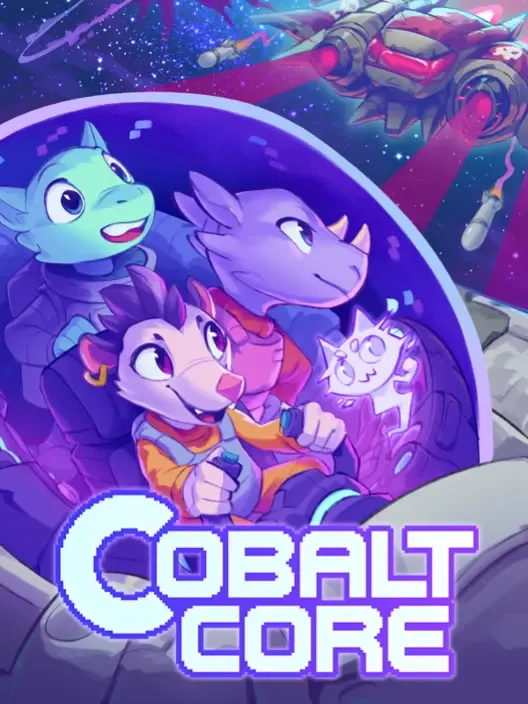
26. Cobalt Core#
Rocket Rat Games' 2023 roguelike deckbuilder, published by Brace Yourself Games, replaces the genre's usual single-character combat with three-crew starship battles, where a small rotating cast of pilots each bring distinct cards and passive abilities that must be balanced across a ship's limited card-play budget each turn, fought against enemy vessels whose upcoming attacks and telegraphed intents are always fully visible before they resolve. That full-information combat system, showing exactly what damage an enemy ship will deal and to which specific ship position before a player commits to a turn, shifts the format's core tension from card-based bluffing or risk-guessing toward precise, puzzle-like positioning and sequencing, since every combat is theoretically solvable with perfect information if the player can find the right card sequence. Time-loop narrative structure, replaying the same handful of story beats with new information and dialogue options each run, gives the roguelike's inherent repetition a genuine narrative justification rather than treating repeated runs as pure mechanical grinding. The three-pilot crew system, letting players mix and match distinct character card pools and abilities within a single run, produces build variety closer to a party-based RPG than a typical single-hero deckbuilder. The honest drawback: the fully visible enemy-intent system, while elegant, removes some of the tension and improvisational panic that drives the genre's more unpredictable entries, and players who prefer reacting to uncertainty rather than solving a fully known puzzle may find combat feels more like an optimization exercise than a tense fight.
27. Monster Train 2#
Shiny Shoe's May 2025 sequel, published under Devolver Digital's Big Fan Games label, expands the original's vertical train-car defense structure with new Clans, a revised multi-floor targeting system, and a broader range of Champion units, while keeping the core premise intact: a Pyre must survive waves of enemies climbing a train's connected floors, with units placed strategically to block and absorb incoming damage before it reaches the bottom. The expanded Clan roster and rebalanced dual-Clan combination system give returning players from the original genuinely new synergy combinations to discover, rather than simply reskinning the first game's already-established strategies, and several new mechanical wrinkles specific to the sequel address balance issues the community had raised about the original's floor-targeting logic over its years of post-launch support. Champion unit redesigns, giving returning Clans meaningfully different upgrade paths than they had in the original game, keep familiar factions from playing identically to their first-game counterparts. Reception at launch was strong enough to position it as one of 2025's best-received roguelike deckbuilders, building directly on the goodwill the original accumulated over five years of active support. The honest drawback: much of the sequel's core loop and floor-based positioning system is a direct evolution of the original rather than a fundamental reinvention, and a player who already extensively played the first Monster Train may find the sequel's early hours feel more like an expansion than an entirely new game.
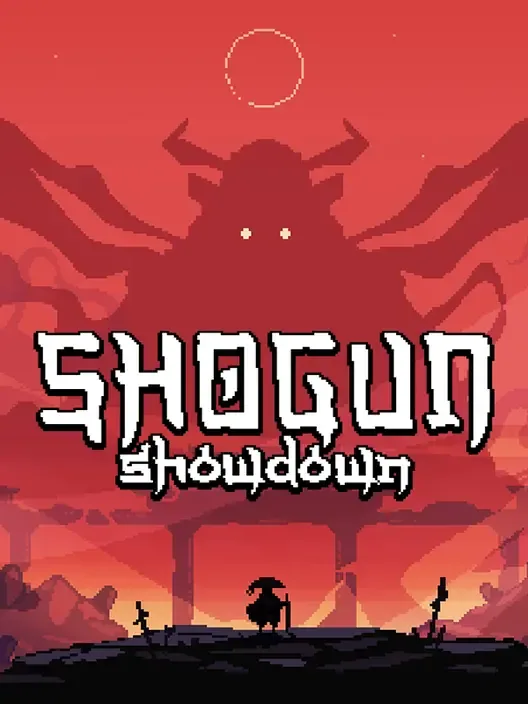
28. Shogun Showdown#
Roboatino's 2024 solo-developed roguelike, published by Goblinz Studio, blends card-based turn planning with a puzzle-like, grid-based movement system: rather than simply playing cards to deal damage, combat plays out on a small tactical grid where positioning, enemy telegraphed movement patterns, and card sequencing all interact, turning each encounter into as much a spatial puzzle as a conventional card-combat exchange. The chibi-styled, colorful presentation belies a genuinely demanding difficulty curve underneath, with enemy attack patterns requiring precise positional planning turns in advance rather than simply having the statistically strongest deck. Its short, tightly scoped run length compared to more sprawling roguelike deckbuilders on this list makes individual attempts fast to restart after a loss, which suits the trial-and-error learning the grid-positioning puzzles reward. Built largely by a single developer, the game's tight mechanical focus and lack of feature bloat reflects a deliberately scoped-down design rather than an unfinished one. The honest drawback: the game's small-scale, solo-developer origins show in a comparatively modest amount of total content and character variety next to bigger-budget entries on this list, and the genuinely demanding positional-puzzle difficulty is a real barrier for players expecting a more conventional, deck-power-driven roguelike experience.
29. TCG Card Shop Simulator#
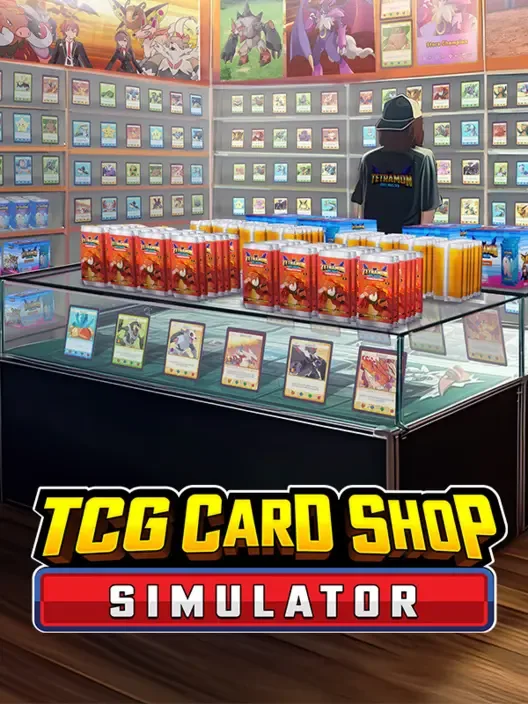
OPNeon Games' solo-developed management sim, which entered early access in September 2024 and became an unexpected breakout hit before its planned full 2026 release, puts players behind the counter of a trading-card shop rather than a duelist's seat: buying and pricing booster packs, opening and grading pulled cards, negotiating trades and sales with customers, and gradually expanding the shop's inventory and reputation across a generic but clearly TCG-culture-inspired card economy. The moment-to-moment loop of physically opening virtual card packs and discovering a rare pull, mirroring the real hobby's core dopamine hook, is the mechanical core the entire simulation is built around, and the game leans into that satisfaction directly rather than treating pack-opening as a means to an end. Shop customization and staff-management systems layered on top of the core buying-and-selling loop give the format a genuine business-simulation depth beyond just pack-opening, closer in spirit to a management sim than to any of the card-battling games ranked above it. Its origin as a single solo developer's passion project, built specifically around the appeal of trading-card shop culture rather than a licensed card game, is a genuinely unusual success story within the wider management-sim space. The honest drawback: as an early-access title still building toward its full release, the current version's card variety and long-term progression content are noticeably thinner than a finished management sim typically offers, and the format's core loop, while satisfying early on, leans on repetitive pack-opening and haggling that can feel thin once the shop-management novelty wears off.
The ranking above blends IGDB's aggregate critic and user rating with Steam's own user review percentage, and only for games with a real sample size behind the score rather than a handful of early ratings that can swing wildly. Nothing on this list was hand-picked for inclusion or placement — the order is a direct output of that combined score, which means it shifts automatically as more people rate these games or as new releases join the catalog with enough reviews to be scored fairly. Read it as a live snapshot of how these card and board games are currently rated relative to each other, not a fixed, permanent verdict — check back as the data changes, because it will.