
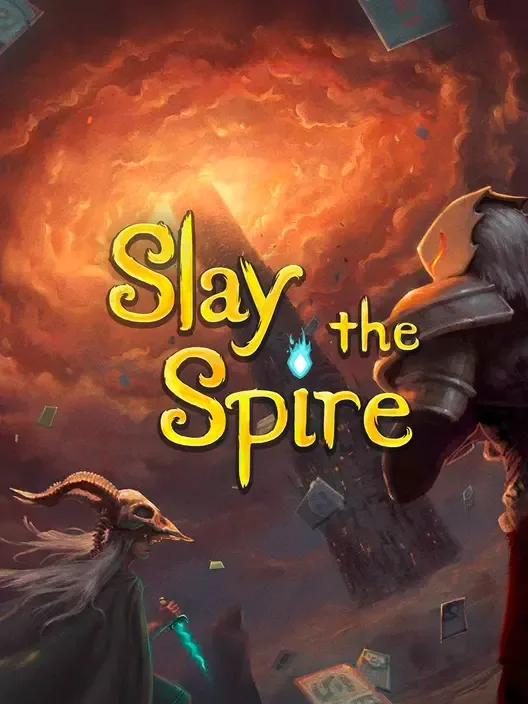
Slay the Spire
Roguelike Deckbuilder · Card Game · Deckbuilding · Card Battler · Roguelike
Game page →
Review
A roguelike deckbuilder built on poker hands, where jokers bend the rules and scores escalate to absurd numbers. Each run is a race to beat increasingly demanding blinds, and new combinations keep appearing long after the basics are learned. Runs are short, making it perfect for a quick session. Is it your kind of game?
Game Avant verdict
A tightly focused deckbuilder that finds enormous depth in one simple equation, chips times mult, and rarely wastes a single run getting there.
By GameAvant · Published Oct 3, 2026 · Updated Oct 9, 2026 · 14 min read
Choose what matters to you
Every question is optional.
What suits you better?
How do you want to play?
How long a game do you want?
Based on your choices
Pick what matters to you above and the result shows up here.
IGDB
89%
398 ratings
Steam:
97%
160,972 reviews
Fits you if
you enjoy building combos and chasing big numbers.
Skip it if
you want action, story or real-time play.
Availability
Steam
$14.99
Balatro takes a card game everyone already knows, the standard five-card poker hand, and asks a question that nobody had quite framed this way before: what if a pair was not a hand you win or lose with, but a number you deliberately build upward, run after run, until the math stops making sense? Developed entirely solo by the pseudonymous creator known as LocalThunk and published by Playstack, it released on 20 February 2024 for PC via Steam, PlayStation 4, PlayStation 5, Xbox One, Xbox Series X|S and Nintendo Switch, with a macOS version following on 1 March and an iOS and Android release arriving on 26 September of that same year. A dedicated Nintendo Switch 2 edition arrived later, on 25 February 2026, a rare honor for a game built by one person rather than a studio. None of that release history explains why the game actually works, though. What explains it is the equation sitting underneath every single hand you play: chips multiplied by mult. Standard poker hands, pairs, straights, flushes, full houses, still form the base of every scoring round, but Balatro immediately breaks the normal logic of the card game by handing you a shop full of Jokers between hands, each one a passive modifier whose entire purpose is to twist that base chips-times-mult equation into something increasingly absurd. Some Jokers reward specific suits, others punish playing too many cards at once, others scale off how many times you have already played a certain hand type this run, and the real game is less about which poker hand you form in any given moment and more about which combination of Jokers you have assembled by the time you need a specific hand to carry an impossible score. Runs themselves are short by design, typically resolved in well under an hour, and losing one rarely feels like time wasted, because the actual appeal sits in deciding which Jokers to buy, which to skip, and which synergies to chase before the escalating blind requirements outpace your scoring engine. That tight loop, decide, draw, score, shop, repeat, is deceptively simple to explain and remarkably difficult to walk away from once a specific Joker combination starts multiplying numbers in a direction that feels genuinely absurd to watch unfold. Few deckbuilders find this much depth in a single, simple equation, and fewer still manage to make a game this replayable almost entirely through one developer's design instincts rather than a large team's iteration. Balatro rarely wastes a run getting to the point where its math goes properly out of control, and that is precisely the point of playing it at all.
You may love it because
Finding a Joker like Blueprint or Perkeo early can turn a mediocre hand into an unstoppable engine by Ante 4.
It may frustrate you because
A run can also stall out on a shop with nothing useful in it, and there is no way to force a better draw.
You may love it because
Watching chips and mult compound into six- and seven-figure scores is its own reward, and the game never hides the numbers from you.
It may frustrate you because
Reading a Joker's exact wording and deciding whether it stacks with what you already own is a constant tax on attention that not every card game asks for.
You may love it because
A single run rarely takes more than an hour, so losing one is never a big loss.
It may frustrate you because
Seeing everything the game has, every Joker, every deck, every Stake, is a project measured in dozens of hours, not a handful of afternoons.
14 min read
· By Game Avant
Three alternatives, one line each on why.
Roguelike Deckbuilder · Card Game · Deckbuilding · Card Battler · Roguelike
Game page →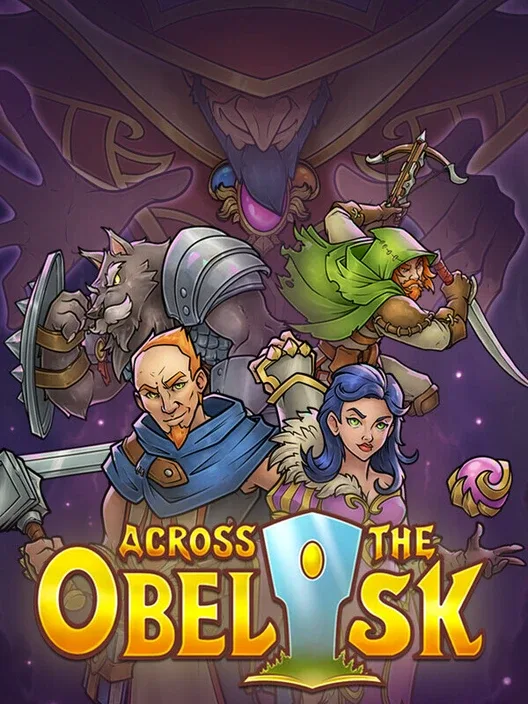
Roguelike Deckbuilder · Card Game · Deckbuilding · Card Battler · Roguelike
Game page →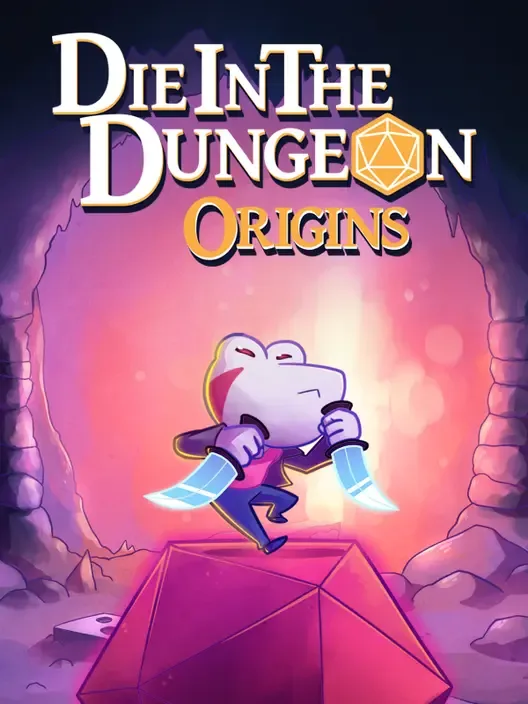
Roguelike Deckbuilder · Card Game · Deckbuilding · Card Battler · Roguelike
Game page →
Roguelike Deckbuilder · Card Game · Deckbuilding · Roguelike · Card Battler
Game page →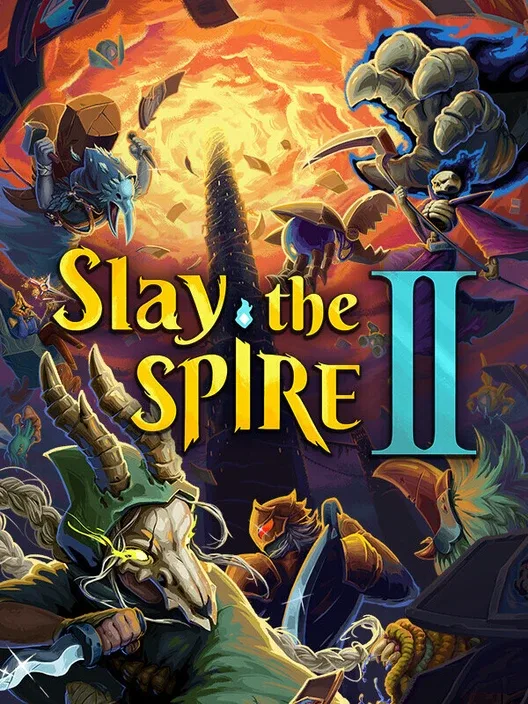
Roguelike Deckbuilder · Card Game · Deckbuilding · Roguelike · Card & Board Game
Game page →
Roguelike Deckbuilder · Deckbuilding · Card Game · Replay Value · Roguelike
Game page →