
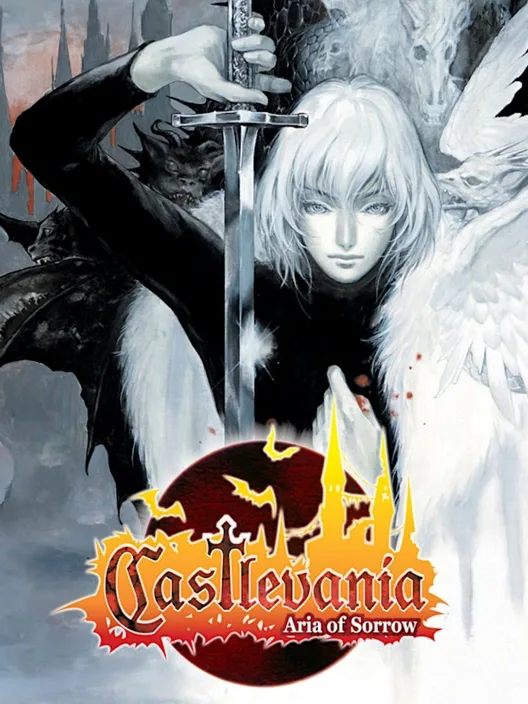
Castlevania: Aria of Sorrow
Horror · Platform · Role-playing (RPG) · over 100% completion · soul steal
Game page →
Game profile
Konami's 1997 PlayStation action-RPG, the game widely credited with establishing the Metroidvania genre's modern template of a single interconnected castle opened up through new abilities and items. Is it your kind of game?
Choose what matters to you
Every question is optional.
How do you want to play?
How do you like to find your way?
Based on your choices
Pick what matters to you above and the result shows up here.
IGDB
92%
844 ratings
Fits you if
you want the genre's defining castle, with RPG progression, leveling and inventory layered onto 2D exploration and combat.
Skip it if
you want modern production values rather than a 1997-era PlayStation classic, even in its later remastered forms.
Castlevania: Symphony of the Night is a 1997 action-RPG from Konami, originally released for the PlayStation, and the entry in the Castlevania series most credited with establishing the modern Metroidvania template that countless later games, both inside and outside the series, would go on to follow. It follows Alucard, the dhampir son of Dracula, as he awakens and sets out to investigate his father's castle after it reappears following the events of the earlier Castlevania: Rondo of Blood, exploring a single, sprawling, fully interconnected structure rather than the separate, discrete stages used by earlier entries in the series. Where previous Castlevania games were linear, level-based platformers, Symphony of the Night opens its entire castle to exploration from relatively early on, gating progress not through sequential levels but through specific abilities, forms, and key items found throughout the world: a double jump lets Alucard reach previously inaccessible ledges, a mist form lets him slip through barred gates, and a wolf form lets him move quickly through narrow passages, each one retroactively opening up areas that were visible but unreachable earlier in the game. This structure rewards backtracking and careful map reading, since a dead end early on is frequently a shortcut or secret room waiting for the right ability to unlock it later. Combat and progression borrow directly from role-playing games rather than the simpler scoring systems of earlier entries: Alucard gains experience and levels up from defeating enemies, raising his stats over time, while a large inventory system lets him equip different weapons (not just the series' traditional whip, but swords, spears, and other melee weapons with their own attack patterns), armor, and accessory items that modify his stats or grant new abilities. A separate relic system, distinct from equipment, grants passive and active abilities tied to familiars, spells and the various transformations mentioned above, giving players considerable freedom in how they build Alucard's capabilities over a given playthrough. The castle itself is dense with secrets: hidden rooms, breakable walls, alternate paths and a notable late-game twist that flips the entire structure upside down into an "Inverted Castle," roughly doubling the explorable space and reusing familiar rooms with new enemies and layouts in a way that recontextualizes areas the player already thought they'd fully explored. Multiple endings exist depending on choices and specific actions taken near the end of the game, and an unlockable secondary playable character offers a markedly different, more combat-focused way to experience the same castle. The game has since been rereleased multiple times with visual and quality-of-life updates, including as part of console and PC compilations, but the core castle layout, ability-gated exploration, and RPG-infused combat established in the original 1997 release remain the template the Metroidvania genre continues to reference today. Equipment and relics interact with each other in ways that encourage experimentation: certain weapon and armor combinations unlock unique attacks or passive bonuses not listed anywhere in the game's menus, and discovering these combinations became part of the broader community conversation around the game long after its original release. A map screen fills in automatically as areas are explored, marking unvisited rooms and item locations once revealed, which became a defining convention later Metroidvania games would almost universally adopt.
Horror · Platform · Role-playing (RPG) · over 100% completion · soul steal
Game page →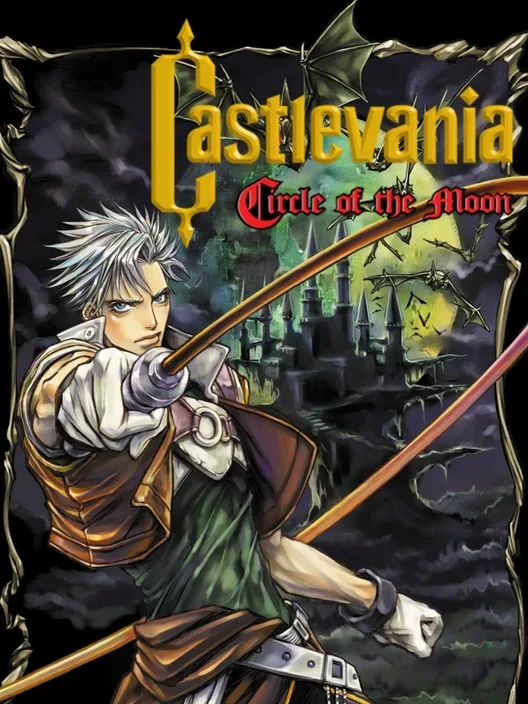
Horror · Platform · soul steal · Role-playing (RPG) · vampire hunter
Game page →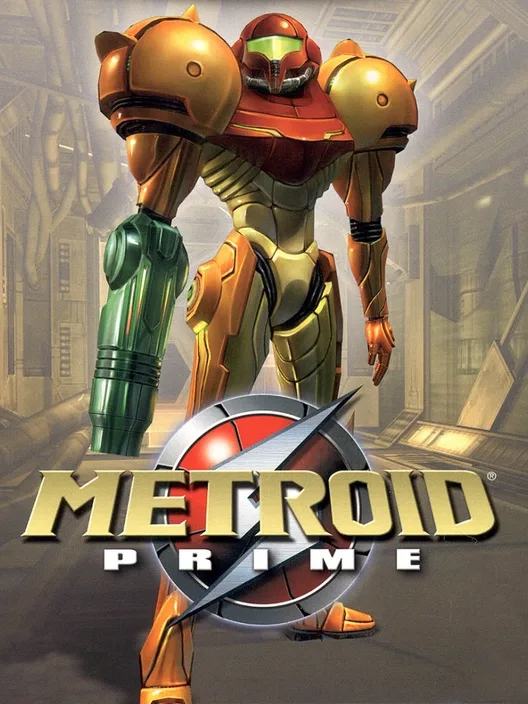
Open world · Platform · sequence breaking · creature compendium · isolation
Game page →
Open world · Platform · interconnected-world · sequence breaking · isolation
Game page →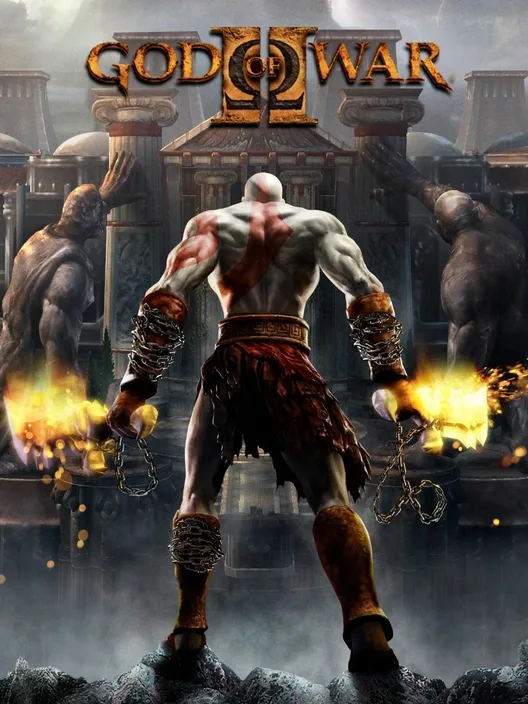
Platform · bad parents · minotaurs · tragic hero · transforming boss
Game page →
Open world · Role-playing (RPG) · Single player
Game page →