
A card game that fights itself so you don't have to#
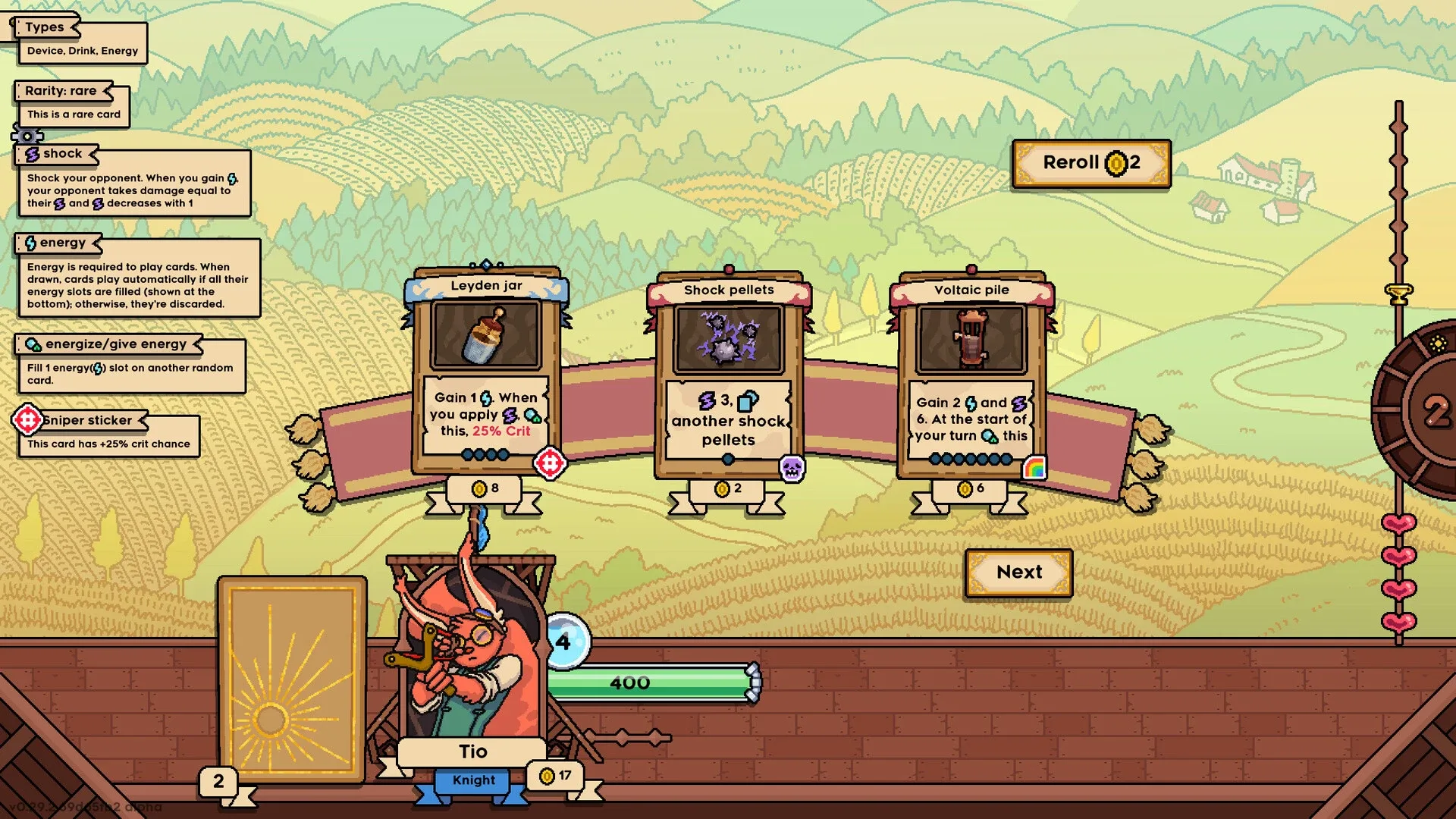
Grail is a fantasy autobattling deckbuilder from Sokpop Collective, released on Steam on 4 September 2026 for Windows and macOS. The pitch is simple to state and harder to pull off well: build a deck of cards that work together, then step back while the battle plays itself out, before heading into the woods and other areas between fights and eventually testing that deck against other players on a competitive ladder. It launched with a 20% discount off its regular price, a decision that usually signals a developer rewarding the people who already liked what they saw in the demo rather than trying to disguise a weak debut. That detail matters more than it looks, because Grail is the kind of small, focused release where the first impression carries most of the weight, and Sokpop clearly expected that impression to be a good one.
What follows is a review built entirely on what is actually confirmed about Grail at launch: its developer, its release date and platforms, its genre, and the shape of its core loop. Sokpop has not detailed specific cards, named mechanics beyond the autobattler-deckbuilder framing, or laid out story content, and none of that is guessed at here. A card autobattler's real depth, exact synergy count, the specific decks the metagame settles into, how the ranked ladder actually plays out over its first months, is something that gets discovered by players over the weeks after launch, not summarised from a marketing page on day one. What can be judged honestly right now is the idea itself, the pedigree behind it, and how it sits next to the genre it is entering.
What makes Grail different#
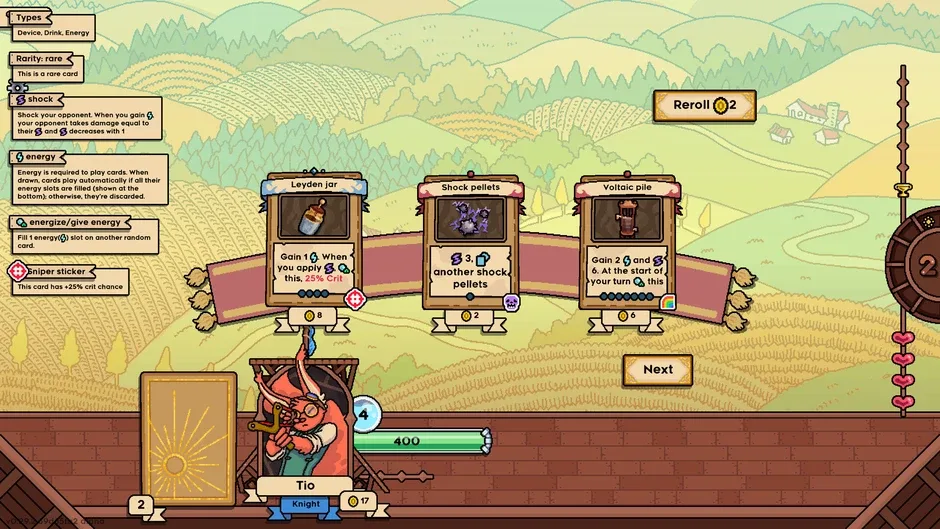
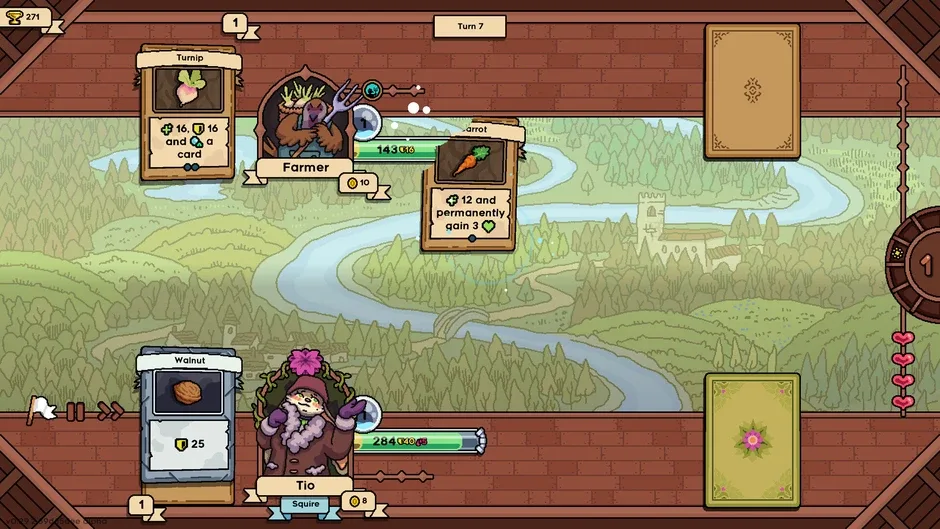
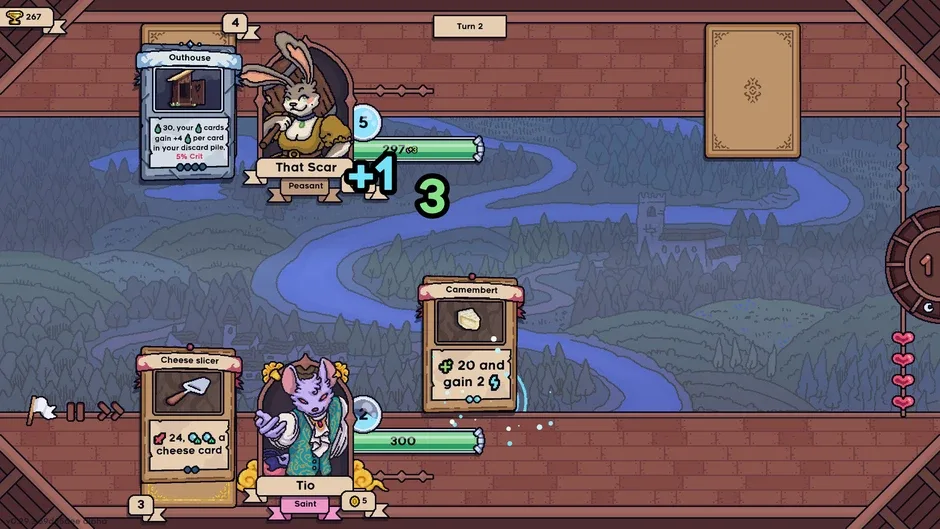
The one idea that carries Grail is a small but real inversion of what a deckbuilder usually asks of a player. In most card games, deckbuilding and playing are the same continuous activity: you build a deck, then you play it, card by card, decision by decision, for the length of a match. Grail splits those two things apart entirely. The deck is built and adjusted in a separate space from the fight itself, and once a battle begins, it resolves on its own, card interactions and all, without further input. The skill test moves almost entirely into preparation. There is no moment mid-fight where a bad read on an opponent's next move can be corrected on the fly, because there is no more input to give once the fight starts.
That sounds like it removes tension, and in a sense it does remove one specific kind of tension, the twitchy, reactive kind that most card games and nearly all real-time strategy games rely on. What replaces it is a different, slower kind of pressure: the moment the deck is locked in and the fight begins, there is nothing left to do but watch and see whether the plan was actually good. That is a real design choice with real consequences, not a compromise or a missing feature, and it puts Grail closer to games like a horse-racing sim or a factory-automation game than to a traditional card battler, in the specific sense that the satisfaction comes from having built something correctly rather than from operating it well in the moment.
The autobattler loop: decks that fight without you#
Autobattlers as a genre have settled into a fairly recognisable shape over the last several years: assemble a roster or a deck, spend resources between rounds to strengthen or reshape it, then let a battle resolve automatically based purely on what was assembled beforehand. Grail sits inside that shape, applying it specifically to a card-based deck rather than a board of units, which is the same basic split that separates something like an auto-chess game from a card-focused autobattler. The deck-assembly side is where the actual decisions happen: which cards to include, which to cut, and how far to lean into one synergy over spreading resources across several weaker ones.
What is not yet clear from anything confirmed about Grail is how many genuinely distinct strategies the game supports at launch, and that is the single biggest open question hanging over this kind of game. A card autobattler can look complete in a five-minute demo and still turn out to have only two or three viable deck archetypes once a wider audience has spent weeks pressure-testing it; the reverse is also true, and a deck-builder that looks narrow at first can hide far more combinations than a short look suggests. Sokpop's demo drew a genuinely positive response ahead of launch, which is a meaningful signal about how the core loop feels to actually play, but a demo period is necessarily a narrow slice of a full game's card pool and synergy space, and it is not the same evidence as weeks of a live ranked ladder settling into its own metagame. That distinction is worth being honest about rather than papering over with confidence the launch build has not yet earned.
Exploring the woods: pacing between battles#
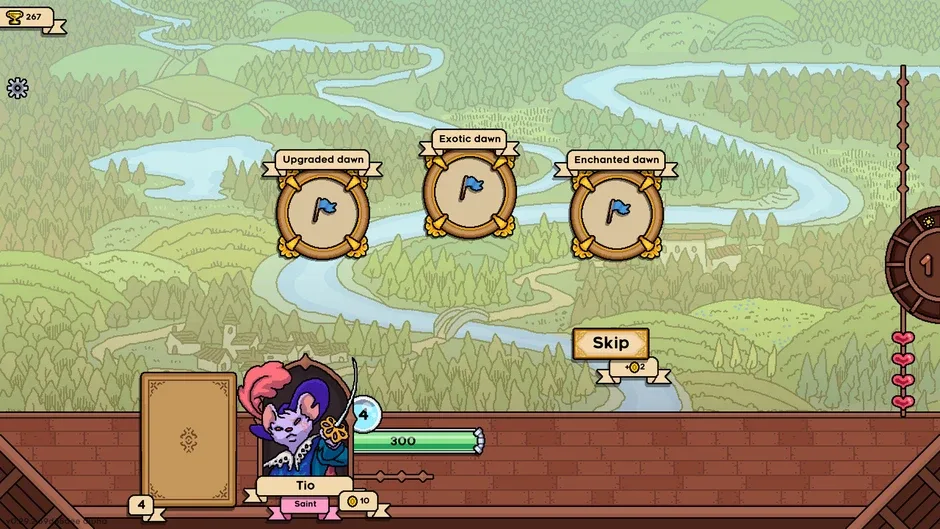
Grail's exploration side, moving through woods and other areas between fights, is the part of the pitch that separates it most clearly from a pure card-battler like a digital collectible card game with no board to walk around on. Exploration in a deckbuilder usually exists to solve a specific pacing problem: build-and-fight loops can start to feel like a shop screen and a battle screen taking turns forever, and giving the player somewhere to walk between those two states breaks that rhythm up, whether that space hides new cards to find, resources to gather, or simply a change of scenery before the next fight.
Whether Grail's woods function as a genuine system with things to actually find and decide about, or as a lighter, mostly cosmetic breather between battles, is not something that has been detailed publicly yet, and it is worth treating as an open question rather than assuming either answer. The value of that exploration layer to the overall game will depend heavily on how much it rewards attention versus how much it is simply there to be walked through, and that is exactly the kind of detail that tends to become clear only once a wider audience has spent real time with the released game rather than a pre-launch demo. What can be said with confidence is that Sokpop chose to include it at all, in a genre where plenty of competitors skip movement entirely and jump straight from shop to battle to shop again, and that choice on its own suggests an intent to make Grail feel less like a spreadsheet with art on top and more like a small world with a deckbuilder inside it.
Climbing the ranks: what competitive means here#
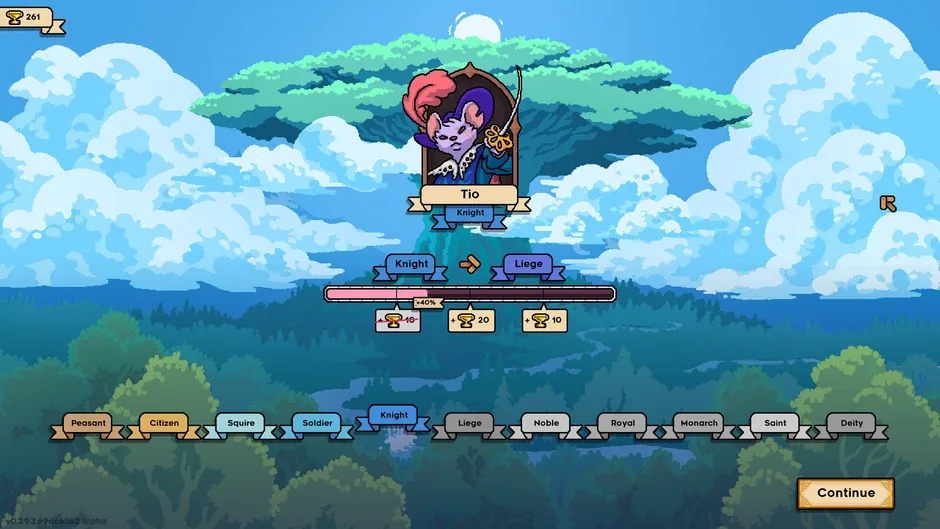
A visible ranking system is the part of Grail's pitch that turns a single-player deckbuilding loop into something with a longer horizon. Once a deck works well enough to win consistently against the game's own challenges, a ranked ladder against other players gives that deck somewhere further to go, which is the same basic appeal that keeps people building and rebuilding decks in other competitive card games long after they have technically "finished" a game's solo content.
What a rank ladder is worth depends entirely on the quality of its matchmaking and the size and shape of the player base feeding it, and both of those things are close to impossible to judge fairly in a game's first days on the market. A freshly launched ladder has no long track record to sort players by, which typically means early climbers face a genuinely mixed bag of opponents, some undertuned, some already close to whatever the best decks turn out to be, before the system has enough games played to settle into something predictable. That is not a flaw specific to Grail; it is true of essentially every competitive game in its opening weeks. It is simply worth knowing going in that the ranked experience on launch day is not necessarily representative of what it will feel like a month or two later, once more players have found their footing and the matchmaking has more history to draw on.
Sokpop's pedigree: from Stacklands to Grail#
Sokpop Collective's name carries real weight for a reason. The studio is best known for Stacklands, a card-based colony-building game that found a large, enthusiastic audience by taking a genuinely unusual premise, building a settlement using cards laid out on a table, and executing it with a clarity and confidence that belied how small the team behind it is. That earlier success is the most relevant piece of context for judging Grail's chances, not because the two games share specific mechanics, they do not need to for the comparison to matter, but because it establishes that this collective has already shown it can take an odd, cards-as-the-core-interface idea and turn it into something that plays cleanly and holds up over real hours of play.
Tijmen Tio is credited as the developer most closely associated with Grail within the collective, which operates on a model where individual members ship small, focused games under a shared studio name rather than one enormous team working on a single title for years at a time. That production model tends to produce games that are honest about their own scope: tight, playable, and rarely padded with content that does not serve the core idea, but also rarely as expansive as a big studio's flagship release. Judged against that pattern, Grail reads as exactly the kind of project this collective tends to produce, a clear, specific idea executed at a scale the team can actually deliver on, rather than an attempt to out-scope a genre's biggest existing names.
Compared with Backpack Battles and Storybook Brawl#
Grail is entering a genre that already has recognisable names attached to it. Backpack Battles built its identity around item placement inside a shared inventory space, where where you put an item matters as much as which item you own, and its autobattles resolve the same way Grail's do, hands-off, once the setup phase ends. Storybook Brawl approached the same basic idea from a more traditional card-game angle, closer to a digital collectible card game with an autobattle resolution bolted onto deckbuilding rather than manual turns. Both are useful reference points for what a card-or-item-based autobattler can look like once its systems mature, without either one being a direct blueprint for what Grail specifically does.
What separates Grail from both, based on what is actually known about it, is the exploration layer sitting between deck-building and battling. Neither Backpack Battles nor Storybook Brawl asks a player to walk through a physical space between fights; both keep the loop almost entirely on a single screen, cycling between a preparation phase and a battle phase without a third state in between. Grail's decision to put woods and other areas into that gap is the one structural choice that visibly separates it from its closest genre peers, for better or worse depending on how well that exploration ends up being built out. Anyone who already knows and enjoys either of those games has a reasonable frame of reference for what Grail's autobattle resolution will feel like moment to moment; what they cannot yet predict from that familiarity is how the woods change the rhythm of a session, since that is the one piece of the loop those other games simply do not have.
Worth the money?#
Grail launched at a 20% discount off its regular price, which is a meaningfully different signal than a discount applied months later to move copies of a game that has stalled. Launch-week discounts on a small, developer-set price tend to reflect confidence that word of mouth from an already well-received demo will carry sales without needing full price to test the waters, and that reading fits everything else known about how Sokpop brought this game to release. Neither the regular price nor the size of the full game in hours has been confirmed publicly at the time of this review, so neither figure is guessed at here; anyone deciding whether to buy in at launch is better served checking Grail's own Steam page for the current price than trusting an estimate this review has no basis for making.
Best platform is a shorter conversation than usual, because Grail has launched on exactly two: Windows and macOS. There is no confirmed word yet on a console release, a Linux build, or Steam Deck compatibility, which matters for anyone whose primary gaming device is not a Windows or Mac computer. Given the studio's history of small, low-overhead games, a Steam Deck experience seems plausible in principle, but nothing has actually been confirmed about it, and treating an unannounced platform as a safe bet is exactly the kind of guess this review is built to avoid. Buying in now means buying a Windows or macOS game, full stop, with everything else left for Sokpop to confirm later if it happens at all.
Play this instead if…#
Shorter: Balatro gives a similarly compact, math-driven deckbuilding loop without any autobattle layer at all, where every decision happens in the moment a hand is played rather than before a fight resolves on its own.
Easier: Backpack Battles offers a more established, better-documented version of the same hands-off autobattle resolution, with years of community knowledge already built up around what works, for anyone who would rather learn a genre from its most-discussed entry than its newest one.
Cheaper or a proven track record: Stacklands, Sokpop's own earlier hit, is the safer bet for anyone curious about the collective's design sensibility but hesitant to buy into a brand-new competitive ladder on day one.
Frequently asked questions#
How long is Grail? No official runtime has been confirmed publicly, so no hour estimate is given here; a ranked, replayable deckbuilder like this is generally designed to be played in repeated sessions rather than finished once.
Is Grail an open world game? No. It is a fantasy autobattling deckbuilder with exploration through woods and other areas between battles, not a continuous open world in the genre sense.
Does Grail have co-op or multiplayer? It has a competitive ranked ladder against other players, based on what has been confirmed; nothing has been said publicly about a cooperative mode alongside that.
Is there a difficulty option? Nothing has been confirmed about adjustable difficulty settings; the ranked ladder itself functions as the main measure of how a deck stacks up against others.
What platforms is it on? Windows and macOS at launch via Steam, with no confirmed word yet on console, Linux or Steam Deck support.
Do you need to have played Stacklands first? No. Grail is a separate game with a separate premise; Stacklands is useful only as evidence of what Sokpop Collective is capable of, not as a prerequisite.
The GameAvant verdict#
Grail is easy to respect and hard to fully rate yet, and that gap is the honest story of this review. What is confirmed, a fantasy autobattling deckbuilder from a studio that already proved it can turn an odd cards-first idea into something people genuinely enjoy, launching at a discount that suggests real confidence rather than damage control, is a strong foundation. What is not yet confirmed, how many decks the metagame actually supports, how the exploration holds up once its novelty wears off, how the ranked ladder settles once more players have logged real hours, is exactly the part that decides whether a card autobattler becomes something people are still building decks for six months on or something that gets set aside after a productive first weekend. Sokpop has earned the benefit of the doubt on that question, on the strength of Stacklands and a demo that clearly landed with the people who tried it, but earned trust is not the same as delivered proof, and this review is built to say only what can actually be backed up right now. A small, well-mannered, structurally distinct entry into a genre that already has strong competition, worth buying into early for the discount and the pedigree, with its real ceiling still to be discovered by the players climbing its ladder in the weeks after this review was written.
7 out of 10 – a confident small-studio idea that has not yet had the chance to prove how deep it goes.