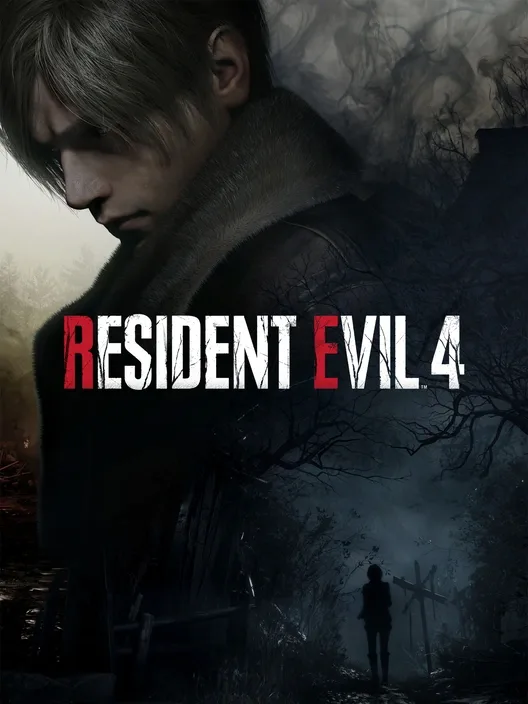
 Resident Evil 4
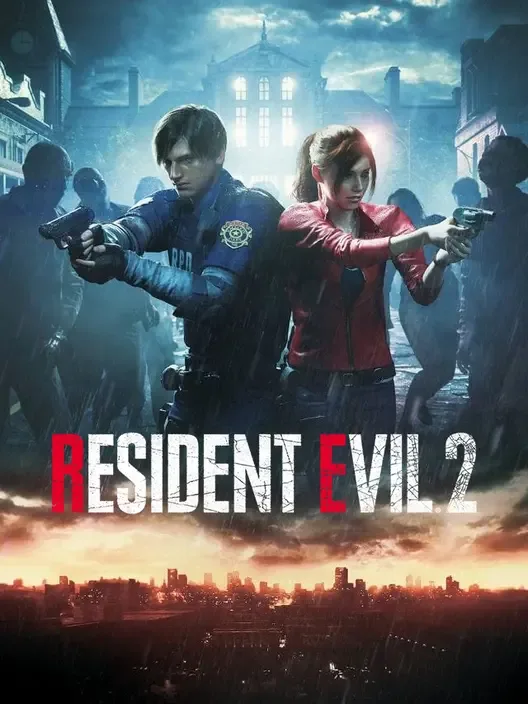 Resident Evil 2
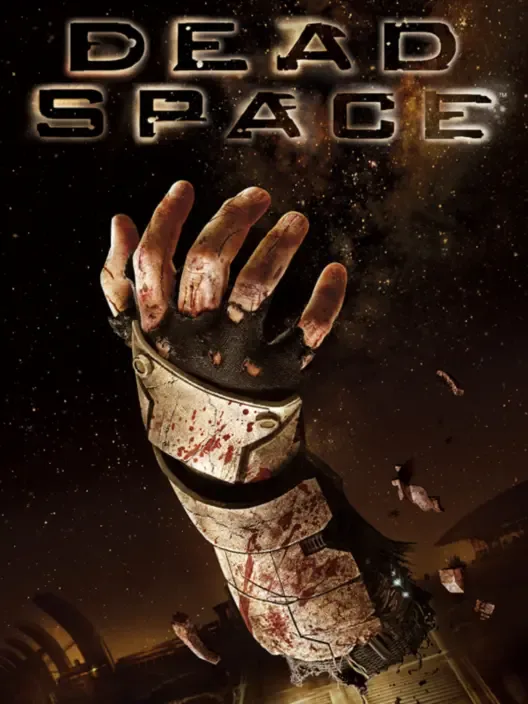 Dead Space
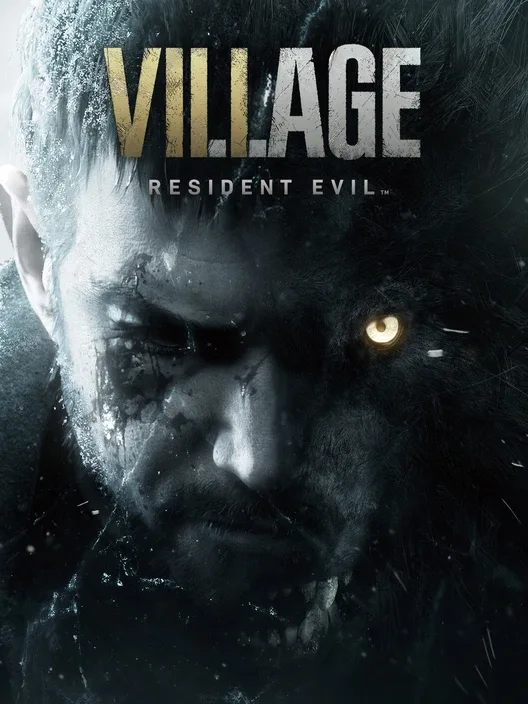 Resident Evil Village
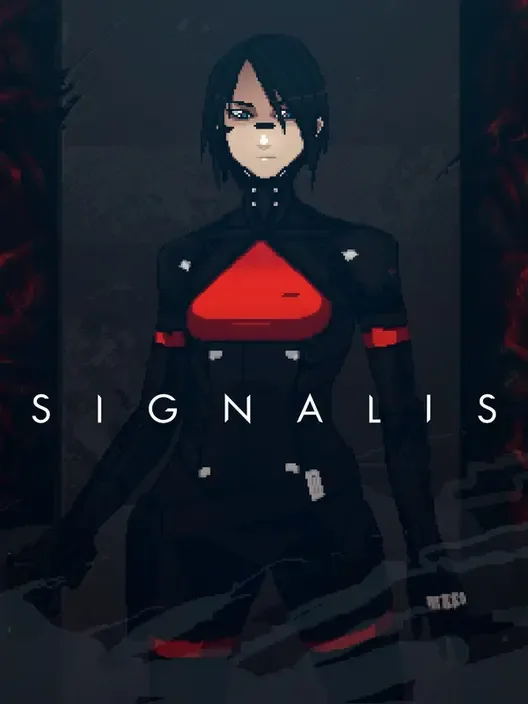 Signalis
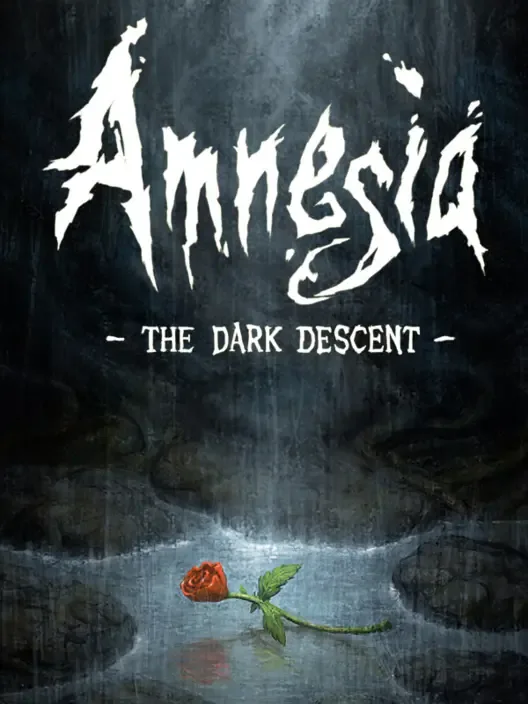 Amnesia: The Dark Descent
Survival horror is the branch of Game Avant's horror category built around scarcity: limited ammunition, limited saves, and a protagonist who is usually outmatched by whatever is hunting them. Where the parent horror category covers everything from atmospheric dread to psychological breakdown, survival horror specifically means resource management under threat — counting bullets before a fight, deciding whether a health item is worth using now or saving for later, and navigating a map that punishes carelessness with a dead end and a monster behind it. That's also what separates it from its neighboring psychological horror subgenre here: psychological horror leans on narrative and internal collapse even when nothing is chasing the player, while survival horror needs an active, mechanical threat and a resource system stretched thin against it.
The order below comes from blending IGDB's aggregate critic score with Steam's own user review percentage, counting only games with at least 50 reviews behind that score, and it moves automatically as more people rate these games or as new releases join the catalog. Read the write-ups for what each of the best survival horror games actually does at the system level and where its resource-management tension breaks down — the goal is a working shortlist of the best survival horror games worth playing, not a fixed hierarchy.
1. Resident Evil 4 (2023)#
Capcom's remake of its own 2005 landmark keeps the parasite-driven Ganado village intact while rebuilding nearly every system underneath it — the knife now has limited durability and a genuinely useful parry that turns Leon Kennedy's melee options into an active defensive tool rather than a last resort, forcing a constant calculation between saving the blade and using it to escape a grab. Dr. Salvador, the chainsaw-wielding villager whose instant-kill grab defined the original's tension, returns with sharper AI positioning that makes his ambushes feel calculated rather than scripted, and ammo crafting through gunpowder pickups replaces the original's fixed drops with a system that rewards exploring every corner of the village for components. Ashley Graham's escort sections, widely mocked in the original for fragile AI, were rebuilt so she actively hides and calls out threats instead of standing in gunfire, removing the series' most notorious annoyance without softening the difficulty. The village, castle, and island acts each still shift tone distinctly, from claustrophobic siege to gothic puzzle-box to more conventional action, giving the campaign real structural variety while keeping the attaché-case inventory Tetris as the constant resource-management thread running through all three. The honest drawback: that late-game shift toward action-heavy set pieces with more generous ammo drops is a real step down in survival-horror scarcity from the village's opening hour, a criticism the original also drew.
2. Resident Evil 2 (2019)#
Capcom's from-the-ground-up remake of its 1998 sequel replaced the original's fixed cameras with an over-the-shoulder view and, more importantly, introduced Mr. X — a hulking, coat-wearing Tyrant who patrols the Raccoon City Police Station on a genuine pursuit AI, tracking gunshots and footsteps rather than triggering on scripted cues. His stomping footsteps audible through walls turn item-management puzzles the player had already solved into fresh emergencies, since finishing a safe combination while he's closing in changes the calculus completely and burns resources that were meant for something else. Licker enemies, blind and sound-reactive, force a different kind of tension in the station's darker corridors, rewarding careful movement over the aim-and-shoot reflexes the rest of the combat allows, while a genuinely limited herb-and-ammo economy means every crafted round is a decision rather than a formality. Splitting the campaign into Leon and Claire's separate-but-overlapping "Scenario A/B" runs gives the police station two meaningfully different playthroughs, each with its own item placement, rather than one linear story stretched twice. The honest drawback: the back half, set in the sewers and the Umbrella lab beneath them, trades the police station's dense verticality and resource-tight puzzle box for more linear, less frightening corridors with more generous item drops.
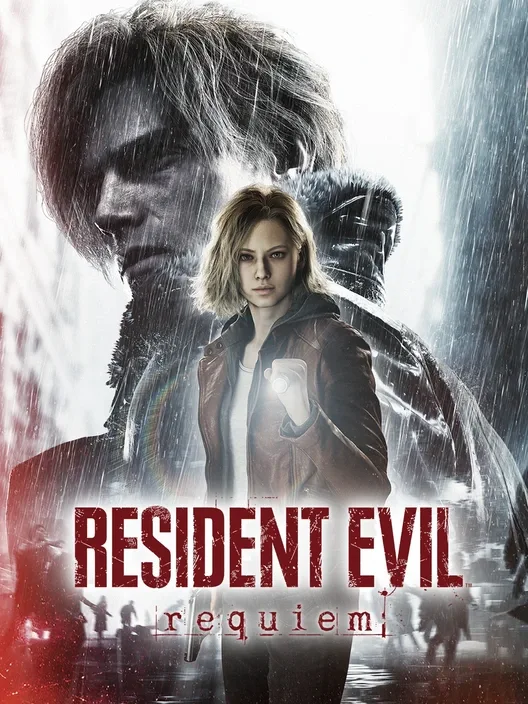
3. Resident Evil Requiem#
Capcom's newest mainline entry, released in February 2026 and already the fastest-selling game in series history at over eight million copies within six months, returns to the Raccoon City Police Station setting under new protagonist Grace Ashcroft, whose personal connection to the site reframes familiar Resident Evil geography through fresh eyes and a survival kit that has to be rebuilt from nothing rather than inherited from a prior game's systems. The hybrid perspective system, letting players shift between first- and third-person views depending on the situation, is a meaningful structural experiment for a series that's alternated between the two across its history rather than blended them, and it changes how tight corridor encounters and item searches each feel moment to moment — first-person tightens the resource-scarcity tension in enclosed rooms, third-person opens up combat options when ammo is plentiful. Grace's own backstory ties directly into the series' deeper lore around the Ashcroft family, giving longtime fans a reason to pay close attention to item and document placement beyond the immediate scares. The honest drawback: as a recent release still receiving post-launch content, some balance and pacing questions around resource drop rates that longtime series entries eventually settle through patches and player feedback haven't fully shaken out yet.
4. Resident Evil Village#
Capcom's direct sequel to Biohazard returns to Ethan Winters and expands the single-location dread of the Baker house into four distinct territories, each built around its own survival-horror pressure point — Lady Dimitrescu's castle plays as gothic pursuit horror with real ammo scarcity against her fast, tall frame, House Beneviento is a claustrophobic first-person stretch with barely any combat or resources to manage at all, and the Moreau and Heisenberg sections shift into more conventional creature-horror shootouts with a noticeably looser economy. The Duke's mobile shop, letting players sell treasure and buy weapons or upgrades between village and dungeon runs, turns exploration itself into a resource-generating loop rather than a simple scavenger hunt. Lady Dimitrescu herself, towering over Ethan and stalking him through her own castle in real time, became one of the most instantly recognizable horror antagonists in years, largely because her pursuit sections genuinely threaten a player who mistimes an escape and burns healing items running. House Beneviento's near-total absence of combat, replaced by an unarmed stealth crawl through a dollmaker's nightmare, is the game's tonal high point and its scariest hour by a wide margin. The honest drawback: that variety comes at the cost of consistency — the shift between subgenres means the later, ammo-heavy sections dilute the survival-horror scarcity the castle and Beneviento so carefully built.
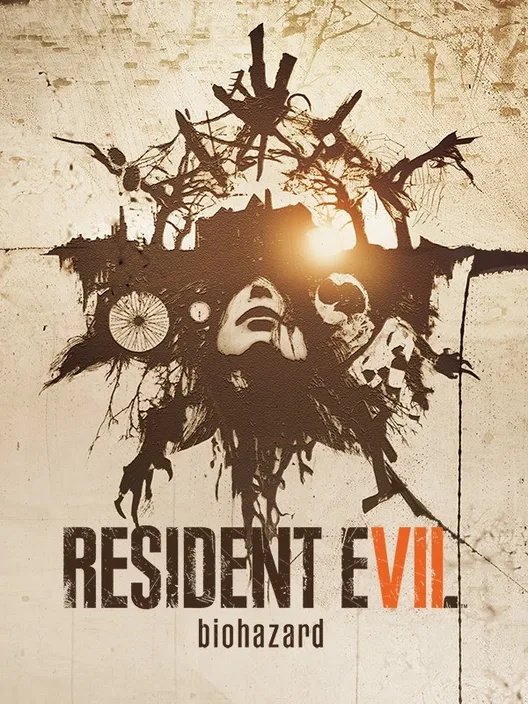
5. Resident Evil 7: Biohazard#
Capcom's soft reboot switched the series to a first-person perspective for the first time and used it to build the single most oppressive location in the franchise: the Baker family's rotting Louisiana plantation, where Jack Baker's genuinely warm, homicidal insistence that Ethan Winters is "part of the family now" is scarier than any conventional monster because he means it as a kindness. The early-game chase sequences through the Baker house, with no weapons and nowhere to effectively fight back, reset the series' relationship to combat entirely — survival here means outlasting a person, not out-shooting a Ganado, and the item box's cramped early inventory space makes every healing item and shotgun shell a genuine hoarding decision. The mold-based Molded enemies that appear once the game's back half opens up provide a more traditional creature-horror shift with an accompanying jump in ammo availability, and the tonal pivot is deliberate: dread first, action second. VR support, where available, turns the Baker house sections into something close to unbearable, and the crafting system for combining chem fluid into ammo or healing items forces a constant either/or resource choice absent from more generous entries. The honest drawback: that back-half shift toward more conventional shooting and looser ammo drops undercuts some of the claustrophobic scarcity the plantation built in its opening hours, a trade the sequel would double down on.
6. Dead Space (2023)#
Motive Studio's remake of the 2008 original keeps Isaac Clarke's "strategic dismemberment" combat system — Necromorphs need limbs severed, not center-mass shots, to actually go down — and sharpens it with genuinely more aggressive creature behavior that punishes players who fall back on old habits from the original, while the Peng Treasure and node-based weapon-upgrade Bench system reintroduce a real opportunity-cost decision about which weapon to specialize in with limited resources. The USG Ishimura's zero-gravity sections, reworked with a more open traversal system, turn the ship's exterior and gutted interior sections into some of the most disorienting horror set pieces in the remake, since threats can now approach from directions gravity-bound horror rarely uses, forcing ammo conservation in three dimensions rather than a corridor. The Hunter-style regenerating enemy returns with an even more punishing chase structure, forcing genuine flight rather than a fair fight and burning stasis charges that would otherwise slow down other threats. The Ishimura's environmental storytelling — audio logs, corpses, and graffiti scrawled by dying crew — got meaningfully expanded rather than just visually upgraded, adding new optional side content that rewards backtracking through cleared areas for extra supplies. The honest drawback: players who finished the original recently will find the moment-to-moment resource loop familiar rather than reinvented, since the remake's ambitions are polish and expansion rather than a fundamental rethink.
7. Dead Space 2#
Visceral Games' 2011 sequel keeps Isaac Clarke's stasis-and-kinesis toolkit intact — stasis slows a target's movement for a limited window, and kinesis now moves fast enough to catch a severed Necromorph limb and impale it back into the creature that dropped it, turning the environment itself into an ammo-saving weapon. Set three years after the original aboard the space station The Sprawl, the game gives Isaac full 360-degree movement in zero gravity via thrusters mounted on his RIG suit, which opens up genuinely disorienting exterior sequences where threats approach from every axis rather than a single corridor, and node-based weapon and suit upgrades force the same limited-resource specialization decisions the first game built its identity around. A new adjustable difficulty and a broader arsenal, including the room-clearing Javelin Gun, give players more tools, but the core loop of severing limbs before wasting ammo on center-mass shots is untouched from the original. The Ishimura itself makes a late return, layering old dread onto the newer, more mobile combat system. The honest drawback: the larger arsenal and more forgiving checkpoint spacing lean the game harder into action set pieces than the claustrophobic original, softening the resource anxiety that made the first Dead Space's ammo counter feel like a second health bar.
8. System Shock 2#
Irrational Games and Looking Glass Studios built this 1999 RPG-and-shooter hybrid around a career system chosen at the start — Marines specialize in combat, Navy officers repair weapons and hack terminals, and OSA agents begin with psionic powers — which means the resource-scarcity puzzle of the derelict starship Von Braun plays out differently depending on which skills a player invested in early. SHODAN, the series' malevolent AI, taunts players over the ship's intercom while her hybrid and cyborg creations stalk the corridors, and a genuinely limited inventory grid forces hard choices between carrying a spare weapon, more medkits, or the psi hypos that fuel psionic abilities. The hacking and repair minigames tied to the Navy and engineering skill trees turn scavenged parts into a currency of their own, since a broken turret repaired in time can offset an entire firefight's worth of ammunition. Weapon degradation, a rare mechanic even now, means every gun eventually needs maintenance kits or it jams at the worst possible moment, adding an extra resource to track alongside bullets and health. The honest drawback: the dated interface and skill-point allocation system, while foundational for the genre, ask new players to tolerate real friction that later survival horror games streamlined away.
9. Signalis#
German duo rose-engine's 2022 release follows Elster, a sentient android Replika searching the abandoned underground facility S-23 Sierpinski, and builds its horror directly out of old-school survival horror scarcity: a strict six-item inventory, with an equipped weapon and flashlight each taking a slot, forces constant trips back to a stash box in the nearest safe room to swap gear before pushing further into the map. Puzzles built around breaking codes, tuning radio signals to specific frequencies, and combining found objects echo Resident Evil and Silent Hill directly, and ammunition is scarce enough that combat functions as a last resort rather than a default response to every threat. The game's retro-futuristic, Cold War-adjacent sci-fi setting, drawing visual influence from Hideaki Anno and Stanley Kubrick, gives its corridors an oppressive, mechanical coldness distinct from the organic dread of most entries on this list. A sprawling, interconnected map design means a new key item found late in an area often means a long walk back through half-cleared rooms to a door that wouldn't open earlier, the classic survival-horror backtrack the genre was built on. The honest drawback: the six-item limit and the resulting stash-box shuttling can tip from tense into tedious during the game's longer middle stretch, and some puzzle solutions lean on the kind of obscure logic the genre's harshest critics have always pointed to.
10. Amnesia: The Dark Descent#
Frictional Games' 2010 breakout title established the template that half of modern first-person horror still borrows from: protagonist Daniel has no way to fight back against Brennenburg Castle's monsters, and a sanity meter that drains in darkness or under a monster's gaze forces players to manage light sources — tinderboxes for lanterns, oil for a lamp — as carefully as any survival-horror ammo count. The Grunt, the castle's signature stalking enemy, can't be fought directly, and the game's insistence on hiding in closets and behind furniture rather than confronting threats reframed what "horror gameplay" could mean for an entire generation of indie developers who followed. The physics-driven interaction system, letting players manually open doors, drag furniture as barricades, and pick up nearly any object, gives the world a tactile realism that scripted horror sequences elsewhere on this list don't attempt, and it doubles as a resource system in its own right since barricading a door consumes time a monster is closing in to use. The story's slow reveal of Daniel's own complicity in the castle's atrocities adds a genuine moral weight beneath the resource-management tension. The honest drawback: the sanity mechanic's penalties are mild enough in practice that experienced players can largely ignore it and stare down a monster instead of fleeing, undercutting one of the game's own central systems.
11. Enigma of Fear#
Fun Dog Studios built a deliberately old-fashioned survival horror around fixed camera angles and item-combination puzzles that owe an obvious debt to late-90s PlayStation horror, set in a decaying small town where the protagonist's investigation into a missing person unravels into something considerably stranger. Limited saves and a genuinely restrictive inventory force the kind of resource anxiety that modern horror games often remove for convenience's sake, since carrying one more key item can mean leaving behind ammunition that might be needed two rooms later, and backtracking through half-explored rooms with a new key item creates the classic "wait, was that door locked?" tension the genre was built on. The fixed-camera cinematography, while a deliberate throwback, is used with real intent — corners and blind spots are placed to hide threats rather than just to look retro, forcing a player to commit to a direction before knowing what's waiting there. Ammunition for the small handful of available weapons is kept deliberately scarce, pushing evasion and puzzle-solving ahead of direct confrontation for most of the runtime. The drawback: the tank-adjacent movement and camera cuts that make the throwback work also make combat encounters clumsier than they need to be, and the puzzle logic occasionally leans on the kind of obscure item-combination guesswork the genre's harshest critics have always pointed to.
12. Tormented Souls II#
Chilean studio Dual Effect's October 2025 sequel moves to Unreal Engine 5 and expands the scope of its 2021 predecessor considerably, with a map roughly three times larger housing more locations to explore between save points. A new quick-equip system lets players swap weapons and items faster in the middle of an encounter, a direct answer to complaints about the original's more cumbersome menu navigation under pressure, though it also means less time spent standing exposed while fumbling through an inventory screen. Enemy encounters rely on proximity triggers rather than telegraphed scripted spawns, and the game deliberately withholds a music cue for every threat, so a corridor that seemed cleared can still ambush a player who assumed silence meant safety. Reality-bending environmental puzzles, carried over from the first Tormented Souls' reputation for genuinely obscure fixed-camera-era logic, return alongside a still-limited save system that keeps the resource-anxiety spine of the original intact even as the production values around it have grown considerably. The honest drawback: the streamlined quick-equip system, while a welcome quality-of-life fix, softens some of the split-second inventory-fumbling tension that gave the original's tightest encounters their edge.
13. Into the Radius#
Estonian studio CM Games, previously known for mobile racing titles before pivoting to VR, built this survival shooter around the Pechorsk Anomaly Zone, a surreal exclusion area of Soviet industrial ruins, hostile artifacts, and environmental anomalies that behave unlike anything a conventional shooter telegraphs. The game's defining choice is pseudo-realistic gunplay: weapons require manual reloading, loading magazines one round at a time, and manually toggling safeties, which turns every reload under pressure into its own resource-and-time cost separate from the ammunition itself. Hunger, health, and a genuinely limited carrying capacity all have to be managed simultaneously while scavenging for supplies and artifacts deep in anomaly-filled territory, and a long walk back to base with a pack full of loot is its own tension exercise once something starts stalking the return route. The VR-native presentation means every inventory check and weapon manipulation happens with the player's own hands rather than a menu, slowing down exactly the moments a conventional game would let a player pause and breathe. The honest drawback: the VR-only format and deliberately slow, methodical pace are real barriers for players who want the format's dread without committing to a headset and its accompanying learning curve.
14. Look Outside#
Solo developer Francis Coulombe's 2025 release, published by Devolver Digital, traps protagonist Sam inside an apartment building for fifteen days while a cosmic phenomenon called The Visitor transforms anyone who looks at it into grotesque monsters, turning the building itself into the game's only safe resource base. The survival-horror spin on a turn-based RPG structure means combat encounters draw on a limited pool of consumable items and stamina-adjacent resources rather than a straightforward hit-point race, and enemies gain new attack phases and grotesque new forms as fights escalate, forcing players to reassess a strategy mid-encounter rather than lean on one opening tactic. Managing Sam's own well-being alongside scavenged supplies inside the building, while other tenants react to the outside world in increasingly unstable ways, ties the resource-management layer directly to the building's shrinking sense of safety as the fifteen days wear on. The body-horror transformation designs draw heavily on Lovecraftian cosmic dread, giving each new monster form a genuinely unfamiliar threat profile rather than a reskinned enemy type. The honest drawback: the turn-based RPG combat layer, while thematically tied to the horror, moves at a slower pace than the real-time chase-and-hide tension most other entries on this list are built around.
15. Yuppie Psycho#
Barcelona-based Baroque Decay's 2019 release drops Brian Pasternack into Sintracorp, a dystopian 1980s corporation where new hires are assigned to hunt down a witch corrupting the company from within, and builds its resource pressure around an office setting rather than a crumbling mansion or spaceship. The pixel-art presentation and fairly tight resource management mean healing items and the small arsenal available to Brian are genuinely scarce, and stealth sections that ask players to avoid supernatural threats stalking the office floors carry real consequences for a mistimed dash across an open cubicle farm. Puzzle design leans on Sintracorp's own corporate bureaucracy — keycards, department politics, and office protocol all become obstacles as much as any monster does, giving the satire of corporate horror a mechanical backbone rather than just a tonal joke. The witch-hunt structure escalates across multiple floors of the company building, each with its own localized threat and resource cache to manage before pushing further up. The honest drawback: the stealth and survival mechanics, while functional, are relatively shallow compared to the puzzle and narrative work carrying most of the game, and a few late-game encounters lean on trial-and-error more than the earlier floors do.
16. Fear & Hunger 2: Termina#
This turn-based RPG sequel abandons any pretense of a hopeful world, dropping its cast into the town of Le'garde to investigate a disappearance while surrounded by graphic body horror, brutal permadeath mechanics, and combat systems willing to maim, dismember, or infect party members in ways that persist for the rest of a run, turning every fight into a resource-and-limb-management crisis rather than a simple hit-point exchange. The game's refusal to soften any of its darkest content, paired with genuinely grim writing that never winks at the player to say it's all in fun, makes it one of the most uncompromising survival horror RPGs available on Steam, and healing items, ammunition for firearms, and even a character's own remaining limbs all function as depletable resources that don't reset between encounters. Multiple wildly different endings, reachable only through specific and often obscure choices, reward exactly the kind of obsessive replay the genre's harshest fans want, and punish anyone hoping for a single defined "true" path. Distinct playable characters with genuinely different combat approaches and survival toolkits add replay value beyond just chasing endings, since a character built around firearms manages an entirely different resource economy than one relying on melee and stolen equipment. The drawback: the difficulty and its refusal to compromise are also real barriers — this is a deliberately punishing, occasionally obtuse game that has no interest in being anyone's introduction to the genre.
17. Lakeview Cabin Collection#
Finnish solo developer Roope Tamminen's side-scrolling horror-comedy structures its four connected "movie" levels as a slasher-film parody, and its central puzzle design principle is a resource-and-item philosophy Tamminen has described directly: nearly every object found around the cabin has an obvious use, a self-harm use, and a weapon use, which means the same chainsaw or kitchen knife that solves an environmental puzzle can just as easily maim the player character who mishandles it. That triple-purpose item design turns simple survival into an ongoing risk calculation, since grabbing the wrong tool at the wrong moment can end a run faster than any monster stalking the cabin grounds. The hub-level structure, leading out to each of the four movie-parody scenarios, lets players approach the collection's central mystery and its slasher-movie cast of killers in a non-linear order, with each level demanding a different survival approach built around its specific location and threats. The sandbox looseness means winning any individual scenario isn't strictly necessary to see most of what the game offers, a design choice Tamminen built around 8-bit pick-and-throw mechanics inspired by Chip 'n Dale Rescue Rangers. The honest drawback: the comedic slasher-parody tone and deliberately simple visuals undercut the sustained dread that more straight-faced entries on this list are built to deliver, and the game reads closer to a violent puzzle-toy than a scare-focused survival horror title.
18. Animal Company#
Developed by Wooster Games and built primarily as a chaotic multiplayer VR experience, Animal Company casts players as thick-cheeked animal characters exploring spooky worlds, fighting monsters, and uncovering secret lab experiments while scavenging trash and turning it into physics-based gear and weapons on the fly. The crafting loop, built around repurposing junk found scattered through each location into usable tools mid-run, gives the game's resource management a scrappy, improvisational feel distinct from the curated item economies elsewhere on this list, and cooperative play means resources and threats both scale with however many friends are exploring together. The game's own store tags list it under VR survival horror, exploration, and psychological horror, and its developers have leaned into surprise appearances and jump-scare set pieces to reinforce that classification even within a fundamentally comedic multiplayer frame. By early 2025 it had become the top-selling title on the Quest Store and surpassed one million monthly active users, driven heavily by streamers and social-video creators showing off its physics-based chaos. The honest drawback: the emphasis on multiplayer comedy and slapstick physics works against the sustained, solitary dread that defines most of this list, and a solo player looking for a tightly scripted survival horror scare rather than a co-op party experience will find the balance tilted well toward the latter.
Treat the ranking above as a live, data-driven snapshot rather than a fixed verdict. It blends IGDB's aggregate critic and user rating with Steam's own review percentage, counted only where a real sample size sits behind the score, and it shifts automatically as more people rate these survival horror games or as new releases join the catalog with enough reviews to be scored fairly — check back as the numbers move.