 Hollow Knight
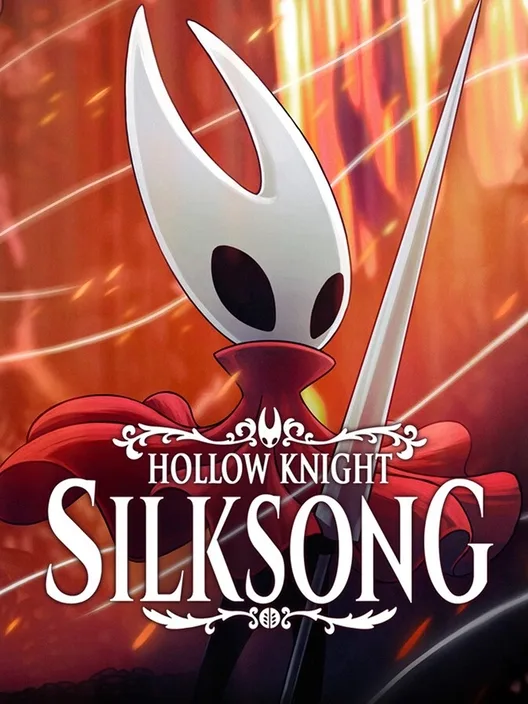 Hollow Knight: Silksong
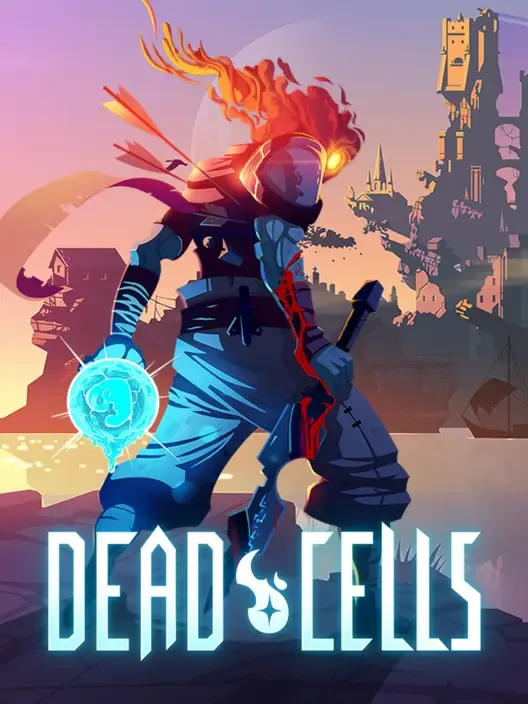 Dead Cells
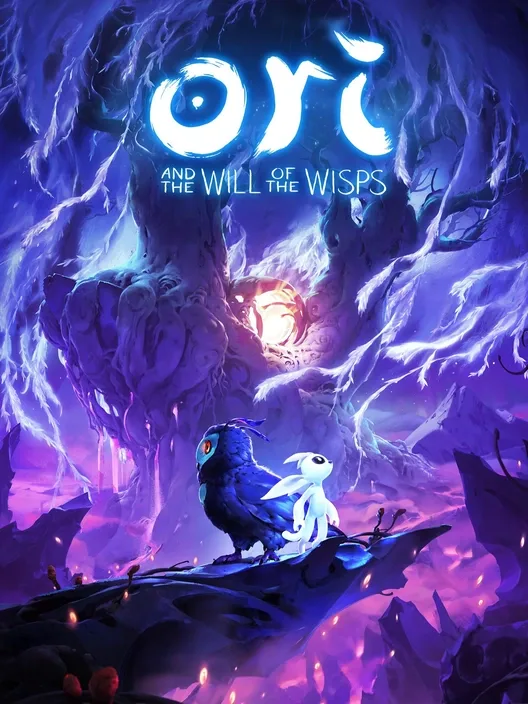 Ori and the Will of the Wisps
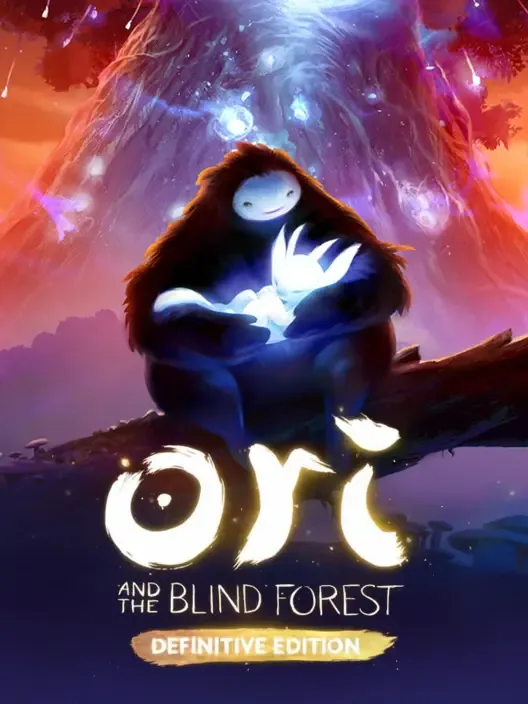
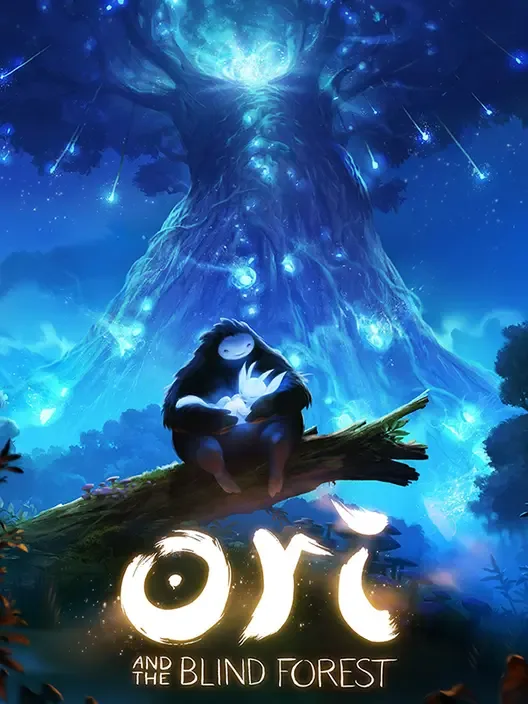 Ori and the Blind Forest
Game Avant's ranked list of the best metroidvanias narrows the platformers category down to one specific structural idea: a single connected map, gated by abilities rather than levels or keys, where a double jump, a dash, or a new weapon opens a route back to a room that was a dead end an hour earlier. That backtracking loop — hitting a wall, remembering where it was, and returning once the toolkit finally clears it — is what separates a metroidvania from a 2D platformer built around discrete, disposable levels, which gets its own separate page on this site because judging Celeste's tightly designed screens and Hollow Knight's sprawling, interlocking Hallownest by the same standard flattens what makes each of them work. Combat, atmosphere, and movement tech vary wildly across the genre, from Hollow Knight's patient, deliberate duels to Carrion's reversed premise of playing the monster, but the map-and-ability structure holds the list together.
The order below blends IGDB's aggregate critic score with Steam's own user review percentage, applying real editorial judgment on top of the raw numbers rather than reprinting them unfiltered, so a beloved smaller release can sit above a bigger one when the combined data and genuine quality support it. It shifts as more people rate these games or as new ones — Hollow Knight: Silksong chief among them — settle into a stable review sample. Read the write-ups below for what each of the best metroidvanias actually does well and where it genuinely falls short.
1. Hollow Knight#
Team Cherry's 2017 debut, developed by a three-person studio in Adelaide, Australia and funded initially through a modest Kickstarter, set the modern benchmark for the genre with Hallownest, a ruined insect kingdom whose map is deliberately withheld from the player until a Cartographer NPC is found and paid in each new area. Charms, equipped in limited slots that expand as Pale Ore upgrades the Knight's charm capacity, let a build lean into aggressive damage stacking, defensive sustain, or exploration utility like Sprint Master and Dashmaster for faster traversal. The Nail, the Knight's only real weapon, is upgraded at Nailsmith's forge rather than swapped for new gear, which keeps combat mechanically simple while Spells — Vengeful Spirit, Desolate Dive, Howling Wraith — layered on top add genuine ranged options. Movement abilities like the Mantis Claw for wall-climbing and the Monarch Wings for a mid-air jump reopen huge swaths of the map once acquired, and the Pantheon boss rush challenges, added post-launch for free, string dozens of the game's hardest fights into a single unbroken gauntlet. The honest drawback: several late-game areas, particularly Path of Pain and the White Palace, demand a level of platforming precision that is a real difficulty spike against the rest of the game's more forgiving pace.
2. Hollow Knight: Silksong#
Team Cherry's long-awaited sequel, released in September 2025 after roughly six years of development following its 2019 announcement, swaps the Knight for Hornet, who is faster and more acrobatic by default, with a needle-and-thread moveset built around a directional pogo-and-parry rhythm that rewards aggressive positioning over the original's more defensive stance. Crests, equippable loadouts that completely change Hornet's basic attack pattern and available tool slots, function as a soft class system — the Reaper Crest trades reach for a wide, sweeping strike, while the Witch Crest adds ranged needle throws. Silk, a resource earned by landing hits, fuels both a healing action and offensive Silk Skills, tying aggression directly to survivability in a way the original's SOUL-based healing never quite did. Tools, the game's answer to Charms, are craftable and upgradeable at Pins found throughout Pharloom, letting a build lean into elemental damage, utility, or straight combat power. The honest drawback: the game launched with a noticeably steeper difficulty curve than its predecessor, and several early reviewers flagged its checkpoint spacing in specific boss-adjacent areas as a genuine pacing misstep that Team Cherry has since patched in part.
3. Dead Cells#
Motion Twin and Evil Empire's 2018 release, which left early access after roughly two years of public build updates, fuses metroidvania structure with a roguevania loop: every death sends the player back to the start with a procedurally reshuffled version of the map's biomes, while permanent unlocks bought with Cells persist across runs. Weapon and skill variety is enormous, spanning hundreds of items with different scrolls of power invested into Brutality, Tactics, or Survival stats, so two runs with the same starting loadout can play completely differently by the time a build snowballs. Mutations, equipped passive perks unlocked through the game's meta-progression, let a build lean into freeze-based crowd control, life-steal sustain, or pure burst damage. Boss Cells, an optional difficulty toggle unlocked after each successful run, layer new enemy behaviors and stricter healing limits onto subsequent attempts for players chasing a harder challenge. The Fatal Falls, Bad Seed, and other paid DLC expansions added entire new biomes and boss fights well past the base game's original scope. The honest drawback: the roguelike death-resets-the-map structure is a genuine mismatch for players who want a stable, memorizable Hallownest-style layout rather than one that changes every run.
4. Ori and the Will of the Wisps#
Moon Studios' 2020 sequel, published by Xbox Game Studios, follows the spirit guardian Ori through the dying forest of Niwen with movement tech considerably expanded from the first game — Bash redirects enemy projectiles and launches Ori off them, Light Burst provides a mid-air damage-and-repositioning option, and the Sein-guided attack system lets ranged combat happen without breaking traversal flow. The Spirit Trials, timed obstacle-course races through hand-crafted platforming gauntlets, function as optional high-difficulty content separate from the main story's pacing. Shard slots, socketed with passive bonuses like Ori's Sense or Vitality-boosting shards found or bought from Twillen, let a build lean into survivability, damage, or utility depending on which combination is equipped. The Kwolok's Hollow and Baur's Reach regions each introduce a signature new mechanic — light-based platforms, wind currents — that reshapes movement within that area specifically. The honest drawback: several boss and chase sequences demand near-frame-perfect input timing that stands in sharp contrast to the exploration-focused pacing of the rest of the game, a difficulty spike that frustrated a real share of players expecting the gentler curve of the original.
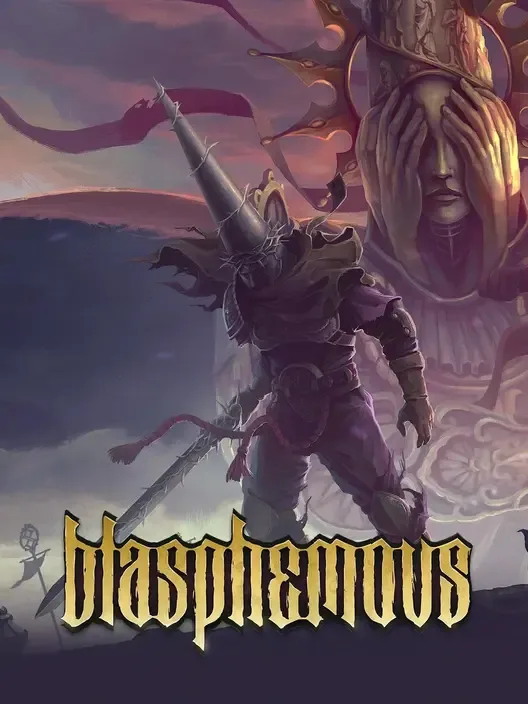
5. Blasphemous#
The Game Kitchen's 2019 debut, steeped in Spanish Catholic iconography and grimdark fantasy, casts the player as the Penitent One, a silent warrior cursed to survive his own execution, in a world called Cvstodia where guilt and religious fervor are made literal through environmental storytelling and NPC dialogue rather than exposition dumps. Combat centers on the Mea Culpa sword, upgraded through Fervour-cost skills unlocked at Prie Dieu shrines, alongside Rosary Beads that socket into limited slots for passive stat bonuses — a genuinely limited-resource build system rather than one that eventually unlocks everything. Guilt Fragments, hidden collectibles tied to the game's more disturbing sidequests, alter the ending sequence depending on which are found, giving exploration a narrative payoff beyond a simple completion percentage. The Wounds of Eventide expansion, released free in 2020, added an entirely new final chapter and rebalanced several of the base game's late fights. The honest drawback: the original 2019 release shipped with input lag and hitbox issues that a same-year patch only partially resolved, and even the corrected version's platforming sections demand a level of precision that feels notably stricter than the genre's more forgiving entries.
6. Ender Lilies: Quietus of the Knights#
Live Wire and Adglobe's 2021 release, published by Binary Haze Interactive, follows Lily, a young priestess who can purify and recruit the corrupted spirits of dead knights she defeats, each of which becomes a permanently equipped active or passive skill rather than a disposable pickup. Combat pairs Lily's own limited melee options with these Blighted Knight spirits, so a build might weave between a fast dual-blade spirit for mobility and a slow, heavy hammer spirit for burst damage against a specific boss's openings. The game's muted, watercolor-inspired art direction and largely wordless environmental storytelling build its post-apocalyptic, rain-soaked setting without leaning on lengthy dialogue trees. Umbral Arts, unlocked through boss fights and hidden shrines, add offensive support spells that layer on top of the equipped spirit loadout. Relics, found through exploration, grant passive stat bonuses that reward backtracking into previously inaccessible rooms once new traversal abilities are acquired. The honest drawback: the early hours lean heavily on a slow, methodical pace before the spirit-swapping system fully opens up, which is a real patience test for players expecting immediate build variety.
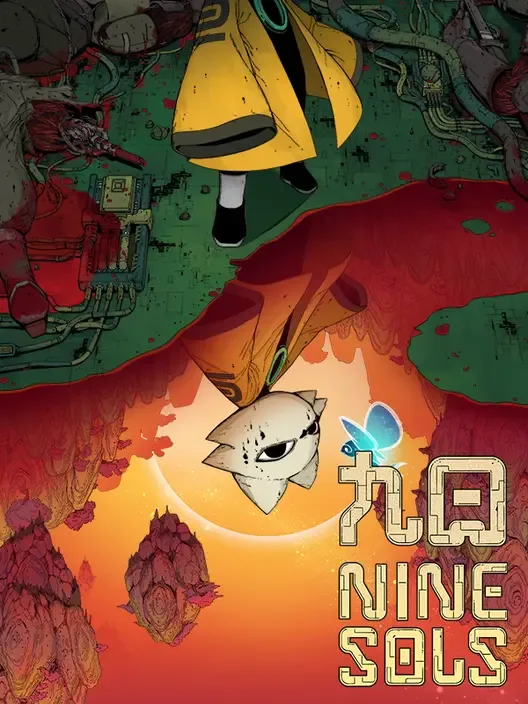
7. Nine Sols#
Red Candle Games' 2024 release, developed by a team of roughly a dozen people in Taiwan, builds its entire combat identity around a Sekiro-inspired deflection system layered onto a side-scrolling metroidvania structure, set in a Taoist-punk world of anthropomorphic feline gods called the Sols. The Talisman system lets equipped charms modify Yi's parry timing, dash properties, or Qi generation, creating genuine build variance around how aggressively a fight can be played. Jue Arts, special techniques unlocked from defeated bosses and slotted into a limited number of active skill charges, function as the game's answer to a spell list, ranging from a piercing dash strike to an area-denial explosive. The game's boss encounters, each themed after a specific member of the Nine Sols pantheon, are built almost entirely around reading and punishing telegraphed attack patterns rather than raw damage-race attrition. Environmental storytelling drawing on Taiwanese folklore and cyberpunk aesthetics gives Nine Sols a visual identity distinct from the genre's more common dark-fantasy default. The honest drawback: the deflection-first combat design is unforgiving toward players who prefer a dodge-and-punish playstyle more common elsewhere in the genre, and several boss fights effectively gate progress behind mastering that one specific skill.
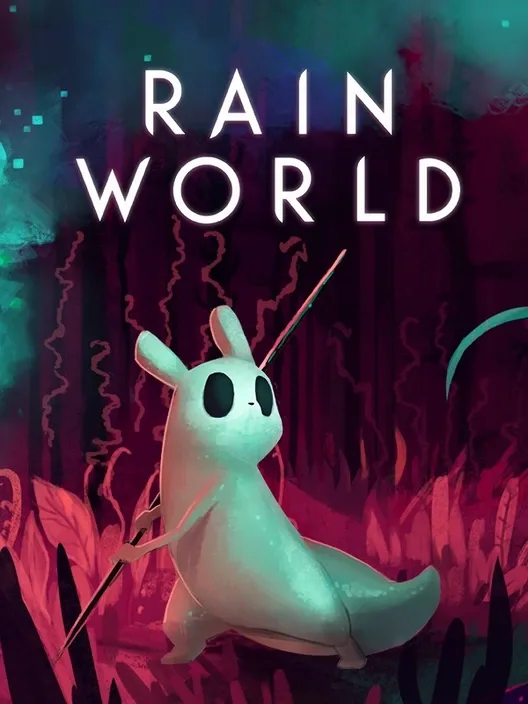
8. Rain World#
Videocult's 2017 release, later expanded with the free Downpour update built by the modding community and folded into an official 2023 edition, drops the player into the role of a slugcat, a small scavenger animal with no combat power fantasy at all — survival here means avoiding apex predators through stealth, environmental hazards, and a physics-driven movement system rather than fighting back. The food-and-hibernation cycle forces a rhythm of finding enough food to survive a forced sleep cycle before advancing, a structural constraint most metroidvanias don't impose on exploration pacing. Karma, a currency that determines which of the game's Gates between regions can be passed, ties progression directly to successfully surviving hibernation cycles rather than a traditional ability-gate system alone, though key items like the Grapple Worm and various pearls still unlock new traversal routes in the genre's expected way. The ecosystem itself is simulated rather than scripted, with creatures hunting, fleeing, and dying independent of the player's actions in ways that can make a single region play out differently between visits. The Downpour expansion added five new playable slugcat characters, each with a meaningfully different starting ability set. The honest drawback: the game's commitment to a hostile, punishing ecosystem and comparatively obtuse map layout is a deliberate design choice that reads as needlessly cruel to a significant share of players rather than as the tense survival experience it's aiming for.
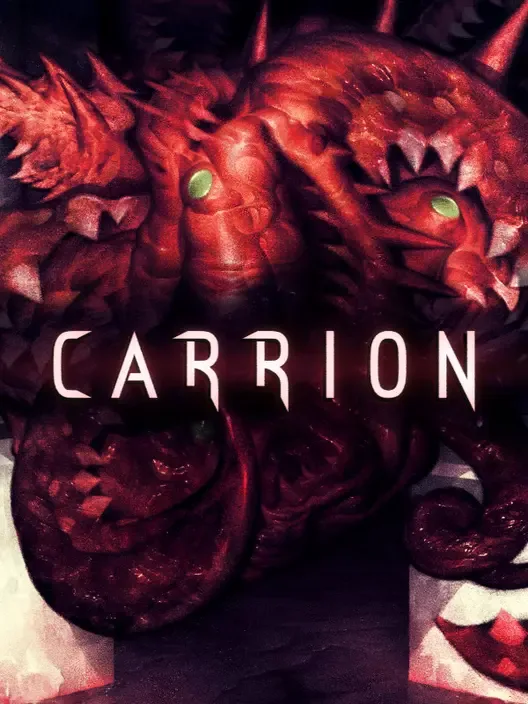
9. Carrion#
Phobia Game Studio's 2020 release, published by Devolver Digital, inverts the genre's usual framing entirely by casting the player as the monster rather than its hunter: a shapeless, tentacled creature escaping a research facility, using its mass to grab, strangle, and consume the human staff and soldiers standing in its way. Biomass, gained by consuming victims, directly determines the creature's size and which of its unlockable abilities — web-shooting immobilization, a defensive hardened shell, an explosive burst attack — can currently be equipped, tying build progression directly to how aggressively the creature has been feeding. The facility's security systems, including electrified floors, UV light traps, and armed guards, function as the genre's usual environmental hazards but recontextualized as threats to something that is usually the threat itself. Splitting the creature's mass between multiple tentacle-controlled pools lets it approach multi-room puzzles by controlling several bodies simultaneously, a traversal mechanic essentially unique to this game within the genre. The horror-adjacent presentation, built around practical-feeling gore and a claustrophobic facility layout, leans harder into body horror than the genre's more common fantasy or sci-fi dressing. The honest drawback: the lack of a persistent map or clear waypoint system, combined with several visually similar facility sections, makes backtracking notably more disorienting here than in metroidvanias that hand the player an explicit map screen.
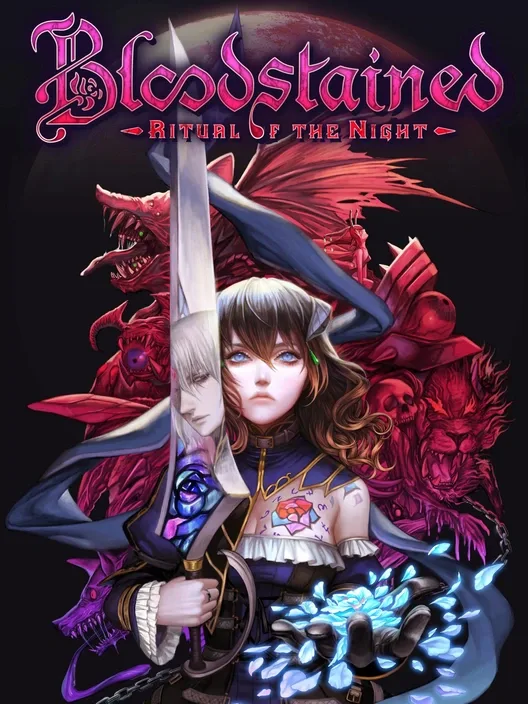
10. Bloodstained: Ritual of the Night#
ArtPlay's 2019 release, directed by Koji Igarashi — the producer widely credited with defining the Castlevania: Symphony of the Night template this entire genre borrows its name from — was funded through one of Kickstarter's largest game campaigns and plays as a spiritual successor built on the same foundations. Miriam, cursed with crystallizing skin that also grants her power, absorbs Shards dropped by defeated demons, each functioning as an equippable spell, familiar summon, or passive ability across several distinct Shard types. The crafting and cooking systems, built around ingredients gathered from defeated enemies, let a build supplement combat stats with consumable buffs rather than relying purely on equipped gear. Weapon variety spans whips, swords, spears, and firearms, each with distinct movesets and specific Shard synergies that reward specializing rather than mixing freely. Randomized dungeon and boss rush modes, added in post-launch updates, extend replay value well past the main campaign's roughly 10-to-15-hour length. The honest drawback: the game's PS4 and Switch versions launched with real performance and load-time issues that later patches improved but never fully eliminated, and several fans of the Castlevania games it draws from note the story and dialogue lean noticeably weaker than the mechanical design around them.
11. Animal Well#
Billy Basso's 2024 solo-developed release, published by Videogamedunkey's Bigmode label after roughly seven years of one-person development, builds its entire identity around a densely interconnected map stuffed with obscure, cryptic secrets that reward the kind of community-driven puzzle-solving usually associated with alternate reality games rather than typical genre backtracking. Tools rather than combat abilities gate progression almost entirely — a yo-yo, a disc launcher, a bubble wand, and a UV flashlight are each used for both traversal and puzzle-solving, since the game has essentially no combat system and no health bar to manage. The game's four unmarked "eggs," extraordinarily well-hidden collectibles that require deciphering cryptic in-game clues, spawned a genuine real-world community effort to fully solve, with the first egg reportedly taking collaborating players weeks to locate. Environmental puzzles frequently require combining two or more tools in ways the game never explicitly teaches, leaning on player experimentation over tutorialization almost entirely. The pixel-art presentation, rendered with real-time lighting and reflection effects unusual for its visual style, gives the game a distinct look within the genre's usual aesthetic range. The honest drawback: the almost complete absence of combat and the game's reliance on genuinely obscure, easily-missed secrets is a real mismatch for players who want the genre's more typical boss-fight-driven structure rather than a pure exploration puzzle box.
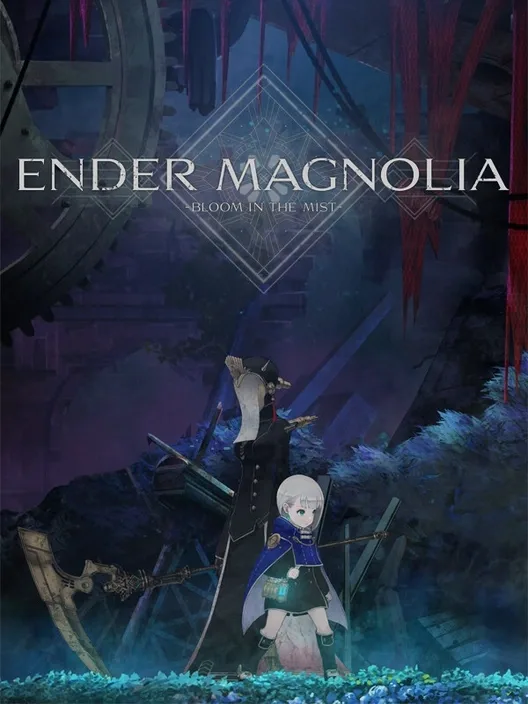
12. Ender Magnolia: Bloom in the Mist#
Live Wire's 2025 release, published by Binary Haze Interactive after roughly ten months in early access, follows directly from Ender Lilies with a new protagonist, Lilac, an Attuner who purifies and recruits corrupted Homunculi rather than the previous game's Blighted Knights, each functioning as an equippable active skill with its own cooldown, range, and elemental type. Combat is built around weaving between multiple equipped Homunculi mid-fight, since most bosses specifically punish leaning on a single skill for an entire encounter rather than rotating through a build's full kit. Skill trees attached to Lilac herself add passive stat growth and unlock new traversal options, including an air dash that reopens large sections of the map for backtracking once acquired. The game's steampunk-adjacent, post-apocalyptic world design continues the muted, largely wordless environmental storytelling style established by its predecessor, building tone through ruined architecture and NPC vignettes rather than lengthy cutscenes. Elemental resistances on specific enemy types genuinely reward swapping Homunculi loadouts before a fight rather than relying on one favorite setup throughout the whole game. The honest drawback: the game leans heavily on its predecessor's tone, pacing, and core structure rather than meaningfully reinventing the format, and players who found Ender Lilies's slow, melancholic pace a poor fit will likely have the same reaction here.
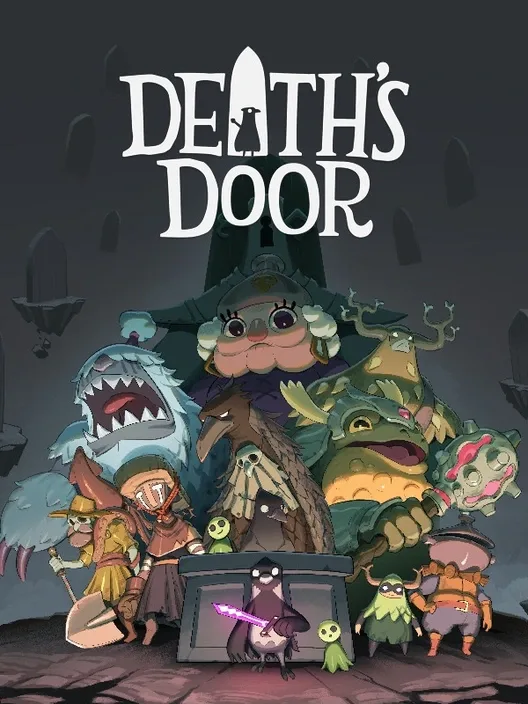
13. Death's Door#
Acid Nerve's 2021 release, published by Devolver Digital, casts the player as a crow working for a bureaucratic Reaper's Office, sent to collect a soul that has gone missing and escalated into a full investigation across several small, self-contained worlds connected by a central hub. Combat pairs a light melee weapon with a limited magic slot — a bow, a bomb, or a charged magic hammer, among others — each upgradable with Souls harvested from defeated enemies, a currency that's lost on death and must be recovered from the death location, similar to the Souls genre's own risk-reward loop. The game's worlds are each built around a specific traversal gimmick tied to their boss, such as a garden of giant, overgrown vegetables whose puzzle logic ties directly into unlocking that area's key item. Its muted color palette and melancholic, understated humor give it a visual and tonal identity distinct from the genre's usual dark-fantasy or sci-fi framing. Life and Magic upgrades, purchased with Souls at the hub between excursions, keep character growth deliberately slow and meaningful rather than incremental. The honest drawback: at roughly 8 to 10 hours for a full playthrough, the game is considerably shorter than most other entries on this list, and several of its worlds share a similar puzzle-then-boss structure that limits real variety across the whole run.
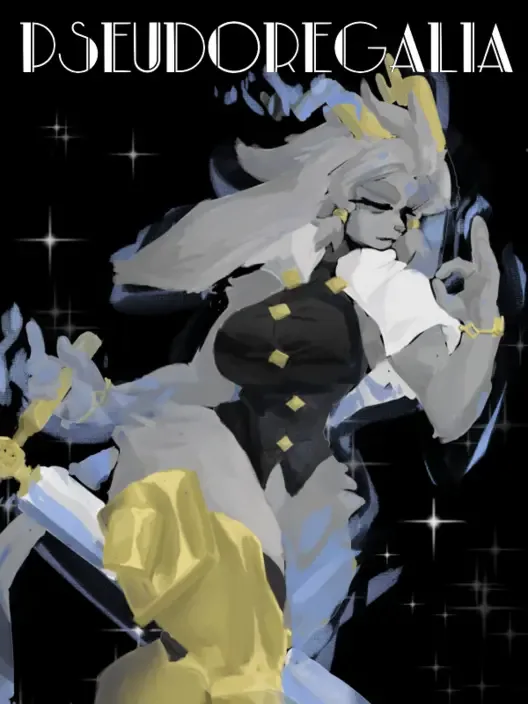
14. Pseudoregalia#
Rittzler's 2023 solo-developed release reinvents the genre in 3D low-poly form, built entirely around advanced, momentum-based movement tech — wall-kick reversals, slides, and mid-air chains that let a skilled player traverse huge portions of the map before formally unlocking the ability meant to grant that access. Sslyth, the player character, gains new movement abilities like a wall-run or an extended air dash from a small handful of dream-logic bosses and NPCs scattered across the fractured Castle Sansa, each opening entirely new traversal routes through areas the map has already introduced. The game's short roughly two-to-four-hour length and heavy reliance on speedrun-friendly movement tech drew comparisons to N64-era 3D platformers as much as to the genre's usual 2D lineage. Combat exists but is intentionally minimal, a deliberate choice that keeps the design focus almost entirely on traversal puzzles and precision platforming challenges rather than boss-fight difficulty curves. The lack of a fast-travel system for most of the playthrough means backtracking through the same rooms with newly acquired movement tech becomes a genuine skill expression rather than a chore, since faster routes open up as competence with the controls grows. The honest drawback: the near-total absence of meaningful combat and its short length leave it feeling closer to a tightly focused movement tech demo than a fully-realized adventure for players expecting a more substantial campaign.
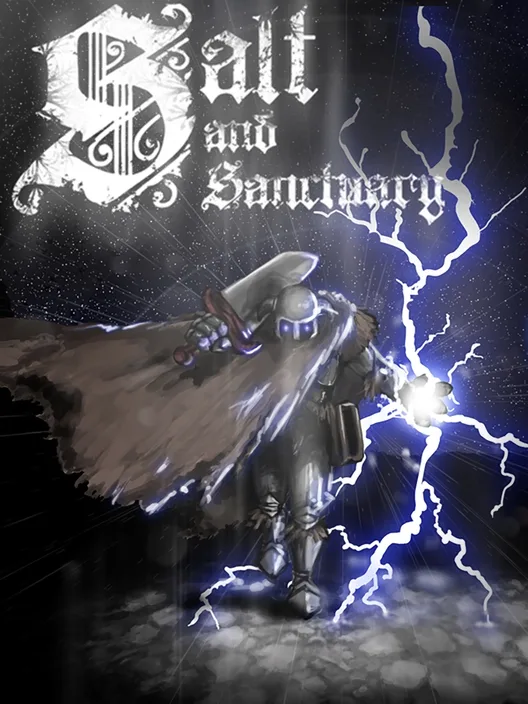
15. Salt and Sanctuary#
Ska Studios' 2016 release fuses 2D metroidvania structure directly with Dark Souls-style mechanics: a shared health-and-stamina system governs both combat and exploration, death drops the player's Salt currency at the death location for recovery, and a bonfire-equivalent Sanctuary network handles both healing and fast travel between areas. The Creed system lets the player align with one of several in-world religious factions, each granting unique NPC vendors, spells, and a distinct late-game area gated specifically behind that Creed's unlock requirements. Weapon variety spans the Souls genre's usual categories — greatswords, rapiers, polearms, bows — each with a distinct moveset and stamina cost, while a separate spell and sorcery system layers ranged options on top for builds that want them. Boss fights, many drawing directly on Dark Souls' visual and mechanical language, reward the same patient dodge-and-punish rhythm that series is known for, translated into a fully 2D side-scrolling perspective. Co-op play, supported throughout the full campaign, is a structural rarity for the genre, letting two players tackle the same interconnected map together. The honest drawback: the game's hand-drawn, heavily inked art style occasionally makes reading enemy attack telegraphs genuinely harder than it needs to be, particularly against faster bosses late in the campaign.
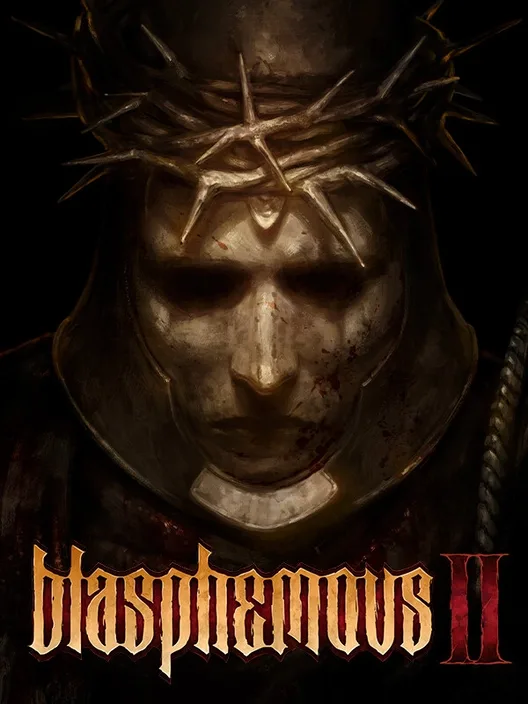
16. Blasphemous II#
The Game Kitchen's 2023 sequel considerably expands on the original's Mea Culpa-only combat by giving the Penitent One three separate weapons — a sword, a pair of censer-nunchaku, and a hammer — each with its own skill tree and specific enemy matchups that reward switching mid-fight rather than committing to one weapon for the whole game. The Rosary Beads system returns with expanded slots and new bead types, while a redesigned skill tree ties weapon mastery directly to Fervour management in a way the original's flatter progression didn't. Platforming puzzles built around each weapon's unique traversal use — the sword's dash-attack for gap-crossing, the hammer's ground-slam for breaking specific floor types — tie combat kit directly into exploration rather than keeping the two systems separate. The returning Cvstodia setting is considerably expanded with new regions, continuing the original's dense Spanish Catholic iconography and grimdark tone without repeating its specific locations. The sequel also shipped in a noticeably more polished, bug-free state than the original's rocky 2019 launch, addressing one of that game's most consistent criticisms directly. The honest drawback: the three-weapon structure, while adding real build variety, spreads the game's total skill-tree content thinner across each individual weapon than the original's single, deeply upgraded Mea Culpa sword.
17. Hyper Light Drifter#
Heart Machine's 2016 debut, funded through a Kickstarter campaign that drew heavily on creator Alx Preston's own health struggles for its post-apocalyptic, wordless tone, builds combat around a fast dash-and-slash rhythm where the dash itself doubles as the primary tool for both offense and evasion, with a limited-ammo gun providing ranged backup that has to be actively managed rather than spammed. The game's four distinct regions, each themed around a cardinal direction and its own enemy faction, are unlocked by defeating a regional boss and collecting module pieces that upgrade the Drifter's dash, gun, or sword abilities. Its wordless storytelling, told entirely through environmental detail and wordless comic-panel cutscenes, leaves the plot's specifics — a mysterious illness affecting the Drifter, a fallen advanced civilization — deliberately open to interpretation rather than explained outright. The pixel-art presentation, rendered with a distinctive neon-and-pastel color palette, gives the game a visual identity that influenced a wave of similar-looking indie releases in the years after its launch. Outfits, unlocked through side content, function as cosmetic-only rewards rather than stat-altering gear, keeping the game's actual build variety concentrated entirely in the module-upgrade system. The honest drawback: the game's steep difficulty curve and unforgiving dash-timing combat is a real barrier for players who came in expecting the more forgiving pace its serene visual style might suggest.
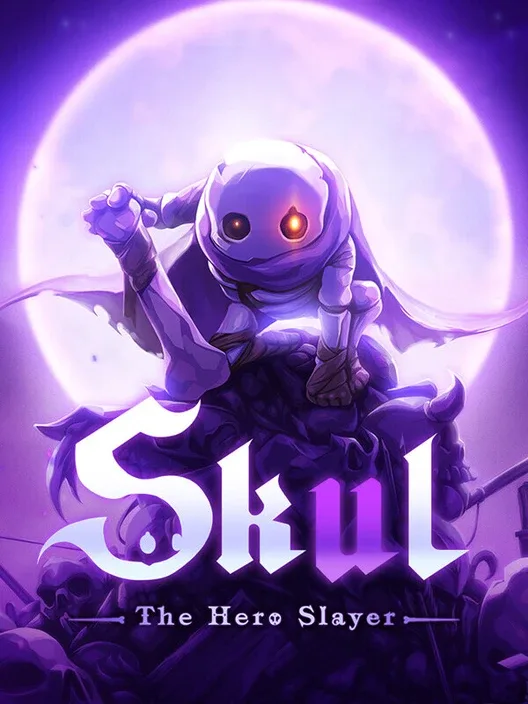
18. Skul: The Hero Slayer#
SouthPAW Games' 2021 release, published by Neowiz after an early access period beginning in 2020, casts the player as a small skeleton warrior whose entire moveset is defined by which of two equipped skulls is currently active, each skull transforming Skul into a different class — a fast, dual-wielding Werewolf skull, a heavy-hitting Predator skull, a spellcasting Archmage skull — with its own distinct attack range, speed, and special ability. Swapping between the two equipped skulls mid-combat, rather than being locked into one for a full run, is the game's core build expression, letting a player pair a fast mobility skull with a slower burst-damage one for genuinely different playstyles within a single attempt. The roguelite meta-progression system, spending Bone Fragments earned across runs on permanent stat and unlock upgrades, sits alongside a deep relic and quintessence itemization layer within each individual run. Boss encounters are built around large movesets that specifically punish sticking with a single skull's attack pattern for too long, rewarding the swap mechanic directly rather than making it merely optional. The game's dense skull roster, numbering in the dozens by its full 1.0 release, gives it build variety that rivals dedicated roguelike deckbuilders more than most metroidvania-adjacent titles. The honest drawback: the sheer number of skulls and relics creates a real learning curve for understanding which combinations are actually strong, and the game's humor-forward tone sits awkwardly for players expecting the genre's more common serious or melancholic framing.
19. Tunic#
Isometricorp Games' 2022 release, designed largely by solo creator Andrew Shouldice over roughly seven years of development, builds its structure around a fox protagonist exploring an isometric 3D world clearly modeled on classic top-down Zelda games, with ability gating — a sword, a bomb, a lantern for dark areas, a hookshot-style grapple — spread throughout in a way that genuinely reopens previously blocked paths once each is found. The game's central conceit, an in-world instruction manual found in scattered pages written in an invented language, teaches mechanics and hints at secrets almost entirely through diagrams and cryptic annotations rather than explicit tutorial text, turning the manual itself into the game's real puzzle-solving tool. Combat, while simpler than the genre's combat-forward entries, includes a stamina-gated dodge roll and a shield-parry system that becomes essential against the game's harder secret bosses. The map, revealed piece by piece exactly like the manual pages, deliberately withholds full information even once found, since some regions require combining manual hints with in-world clues the game never states outright. The honest drawback: because Tunic leans more toward puzzle-driven "brainia" design than strict ability-gated exploration — many of its secrets require a code or a sequence rather than a traversal upgrade — players expecting a combat- and movement-gated structure closer to Hollow Knight may find its slower, cipher-heavy back half a genuine tonal shift from its more traditional opening hours.
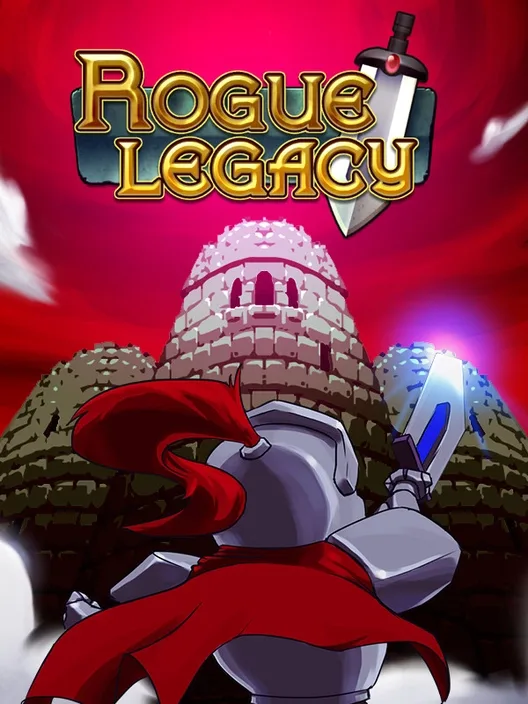
20. Rogue Legacy#
Cellar Door Games' 2013 release helped define the roguelite metroidvania hybrid years before the subgenre became common, sending a new randomly-generated heir into a procedurally reshuffled castle each time the previous one dies, with permanent gold spent between runs on manor upgrades that persist across every future attempt. Each heir is randomly assigned a class — Knight, Mage, Barbarian, Assassin, and others — along with a randomized trait, some purely cosmetic and some that meaningfully change how that specific run has to be played, like Dwarfism shrinking the character's hitbox or Colorblindness altering the game's visual palette. Runes, equipped in limited slots and found or purchased throughout a run, grant traversal abilities like a double jump or air dash, meaning the genre's usual ability-gating happens per-character rather than being permanently unlocked once and for all. The castle's layout reshuffles between generations but its overall structure and secrets remain governed by the same rules, rewarding players who learn the game's underlying logic even as the specific map changes. Boss fights, four large set-piece encounters guarding the castle's main regions, remain fixed reference points a player returns to repeatedly as new heirs grow stronger. The honest drawback: the class and trait randomization that gives the game its replay hook can also produce a genuinely weak heir with an unfavorable combination, forcing an unsatisfying restart through no fault of the player's actual skill.
Metroidvanias live or die on whether their world feels worth re-learning, and the twenty games above earn their spots by treating that backtracking loop as a design pillar rather than padding. The ranking blends IGDB's aggregate critic and user score with Steam's own review percentage, weighted toward games with a real sample size behind the number, and it will keep shifting as Silksong's review base matures and as new releases earn enough ratings to be scored fairly. Treat it as a live snapshot of the genre's current standing rather than a fixed, permanent verdict.