
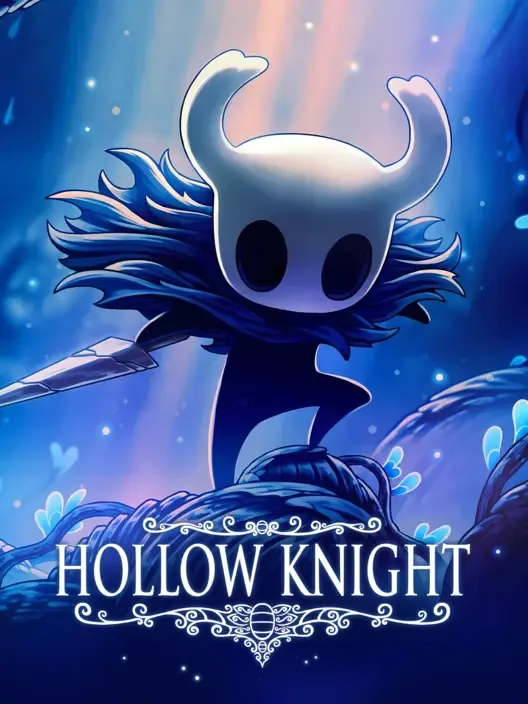
Hollow Knight
Metroidvania · Souls-like · Difficult · Platformer · Great Soundtrack
Game page →
Review
The sequel to Hollow Knight puts Hornet in the lead as she climbs through Pharloom, a new kingdom ruled by silk and song. Combat is faster and more acrobatic, with tools and crests that change how you fight, and the world is large and dense with quests and secrets. The difficulty is high from the very start. Is it your kind of game?
Game Avant verdict
A massive, gorgeous metroidvania whose punishing difficulty is also the reason every victory in it means something.
By GameAvant · Published Sep 29, 2026 · Updated Oct 9, 2026 · 13 min read
Choose what matters to you
Every question is optional.
How do you feel about a tough game with lots of retries?
How do you like to find your way?
How do you want to play?
Based on your choices
Pick what matters to you above and the result shows up here.
IGDB
91%
509 ratings
Steam:
89%
387,544 reviews
Fits you if
you loved Hollow Knight and want an even bigger challenge.
Skip it if
you want an accessible metroidvania with a gentle difficulty curve.
Availability
Steam
$19.99
Hollow Knight: Silksong spent close to six years between its 2019 announcement and its actual release on 4 September 2025, and the finished game plays like a studio that used every one of those years deliberately rather than apologetically. Team Cherry, the small Australian studio behind the original Hollow Knight, built a sequel that keeps almost nothing of the first game's patient, exploratory pacing intact. In its place is something faster, sharper, and considerably less willing to meet you halfway. The mute, wandering Knight is gone; in their place is Hornet, a character with an actual name, an actual voice, and visible, specific fury about being handed a needle and sent back into danger she thought she had already survived. The setup fits in a sentence, and Team Cherry treats it that way. Hornet, once Hallownest's princess-protector, is captured by insect cultists called Choirbugs and dragged to Pharloom, a kingdom she has never set foot in, meant to be delivered to a figure called Grand Mother Silk at the top of a distant Citadel. She escapes before she arrives, and the entire rest of the game is the climb back up through Pharloom on her own terms, working out why she was taken in the first place and what is actually waiting at the top. Team Cherry does not wrap any of this in a tutorial or a quest log explaining what to do next. Hornet gets a needle, gets dropped at the bottom, and the kingdom's own geography does the rest of the explaining, the same philosophy that made the original Hollow Knight's Hallownest feel discovered rather than toured. What changes most from the first game is the combat's temperature. Hornet moves faster than the Knight ever did, strings together needle combos that reward aggression over caution, and gets a wider kit of tools and abilities to work with as Pharloom opens up. The kingdom itself matches that energy: Silksong rarely eases up, and punishing difficulty runs through nearly every system, from platforming sequences that demand precision to boss fights that assume you have already mastered what came before them. This is a bigger, denser metroidvania than the original in almost every dimension, map size included, and Team Cherry built it to reward the players willing to meet that difficulty rather than smooth it out for a wider audience. That difficulty is also, unambiguously, the point. Every genuine victory in Silksong means something precisely because the kingdom gives you nothing for free, and the game's scale, its art direction, and its refusal to pad itself with filler content put it near the very top of what the genre has produced. This is one of the densest, best-fought metroidvanias to come out in years, built by a studio that clearly used its long development window to push every system further rather than simply polishing the same ideas the first game already had.
You may love it because
Hornet's faster dashes and pogo-heavy combat make every fight feel like a duel you can win through skill alone.
It may frustrate you because
The same speed means a single misread attack can chain into a death, and the game rarely slows down to let you recover.
You may love it because
Pharloom's map only fills in what you have already found, so every bell-town and buried tunnel feels like a real discovery.
It may frustrate you because
Missing one hidden route can leave you wandering for an hour with no clear idea where the story wants you to go next.
You may love it because
Rosaries feel valuable precisely because they are never plentiful, which makes every tool upgrade a real decision.
It may frustrate you because
Running low right before a shop restock can leave you facing a hard boss without the healing or damage upgrade that would have made the fight fair.
13 min read
· By Game Avant
Three alternatives, one line each on why.
Metroidvania · Souls-like · Difficult · Platformer · Great Soundtrack
Game page →
Metroidvania · Souls-like · Difficult · Hand-drawn · Platformer
Game page →
Metroidvania · Souls-like · Difficult · Platformer · 2D
Game page →
Metroidvania · Beautiful · Platformer · Great Soundtrack · Platform
Game page →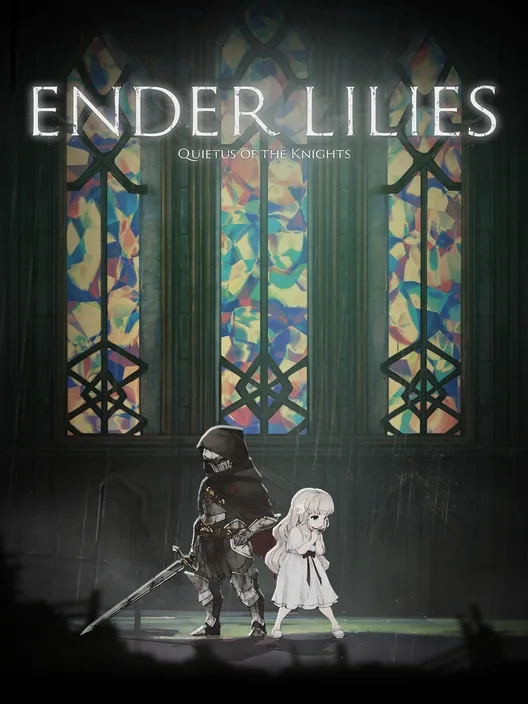
Metroidvania · Souls-like · Female Protagonist · Difficult · Great Soundtrack
Game page →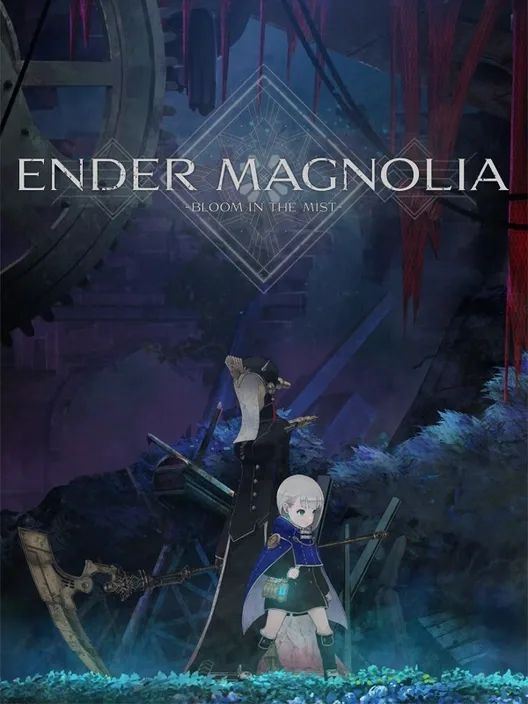
Metroidvania · Souls-like · Female Protagonist · 2D · Great Soundtrack
Game page →