 Baldur's Gate III
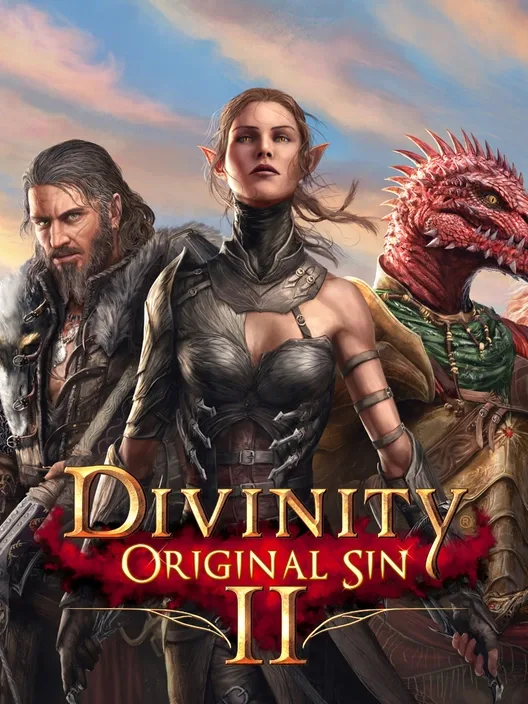
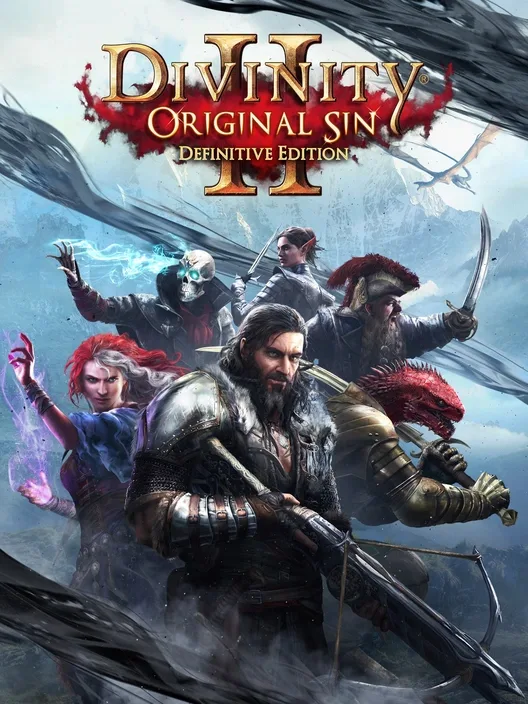 Divinity: Original Sin II - Definitive Edition
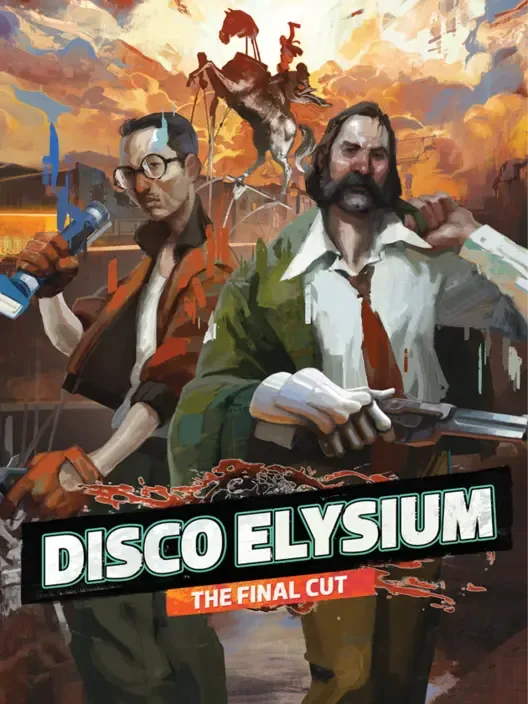 Disco Elysium: The Final Cut
 Planescape: Torment - Enhanced Edition
 Pillars of Eternity II: Deadfire
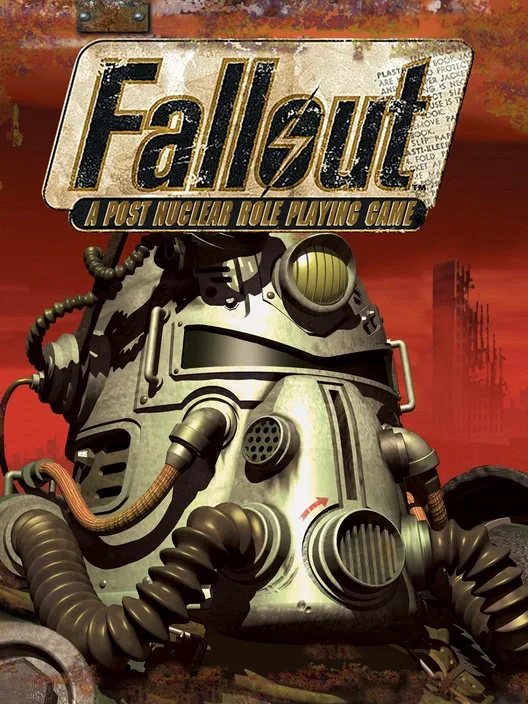
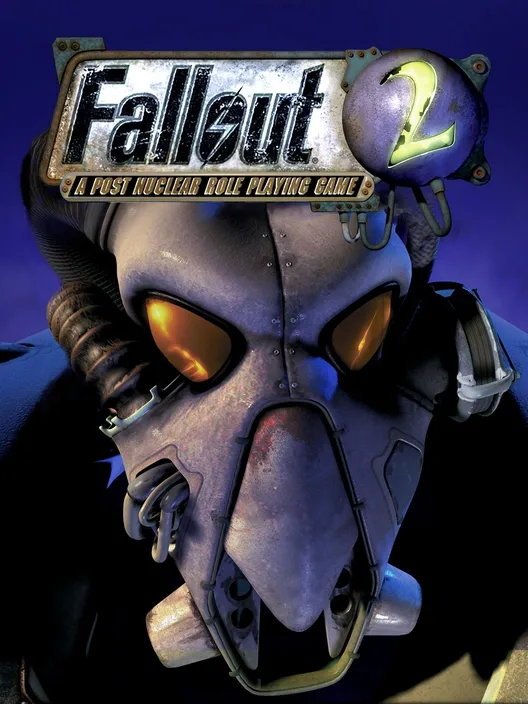 Fallout 2
This is Game Avant's own ranked list of the best CRPGs right now, built from the site's combined critic-and-player rating data rather than picked by hand. "CRPG" on this page means the specific lineage of role-playing games descended from tabletop Dungeons & Dragons and early PC RPGs like Wizardry and Ultima: party-based or heavily stat-driven characters, an isometric or top-down camera (or a direct descendant of that tradition), dense skill-check dialogue, and rulesets a player can read and optimize against rather than a real-time action system. That's what separates this list from the action and open-world subgenre pages, where reflexes and traversal carry equal weight to the numbers underneath, and from JRPGs and tactical RPGs, which share turn-based or grid-based combat but come from a different design lineage with different conventions around party structure and pacing.
The order below comes from blending IGDB's aggregate critic score with Steam's own user review percentage, applied only to games with a real sample size behind the number, and it shifts as more people rate these games or as new ones join the catalog with enough reviews to be scored fairly. Read the write-ups below for what each of these best CRPGs actually does well and where it falls short.
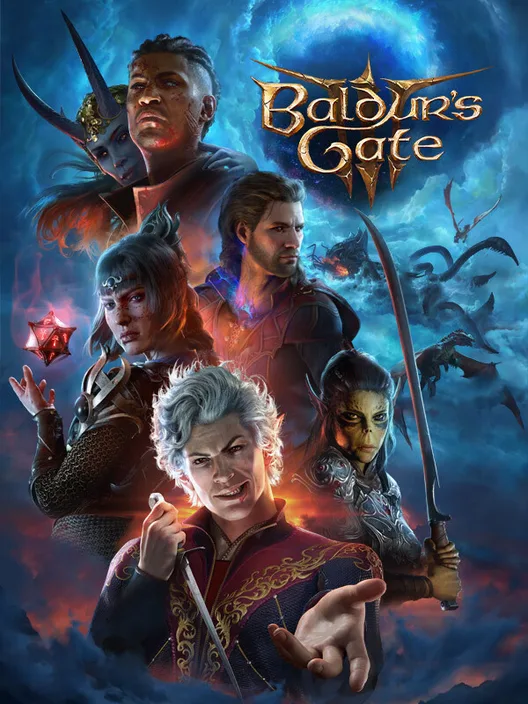
1. Baldur's Gate III#
Larian's 2023 adaptation of Dungeons & Dragons 5th Edition earns the top spot by treating its ruleset as a toolbox rather than a straitjacket — a Gloomstalker Ranger multiclassed into Assassin Rogue can open nearly every fight with a guaranteed critical hit from stealth, while a straight Wild Magic Sorcerer turns every spell slot into a small gamble with the game's own systems. Companions like Astarion and Shadowheart carry entire subplots that shift based on approval, race, and class choices made hours earlier, and the game tracks far more of that state than most CRPGs bother to. The Underdark alone offers more genuine content variety — a mushroom-forest economy, a drow enclave, an entire hidden ecosystem — than some full games manage in a single act. Full environmental interactivity, letting fire spread through oil, water conduct lightning, and terrain height affect attack rolls, means the tabletop ruleset translates into tactical decisions a pen-and-paper table could never render this precisely. It's a strong contender for the best CRPG of its console generation. The honest drawback: Act Three's city of Baldur's Gate is dense enough with quests and NPCs that the game visibly strains under its own scope, with bugs and pacing dips that the earlier acts mostly avoid.
2. Divinity: Original Sin II – Definitive Edition#
Larian's own predecessor to Baldur's Gate III still holds up as one of the deepest tactical CRPGs on the market, built around an elemental-interaction combat system where poison ignites, water conducts electricity, and oil combines with fire into a battlefield hazard the player set up deliberately three turns earlier. Origin characters, each with a fully written personal quest running parallel to the main story, mean the same campaign plays as a genuinely different narrative depending on which two or four are chosen for the party. The Lone Wolf talent, which removes two of a four-person party's slots in exchange for massively boosting the remaining two, supports an entirely different playstyle for players who want fewer, more powerful characters rather than a full squad. Multiplayer support for the entire campaign, including a full PvP arena mode, gives it replay value most single-player CRPGs don't attempt. The honest drawback: the elemental-interaction systems can spiral into fights lasting uncomfortably long once both sides start layering surfaces on top of each other, and the sheer number of systems is a real onboarding wall for newcomers to the genre.
3. Disco Elysium: The Final Cut#
ZA/UM's 2019 detective RPG (with The Final Cut update released in 2021) replaces combat almost entirely with a skill-check dialogue system, where internalized voices like Volition, Inland Empire, and Electrochemistry argue with the player character's own judgment in real time, sometimes lying to him, sometimes offering the only honest read in the room. Building a character here means deciding what kind of disaster of a cop to be — a walking authoritarian breakdown, or an "art cop" who reads graffiti tags as a form of literary criticism — and those choices reshape entire conversations rather than just combat stats. The Thought Cabinet, a system for internalizing ideas encountered during the investigation that grant passive bonuses and penalties once "researched," is one of the more unusual character-build systems the genre has produced, since a Thought can be actively bad for gameplay while still being narratively true to the character. The game's central murder investigation stays genuinely uncertain until the end, and multiple radically different political and personal readings of the world remain coherent depending on which skills got invested in early. The honest drawback: there is no combat to speak of and very little traditional "gameplay" in the genre's usual sense, which is a dealbreaker for players who want a CRPG's mechanical challenge alongside its writing.
4. Fallout 2#
Black Isle Studios' 1998 sequel expands the original Fallout's SPECIAL-driven character system and turn-based, grid-adjacent combat with a genuinely larger post-apocalyptic map, a car the player can repair and drive between settlements, and skill checks that gate entire towns and questlines behind specific builds, so a high-Intelligence, low-Charisma character experiences New Reno's questlines completely differently from a smooth-talking Speech build. The game's tonal shift toward broader satire and pop-culture references, distinct from the first game's grimmer tone, gave it a personality later Fallout games would draw on repeatedly. Karma and reputation tracked per-town mean the same character can be a celebrated hero in one settlement and a wanted criminal in the next, without a single global standing flattening the difference. Perks, chosen at level-up from an expanded list over the original, let players build toward genuinely different combat and dialogue archetypes rather than simply raising the same stats uniformly. The honest drawback: several of the game's most infamous questlines and encounters, including content later patched or removed for its content, show the seams of a rushed development cycle, and the game's difficulty curve and itemization are considerably less balanced than its successors.
5. Fallout#
Interplay's 1997 original established the template the entire CRPG-descended Fallout series still follows: SPECIAL stats and a skill-point system determine which paths through each settlement's questlines are even available, and the game's iconic 150-day (later extended) time limit to find a replacement water chip added genuine pressure to exploration, a design choice later entries dropped but which gave the original's pacing real stakes. Combat runs on a turn-based, action-point system where every attack, reload, and movement step consumes a shared resource pool, a direct descendant of tabletop wargaming rather than the more streamlined systems later RPGs adopted. Junktown, the Hub, and Necropolis each function as fully realized settlements with their own factional politics, distinct enough that the game plays differently depending on which order they're visited in. The game's dark, unusually grim tone, including a notorious optional path involving the Children of the Cathedral, set a bar for mature CRPG writing that few contemporaries matched. The honest drawback: the game's age shows heavily in its interface, sprite-based visuals, and the amount of system knowledge required to navigate its more obscure quest failure states without a guide.
6. Wizardry: Bane of the Cosmic Forge#
Sir-Tech's 1990 sixth mainline Wizardry entry marked the series' jump to a full graphical interface after five games of largely text-based dungeon crawling, while keeping the punishing first-person, grid-based dungeon navigation and permadeath stakes that defined the earlier titles. Character creation draws from a deep race-and-class matrix, including hybrid classes like the Bishop or Lord that require specific stat thresholds across multiple attributes to even unlock, turning party building into a genuine optimization puzzle before a single step is taken. Combat resolves through a front-row/back-row formation system, where melee classes absorb hits for fragile spellcasters positioned safely behind them, a structural template later tactical RPGs would formalize further. The game's puzzle-heavy dungeon design, including riddles that require the player to physically manipulate real-world objects or read between the lines of in-game text, was notoriously obtuse even by the standards of its era. The honest drawback: the game's difficulty and opacity are punishing by any modern standard, with permadeath, resurrection risk, and puzzle logic that assumes a level of trial-and-error patience most contemporary players won't tolerate without community guides.
7. Exiled Kingdoms#
4 Dimension Games' mobile-first CRPG, released across PC and mobile storefronts through the mid-2010s, condenses the genre's classic open-world, quest-driven structure into a package built specifically to run on modest hardware, with a fully explorable overworld, multiple starting classes, and branching questlines that echo early Ultima and Baldur's Gate design more than modern AAA CRPGs. Character builds split between combat skill trees and a crafting-and-alchemy system, letting a player brew potions and forge equipment that meaningfully supplements a class's core kit rather than existing as a side activity. The game's map is fully open from early on, with high-level areas and dangerous encounters placed in reach of low-level characters who choose to wander there, a deliberately old-school approach to risk that most modern CRPGs smooth over with level-scaling. Companion NPCs, recruitable across the world, each carry small personal quests that reward exploring off the main path. The honest drawback: the production values, dialogue writing, and voice-acting-free presentation are noticeably more modest than genre giants like Baldur's Gate III, a tradeoff of the small, largely solo-developer team behind it.
8. Arcanum: Of Steamworks and Magick Obscura#
Troika Games' 2001 CRPG builds its entire world around a single structural conceit: a fantasy setting colliding with the Industrial Revolution, where a player's choices between magick and technology aren't just flavor but a mechanical resource that actively penalizes mixing the two, so a gunslinger character finds magic items malfunction around them while a wizard finds firearms jam in their hands. Character creation supports both a real-time and a turn-based combat toggle, a genuinely unusual flexibility for its era that let players choose the pace that suited their build. Schematics, crafting recipes for technological items from bicycles to firearms, exist as an entire parallel progression system to traditional magic schools, letting a Technologist-focused build feel mechanically distinct from a Mage from the character sheet up. Companion reactions to the magick-technology divide are individually written, with some allies leaving the party entirely if pushed too far toward the opposite discipline. The honest drawback: the game shipped with serious bugs and balance issues that persisted for years, and its turn-based combat in particular is widely considered the weaker of its two combat modes, clunky next to the writing and systemic ambition surrounding it.
9. Geneforge#
Spiderweb Software's 2001 original casts the player as an apprentice Shaper, a mage capable of creating living creatures through force of will, and builds its entire class and combat system around that premise: a Shaper-focused build fights primarily through a roster of created, controllable creatures rather than direct spells or weapons, while Guardian and Agent builds lean toward personal combat or stealth and hacking instead. The game's moral throughline, whether to side with the ruling Shaper caste or the rebellious creations demanding rights, is woven into nearly every quest rather than confined to a few marked decision points, and the game tracks reputation with multiple factions independently rather than a single alignment slider. Creatures created by the player level up and can be individually named and customized with points spent on their own stat growth, turning party management into an extension of the character-building system rather than a separate mechanic. The isometric, sprite-based presentation, developed by a small team, prioritizes systemic depth and writing over visual fidelity in a way that's become the studio's signature across its many series. The honest drawback: the interface and visual presentation are dated even by CRPG standards, and the game's difficulty balance leans heavily on knowing which creature types synergize, information the game doesn't always signpost clearly.
10. Planescape: Torment – Enhanced Edition#
Black Isle Studios' 1999 original (updated with quality-of-life fixes in the 2017 Enhanced Edition) reframes the CRPG's usual combat-first structure around a single question posed to its amnesiac, unkillable protagonist: "what can change the nature of a man?" Combat, while present via the Infinity Engine's real-time-with-pause system shared with the Baldur's Gate games of the era, is deliberately secondary to dialogue trees that run for thousands of lines per major NPC, with skill checks built around Intelligence, Wisdom, and Charisma rather than combat stats determining what's even sayable. Companions like Morte, a sarcastic floating skull, and Dak'kon, a dying alien swordsman bound by a broken philosophy, carry entire personal cosmologies that unfold specifically through extended conversation rather than quest markers. The Nameless One's literal immortality is written into the mechanics themselves: death is a puzzle to solve or a story beat to explore rather than a fail state, a structural trick few CRPGs before or since have attempted. The honest drawback: the game's commitment to reading over fighting means combat encounters feel like an afterthought mechanically, undertuned and rarely interesting next to the prose surrounding them.
11. Baldur's Gate II: Enhanced Edition#
BioWare's 2000 sequel (updated by Beamdog's 2013 Enhanced Edition) expanded the original's Dungeons & Dragons 2nd Edition ruleset with a genuinely larger roster of prestige classes and a party of companions, including Jan Jansen, Viconia, and Edwin, who argue with each other unprompted and carry entire personal questlines gated behind specific reputation and alignment thresholds. Spellcasting expanded dramatically from the first game, with high-level Mage and Priest spell lists that turn late-game combat into a genuine chess match of buffs, counters, and area denial rather than simple attrition. The Athkatla hub city, dense with guild questlines, a working economy, and morally ambiguous side content like the Thieves' Guild and Shadow Thieves storylines, remains one of the genre's most replayable urban hubs. The Enhanced Edition's added content, including new companions and expanded dialogue, integrates cleanly enough with the original that it doesn't disrupt the base game's pacing. The honest drawback: the game's opening act, a lengthy imprisonment-and-escape sequence, is widely considered a slow start relative to the rest of the campaign, and several of its systems assume familiarity with 2nd Edition AD&D rules that newcomers will find genuinely obtuse.
12. Drova: Forsaken Kin#
Just2D's 2024 release, developed by a small German studio and published by Deck13 and Smilegate, draws explicitly from the Gothic series' design lineage: a single, no-fast-travel overworld where enemies aren't level-scaled to the player, meaning a wrong turn early on can lead a character into an area that will simply kill them, exactly the kind of old-school risk most modern open-world CRPGs have designed away. Character progression splits across combat skill trees and a crafting system, with equipment quality tied directly to materials gathered through exploration rather than purchased wholesale from vendors. Faction reputation with the game's Enclave and Wilderburg factions shifts based on quest choices and directly gates access to trainers, equipment, and entire questlines, a structural choice that rewards committing to one side rather than trying to please everyone. The game's map design deliberately omits hand-holding, with no quest markers pointing directly to objectives, forcing the kind of careful environmental reading and NPC-dialogue attention that genre veterans specifically sought the game out for. The honest drawback: the small team's production scope shows in occasionally rough animation and a noticeably smaller world than the CRPGs it draws inspiration from, and the lack of guidance is a genuine barrier for players unfamiliar with the design philosophy it's emulating.
13. Baldur's Gate: Enhanced Edition#
BioWare's 1998 original (updated by Beamdog's 2012 Enhanced Edition) is the game that revived the CRPG genre for a mainstream audience by adapting Dungeons & Dragons 2nd Edition rules into the Infinity Engine's real-time-with-pause combat, letting players queue up spells and attacks for an entire party and then watch the plan unfold in real time rather than resolving every action turn by turn. The Sword Coast setting it introduced, with the city of Baldur's Gate as its eventual destination, established the world that both its own sequel and, decades later, Larian's Baldur's Gate III would build on. Character creation offers a genuinely deep race-class-kit matrix even by 2nd Edition standards, with specialist Mage schools and Paladin/Ranger kits changing what a character can do far beyond a simple class label. The Enhanced Edition's added content, including new companions like the drow ranger Dorn, integrates alongside the original's roster without disrupting the base campaign's structure. The honest drawback: the original game's difficulty spikes, particularly in its early chapters where a single ambush can kill an underleveled party outright, reflect a much harsher design philosophy than the more forgiving pacing of its own sequel.
14. Shadows Over Loathing#
Asymmetric Publications' 2022 sequel to West of Loathing keeps the studio's stick-figure MS Paint art style and its deep well of absurdist, pop-culture-referencing humor while expanding the underlying CRPG systems: character builds split across Muscle, Mysticality, and Moxie stats and a wide skill list that supports genuinely different playstyles, from a straightforward brawler to a "Cowpuncher" build focused on ranch-animal-themed combat tricks. Combat runs on a turn-based system with a deep item-combination crafting web, where obscure ingredient pairings unlock weapons and consumables the game rarely points players toward directly, rewarding the kind of systematic experimentation classic CRPGs built their identity around. The game's Lovecraftian horror-comedy setting, following up on the first game's Old West pastiche, gives its writing a tonal range from genuinely unsettling to laugh-out-loud absurd within the same questline. Multiple distinct paths through major questlines, including entirely different solutions to the same problem depending on chosen skills, reward replaying the campaign with a different build. The honest drawback: the deliberately lo-fi visual presentation and heavy reliance on text-based humor are a real turn-off for players who want a CRPG's usual visual and cinematic spectacle rather than its systemic depth.
15. Pillars of Eternity II: Deadfire#
Obsidian's 2018 sequel replaces the first game's more traditional fantasy setting with a Caribbean-inspired archipelago, and rebuilds its combat around a genuinely improved multiclassing system that lets any two of the game's eleven classes combine into a single character, so a Cipher/Rogue can blend mind-affecting powers with backstab damage in ways the original Pillars never supported. Ship-based exploration and naval combat, sailing the Deadfire's open ocean and engaging in optional ship-to-ship battles, add a structural layer the more corridor-bound first game didn't attempt. Faction reputation among the archipelago's colonial powers, pirate crews, and native Huana factions shifts based on quest choices and gates access to unique questlines, ships, and companions. The game's turn-based combat mode, added post-launch as a free alternative to the original real-time-with-pause system, gives players a genuine choice in how they want tactical decisions to resolve rather than forcing one system on everyone. The honest drawback: the game's commercial underperformance at launch led Obsidian to scale back planned post-launch content, and the main story's stakes, a god literally possessing a giant statue, struggle to feel as personal as the first game's more intimate soul-based mystery.
16. Wasteland#
Interplay's 1988 original, directed by Brian Fargo and designed with Michael A. Stackpole and Ken St. Andre, predates Fallout by nearly a decade and established several conventions the later post-apocalyptic CRPG genre would formalize: a squad of up to seven Desert Rangers, built from a skill-point system rather than a fixed class, explore a post-nuclear American Southwest through a combination of an overworld map and detailed room-by-room dungeon interiors. The game's most famous structural trick, a physical paragraph booklet that players had to consult mid-game for specific numbered passages triggered by in-game events, was both a copy-protection measure and a genuine storytelling device that let the game include far more text than the era's limited storage could otherwise hold. Skills like Safecracking, Alarm Disarming, and various weapon proficiencies level purely through use, a direct ancestor of the same system later adopted by Bethesda's Elder Scrolls and Interplay's own Fallout. Party permadeath and a genuinely branching set of solutions to major questlines, including entire towns that can be destroyed or saved based on player choices, gave the game consequences that were unusually severe for 1988. The honest drawback: the game's reliance on that external paragraph booklet makes it functionally unplayable in its original form without a companion guide today, and its interface and combat pacing are exactly as primitive as the era's hardware allowed.
This ranking is a live, data-driven snapshot of how these CRPGs are currently rated relative to each other, not a fixed, permanent verdict. It shifts automatically as more people rate these games or as new releases join the catalog with enough reviews to be scored fairly — check back as the data changes, because it will.