 World of Warcraft
 Final Fantasy XIV Online
 Guild Wars 2
 Old School RuneScape
 RuneScape
 Eve Online
 Lost Ark
This is Game Avant's own ranked list of the best MMORPG games right now, built from the site's combined critic and player rating data — but with one important difference from most of the site's category pages. The automatic tagging system that sorts games into genres regularly catches non-MMORPGs in its net, because "MMORPG" gets slapped onto anything with an online mode and a leveling system. This list has been filtered and checked by hand: every candidate was individually verified against what an MMORPG actually is before it earned a spot, and several games that show up elsewhere on the site tagged as MMORPG — a squad-based monster-hunting game, a couple of online action-RPGs, a looter-shooter or two, a mobile gacha game, and a game-creation tool — were cut, because none of them are one.
What actually defines an MMORPG is narrower than "online" and "has stats." It means a persistent shared world that keeps running and changing whether a given player is logged in or not. It means character progression built to be played for years rather than finished in a weekend. And it means a real social and economic structure — guilds, raids, player-run markets, server-wide politics — that only exists because thousands of other real people are sharing that same world with you. An online co-op game, a lobby-based action-RPG, or a looter-shooter with instanced missions can be excellent, but none of them are MMORPGs, because none of them ask thousands of strangers to share a single persistent world with you.
1. Final Fantasy XIV Online#
Square Enix's subscription MMORPG remains the clearest argument that the genre can still tell a tightly authored, novel-length story instead of drip-feeding live-service content. Dawntrail is the current expansion, and the studio has already confirmed the next one, Evercold, for a January 2027 release — a roughly two-year cadence between story expansions that lets the writing team finish what it starts rather than patch around a content drought. The job system lets a single character learn every class in the game rather than committing to one at creation, and switching between a healer, a tank, and three different damage roles on the same character changes how the whole game reads far more than a typical class-locked MMORPG allows. Duty Finder's automated matchmaking for dungeons and raids also removes the guild-gatekeeping friction that makes some of this list's other entries intimidating to newcomers. The honest drawback: the subscription stacks on top of paying for each expansion separately, and the acclaimed story is also famously long — reaching the current endgame content means committing to hundreds of hours of main scenario quest before the parts everyone talks about even start.
2. World of Warcraft#
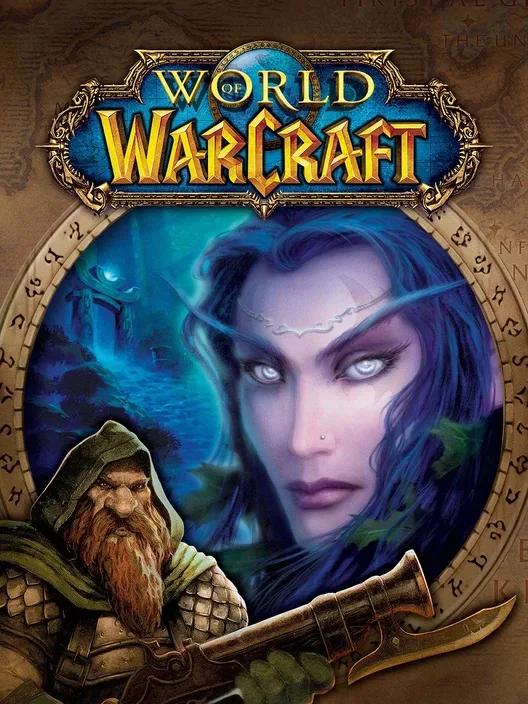
Two decades in, World of Warcraft is still the reference point for what a subscription MMORPG looks like, and the Midnight expansion — part of the ongoing Worldsoul Saga, launched in March 2026 — is a reminder of why. It adds new zones, a Void-themed Demon Hunter specialization, a long-requested player housing system, and the Labyrinths megadungeon format, all under a straightforward monthly fee of roughly $14.99 that unlocks the current expansion alongside Classic and progression servers. That flat subscription is blunt but honest: there's no cash shop pressure shadowing every purchase decision, unlike several newer entries on this list. Raid tiers, Mythic+ dungeon scaling, and PvP ratings all give endgame players a constantly refreshed set of goals, and the addon ecosystem lets players customize the interface to a degree few other MMORPGs allow. The honest drawback: two decades of accumulated systems and story make onboarding genuinely daunting for a new player, and the subscription-plus-expansion model means the entry cost is higher than most of the free-to-play games on this list.
3. Guild Wars 2#
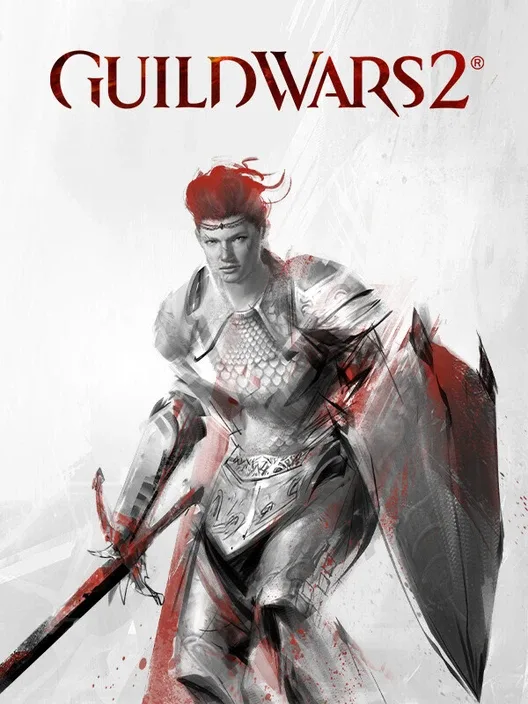
ArenaNet's MMORPG remains the strongest case against the subscription model: buy the base game and its expansions once, and there's no recurring fee ever again. Visions of Eternity, released in October 2025, follows 2024's Janthir Wilds, and owning both unlocks a shared new homestead map alongside their own story content, maps, and Masteries — the account-wide, horizontal progression system that lets characters keep growing after hitting the level cap without endlessly inflating numbers. The megaserver system, which quietly shuffles players between overflow instances of the same map, means even years-old zones stay populated instead of turning into ghost towns the way aging content does in most other MMORPGs. Structured PvP and the World vs. World mode, where entire servers fight over persistent territory, also give it competitive structures most story-focused MMORPGs don't bother building. The honest drawback: horizontal progression means gear stops mattering fairly early, which is a relief for some players and a reason it never feels like a "hardcore" MMORPG for others, and the expansions still add up in cost over years even without a subscription.
4. Old School RuneScape#
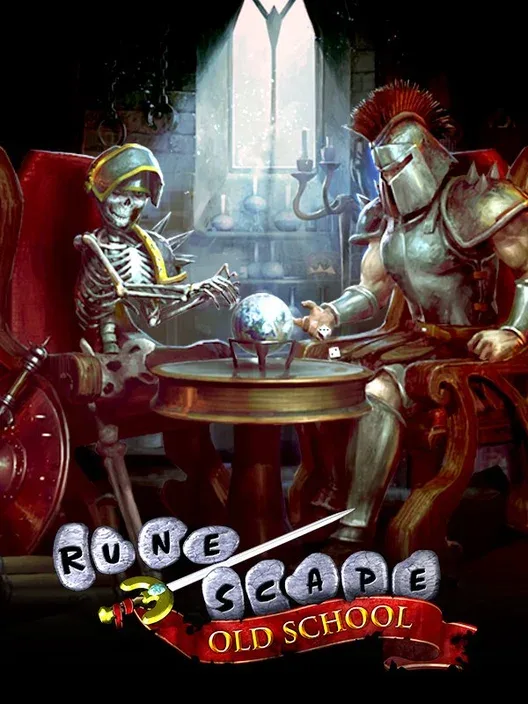
Jagex's preserved 2007 version of RuneScape is proof that a deliberately old-fashioned MMORPG can still be one of the biggest games in the genre: it hit a new record of over 240,000 concurrent players in August 2025, and November 2025's Sailing update was the game's first entirely new skill in years, added the same way every major OSRS update is added — voted on directly by the player base before development even starts. That community-poll system is the game's real distinguishing feature among MMORPGs: nothing ships without majority player approval, which keeps the design conservative but also keeps the playerbase genuinely invested in what gets built. The skill-based, classless progression system, where a character is defined entirely by which of dozens of skills have been trained, gives it a structural depth that class-based MMORPGs on this list don't offer in quite the same way. The honest drawback: the tile-based, deliberately dated presentation is a real barrier for players used to modern MMORPG production values, and the grind-heavy skilling philosophy that longtime players love is exactly the thing that puts newcomers off within the first few hours.
5. Star Wars: The Old Republic#
BioWare's story-heavy MMORPG changed hands to Broadsword Online Games, and under that new stewardship it's still being actively developed rather than quietly wound down: Update 7.9, "Legacy Reborn," wraps up the current story arc as a lead-in to the 8.0 expansion, "Masters of the Force," due this holiday season with a level cap increase to 85, a new gearing system, and the Twi'lek homeworld Ryloth as an explorable planet. The eight fully voice-acted class stories at launch remain the game's real legacy — no other MMORPG on this list built its leveling experience around distinct, branching narratives for every class, and the light-side/dark-side choice system ties morality mechanically into how a character's abilities and appearance evolve. Group content built around Star Wars's specific power fantasy — lightsaber duels, Force powers, and starfighter combat woven into the MMO structure — gives it a flavor nothing else on this list can copy. The honest drawback: the aging engine shows in character animation and crowd density compared to newer entries, and Free Trial restrictions plus a fairly aggressive cash shop noticeably gate the experience for anyone who won't subscribe.
6. The Elder Scrolls Online#
ZeniMax Online's MMORPG made its biggest structural change in years for 2026: starting with Season Zero, all new zones, storylines, and mechanics arrive free for every player, replacing the yearly paid-chapter model the game had run on since Morrowind's expansion back in 2017. The optional ESO Plus subscription still exists for a large DLC back-catalog, crafting bag storage, and a monthly cosmetic currency allowance, but it's no longer required to keep up with the story going forward the way a paid chapter used to be. One Tamriel's zone-scaling system, which lets a character explore almost any region at almost any level, remains one of the more elegant solutions in the genre to the "old zones go empty" problem that plagues level-gated MMORPGs. Faction-based Cyrodiil PvP, where three alliances fight over an entire persistent map rather than an instanced arena, gives it one of the more ambitious large-scale PvP systems on this list. The honest drawback: dropping the big paid-chapter cadence also means losing the single unifying "this year's story" event that gave past expansions their weight, and it's too soon to know if the free seasonal model can sustain that same scale of ambition.
7. RuneScape#
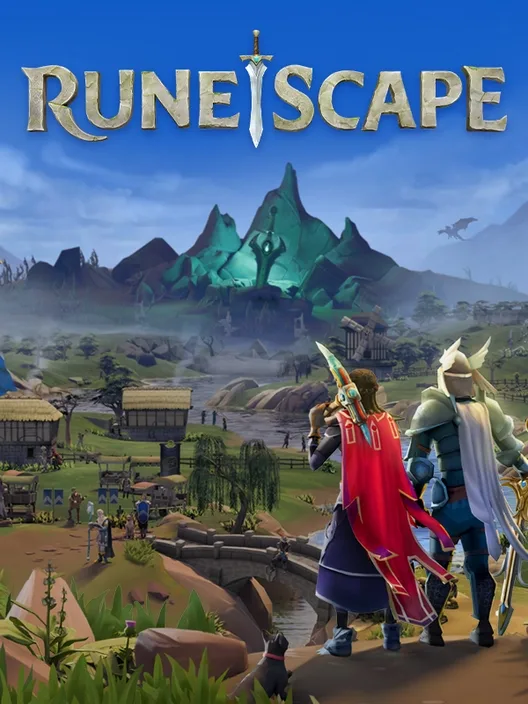
Jagex's other, continuously modernized MMORPG is a genuinely distinct game from Old School RuneScape rather than the same thing with better graphics — where OSRS is a frozen 2007 client kept alive by player vote, RuneScape is the version that never stopped evolving, and a 2026 combat modernization update reworking Melee, Magic, and Ranged abilities and raising combat skill caps shows it's still willing to overhaul its own foundations. That willingness to change is both the appeal and the risk: over two decades, systems like the Grand Exchange trading hub, Prayer and Summoning skills, and fully 3D combat animations built a version of the game that looks and plays nothing like its 2001 origins, while OSRS deliberately stayed put. Players who want one of the deepest, longest-running skill trees in any MMORPG — over two dozen trainable skills feeding into each other — will find few games on this list matching that specific kind of progression breadth. The honest drawback: splitting marketing and community attention between two versions of the same game confuses newcomers about which one to actually pick, and RuneScape's population and cultural footprint now sit somewhat behind OSRS's.
8. EVE Online#
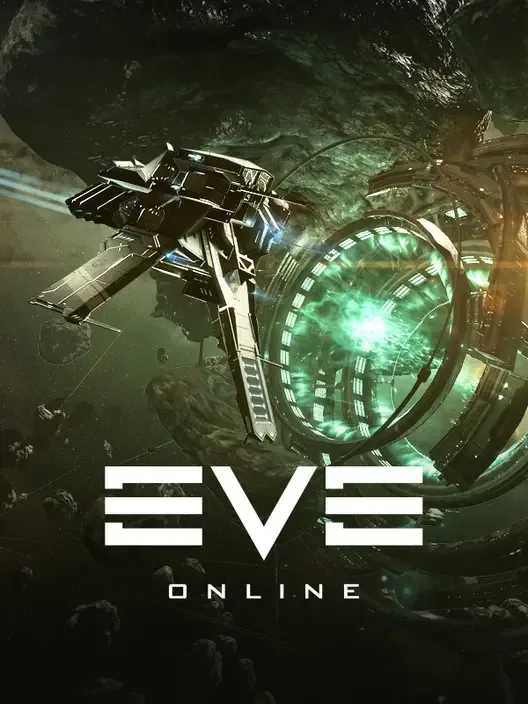
CCP Games' single-shard science-fiction MMORPG puts every player in one shared universe rather than splitting them across separate servers, and 2026 has been a genuinely strong year for it: the Revenant expansion drove a daily peak of 48,764 players in November 2025, and CCP reported $82.7 million in 2025 revenue, its strongest year in over a decade, funded mostly through Omega subscriptions and PLEX. What makes EVE unlike anything else on this list is the stakes: ships and cargo are permanently lost on destruction, the player-run market runs on real supply and demand across thousands of star systems, and large-scale fleet battles between player corporations have genuinely made news outside the gaming press for the amount of real money destroyed in a single fight. Player-driven politics — alliances, spy networks, wars over territory that can run for years — give it a social and economic depth that no scripted MMO content can fake. The honest drawback: the learning curve is famously brutal even by MMORPG standards, losing a ship represents a genuine setback rather than a minor inconvenience, and casual players who don't want that risk exposure will bounce off it fast.
9. Throne and Liberty#
NCSoft's action-combat MMORPG launched in October 2024 with a peak of 332,000 concurrent players and then lost the overwhelming majority of them within months over monetization backlash — the kind of collapse that would sink most live-service games for good. Instead, a June 2026 update replacing the confusing original progression with a cleaner Item Level plus Inheritance system, adding the Nix region, and raising the level cap to 60 drove a roughly 36% month-over-month rebound, and the game has held steady in the 20,000–35,000 concurrent range since. The weather- and time-of-day-driven world events and the shapeshifting system, letting characters transform into powerful animal forms mid-fight for a limited time, are still the most distinctive things it does that other MMORPGs on this list don't. NCSoft has openly said it wants to reuse this hybrid monetization model — a premium base experience layered with cosmetic and time-saver purchases — as the blueprint for future titles like Aion 2. The honest drawback: the initial launch damaged trust badly enough that a meaningful share of the potential audience never came back to see the fixes, and it's still a much smaller game today than its launch numbers suggested it could be.
10. The Lord of the Rings Online#
Standing Stone Games' long-running adaptation of Tolkien's world is entering its sixteenth year with genuine new ambition rather than coasting on nostalgia: the Wolves of Mordor expansion, announced at Gen Con in 2026 and due later this year, sends players into Nan Ogol, Parth Rhavas, and Heledhris to fight the Daugrim — Middle-earth's own take on werewolves — while kicking off a new epic story arc called Verses of Victory. Two new systems arrive alongside it: Survival Instincts, a region-specific account-wide progression system that echoes Guild Wars 2's Masteries, and Neighbours, which sends NPCs to visit and build relationships inside player housing. The game's core identity remains its faithfulness to the source material — walking the actual geography of the books, region by region, in a way no other Tolkien game has attempted at this scale, with the classic Session Play feature letting a player briefly become Aragorn, Gandalf, or another canon hero. The honest drawback: fifteen-plus years of accumulated expansions make the leveling path genuinely confusing for a brand-new player, and a cosmetic-and-convenience cash shop sits on top of the expansion-purchase model.
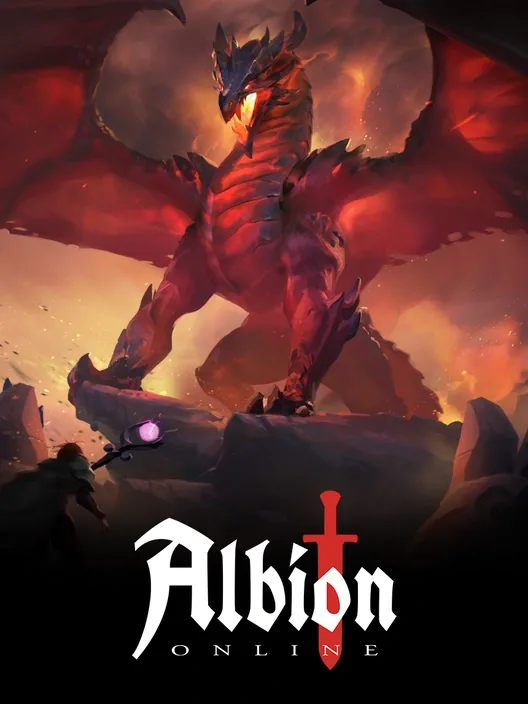
11. Albion Online#
Sandbox Interactive's fully cross-platform MMORPG — the same servers on PC, mobile, and consoles — builds its entire identity around a full-loot player economy: every weapon, piece of armor, and building is player-crafted from resources other players gathered, and dying in the open world's riskier zones means losing whatever gear was equipped. The classless "you are what you wear" system, where equipped gear defines available abilities rather than a fixed class choice, forces genuine build flexibility that most MMORPGs lock behind an entire alternate-character system. Guild-owned territories and the Roads of Avalon, a procedurally shifting dungeon network connecting regions, give large guilds a genuine reason to organize logistics and defense the way a real-world territorial power would. The honest drawback: the full-loot PvP that defines the game's identity is also its biggest barrier to entry, since losing everything equipped to another player in an open-world fight is exactly the kind of stakes many MMORPG players specifically play to avoid, and recent weekly player counts have trended down noticeably even as the game keeps a loyal core.
12. Dungeons & Dragons Online#
Standing Stone Games' adaptation of tabletop Dungeons & Dragons rules stands apart from every other entry on this list mechanically: dungeons are hand-built, trap-and-puzzle-filled instances rather than procedurally similar tab-target rooms, and a character's build genuinely determines how a dungeon plays rather than just how fast enemies die. The rules foundation — pulled from D&D 3.5 with later 5th-edition-inspired additions — gives it character build depth that few other MMORPGs bother replicating, with multiclassing and feat choices that meaningfully change which of a dungeon's traps and secret doors a character can even interact with. Its adventure-pack monetization, selling individual dungeon packs rather than a subscription or a single expansion, means players can buy exactly the content they want to play rather than an entire tier of unrelated systems. The honest drawback: the population is genuinely small now — daily averages in the low hundreds on Steam alone — which makes grouping for its best, hardest-designed content slower than it deserves, and the visuals are dated even relative to other long-running MMORPGs on this list.
13. Black Desert Online#
Pearl Abyss's action-combat MMORPG trades tab-targeting for a real-time combo system closer to a character-action game than a typical MMORPG, which gives combat a mechanical skill ceiling most of this list doesn't reach. Its life-skill economy — fishing, cooking, trading, and node-based worker empires that run and produce resources even while a player is offline — is arguably the deepest crafting-and-economy simulation on this list, running in parallel with combat progression rather than as an afterthought. The game's standalone narrative cousin, Crimson Desert, launched in March 2026 as its own separate premium title rather than a Black Desert Online expansion, which has let the MMO itself keep evolving on its own track without competing for the studio's attention. The honest drawback: the Value Pack subscription-style convenience purchases and other monetization aimed at reducing marketplace fees and boosting drop rates have drawn persistent, fair criticism for nudging serious players toward spending, and the endgame grind for top-tier gear is notoriously long even by MMORPG standards.
14. Project: Gorgon#
Elder Game's indie MMORPG left Steam Early Access in January 2026 after roughly eight years of development, launching with the new Statehelm zone and a Crafting Epiphanies system, and had to open a third server within a week because concurrent players kept climbing — reaching a new peak of 4,126 in February 2026 alongside roughly 80% positive Steam reviews. Its skill-based, classless progression harks back to older-school sandbox MMORPGs: dozens of interlocking skills, including genuinely strange ones like animal transformation and cooking-based buffs, mean a character's identity comes from which combination of skills got trained rather than a fixed class choice. Built by a small team rather than a major publisher, it leans hard into design ideas larger studios tend to avoid, like consequence-heavy death penalties and NPCs who remember what a player has done. The honest drawback: it's a genuinely small-studio production, and the presentation — animation, UI polish, overall visual fidelity — reflects that budget far more plainly than any other entry on this list.
15. Dofus#
Ankama's tactical, turn-based MMORPG plays combat on an isometric grid rather than in real time, closer to a strategy game than the action or tab-target combat every other entry on this list uses, and 2026 marks a genuinely ambitious new chapter: a seasonal roadmap built around six Primordial Dofus artifacts and four major updates across the year, opening with Emerald Season and closing with Ebony Season's Update 3.8, a story milestone that permanently changes the role those artifacts play. The turn-based positioning system — spell range, line of sight, and terrain height all matter on a fixed grid — rewards planning over reflexes in a way that gives it a genuinely different skill identity from the rest of this list. Ankama's 25th anniversary falls in 2026 as well, and the studio has used the milestone to invest in interface and clarity improvements guided directly by player feedback from its Dofus Lab initiative. The honest drawback: turn-based tactical combat is a real taste barrier for players expecting the moment-to-moment action most MMORPGs default to, and its distinctly French art style and humor don't land with every audience the way a more generic fantasy aesthetic might.
16. EverQuest#
Daybreak's 1999 original is still alive and still being supported twenty-seven years later, marking its anniversary in March 2026 with community events and a teased 2026 expansion built around "demiplanes" and a shifting "fortune's wheel," even if the full details hadn't been announced as of this writing. The genre-defining group-dependency design that EverQuest introduced — meaningful content that's genuinely difficult or impossible solo, forcing real coordination between tank, healer, and damage roles decades before that became an MMORPG cliché — is still intact, and its newer Time-Locked Expansion servers, including the recently announced Lethar server, let players relive that classic-era progression from scratch with a community that opted in specifically for it. The honest drawback: the interface and visual presentation are dated even by old-MMORPG standards, and the mandatory grouping that gives the game its historical importance is also exactly what makes it one of the least accessible entries on this list for a solo player in 2026.
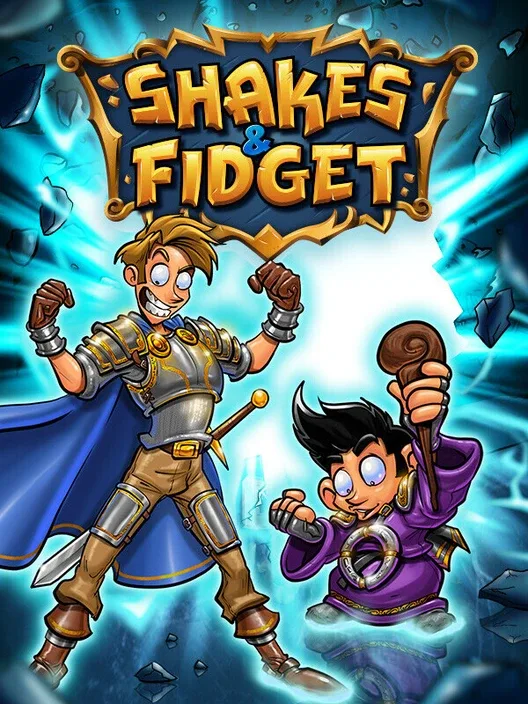
17. Shakes and Fidget#
Playa Games' browser-and-mobile MMORPG has been running since 2009 and is still being actively developed, with a Blood Weaver class beta in August 2026 and an Arena Manager rework beta that reworked the skill tree and its onboarding tutorial. It's one of the more unusual entries on this list structurally: much of the gameplay is click-driven and idle-adjacent, with quests and dungeon runs resolving automatically over real time rather than through direct real-time control, closer to an idle game wearing MMORPG clothing than a traditional action MMO. Its self-aware, satirical fantasy tone — parodying genre tropes rather than playing them straight — gives it a personality distinct from every other entry on this list, and its guild and PvP arena systems still provide the genuine persistent-world social structure that defines the genre despite the lighter engagement model. The honest drawback: the largely automated, wait-timer-driven gameplay loop is a poor fit for players who want direct, moment-to-moment control over their character, and the comedic, low-budget presentation is a real turn-off for players expecting a more conventionally serious MMORPG.
18. Lost Ark#
Smilegate's isometric action-RPG-turned-MMORPG, published in the West by Amazon Games, is the clearest case on this list of a genre giant in decline: it peaked at 1,325,305 concurrent Steam players in February 2022, and by mid-2026 had fallen roughly 94% from its more recent 2024 peak, down to a daily range in the low thousands to low tens of thousands. What still earns it a spot here is the structure underneath the decline — a real persistent continent map, player-run trading, guild systems, and raid-tier endgame content that meaningfully requires coordinated groups, not just solo-friendly matchmaking content wearing MMO branding. The Tier-based gear progression and its genuinely demanding, mechanically intricate raid encounters remain some of the most technically impressive boss design in the genre, built around precise pattern-reading rather than pure stat checks. The honest drawback: the population collapse is severe enough that finding groups for its hardest, most rewarding raid content increasingly depends on a shrinking pool of committed veterans, and revenue and spending have declined every year since the 2022 launch peak.
19. Rift#
Trion Worlds' 2011 MMORPG pioneered the dynamic world-event system — Rifts tearing open and spilling enemies into the world unscripted, pulling nearby players into an impromptu fight — that plenty of later MMORPGs would borrow in less literal form. In 2026 it sits firmly in maintenance mode rather than active development: no major expansions are coming, but small updates and community events keep arriving, and the current population, tracked at roughly 1,100 to 1,800 concurrent players in September 2026, has actually trended slightly upward over the past month rather than continuing to shrink. Its Soul system, letting a character combine three different subclasses into one build simultaneously, still offers one of the more flexible class-customization systems in the genre even on a game this old. The honest drawback: this is squarely a legacy MMORPG now, supported by a smaller, loyal community rather than competing for new players against anything else on this list, and its production values reflect fifteen years without a major visual overhaul.
20. New World: Aeternum#
Amazon Games' MMORPG, relaunched and rebranded as Aeternum in 2024 after fixing much of what critics flagged at the original 2021 launch, has settled into a genuinely small population — current Steam counts sit in the low hundreds to low thousands, against a launch peak north of 900,000. What's left is a competent, faction-based PvP and crafting MMORPG: territory wars between the game's three factions, a deep gathering-and-crafting economy, and weapon-mastery trees that let a character swap combat roles by switching equipped weapons rather than rerolling an entirely new character. That flexibility, plus real-time, non-tab-target combat, still gives it a distinct identity among the other entries here. The honest drawback: the population decline is severe enough to be the defining fact about the game today, and faction warfare and large-scale PvP — the systems the game leans on hardest — specifically need the kind of server density Aeternum increasingly doesn't have.
Why some familiar names aren't here#
Several games that show up around the internet — and on parts of this site — tagged as MMORPGs didn't make this list because they don't meet the definition above, and the gap matters. Monster Hunter: World, Path of Exile, Path of Exile 2, Dragon Ball: Xenoverse 2, Destiny 2, Diablo IV, and Tom Clancy's The Division are all built around instanced missions, lobbies, or raids for small squads rather than a persistent open world thousands of players share at once — genuinely good games, in several cases, but not MMORPGs by the definition this list uses. Bleach: Brave Souls is a mobile gacha action game, and RPG Maker MV is a creation tool, not a game to rank at all. Stalzone and PlayM2M were investigated individually: Stalzone turned out to be an extraction shooter with persistent character progression rather than an MMORPG, and PlayM2M, while a genuine attempt at the genre, is still in early access with too thin a track record to recommend as one of the best MMORPGs available today. WildStar and ArcheAge were excluded because their Western service has actually ended — WildStar's servers closed in 2018, and ArcheAge's North American and European servers shut down in 2024, leaving only unofficial private servers behind. Legend of Ymir, a real 2026-launched MMORPG, was left off for a more basic reason: it currently sits at roughly a quarter positive user reviews and a small, shrinking player count, which is a real reception problem rather than an editorial technicality.
This ranking blends Game Avant's aggregate critic and player rating data with a real minimum sample size requirement, so a handful of early reviews can't swing a score before enough people have actually weighed in. Unlike a purely automatic, tag-based ranking, every entry on this specific list was also manually checked against what actually makes a game an MMORPG, because this is one of the genres most frequently miscategorized against neighboring online-RPG and looter-shooter genres that share surface-level features but not the underlying structure. What you're reading is meant to work as a live, checked snapshot of the best mmorpg games worth playing right now — not a permanent verdict, since server populations, expansions, and monetization models in this genre change constantly, and the list will be revisited as they do.