
Ultima Online
Massively Multiplayer Online (MMO) · Role-playing (RPG) · Open world · pay-to-play · paladins
Game page →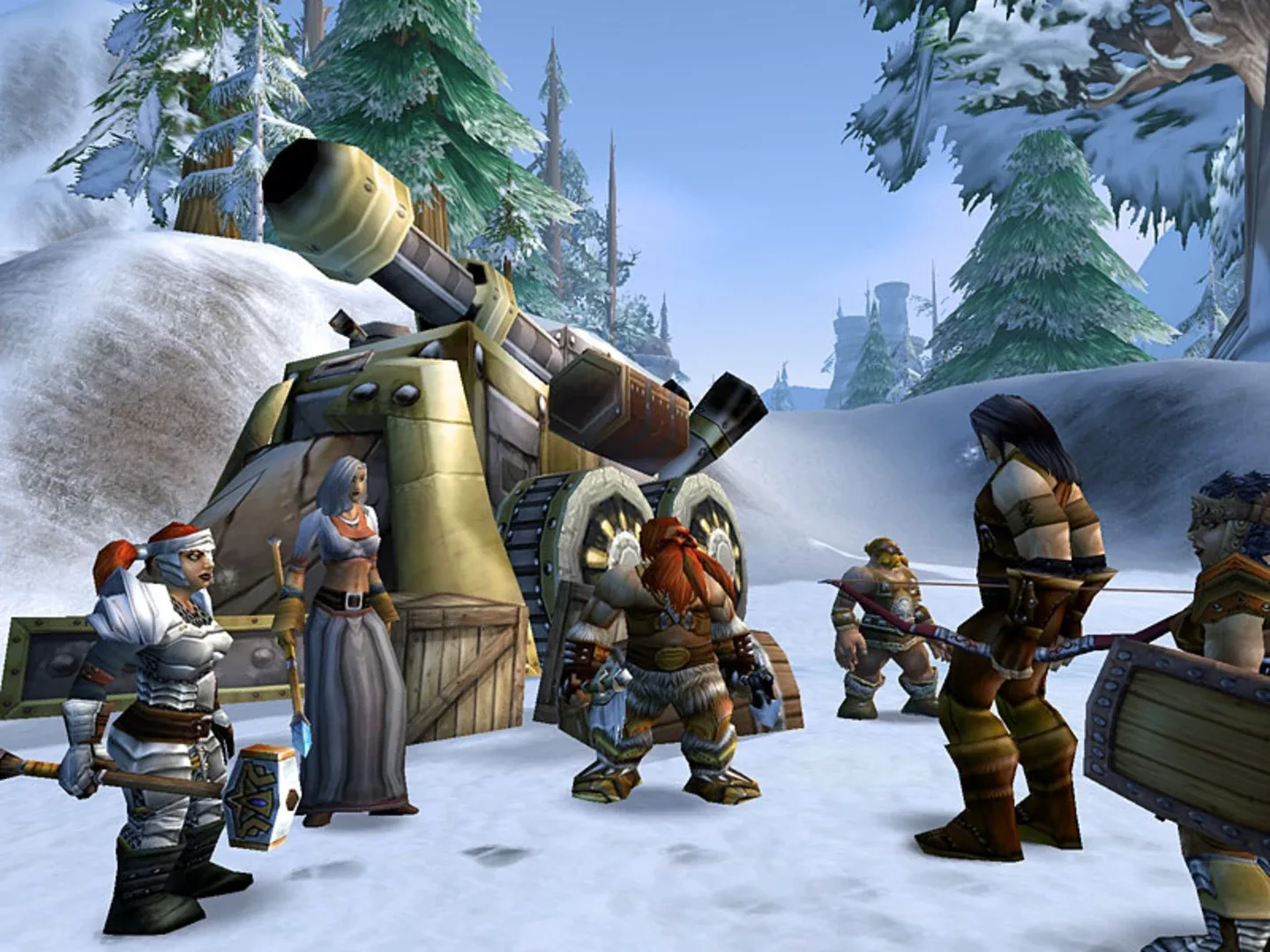
Game profile
Blizzard's long-running MMORPG set in the Warcraft universe, where players create a character from one of several playable races and classes to quest, raid, and explore the world of Azeroth alongside thousands of other players. Is it your kind of game?
Choose what matters to you
Every question is optional.
How do you want to play?
How do you like to find your way?
Based on your choices
Pick what matters to you above and the result shows up here.
IGDB
85%
900 ratings
Fits you if
you want a persistent online world with deep character progression, group content and a huge amount of lore to explore.
Skip it if
you want a short, self-contained story rather than an ongoing, subscription-based live-service world.
World of Warcraft is Blizzard Entertainment's massively multiplayer online role-playing game, released in 2004 and set in the Warcraft universe previously explored through the Warcraft real-time strategy series. Players create a character by choosing a race — from humans, dwarves and elves to orcs, trolls and undead, with more races added over the years — and a class such as warrior, mage, priest or hunter, then level that character up by completing quests, exploring the world, and fighting monsters across the continents of Azeroth and the many other realms added since launch. The game is built around two broad factions, the Alliance and the Horde, which shape which races and starting zones are available to a given character and frame much of the game's conflict-driven questing, though players from both factions ultimately share the same end-game systems. Questing forms the backbone of the leveling experience: quest-givers scattered across the world hand out objectives that range from simple monster hunts to multi-stage storylines, rewarding experience, gold, and equipment as characters progress from their starting zone through successive regions tuned to their level. At max level, the game shifts toward repeatable end-game systems built around gearing up a character: dungeons are smaller group instances designed for a handful of players working through a linear sequence of encounters, while raids scale that same structure up to larger groups tackling more elaborate, multi-phase boss fights that demand coordinated strategy, specific character roles (tanking, healing, and dealing damage), and often many attempts to learn a fight's mechanics before succeeding. Player-versus-player content runs in parallel, from open-world conflict in contested zones to structured battlegrounds and arenas where small teams or larger groups fight each other directly for rewards and competitive rankings. Beyond combat, the game includes a wide set of secondary systems: professions let characters craft weapons, armor, consumables and other goods, or gather raw materials like ore, herbs, and leather to feed those crafting trees; a largely cosmetic transmogrification system lets players change the appearance of their gear independently of its stats; and player housing, mounts, pets, and other collectibles add long-term goals outside of pure combat progression. Since its original release, the game has been extended through a long series of story-driven expansions, each adding new continents, races, classes, and max-level content while revising systems from earlier expansions, meaning the game a new player encounters today differs substantially in scope and mechanics from the 2004 original, even as the core loop of questing, dungeons, raids and PvP has stayed largely consistent across two decades of updates. Groups form around specific roles during dungeons and raids, with tanks absorbing enemy attacks, healers keeping the group alive, and damage dealers focused on defeating bosses within time limits, and most classes can fill more than one of these roles depending on how a player chooses to specialize. Talent systems let players further customize a character within their class, picking between different play styles, and the game continues to track player achievements, reputation with various in-game factions, and a long history of past expansions through its character profile, giving long-term players a visible record of years of accumulated progress.
Massively Multiplayer Online (MMO) · Role-playing (RPG) · Open world · pay-to-play · paladins
Game page →
Massively Multiplayer Online (MMO) · Role-playing (RPG) · raiding · rangers · player vs environment
Game page →
Massively Multiplayer Online (MMO) · pay-to-play · guild · Role-playing (RPG) · grinding
Game page →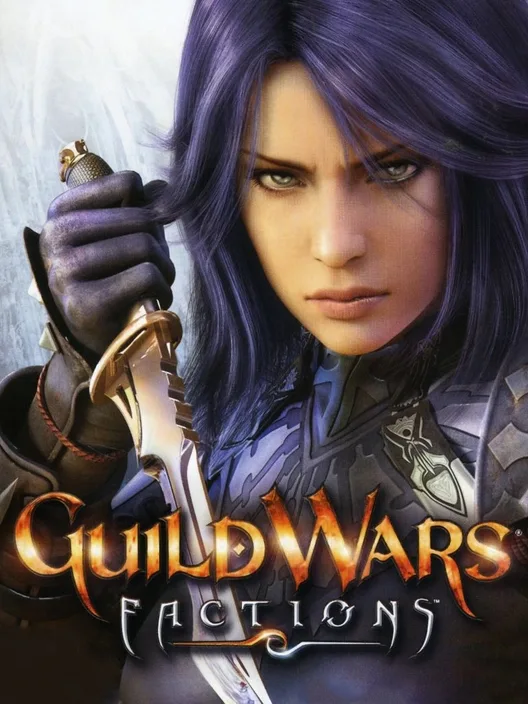
Massively Multiplayer Online (MMO) · Role-playing (RPG) · raiding · rangers · player vs environment
Game page →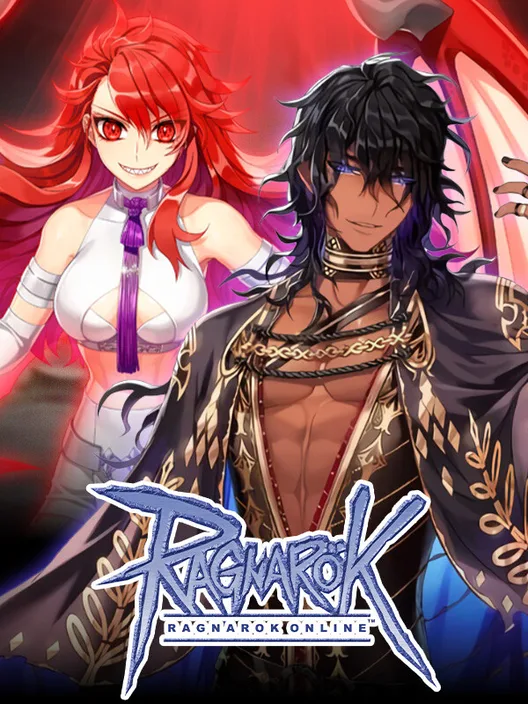
Massively Multiplayer Online (MMO) · Role-playing (RPG) · pay-to-play · paladins · dinosaur riding
Game page →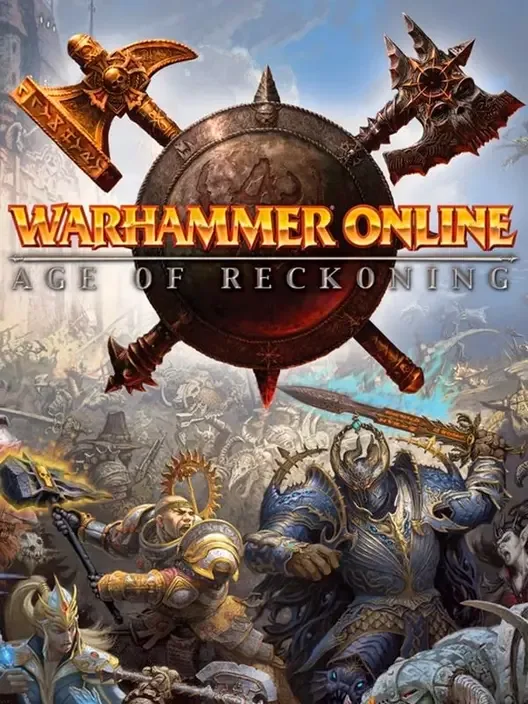
Massively Multiplayer Online (MMO) · Role-playing (RPG) · raiding · pay-to-play · hotkey
Game page →