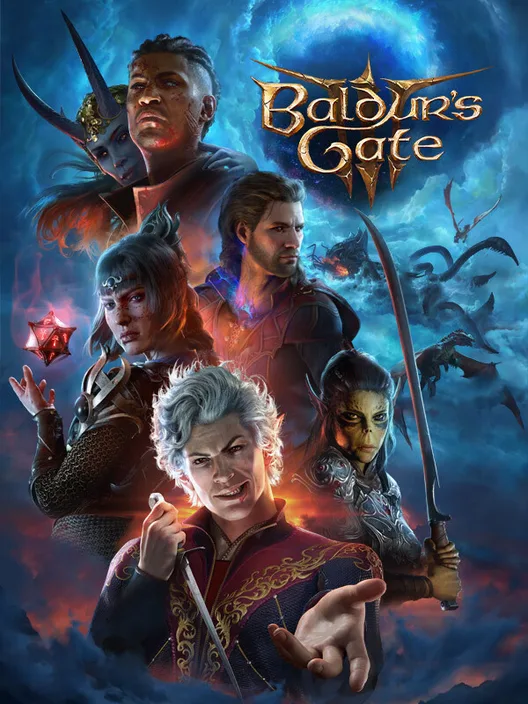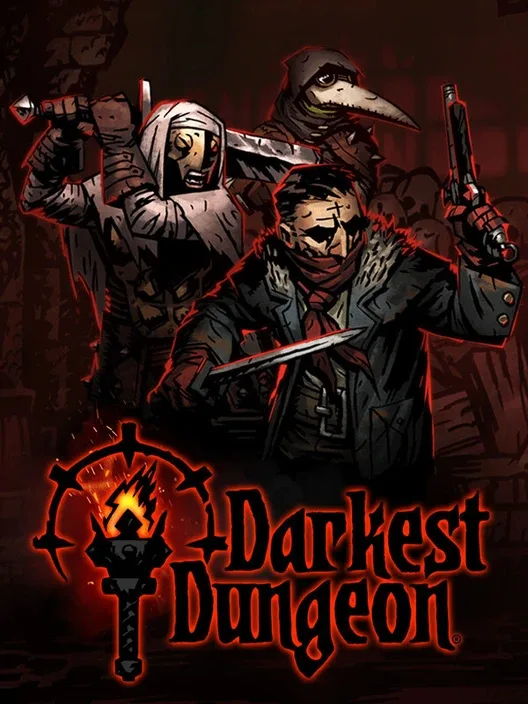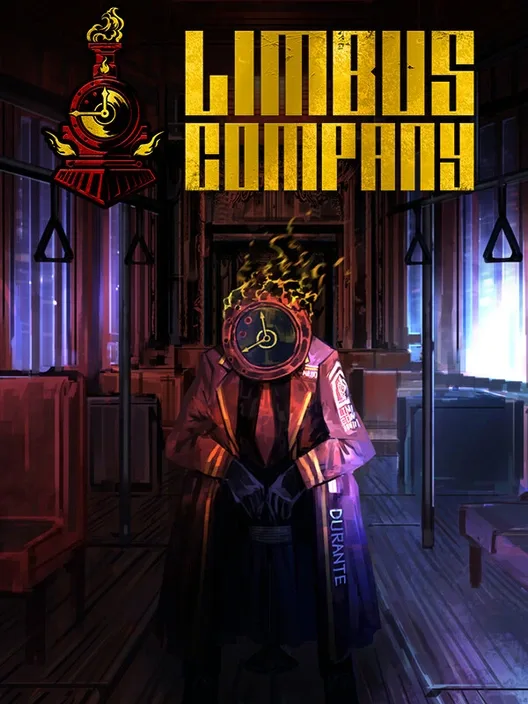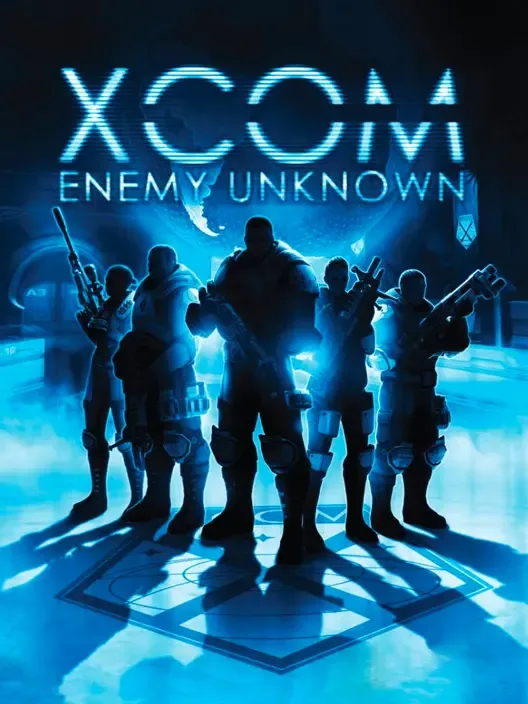
 Clair Obscur: Expedition 33
 Persona 3 Reload
 Fallout 2
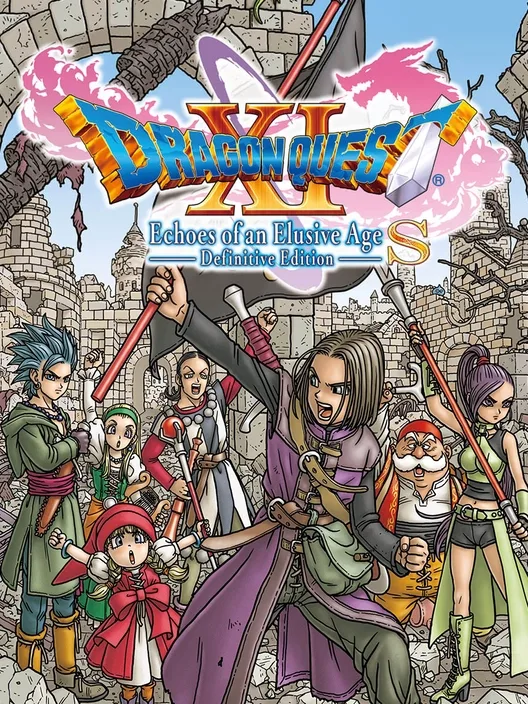 Dragon Quest XI S: Echoes of an Elusive Age - Definitive Edition
 Bug Fables: The Everlasting Sapling
This is Game Avant's own ranked list of the best turn-based RPGs, or turn based role-playing games, right now, built from the site's combined critic-and-player rating data rather than picked by hand. "Turn-based RPG" on this page means games where combat resolves through discrete, alternating turns selected from a menu, giving a player unlimited time to weigh options rather than requiring the reflexes an action RPG demands. That's a narrower, mechanics-first slice than the JRPG subgenre page, which groups games by cultural and stylistic lineage rather than combat structure, and it's a different axis entirely from the tactical subgenre, where grid positioning and unit movement carry as much weight as the turn order itself. A game can appear on more than one of these lists when it genuinely qualifies on both counts, but the write-up here focuses specifically on how each game's turn order, action economy, and menu-driven decision-making work.
The order below comes from blending IGDB's aggregate critic score with Steam's own user review percentage, applied only to games with a real sample size behind the number, and it shifts as more people rate these games or as new ones join the catalog with enough reviews to be scored fairly. Read the write-ups below for what each of these best turn-based RPGs actually does well and where it falls short.
1. The Legend of Sword and Fairy#
Softstar Entertainment's 1995 Taiwanese RPG remains one of the most culturally significant games in Chinese-language gaming history, credited with helping legitimize the domestic games industry at a time when the market was dominated by imports. Its turn-based combat blends wuxia and Chinese mythology with genre staples like elemental affinities, and party members act in a fixed sequence determined by speed stats, giving fights a readable rhythm rather than a purely reactive scramble. A distinct crafting-and-alchemy system for consumables supplements the turn-based combat with pre-fight preparation, rewarding players who stock up before a dungeon over those who rely purely on grinding levels. The love story between protagonist Li Xiaoyao and the tragic Zhao Ling'er became a genuine cultural touchstone across the Chinese-speaking world, spawning a franchise, a TV adaptation, and decades of nostalgia-driven remasters. The game's multiple endings, branching on relationship choices made across the story rather than a single final decision, gave it replay depth ahead of many Western contemporaries. The honest drawback: the game's age shows heavily in its interface and translation quality for non-Chinese-speaking audiences, and later entries in the franchise are, by most accounts, more mechanically refined than this foundational original.
2. Clair Obscur: Expedition 33#
Sandfall Interactive's 2025 debut keeps a traditional turn-based menu structure — select an action, resolve it, pass the turn — but layers real-time dodges and parries onto every enemy attack, meaning a fight against Expedition 33's painters can be lost entirely to bad reflexes even with a perfectly optimized turn order. The Lumina and Pictos systems let characters equip passive effects lifted from earlier fights, so late-game builds can stack unlikely combinations, like a tank character built around counterattacking every parry, that the game never explicitly points players toward. Gustave, Lune, Maelle, and the rest of the expedition each play distinctly enough within the turn-based structure that switching a lead character mid-fight changes the whole approach rather than just the character model. The turn order itself is displayed as a visible timeline that skills can manipulate, pushing enemies back or pulling allies forward, adding a tactical layer most menu-based RPGs don't offer. The honest drawback: the parry-timing demands are unforgiving enough that players who want a purely turn-based, strategy-first RPG experience may find the reflex layer an unwelcome addition rather than a refinement.
3. Fear & Hunger 2: Termina#
Finnish solo developer Miro Haverinen's 2022 survival-horror RPG builds its turn-based combat around a body-part-targeting system where every attack can aim for a specific limb or organ, and losing a limb permanently changes what a character can do for the rest of the run, turning routine encounters into genuinely tense resource-and-risk calculations. The game's turn order factors in weapon speed and stance choices made before combat even begins, so a character committed to a Guard stance trades offense for a chance to block incoming attacks that would otherwise maim or kill outright. Sanity mechanics degrade a character's mental state during extended dungeon crawls, occasionally causing hallucinated enemies or corrupted turn options that blur the line between mechanical challenge and psychological horror. Multiple playable characters, each with wildly different starting stats and one-time unique abilities, mean the same turn-based encounter plays out completely differently depending on who's fighting it. The honest drawback: the game's difficulty is unforgiving by design, with permanent character loss and content some players will find genuinely disturbing, a combination that keeps it a niche pick despite its mechanical ambition.
4. The Legend of Heroes: Trails to Azure#
Nihon Falcom's 2011 entry (localized internationally in 2023) refines the Trails series' turn-based Combat Link system, where paired characters can interrupt an ally's attack to add a follow-up strike, turning party composition into a web of pairing decisions layered on top of standard turn order. The Craft and S-Craft system gives each character unique special moves gated behind a charging AT (action time) gauge visible on the turn-order bar, so timing a big attack means reading the whole party and enemy formation's turn sequence rather than just picking the strongest move available. Orbments, the series' magic-and-stat customization system, let players slot Quartz into a grid that changes which spells and passive bonuses a character has access to, making turn-based build planning as deep as the combat itself. The story's focus on the Crossbell state's political tensions, continuing directly from Trails from Zero, gives the turn-based encounters narrative stakes tied to a specific, unusually grounded setting rather than a generic fantasy backdrop. The honest drawback: the game is a direct sequel that assumes familiarity with Trails from Zero's setup, and the wider Trails series' famously dense, slow-burn political plotting is a real barrier for players wanting faster narrative payoff.
5. Persona 3 Reload#
Atlus's 2024 remake of the 2006 original rebuilds Persona 3's turn-based combat around the One More system, where hitting an enemy's elemental weakness grants an extra action immediately, so a well-read turn order can chain an entire party's abilities together before the enemy acts at all. The Persona-summoning mechanic, tied to the protagonist's Evoker, lets a single character carry multiple Personas and swap between them mid-battle, giving one party member access to a turn-based toolkit as flexible as the rest of the party combined. Social Links, built during the game's calendar-driven daytime sections, directly feed into Persona fusion strength, tying the turn-based dungeon crawling of Tartarus to a separate social-simulation layer running in parallel. The remake's reworked Theurgy system, new to Reload, gives each named party member a unique super-move charged through character-specific in-battle conditions, adding build variety the 2006 original didn't have. The honest drawback: Tartarus, the game's single repeating dungeon, is considerably more monotonous in its floor layouts than the bespoke dungeons of later Persona games, and the remake's changes haven't fully addressed the structural repetition that was a common criticism of the original.
6. In Stars and Time#
Solo developer insertdisc5's 2023 RPG builds its turn-based combat around a time-loop structure borrowed from visual novels, where the protagonist Siffrin repeats the same dungeon crawl over and over, retaining meta-knowledge of enemy patterns and turn-order timing even as the in-fiction party forgets each loop. Combat itself runs on a straightforward turn-based system, but the loop structure means a player can use foreknowledge of a specific turn sequence to set up combos that would be impossible to plan on a first attempt, turning repetition into the core skill-building mechanic rather than a punishment. Craft points, shared across the whole party rather than tracked per-character, force turn-by-turn resource decisions about which character's stronger ability is worth spending them on in a given exchange. The game's narrative, revealed gradually through repeated loops and optional party banter that changes each time, ties directly into why the combat loop exists at all rather than treating the time-loop as a pure gameplay gimmick. The honest drawback: the turn-based combat itself is intentionally simple and takes a back seat to the narrative structure, so players looking for deep tactical combat systems will find comparatively thin mechanics here.
7. Fallout 2#
Black Isle Studios' 1998 sequel runs its combat on a turn-based, action-point system where every attack, reload, and movement step consumes a shared resource pool per character's turn, a direct descendant of tabletop wargaming rather than the more streamlined systems later RPGs adopted. Targeted attacks let players aim specific shots at an enemy's eyes, groin, or limbs during their turn at an accuracy penalty, trading a lower hit chance for effects like blinding or crippling that can decide an entire encounter in one action. The SPECIAL stat system and skill checks gate entire towns and questlines behind specific builds, so a high-Intelligence, low-Charisma character experiences New Reno's questlines completely differently from a smooth-talking Speech build, even outside of combat. Perks chosen at level-up, expanded from the original game's list, let players build toward genuinely different turn-based combat archetypes, from a sniper who never enters melee range to a heavy-weapons build that trades accuracy for raw damage per turn. The honest drawback: several of the game's most infamous questlines and encounters show the seams of a rushed development cycle, and the turn-based combat's pacing can drag in later areas thick with high-HP enemies.
8. Jimmy and the Pulsating Mass#
Solo developer Kasey Ozymy's 2018 RPG (with a 2026 console release) uses a traditional turn-based battle system as the framework for a story that shifts registers repeatedly, from a colorful children's-book fantasy world to genuinely unsettling body-horror territory, with the turn-based combat itself becoming stranger and more mechanically hostile as the tone darkens. Status effects and debuffs in later encounters are deliberately punishing in ways that echo the game's thematic corruption, turning what starts as a straightforward, almost old-school turn-based system into something closer to a psychological gauntlet by the back half. The game's soundtrack and pixel-art presentation lean heavily into a deliberately dated, RPG Maker-adjacent aesthetic that most contemporaries had already moved past by 2018, giving its later tonal shifts more impact through contrast. Multiple party members, recruited across the story's shifting settings, each bring distinct turn-based roles, though the game isn't shy about removing or altering access to them as the plot demands. The honest drawback: the game's central twist and content shift are, by design, disturbing enough that some players will find the tonal whiplash genuinely upsetting rather than merely surprising, and the combat system itself doesn't innovate much beyond genre convention until the story forces it to.
9. Library of Ruina#
Project Moon's 2021 sequel to Lobotomy Corporation abandons its predecessor's management-sim structure for a card-based, turn-based combat system where every character's attacks and defenses are represented by physical cards with dice-roll ranges, and combat resolves as a series of clashes where opposing cards are compared roll-for-roll rather than a simple stat check. Floor Holders and their Library staff face waves of guests in structured battles where positioning cards in advance, rather than reacting turn-by-turn, is the core skill the game demands, a meaningfully different rhythm from a standard select-and-attack turn-based system. Character-specific "Egos," unlocked through story progression, function as powerful once-per-combat abilities that consume a resource built up by winning earlier card clashes, adding a resource-management layer on top of the card combat. The game's dense, frequently nonlinear narrative, told through named guest floors each with their own self-contained arcs, ties directly into which combat encounters the player experiences and in what order. The honest drawback: the card-based combat system has a steep learning curve that departs significantly from typical turn-based RPG conventions, and the game's narrative structure demands a level of attention and patience that will lose players expecting a more straightforward turn-based dungeon crawl.
10. Fuga: Melodies of Steel#
CyberConnect2's 2021 RPG puts a crew of child protagonists inside a giant tank, and turns each character into both a fighter and a literal weapon operator, with turn-based combat split between personal actions and manning the tank's cannons, which are powered by a specific child's own emotional state. Firing a cannon in "Berserk" mode deals devastating damage but pushes the operating child toward a permanent, narratively significant transformation if used too often, turning the turn-based numbers-optimization instinct most RPGs reward into a genuine moral tension. The tank's multiple weapon slots, each requiring a different crew member, mean turn-based positioning decisions are about who's assigned to what role for an entire battle rather than just which move to pick each turn. Bonding events between children, triggered between battles, unlock support skills that alter their combat stats and turn-order behavior, tying the game's found-family narrative directly to its turn-based mechanics rather than keeping them separate. The honest drawback: the game's combat, while mechanically sound, is comparatively short and straightforward next to the genre's longest-running franchises, and the emotionally difficult subject matter involving child soldiers is a real barrier for some players regardless of how the mechanics handle it.
11. Path of Achra#
Solo developer Ulfsire's 2023 roguelike RPG strips turn-based combat down to its barest essentials: no explicit grid, minimal animation, and combat resolved almost entirely through numbers and icons, letting the turn-by-turn decision-making happen at a pace closer to a board game than a traditional JRPG. Character builds combine multiple Castes and Callings, class-like modifiers stacked on top of each other rather than chosen once, so a single turn-based build can layer a dozen passive effects that interact in ways the game deliberately doesn't fully explain, encouraging experimentation over following a guide. Combat itself resolves in rapid, simultaneous turns where the player's full turn and every visible enemy's turn happen in a single compressed exchange, trading the genre's usual one-action-at-a-time pacing for something closer to an instant tactical readout. The game's short run length, with a full campaign completable in under an hour once a player understands the systems, makes it one of the fastest-iterating turn-based RPGs to actually finish a build in. The honest drawback: the minimalist presentation and lack of explicit tutorializing are a real barrier for players who want a traditional turn-based RPG's narrative framing or visual spectacle rather than a stripped-down numbers sandbox.
12. Dragon Quest XI S: Echoes of an Elusive Age – Definitive Edition#
Square Enix's 2019 definitive re-release keeps Dragon Quest's classic turn-based, command-menu combat largely unchanged from the series' decades-old formula, but adds a 2D retro mode that lets players toggle the entire game into 16-bit-style pixel-art turn-based encounters at will, a structural gimmick built directly into the combat presentation itself. The Draconian Quest options, a set of optional difficulty and restriction toggles available before starting a save, let players reshape how punishing the turn-based combat feels, from disabling the ability to flee battles to removing access to mid-battle healing. Character-specific Pep Powers, unlocked when a party member enters a temporary "Pepped Up" state during battle, let two or three characters combine their turns into a single powerful combined attack, rewarding players who track each character's Pep meter across a fight rather than acting on autopilot. The Zoom and Sparkle systems tie the turn-based combat loop to overworld exploration, with treasure and secrets scattered specifically to reward players who explore between story-mandated fights. The honest drawback: the combat system itself is deliberately traditional and doesn't innovate much on the genre's command-menu formula, which some players read as comforting familiarity and others read as a missed opportunity given the game's modern production values elsewhere.
13. Bug Fables: The Everlasting Sapling#
Moonsprout Games' 2019 debut adapts the turn-based, action-command combat structure popularized by Paper Mario — timing a button press to boost an attack's damage or reduce incoming damage — into an original insect-themed setting free of licensing constraints. The three playable bugs, Vi, Kabbu, and Leif, each bring a genuinely different turn-based toolkit: Vi's ranged attacks work best against airborne enemies, Kabbu's horn attacks strike hardest against grounded targets, and Leif's ice magic can freeze specific enemies to skip their turn entirely, so party composition changes which encounters are trivial versus dangerous. Badges, equipped before battle, modify turn-based stats and abilities in combinations that support wildly different playstyles, from a full-offense glass-cannon build to a defensive tank setup that stalls fights out. The overworld itself gates several optional dungeons and superbosses behind specific badge and party combinations discovered through exploration, tying the turn-based build-crafting directly to how much of the world a player has uncovered. The honest drawback: the game leans heavily on its clear Paper Mario influence rather than reinventing the action-command formula, and some late-game turn-based encounters demand precise action-command timing that can feel more reflex-based than the genre's usual pure menu selection.
14. The Legend of Heroes: Trails in the Sky SC#
Nihon Falcom's 2006 sequel (localized in English in 2015) continues directly from Trails in the Sky's cliffhanger and expands its turn-based combat with a significantly larger roster of playable Bracer Guild characters, each slotted into the series' Orbment system, which lets Quartz gems modify both stats and available spells within a turn-based framework built around a visible AT (action time) bar showing upcoming turn order. Combat Links, where a paired ally can add a bonus attack when the active character's turn resolves, reward positioning party members in specific pairs before a fight rather than treating the party roster as interchangeable. Craft and S-Craft abilities, gated behind a charging gauge tracked on the same visible turn-order bar, mean skilled turn-based play involves reading exactly when a powerful move will be available relative to the enemy's next action, not just picking the strongest option each turn. The game's genre-noted plot twist, closing out the two-part Trails in the Sky story, is frequently cited as one of the series' most effective narrative payoffs, built on dozens of hours of turn-based dungeon crawling and character-building groundwork laid in the first game. The honest drawback: the game requires having played the first Trails in the Sky to make sense of its plot and character relationships, and its combat pacing, while refined from the first game, still moves slowly compared to more modern turn-based RPGs.
This ranking is a live, data-driven snapshot of how these turn-based RPGs are currently rated relative to each other, not a fixed, permanent verdict. It shifts automatically as more people rate these games or as new releases join the catalog with enough reviews to be scored fairly — check back as the data changes, because it will.