 Warframe
 Destiny 2
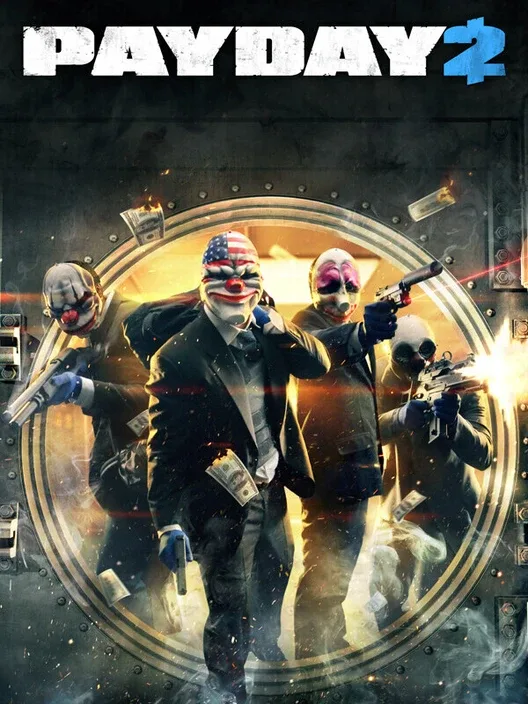 Payday 2
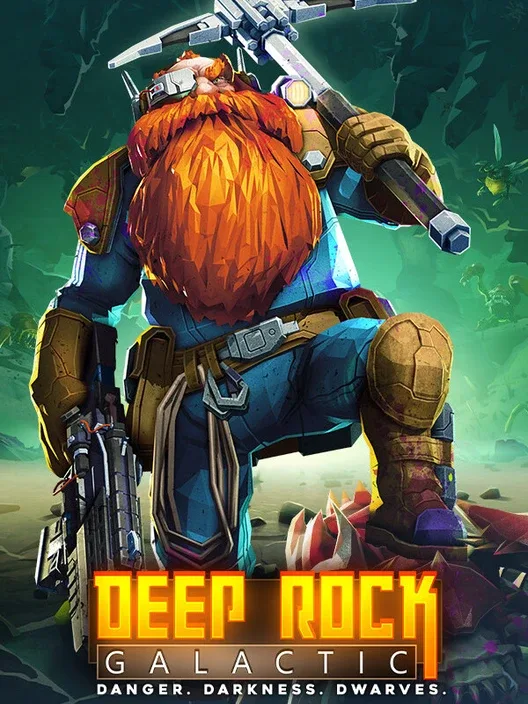 Deep Rock Galactic
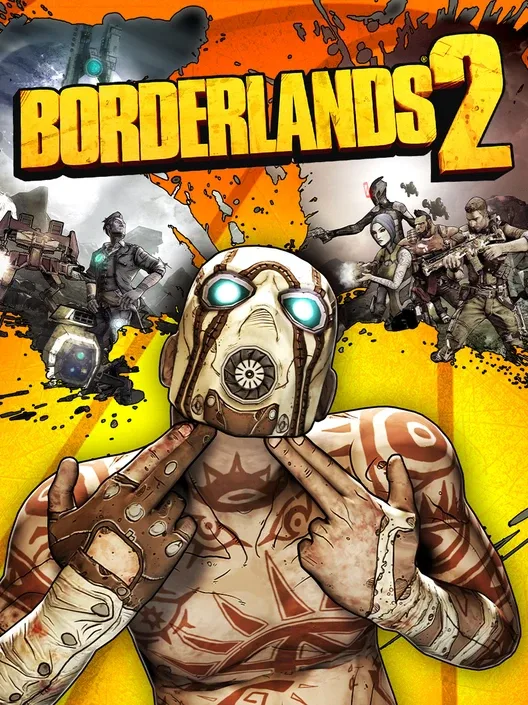 Borderlands 2
"Looter-shooter" on this page means the specific loop that sets this subgenre apart from the rest of Game Avant's shooters coverage: the gun itself is the reward, dropped in randomized rarity tiers with rolled stats that make a fresh pickup a genuine decision rather than a straight numeric upgrade, and the campaign or mission structure exists largely to keep generating reasons to chase the next one. That's a different center of gravity than a straight first- or third-person shooter, where a fixed, hand-tuned arsenal is part of the design rather than the reward, and it's different from a battle royale's one-and-done match structure, where loot resets to nothing every round instead of building toward a persistent stash. Several games below also show up on this site's other shooter subgenre pages, since a looter-shooter's camera and moment-to-moment combat can just as easily be first-person or third-person — what puts a game on this specific list is the itemization loop underneath it, not the camera angle.
The order below blends Game Avant's combined critic-and-player rating data with an editorial pass for breadth, curated rather than a pure percentage sort, mixing the genre's biggest, most influential names with smaller co-op and roguelite-flavored takes on the same loot-chasing structure. Read the write-ups below for what each of these best looter-shooters actually does and where it falls short.
1. Warframe#
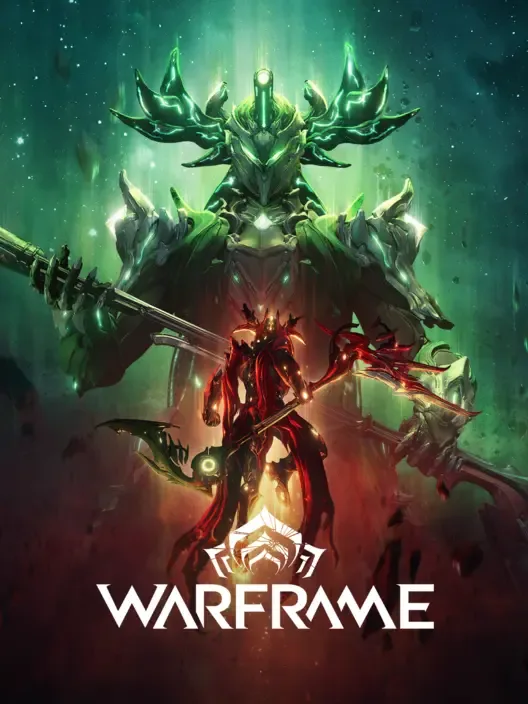
Digital Extremes' free-to-play shooter, launched in 2013 out of assets originally built for the studio's earlier game Dark Sector, casts players as ancient Tenno warriors piloting powered exosuits called Warframes, each with a distinct set of four abilities and its own itemization identity, since a Warframe itself is effectively the game's rarest and most build-defining loot category rather than just a character skin. The mod system, where nearly every weapon and Warframe ability is shaped by a stack of drop-collected, upgradeable mod cards rather than a fixed skill tree, gives the game a genuinely unusual itemization structure where the same rifle can play completely differently depending entirely on which mods happen to be socketed into it. Riven Mods, ultra-rare weapon-specific upgrades with randomized, sometimes contradictory stat rolls, create a player-driven trading economy around chasing a single perfect roll that few other looter-shooters replicate this directly. The sheer size of the Warframe roster, each one a specific, deliberately grindable long-term loot goal in its own right, gives the game long-term chase targets that rival any weapon-drop system on this list. The honest drawback: the game's grind-heavy progression and famously convoluted new-player experience, built up over more than a decade of layered systems, remains a real barrier that Digital Extremes has repeatedly tried and only partly succeeded in smoothing out.
2. Destiny 2#
Bungie's 2017 sequel splits its identity between a story-driven campaign across an expanding solar system and an endgame built on raids, seasonal content, and gear chasing, with three character classes — Titan, Hunter, and Warlock — each offering distinct subclasses built around light and, later, darkness-based elemental powers rather than one universal skill tree. Raid encounters, six-player activities with no matchmaking and no in-game instructions, are the game's clearest achievement: mechanics like Vault of Glass's Oracles or Garden of Salvation's Sanctified Mind require a coordinated team actually communicating roles out loud, a design philosophy few live-service shooters commit to this fully. The weapon and armor loot loop, chasing specific rolls on a gun rather than just a higher number, gives long-term players a reason to keep running the same activities for marginal upgrades. Exotic weapons and armor, each built around one genuinely unique mechanical gimmick rather than just better stats, create build diversity generic rarity-tiered loot systems elsewhere don't match. The honest drawback: nearly a decade of seasonal content has meant repeated vaulting of older campaigns and destinations to manage file size and relevance, leaving long-time players' collected story content fragmented, and the new-player onboarding experience remains notoriously confusing given how much history the game now carries.
3. Payday 2#
Overkill Software's 2013 co-op heist shooter, published by 505 Games, builds its whole structure around a genuine choice most other looter-shooters don't offer: nearly every heist can be attempted loud, guns blazing against waves of police, or fully stealthed, incapacitating guards and hiding cameras without triggering a single alarm, with loot drops from completed heists feeding directly into a weapon-mod and mask-customization economy rather than a straightforward gear-score climb. The stealth systems — civilian detection zones, camera loop mechanics, and a "pager" system for silently taking down individual guards — are deep enough to support entire heists completed without firing a shot, a rare commitment for a game that's also built a reputation on loud, chaotic firefights. Skill trees split across roles like Mastermind, Enforcer, Technician, and Ghost let a four-player crew specialize the way a proper heist team would, with one player running interference while another handles drills or hacking. The wide roster of licensed and original heists, ranging from bank jobs to elaborate multi-day story missions, gives the format more structural variety than a typical wave-based looter. The honest drawback: the game's aggressive DLC and microtransaction model, including paid weapon skins tied to a much-criticized loot-crate and key system added years after launch, drew significant community backlash and remains one of the more commonly cited complaints about an otherwise well-regarded cooperative shooter.
4. Deep Rock Galactic#
Ghost Ship Games' co-op horde shooter, which left early access in 2020 after launching into it in 2018, sends four dwarven miners into procedurally generated cave systems to extract resources under a strict, satirical corporate mandate from the eponymous mining company, with mined minerals and matrix cores feeding directly into a per-class weapon-modification tree rather than a traditional random-drop loot table. The four classes — Driller, Engineer, Gunner, and Scout — each reshape the caves themselves rather than just offering different guns: the Driller can tunnel through solid rock on demand, the Engineer drops turrets and platforms, and the Scout's flare gun and grappling hook are built specifically around lighting and navigating the game's genuinely pitch-dark environments. Terrain destruction is total and mutual — caves can be dug through by players and by burrowing enemies alike, so a mission's actual layout is never quite the same twice even on a repeated mission type. Overclocks, powerful weapon modifications unlocked through a deeper crafting-resource grind, give long-term players build-altering upgrades well beyond the base game's already-deep per-weapon mod trees. The honest drawback: the mission structure, while varied across several distinct objective types, is ultimately built from a fairly small pool of core loops that experienced players recognize quickly, and its steep early learning curve around movement and terrain awareness is a real barrier for players used to flatter, more conventional shooter levels.
5. Borderlands 2#
Gearbox Software's 2012 looter-shooter sequel, published by 2K, is still the series' most fondly remembered entry, pairing cel-shaded, comic-book presentation with a procedurally generated weapon system capable of producing an enormous range of gun variations from a relatively small number of manufacturer templates. Its four launch Vault Hunters — Axton, Maya, Salvador, and Zer0, later joined by DLC characters Gaige and Krieg — each build around three distinct skill trees stemming from one signature action skill, giving build variety that goes well beyond simply picking a different gun. Handsome Jack, the game's antagonist, narrates much of the campaign directly at the player with a specific, memorably petty cruelty that reviewers still cite as one of the better-written villains in the genre. Manufacturer identity is baked directly into weapon design — Jakobs guns fire like old-west revolvers with high damage and no auto-fire, Tediore guns get thrown as makeshift grenades on reload, Maliwan guns deal elemental damage exclusively — which makes picking up a new gun mid-fight a genuine tactical decision rather than just a bigger number. The honest drawback: the grind toward specific weapon rolls in the endgame is real and repetitive by design, and the game's humor, while broadly beloved, leans on a specific mid-2010s internet-meme sensibility that has aged unevenly for some players returning to it now.
6. Gunfire Reborn#
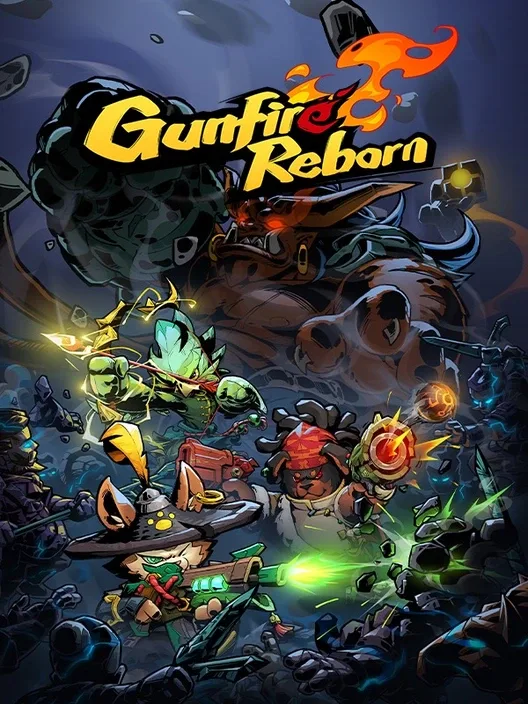
Duoyi Games' 2021 roguelite first-person shooter pairs Borderlands-style procedurally generated weapons with a run-based structure closer to Enter the Gungeon, sending players through a series of small, hand-crafted levels that reset entirely between attempts, with an Occult Scroll and Talent system layering temporary, run-specific buffs on top of a hero's fixed base kit. Playable heroes, each built around a specific elemental identity like Qing Yan's fire-focused abilities or Ao Bai's water-based crowd control, give the same procedurally generated weapon pool a genuinely different feel depending on which hero's passive kit is interacting with a given gun's rolled stats. Scrolls, the game's primary run-modifying pickup, stack multiplicatively in ways that can produce dramatically different builds from one run to the next, rewarding players who read synergies between a specific scroll combination rather than just picking the highest rarity available. The Golden Goblet system, a persistent meta-progression currency earned across runs, lets failed attempts still contribute toward permanent account-level upgrades rather than resetting to zero. The honest drawback: the roguelite structure's reliance on short, repeated runs means the game's itemization chase resets far more often than a traditional persistent looter-shooter, which is a genuine mismatch for players who want a single character to keep growing indefinitely.
7. Borderlands 3#
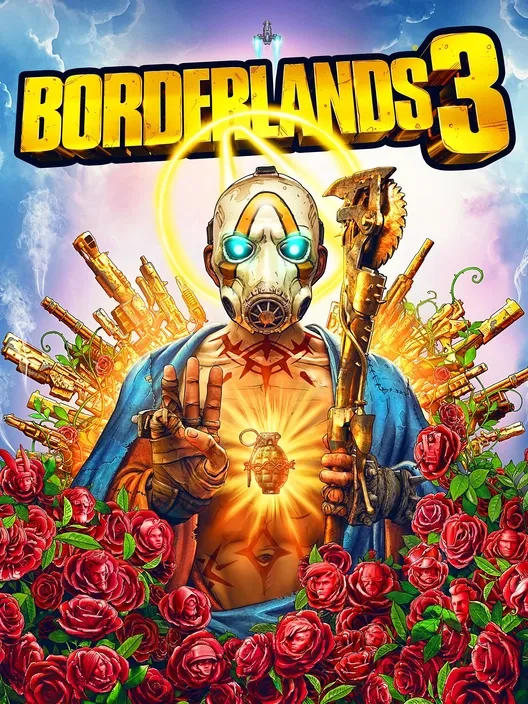
Gearbox Software's 2019 sequel, published by 2K, expanded the series' procedurally generated weapon system considerably, adding new manufacturers like the drone-summoning Atlas and the grenade-launching Torgue, each with a distinct mechanical identity that changes how a gun handles well beyond its numbers, on top of the returning Vault Hunter cast's expanded three-tree-plus-passive skill system. Vault Hunters Amara, FL4K, Moze, and Zane each introduce a genuinely different core mechanic — Amara's summonable elemental fists, FL4K's permanent pet companion, Moze's mech-suit action skill, and Zane's ability to run two skills simultaneously by sacrificing his grenade slot — giving build diversity real mechanical range rather than just different flavors of the same gun-and-cooldown loop. Anointed gear, a new rarity-adjacent modifier system tied to using an action skill, added a further layer of build-specific itemization on top of the existing manufacturer and rarity systems. The game's planet-hopping structure, moving the campaign off Pandora for the first time, gave environmental variety a real boost over the previous entries' more visually repetitive settings. The honest drawback: the endgame's Mayhem difficulty-scaling system launched with modifiers that actively worked against certain builds rather than simply raising numbers, a balance misstep that took several patches to meaningfully address.
8. Risk of Rain 2#
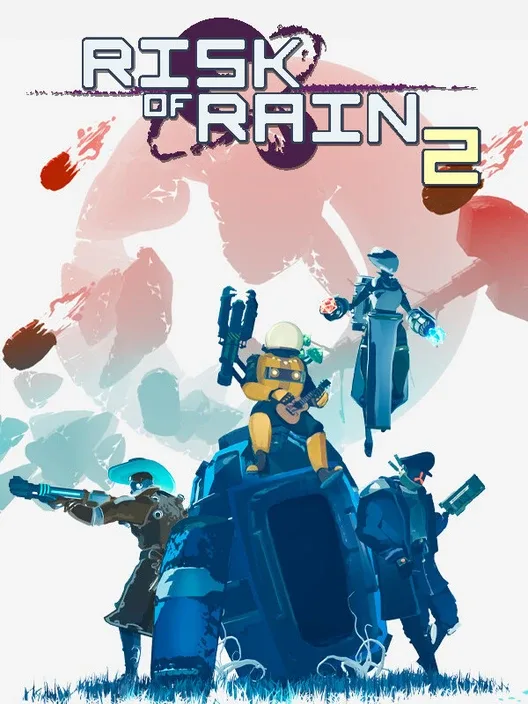
Hopoo Games' 2020 sequel moved its predecessor's 2D side-scrolling roguelike into a full 3D shooter, keeping the original's core itemization hook intact: item stacking, where dozens of passive pickups combine on a single character until a build's visual effects genuinely obscure the screen, turns each run into a build-optimization puzzle where synergies between items matter more than any single pickup's individual power. A hidden difficulty timer that continuously buffs every enemy on the map the longer a run drags on actively punishes players who want to explore slowly and loot every stage fully, creating real tension between greed and survival that most looter-shooters' more forgiving pacing doesn't replicate. The roster of playable Survivors, from the mobility-focused Huntress to the risk-reward Loader, each demand a genuinely different relationship with the same item pool, since some builds reward aggressive melee positioning while others are built entirely around kiting at range. The Artifact system, unlocked through in-world puzzles rather than menus, lets players toggle specific run-modifying rules, like forcing every item drop to be a guaranteed choice between three options instead of random. The honest drawback: the procedural stage generation and item-drop randomness mean a single run's outcome can hinge heavily on early luck, and the escalating difficulty curve is deliberately punishing enough that shorter, more casual sessions are a genuinely awkward fit for the format.
9. Roboquest#
French indie studio RyseUp Studios' 2023 rogue-lite first-person shooter, published by Starbreeze and fully released for Windows and Xbox in November 2023 after several years in early access, pairs Borderlands-style rarity-tiered weapon drops with a run-based roguelite structure, letting players choose between seven unlockable classes, each with its own starting kit and passive identity, before heading into a fresh, procedurally arranged run. Weapon drops, tiered by rarity and rolled with randomized secondary effects, get chosen and swapped mid-run rather than banked for a persistent loadout, meaning a run's build is entirely determined by what drops during that specific attempt rather than gear brought in from outside. The SuperBot class and its associated content, added in a mid-2024 update alongside a new weapon and level, showed a continued post-launch commitment to expanding the class roster rather than treating launch content as final. Two-player co-op, supported throughout the campaign, lets a run's build-chasing loot decisions be split or shared between two players working through the same procedurally generated levels together. The honest drawback: because loot resets with every new run rather than persisting on a single growing character, players specifically drawn to a traditional, ever-growing loadout will find Roboquest's chase reshuffled far more often than a standard looter-shooter's.
10. Tom Clancy's The Division#
Ubisoft Massive's 2016 online shooter, set in a pandemic-ravaged New York City, built its itemization system around a gear-score model where every piece of armor and every weapon carries a numeric power rating alongside rolled secondary stats, letting players min-max a build around specific attribute thresholds, like a fixed percentage of critical hit chance, rather than just chasing the single highest number available. The Dark Zone, a contested, semi-lawful PvP zone layered on top of the main open world, forces players to physically extract looted gear via helicopter before it counts as truly obtained, adding a genuine risk-of-loss dimension other looter-shooters' PvE-only loot systems don't replicate. Base of Operations upgrades, tied to completing specific missions across three wings — Medical, Security, and Tech — let a growing home hub unlock new skills and perks alongside the standard gear grind, giving progression a visible, persistent home-base payoff beyond inventory numbers. Skills like the deployable turret and the seeker mine, each upgradable through mods found as their own loot category, function as a secondary itemization track running parallel to the weapon-and-armor chase. The honest drawback: the game's launch endgame was notoriously thin and exploit-prone, with a widely publicized gear-duplication bug undermining the itemization economy the whole loot loop depends on, before later expansions meaningfully addressed the content gap.
11. Tom Clancy's The Division 2#
Ubisoft Massive's 2019 sequel moved the setting to a post-collapse Washington, D.C., and rebuilt the original's itemization system with Talents, gear-piece-specific perks that unlock stronger effects the more pieces of one gear "brand" are worn together, giving loadout-building a genuine set-bonus layer the first game's more scattered stat rolls didn't emphasize as clearly. Specializations, unlocked deep into the endgame and each centered on a signature weapon like a crossbow or a grenade launcher alongside a unique skill tree, gave long-term players a distinct build identity beyond simply upgrading the same core loadout further. The Dark Zone returned in three separate, differently tuned variants, letting players choose a preferred intensity of the extraction-based PvP risk rather than a single fixed ruleset. Raids, the series' first attempt at large-scale, mechanically demanding endgame content requiring eight coordinated players, pushed the itemization chase toward genuinely difficult, encounter-specific gear rewards rather than repeatable open-world farming alone. The honest drawback: the endgame's post-launch content cadence slowed considerably a couple of years after release, and several of the systems introduced to fix the first game's launch problems, like gear score itself, were later reworked again in ways that invalidated earlier grinding.
12. Remnant II#
Gunfire Games' 2023 sequel, published by Gearbox, adapts the original Remnant's souls-like dodge-roll combat and gunplay into a fully procedurally generated campaign, where entire worlds, not just individual dungeon layouts, are randomized between playthroughs, meaning the specific bosses, side areas, and item pools a given run offers can differ substantially from another player's campaign. The Archetype system, an expanded class structure unlocked through play rather than chosen at character creation, lets players combine two Archetypes' skill trees simultaneously, creating build combinations the original game's more fixed class structure didn't support. Weapon Mods and the newly added Mutator slot, both drop-based upgrade categories layered onto the existing ranged and melee arsenal, give the loot chase a build-shaping dimension beyond simply finding a higher-damage gun. Boss-specific item drops, tied to defeating large-scale set-piece encounters rather than random field loot, give the game's toughest fights a direct, guaranteed itemization payoff most looter-shooters reserve for raid-tier content. The honest drawback: the heavy reliance on procedural world generation means narrative pacing and side-content discovery can feel disjointed compared to a more hand-authored campaign, and the game's demanding boss difficulty is a real barrier for players who came to the genre primarily for loot rather than souls-like combat.
13. Borderlands#
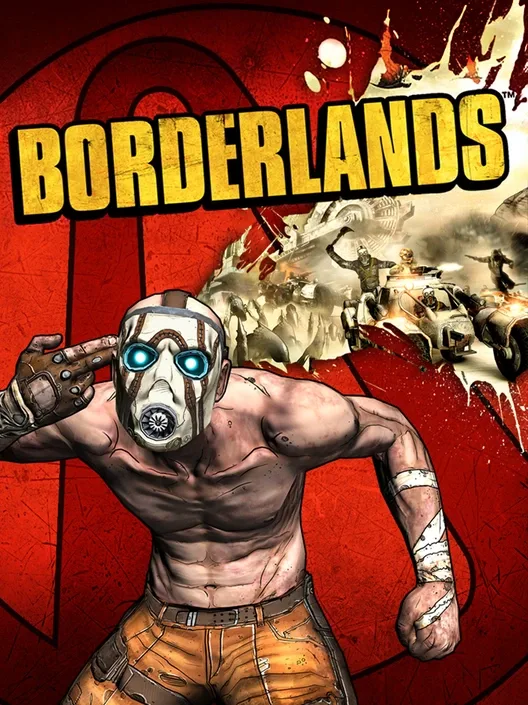
Gearbox Software's 2009 original established the format nearly every game on this list owes something to: a procedurally generated weapon system, built around a handful of manufacturer templates that combine randomly to produce an enormous range of gun variations, paired with a cel-shaded art style the studio adopted late in development specifically to make the game's constant loot explosions read clearly on screen. Its four original Vault Hunters — Brick, Lilith, Mordecai, and Roland — each built around a single signature action skill rather than the later games' branching multi-tree systems, established the basic action-skill-plus-passive-tree structure the series would keep refining for over a decade afterward. The hunt for the alien Vault itself, promised as a source of unimaginable alien technology and treasure, gave the game's loot-chasing structure a diegetic framing device baked directly into its plot rather than existing purely as a game-mechanical abstraction. Randomized weapon drops, dropping from both named enemies and ordinary loot containers alike, established the drop-table density that later, more polished entries in the series would tune rather than invent from scratch. The honest drawback: the game's relatively primitive skill trees and noticeably repetitive early-game environments, both later refined substantially in Borderlands 2, show their age clearly next to the series' own sequels.
14. Risk of Rain Returns#
Hopoo Games' 2023 remake of the original 2013 Risk of Rain, released alongside Gearbox Publishing to mark the series' tenth anniversary, rebuilds the original 2D side-scrolling roguelike's item-stacking core loop with updated visuals, additional Survivors, and new monsters and items layered on top of the systems the 3D sequel later made famous. The remake's difficulty-scaling timer, the same core mechanic that defines the whole series, continuously buffs every enemy on the map the longer a run continues, forcing the same greed-versus-survival tension between looting fully and moving fast that Risk of Rain 2 built its own identity around. A new game mode, added specifically for the remake rather than ported from the original, gives returning players an additional reason to revisit item combinations they'd already mastered in the decade-old base game. Streamlined multiplayer, rebuilt for the remake specifically, makes the original's item-stacking chaos considerably easier to coordinate with a full group than the 2013 release's more dated netcode allowed. The honest drawback: as a deliberately faithful remake of a decade-old 2D game rather than a full reinvention, its moment-to-moment feel is necessarily more limited in scope than its own 3D sequel, and it was confirmed as Hopoo Games' final project on the series before the studio's core team moved on to other work.
15. Borderlands: The Pre-Sequel#
2K Australia's 2014 spin-off, developed in collaboration with series creator Gearbox and set between the events of the first two mainline games, moves the action to Pandora's moon Elpis, introducing low-gravity combat where jumps carry much further and a new Butt Slam ground-pound attack becomes a core part of nearly every Vault Hunter's moment-to-moment combat rather than a novelty. Oxygen management, a survival layer unique to this entry, ties traversal directly into the loot chase, since Oz Kits found and equipped like any other gear piece determine how long a Vault Hunter can survive outside a pressurized zone and grant their own combat bonuses on top of that survival function. Laser weapons, a new weapon type exclusive to this entry's manufacturer roster, added an entirely new damage category and visual identity to the series' existing procedural generation system. Playable characters Athena, Wilhelm, Nisha, and Claptrap himself each bring a distinct action skill tied to the moon setting's own fiction, from Wilhelm's cyborg drone summons to Claptrap's chaotic, randomized ability effects. The honest drawback: the low-gravity combat and oxygen system, while a genuine attempt at reinventing the core loop, were largely abandoned by the series' subsequent mainline entries, leaving the Pre-Sequel's most distinctive mechanics as a one-off experiment rather than a lasting series direction.
16. Outriders#
People Can Fly's 2021 looter-shooter, published by Square Enix, pairs cover-based, ability-driven third-person gunplay with a class system built around four distinct playstyles — Trickster, Devastator, Pyromancer, and Technomancer — each with a skill tree that pushes players toward aggressive, close-range engagement rather than a typical cover shooter's defensive positioning, since the game's health regeneration is tied directly to landing kills rather than waiting out of combat. World Tiers, a difficulty-scaling system that increases both enemy strength and loot quality simultaneously, let players deliberately raise the stakes for better drops once they've outgrown a given tier's challenge. Legendary items, the game's rarest gear category, each carry a unique, build-defining mod rather than just superior base stats, giving the endgame chase specific named targets rather than a purely numeric power climb. Expeditions, timed endgame challenge runs introduced post-launch, gave the loot chase a repeatable, scoreboard-driven structure once the main campaign's story content was exhausted. The honest drawback: the game launched with server-side always-online requirements even for solo play, which caused significant connectivity problems at release, and its campaign-focused structure means it offers less sustained long-term content than dedicated live-service competitors on this list.
17. Destiny#
Bungie's 2014 original, published by Activision before the series moved to Bungie's own self-publishing for its sequel, established the format Destiny 2 would spend the next decade refining: three character classes — Titan, Hunter, and Warlock — each with elemental subclasses, a raid-based endgame beginning with the original Vault of Glass, and a weapon and armor rarity system culminating in Exotic gear built around one unique, build-defining mechanic per item rather than simply higher stats. The Vault of Glass raid, six players working through a Vex time-manipulation facility with no matchmaking and no in-game explanation of its mechanics, set the template for coordinated, communication-heavy endgame content the entire series and much of the wider looter-shooter genre has followed since. Bounties and daily or weekly milestones, tying specific loot rewards to completing a defined task rather than pure random drops, gave players a more directed, less purely luck-based path toward specific gear alongside the game's core random-drop economy. The Taken King expansion, released in 2015, is widely considered the point where the original game's loot and progression systems finally matured into the loop the series is now known for. The honest drawback: the base game's launch-year content was notoriously thin and its story delivery was widely criticized as incoherent, problems substantial enough that Bungie effectively rebuilt much of the game's structure across its first year of expansions.
Read this page alongside Game Avant's broader shooters category and its first-person, third-person, and battle royale sibling pages for the full picture of where looter-shooters sit relative to the rest of the genre. The ranking above blends the site's combined critic-and-player rating data with an editorial pass for breadth, and it will keep shifting as more games earn a real sample size of reviews and as new looter-shooters join the catalog — treat it as a working shortlist of the best looter-shooters worth playing right now, not a fixed, permanent verdict.