 Counter-Strike 2
 Team Fortress 2
 Rainbow Six Siege
 Left 4 Dead 2
 PUBG: Battlegrounds
 Rust
RustThis is Game Avant's own ranked list of the best shooter games right now. "Shooters" on this page covers the full range of gun-first action: tactical team shooters built on round economies and utility, classic and boomer-style FPS campaigns built around movement and weapon variety, co-op horde and extraction shooters where a squad survives together, looter-shooters where the gun itself is the loot, and battle royales and hero shooters built around a shrinking map or a roster of abilities. It does not mean every game with a gun in it — a game where combat sits alongside crafting, base-building, or open-world exploration as one system among several belongs on a different page, and the split matters here as much as it does for any other genre on this site.
The order below blends Game Avant's usual combined critic-and-player rating data with a deliberate editorial pass for breadth: a raw sort by rating percentage alone tends to bury famous, heavily-played franchise shooters underneath tiny games with a smaller, more self-selected fanbase, and a "best shooters" list built that way ends up with no recognizable names on it at all, which serves nobody. So this list is curated rather than a pure percentage sort — it mixes the iconic, massively-played games that actually define the genre with genuinely excellent smaller and indie shooters that don't have Counter-Strike's player count but earn their spot on craft alone. Read the write-ups below for what each of these best FPS games and best co-op shooters actually does and where it falls short.
1. Counter-Strike 2#
Valve's 2023 rebuild of its own decades-old competitive shooter ported the entire Counter-Strike formula onto the Source 2 engine and, more importantly, replaced the old fixed-tick server model with a "sub-tick" system that evaluates the exact instant a shot is fired or a grenade is thrown rather than rounding it to the nearest server tick, which makes gunfights and utility timing noticeably more consistent regardless of server tick rate. The round-based economy — buying rifles, armor, and grenades off the money earned from the previous round's kills and objectives — remains the structural backbone that separates Counter-Strike from nearly every other tactical shooter on this list, since losing a round on purpose to save money for the next one is a legitimate strategy rather than a failure state. Smoke grenades got a genuine physics upgrade, rendered as volumetric objects that react to gunfire and explosions instead of a static sprite, which changed how several legacy maps like Dust II and Mirage get played at a high level. The core five-versus-five, plant-or-defuse bomb mode, unchanged in its basic shape since the original 1999 mod, still rewards map knowledge and crosshair discipline over reflexes alone. The honest drawback: the switch to Source 2 broke or altered a huge amount of the workshop content and legacy competitive infrastructure built around Global Offensive over more than a decade, and the sub-tick system, while more accurate, was also genuinely controversial among competitive players used to predicting network behavior under the old model.
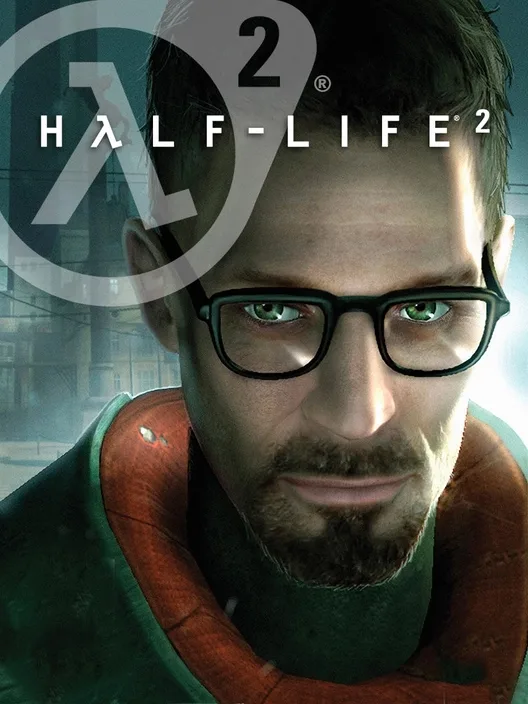
2. Half-Life 2#
Valve's 2004 sequel is still cited as one of the most influential shooters ever made almost entirely because of the Gravity Gun, a tool that lets Gordon Freeman pick up and launch nearly any physics object in the world, turning saw blades, radiators, and explosive barrels into ammunition and turning City 17's ruined architecture into a toybox rather than static scenery. Ravenholm, the abandoned mining town overrun by headcrab zombies, is built almost entirely around that one tool — the chapter deliberately strips back conventional ammo to force improvised, physics-based kills, and it's still the sequence most cited when the game comes up. The Combine's soldiers, using genuinely coordinated flanking and suppression behavior rather than simply rushing the player, made squad-based enemy AI a selling point in a way few shooters before it had. Vehicle sections in the airboat and the dune buggy break up the on-foot combat across the game's long middle stretch, giving the pacing room to breathe between firefights. The story's ambient, cutscene-free delivery — no player-controlled camera cuts away from Gordon's own eyes at any point — was a deliberate, influential choice that several later Valve games built on directly. The honest drawback: those vehicle sections, while a welcome pacing change on a first playthrough, run noticeably longer than the ideas inside them can sustain, and the game's cliffhanger ending, left unresolved for over fifteen years before Alyx picked up an adjacent thread, is still a genuine frustration for anyone hoping for a direct follow-up to Gordon's story specifically.
3. DOOM Eternal#
id Software's 2020 sequel to the 2016 reboot pushes the "push forward combat" philosophy to its logical extreme by tying every resource the Doom Slayer needs directly to offense: glory kills on staggered enemies restore health, the shoulder-mounted flamethrower burns armor out of enemies on a cooldown, and the chainsaw, now a limited-fuel tool rather than a novelty, must be used regularly just to keep ammo reserves from running dry. That loop turns every fight into active resource management rather than a straightforward shootout, and it's a deliberately steep departure from more conventional cover-based shooters. The expanded traversal kit — a double jump, a dash, and monkey-bar swinging worked directly into arena layouts — makes movement itself as demanding a skill as aiming, and several of the game's most memorable arenas are built as much around vertical navigation as around gunplay. The weapon mod system, letting each gun carry two alternate fire modes swapped on the fly, keeps the ten-plus weapon roster from collapsing into two or three favorites the way many shooters' arsenals do. Marauder encounters, a specific enemy type that punishes reckless aggression and demands a precise counter-timed shotgun blast, became one of the most divisive additions in the series specifically because they contradict the game's own "always be moving forward" instinct. The honest drawback: the difficulty curve is unusually punishing for players coming from the more forgiving 2016 reboot, and the platforming-heavy traversal sections, while mechanically sound, are a genuine tonal shift away from the pure demon-slaying some longtime fans came back for.
4. Team Fortress 2#
Valve's 2007 class-based shooter, released as part of The Orange Box, built its nine playable classes — Scout, Soldier, Pyro, Demoman, Heavy, Engineer, Medic, Sniper, and Spy — around genuinely distinct roles rather than reskinned versions of the same core loadout, and that structural clarity is why the format is still copied by hero shooters nearly two decades later. The Medic's healing beam, which builds a temporary invulnerability Über charge the longer it stays locked onto a teammate, turns healing itself into an aggressive, high-value target during team fights rather than a passive support role. The Spy's disguise and cloak kit, letting a player impersonate an enemy class and backstab from behind for an instant kill, creates a specific kind of paranoia in objective-based modes that no other class in the roster replicates. The game's cartoonish, Norman Rockwell-and-J.C.-Leyendecker-influenced art style was a deliberate pivot away from Valve's earlier, more militaristic concept art, and it aged far better than the grittier realism most of its 2007 shooter contemporaries chased. Capture-the-flag, king of the hill, and payload modes each ask something different of the class roster, giving the same nine classes real tactical range across game types. The honest drawback: the class balance, refined over years of free updates and community-made cosmetic hats, still leans hard on server-specific house rules and mod culture to stay interesting today, and the base game's matchmaking has been repeatedly hit by long-running bot and cheater problems that Valve has been slow to fully resolve.
5. Resident Evil 4 (2023)#
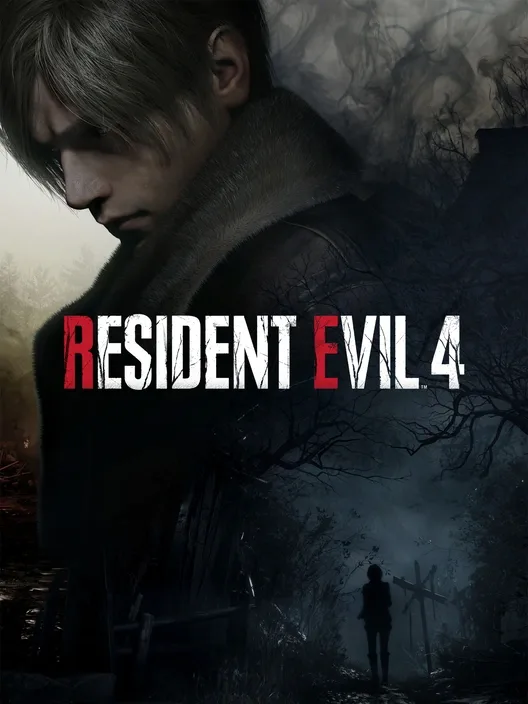
Capcom's remake of its own 2005 landmark keeps the parasite-driven Ganado village intact while rebuilding nearly every system underneath it — the knife now has limited durability and a genuinely useful parry that turns Leon Kennedy's melee options into an active defensive tool rather than a last resort. Dr. Salvador, the chainsaw-wielding villager whose instant-kill grab defined the original's tension, returns with sharper AI positioning that makes his ambushes feel calculated rather than scripted. Ashley Graham's escort sections, widely mocked in the original for fragile AI, were rebuilt so she actively hides and calls out threats instead of standing in gunfire, removing the series' most notorious annoyance without softening the difficulty. The village, castle, and island acts each still shift tone distinctly, from claustrophobic siege to gothic puzzle-box to more conventional action, giving the campaign real structural variety, and the added Merchant-run weapon customization tree gives long-term build variety the 2005 original's simpler upgrade system didn't have. The honest drawback: that late-game shift toward action-heavy set pieces is a real step down in horror intensity from the village's opening hour, a criticism the original also drew, and it sits on this shooter list specifically for its gunplay even though its stronger reputation is really as a horror game.
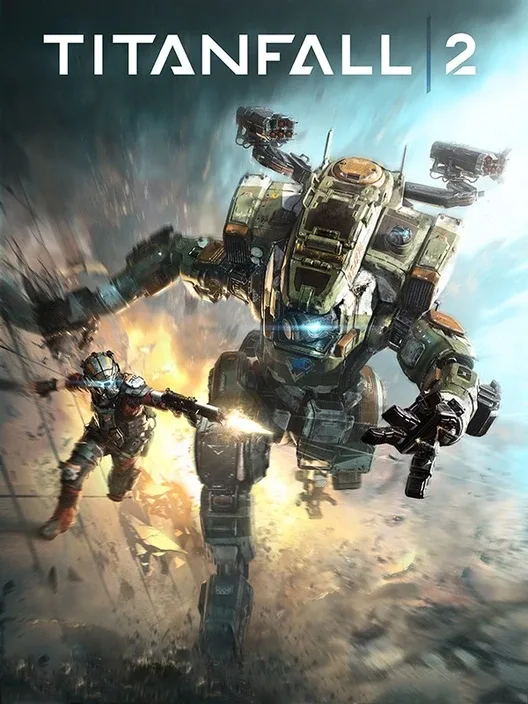
6. Titanfall 2#
Respawn Entertainment's 2016 sequel is remembered as much for its single-player campaign as for its multiplayer, and the "Effect and Cause" mission — built by designer Jake Keating around a device that lets Jack Cooper shift between a level's dilapidated present and its functioning past in real time, mid-traversal — is still cited as one of the best individual shooter campaign missions ever made. Titanfall 2's wall-running and double-jump traversal, layered directly into every level's geometry rather than treated as an optional shortcut, makes basic movement between fights feel closer to a rhythm puzzle than dead time. The relationship between Cooper and his Titan BT-7274, built through the campaign as a partnership rather than pilot-and-tool, gives the story's emotional beats real weight without leaning on a human supporting cast. Multiplayer pairs fast, parkour-heavy pilot combat with the separate, weightier Titan combat, and switching between the two states — calling down a Titan, then ejecting from it under fire — creates a tactical rhythm few other shooters on this list attempt. The honest drawback: the game launched into a market saturated by Battlefield 1 and the original Infinite Warfare in the same window, which tanked its initial player count despite strong reviews, and the multiplayer population has never fully recovered even as the campaign's reputation has only grown since.
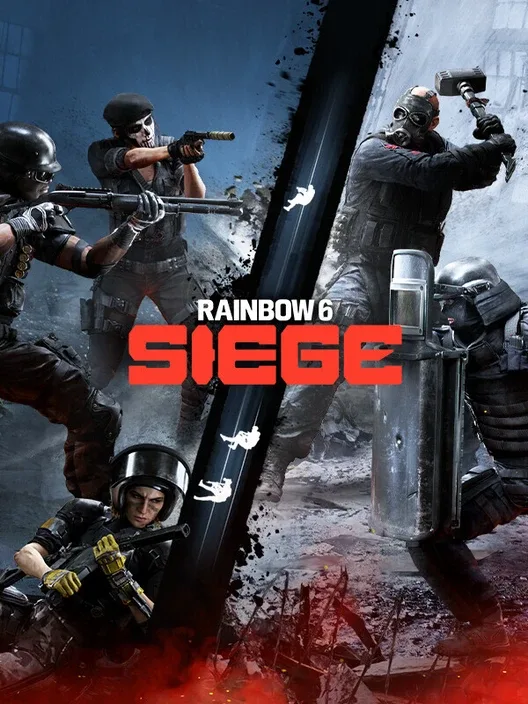
7. Rainbow Six Siege#
Ubisoft Montreal's 2015 tactical shooter is still built around the same core idea a decade later: nearly every wall, floor, and ceiling in a map can be breached, reinforced, or destroyed, which turns pre-round preparation — barricading windows, reinforcing walls, setting traps — into as much of the actual game as the firefight that follows. The Operator system, now numbering well over sixty across CTUs pulled from real-world counter-terrorism units, gives each match a rock-paper-scissors layer on top of the destruction, since picking the right defender or attacker gadget to counter the other team's known picks is its own skill separate from aim. Sound-based information — footsteps through floors, a breaching charge heard through a wall — is unusually load-bearing compared to most shooters, since a round can be won or lost entirely on audio cues before a single shot is fired. The lean, round-based structure, with no respawns and permadeath within a round, keeps individual engagements tense in a way objective shooters with generous respawn timers don't replicate. The honest drawback: the Operator roster's sheer size, after ten years of seasonal content, has made the game's learning curve steep for newcomers trying to learn dozens of gadgets and counters at once, and its emphasis on precise one-shot-kill headshots has produced one of the more toxic, cheating-prone competitive communities among major shooters.
8. Helldivers 2#
Arrowhead Game Studios' 2024 sequel switched the original top-down twin-stick game to a third-person perspective and, in doing so, turned its trademark "stratagems" system into the whole point of the game: calling in orbital strikes, turrets, or resupply drops requires typing a specific directional code on the fly mid-firefight, and fumbling that input under pressure is as common a cause of death as the bugs or robots actually attacking. Permanent friendly fire, carried over from the original Helldivers and left fully active by design, means a poorly aimed airstrike or an errant teammate's shotgun blast can kill a squadmate just as easily as an enemy can, which forces genuine communication in a way most co-op shooters soften for accessibility. The satirical, propaganda-poster tone of "Super Earth" and its endless managed-democracy war frames every mission with a dark comedy that most military shooters don't attempt. Terminid bug swarms and Automaton robot forces each demand different loadouts and stratagem choices, giving the four-player squad genuine reasons to plan before dropping in rather than bringing one universal build. The honest drawback: server capacity and matchmaking stability were a serious, well-documented problem at launch given the game's surprise popularity, and balance patches to weapons and stratagems have swung hard enough at times to make a previously viable loadout suddenly feel underpowered overnight.
9. Destiny 2#
Bungie's 2017 looter-shooter sequel splits its identity between a story-driven campaign across an expanding solar system and an endgame built on raids, seasonal content, and gear chasing, with three character classes — Titan, Hunter, and Warlock — each offering distinct subclasses built around light and, later, darkness-based elemental powers rather than one universal skill tree. Raid encounters, six-player activities with no matchmaking and no in-game instructions, are the game's clearest achievement: mechanics like Vault of Glass's Oracles or Garden of Salvation's Sanctified Mind require a coordinated team actually communicating roles out loud, a design philosophy few live-service shooters commit to as fully. The weapon and armor loot loop, chasing specific rolls on a gun rather than just a higher number, gives long-term players a reason to keep running the same activities for marginal upgrades. Exotic weapons and armor, each built around one genuinely unique mechanical gimmick rather than just better stats, create build diversity that generic rarity-tiered loot systems elsewhere don't match. The honest drawback: nearly a decade of seasonal content has meant repeated vaulting of older campaigns and destinations to manage file size and relevance, which has left long-time players' collected story content fragmented, and the new-player onboarding experience remains notoriously confusing given how much history the game now carries.
10. Apex Legends#
Respawn Entertainment's 2019 battle royale, published by Electronic Arts, launched without warning or marketing and immediately reshaped the genre around its ping system — a context-aware communication tool that lets a player mark enemies, loot, or destinations with a single button press, conveying nearly as much information as a voice callout without requiring one. The Legend roster, each character built with a genuine kit of abilities on top of shared gunplay rather than a cosmetic skin, gives every three-player squad a role-based structure closer to a hero shooter than a typical battle royale's identical-loadout format. The shrinking ring, standard to the genre, is paired with a respawn beacon system that lets a fully eliminated teammate be revived and dropped back into the match rather than sitting out the rest of it, softening one of battle royale's harshest traditional punishments. Movement tech — sliding down slopes, wall-bouncing off cover, and later Legends' outright mobility abilities — gives Apex a faster, more acrobatic pace than most of its genre peers. The honest drawback: the game's business model leans heavily on cosmetic battle passes and increasingly aggressive monetization events, and several Legends released in later seasons have needed repeated balance passes after launching clearly overtuned relative to the original roster.
11. Left 4 Dead 2#
Valve's 2009 co-op horde shooter is still the clearest expression of its "AI Director" system: rather than a fixed, memorizable spawn pattern, the Director monitors each of the four survivors' health, ammo, and stress in real time and adjusts zombie density, item placement, and even weather on the fly, which means the same campaign genuinely plays differently run to run rather than becoming a route to memorize. The five Special Infected — the Hunter's pouncing lunge, the Smoker's binding tongue, the Boomer's blinding vomit, the Tank's brute-force charge, and the Witch's instant-kill if provoked — each demand a completely different team response, and calling them out correctly under pressure is as much the skill being tested as aim. Melee weapons, new to the sequel and ranging from a chainsaw to a frying pan, gave the horde-clearing loop a second combat option beyond guns that the original Left 4 Dead never had. The campaign structure, four distinct story arcs each ending in a defendable finale under mounting zombie pressure, gives runs a clear dramatic shape rather than an open-ended survival grind. The honest drawback: the Director's dynamic pacing, while the game's signature achievement, means difficulty can spike unpredictably on higher settings in a way some players read as unfair rather than tense, and the game's aging Source engine visuals are now showing their age against modern co-op shooters built around the same core loop.
12. Deep Rock Galactic#
Ghost Ship Games' co-op horde shooter, which left early access in 2020 after launching into it in 2018, sends four dwarven miners into procedurally generated cave systems to extract resources under a strict, satirical corporate mandate from the eponymous mining company. The four classes — Driller, Engineer, Gunner, and Scout — each reshape the caves themselves rather than just offering different guns: the Driller can tunnel through solid rock on demand, the Engineer drops turrets and platforms, and the Scout's flare gun and grappling hook are built specifically around lighting and navigating the game's genuinely pitch-dark environments. Terrain destruction is total and mutual — caves can be dug through by players and by burrowing enemies alike, which means a mission's actual layout is never quite the same twice even on a repeated mission type. Swarms triggered by specific mission events, rather than constant background pressure, give runs a rhythm of tense calm punctuated by genuinely overwhelming bug rushes that demand the whole team regroup fast. The honest drawback: the mission structure, while varied across several distinct objective types, is ultimately built from a fairly small pool of core loops that experienced players will recognize quickly, and its steep early learning curve around movement and terrain awareness is a real barrier for players used to flatter, more conventional shooter levels.
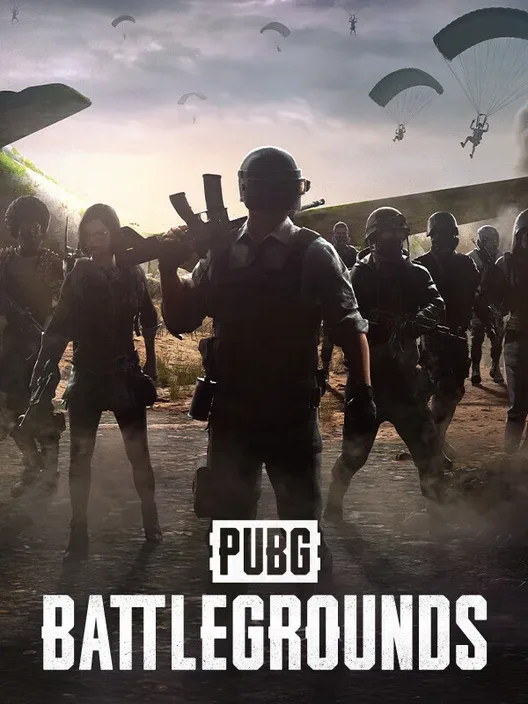
13. PUBG: Battlegrounds#
Krafton's PUBG Studios built the game, released in 2017 under creative director Brendan "PlayerUnknown" Greene, that effectively invented the modern battle royale template nearly every other game on this list's genre borrows from: up to one hundred players parachute onto a large island with nothing, scavenge weapons and gear from the ground, and fight to be the last person or squad standing as an electrified blue zone continually shrinks the playable map and forces confrontation. The game's commitment to realistic, punishing ballistics — bullet drop, recoil patterns that genuinely differ between weapons, and no regenerating shield layer like several of its later competitors adopted — gives firefights a slower, more deliberate tension than the faster movement-heavy shooters that followed it. Vehicles, from motorcycles to boats, matter more here than in most battle royales, since the island maps are large enough that rotating on foot alone is rarely viable. The loot-based itemization, where finding a scope or an extended mag meaningfully changes a weapon's viability, gives scavenging genuine stakes beyond just finding a gun. The honest drawback: the game's dated Unreal Engine 4 foundation and notoriously inconsistent server performance, especially at launch, left it more technically fragile than the battle royales it inspired, and its slower, more methodical pace is a real turn-off for players who came to the genre through faster, more forgiving successors.
14. Call of Duty 4: Modern Warfare#
Infinity Ward's 2007 shooter moved the Call of Duty series away from World War II for the first time and, in doing so, introduced the killstreak system — UAV recon, airstrikes, and attack helicopters awarded for consecutive kills without dying — that essentially every military shooter multiplayer mode since has copied in some form. The perk system, letting players customize a loadout with passive bonuses like faster reload speed or reduced fall damage alongside their weapon and attachment choices, gave multiplayer a build-crafting layer competing shooters of the era mostly lacked. The campaign's "All Ghillied Up" mission, a slow-paced sniper infiltration through an irradiated Pripyat that deliberately abandons the rest of the game's fast pace, is still cited as one of the best individual missions in the franchise's history for how completely it commits to a different rhythm. Weapon customization — scopes, grips, and suppressors attached to a genuinely wide arsenal — gave the multiplayer loadout system a depth that shaped nearly two decades of sequels. The honest drawback: the campaign's brutal, no-warning nuclear detonation sequence midway through the story was groundbreaking in 2007 but has been repeated in slightly different forms by the series so many times since that it reads as far less shocking to anyone who has played a later Call of Duty first.
15. Borderlands 2#
Gearbox Software's 2012 looter-shooter sequel, published by 2K, is still the series' most fondly remembered entry, pairing cel-shaded, comic-book presentation with a procedurally generated weapon system capable of producing an enormous range of gun variations from a relatively small number of manufacturer templates. Its four launch Vault Hunters — Axton, Maya, Salvador, and Zer0, later joined by DLC characters Gaige and Krieg — each build around three distinct skill trees stemming from one signature action skill, giving build variety that goes well beyond simply picking a different gun. Handsome Jack, the game's antagonist, narrates much of the campaign directly at the player with a specific, memorably petty cruelty that reviewers still cite as one of the better-written villains in the genre. Manufacturer identity is baked directly into weapon design — Jakobs guns fire like old-west revolvers with high damage and no auto-fire, Tediore guns get thrown as makeshift grenades on reload, Maliwan guns deal elemental damage exclusively — which makes picking up a new gun mid-fight a genuine tactical decision rather than just a bigger number. The honest drawback: the grind toward specific weapon rolls in the endgame is real and repetitive by design, and the game's humor, while broadly beloved, leans on a specific mid-2010s internet-meme sensibility that has aged unevenly for some players returning to it now.
16. Payday 2#
Overkill Software's 2013 co-op heist shooter, published by 505 Games, builds its whole structure around a genuine choice most other shooters don't offer: nearly every heist can be attempted loud, guns blazing against waves of police, or fully stealthed, incapacitating guards and hiding cameras without triggering a single alarm. The stealth systems — civilian detection zones, camera loop mechanics, and a "pager" system for silently taking down individual guards — are deep enough to support entire heists completed without firing a shot, a rare commitment for a game that's also built a reputation on loud, chaotic firefights. Skill trees split across roles like Mastermind, Enforcer, Technician, and Ghost let a four-player crew specialize the way a proper heist team would, with one player running interference while another handles drills or hacking. The wide roster of licensed and original heists, ranging from bank jobs to elaborate multi-day story missions, gives the format more structural variety than a typical wave-based horde shooter. The honest drawback: the game's aggressive DLC and microtransaction model, including paid weapon skins tied to a much-criticized loot-crate and key system added years after launch, drew significant community backlash and remains one of the more commonly cited complaints about an otherwise well-regarded cooperative shooter.
17. Escape from Tarkov#
Battlestate Games' extraction shooter, in early access for nearly a decade before its full 1.0 launch, built its reputation on a level of punishing realism few other shooters attempt: a bullet to an unarmored limb can cause bleeding that needs a specific bandage to stop, ammunition types matter enormously against different armor classes, and dying mid-raid means losing every piece of gear carried in, not just progress. The Hideout, a persistent base upgraded between raids, ties crafting, medical production, and trader relationships directly to how well-equipped a player can afford to be on the next run, giving the loop a genuine risk-versus-preparation calculation missing from lower-stakes shooters. Extraction points, specific to each map and sometimes requiring a particular item or timing to use, turn the final minutes of a raid into their own distinct tension separate from the firefight that came before it. The trader system, with reputation and loyalty levels gating access to better gear and quests over time, gives the game's notoriously steep economy a long-term structure beyond just looting faster than the next player. The honest drawback: the game's unforgiving learning curve, opaque itemization, and history of server instability and cheating problems during its long early access period have made it a genuinely difficult recommendation for players not already committed to the extraction-shooter format specifically.
18. DayZ#
Bohemia Interactive's standalone survival shooter, released in 2018 after growing out of Dean Hall's Arma II zombie-outbreak mod, drops players into the fictional post-Soviet region of Chernarus with nothing and forces survival against disease, starvation, and other armed players as much as against the slow-moving infected wandering the countryside. The game's commitment to systemic survival — managing hunger, thirst, blood level, and specific injuries that each require different treatment items — gives even a routine supply run genuine stakes beyond finding a better gun. Player-versus-player tension is the game's real signature: with permadeath and full loot loss on death, every encounter with another survivor is a live negotiation between cooperation and betrayal that scripted AI-driven shooters can't replicate. The Enfusion engine, developed alongside the game across its long early access period, eventually enabled more detailed weapon modification and vehicle systems than the original Arma-derived tech supported. The honest drawback: the game's brutal server-hopping, loot-scarcity, and long stretches of unremarkable walking between points of interest have always been a genuine barrier to entry, and its early access period ran for roughly five years before an official 1.0 release, during which several promised systems shipped late or were scaled back.
19. Warframe#
Digital Extremes' free-to-play shooter, launched in 2013 out of assets originally built for the studio's earlier game Dark Sector, casts players as ancient Tenno warriors piloting powered exosuits called Warframes, each with a distinct set of four abilities that range from crowd-control powers to full damage-dealing ultimates. The movement system is the game's real standout: bullet jumping, wall-running, and momentum-chaining slides let a skilled player traverse a level almost entirely off the ground, and that parkour layer, refined over more than a decade of updates, gives Warframe a physical fluidity few other shooters on this list attempt. Melee combat, reworked several times across the game's lifespan, is deep enough to fully replace gunplay for some builds, with combo systems and stance-based movesets attached to individual weapon types. The sheer size of the Warframe roster, each one built around a specific power fantasy from a fire-based caster to a stealth-focused assassin, gives the game long-term build variety that rivals dedicated looter-shooters despite its free-to-play origins. The honest drawback: the game's grind-heavy progression and famously convoluted new-player experience, built up over more than a decade of layered systems, remains a real barrier that Digital Extremes has repeatedly tried and only partly succeeded in smoothing out.
20. War Thunder#
Gaijin Entertainment's vehicular combat shooter, released in 2013, spans aircraft, tanks, attack helicopters, and naval vessels across more than two thousand playable vehicles ranging from early 20th-century biplanes to modern jet-era hardware, and its willingness to let all of those vehicle types interact on shared battlefields separates it from most single-domain military shooters. The three battle modes — Arcade, with simplified flight and driving physics and assistive HUD markers; Realistic, which strips back most assists while keeping some quality-of-life features; and Simulator, which removes nearly everything and expects a joystick or full cockpit view — let the same core content serve wildly different skill levels and commitment. Historically accurate armor modeling on tanks, where shell penetration depends on genuine plate thickness and angle rather than an abstracted health bar, gives ground combat a specific technical depth few competing tank games match. Combined-arms battles, mixing tanks and aircraft on the same map, force air support and ground pushes to actually coordinate rather than playing out as two separate games glued together. The honest drawback: the game's free-to-play progression, spread across national vehicle trees that can take a very long time to climb without spending money, and its notoriously toxic, tech-obsessed community forums have both been long-running sources of player frustration.
21. Marvel Rivals#
NetEase Games' third-person hero shooter, released in December 2024 in close collaboration with Marvel Games, put more than thirty licensed Marvel heroes and villains into six-versus-six team fights built around destructible environments that can be reshaped mid-match by specific character abilities rather than staying static. Team-Up abilities, letting specific pairs or trios of characters combine their kits into a unique joint attack when both are on the same team, give roster composition a strategic layer beyond simply picking six strong individual heroes. The roster's power fantasy leans directly on established Marvel identities — the Hulk's ability to grow stronger the longer a fight goes on, or Doctor Strange's portals repositioning teammates across the map — in a way licensed shooters rarely commit to this fully. Destructible terrain, used as both an offensive tool and a way to open new sightlines mid-fight, gives maps a more dynamic shape over the course of a match than most hero shooters attempt. The honest drawback: as a game barely a year old at the time of writing, balance between its rapidly growing hero roster is still visibly a work in progress, with individual characters swinging between clearly overtuned and underused across patches in a way a more mature hero shooter's roster has had years to settle.
22. Valorant#
Riot Games' 2020 tactical shooter deliberately grafts a hero-shooter ability layer onto a Counter-Strike-style round economy, and the balance between the two is the whole design thesis: each Agent gets one cooldown-based ability and other utility purchased with the same economy used for guns and armor, but gunplay itself stays the centerpiece rather than getting overshadowed by powers. Sage's healing orb and revive ultimate, Jett's mobility-focused dash and updraft, and Brimstone's precision sky smoke each give a specific tactical role to a five-player composition in a way plain Counter-Strike's identical loadouts don't offer. The round-based buy phase, inherited directly from the tactical-shooter tradition Counter-Strike established, means economy management and utility timing matter as much as aim, and a team that wins gunfights but mismanages its buy rounds can still lose a match. Precise, low-recoil gunplay, deliberately closer to Counter-Strike's punishing accuracy demands than to a typical hero shooter's more forgiving aim assist, keeps mechanical skill as the dominant factor even with abilities layered on top. The honest drawback: the ability layer, while carefully balanced against gunplay, still produces occasional rounds decided almost entirely by a well-timed ultimate rather than raw aim, which is a genuine departure from the purer gunfight-first philosophy of the tactical shooters it's modeled on.
23. SCP: Secret Laboratory#
Northwood Studios' free-to-play asymmetrical shooter, spun off from the fan-made SCP – Containment Breach, puts a full lobby of players into competing roles — Class-D test subjects, Foundation scientists, Facility Guards, Chaos Insurgency intruders, Mobile Task Force units, and the anomalous SCPs themselves — each with entirely different objectives and win conditions running simultaneously in the same match. The Alpha Warhead, a facility-wide detonation device that can be armed to destroy the entire underground complex and force a chaotic evacuation to the surface, turns the late stages of a round into a genuinely different kind of tension than the early containment-breach chaos. Roles like SCP-049, a plague-doctor-like entity that "cures" players by killing and reanimating them, or SCP-173, which can only move when unobserved, translate specific SCP Foundation lore entries directly into asymmetric gameplay mechanics rather than treating them as pure flavor text. The game's entirely free, community-funded development model, sustained largely through voluntary support rather than a publisher, is unusual for a shooter with this much ongoing content output. The honest drawback: the sheer number of roles and overlapping win conditions makes the game genuinely confusing for a first-time player dropped into a match with no explanation, and its low-budget, community-built presentation is a real mismatch for players expecting AAA production values.
24. Ultrakill#
Solo developer Arsi "Hakita" Pataala's fast-movement shooter, in early access since September 2020, borrows its traversal directly from Titanfall and DOOM Eternal and its scoring philosophy directly from character-action games like Devil May Cry, rewarding stylish, varied kills with a rank-based style meter rather than treating survival alone as success. The parry mechanic, which lets the player's robotic protagonist deflect specific enemy projectiles back at their source with a precisely timed melee swing, is deliberately unforgiving — the developer has publicly and bluntly rejected requests to soften it with an easier alternative input. Weapons carry alternate-fire variants that fundamentally change their role rather than just adjusting damage numbers, like a shotgun whose secondary fire launches a cannonball that can be redirected mid-air with a well-timed parry. Blood-as-health mechanics, where certain kills refill health directly rather than requiring a separate pickup, keep the aggressive, forward-momentum playstyle the game is built around mechanically rewarded rather than just encouraged by level design. The honest drawback: as a still-unfinished early access game years into development, its later campaign layers and story content remain incomplete, and the unforgiving parry-and-movement skill floor is a real barrier for players not already comfortable with fast, precision-heavy action games.
25. Mullet Madjack#
Hammer95 Studios' 2024 fast-kill FPS, published by Epopeia Games, strips the shooter genre down to a single brutal constraint: every floor of the game's vertical tower must be cleared within a strict, constantly-ticking countdown, and landing kills — especially flashy melee finishers on downed robotic enemies — is the only way to add seconds back onto that timer. That design turns ordinary encounters into a constant tension between clearing efficiently and clearing fast enough to survive the clock, closer in spirit to a rhythm game's flow state than a conventional shooter's pacing. Melee weapons scattered through each level, used to finish staggered enemies for bonus time, give the game's signature 80s-anime-inspired aesthetic a mechanical purpose beyond pure style. The roguelite structure, randomizing floor layouts and enemy placement between runs, keeps repeat attempts from becoming a pure memorization exercise the way a fixed level order would. The vivid, exaggeratedly stylized presentation — bold color palettes and an aggressively retro-anime art direction — gives the game a visual identity distinct from the more muted boomer-shooter aesthetic most of its genre peers lean on. The honest drawback: the always-ticking clock, central to the whole design, is a genuine source of stress rather than excitement for players who prefer to explore a level at their own pace, and the format's intensity means longer sessions can become fatiguing in a way slower shooters don't.
26. Cultic#
Solo developer Jason Smith's Jasozz Games, published by 3D Realms, built this old-school FPS as a direct homage to early-90s shooters like Blood and Duke Nukem 3D, using a deliberately lo-fi mix of dithered textures, sprites, and voxel models to recreate that era's look rather than simulating it with a modern engine's clean rendering. Combat leans on constant lateral movement — sliding, dodging, and repositioning between shots — layered onto a genre whose original games mostly rewarded standing and trading fire, giving Cultic a noticeably more mobile rhythm than the games it's directly imitating. The arsenal, including a machine gun, rifle, pistol, and thrown dynamite, is intentionally small and focused rather than sprawling, keeping the moment-to-moment loop tight across the game's cult-infested setting. Chapter One released in 2022 as a complete, self-contained campaign rather than an early-access fragment, and Chapter Two followed in 2025, giving the game a much more deliberate release cadence than most ongoing early-access shooters manage. The dense, atmospheric level design, favoring tight interiors and ambushes over open arenas, keeps tension high even against a genre reputation for repetitive corridor shooting. The honest drawback: the deliberately retro presentation, right down to a blocky color palette that limits visual clarity in busier fights, is a real barrier for players who don't already have a taste for the specific 90s shooters it's referencing, and its episodic, multi-year release schedule means the full story is still not finished.
27. Crow Country#
SFB Games' 2024 survival horror shooter, styled explicitly after the fixed-camera PlayStation-era Resident Evil and Silent Hill games it draws from, follows investigator Mara Forest into the abandoned Crow Country theme park in search of its missing owner, blending item-based puzzle solving with third-person shooting against the park's mutated attractions. Limited ammunition and a genuinely restrictive inventory force the same kind of resource anxiety those late-90s survival horror shooters built their reputation on, turning every encounter into a decision about whether a threat is worth spending scarce bullets on or better avoided entirely. The game's low-poly, PS1-style visual presentation is a deliberate technical choice rather than a budget constraint, used specifically to recreate the atmospheric limitations that made the original genre's fixed camera angles and limited draw distance feel genuinely unsettling rather than dated. Puzzle design leans on classic item-combination logic — carrying a specific object to the one location it unlocks — that rewards backtracking and careful map awareness over pure reflexes. The 1990-set theme-park setting, unusual for the genre, gives its puzzle and combat encounters a specific, faded-Americana visual identity distinct from the gothic mansions and fog-choked towns most of its influences favor. The honest drawback: the shooting itself, while functional and true to its influences, is clearly secondary to exploration and puzzle-solving, and players coming specifically for combat-focused action will find the pace deliberately slower than a dedicated shooter's.
28. Paint the Town Red#
South East Games' 2021 first-person melee combat game strips shooting almost entirely out of its own genre category and replaces it with full-contact brawling against blocky, voxel-based enemies who can be punched, kicked, stabbed, or bludgeoned with nearly any object found in the environment, from chairs to bottles to improvised blades. Ragdoll physics, applied to every enemy on hit, turn even a single punch into a small, chaotic physics event, and launching a crowd of enemies across a room with the right combination of momentum and environmental hazards is much of the game's core appeal. Each level is set in a different time period or location, from Wild West saloons to Vietnam-era jungle, giving the same core melee loop a genuinely varied visual and weapon context level to level rather than reusing one environment repeatedly. The Steam Workshop-supported level editor, letting the community build and share entirely new brawling scenarios, has kept the game's active content output going years past its initial release far beyond what South East Games alone produces. The honest drawback: the game's inclusion on a shooters list is a stretch by its own design — ranged weapons exist but are a minor part of the moveset compared to melee — and the core combat loop, while satisfying in short bursts, has a genuinely shallow skill ceiling compared to a dedicated combat game built around it from the start.
29. Doom II#
id Software's 1994 sequel to the original Doom added exactly one new weapon, the Super Shotgun, and that single addition — a double-barreled shotgun that burns two shells per shot for triple the damage of the standard shotgun and a dramatically wider spread — became one of the most influential weapons in shooter history, imitated by nearly every boomer-shooter revival decades later. The Icon of Sin, the game's final boss, is a giant demonic head embedded in a wall that spawns endless waves of monsters from cube-shaped projectiles rather than attacking directly, forcing players to find and destroy its exposed brain rather than simply outlasting a health bar the way most boss fights of the era worked. Level design across Doom II's thirty maps leans harder into large-scale, maze-like layouts and monster-dense set pieces than the original game's tighter, more linear levels, and MAP07's simultaneous Mancubus-and-Arachnotron gauntlet became a genre-defining example of forcing players to manage two distinct threats at once. The expanded bestiary, adding enemies like the Hell Knight and the Arch-vile, gave level designers more room to escalate difficulty without simply adding more of the same monster. The honest drawback: as a direct, structurally similar sequel released barely a year after the original, Doom II offers relatively little mechanically new beyond the Super Shotgun and the larger monster roster, and several of its levels are considerably more maze-like and less carefully paced than the tighter original campaign.
30. Cruelty Squad#
Finnish solo developer Ville Kallio's Consumer Softproducts released this 2021 tactical immersive-sim shooter with a deliberately abrasive, eye-searing visual style — clashing neon color palettes, heavily bit-crushed audio, and character models designed to look wrong on purpose — that functions as a genuine artistic statement about corporate dystopia rather than a technical limitation. The game's central economic mechanic lets a dead character be resurrected from a "Death Matrix" for a price, and a full in-game stock market tied to organ harvesting and corporate espionage missions ties the shooting directly into a systemic satire of late-capitalist excess that few other shooters attempt this literally. Weapon variety leans deliberately strange rather than realistic — a flechette shotgun, a silenced pistol, a corrosive gas launcher, and a radiation emitter each demand a genuinely different approach to the same mission rather than functioning as reskinned damage sources. Mission design allows for a wide range of approaches, from direct assault to stealth infiltration to outright sabotage of a target's environment, giving the immersive-sim structure real room to reward improvisation. The honest drawback: the deliberately hostile visual and audio presentation, core to the game's whole artistic identity, is a genuine barrier that will actively repel players expecting a conventional shooter's clarity, and the game's opaque, cryptic mission and economy systems offer very little onboarding for anyone not willing to learn largely through trial and error.
The ranking above blends Game Avant's usual combined critic-and-player rating data with a deliberate editorial pass for breadth, mixing the massively-played franchise shooters that define the genre with smaller, highly-rated games that a pure percentage sort would otherwise bury. It is not a strict output of that combined score the way some of the site's other category pages are — the goal here is a genuinely representative answer to "what are the best shooters right now," recognizable names included, rather than a list that technically scores highest but reads as unfamiliar to anyone who plays the genre. Treat it as a working shortlist of the best FPS games and best co-op shooters worth playing, and check back as the site's data and this curation both continue to evolve.