 Sid Meier's Civilization V
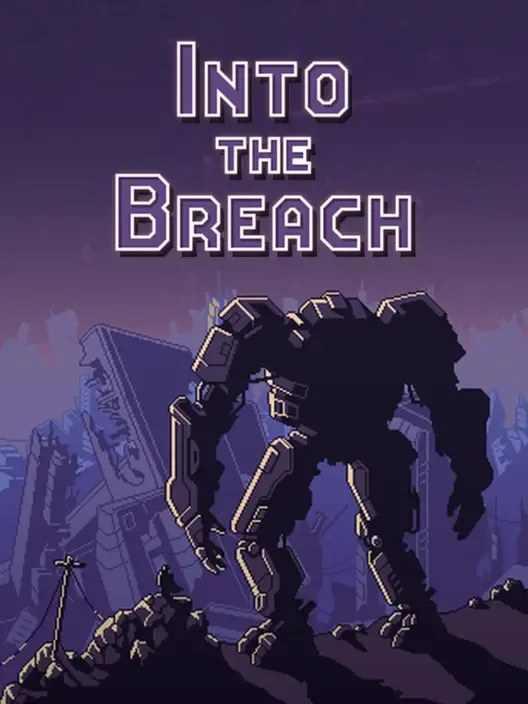 Into the Breach
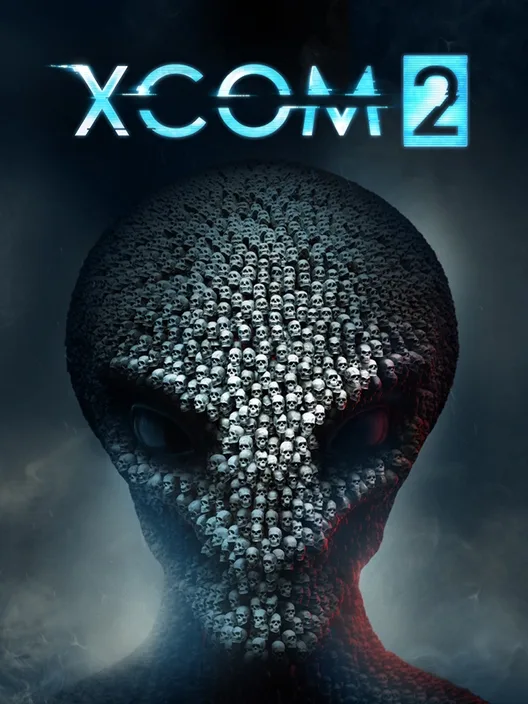 XCOM 2
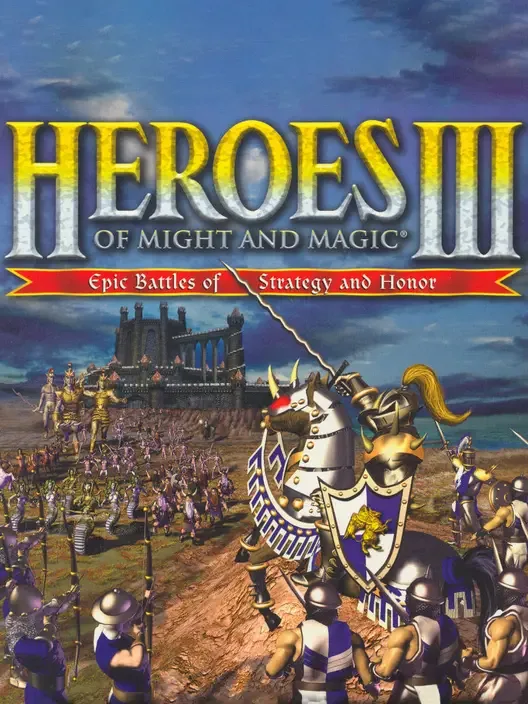 Heroes of Might and Magic III: The Restoration of Erathia
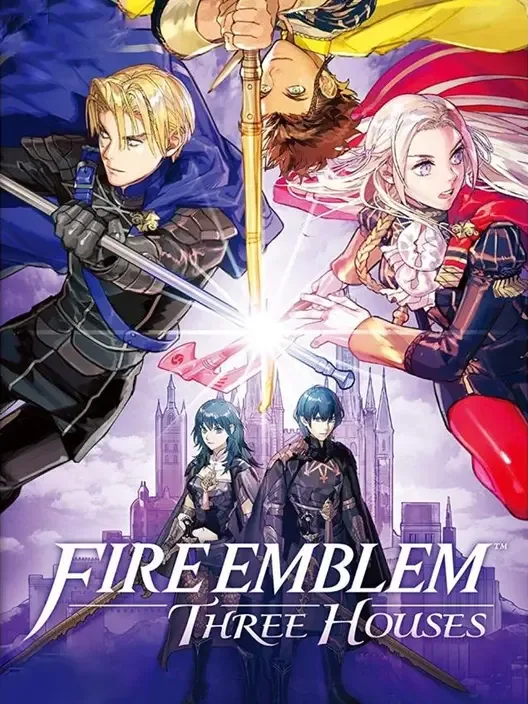 Fire Emblem: Three Houses
This is Game Avant's own ranked list of the best turn-based strategy games right now, built from the site's combined critic and player rating data rather than picked by hand. Turn-based strategy, or turn based strategy games, means players act in discrete, unhurried turns rather than racing a clock — the entire genre exists because thinking time, not execution speed, is the skill being tested. That separates it from real-time strategy and its neighboring action-strategy hybrids, where reflexes and clicks-per-minute decide outcomes just as much as planning does. It also sits apart from 4X games, which stretch a single turn-based ruleset across an entire galaxy or continent's worth of exploration, expansion, exploitation, and extermination, and from tactical games proper, which zoom that same turn-based structure down to a single skirmish or squad. The games below live in the space between those poles: turn-based combat or resource management at a scale small enough to stay legible, with every decision made in full view of its consequences before a single action resolves.
The order below comes from blending IGDB's aggregate critic and user score with Steam's own user review percentage, weighted toward games with a real sample size behind the number and a floor of at least 50 reviews before a title is scored at all. That means a niche Korean tactics game can sit above a genre icon, and a card-driven board game adaptation can outrank a franchise name, because the math doesn't care which one you've heard of. Read the write-ups below for what each entry actually does turn to turn — the rank tells you how it currently scores among the best turn-based strategy games worth playing, not which one fits your evening.
1. Fuga: Melodies of Steel 2#
CyberConnect2's 2023 sequel to its own 2021 tank-RPG puts a new cast of children back into the seats of the Taranis, the sentient tank at the center of both games, and builds directly on the original's core idea: each character mans a specific turret — Machine Gun, which delays an enemy's next action, Cannon, which strips armor, and Heavy Cannon, which trades accuracy for raw damage — and positioning them correctly turns every encounter into a puzzle about which threat to neutralize first. A new Turbo mode speeds up the road-trip map traversal between fights, cutting down the downtime that padded the original's pacing. The upgraded airship support system lets players call in supply drops or coordinated airstrikes mid-battle, giving battles a vertical resource beyond what's sitting on the tank's own turrets. The judgment system, which tracks how the crew treats captured enemies and resolves moral dilemmas over the course of the story, feeds back into which characters are available and how the story concludes. The Soul Cannon returns as the game's ultimate option: a devastating attack that requires permanently sacrificing one of the children crewing the tank, which keeps the game's core tension between winning a fight and protecting the cast fully intact. The honest drawback: the game leans harder into melodrama than tactical depth in its back half, and a story built on repeatedly weighing a crewmate's life against combat efficiency can feel emotionally exhausting stretched across a full campaign rather than a single dramatic choice.
2. Troubleshooter: Abandoned Children#
Dandylion's Korean-developed tactics RPG, which left early access for its full 1.0 release in April 2020, borrows its battlefield fundamentals directly from XCOM — cover, Overwatch reaction fire, and a Rush mechanic for closing distance fast — but layers a Final Fantasy Tactics-style growth system on top that gives the combat a completely different long-term shape. Classless skill trees let any character branch toward wildly different builds, and skill combos, where one character's ability sets up a follow-up attack from another, turn positioning into active setup rather than passive cover-seeking. A contract system lets defeated or persuaded enemies be recruited into the player's own roster, turning the campaign's huge cast of unique characters into a genuine collection-and-build project rather than a fixed squad. Elevation, destructible terrain, and directional flanking bonuses all layer onto the XCOM-derived cover system, rewarding careful battlefield reading over brute-force firepower. The sheer size of the skill and equipment pool means two players rarely build the same character the same way, giving the tactical layer a build-crafting depth most turn-based tactics games don't attempt. The honest drawback: the game's scope is enormous and largely unfiltered — hundreds of hours of content, a dense skill web with little in-game guidance, and a story delivered mostly through static portraits and text, which makes the entry cost for a newcomer genuinely steep next to more streamlined tactics games.
3. The Battle of Polytopia#
Midjiwan's turn-based 4X, first released on mobile in 2016 and later ported to PC, compresses the genre down to a scale a single sitting can finish: a small hex map, a handful of turns, and sixteen selectable tribes, each with its own unique starting technology and a branching tech tree, so the aquatic Elyrion and the forest-dwelling Kickoo push toward genuinely different early strategies rather than reskinned versions of the same opening. Stars, generated by cities and spent on research, are the only resource the game tracks, which keeps expansion, unit production, and technology racing all competing for the same number instead of splitting across the multiple currencies most strategy games juggle. Ruins scattered across the map can be explored for a random bonus, a free unit, or a population boost, adding a real risk-reward call to early scouting beyond simple fog clearing. Domination mode's capital-capture win condition keeps matches short and aggressive, while Sandbox and Perfection modes reward a slower, score-maximizing style built around growth and tech completion instead of conquest. The Battle Royale variant seeds identical starting conditions for every tribe on a shared map, turning the compressed format into a genuinely competitive multiplayer mode built for exactly this scale. The honest drawback: most tribes beyond the two free starting ones sit behind a real-money purchase, and the deliberately small map and turn count mean the mid-and-late-game complexity of a full 4X like Civilization is by design absent here.
4. Fuga: Melodies of Steel#
CyberConnect2's 2021 original, which launched worldwide that July, introduces the formula its own sequel would later expand on: eleven children, each with a distinct personality and skillset, crew the Taranis and take turns manning its Machine Gun, Cannon, and Heavy Cannon to fight off pursuing forces while the tank itself carries their captured families' hope of rescue. Turret assignment is the core tactical decision every battle — positioning a character with an armor-break skill against a heavily plated enemy, or a multi-shot specialist against a swarm, decides most encounters before the first shot fires. Camp segments between battles let the crew rest, cook, and build relationships, and those relationship levels quietly affect which combat support abilities and story branches become available later. The Soul Cannon, the tank's most powerful weapon, can only be fired by permanently sacrificing one of the children at the controls, forcing a genuine cost-benefit decision in the game's hardest fights rather than offering a free win button. Road-based map traversal between story beats gives the campaign a light exploration layer, with side objectives and optional encounters scattered along each route. The honest drawback: the turret-based combat system is genuinely narrow in scope compared to a full squad-tactics game, and the small cast size means losing even one character to the Soul Cannon meaningfully thins out the tactical options available for the rest of the campaign.
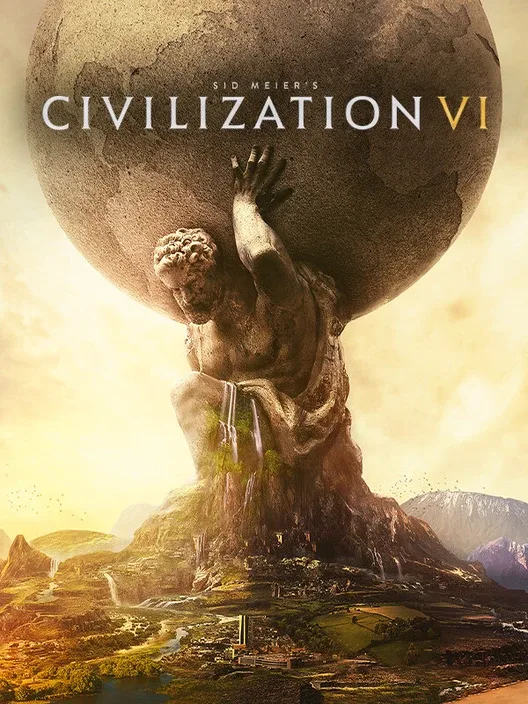
5. Sid Meier's Civilization V#
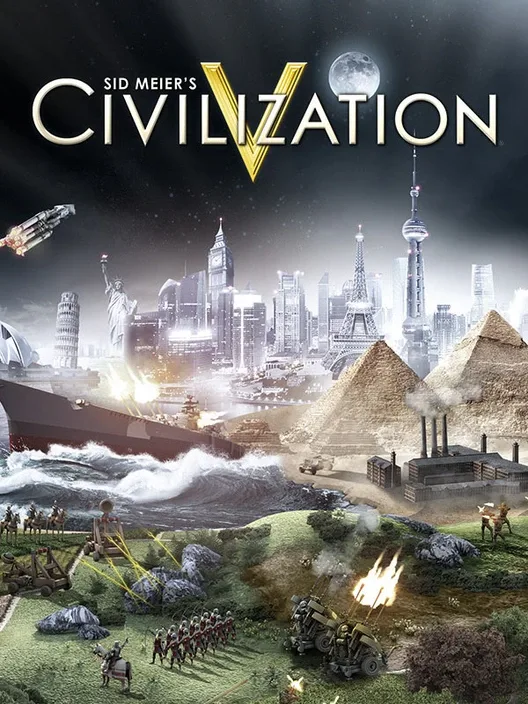
Firaxis Games' 2010 entry, published by 2K, rebuilt the series around a change that reshaped every layer of play: the switch from square tiles to a hexagonal grid paired with the one-unit-per-tile rule, which broke the stacked-army tactics of earlier entries and forced armies to spread across the map, turning terrain chokepoints and unit positioning into a real battlefield concern for the first time in the series. City-states, independent minor civilizations that can be courted with gifts, protected from rivals, or conquered outright, gave the map a layer of diplomacy separate from the great powers, and completing their quests for influence could unlock unique luxuries or free units. The social policy system replaced Civilization IV's Civics with a tree of its own, letting a civilization commit to Tradition, Liberty, Honor, or a dozen later branches as a standing ideological identity instead of a single swappable government. Great Works, generated by specialists and slotted into museums and amphitheaters, turned a late-game culture push into an actual collection-building minigame with its own tourism math. Wonders stayed one-per-world, so racing a rival civilization to Stonehenge or the Great Library remained a genuine flashpoint. The honest drawback: the base 2010 release launched noticeably thinner than its predecessor, missing religion, espionage, and a functioning culture victory outright, and while the Gods & Kings and Brave New World expansions eventually filled those gaps, the vanilla game many players first encountered was a genuinely stripped-down version of what the series became.
6. X-COM: UFO Defense#
Mythos Games' 1994 original, published by MicroProse and later known in Europe as UFO: Enemy Unknown, set the template the entire tactics genre still measures itself against by splitting play across two distinct layers: a real-time strategic geoscape, where the player builds bases worldwide, intercepts UFOs with fighter craft, and funds research off captured alien technology, and turn-based tactical missions where every soldier action — walking, turning, firing, reloading — is metered out by a Time Units pool that has to be budgeted across an entire turn. That Time Units system is the game's defining mechanic: ending a turn with units unspent to hold Reaction Fire, the era's equivalent of Overwatch, is frequently a better play than spending everything to advance. Base construction and placement genuinely matter, since interception range and response time to UFO sightings depend on where a base actually sits on the globe, not just how many exist. Alien autopsies and interrogations, conducted back at base on captured specimens, gate access to new weapons and armor, tying the tactical and strategic layers together directly rather than treating research as a side menu. Permadeath on named soldiers, combined with genuinely brutal alien weapons, means a single bad mission can gut a veteran squad overnight. The honest drawback: the interface and mission pacing are unmistakably a product of 1994, with fiddly per-unit Time Unit accounting and a save-scumming temptation that the genre's later, more forgiving entries deliberately designed away.
7. Sid Meier's Colonization#
Brian Reynolds and Sid Meier's 1994 release for MicroProse reuses Civilization's turn-based city-and-map structure but points it at a completely different problem: managing a colonial power's expansion into the New World from 1492 onward, where raw goods like sugar, tobacco, and ore have to be gathered, shipped, and refined into rum, cigars, and cloth before they're worth real money back in Europe. The Founding Fathers system, a Continental Congress that recruits real historical figures like Pocahontas or Francisco Coronado through accumulated Liberty Bell production, hands out permanent empire-wide bonuses across military, trade, exploration, religion, and politics, functioning as a non-exclusive alternative to the Wonders system from mainline Civilization. Commodity prices fluctuate with supply and demand on the Europe market screen, so flooding it with a single cash crop quietly erodes the very profit margin that made the strategy attractive in the first place. As colonies grow self-sufficient, the relationship with the mother country sours, and the endgame forces a declaration of independence and a defense against an invading Royal Expeditionary Force, giving the whole campaign a structural endpoint rather than an open-ended empire simulation. The honest drawback: the colonist-management and production-chain bookkeeping is dense and unforgiving of inattention even by Civilization standards, and the game's colonial subject matter, however historically framed, sits uncomfortably for some players regardless of the mechanical depth underneath it.
8. Wingspan#
Monster Couch's digital adaptation of Elizabeth Hargrave's 2019 board game, published for Stonemaier Games and released on Steam in September 2020, translates a physical card-and-dice engine-builder into a faithful turn-based strategy game about attracting birds to a wildlife preserve. Each turn, a player activates one of three habitat rows — forest, grassland, or wetland — triggering every bird card already played there in sequence, which means the order birds are placed in matters as much as which birds get chosen at all. Bird cards themselves carry unique triggered abilities, from laying bonus eggs to drawing extra cards from a shared tray, so a preserve's row composition becomes a genuine engine that compounds turn over turn rather than a static tableau. Randomized round-end goals and a private hand of bonus cards give each session a different scoring target to build toward, keeping the same 170-plus-card pool from playing out identically twice. The digital version adds AI opponents of varying difficulty, hot-seat local play, and full online multiplayer, along with automation for scoring and setup that a physical copy leaves to the players. The honest drawback: the digital port stays close to a straight rules translation of the tabletop original, with relatively little added for the format beyond convenience, and the turn order and card draws can occasionally hand one player a stronger opening engine than the others through no decision of their own.
9. Into the Breach#
Subset Games' 2018 tactics game, from the team behind FTL, strips turn-based squad combat down to a deliberately tiny scale — three mechs, an 8x8 grid, and enemy attacks that are always telegraphed a full turn in advance — and builds a surprisingly deep game entirely around that constraint. Because every incoming attack is known before the player acts, the actual skill being tested is positioning and sequencing rather than reading an unknown threat, which makes losses feel like genuine planning failures rather than bad luck. The push-don't-kill philosophy, where shoving an enemy unit into another enemy, into water, or off a cliff is frequently the correct play instead of dealing damage, reframes what "winning" a turn even means compared to most tactics games. Pilots that carry over between timeline resets, gaining permanent bonuses even after a failed run, give the roguelike structure a sense of accumulating progress rather than starting fully from zero each time. The three distinct squads on offer, each built around a different core idea — fire damage, ice control, or pure kinetic force — change the entire strategic vocabulary of a run despite the map and enemy roster staying largely the same. The honest drawback: the tiny map and squad size are the whole point mechanically, but they also cap how epic or large-scale any single encounter can ever feel, and players wanting the sprawl of a bigger tactics game may find the format's minimalism wears thin faster than its density suggests it should.
10. Shogun Showdown#
Roboatino's roguelike deckbuilder, published by Goblinz Studio and Gamera Games and reaching its 1.0 release in September 2024 after over a year in early access, replaces the genre's usual free-roaming battlefield with a one-dimensional track of five to nine spaces, and that compression is the whole design idea: every turn a player queues up to three actions — moving forward, turning around, using a skill, or preparing an attack — before committing, and enemies advance and strike along that same single line. Positioning along the track becomes the entire tactical language of the game, since facing the wrong direction or standing one square out of range can waste an entire turn's queued plan. The deckbuilding layer, drawing cards that grant new skills and attack patterns run between fights, means a build's identity is shaped as much by which cards get drafted as by how well the track itself gets played. Because actions are queued and locked in before they resolve, reading an enemy's own telegraphed pattern and planning several moves ahead is rewarded over reactive play. The stripped-down 1D format makes every encounter easy to parse at a glance, a rarity for the genre's usually busier battle screens. The honest drawback: the single-track battlefield is a deliberately narrow tactical space, and players used to the wider positional puzzles of a full 2D tactics game may find the format's ceiling lower once its core trick has been learned.
11. Tactical Breach Wizards#
Suspicious Developments' 2024 tactics game casts its squad as modern-day wizards in tactical gear, clearing rooms of armed hostiles with spells instead of firearms, and builds its entire turn structure around a rewind mechanic that lets a player replan an action mid-turn without penalty before finally committing to it. That rewind turns the game's small, hand-designed encounters into puzzles that can be iterated on in real time rather than solved through trial-and-error restarts, which keeps the pace brisk despite the tactical density underneath. Door-breaching itself is a core spell, launching an enemy standing behind it into the room and setting up a chain of follow-up attacks if other characters are positioned to catch the impact, so opening a level often doubles as its first attack. Each character's spell kit is built around a distinct battlefield role — one specializes in knockback and positioning, another in area denial — and combining kits across the small squad is the actual skill the game is testing turn to turn. The story, told through dialogue between missions with a dry, comedic tone uncommon in the genre, gives the tactical puzzles a narrative throughline without slowing down the pace between encounters. The honest drawback: the campaign is short next to genre stalwarts with sprawling meta-progression systems, and the tightly hand-crafted mission design, while dense, offers little of the emergent replayability a proc-gen or roguelike tactics game provides once it's been finished once.
12. XCOM: Enemy Unknown#
Firaxis Games' 2012 reimagining of the 1994 original, published by 2K, streamlines the classic two-layer structure into something considerably more legible without losing its teeth: a single home base replaces the original's worldwide network, and satellite coverage over specific countries — built and launched from that base — both reveals alien activity and suppresses the regional panic that can cause a nation to defund the project entirely. Overwatch, holding an action to fire on enemy movement instead of acting immediately, and full cover mechanics that meaningfully reduce hit chance, turn positioning discipline into the core skill tested on every mission. Permadeath on named, customizable soldiers means losses carry real weight, and the Council's monthly performance scoring — tracking abductions handled, UFOs intercepted, and research completed — keeps the strategic layer under constant, escalating pressure rather than letting a player stall indefinitely. Research and engineering trees, fed by captured alien technology and live specimens from successful missions, force a genuine triage between rushing better weapons and expanding the base's own facilities. The honest drawback: the percentage-based hit system can make a displayed 85% shot miss in a way that's mathematically fair but feels arbitrary in the moment, and the streamlined single-base structure trades away some of the original's strategic-geoscape depth for its improved pacing and clarity.
13. Wildermyth#
Worldwalker Games' 2021 tactical RPG, published alongside WhisperGames, generates its cast procedurally at the start of each campaign and tracks them across an in-game span of years or decades, aging and reshaping them as combat and story choices accumulate. Body transformations are the signature mechanic: a character who repeatedly channels a particular magic in combat might permanently grow a wooden arm or sprout antlers, gaining lasting changes with real stat effects, so a run's combat history ends up visibly written onto its own characters. The Legacy system lets heroes who die, retire, or survive a campaign to its end be carried into future playthroughs with their transformations, relationships, and gear intact, so a favorite character's story can continue across campaigns never planned as connected. Comic-panel cutscenes render major story beats in a distinct hand-drawn style that ties narrative and tactical layers together visually, and combat itself uses destructible terrain — collapsing a wall onto an enemy, setting a field alight — as a legitimate tactical option alongside conventional attacks. The honest drawback: the procedurally generated dialogue can repeat noticeably across multiple campaigns for players who invest dozens of hours, and the tactical combat, while solid, is intentionally secondary to the character-driven storytelling that's the game's real selling point.
The ranking above blends IGDB's aggregate critic and user rating with Steam's own user review percentage, and only for games with a real sample size behind the score rather than a handful of early ratings that can swing wildly. Nothing on this list was hand-picked for inclusion or placement — the order is a direct output of that combined score, which means it shifts automatically as more people rate these games or as new releases join the catalog with enough reviews to be scored fairly. Treat this as a live snapshot of how these turn-based strategy games are currently rated relative to each other, not a fixed, permanent verdict on the best the subgenre has to offer — check back as the data changes, because it will.