A remake that treats the original as a foundation, not a museum piece#
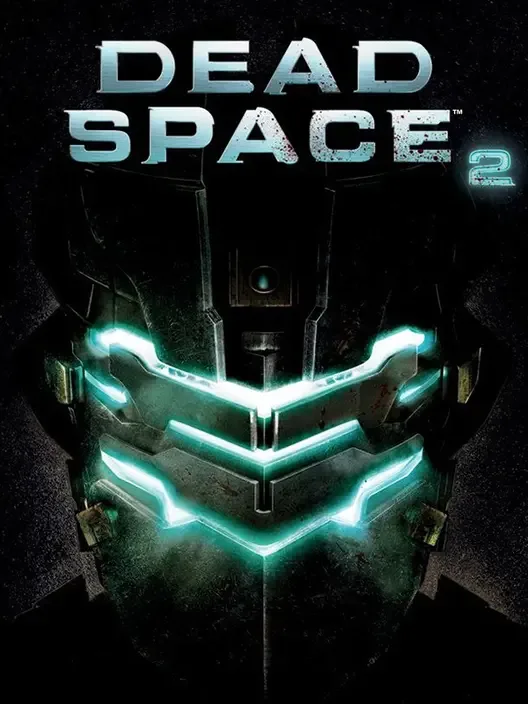
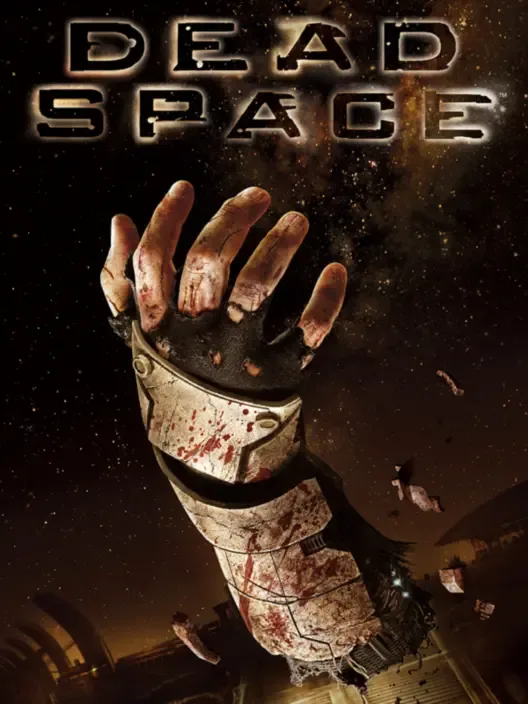
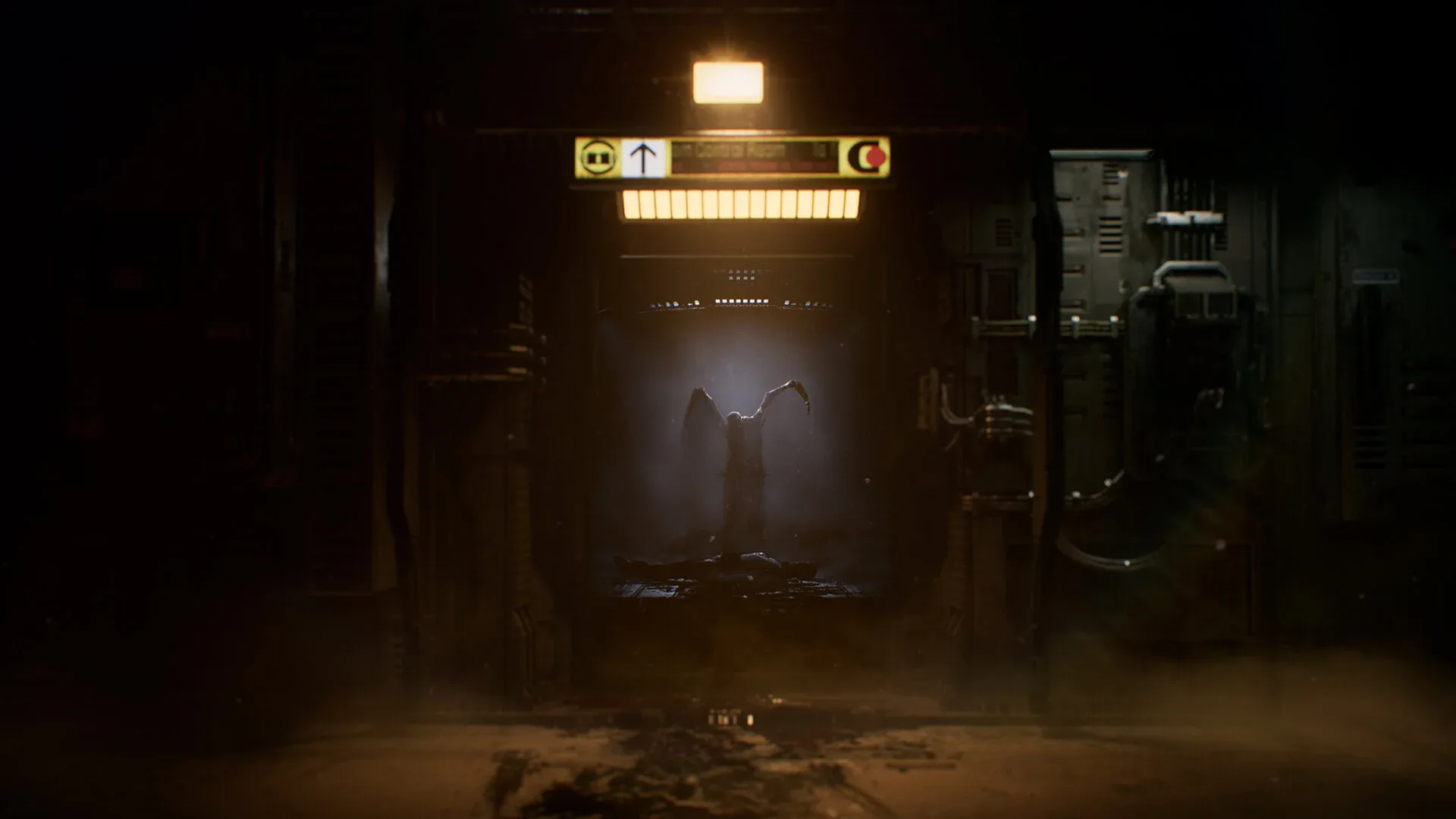
Dead Space is Motive Studio's ground-up remake of Visceral Games' 2008 survival-horror classic, published by Electronic Arts and released on 27 January 2023 for PlayStation 5, Xbox Series X|S and PC. It rebuilds the game in the Frostbite engine rather than patching up old assets, and the difference that choice makes is not cosmetic. This is a studio that clearly understood why the original worked, kept every one of those reasons intact, and then spent its budget fixing the parts that did not. Isaac Clarke can finally speak. The USG Ishimura can finally be walked from bow to stern without a single loading screen breaking the illusion that it is one real, doomed ship. EA also confirmed there would be no microtransactions in the finished product, a deliberate stance for a full-priced 2023 release that let Motive design difficulty and progression purely around what serves the horror rather than what sells a currency pack. The result is a remake that argues for its own existence instead of coasting on nostalgia, and one specific enough about what it changes that returning fans and newcomers end up having two genuinely different conversations about the same twelve chapters.
What makes this Dead Space different#
The one idea the remake is built around is that a horror game should never let you look away, and it enforces that with two decisions working in tandem: an unbroken camera and a talking protagonist. Every previous version of Dead Space let Isaac Clarke stay a silent, faceless engineer, which worked for a game where cutscenes did the talking. Motive's Isaac, voiced by Gunner Wright, reacts to what he sees, argues with Zach Hammond over the radio and talks to Kendra Daniels while sprinting past a vent that is about to burst. That single change reframes the whole game: instead of a mute avatar walking through someone else's story, Isaac is now a person the story is happening to, and his fear is audible instead of implied. Combined with a camera that never cuts to load a new area, jumping straight from a tram ride into a store menu into a vent crawl with no black screen between any of them, the Ishimura stops feeling like a level select screen dressed up as a spaceship and starts feeling like an actual, continuous, hostile place.
Zero gravity, rebuilt from the boots up#
The original Dead Space handled zero gravity by having Isaac's magnetic boots clamp him to fixed surfaces, turning space-walking into a slow hop between pre-set anchor points. The remake throws that system out and gives Isaac full 360-degree freedom to float, aim and fire in any direction, plus a propulsion boost for closing distance or dodging a Necromorph that lunges at him mid-flight. It sounds like a small mechanical tweak, but it changes how every zero-G chapter plays: instead of carefully planning which surface to jump to next, you are managing momentum and rotation in real time while something with claws is drifting toward you. The Chapter 6 exterior hull walk, where Isaac has to cross the outside of the ship while an asteroid storm chips away at cover, is a genuinely different experience from its 2008 counterpart because the player, not the level geometry, now controls the trajectory.
Peeling, and why dismemberment finally feels earned#
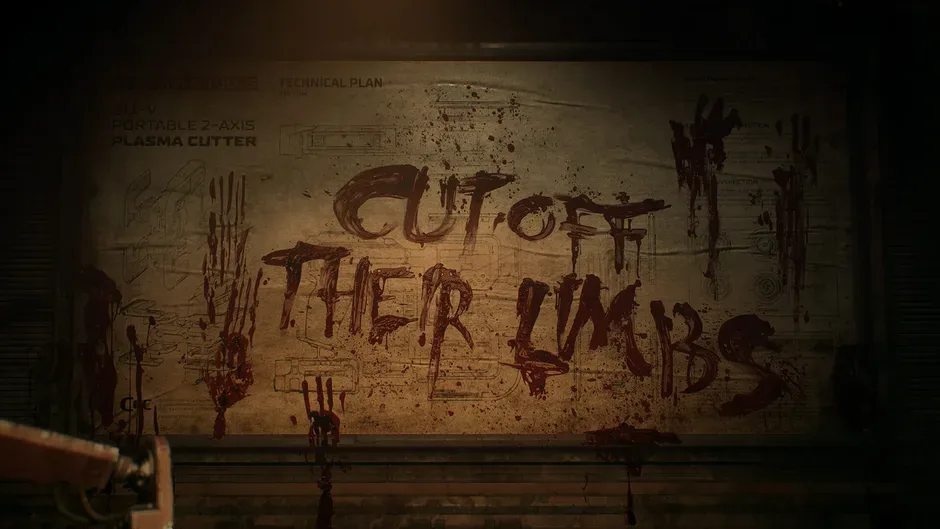
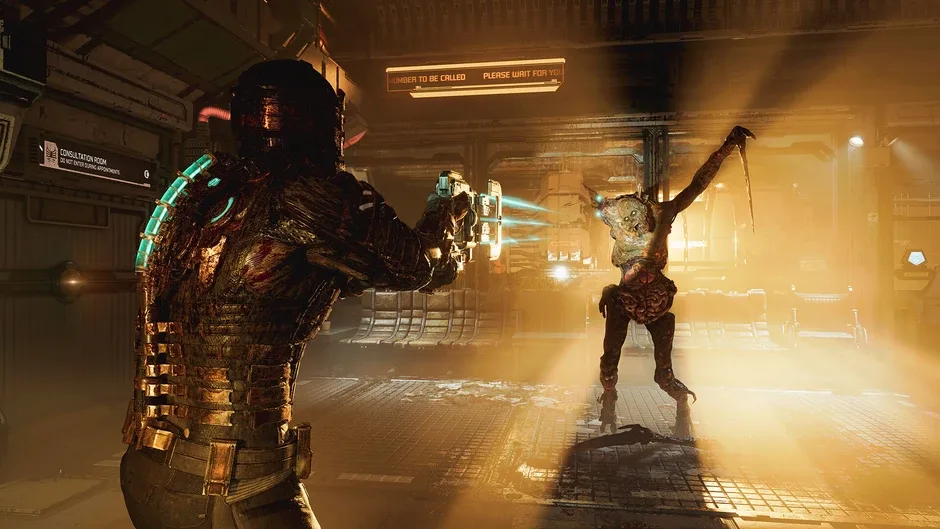
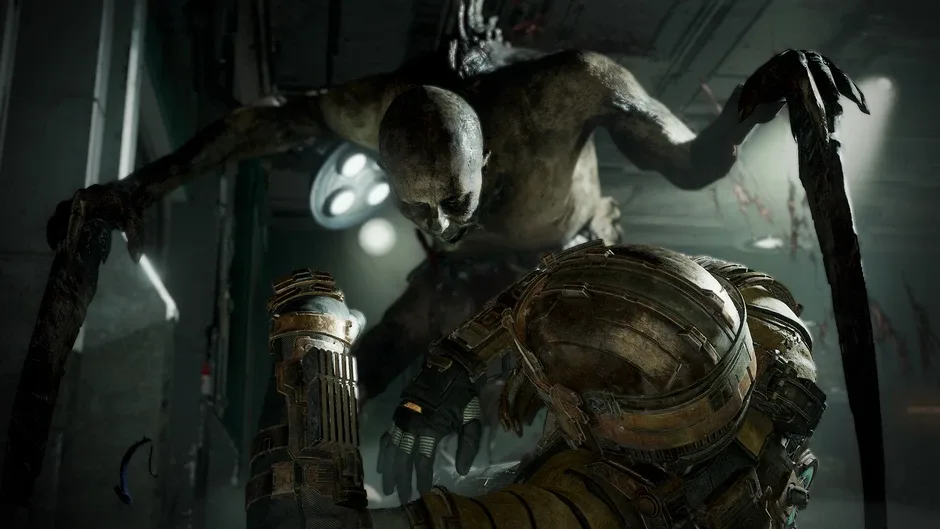
Dead Space's signature idea, that shooting off limbs matters more than shooting center mass, has always been the game's best mechanic, and the remake improves it with a system called peeling. Before a limb comes off, the Plasma Cutter, Line Gun or Ripper first has to slice through a visible layer of flesh to expose bone and tendon underneath, and only then does a follow-up hit sever the limb entirely. It sounds like a small cosmetic flourish, but it changes the moment-to-moment feel of every encounter: a leg that is half-peeled but still attached is a visible countdown, and deciding whether to finish that limb or pivot to a Necromorph closing in from the side becomes a real tactical read rather than a reflex. The Plasma Cutter remains the most efficient tool for this because its horizontal-and-vertical beam rotates to match a limb's angle, but the Line Gun's wide horizontal blast is the better choice against groups, since a single shot can peel and sever two Slashers' legs at once. Ammo is tight enough, especially on the higher difficulties, that switching weapons for the right job matters more than in most modern horror games, which still lean on a default rifle for everything.
The USG Ishimura, walked instead of loaded#
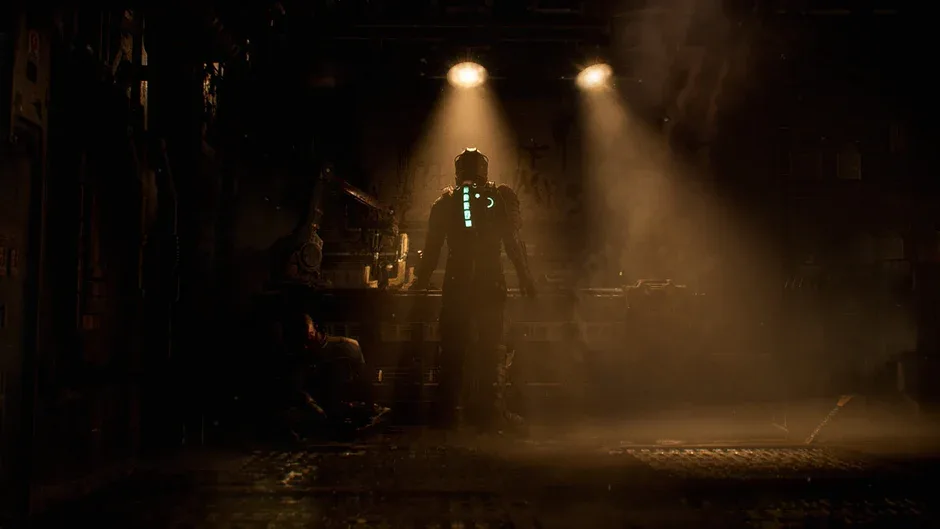
The ship itself is the remake's other headline feature, and it is less about spectacle than about geography. The original Dead Space technically took place on one ship, but load transitions between the tram, the medical deck and the engineering bay broke the illusion that it was a single, continuous space. The remake removes every one of those seams. Riding the tram from the Flight Deck to Hydroponics, wandering back to the Store to sell scrap, and then crawling through a vent to bypass a locked door all happen without a single loading screen, which means players build a real mental map of the ship rather than a series of disconnected levels. Motive backs this up with the Intensity Director, an AI system that varies enemy spawns, lighting and ambient sound based on how a specific player is behaving, so a corridor that was quiet on a first pass through a chapter might not stay quiet on a return trip for a missed item. It mostly works, and it is the reason backtracking, previously the game's weakest stretch, holds tension the second and third time through a level. Its randomness is also the design's one real flaw: the same system that makes a return trip scarier can occasionally throw a jump scare in too early or too late relative to the pacing a scripted sequence is trying to build.
Isaac, Nicole, and a story that finally has a shape#
The 2008 original told its story almost entirely through audio logs and text entries, which gave it a haunting, fragmentary quality but also left most of the crew, and even Isaac's motivation, thin. The remake rewrites large stretches of the plot with new scenes, most notably around Isaac's relationship with Nicole Brennan and the extent of the Church of Unitology's influence on the Ishimura's crew, including chief medical officer Terrence Kyne. New side missions, tied to named crew members rather than generic collectibles, let the player see individual fates play out instead of reading about them after the fact. The trade-off is real: some of what made the original's story effective was exactly how little it explained, and the remake's willingness to spell out Nicole's fate and the Marker's influence in dialogue and cutscene removes a portion of that ambiguity. The new alternate ending, unlocked through New Game Plus, goes further than the original's did in explaining what happens to Isaac after the credits, and while it connects more directly to the wider Dead Space universe, it is also less unsettling for saying more.
Difficulty, New Game Plus and Story mode#
The remake ships with five difficulty settings, from a new Story mode built for players who want the atmosphere without a survival-horror challenge, up to Impossible, a one-life, no-checkpoint mode unlocked after a full clear that is closer to a personal dare than a recommended way to play. Zealot, the hardest difficulty available from the start, changes enemy placement rather than simply inflating health bars, which means returning players who know the 2008 layouts cold still get ambushed in new spots. New Game Plus carries over weapons, upgrades and Nodes into a second run and is the only way to reach the alternate, more explicit ending, which gives the higher difficulties a real reason to exist beyond bragging rights.
Sound design: the RIG, the score and why silence still works#
Audio does as much work in this remake as the peeling system does, and it earned the game a nomination for Best Audio Design at The Game Awards 2023. Isaac's RIG suit now creaks and hisses audibly whenever oxygen runs low, footsteps change pitch depending on the surface and the amount of gore already spread across it, and the score by Ivan the Space Biologist rarely resolves into a recognizable melody, leaning instead on dissonant strings and industrial drones that rise and fall with the Intensity Director rather than on a fixed loop. The most effective trick, carried over from the original but sharpened here, is how much the game trusts total silence: several of the tensest stretches in Chapters 4 and 9 cut the score entirely and leave nothing but Isaac's breathing and distant metal groaning through the ship's hull, which makes the moment a Necromorph does burst out of a vent land harder than any musical stinger could. Binaural audio and a genuine 3D soundstage on both consoles and PC mean a scrape behind a wall to the left is audibly distinguishable from one to the right, which turns headphones from a nice-to-have into close to a requirement for the game's intended effect.
New to survival horror? Start here#
Dead Space is a reasonable entry point into the genre precisely because its difficulty options are unusually well designed for newcomers. Starting on Story mode strips away the resource-management pressure that scares most new players off survival horror, letting a first playthrough focus entirely on the atmosphere, the peeling system and the plot without the fear of running out of ammo mid-fight. A few habits make the opening hours smoother regardless of difficulty: sell scrap metal and unnecessary ammo types at the Store early rather than hoarding everything, since Credits convert directly into Power Nodes for weapon and RIG upgrades; prioritize upgrading the Plasma Cutter's damage and clip size before branching into other weapons, since it remains useful through the entire campaign; and use Stasis on fast enemies like Lurkers and Leapers rather than trying to outrun them, since it is the single most reliable way to create breathing room in a tight corridor. Anyone who finds even Story mode too tense should know that the game telegraphs almost every scripted scare with an audio cue a beat before it happens, which is worth learning to listen for rather than treating every corridor as equally dangerous.
Compared with the 2008 original and Resident Evil 4#
Set directly against its own source material, the remake wins almost every comparison that matters: a talking, characterized Isaac over a silent one, a seamless ship over a level-select ship dressed up as one, peeling and rebalanced weapons over a combat system that already worked but needed sharpening, and a story with actual scenes over one told entirely through logs. What it loses is some of the original's mystery, and players who specifically valued Isaac's silence as a way of projecting themselves onto him will find the new, characterized version a genuine change rather than a pure upgrade. Set against Capcom's Resident Evil 4 remake, released two months later in 2023, Dead Space is the slower, more atmospheric game of the two: RE4 leans into fast, almost action-game combat and a wry sense of humor, while Dead Space stays committed to a grinding, isolated dread and a combat system built around one specific idea, dismemberment, rather than a broad arsenal. Anyone who found RE4's remake too fast-paced for genuine tension will likely prefer what Motive built here.
Worth the money?#
At launch pricing of $69.99 on PlayStation 5 and Xbox Series X|S and $59.99 on PC, Dead Space sits at the upper end of a horror game's usual asking price, though it has been discounted well below that on every platform since. For that money, a focused run through the main story takes roughly 12 to 15 hours, a normal playthrough that picks up side missions and Log entries runs closer to 15 to 18, and full completion, including New Game Plus for the alternate ending and all collectibles, adds up to around 25 to 30 hours. On PS5 and Xbox Series X, a Quality mode targets 4K at 30 frames per second with ray tracing, and a Performance mode drops to roughly 1440p for a steadier 60 frames per second without ray tracing; Performance mode is the better choice for a game this reliant on quick reactions during zero-G combat. There are no microtransactions of any kind, which EA confirmed as a deliberate decision for this release. PC is the strongest version for anyone with hardware to spare, since it can run both the resolution and the frame rate targets the console modes have to trade off against each other. Text and voice are available in English on every platform, with subtitle support across a wide range of other languages.
Play this instead if …#
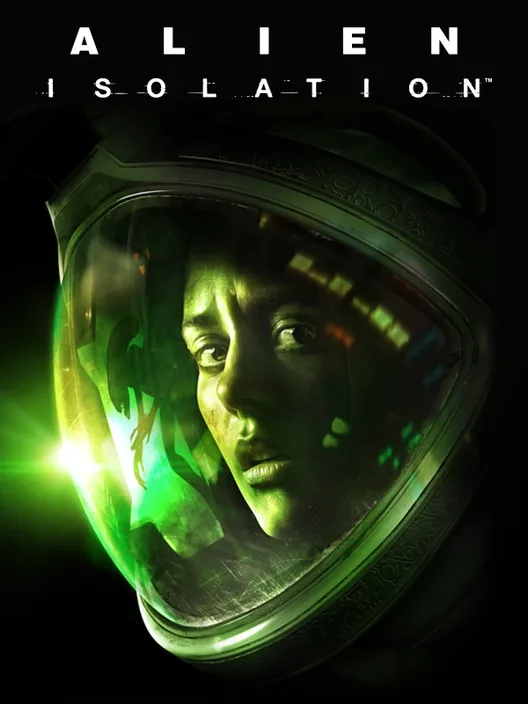
Shorter: Alien: Isolation delivers roughly 15 hours of a similarly slow, hide-and-seek horror loop, without dismemberment but with a single, unkillable threat that is arguably more frightening for being unbeatable rather than a resource to manage.
Easier: Resident Evil 4's 2023 remake trades Dead Space's grinding dread for faster combat, a generous parry system and a much larger arsenal, making it a better fit for players who want horror atmosphere without a slow, methodical pace.
Cheaper or with a lighter commitment: The original 2008 Dead Space, regularly available for a fraction of the remake's price on sale, still holds up as a tense, well-paced horror game if a silent Isaac and pre-Frostbite visuals are not a dealbreaker.
Frequently asked questions#
How long is Dead Space? Around 12 to 15 hours for the main story alone, 15 to 18 hours with side missions, and 25 to 30 hours for full completion including New Game Plus and the alternate ending.
Is Dead Space open world? No. The USG Ishimura is a large, interconnected ship explored without loading screens, but it is not an open world; progression is largely linear with optional side areas and side missions layered on top.
Does Dead Space have co-op or multiplayer? No. It is a single-player experience from start to finish, with no co-op or competitive modes.
Is there an easy mode? Yes. Story mode is built specifically for players who want to experience the plot and atmosphere without a demanding survival-horror difficulty curve, alongside the standard Medium and Hard settings.
Do you need to have played the 2008 original first? No. The remake tells a complete, self-contained story and changes enough of the plot's specifics that prior knowledge of the original is a head start rather than a requirement.
Does the remake require a powerful PC or console? It runs on PS5 and Xbox Series X|S with two graphics modes to choose from, and on PC it scales across a wide range of hardware, though a solid-state drive is effectively required to keep the seamless, no-loading-screen design intact.
Is Dead Space scary in the jump-scare sense, or is it slower-burn dread? Both. The Intensity Director leans on sudden vent bursts and ambush spawns for its jump scares, but the sustained tension comes from the ship's sound design, its resource scarcity and the way the camera never lets you look away from a threat once it appears.
The GameAvant verdict#
Dead Space is not a reinvention, and it does not need to be one. What Motive Studio built is a remake that understood exactly which parts of the 2008 original were load-bearing, kept every one of them, and then used a modern engine, a talking protagonist and a genuinely new dismemberment system to fix what was actually broken rather than what was merely old. The peeling system alone makes a fifteen-year-old combat idea feel current again, and the decision to let the USG Ishimura be walked rather than loaded turns the ship into a character in its own right. The only real cost is a story that occasionally trades the original's unsettling silence for scenes that explain a little too much, and an Intensity Director whose randomness can misjudge a set-piece's timing here and there. Neither flaw comes close to undoing what the remake gets right, and there is no other way to experience this specific ship, this specific engineer and this specific brand of claustrophobic dread that plays this well in 2026. Three years after launch, with the shine of a new console generation long worn off and Resident Evil 4's remake sitting right next to it as the genre's other obvious high point, Dead Space has not needed a single major patch to justify its place. It remains the clearest argument that a remake's job is not to reinvent a classic but to notice exactly what was holding it back and remove only that.
9 out of 10 – proof that a remake can fix a classic's real problems without sanding off what made it great.