

Roots of Pacha
Farming Sim · Life Sim · Dating Sim · Romance · Agriculture
Game page →
Review
A cozy farming and life sim with RPG elements, played from an isometric view. You tend a farm through the seasons, meet the townspeople, build relationships and explore a world with a touch of magic. Is it your kind of game?
Game Avant verdict
A charming, generous and well-written farming sim that blends Stardew Valley, Rune Factory and Harvest Moon into something with its own personality, with only modest additions in 1.0 and some performance complaints keeping it just short of perfect.
By GameAvant · Published Oct 10, 2026 · 12 min read
Choose what matters to you
Every question is optional.
How do you feel about a tough game with lots of retries?
How do you like to find your way?
How do you want to play?
Based on your choices
Pick what matters to you above and the result shows up here.
IGDB
84%
13 ratings
Steam:
96%
32,320 reviews
Fits you if
you want a calm routine of farming, friendships and seasons.
Skip it if
you want a game with pressure, combat or fast pacing.
Availability
Steam
$13.99
Fields of Mistria is the kind of game that is genuinely easy to describe in a single sentence and considerably harder to explain what makes it work in ten. Players inherit a neglected farm in a small town still visibly recovering from an earthquake, and from there spend their time planting crops, raising animals, fishing, mining, crafting, fighting a modest roster of monsters, donating artifacts to a town museum, and slowly getting to know the specific people living around them. If that description sounds unmistakably like Stardew Valley, Rune Factory, and Harvest Moon all at once, that overlap is entirely intentional. The developer, Chicago-based NPC Studio, built the game openly and explicitly as a spiritual successor to that specific lineage of farming and life-sim games, rather than pretending to invent the genre from scratch. What actually makes this particular entry worth a careful review is how well it executes those thoroughly familiar systems, and specifically how much of its own personality it manages to layer on top of a formula players have seen many times before. The game left Early Access on Steam on 5 August 2026, landing exactly two years to the day after it first entered Early Access, and that specific timeline matters more than it might first appear. Mistria never arrived as a fully formed, finished product; it grew publicly and incrementally over those two years, shaped continuously by regular content updates, direct community feedback, and a loyal player base that stuck with the game through its unfinished stretches. The 1.0 release is specifically the version that finally closes every thread the Early Access period had left deliberately open: a completed town with no remaining placeholder content, a fully completable museum collection rather than one missing key pieces, and properly implemented marriage and family systems that had previously existed only in partial form. Critical and player reception has settled into broadly positive territory, with specific praise consistently aimed at the game's writing, its individually distinct marriage candidates and townsfolk, its art direction, its music, and a set of quality-of-life design decisions that smooth over friction points other games in the genre often leave unaddressed. The character writing in particular stands out as a genuine differentiator rather than a minor strength; townsfolk have distinct voices, consistent personalities across dozens of hours of dialogue, and romance arcs that develop with real narrative pacing rather than unlocking through simple gift-giving thresholds alone. The main criticisms clustering around the 1.0 release are, specifically, a pervasive sense of familiarity that some players find limiting rather than comforting, a handful of genuine performance problems that surface during longer play sessions, and a feeling among the game's most dedicated veteran players that the final major content update added somewhat less new material than the preceding years of development had led them to expect. None of those issues are severe enough to undermine what the game accomplishes overall, but they are specific and real enough to keep this from a perfect score. This earns a 9 out of 10 because it is a genuinely very good game competing in an extremely crowded genre, and it happens to be meaningfully more generous with its content and systems than most of the games it is directly compared against.
You may love it because
The loop of farming, befriending, mining and collecting is instantly readable and comforting, and it is executed with a lot of care.
It may frustrate you because
Players who have already spent hundreds of hours in similar games may feel they have seen the broad strokes before.
You may love it because
Two years of updates and player feedback mean most systems, from day length to chest sorting, are well tuned at launch.
It may frustrate you because
Anyone who followed the Early Access closely may find the jump to 1.0 smaller than the version number suggests.
You may love it because
The slow pace, seasons and relationships give a sense of a town that changes with you, and there is a lot to do.
It may frustrate you because
The pace is relaxed by design and can feel slow or repetitive to players who want constant escalation.
12 min read
· By Game Avant
Three alternatives, one line each on why.
Farming Sim · Life Sim · Dating Sim · Romance · Agriculture
Game page →
Farming Sim · Life Sim · Dating Sim · Agriculture · Relaxing
Game page →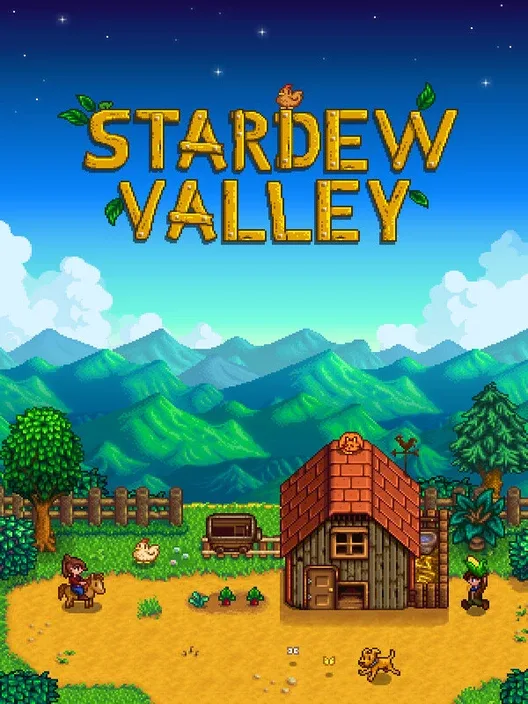
Farming Sim · Life Sim · Agriculture · Romance · Dating Sim
Game page →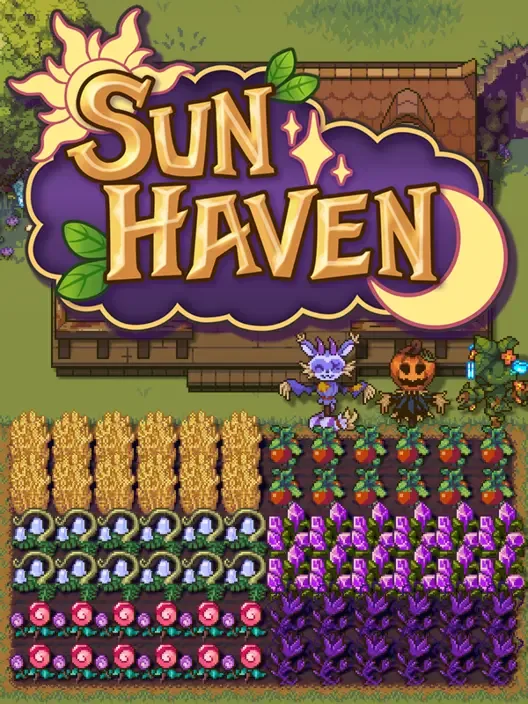
Farming Sim · Life Sim · Dating Sim · Agriculture · Romance
Game page →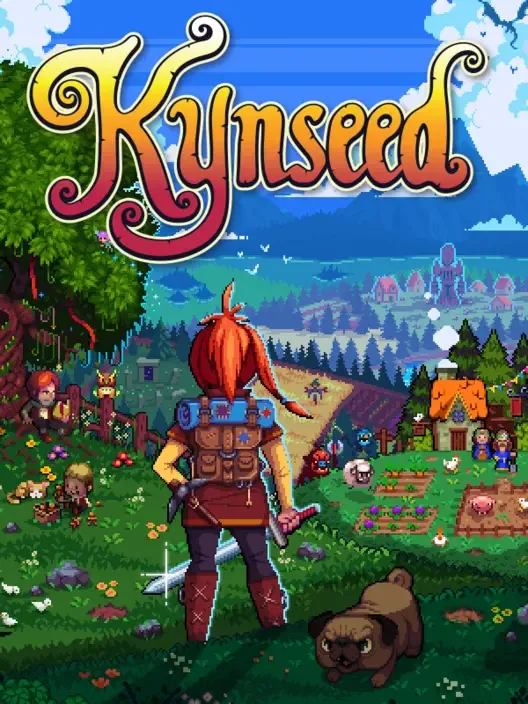
Farming Sim · Life Sim · Farming · Crafting · Relaxing
Game page →
Farming Sim · Farming · Agriculture · Life Sim · Relaxing
Game page →