

A Stardew rival that earned its place#
Fields of Mistria is the kind of game that is easy to describe in one sentence and harder to explain in ten. You inherit a neglected farm in a small town that is still recovering from an earthquake, you plant crops, raise animals, fish, mine, craft, fight a few monsters, donate artifacts to a museum and slowly get to know the people around you. If that sounds like Stardew Valley, Rune Factory and Harvest Moon, it should. The developer, the Chicago-based NPC Studio, openly built it as a spiritual successor to that tradition. What makes it worth a review is how well it does the familiar things, and how much personality it adds on top.
The game left Early Access on Steam on 5 August 2026, exactly two years after it entered Early Access. That timeline matters. Mistria is not a game that arrived fully formed; it grew in public, with updates, community feedback and a loyal audience, and the 1.0 release is the version that finally closes the open threads. Critics and players are broadly positive, with praise aimed at the writing, the characters, the art, the music and the quality-of-life design. The main criticisms are familiarity, a handful of performance problems and a feeling among veterans that the final update added less than hoped. This review gives it a 9 out of 10: it is a very good game in a very crowded genre that happens to be more generous than most of its rivals.

What makes Fields of Mistria different#
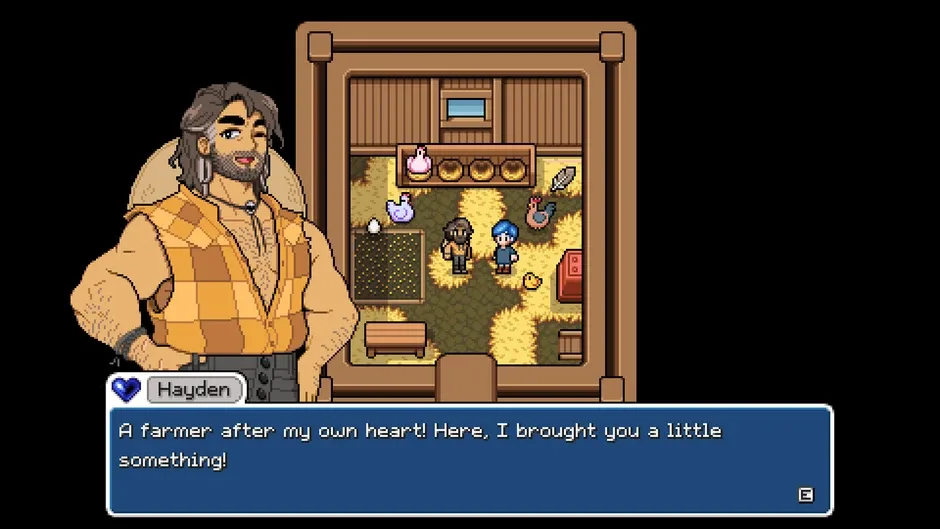
Several things separate Mistria from the pack. The first is its mood. The town is soft and pastel, the character portraits lean towards 1990s anime, and the dialogue is written with humour and warmth rather than a list of gift preferences. The second is its ambition in the systems around the farm. Farming is only one pillar. Fishing, cooking, mining, combat, crafting, ranching and woodcrafting all have their own skills, and those skills have perks, so the game steadily turns a day's chores into a build you shape yourself.
The third is the way it treats time and comfort. A frequent complaint about farming sims is the short day that makes everything feel rushed. Mistria lets you adjust the length of the day, and it offers a long list of convenience tools: sprinting, jumping, mounts, a journal that tracks what each character likes and dislikes, labelled chests that sort items for you, and an unlockable teleport home. None of this is flashy, but together it makes the game feel considerate of your time.
Magic is the final touch. The game includes spells that can summon rain, speed crops along or fire a blast, which lets the farm play with fantasy elements without turning into a full adventure game. The game is also verified for Steam Deck, which suits its pick-up-and-play rhythm.
Farming, animals and the daily loop#
The core loop is the one genre fans will recognise. You wake up, water and harvest crops, feed and tend animals, decide where to spend your limited energy and head out into the town. Seasons change what you can grow, festivals and events break up the calendar, and the farm slowly expands from a patch of weeds into something you are proud of. The game rewards planning without punishing the occasional bad day.
Ranching is a good example of the depth under the surface. Animals are not just a production line; the skill tree has perks for playtime and for building trust, and the 1.0 update added pet skins, a big chicken mount and more perks across cooking, ranching and woodcrafting. These are small additions, but they reinforce the idea that the game is a collection of things to enjoy rather than a single optimisation puzzle.
If the loop has a weakness, it is the same one every game in this genre shares: the daily routine can get repetitive if you play in long sessions. Mistria softens this with variety. Each day offers a mix of tasks, and the game rarely forces you into one activity for long.

Mining, combat and collecting#
Under the town is a world of mines, caves and ruins. Mining supplies the ore and gems that feed crafting and smithing, and deeper levels bring monsters, treasure chests and chambers that give you a reason to keep descending. The combat is deliberately light. You can forge weapons and armour, enchant gear and level combat skills, but this is a farming sim first, and the fights are there to add rhythm rather than challenge.
The 1.0 update tuned the mines, with better chest drop rates and more frequent ritual chambers and treasure rooms. It also added a perk that makes every monster drop a pet skin. That detail says a lot about the game's priorities. A reward here is just as likely to be a cosmetic for your companion as a better sword.
Collecting is the other pull. The museum can now be completed, with new sets added in 1.0, and you can walk into its wings to look at what you have donated. Some players find the museum underwhelming compared with the rest of the game, and that is a fair note. It is functional and satisfying as a checklist, but it is not the emotional centre of the experience.
The town and the people#
The people are the reason to play Fields of Mistria, and it is where the game is at its best. The cast is large, each character has routines, likes, dislikes and heart events, and the writing is often funny and occasionally moving. Romance is open regardless of gender. Critics regularly single out the characters, the writing and the villager dialogue as the game's greatest strengths.
The 1.0 update finishes what Early Access started. Relationship levels now go up to ten hearts, and reaching that point unlocks a proposal event. You craft an engagement ring at a forge, plan a wedding that covers flowers, cake and the reception meal, and after marriage you can open an optional family planning conversation that leads to children with their own events. Dating several people at once is possible, but the game triggers a break-up when you get engaged to one of them, and you can adjust the settings to hide the letters or switch off the status change.
Some players say that married life and the family still feel lighter than the courtship that leads up to it. That is not unusual for the genre, and it is the area where future updates would help most.

World, story and town renown#
Beyond the farm, Mistria has a main thread about restoring a damaged town. The 1.0 version adds a completable town repair questline, raises the renown cap to 100 and introduces quests such as repairing the bell tower and building a Saturday market plaza. New vendors arrive with the market, and there is a late-game storyline set at the inn that unlocks after the mines story.
This is a soft, community-building kind of progression. You are not saving the world; you are rebuilding a place and making it feel alive. The game keeps its stakes small and its tone kind, and it uses the repair work to give structure to the later hours. Town ranks and renown quests add a clear sense of progress, which helps because the genre tends to be shapeless otherwise.
Art, music and atmosphere#
Visually, the game uses pixel art with detailed backgrounds, expressive character portraits and a pastel palette that makes the town feel inviting. Seasonal changes are clear, and small touches such as cloud shadows on sunny days make the world feel alive. The anime-inspired character art stands out in a genre where most games use simpler pixel portraits.
The soundtrack is another strong point. The game has around fifty tracks composed by Hidehito Ikumo, with seasonal themes that switch to extended versions as you progress, and 1.0 adds a new winter song and ten more songs you can unlock with song crystals. For a game you may leave running for many hours, a soundtrack that does not wear thin is a real asset.

Difficulty and accessibility#
Mistria is not a difficult game. Failure mostly means losing time or energy rather than losing progress, and the adjustable day length lets you tune the pressure. The convenience tools, from sprinting to sorting chests, take away friction that older games in the genre simply accepted. The mines add some challenge, but the combat is gentle enough that it rarely gets in the way.
Text and voice options are worth checking before you buy. The 1.0 update added beta localisations for several languages, including Chinese, French, Japanese, Korean, Russian and Spanish, but this review could not confirm support for Swedish or German, so check the store page. There is no multiplayer or co-op in the released version.
Compared with Stardew Valley and Rune Factory#
The obvious comparison is Stardew Valley, and it is the one the game invites. Stardew set the template for modern cozy farming, and Mistria follows it closely: a farm, a town, seasons, a museum, relationships and a mine. The difference is in the details. Mistria has a more elaborate skill and perk structure, a more anime-flavoured presentation, a stronger focus on a large romanceable cast and a few fantasy touches such as spells. Stardew has the benefit of years of content, co-op play and a reputation that is hard to beat.
Rune Factory is the second reference. That series blends farming with more serious fighting and a fantasy storyline, and Mistria borrows some of its spirit, but with much lighter combat. If you want to spend half your time in dungeons, Rune Factory is the more action-oriented choice. If you want to spend most of it on the farm and in town, Mistria is the more relaxed one.
| Fields of Mistria | Stardew Valley | |
|---|---|---|
| Tone | Soft, pastel, anime-flavoured | Earthy, nostalgic pixel charm |
| Relationships | Large cast, ten-heart romances, weddings and children | Large cast, marriage and children |
| Combat | Light, with weapons, armour and enchantments | Light, with weapons and rings |
| Multiplayer | Not in the released version | Co-op available |
| Special touches | Spells, pets, adjustable day length | Long content history, strong modding scene |
New to farming sims? Start here#
If this is your first cozy farming game, the best advice is to relax. Nothing in Mistria punishes you for taking the slow path, and the game is built so that you can follow what interests you in any order.
- Set the day length to something that suits you before you start, and change it later if it feels wrong.
- Plant a few crops early, but spend your first days meeting everyone in town and noting what they like in the journal.
- Visit the mines regularly for ore and gems, and turn them into better tools as soon as you can.
- Put your first skill perks into the area you enjoy most, whether that is ranching, cooking or fishing.
Worth the money?#
Our game database suggests roughly 60 hours for a main playthrough, and that is only the beginning for people who like collecting, relationships and decorating. For that amount of content, the game is easy to recommend at a typical indie price. The developer said before launch that the price would not rise for 1.0, and a launch discount was reported at the time, but the figure may have changed, so check the current price on the Steam store page.
The release is available for PC through Steam and is verified for Steam Deck. Console versions are not confirmed; the developer has only said it will look at ports later. Anyone who wants to play on a console should wait for an official announcement and not rely on fan sites. Early Access owners receive 1.0 as an update to their existing copy.
For players who already own the game from Early Access, the question is slightly different. The 1.0 update brings a finished museum, a town repair questline, weddings and children, but some veterans say it adds less than they hoped. That should be read as a note about expectations rather than a flaw in the game.

Play this instead if…#
Shorter: Stardew Valley is the classic that Mistria is measured against, and it is a good choice if you want a compact, proven introduction to the genre with a friendlier route to co-op.
Easier: A Short Hike or other relaxed exploration games ask even less of you than a farming sim, and they work well if even a gentle daily routine feels like too much.
Cheaper or co-op: Stardew Valley is regularly discounted and supports co-op, which Mistria does not offer in its released version. If you want to farm with a friend, that is the safer pick.
Frequently asked questions#
How long is Fields of Mistria? Our database lists about 60 hours for a main playthrough, and collecting, relationships and decorating can extend that considerably.
Is Fields of Mistria out of Early Access? Yes. Version 1.0 launched on Steam on 5 August 2026, two years after Early Access began.
Which platforms is it on? Windows PC through Steam, with Steam Deck support. Console versions are not confirmed.
Does it have multiplayer or co-op? No. The released version is single-player.
Can you marry and have children? Yes. Relationships reach ten hearts, you can propose, plan a wedding and, if you choose, start a family.
Is it like Stardew Valley? It is very close in structure and spirit, but it has its own art style, a bigger focus on skills and perks, and a larger romance-focused cast.

The Game Avant verdict#
Fields of Mistria is an easy game to like and a hard one to fault. It has a charming town, a large and well-written cast, a generous set of systems and a warm tone, and two years of Early Access feedback have given it a level of polish that many full releases lack. The 1.0 version closes the open threads with a finished museum, a town repair story, weddings and children, and it does so without raising the price, according to the developer.
The caveats are real but small. It is very close to the genre template, some veterans wanted more from the final update, a few players report performance problems and there is no multiplayer. None of that changes the overall picture. If you want a cozy farming sim with a lot of heart, this is one of the best you can play on PC right now.
9 out of 10 – a warm, generous and polished farming sim that stands comfortably beside the genre's best.