
The original Xbox launched in November 2001 and was the first console from Microsoft. Built on PC-style hardware with a hard drive, Ethernet port and, from 2002, the Xbox Live online service, it gave console players online multiplayer, custom soundtracks and high-fidelity visuals years before rivals. Its library leans towards shooters, racers, stealth and Western role-playing games, alongside a handful of Japanese cult exclusives. Each entry notes an honest weakness, since many of these games show their age in frame rate, controls and design conventions.
1. Halo: Combat Evolved#
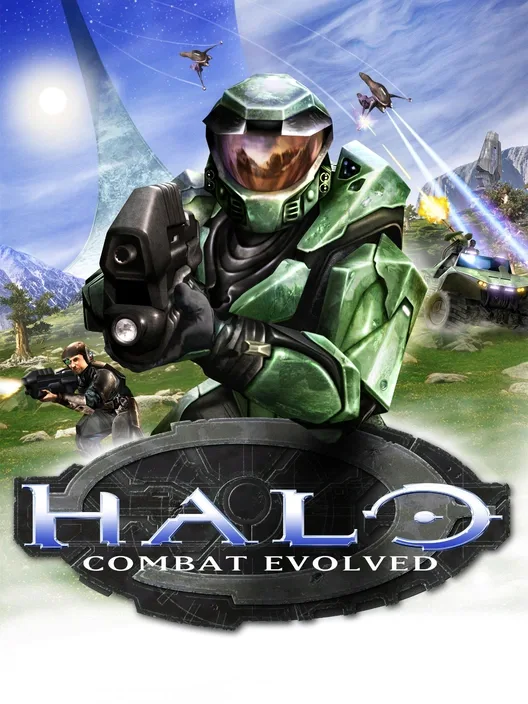
Bungie released Halo: Combat Evolved as the defining launch title of the Xbox in November 2001, and it proved that a first-person shooter could feel at home with a controller. The two-weapon limit, recharging shield, vehicle sections and the ring world of Installation 04 made encounters varied and improvisational, while the co-op campaign and system-link multiplayer turned living rooms into arenas. It holds a Metacritic score of 97, the highest of any original Xbox game. The Library level notoriously repeats its corridors and rooms, and the story is told sparingly. Its influence on how console shooters handle aiming, health and grenades is hard to overstate.
2. Halo 2#
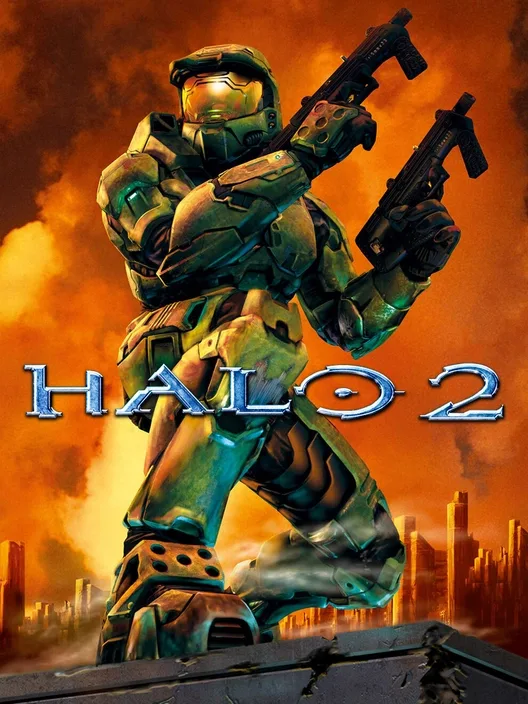
Bungie followed up in November 2004 with Halo 2, which added dual wielding, vehicle hijacking and a campaign that lets the player step into the Arbiter's shoes. Its real revolution was Xbox Live matchmaking, which automatically paired players and picked maps, helping set the template for console online multiplayer. It holds a Metacritic score of 95. The campaign is best known for its abrupt cliffhanger ending, and some late levels reuse combat spaces. Even so, maps such as Lockout, Zanzibar and Ascension remain reference points for arena design, and the game is one of the most important releases of its decade. Its writer intended the cliffhanger to land like the ending of The Empire Strikes Back, though many players felt the story simply stopped, leaving the resolution to the sequel.
3. Ninja Gaiden Black#
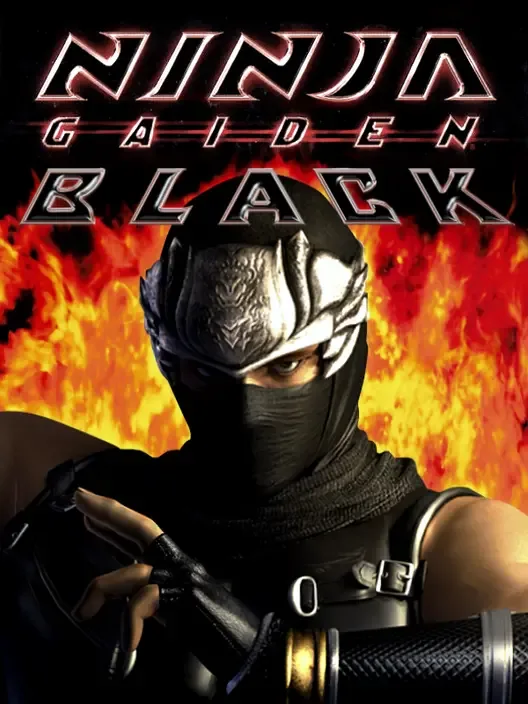
Team Ninja's Ninja Gaiden Black, released in 2005, is the revised edition of the 2004 original and is widely regarded as the sharpest version of the game. It keeps the fast, unforgiving action of Ryu Hayabusa, adds new enemies, weapons and a Mission mode, and smooths out balance problems of the first release. It holds a Metacritic score of 94. Difficulty is the price of admission: bosses punish mistakes, and the camera can still hide attackers in tight spaces. The reward is a combat system with deep blocking, dismemberment and Ultimate Techniques that helped define the modern character-action game. Black also added the Ninja Dog and Master Ninja difficulty settings, more costumes and an unlockable arcade version of the original, and it folded in the earlier Hurricane Pack updates. Ninja Dog was added after complaints that the default game was too hard, though the standard difficulty remains punishing.
4. Star Wars: Knights of the Old Republic#
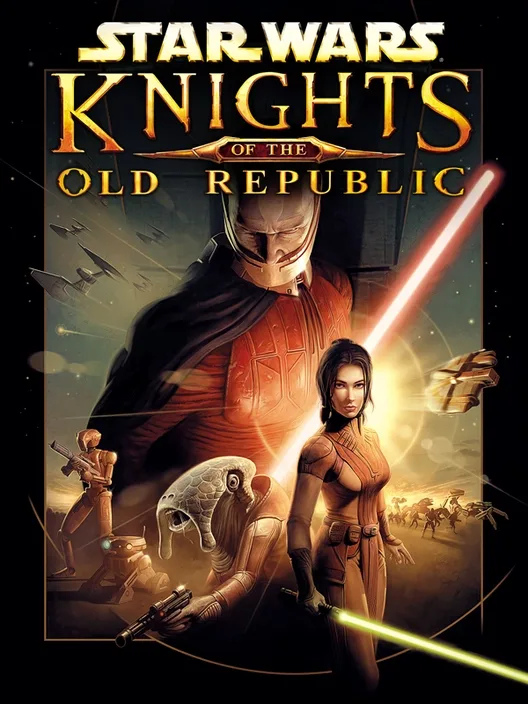
BioWare's Star Wars: Knights of the Old Republic, released on Xbox in July 2003, moved the studio's role-playing formula to a galaxy four thousand years before the films. It uses real-time combat with a pause function, memorable companions such as HK-47 and Bastila, and a light and dark side alignment that changes the story. It holds a Metacritic score of 94. It also contains one of gaming's most discussed plot twists. Combat can feel stiff by modern standards. It was a rare Star Wars game that respected the setting on its own terms and remains a benchmark for licensed role-playing games.
5. Burnout 3: Takedown#
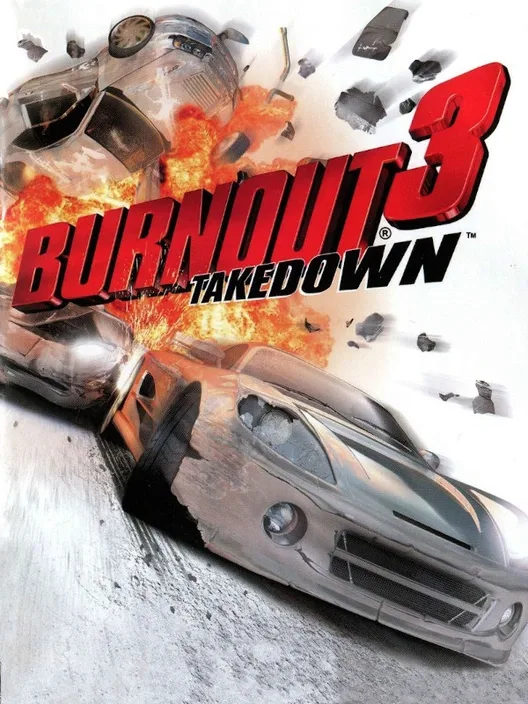
Criterion Games' Burnout 3: Takedown launched in September 2004 and made crashing a feature rather than a penalty. The Takedown mechanic lets players slam rivals into walls and traffic, the boost system rewards risky driving, and Crash mode turned pile-ups into a puzzle of its own. It holds a Metacritic score of 94, and its speed and sense of impact are still hard to match. Xbox Live support added online races and crash events. The single-player structure grows repetitive over the long run, and the licensed rock soundtrack is not for everyone. It is widely regarded as one of the best arcade racers ever made, and it remains the highest-scoring racing game on the original Xbox on Metacritic. Online play covered five modes, including six-player team Road Rage and eight-player Party Crash.
6. Tom Clancy's Splinter Cell: Chaos Theory#
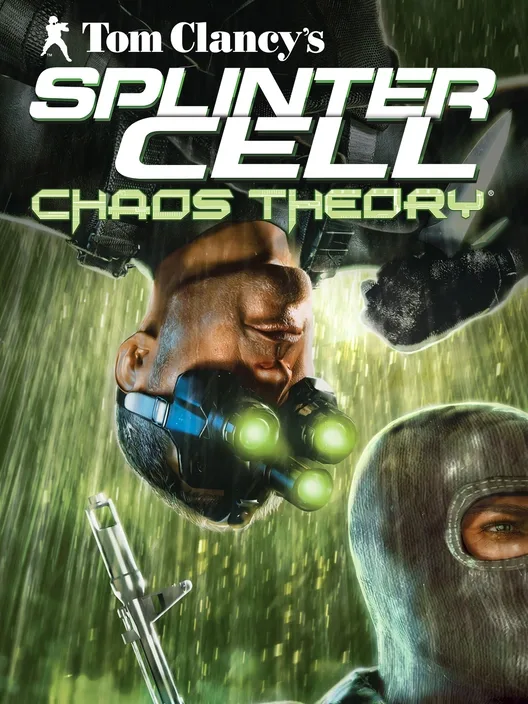
Ubisoft Montreal released Tom Clancy's Splinter Cell: Chaos Theory in March 2005, and it refined the stealth formula of the earlier games. Sam Fisher can knife enemies from the shadows, use a more flexible move set and approach missions through multiple routes, while the cooperative campaign and the Spies vs. Mercs multiplayer mode extended the game further. It holds a Metacritic score of 94 on Xbox. The lighting model gives the stealth real texture, though the AI becomes predictable once its patterns are learned, and the story is a standard thriller. It is often named the best in the series, and IGN later described it as the franchise's peak. Ubisoft Montreal developed it with Ubisoft Milan, and the co-op campaign is a separate seven-mission storyline playable over system link or Xbox Live.
7. Grand Theft Auto: San Andreas#
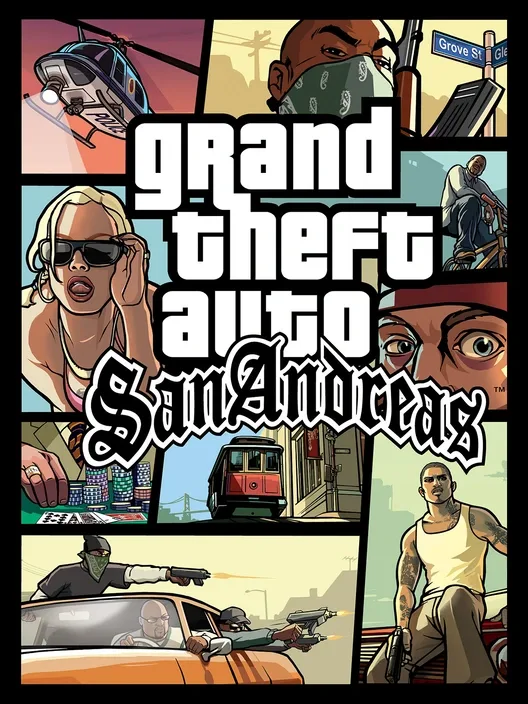
Rockstar North's Grand Theft Auto: San Andreas arrived on Xbox in June 2005, after its PlayStation 2 debut in late 2004. It sends Carl Johnson across a state of three cities and a countryside, with gang turf wars, RPG-style stats and a wide range of vehicles. It holds a Metacritic score of 93 on Xbox. The scale is remarkable, though the mission design includes frustrating checkpoints and some cumbersome minigames, although the Xbox version improved on the PlayStation 2 original with better graphics and faster load times. Its portrait of early 1990s California, a radio soundtrack that captures an era and a story with real weight keep it near the top of the series.
8. Tony Hawk's Pro Skater 3#
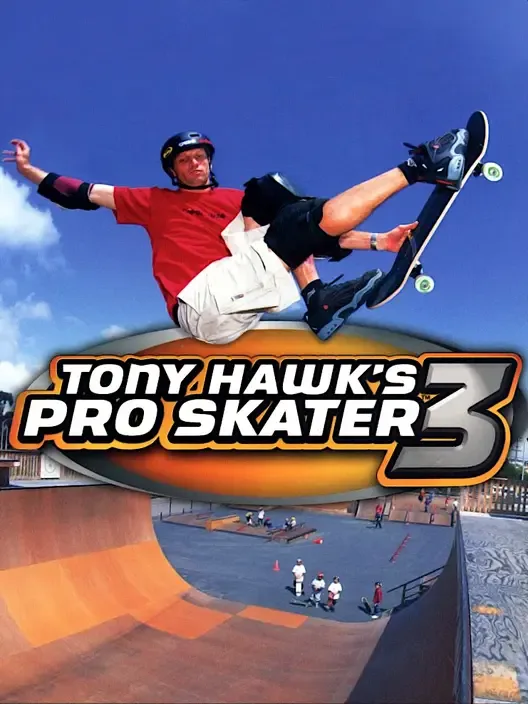
Neversoft's Tony Hawk's Pro Skater 3 reached the Xbox in 2002, and it holds a Metacritic score of 93. It added the revert, which lets players chain vert tricks into manuals and combos, and its levels were built for creative line-making. The Xbox version scored 93, while the PlayStation 2 original reached 97 and is one of the highest-rated games on that system. Goals repeat across levels, and the soundtrack is dated in taste. It is regularly named as the high point of the series, thanks to its blend of accessible controls and deep score-chasing. The revert let players tie vert combos into manuals, allowing far longer combos than the first two games, and Neversoft built the levels around that flow.
9. Tom Clancy's Splinter Cell#
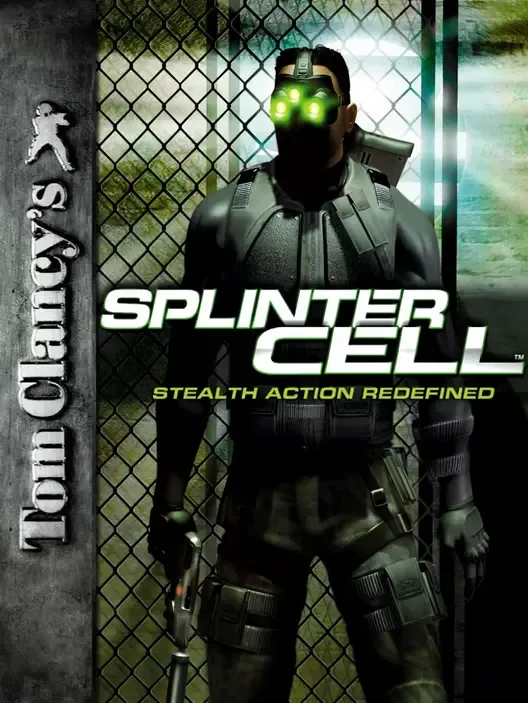
Ubisoft Montreal introduced Sam Fisher in Tom Clancy's Splinter Cell, released in November 2002 with the Xbox version as the technical showcase. It turned stealth into a systems game with dynamic light and shadow, a light meter, night and thermal vision and a playable arsenal of gadgets, and its visuals set new standards on the hardware. It holds a Metacritic score of 93. It demands patience and trial and error: getting spotted often ends a mission, and GameSpot noted it can descend into frustrating trial and error. The linear structure limits improvisation compared with later entries. Its combination of tension, atmosphere and tools made it a landmark of the console generation and launched a long-running franchise.
10. Prince of Persia: The Sands of Time#
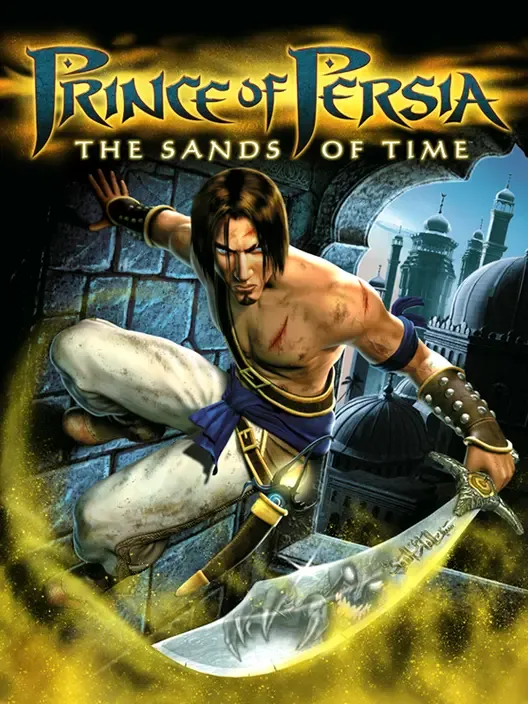
Ubisoft Montreal's Prince of Persia: The Sands of Time, released in October 2003, revived a dormant series with a game that combined acrobatic platforming with a rewind mechanic. The Dagger of Time lets the player undo mistakes and freeze enemies, which softens the frustration of leaps and traps, and the narrated fairy-tale story adds charm. It holds a Metacritic score of 92 on Xbox. Combat is repetitive compared with the platforming, and the level structure is linear. Its fluid movement, particularly the wall runs and rope swings, set a standard for 3D action adventures. The Dagger of Time lets players rewind up to ten seconds after a fatal mistake, a mechanic that shaped the puzzle design as well as the story. The Xbox version launched in North America in November 2003 and reached Europe in February 2004.
11. Forza Motorsport#
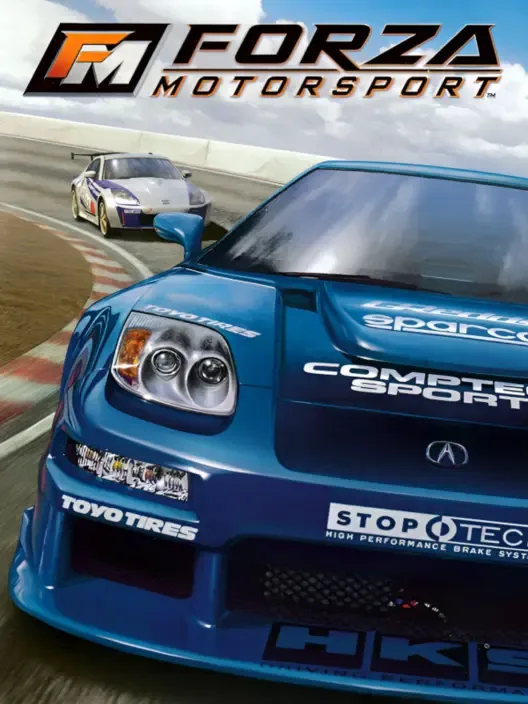
Turn 10 Studios' Forza Motorsport launched in May 2005 as Microsoft's answer to Gran Turismo, and it holds a Metacritic score of 92. It combined a serious driving model with visible damage, a deep tuning and livery system and Xbox Live multiplayer. The Drivatar system, which learned how players drove, set a template for AI opponents. The presentation is restrained next to its rival. Still, it established a franchise that has run for two decades. It offered 231 cars across nine classes and real circuits such as Silverstone, Laguna Seca and the Nurburgring Nordschleife, and Turn 10 deliberately made the physics more accessible than a pure simulator.
12. SoulCalibur II#
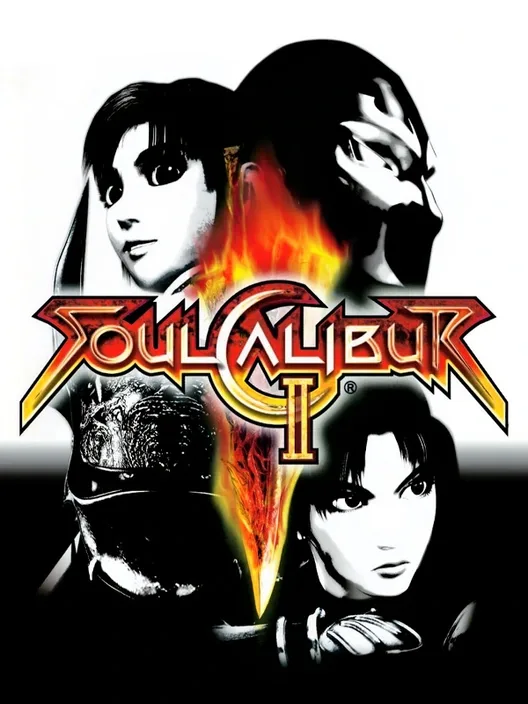
Namco's SoulCalibur II reached Xbox in August 2003 with Spawn as the platform's exclusive guest, alongside Heihachi on PlayStation 2 and Link on GameCube. It offers fast weapon-based fighting with eight-way run, guard impact and a Weapon Master mode that turns the roster into a campaign. It holds a Metacritic score of 92 on Xbox. The story is thin, and online options were absent on this generation. It is regarded as one of the best fighting games of its era, valued for its precision and its polished visuals. Critics described it as one of the most refined, accessible and best-looking 3D fighters to date, and the Xbox, PlayStation 2 and GameCube versions all scored about 92 on Metacritic. Each console got a different guest fighter, which made the Xbox release the only place to play as Spawn.
13. ESPN NFL 2K5#
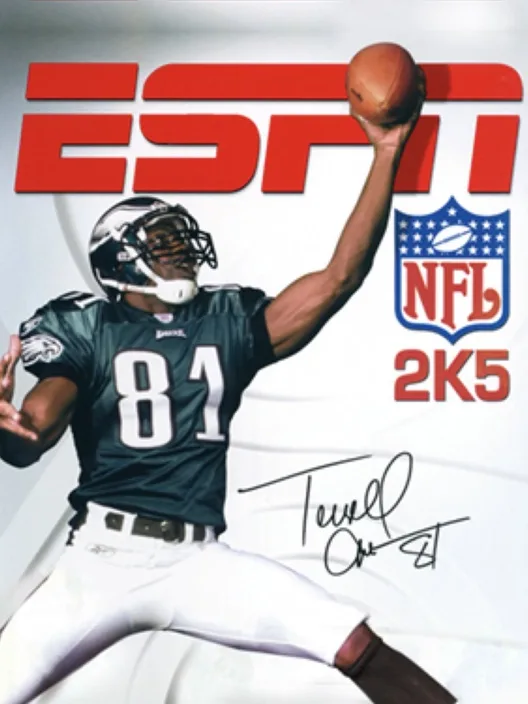
Visual Concepts' ESPN NFL 2K5 came out in July 2004 and holds a Metacritic score of 92. It was praised for its ESPN broadcast presentation, fluid gameplay, a Franchise mode with off-field management and a value-focused release. Its later fame comes partly from the rivalry with Madden, since Electronic Arts soon secured an exclusive NFL license. Its rosters are stuck in that era, and later editions superseded it. It is still cited by many players as the best football game of the generation. Sega priced it at $19.99 against Madden's $49.99, and its Franchise mode wove in ESPN broadcast touches such as SportsCenter segments hosted by Chris Berman and Trey Wingo. Time later ranked it among the greatest video games of all time.
14. SSX 3#
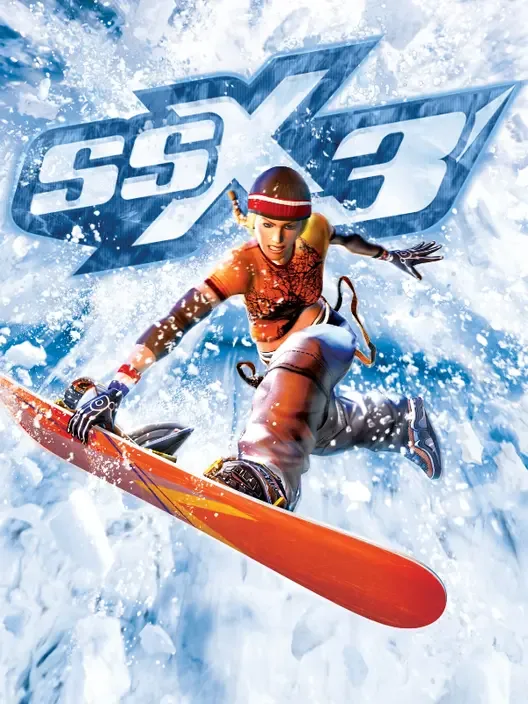
EA Canada's SSX 3, released in October 2003, merged the arcade snowboarding formula into one giant mountain with three peaks that players can ride from top to bottom. It holds a Metacritic score of 92. The stunt system fits a sense of speed and freedom, and the soundtrack and race modes give it an energy that few sports games match. The rider progression is shallow, and the mountain layout can be disorienting on the first runs. It is regarded as the strongest game in the series and a highlight of arcade sports on Xbox. It was the first SSX to pass one million copies sold, and it won Academy of Interactive Arts & Sciences awards for console action sports game of the year and for its licensed soundtrack. The trick-heavy controls take some getting used to on the pad.
15. Half-Life 2#
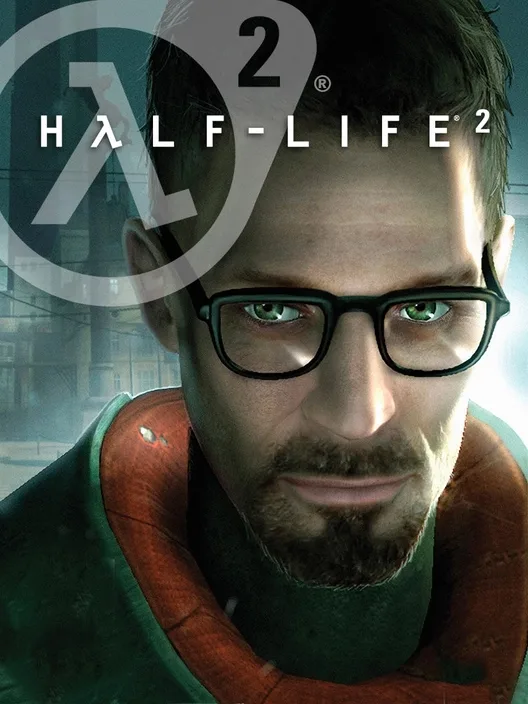
Valve's Half-Life 2 reached the Xbox in November 2005, a year after the PC original, and holds a Metacritic score of 90 on the platform. It follows Gordon Freeman through City 17 with the gravity gun, a physics-driven puzzle and combat system, and expressive characters such as Alyx Vance. It won numerous Game of the Year awards on PC, and the Xbox version shows the console's technical limits with graphics that fall short of the PC release. It was one of the last big games released on the system. Electronic Arts published the Xbox version, which arrived in North America on 15 November 2005 and in Europe three days later. The PC original collected dozens of Game of the Year awards, and the gravity gun remained the signature tool.
16. Project Gotham Racing 2#
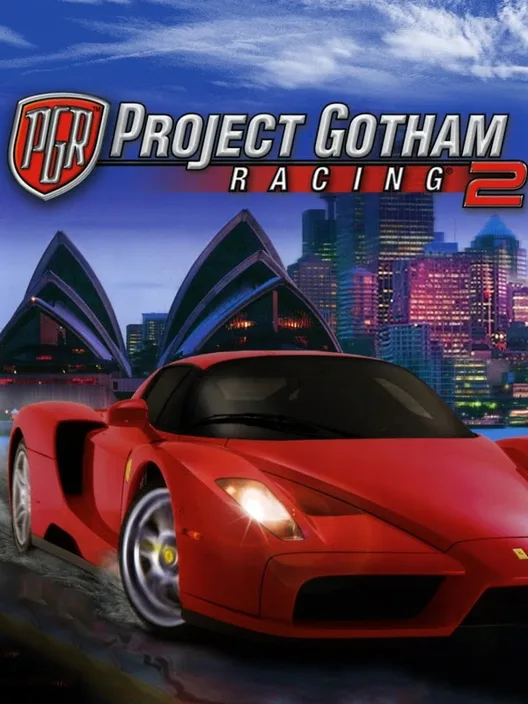
Bizarre Creations' Project Gotham Racing 2 arrived in November 2003 and holds a Metacritic score of 90. It gave players stylish street racing through real cities, with a Kudos system that rewarded clean and expressive driving, and it offered online play through Xbox Live with rankings. The car list is strong, and the handling sits between arcade and simulation. The career mode can feel demanding, and the reward structure grows repetitive. It is remembered as one of the strongest showpieces of Xbox Live. It launched in North America on 17 November 2003 with more than 120 vehicles across 11 cities plus the Nurburgring, though it runs at half the frame rate of the original game. A hidden arcade machine in the garage held Geometry Wars, the seed of that later series.
17. Panzer Dragoon Orta#
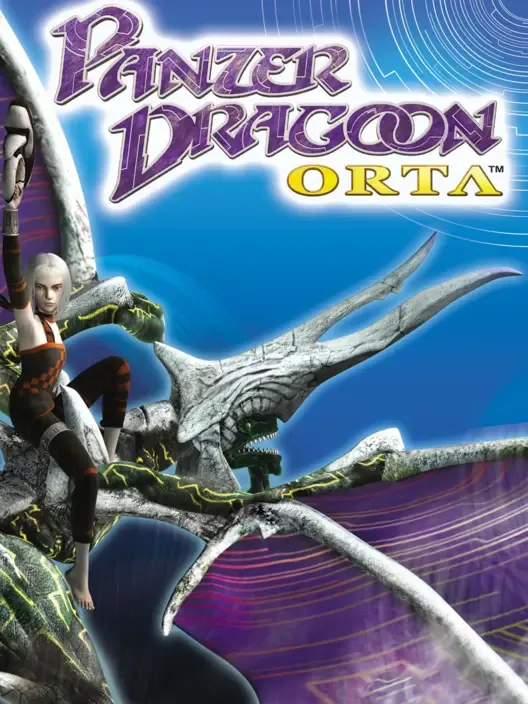
Smilebit's Panzer Dragoon Orta, released in Japan in December 2002 and North America in January 2003, is a rail shooter set in the lush world of the Panzer Dragoon series. It offers a dragon that changes form in real time, a lock-on system and a distinctive bio-mechanical design, and it holds a Metacritic score of 90. It sold modestly but was critically admired for its visual design, and it included a port of the original Panzer Dragoon as an unlockable. The game is short and difficult to master, and the genre was already niche. It has become a cult classic and a symbol of the Xbox's willingness to host Japanese creative ideas.
18. Jade Empire#
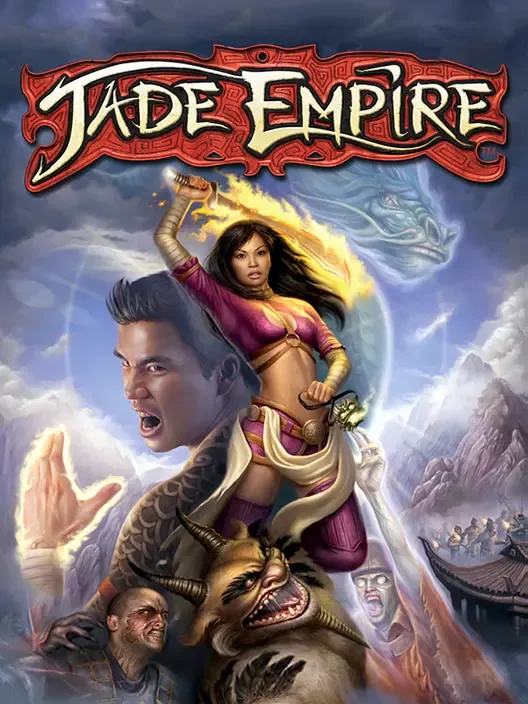
BioWare's Jade Empire arrived in April 2005 as an Xbox exclusive role-playing game set in a fantasy version of ancient China. It replaced the Dungeons and Dragons rules of the studio's earlier games with a real-time martial arts combat system with different fighting styles, while keeping BioWare's moral choices and companion storytelling. It holds a Metacritic score of 89. The combat is simpler than in dedicated fighting games, and critics noted the game is relatively short. It is remembered as one of the most original role-playing games on the console. It won Role-Playing Game of the Year at the 9th Annual Interactive Achievement Awards, and it was later released on Windows and other platforms after its Xbox debut. Combat draws on kung fu cinema, and the story keeps BioWare's branching moral choices.
19. Burnout Revenge#
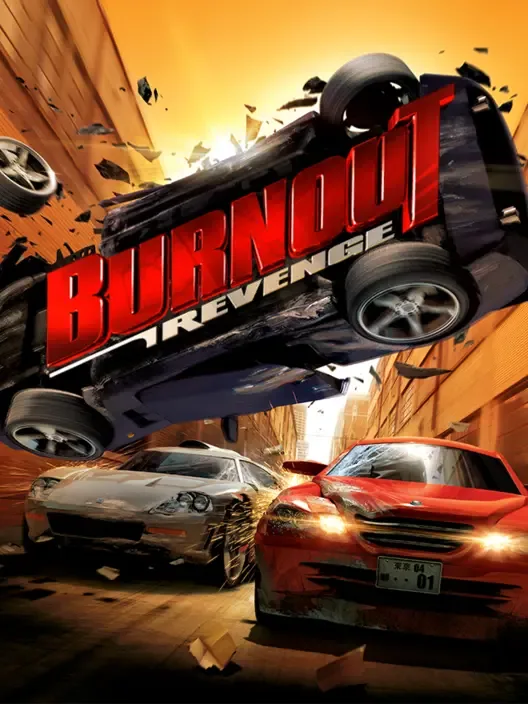
Criterion Games' Burnout Revenge, released in September 2005, holds a Metacritic score of 89 on Xbox. It added traffic checking, which lets players hit cars traveling in the same direction, and it spawned a dedicated Traffic Attack mode. Crash mode returned with new Vertical Takedowns and revised crash mechanics, and the game supported online play. Reviewers praised the variety of events and the intensity, though some noted repetition in the track layout of each stage. The Xbox 360 version later won Racing Game of the Year at the 10th Annual Interactive Achievement Awards, and the game also shipped on PlayStation 2.
20. The Chronicles of Riddick: Escape from Butcher Bay#
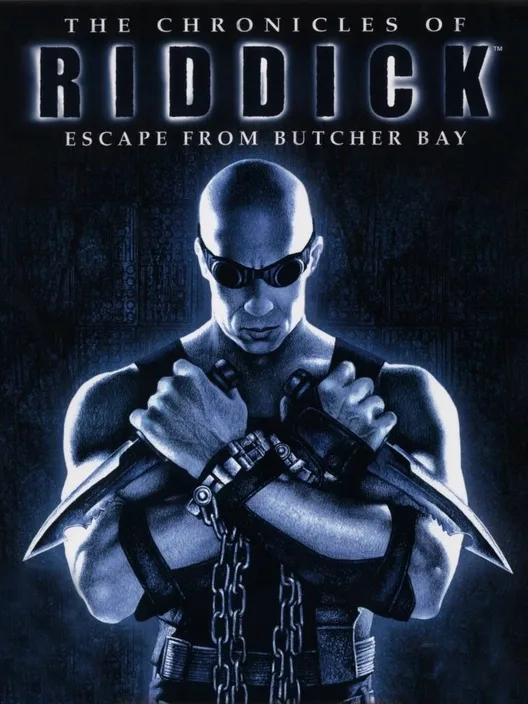
Starbreeze Studios' The Chronicles of Riddick: Escape from Butcher Bay, released in June 2004 in North America and August 2004 in Europe, is a first-person action game that blends stealth, hand-to-hand combat and shooting in a prison-break story. It holds a Metacritic score of 89 and is widely regarded as one of the best film tie-in games, with Vin Diesel reprising the lead role and contributing to its creative direction. GameSpot praised how it combines shooting, hand-to-hand combat, stealth and adventure. It is short, at roughly 8 to 15 hours, and has no multiplayer. It won the Spike Video Game Award for Best Game Based on a Movie and the Golden Joystick Award for Unsung Hero Game of the Year.
21. Doom 3#
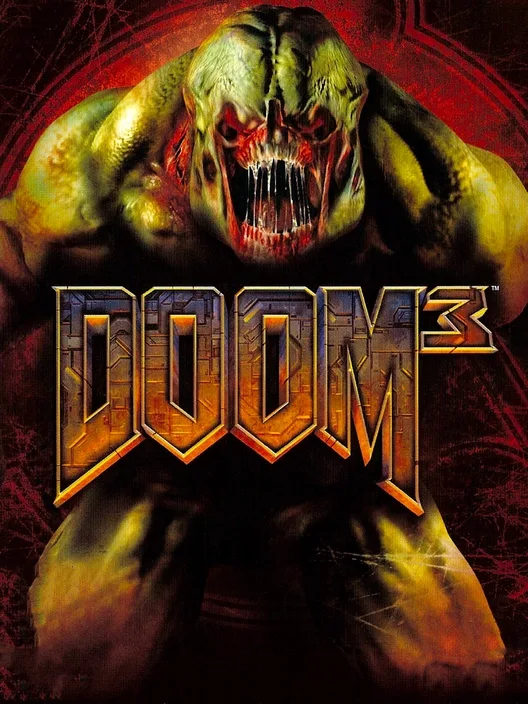
id Software's Doom 3 reached Xbox in April 2005 in a port by Vicarious Visions, and it holds a Metacritic score of 88 on the platform. It reimagined the classic shooter as a science fiction horror game on Mars, with dark corridors, dynamic lighting and a sense of dread. The Xbox version was praised for keeping the mood of the PC original, but the visuals are scaled down and reviewers noted slowdown on the hardware. The flashlight cannot be used at the same time as a weapon, and the encounters are repetitive. It is included for delivering high-end technology on older hardware. The game sold over 3.5 million copies worldwide by early 2007, across all platforms, making it id Software's most successful release at that point.
22. Jet Set Radio Future#
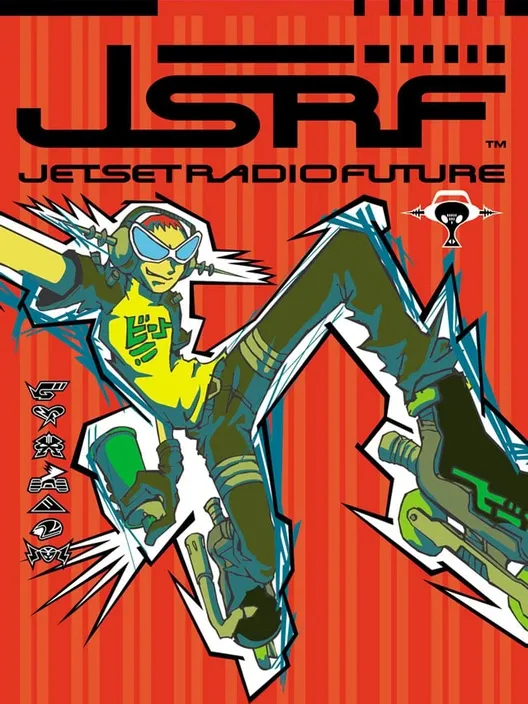
Smilebit's Jet Set Radio Future reached the Xbox in February 2002, a sequel to the Dreamcast original that expanded the graffiti skating formula to a stylized, open Tokyo. Its cel-shaded look, funky soundtrack and sense of speed gave it a personality no other game matched, and it holds a Metacritic score of 88. IGN scored it 9.1 out of 10 but felt it was not enough of a challenge to reach classic status. It launched exclusively on Xbox in Japan in February 2002, in North America later that month and in Europe in March, developed by Smilebit and published by Sega. It sold modestly but has become a cult favorite, with a soundtrack by Hideki Naganuma and Richard Jacques.
23. Psychonauts#
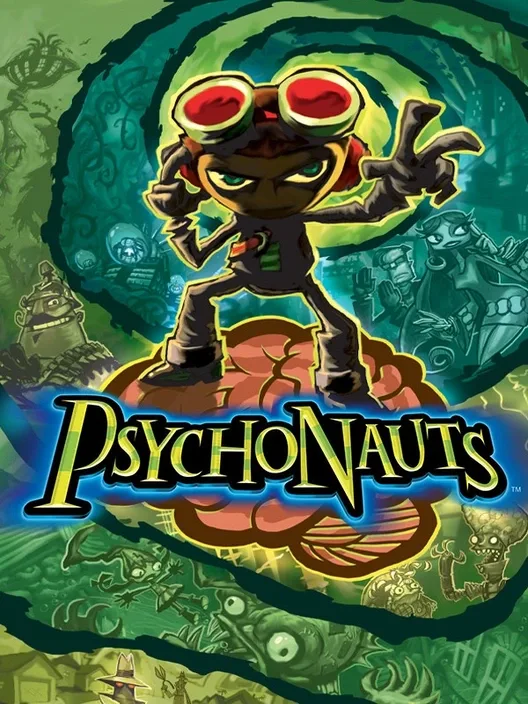
Double Fine's Psychonauts, released in April 2005 and directed by Tim Schafer, sends a young psychic named Raz into the minds of camp counselors and other characters. Each mind is a distinct level with its own rules, visuals and humor, and the platforming is supported by a range of psychic powers. It holds a Metacritic score of 88 on Xbox. It sold poorly on release, and its difficulty spikes, notably in the Meat Circus level, are well known. It has since become a cult classic, and its writing and creative level design are still widely praised. It won Best Original Game at the 2005 E3 Game Critics Awards and Best Screenplay at the 2006 British Academy Video Games Awards. Its Xbox release came in North America in April 2005 and in Europe in February 2006, and Double Fine later regained the publishing rights after Majesco.
24. Brothers in Arms: Road to Hill 30#
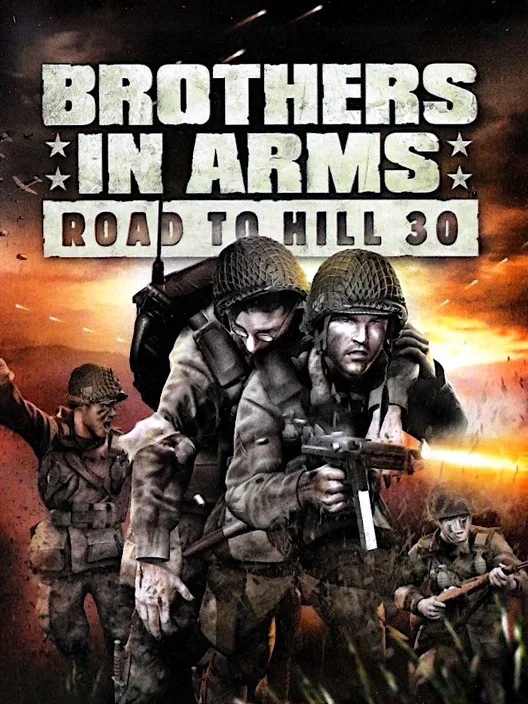
Gearbox Software's Brothers in Arms: Road to Hill 30, released in March 2005, is a squad-based shooter that follows the 101st Airborne through Normandy after D-Day. Its fire-and-maneuver system asks players to suppress enemies and flank them with their squad rather than run and gun, and it holds a Metacritic score of 88 on Xbox. The story, inspired by real events, gives the campaign emotional weight. Some critics found the gameplay repetitive and the engine rough. It stood apart from the many World War II shooters of the time. The campaign follows Sergeant Matt Baker and the 502nd Parachute Infantry Regiment, and Gearbox researched it by interviewing veterans and firing period weapons. The game sold 1.7 million copies by March 2005 and earned a D.I.C.E. Award nomination.
25. TimeSplitters 2#
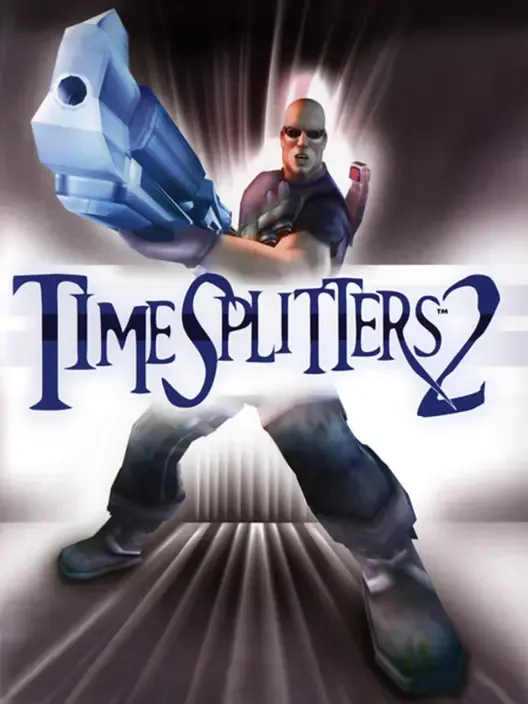
Free Radical Design's TimeSplitters 2, released in October 2002, is a first-person shooter that emphasizes speed, humor and variety. The story mode hops between time periods, and the arcade mode and MapMaker tool add replay value, with up to four-player split screen. It holds a Metacritic score of 88. The campaign objectives are simple, and the single-player story is thin. Reviewers often compared it to GoldenEye 007, which shares developers with it, and praised its multiplayer, though it has no online play. The story mode spans ten levels, and the game also released on PlayStation 2 and GameCube, and it appears in the film Shaun of the Dead.
26. Crimson Skies: High Road to Revenge#
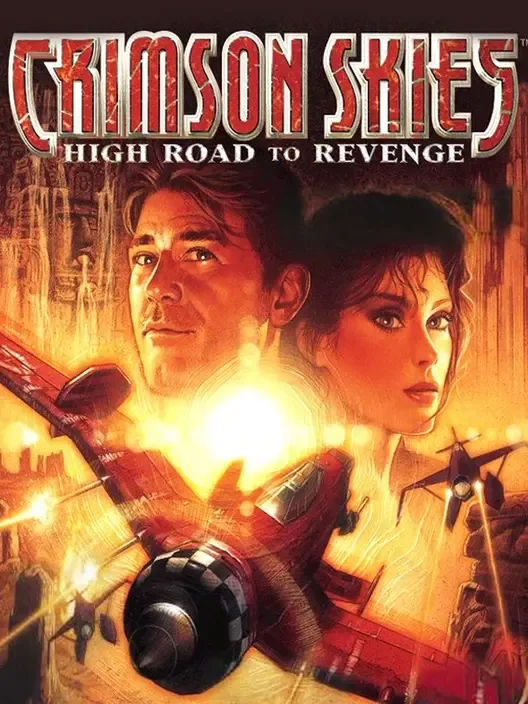
FASA Studio's Crimson Skies: High Road to Revenge, released in November 2003, is an arcade flight combat game set in an alternate 1930s where air pirates rule the skies. It combines dogfights with stunt flying and a campaign with charismatic characters and a pulp adventure tone, and it holds a Metacritic score of 88. It was published by Microsoft Game Studios as an Xbox exclusive with Xbox Live support, which was added during a year-long delay. Critics praised the graphics, audio, Xbox Live features and streamlined controls, though some felt the upgrade system was limited compared with the PC original. It won Console Action/Adventure Game of the Year at the 7th Annual Interactive Achievement Awards.
27. Oddworld: Stranger's Wrath#
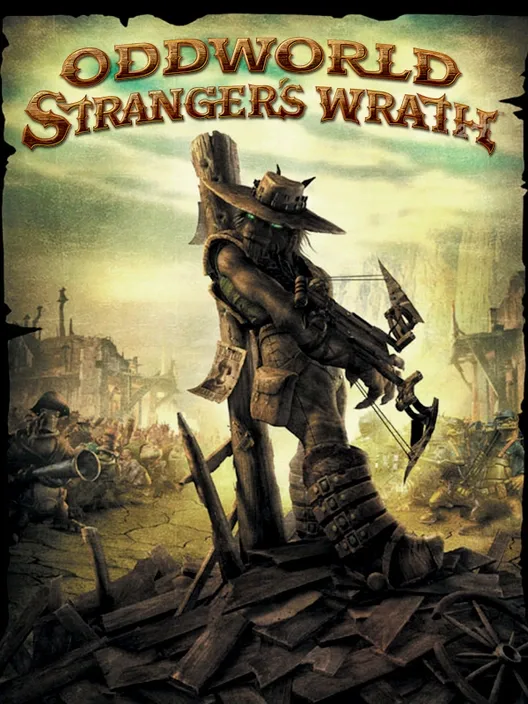
Oddworld Inhabitants' Oddworld: Stranger's Wrath, released in January 2005, changed the series by focusing on a bounty hunter who uses live ammunition to capture animals. It merges third-person exploration with first-person shooting in a Western-inspired world, and it holds a Metacritic score of 88. The mixture of humor, strange creatures and a distinct sense of place gives it a strong identity. It sold about 600,000 copies by 2012, well short of the 1.6 million its creator said was needed to break even. It is a well-liked cult title that later reached PC, PlayStation 3 and other platforms. Its Xbox release was published by EA Games on January 25, 2005, with Lorne Lanning directing, and it scored 88 on Metacritic.
28. The Elder Scrolls III: Morrowind#
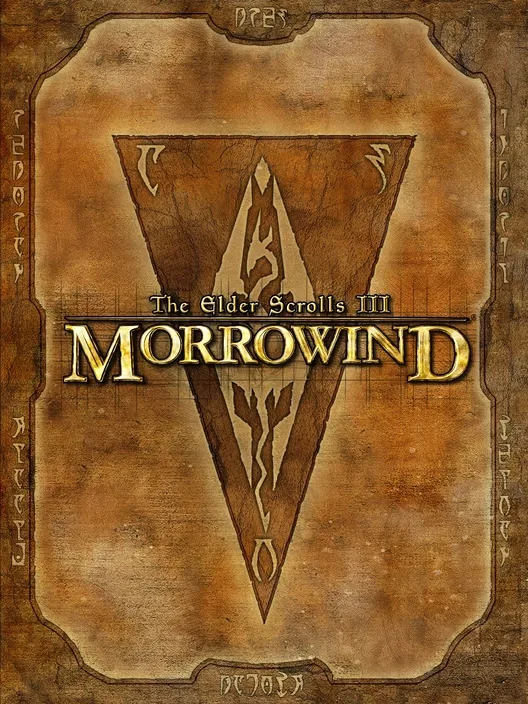
Bethesda Softworks' The Elder Scrolls III: Morrowind reached the Xbox in June 2002 and brought an enormous open-world role-playing game to a console. It offers a strange island landscape, faction quests and a free-form character system, and the Xbox release holds a Metacritic score of 87. The Xbox version runs at a reduced resolution compared with the PC original, and the combat is stat-driven and awkward. It brought the series to console players and paved the way for later Elder Scrolls games. It was the best-selling Xbox RPG of 2002 and had sold nearly one million Xbox copies by February 2006. Critics praised its detail and open-endedness, and GameSpot named it best Xbox RPG.
29. Dead or Alive 3#
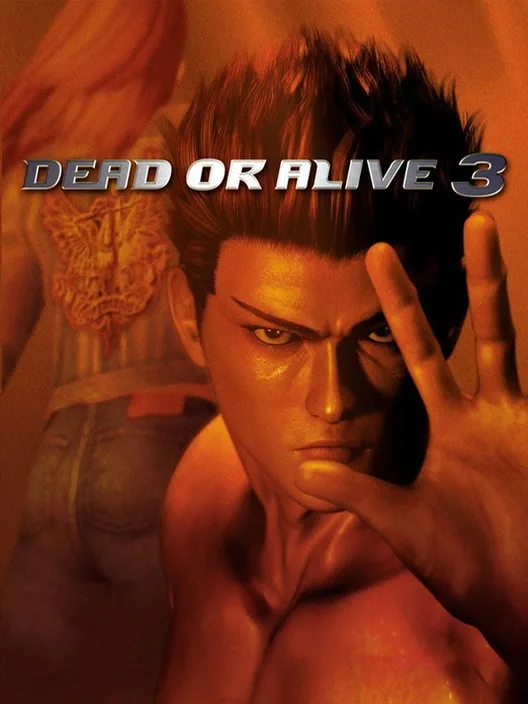
Team Ninja's Dead or Alive 3, an Xbox launch title from November 2001, showed what the hardware could do with detailed character models and dynamic stages. Its counter-based fighting system, with holds that reverse attacks, rewards timing and reading opponents, and it holds a Metacritic score of 87. The presentation leaned on suggestive character design, and the story is minimal. It sold over two million copies, the best-selling entry in the series, and it won the Academy of Interactive Arts & Sciences' Console Fighting Game of the Year award. It is remembered as a technical showpiece and a strong fighter, though some reviewers felt it leaned on graphics more than gameplay depth.
30. Dead or Alive Ultimate#
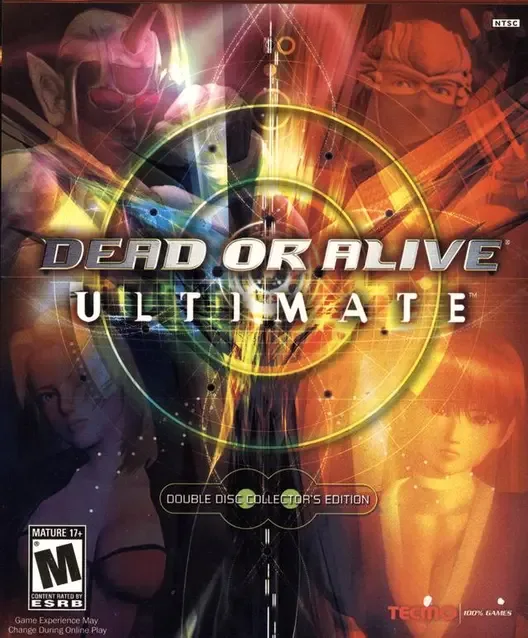
Team Ninja's Dead or Alive Ultimate, published by Tecmo for the Xbox in October 2004 in North America, bundles a high-resolution version of the original Dead or Alive with a rebuilt Dead or Alive 2 that uses the Dead or Alive 3 engine and mechanics. Its counter-based fighting rewards timing, and Xbox Live support made it a pioneer of online console fighting games. It holds a Metacritic score of 83. The core gameplay is largely unchanged from the older entries, and the original Dead or Alive shows its age. GameSpot called it a landmark for the genre, and it remains an easy way to play two classic arcade fighters in their best console form.
31. MechAssault#
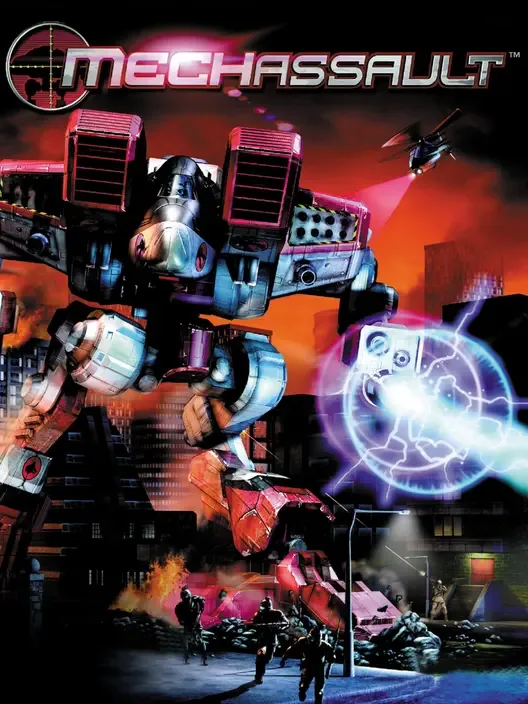
Day 1 Studios' MechAssault, released in November 2002, was an action game that arrived alongside Xbox Live that put players in the cockpit of a BattleTech mech. It offered destructible environments, weighty weapons and an early Xbox Live multiplayer mode, and it holds a Metacritic score of 87. It was one of the earliest examples of a console game that felt at home on the network. The campaign is short, and the mission design is repetitive. It is valued for the satisfying feel of its combat and its role in showing what the online service could do. Critics praised its responsive controls, GameSpot named it Xbox Game of the Year, and it sold about 750,000 copies by July 2006. Reviewers found the online play repetitious and the single-player campaign forgettable.
32. RalliSport Challenge 2#
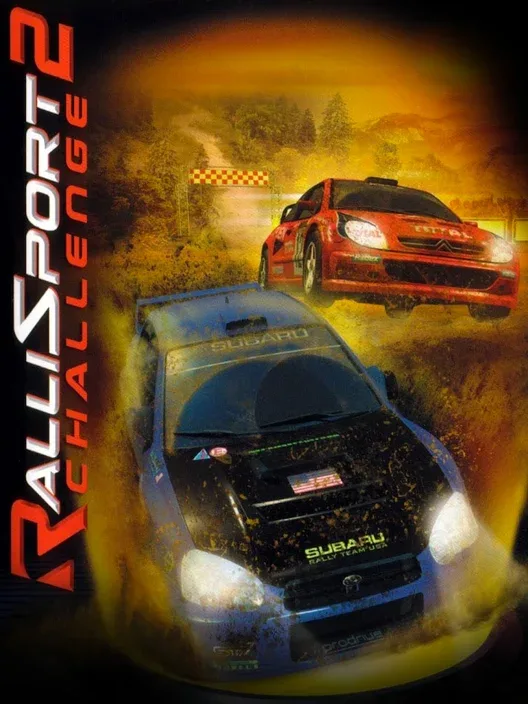
DICE's RalliSport Challenge 2, released in 2004, followed the first game with more cars, tracks and modes, including Xbox Live support. It holds a Metacritic score of 87 on the Xbox. The handling sits between arcade and simulation, and the environments look crisp and varied. It offers more than 40 cars, about 90 career tracks across Rally, Rallycross, Ice Racing, Hill Climb and Crossover modes, and up to 16 players online. Critics praised the technical polish and the handling that balances realism and fun. Despite the acclaim it sold only about 410,000 units by December 2005, well below the original's 900,000. It is often remembered as one of the best racing games on the system.
33. Beyond Good & Evil#
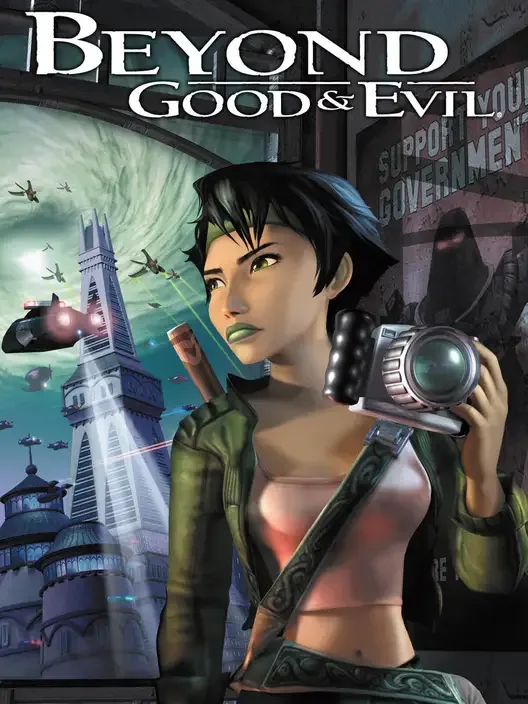
Ubisoft Montpellier's Beyond Good & Evil, released in November 2003 on PlayStation 2 (the Xbox version followed in December) and led by Michel Ancel, follows the reporter Jade on the planet Hillys in a blend of adventure, stealth and photography. Its world, characters and music are unusually warm, and the game mixes puzzles, combat and vehicle sections. It holds a Metacritic score of 86 to 87 on Xbox, depending on the listing. It sold poorly on release, with retailers cutting prices by up to 80 percent after a weak holiday season, and it is short, with simple combat. Ancel conceived it as the first part of a trilogy, and critics praised its animation and storytelling. An HD remaster followed in 2011. It has become one of the best-loved cult classics of its generation.
34. Star Wars: Knights of the Old Republic II - The Sith Lords#
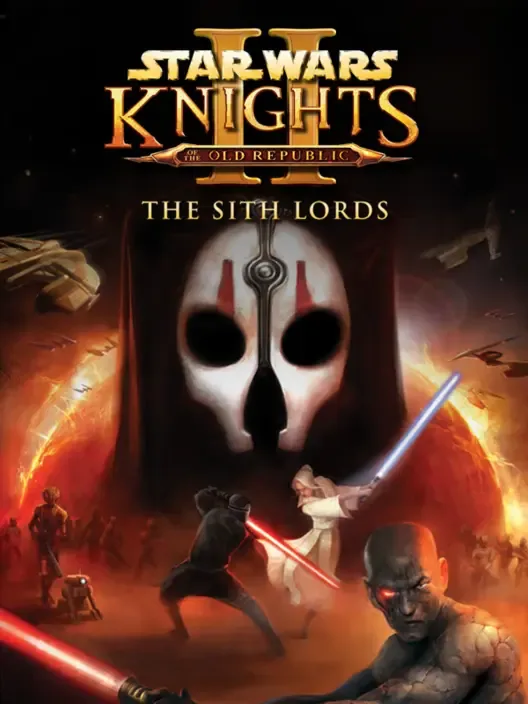
Obsidian Entertainment's Star Wars: Knights of the Old Republic II - The Sith Lords, released in December 2004, followed the first game with a darker story and a stronger focus on the nature of the Force. It offers new companions, an influence system that lets the player shape their party, and a moral ambiguity that sets it apart. It holds a Metacritic score of 86. The game shipped unfinished after a compressed development schedule, with bugs and cut content including the droid planet M4-78. Community restoration work has since improved it, and many players regard its writing highly. The Sith Lords Restored Content Modification fixes roughly 500 bugs and restores cut material, and GameSpy called the character Kreia the best video game character of 2005. The Xbox version came first, with the PC release following in February 2005.
35. Mercenaries: Playground of Destruction#
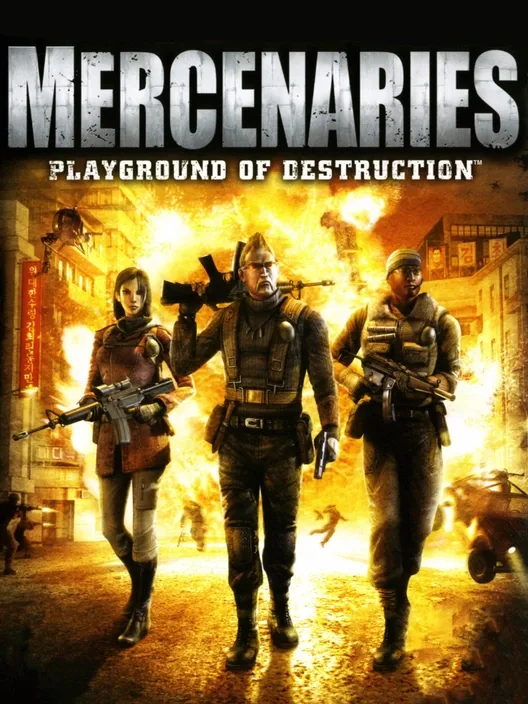
Pandemic Studios' Mercenaries: Playground of Destruction, released in January 2005, is an open-world action game set in a fictional North Korea. Players hire out to factions, call in airstrikes and commandeer vehicles, all with a strong sense of destruction, and it holds a Metacritic score of 86. The open structure lets players approach missions in many ways. Reviewers noted minor issues with explosion physics. It was a distinctive contribution to the open-world genre. Players juggle five warring factions and hunt targets from the Deck of 52 for bounties, and GameSpot called it the best thing Pandemic Studios had made.
36. Fable#
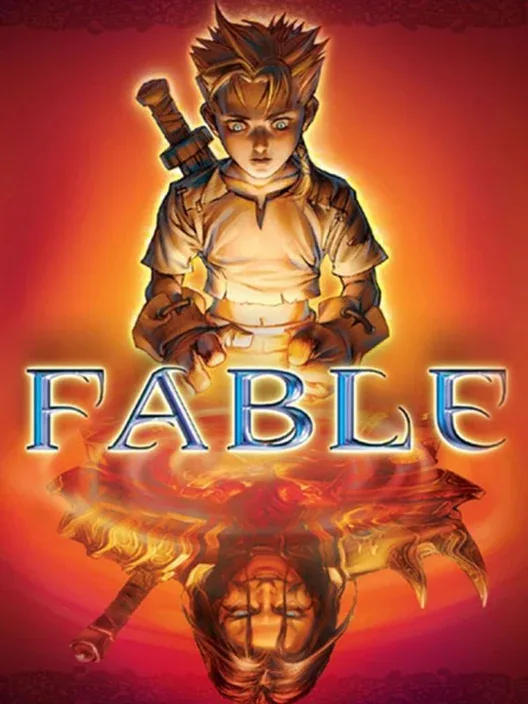
Big Blue Box's Fable, released in September 2004 and produced by Lionhead Studios, let players grow a hero from childhood to legend in a fairy-tale Albion where choices change appearance and reputation. It combined melee, ranged and magic combat with a lively sense of humor, and it holds a Metacritic score of 85. The main story is short. It sold more than 375,000 copies at US retail in its first week, and the extended Fable: The Lost Chapters followed on Xbox and Windows in September 2005. Fable has sold over 3 million copies worldwide across Xbox and PC.