

The Thaumaturge
CRPG · Narrative · Isometric · Choices Matter · Mystery
Game page →
Review
A single-player CRPG inspired by tabletop role-playing, played from an isometric view. You talk, make choices and roll dice to settle encounters, with a lot of text and narration. A goblin sidekick and a political conspiracy drive the plot, and your choices shape the campaign. Is it your kind of game?
Game Avant verdict
A dialogue-first CRPG where inner voices, tabletop dice and reality-shaping magic make every conversation a system, at the price of a wall of text that action fans will bounce off.
By GameAvant · Published Oct 7, 2026 · Updated Oct 9, 2026 · 18 min read
Choose what matters to you
Every question is optional.
How much story and dialogue do you want?
How do you want to play?
What suits you better?
Based on your choices
Pick what matters to you above and the result shows up here.
IGDB
85%
15 ratings
Steam:
95%
8,802 reviews
Fits you if
you like story-rich CRPGs where dialogue, dice and choices matter more than combat.
Skip it if
you want action or are not up for a lot of reading.
Availability
Steam
$24.99
Esoteric Ebb is a single-player computer role-playing game built by Christoffer Bodegård and published by Raw Fury, reaching PC on 3 March 2026. It drops you into a political conspiracy unfolding in the city of Norvik, with a goblin companion at your side and a set of genuinely tabletop-style dice waiting to turn every ambitious plan you attempt into a real gamble with real consequences. The central thesis behind this review is straightforward: Esoteric Ebb is the most convincing argument in years that a role-playing game can place conversation itself at the absolute centre of the experience and still feel like a game being played, rather than a long illustrated novel with occasional stat checks bolted on for appearances. What makes that claim credible rather than simply generous is how deeply dialogue is wired into the game's actual mechanical systems, rather than sitting beside them as flavour text. Conversations are not simply branching trees of pre-written responses; they are resolved through the same tabletop-style dice mechanics that govern combat and exploration, meaning a persuasive argument can genuinely fail on a bad roll the same way a sword swing can, and a clever bluff can succeed against overwhelming odds the same way a lucky critical hit does elsewhere. Layered on top of that is a system of competing inner voices inside your own character's head, each representing a different instinct or personality trait, that argue with each other over how to approach a given conversation, sometimes actively working against the player's own stated intentions rather than simply offering dialogue options to choose between. That friction between what you want to say and what your character's own psyche is pushing you toward is where much of the game's genuine tension actually lives, far more than in any combat encounter. The writing itself has to carry an enormous share of the weight in a design built this heavily around text and conversation, and it holds up under that pressure. Norvik's political conspiracy unfolds through dialogue that rewards close reading rather than skimming toward the next objective marker, and the game trusts players to track competing factions, hidden motivations, and slowly accumulating consequences entirely through conversation rather than through a simplified quest log doing the thinking for them. That same commitment is also the game's single biggest risk, and the review would be dishonest to soften it. This is a genuinely text-dense, dialogue-first design that makes no concessions whatsoever for players expecting spectacle, fast combat, or a lighter reading load. If engaging deeply with written dialogue and internal character conflict is the actual appeal for you, very few recent CRPGs make as strong a case for that specific kind of play as Esoteric Ebb does. If dense text is an obstacle rather than a draw, no amount of genuinely clever system design underneath it will change that experience, and this review says so plainly rather than hedging around a limitation that is baked into the game's entire identity.
You may love it because
The stat system gives each ability a voice that debates and interrupts, so building a character means choosing which opinions shape your decisions.
It may frustrate you because
Some players will find it tiring to be second-guessed constantly by their own character sheet, especially when a decision feels obvious.
You may love it because
Tabletop-style rolls in turn-based encounters make outcomes uncertain in the way a game master's table does, and failures redirect the story rather than end it.
It may frustrate you because
A bad streak of rolls can stall a plan you spent an hour building, and randomness is not everyone's idea of fair.
You may love it because
The game offers the option to become a cleric of legend or to wreck the campaign entirely, so improvisation is a feature rather than an exploit.
It may frustrate you because
Open-ended quests with no single right answer can leave you unsure if you have missed something important.
18 min read
· By Game Avant
Three alternatives, one line each on why.
CRPG · Narrative · Isometric · Choices Matter · Mystery
Game page →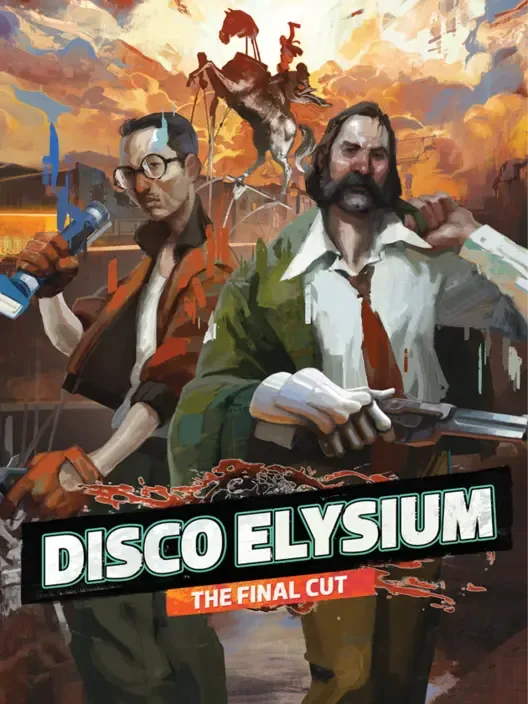
CRPG · Choices Matter · Isometric · RPG · Mystery
Game page →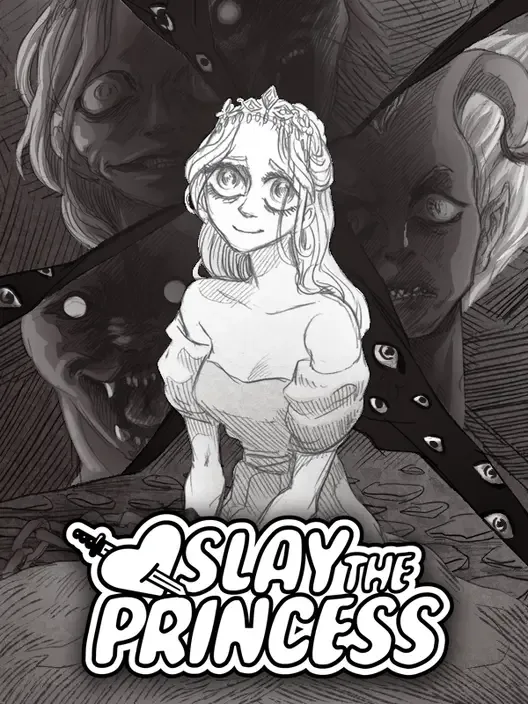
CRPG · Choices Matter · Interactive Fiction · Hand-drawn · Visual Novel
Game page →
CRPG · Isometric · RPG · Choices Matter · Character Customization
Game page →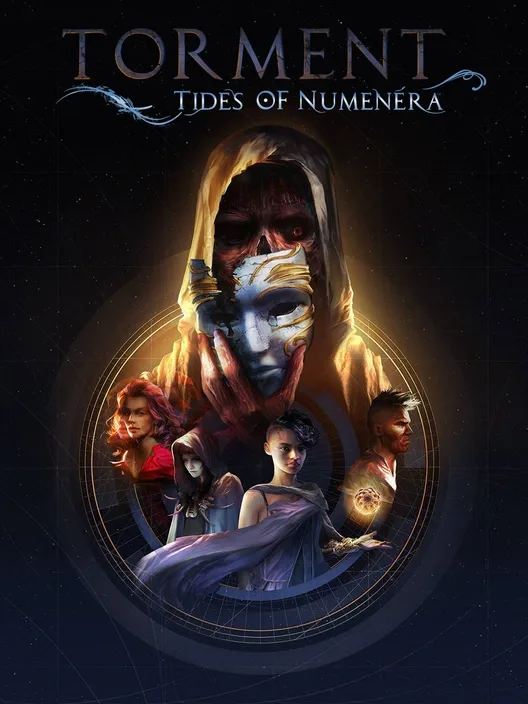
CRPG · Isometric · RPG · Choices Matter · Story Rich
Game page →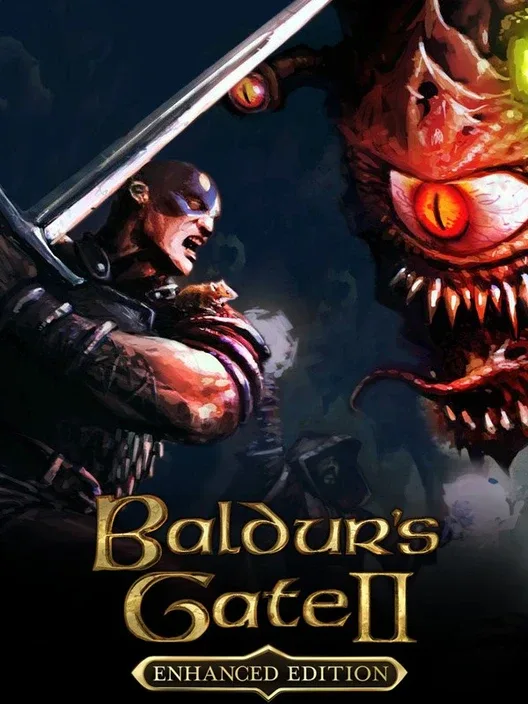
CRPG · Tabletop · Isometric · Choices Matter · RPG
Game page →