

Amnesia: Rebirth
Action-Adventure · Stealth · First-Person · Puzzle · Exploration
Game page →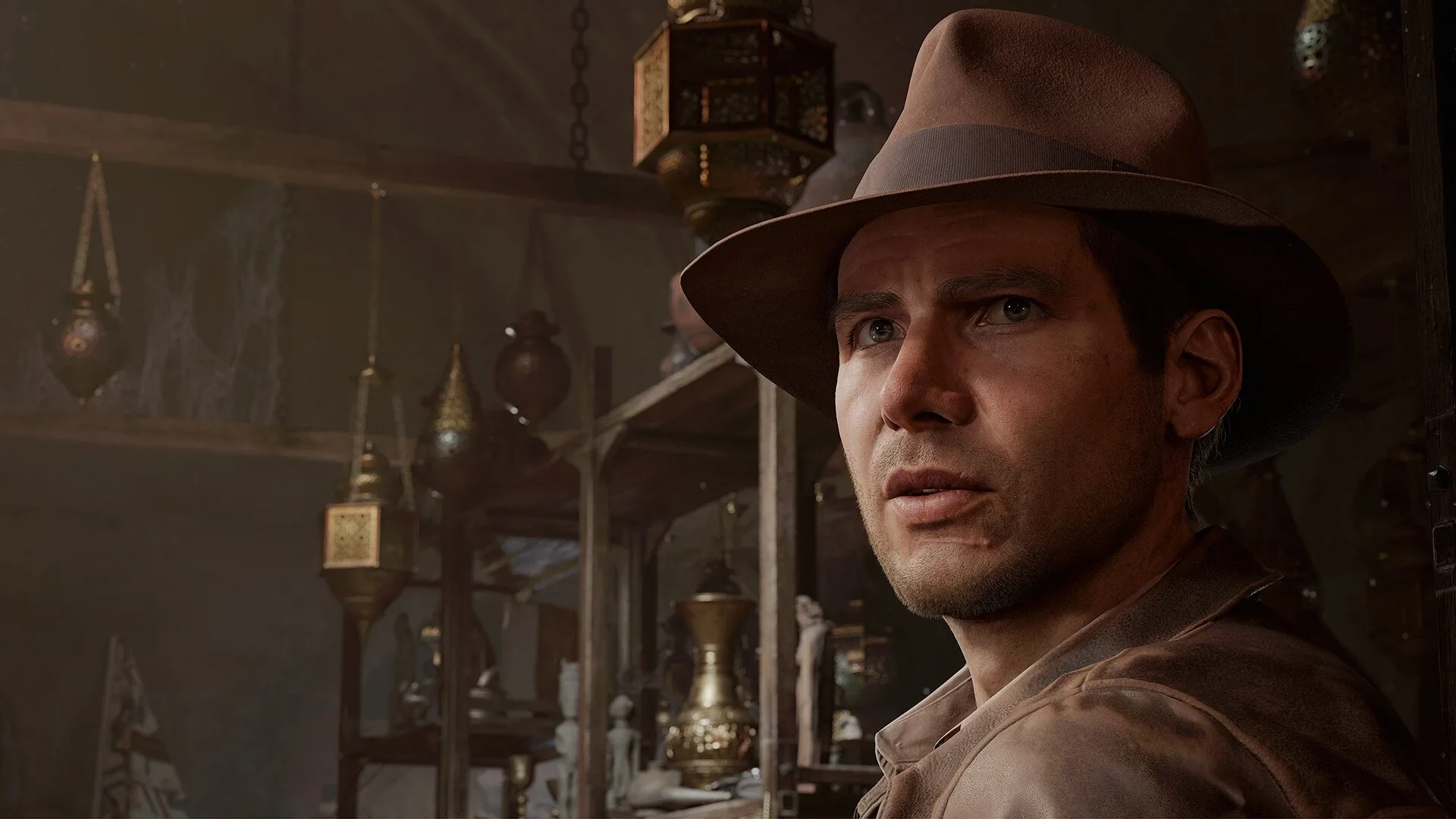
Review
You play Indiana Jones in a first-person adventure set between Raiders of the Lost Ark and The Last Crusade. You explore, solve puzzles, sneak past enemies and fight up close, following an investigation across historical locations. Single player only, with a strong focus on story. Is it your kind of game?
Game Avant verdict
A dense, first-person adventure that gets more right about being Indiana Jones than any game before it, held back only by combat that is intentionally, occasionally frustratingly weak.
By GameAvant · Published Oct 2, 2026 · Updated Oct 9, 2026 · 13 min read
Choose what matters to you
Every question is optional.
How do you like to find your way?
How much story and dialogue do you want?
What suits you better?
Based on your choices
Pick what matters to you above and the result shows up here.
IGDB
89%
235 ratings
Steam:
89%
13,075 reviews
Fits you if
you like story-rich adventures where exploring and solving puzzles matters more than shooting.
Skip it if
you want fast multiplayer action or open-ended replayability.
Availability
Steam
$69.99
Indiana Jones and the Great Circle is the first game to treat its hero the way the 1981 film actually wrote him: a professor who talks and improvises his way out of trouble with whatever is nearby, not a one-man army. Developed by MachineGames and published by Bethesda Softworks under the Lucasfilm Games banner, it released on 9 December 2024 for Xbox Series X|S and PC, arrived on PlayStation 5 on 17 April 2025, and reached Nintendo Switch 2 in May 2026. It tells an entirely original story set in 1937, slotted between Raiders of the Lost Ark and The Last Crusade, and never leans on footage, likenesses or plot points from the films to justify itself. The game puts you behind Indy's eyes, in first person, for both exploration and combat, and it sends him through dense hub-like locations rather than a single open world: the catacombs beneath the Vatican, the excavation sites of Giza, the back alleys of occupied Shanghai, and the jungles of Thailand. Each hub rewards actually looking at the architecture and inscriptions around you rather than following a waypoint, and the game's camera-based hint system reflects that philosophy directly, if you get stuck on a puzzle, you photograph it with Indy's camera and receive escalating hints based on what you've actually captured, rather than a menu simply telling you the answer. Troy Baker voices Indy throughout, carrying a story built entirely around curiosity and improvisation instead of a power fantasy. That extends to combat, which is deliberately, sometimes frustratingly weak: a wrong swing in a fistfight genuinely costs you the encounter, because every scuffle is meant to feel like Indiana Jones getting by on wits and luck, not an action hero cleanly dispatching enemies. Disguise-based stealth in Shanghai and the Vatican leans into the same idea, rewarding patience and observation over a pure sneaking system with guard patrol routes memorized by rote. The trade-off for that commitment to weakness-by-design is real: larger forced encounters, particularly against multiple armed guards, can feel more like an obstacle to get through than a highlight to look forward to, and the Thailand chapter's pacing sags compared to the tighter, denser Vatican and Giza hubs that bookend it. Enemy encampments also reuse the same guard patterns and barks often enough to notice by the halfway point of the campaign. None of that undercuts what the game gets right. By letting Indy lose fights, drop his hat, and get outsmarted before he outsmarts everyone else, Indiana Jones and the Great Circle captures more of what made the character work on screen than any licensed game has managed in over two decades, not by filming another adventure, but by building a new one around the same idea that made the first one work: a scholar who stumbles into fights, not a soldier who reads.
You may love it because
Every scuffle feels like Indy, not an action hero, because a wrong swing genuinely costs you the fight.
It may frustrate you because
The same clumsiness turns forced combat encounters into a chore rather than a highlight, especially against multiple armed guards.
You may love it because
Climbing, whip swings and puzzle inspection all happen through Indy's own eyes, which makes small details in Giza's tombs and the Vatican's archives feel like real discoveries.
It may frustrate you because
The same camera makes melee distance and enemy tells harder to read than a third-person brawler would, and some players will simply not adjust to it.
You may love it because
Photographing a stuck puzzle for escalating hints respects your intelligence far more than a glowing waypoint would.
It may frustrate you because
It only works if you remember to reach for the camera, and a handful of late puzzles hide their key detail well outside the frame you would think to photograph.
13 min read
· By Game Avant
Three alternatives, one line each on why.
Action-Adventure · Stealth · First-Person · Puzzle · Exploration
Game page →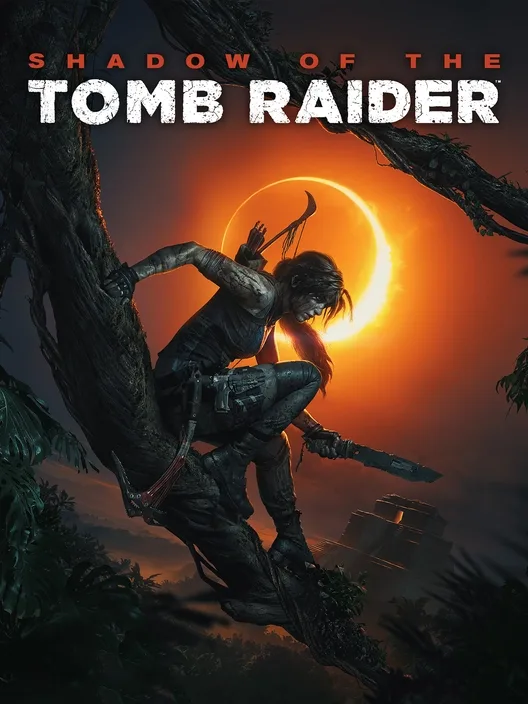
Stealth · Action-Adventure · Puzzle · Open World · Historical
Game page →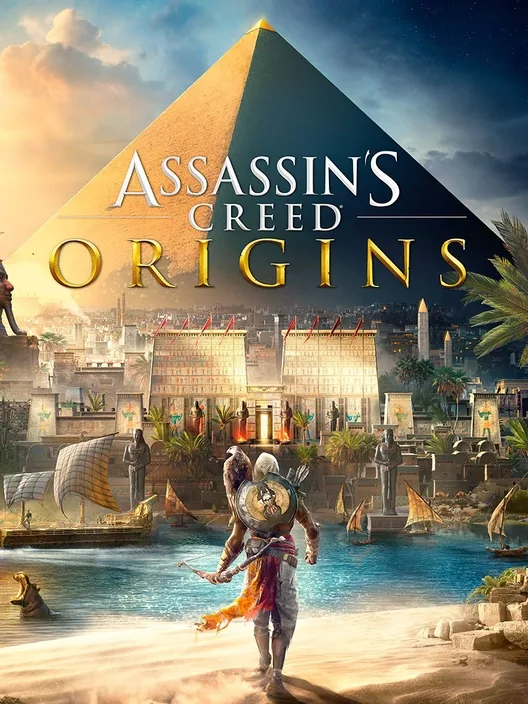
Historical · Action-Adventure · Stealth · Open World · Role-playing (RPG)
Game page →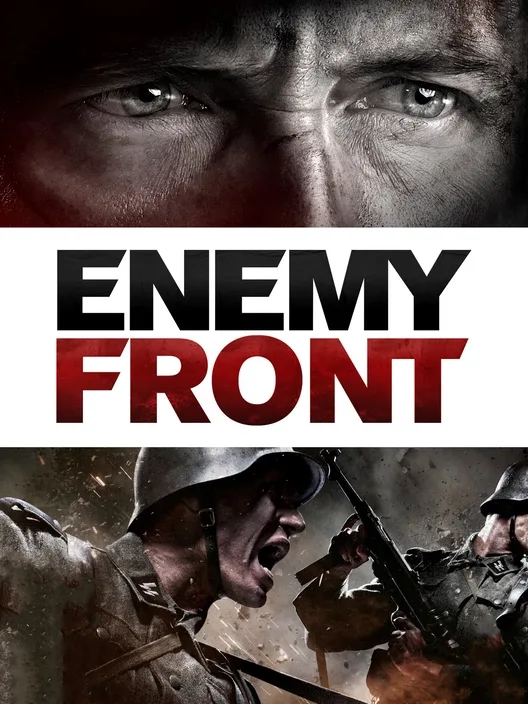
World War II · Stealth · Historical · First-Person · FPS
Game page →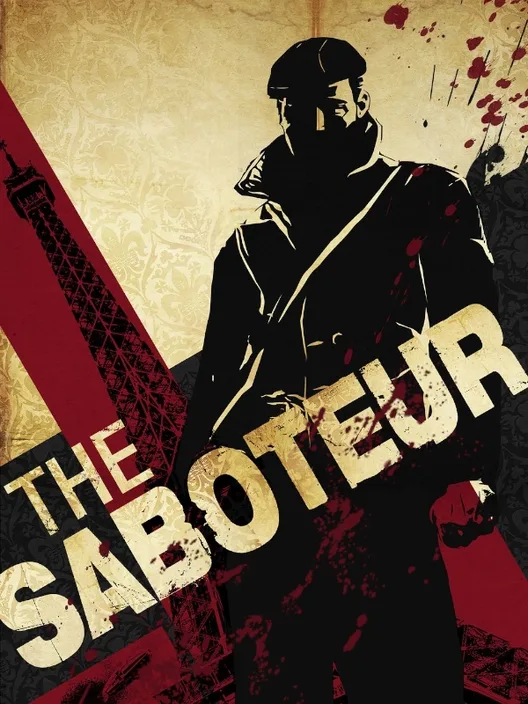
World War II · Stealth · Open World · Historical · Adventure
Game page →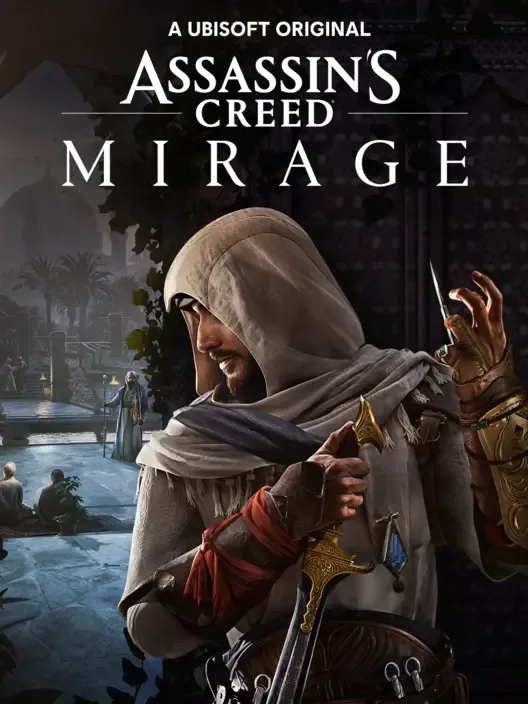
Historical · Action-Adventure · Stealth · Open World · Adventure
Game page →