





PC has always been the home of the puzzle game, from first-person physics experiments to tiny indie designs that only a mouse and keyboard could have made. Precise controls, easy modding and a steady stream of ambitious solo developers mean the platform hosts both the genre's landmarks and its strangest ideas. The games below range from chamber-based classics to logic boxes that rewrite their own rules.
1. Portal 2#
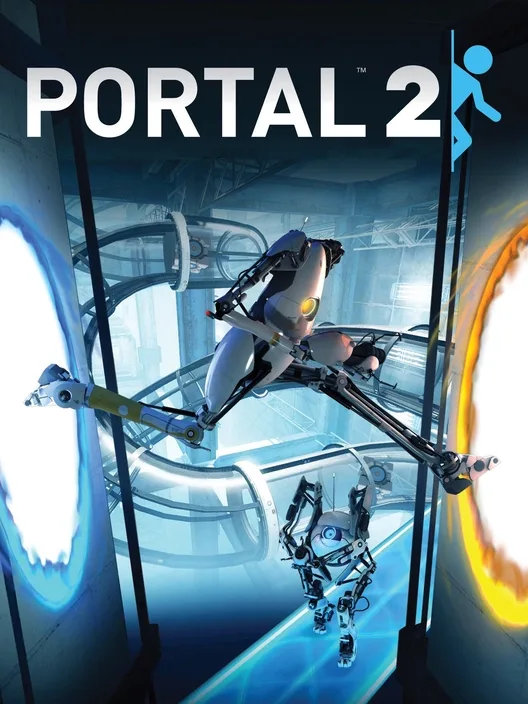
Valve released Portal 2 in April 2011, extending the original's portal gun into a full campaign with gels that change how surfaces behave, light bridges and tractor beams. The writing is sharp, with Stephen Merchant and J.K. Simmons joining Ellen McLain's GLaDOS, and the pacing keeps introducing ideas before they go stale. A separate co-op campaign for two players turns teamwork into the puzzle. The challenge is gentle for genre veterans, and the story chapters lean on scripted sequences more than difficulty. It is still the most polished and welcoming entry point into puzzle design.
2. Portal#
Valve's Portal arrived in October 2007 as part of The Orange Box and grew from a student project into a short, perfectly paced first-person puzzler. You cross test chambers by placing two linked portals, and momentum carries through them, which produces "thinking with portals" moments that still feel clever. GLaDOS and a dry sense of humor turn a sparse setting into a story people quote. The obvious weakness is length, as a first run takes only a few hours. Its sequel is bigger, but the original is a lesson in economy.
3. The Witness#
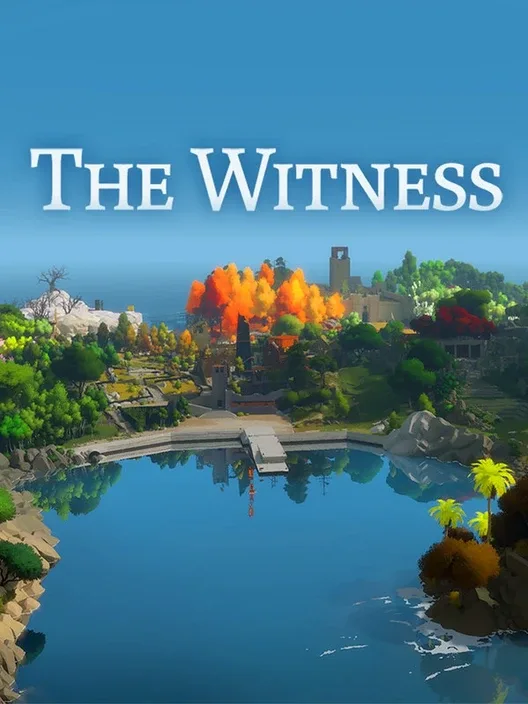
Jonathan Blow's Thekla studio released The Witness in January 2016, dropping you on an open island covered in line-drawing panels. Each area teaches its rules only through the puzzles themselves, with no text, and the later panels combine ideas from across the island in ways that reward real insight. The environment is gorgeous and full of secrets. It is also stubborn: some panels are opaque, progress can stall for hours and the meditative pace frustrates players who want direction. For patient solvers it is one of the most rewarding puzzle games ever made.
4. Baba Is You#
Arvi "Hempuli" Teikari's Baba Is You came out in March 2019 and turns rules into objects you can push around. Sentences such as "Wall Is Stop" sit in the level, and breaking or rewriting them is how you win. The idea sounds simple and then escalates into some of the most lateral levels in the genre, with a clean, minimalist look to match. Later worlds become brutally hard, and some solutions feel less like deduction than a leap of faith. It is brilliant for anyone who loves the moment a puzzle finally clicks.
5. Return of the Obra Dinn#
Lucas Pope, creator of Papers, Please, released Return of the Obra Dinn in October 2018. You play an insurance investigator who boards a ghost ship with a magic pocket watch that replays each crew member's death, and you must name every person and how they died. It uses a striking 1-bit visual style and the deduction is genuinely yours, with no hand-holding. Some identifications rely on small clues that are easy to miss, so later stretches can feel slow. Anyone who enjoys detective work will find nothing else quite like it.
6. The Talos Principle#
Croteam, the studio behind Serious Sam, released The Talos Principle in December 2014. You wander ancient ruins and sterile rooms solving puzzles with jammers, laser beams, boxes and recording devices, while a mysterious voice challenges you on consciousness and free will. The puzzle design is fair and escalates neatly, and the philosophical layer gives the world a pulse. The middle of the game stretches a few mechanics a little thin, and the dialogue can feel preachy. It is a very good pick for players who want a thoughtful, long puzzle adventure.
7. Opus Magnum#
Zachtronics released Opus Magnum in December 2017, and it asks you to design alchemy machines with robotic arms that move atoms into new compounds. Every puzzle has many solutions, and histograms let you compare your cost, cycles and area against other players, which keeps optimizing addictive. The alchemist story is an amusing wrapper and the interface is among the best in the engineering-puzzle niche. It is a game of spatial planning and iteration, so anyone who dislikes trial and error will bounce off. For those who love building an elegant machine it is a favorite.
8. Patrick's Parabox#
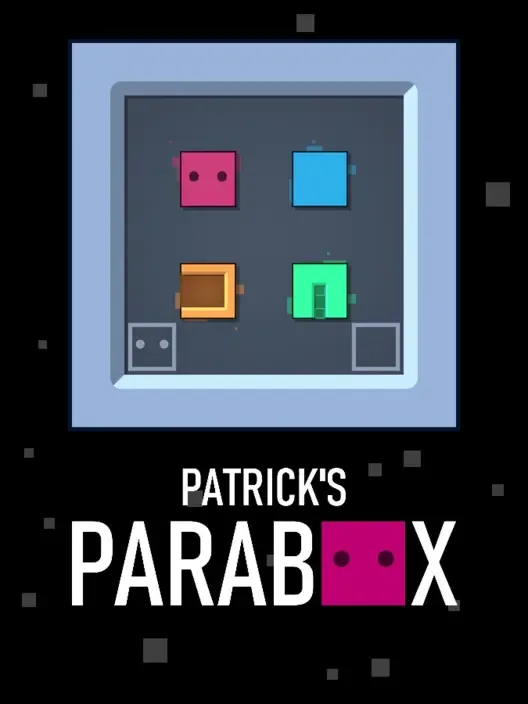
Patrick Traynor released Patrick's Parabox in October 2022, a Sokoban-style puzzler in which boxes can contain other boxes, and even themselves. That one idea spins into recursion, infinity and other mind-bending tricks, with clear, colorful visuals that make sense at a glance. The learning curve is smooth, and later chapters introduce new twists again and again. The final stretch is demanding, and the very abstract presentation will not suit every taste. It is one of the most inventive block puzzlers released in years.
9. Stephen's Sausage Roll#
Increpare's Stephen's Sausage Roll came out in April 2016 and is a famously demanding puzzler about pushing sausages onto grills with a fork. The rules are tiny, yet the levels are some of the most brutal and satisfying in any block-pushing game, each revealing a new trick that feels like a discovery. The game never explains itself and its difficulty curve is steep. Beginners may hit a wall quickly, but for dedicated solvers it is a genuine classic of the genre.
10. Braid#
Jonathan Blow's Braid reached PC in April 2009 after debuting on Xbox 360 the previous year, and it helped set off the modern indie wave. It is a 2D platformer where each world bends time differently, so you rewind, leave shadow copies or freeze objects to reach puzzle pieces. The painterly art and melancholy score support an ambiguous story with a famous ending. Some puzzles are cryptic and the platforming is merely functional. It remains an influential, thoughtful design that still teaches newer games a lot.
11. Gorogoa#
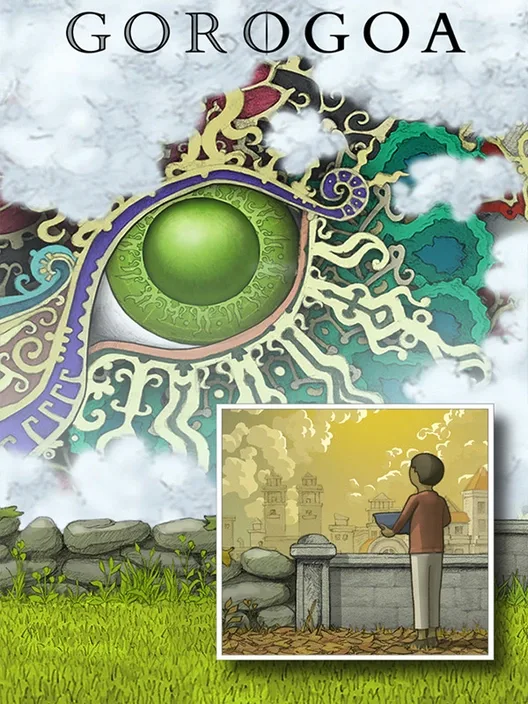
Jason Roberts's Gorogoa, published by Annapurna Interactive in December 2017, presents four panels of hand-drawn art that you zoom, stack and rearrange so that details in one panel connect to another. The imagery is beautiful and the puzzles are wordless, so the moment a connection appears feels like magic. It is a short game, usually finished in a couple of hours, and offers little replay value. The experience is unlike anything else, and it is best played in a single sitting.
12. World of Goo#
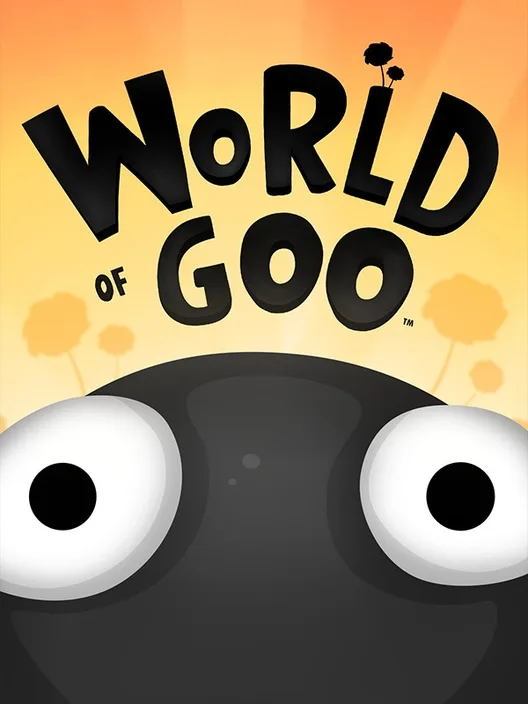
2D Boy released World of Goo in October 2008, and you build towers and bridges from living balls of goo to reach an exit pipe. The physics feels tangible and the levels offer clever variations, from balloons to fire to gravity. The watercolor-style art and the eerie soundtrack give it a unique tone. A few later levels demand fiddly precision, and it can be frustrating when a carefully built structure collapses. It is a charming, inventive puzzle game that was practically made for the mouse.
13. Tetris Effect#
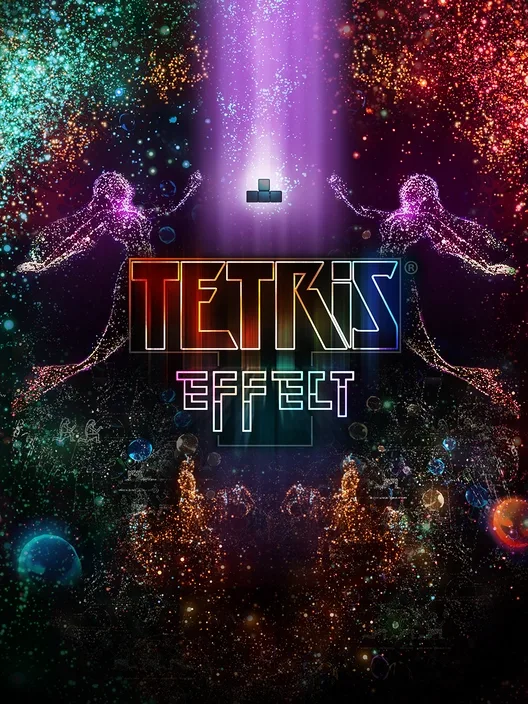
Developed by Monstars and Resonair and published by Enhance, Tetris Effect reached PC in 2019 after its PlayStation debut, and it turns the classic falling-block game into an audiovisual experience. Levels shift with your moves, and the music reacts to every rotation and line clear. The Journey mode leads you through themed stages, and the Zone mechanic lets you stop time for enormous combos. Some purists find the visuals distracting, and the spectacle is best with headphones. It is the most immersive version of the most famous puzzle game of all.
14. Antichamber#
Alexander Bruce's Antichamber, released in January 2013, is a first-person puzzler set in an impossible maze where geometry changes when you turn around. Corridors loop, doors lead somewhere different and the game teaches with quotes on the walls instead of tutorials. Its white, minimalist look is unmistakable. It can leave you lost, and some puzzles rely on a trick rather than logic. It is a mind-bending piece of design for players who like their assumptions challenged.
15. The Case of the Golden Idol#
Color Gray Games released The Case of the Golden Idol in October 2022, a detective game in which you study frozen scenes across decades to name the people and events behind a cursed artifact. You fill in blanks with words, and the game only confirms when a full deduction is correct. The pixel art is detailed and the mystery escalates well. Some solutions depend on small details and the sparse feedback can leave you unsure where you went wrong. It is a must for fans of Obra Dinn.
16. Keep Talking and Nobody Explodes#
Steel Crate Games released Keep Talking and Nobody Explodes in October 2015. One player is stuck with a bomb and has to describe it aloud, while everyone else reads a manual to tell them how to defuse it. It is a tense, funny party puzzle that depends entirely on communication, and modules keep surprising even repeat groups. You need at least one friend who has the manual, so it is weak as a solo game. With the right group it is one of the best puzzle experiences on PC.