
Strategy is the genre the PC has always owned, because the mouse, the keyboard and a big screen suit dense maps, long build orders and menus full of decisions. The best PC strategy games range from real-time classics and turn-based empire builders to squad tactics and grand strategy sandboxes that run for hundreds of hours. Whether you want strategy games on PC for a quick skirmish or a campaign that eats the whole weekend, each entry below notes one honest drawback, since depth here often comes with a steep learning curve.
1. Sid Meier's Civilization VI#
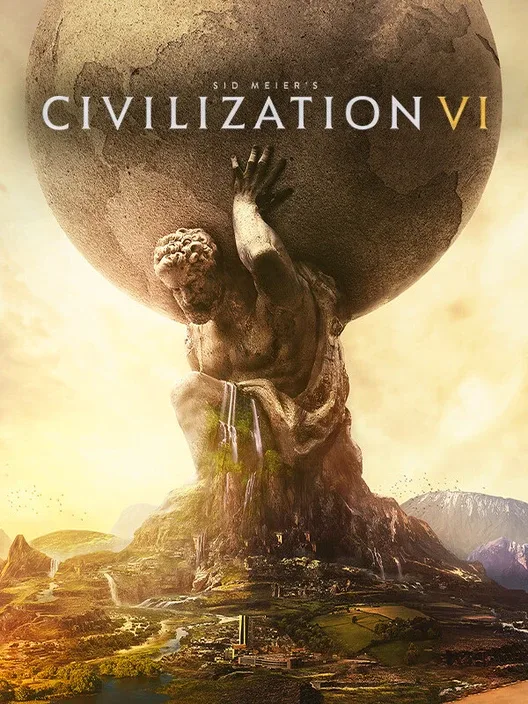
Firaxis released Civilization VI in October 2016, and it remains the most approachable modern take on the turn-based empire builder. Cities now spread across the map in districts, so where you build matters, and the Eureka and Inspiration boosts reward playing to a civilization's strengths. Leaders with distinct agendas and colorful, cartoonish visuals give every match a personality. Its weakness is the AI, which handles diplomacy and war poorly, and the late game can drag as turns lengthen. Even so, it is the easiest place to start with the genre.
2. Age of Empires II: Definitive Edition#
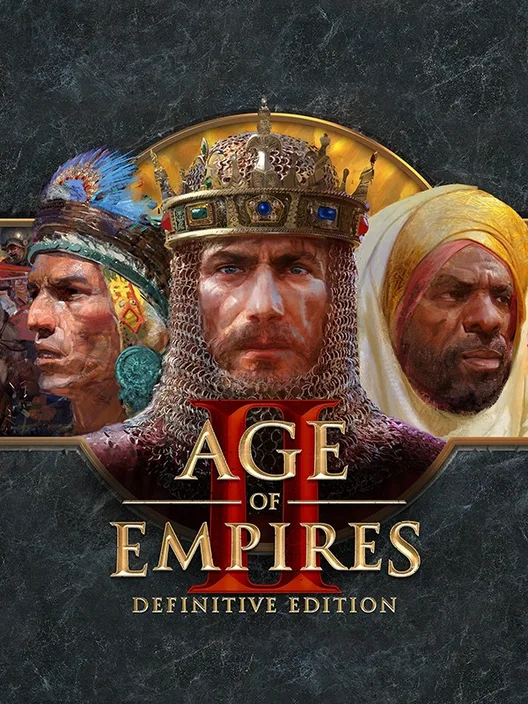
Forgotten Empires, Tantalus Media and Wicked Witch Software rebuilt Age of Empires II for its 20th anniversary, releasing the Definitive Edition in November 2019. It keeps the original's balanced medieval real-time strategy, with gathering, building and fighting across distinct civilizations, and adds 4K visuals, new campaigns and a steady flow of expansions. Its online scene is lively, and the historical campaigns are a good way in. The interface and economy still feel old-fashioned, and competitive play punishes beginners hard. For classic RTS, few games are as rewarding to learn.
3. StarCraft II: Wings of Liberty#
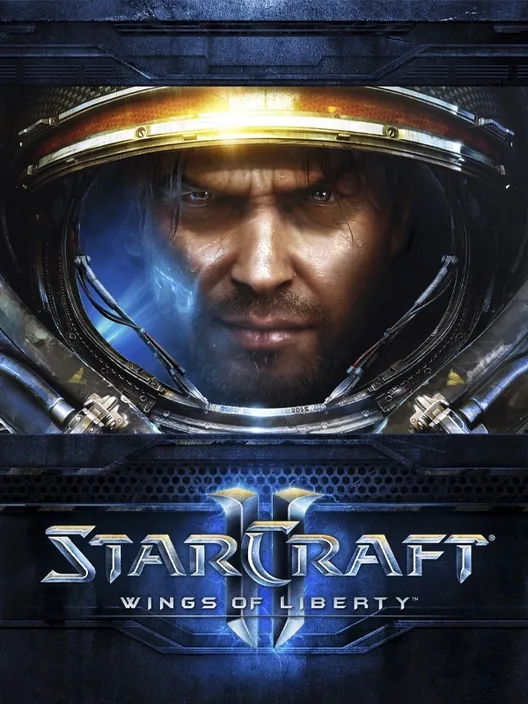
Blizzard released Wings of Liberty in July 2010 and turned a beloved RTS into a polished, spectator-friendly competitive game. The three races, Terran, Protoss and Zerg, play completely differently, and the mission-based Terran campaign is full of inventive objectives and a hub ship between missions. Its multiplayer became a cornerstone of esports. The campaign covers only one race, with the others told in later expansions, and the ladder is famously demanding for newcomers. As a showcase of RTS design at its sharpest, it is hard to beat.
4. XCOM 2#
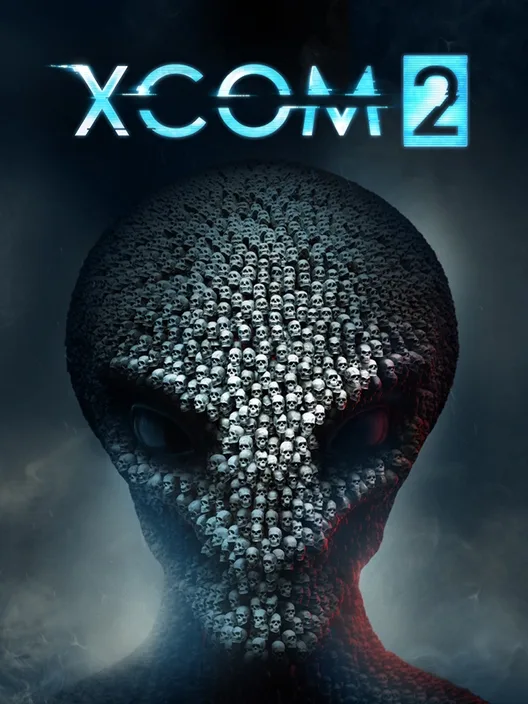
Firaxis released XCOM 2 in February 2016, set twenty years after humanity lost the alien war. You lead a guerrilla resistance from a mobile base, and missions use procedurally generated maps, concealment and timed objectives, which keeps the turn-based combat tense. Soldiers you name and grow can die for good, which makes every hit chance matter. At launch it had performance problems, and the strategic layer pushes you with constant deadlines. The missed shots that every XCOM player remembers can be frustrating. It is the best-known modern squad tactics game on PC.
5. Crusader Kings III#
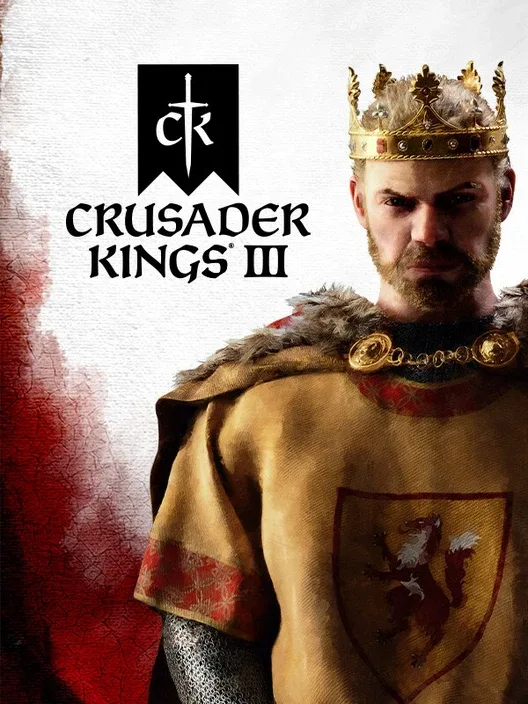
Paradox Development Studio released Crusader Kings III in September 2020. You play a medieval dynasty rather than a nation, managing rulers, heirs, marriages, schemes and faith across generations. The character-driven stories it generates, from betrayals to unlikely heirs, are the real hook, and the map, interface and tutorials are far friendlier than earlier Paradox games. Warfare is comparatively shallow, and the learning curve is still steep for newcomers. It is a grand strategy game that feels like a novel you write by playing.
6. Into the Breach#
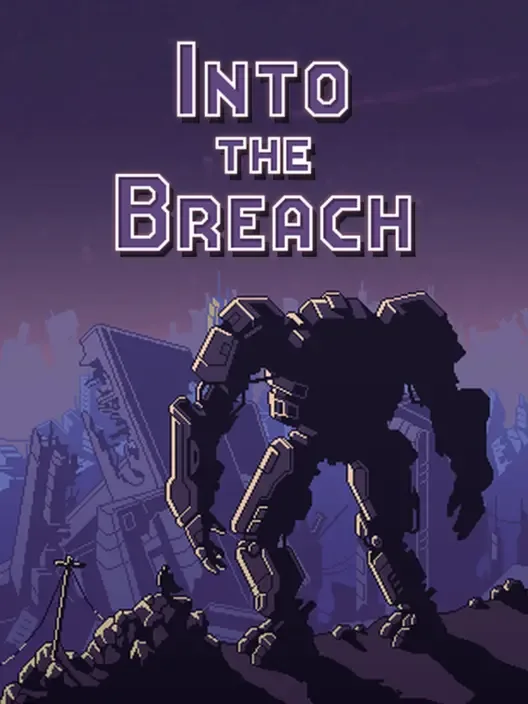
Subset Games, the creators of FTL, released Into the Breach in February 2018. You command three mechs on tiny eight-by-eight grids and defend cities from giant bugs, with every enemy attack shown in advance so the puzzle is always about how to minimize damage. Each battle is short, squads and pilots carry over from run to run, and the game is endlessly replayable. It is very compact, and the tight scale means it lacks the sprawl of larger strategy games. For turn-based purists, it is among the most elegant tactics games made.
7. Total War: Shogun 2#
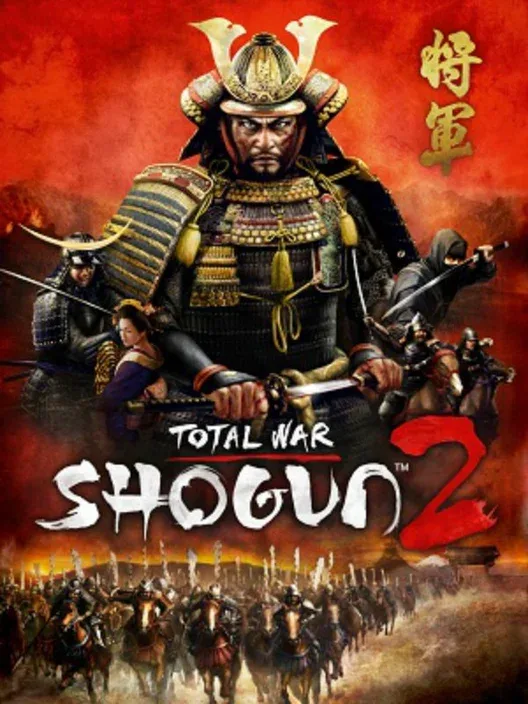
Creative Assembly released Total War: Shogun 2 in March 2011, setting a turn-based campaign map and real-time battles in Sengoku-period Japan. Rival clans fight for the shogunate, and the tight setting with focused units and beautiful Japanese art keeps it clear and coherent compared with many larger entries in the series. Battles with thousands of troops on hills, castles and coasts still look striking. The campaign becomes repetitive in its late stages, and some later expansions add bulk more than depth. It remains one of the series' high points.
8. Warcraft III: Reign of Chaos#
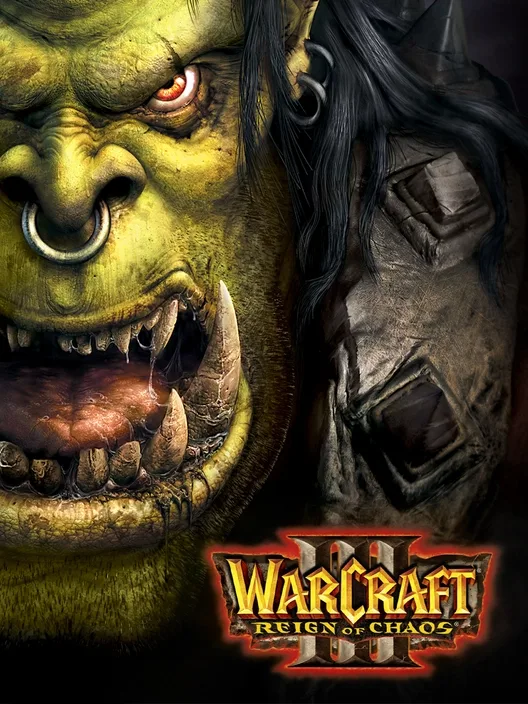
Blizzard released Warcraft III in July 2002, combining real-time strategy with hero units that gain experience and items. Four factions, the Humans, Orcs, Undead and Night Elves, and a story-driven campaign helped define how RTS storytelling works, and its World Editor spawned whole genres of custom maps. Its smaller armies make every unit matter. The visuals and interface show their age, and the pace is slower than newer RTS games. The game is still a landmark that is easy to appreciate.
9. Company of Heroes#
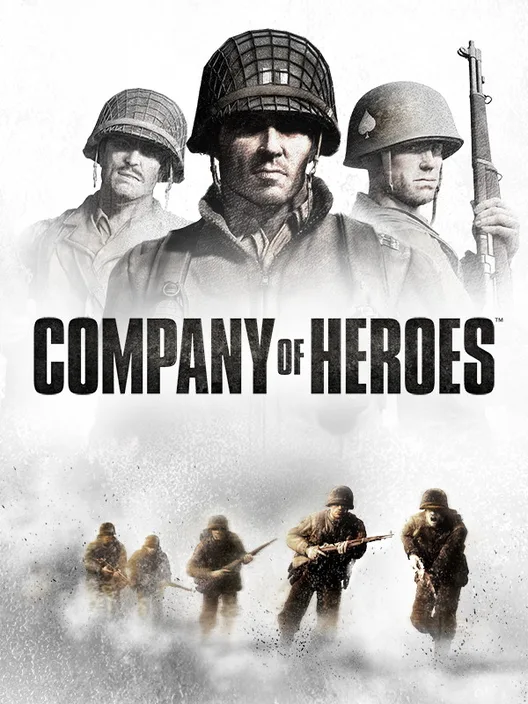
Relic released Company of Heroes in September 2006, putting World War II squads into real-time battles in which cover, suppression and destructible terrain decide fights. Instead of massing units, you capture points to fund a modest army and use it carefully, which makes every engagement feel cinematic. Its Normandy campaign is a highlight, and the sound design is excellent. The single-player campaign is fairly short, and the pace leaves little room for casual play. Its ideas have shaped tactical RTS ever since.
10. XCOM: Enemy Unknown#
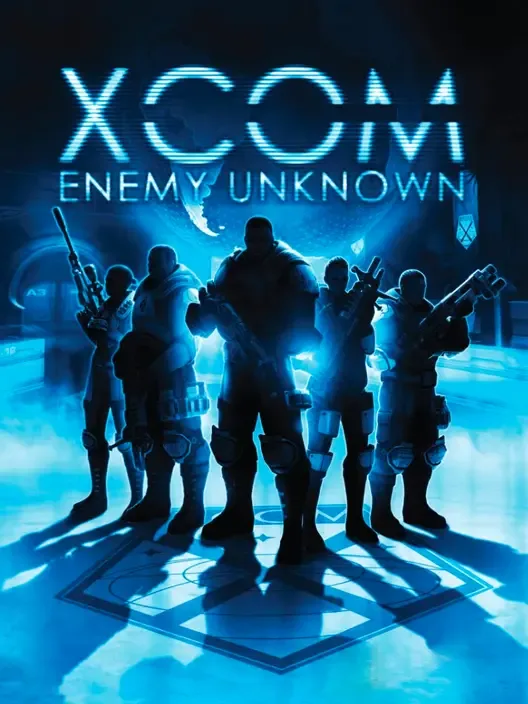
Firaxis rebooted the series with XCOM: Enemy Unknown in October 2012. You run a base, research alien technology, and send squads into turn-based battles where a mistake can cost a veteran soldier forever. Its clean systems, tense missions and the feeling of a growing alien threat created a modern template that drew many players to the genre. Squads are small, and maps feel limited next to the sequel. It is the simpler and more focused of the two modern XCOM games.
11. Sid Meier's Civilization V#
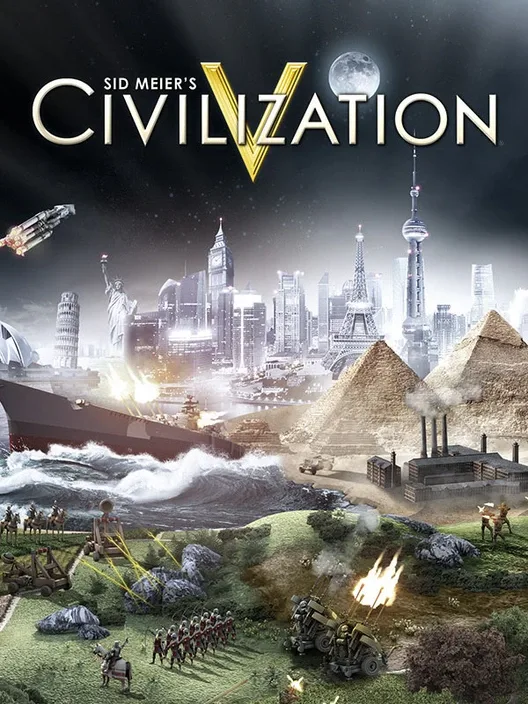
Firaxis released Civilization V in September 2010 and moved the series to a hex grid with only one military unit allowed per tile. The change made wars more tactical, and city-states added a new layer of diplomacy and influence. With its expansions, it became a deep and loved entry that many players still return to. The AI is weak at war and diplomacy, and the late game slows down. It is a solid alternative for players who want a classic feel.
12. Shadow Tactics: Blades of the Shogun#
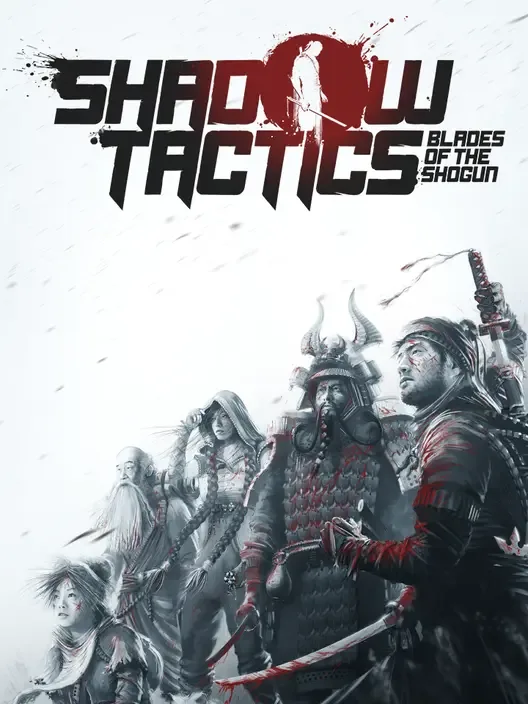
Mimimi Games released Shadow Tactics in December 2016, reviving the real-time tactics style of the Commandos series in Edo-period Japan. You control five specialists, each with unique skills, and time actions so that they work together to infiltrate fortresses. Levels are open puzzles with many solutions, and a quicksave button encourages experimentation. Progress can turn into trial and error, and stealth failure is unforgiving. For patient players it is an unusually polished game.
13. Heroes of Might and Magic III#
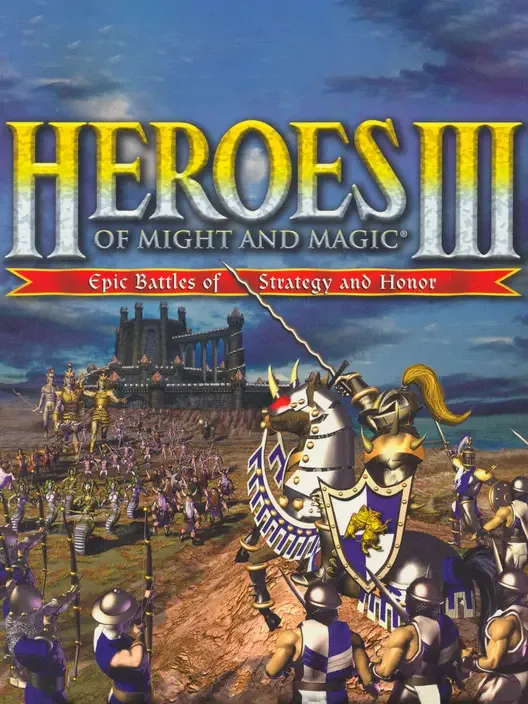
New World Computing released Heroes of Might and Magic III in 1999. You explore an adventure map with hero armies, collect resources, upgrade towns and fight turn-based battles with creature stacks. Its fantasy factions, each with a distinct feel, and simple, addictive loop have kept a dedicated community going for decades. The graphics and AI are old, and matches against others can drag on. It is still the definitive fantasy turn-based strategy game for many fans.
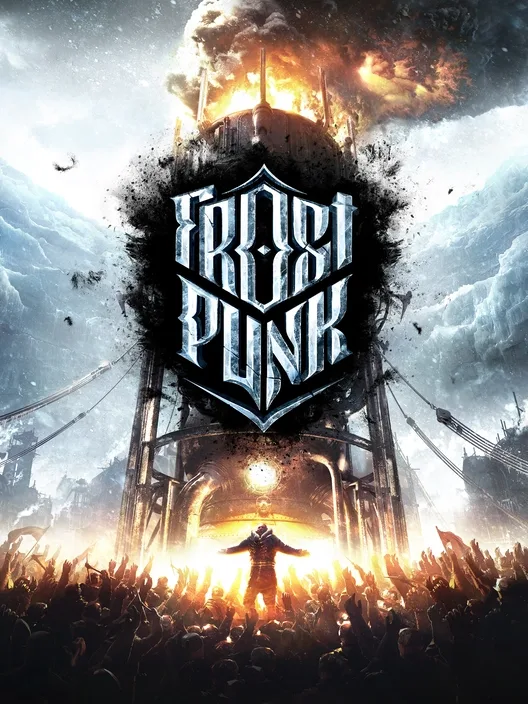
14. Frostpunk#
11 bit studios released Frostpunk in April 2018. You lead a city in a frozen alternate nineteenth century, balancing heat, food and hope around a central generator. Laws and moral choices, such as child labor or forced work, force hard decisions and give the survival city-builder its bite. The atmosphere and art direction are striking. It is short, and replay value is limited once you know the scenarios. It is a bleak, memorable take on what a strategy game can ask of the player.
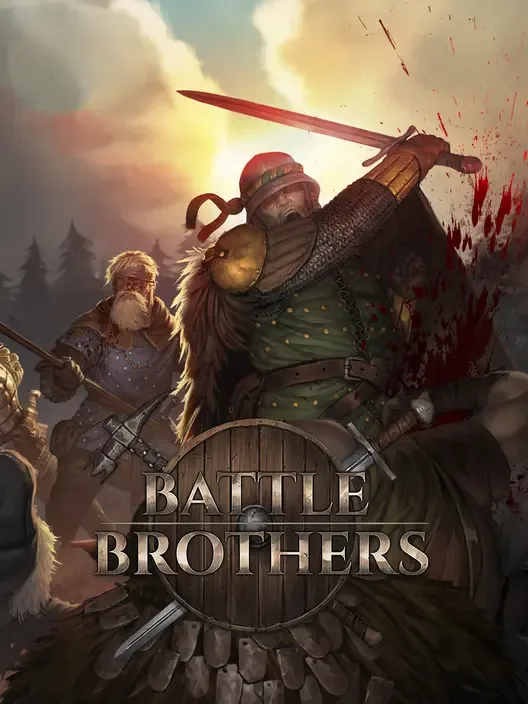
15. Battle Brothers#
Overhype Studios released Battle Brothers in March 2017 after early access. You run a mercenary company in a dark medieval world, hiring and equipping brothers, traveling the map and fighting turn-based battles on hex grids. Its randomly generated events, injuries and permanent losses create stories on their own. It is brutally hard, and luck can undo hours of careful preparation. The presentation is modest. For players who enjoy difficulty and emergent stories, it is a hidden favorite.
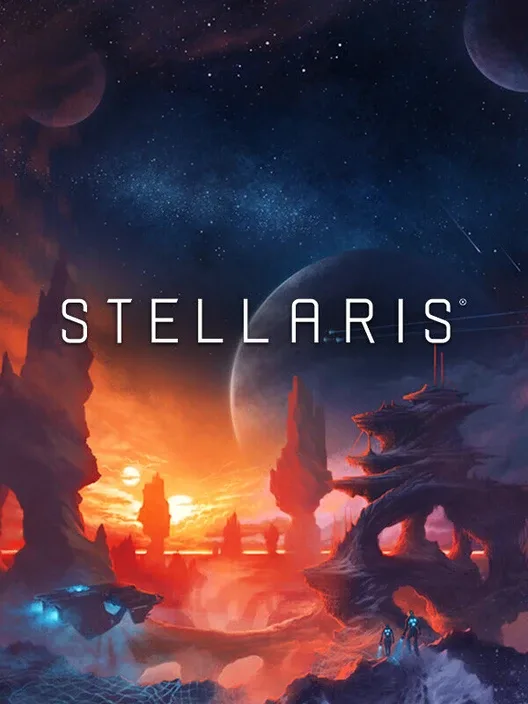
16. Stellaris#
Paradox Development Studio released Stellaris in May 2016, bringing the company's grand strategy to a space 4X. You design a species, explore a galaxy, research, expand and handle diplomacy, crises and strange events in real time with pause. The variety of empires, from spacefaring fanatics to machine intelligences, gives it huge replay value. The late game can slow down, and the depth of systems and DLC can feel overwhelming. It remains a bold, ambitious strategy sandbox.
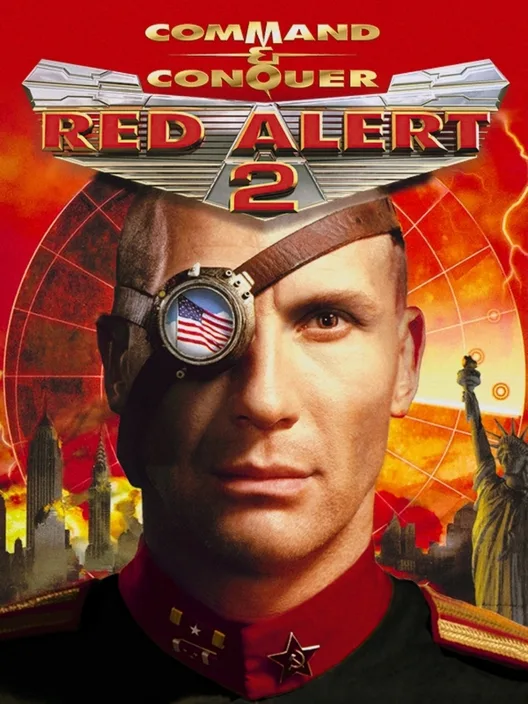
17. Command & Conquer: Red Alert 2#
Westwood Studios released Red Alert 2 in October 2000, pitting the Soviets against the Allies in a colorful, campy alternate Cold War. Fast base building, distinct superweapons and outrageous units such as the Tesla coil and the Kirov airship make it instantly memorable, along with full-motion video cutscenes. Its skirmish and multiplayer matches are quick and easy to pick up. Pathfinding and balance show their age, and the original resolution is low. It is the loudest, most entertaining classic RTS on this list.