
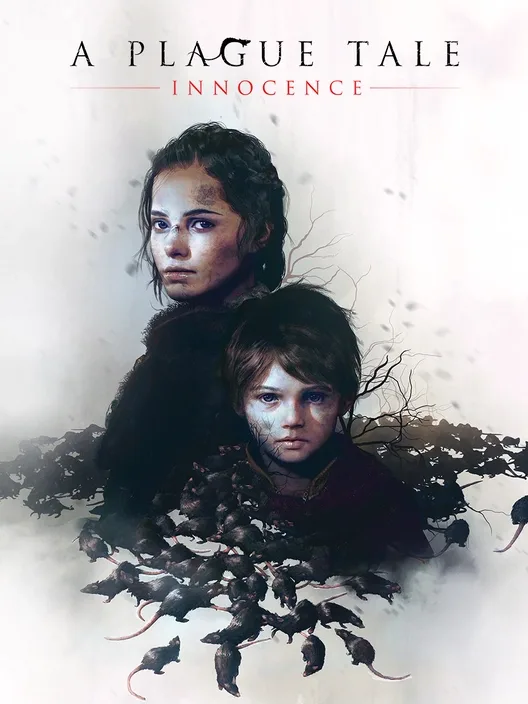
A Plague Tale: Innocence
Medieval · Drama · Historical · Emotional · Female Protagonist
Game page →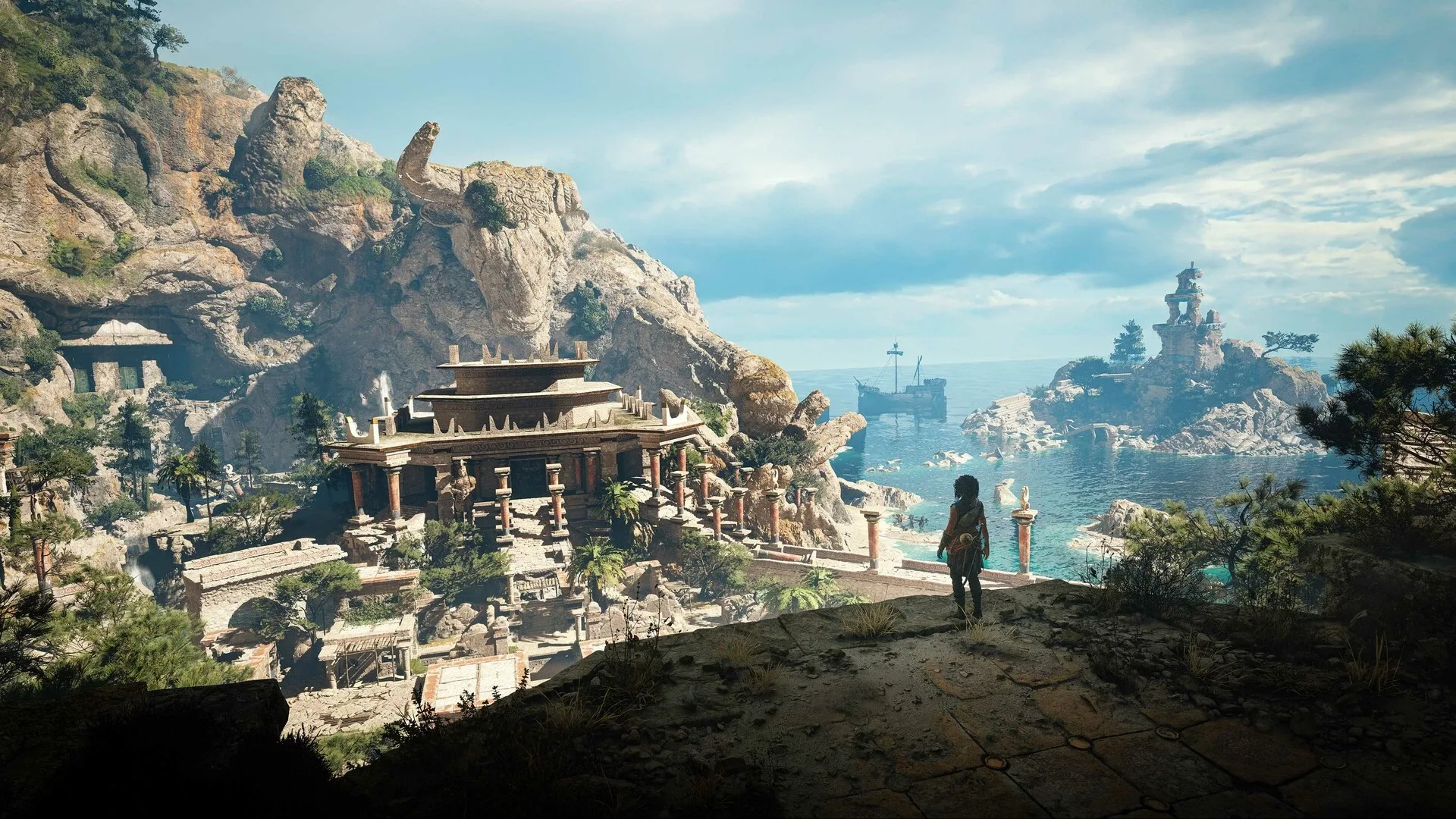
Review
Asobo Studio's first A Plague Tale spin-off, sending young fighter Sophia to a Greek myth-soaked island fifteen years before the events of the main series. Is it your kind of game?
Game Avant verdict
A beautiful, well-paced prequel that swaps the series' sneaking for parry-driven combat and light puzzles; most critics enjoy it, and the main complaints are repetition and a few launch glitches.
By GameAvant · Published Oct 13, 2026 · 12 min read
Choose what matters to you
Every question is optional.
What suits you better?
How do you want to play?
Based on your choices
Pick what matters to you above and the result shows up here.
IGDB
82%
34 ratings
Steam:
92%
3,841 reviews
Fits you if
you want an atmospheric single-player adventure with strong art direction and a mythological mystery, you like parry-based melee mixed with puzzles, and you are happy to start the series with a prequel.
Skip it if
you are mainly after the tense stealth and rat swarms of the first two games, you dislike puzzle-heavy pacing, or you want multiplayer or co-op of any kind.
Availability
Steam
$49.99
Resonance: A Plague Tale Legacy is the first major spin-off in Asobo Studio's A Plague Tale series, and it steps back fifteen years before the events of A Plague Tale: Requiem to follow Sophia, a young fighter who appeared only briefly as a side character in that earlier game. Her story is self-contained: the game works as a standalone entry, so newcomers can start here without having played Innocence or Requiem first, though longtime fans will recognize extra connections along the way. Released on 27 August 2026 for PC, PlayStation 5 and Xbox Series X|S, it moves the series away from plague-ridden medieval France and onto Minotaur's Island, a ruin-filled Mediterranean location steeped in Greek mythology, with frescoes, collapsed temples and the lingering presence of old legends built directly into the environment. Sophia's own goal driving the plot is personal rather than protective: she is searching for concrete answers about her own past, a clear departure from Amicia's sibling-focused journey in the earlier games. The core gameplay shift is deliberate and significant. Where Amicia was a vulnerable child whose main tool against danger was avoidance, Sophia is a trained fighter, and Resonance builds its combat around that difference directly. Parries sit at the center of every fight: reading an enemy's attack and countering it at the right moment opens them up to a direct execution, and that same parry-and-counter rhythm carries through the entire campaign rather than being an occasional option. Sophia also has a grapple hook for both combat positioning and traversal, along with a set of thrown objects and unlockable skills that expand her toolkit gradually as the story progresses, giving players real choices in how to approach a given fight rather than one fixed solution. Puzzles sit alongside combat as the other major system, built around a light-emitting artifact Sophia carries throughout the island. Light and mirror-based puzzles use that artifact to redirect beams, reveal hidden paths or solve environmental obstacles, and they are deliberately spaced between combat encounters to vary the pacing rather than clustering into one dedicated puzzle section. The island itself is linear rather than open, guiding players along a specific path through its ruins with relatively little backtracking required, which keeps the roughly 20-hour campaign tightly paced from one set piece to the next. Stealth has not disappeared entirely, but its role has shrunk considerably compared to the earlier games. Rather than being the primary way to survive most encounters, it resurfaces mainly during the game's horror sections, where Sophia is deliberately vulnerable again and direct confrontation is not an option. Those sections lean into creature encounters and sustained dread, and they stand out as some of the most distinct material in the campaign precisely because they briefly return to the tension the series built its reputation on before handing control back to combat and puzzles for the rest of the island. The opening hours are deliberately light on explanation, dropping players into Sophia's search without much immediate context, and the story takes some time to establish its stakes before picking up pace. Players who want a complete picture of what Minotaur's Island actually is, and why Sophia's past is tied to it, will find that picture fills in gradually rather than all at once.
You may love it because
Sophia is a trained fighter, so parries, executions and a grapple make fights fast and readable.
It may frustrate you because
The tension of hiding from overwhelming odds, which defined the first two games, is mostly kept for the horror sections.
You may love it because
Light and mirror puzzles pace the island well and give the exploration a purpose beyond walking from fight to fight.
It may frustrate you because
Some players find the frequency of puzzles tiring, and they work best in short bursts.
You may love it because
Level design pushes you forward with little backtracking, which keeps the story moving and the pacing tight.
It may frustrate you because
There is less room to roam and little reason to return once the credits roll.
12 min read
· By Game Avant
Three alternatives, one line each on why.
Medieval · Drama · Historical · Emotional · Female Protagonist
Game page →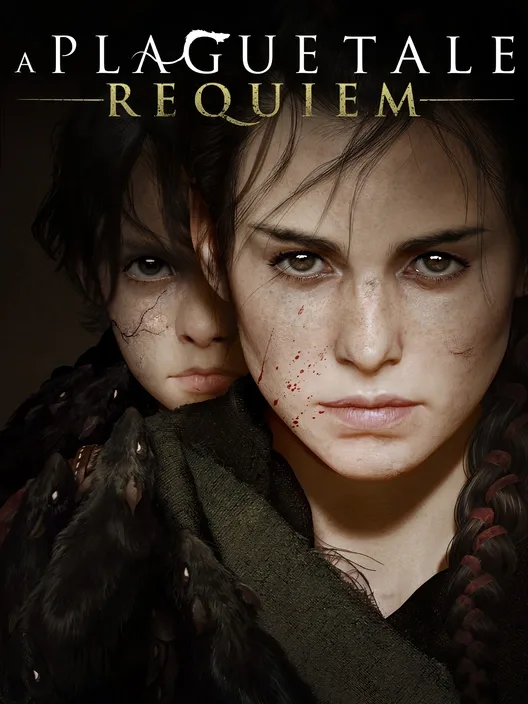
Emotional · Action-Adventure · Medieval · Historical · Drama
Game page →
Mythology · Emotional · Colorful · Third Person · Puzzle
Game page →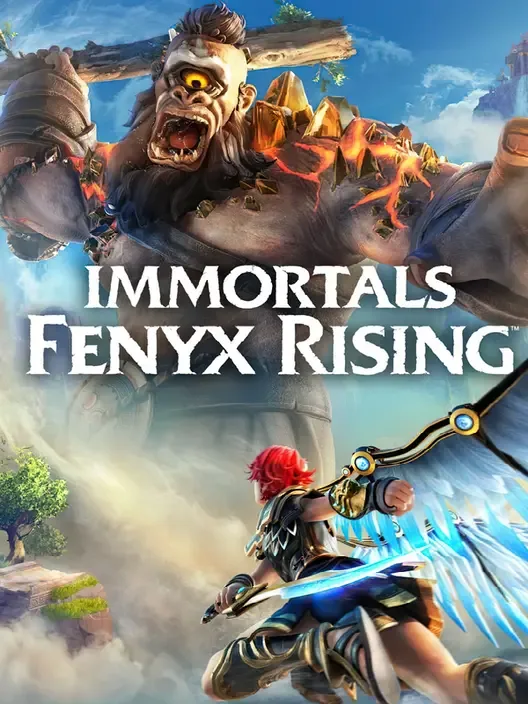
Mythology · Action-Adventure · Third Person · Puzzle · Historical
Game page →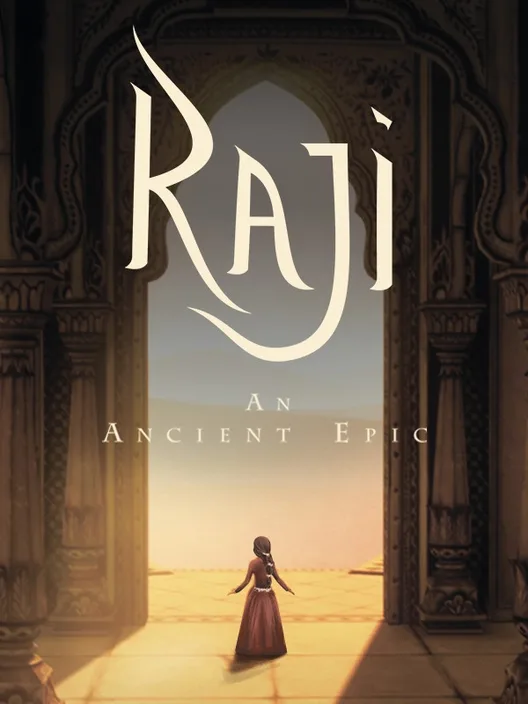
Mythology · Emotional · Action-Adventure · Historical · Colorful
Game page →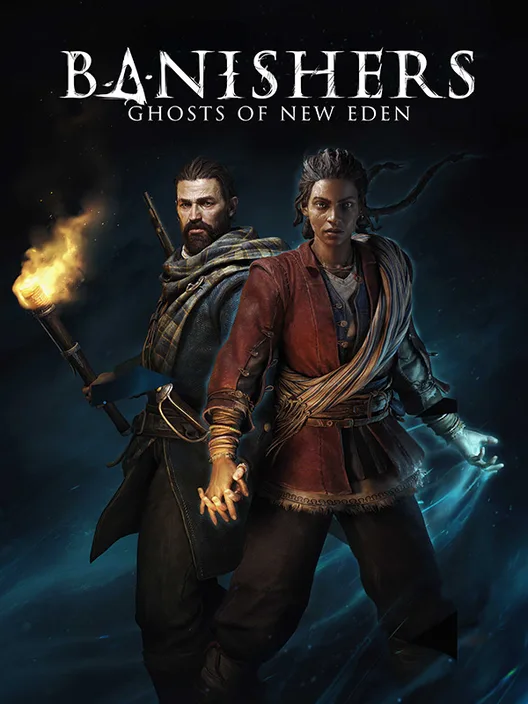
Lore-Rich · Emotional · Action-Adventure · Supernatural · Third Person
Game page →