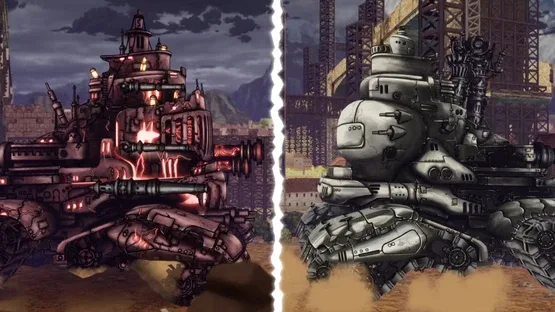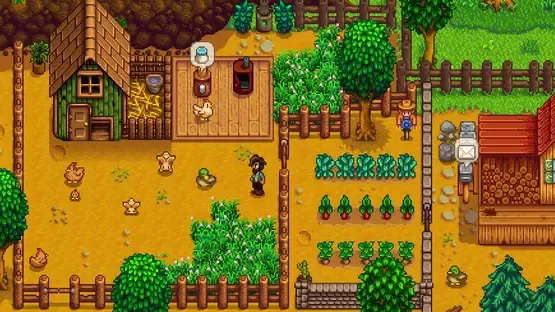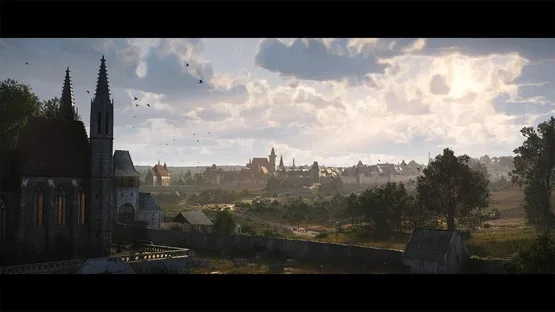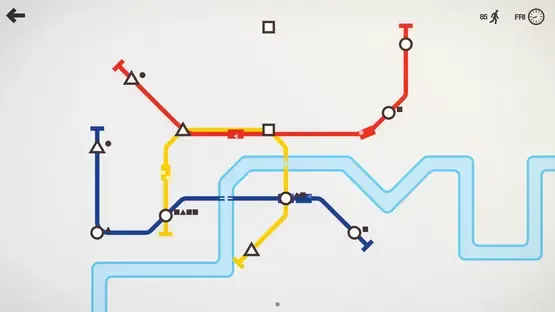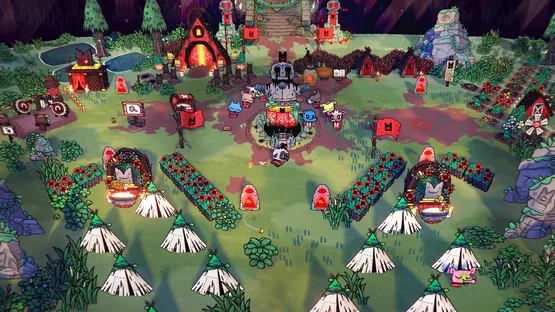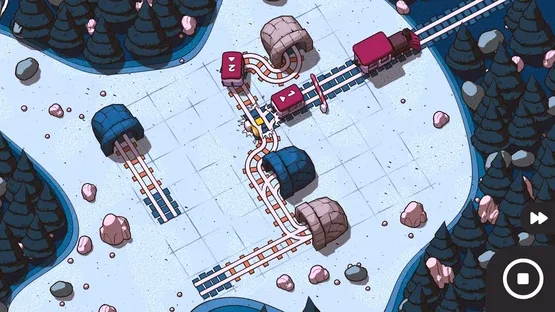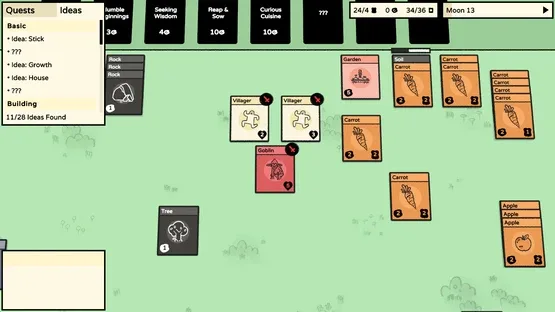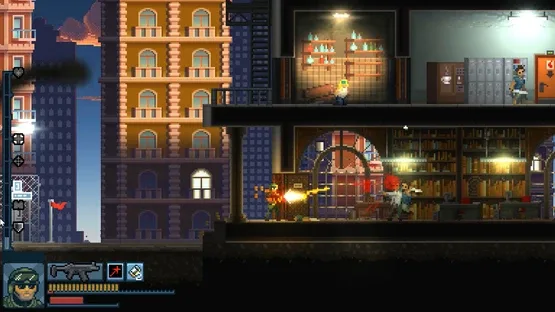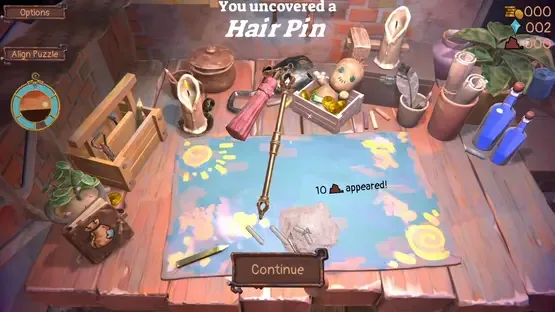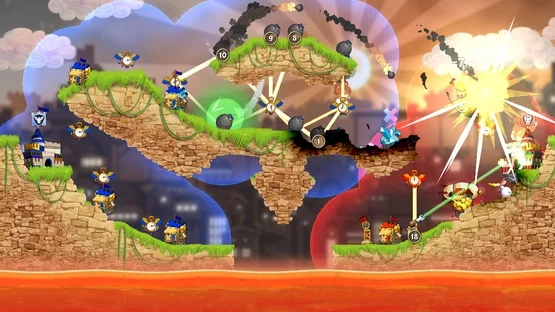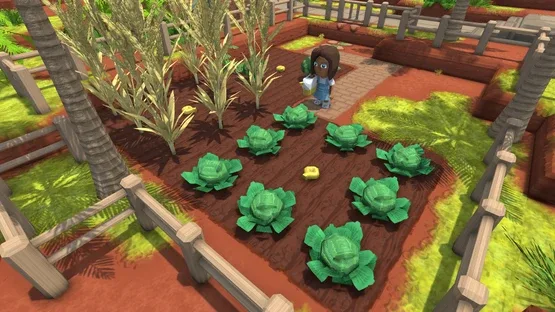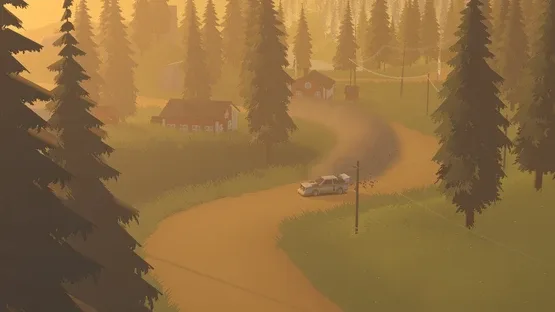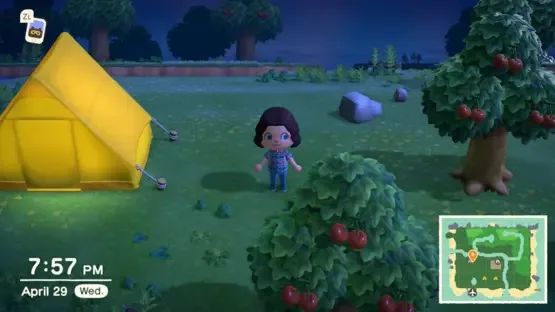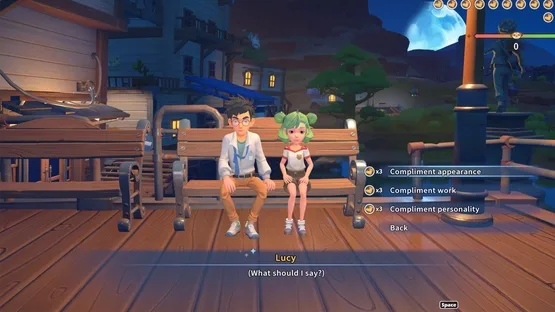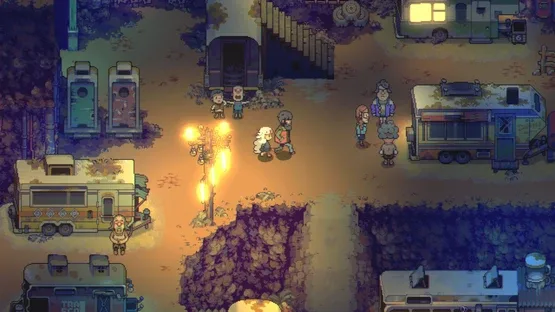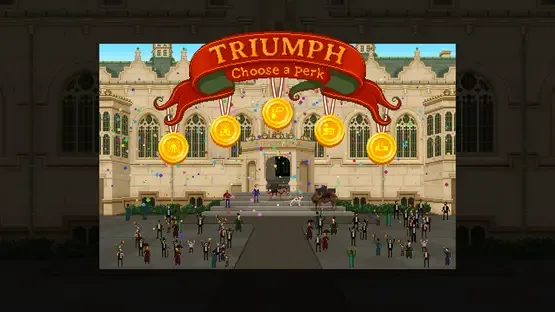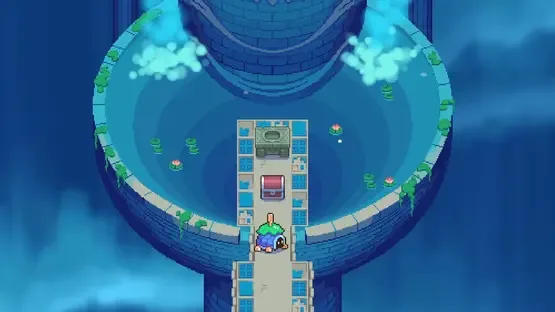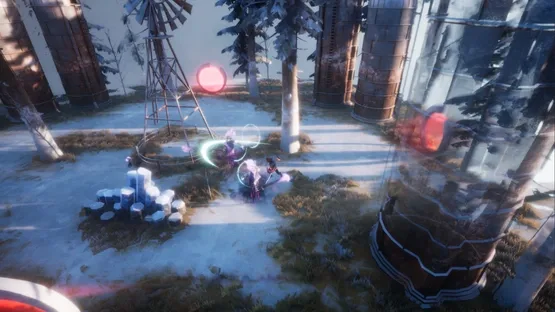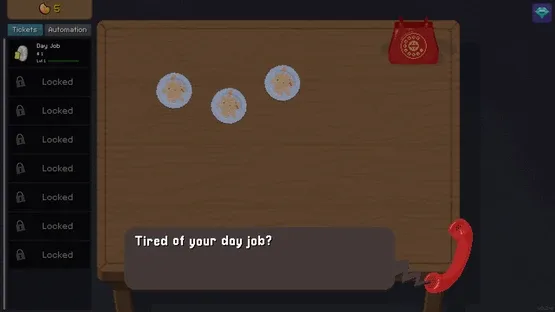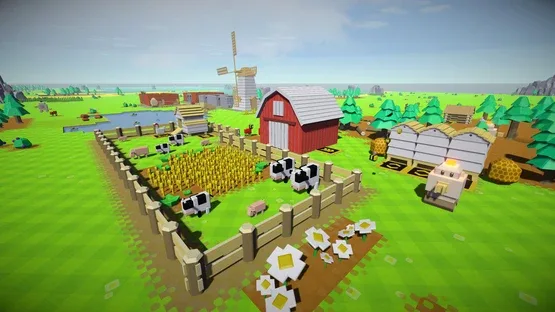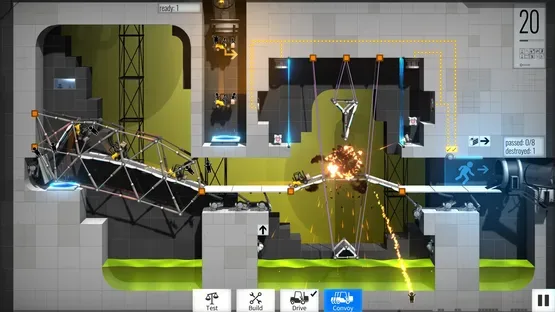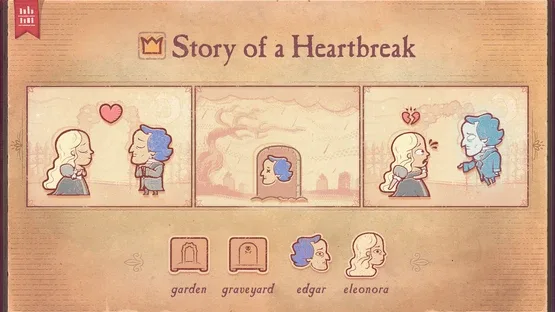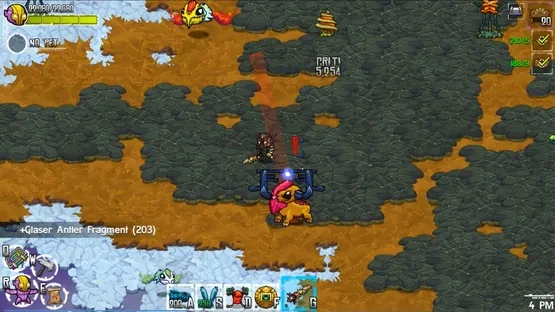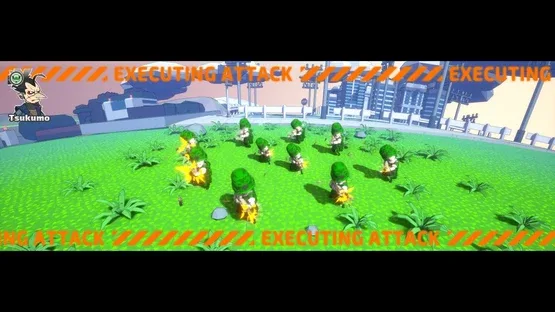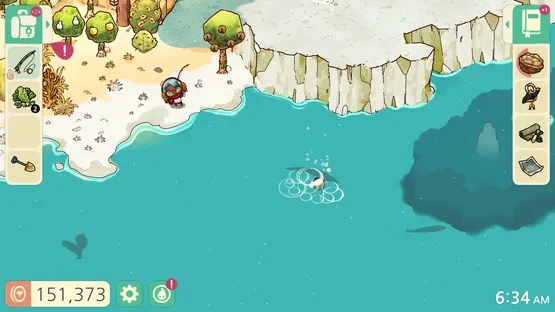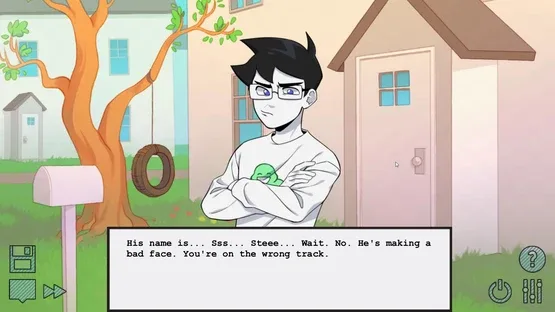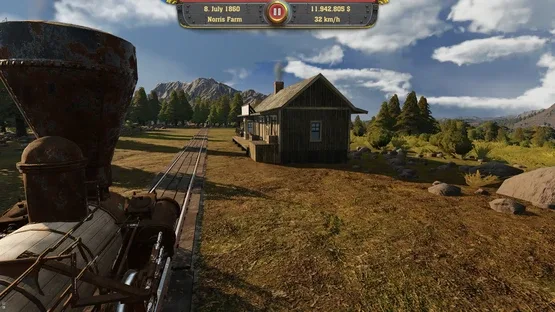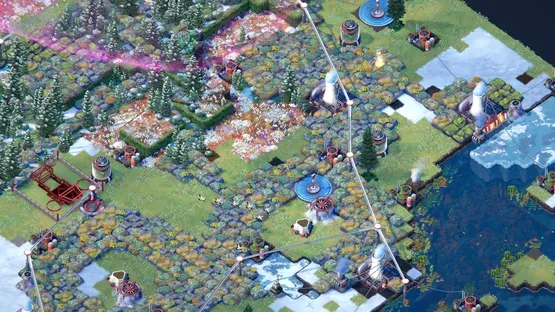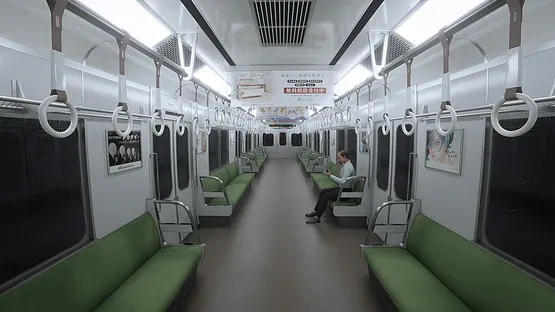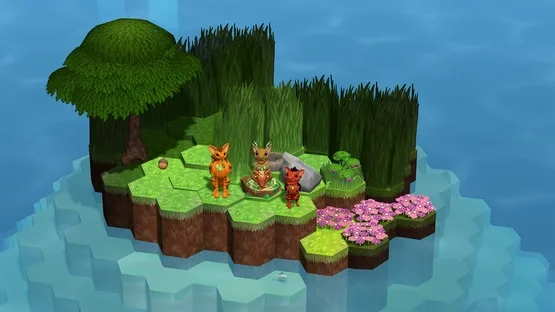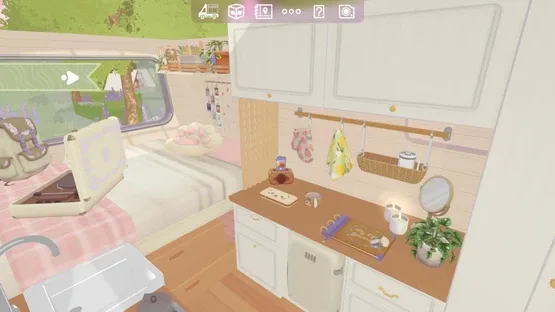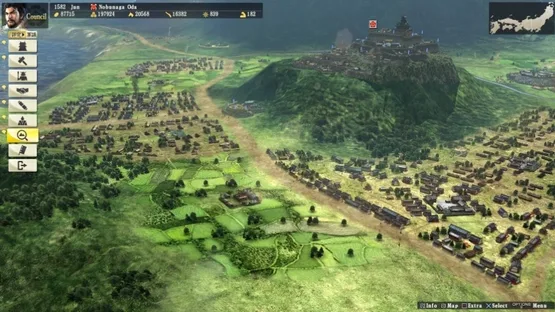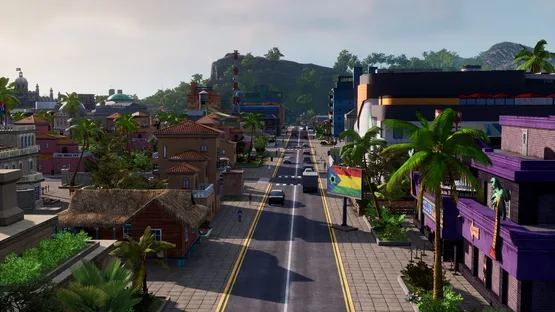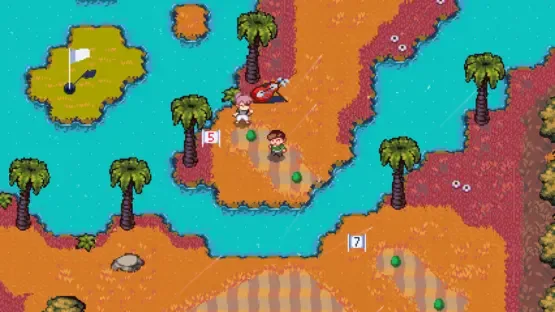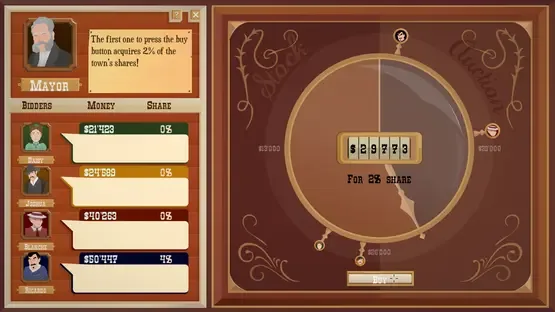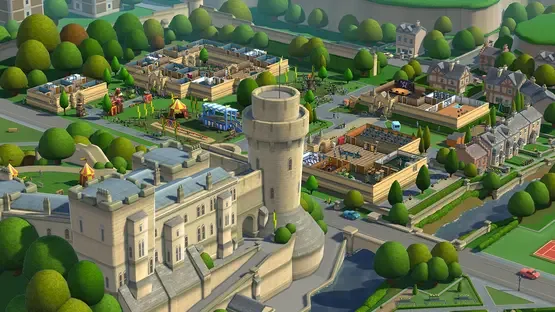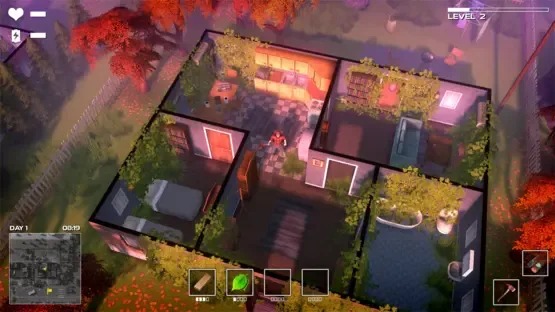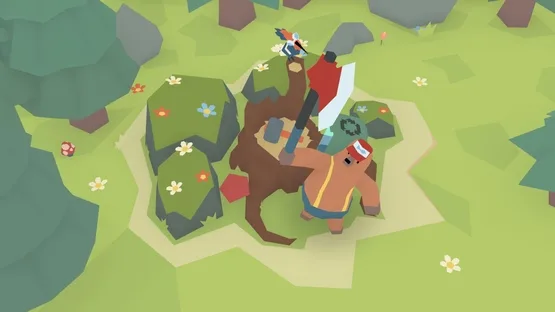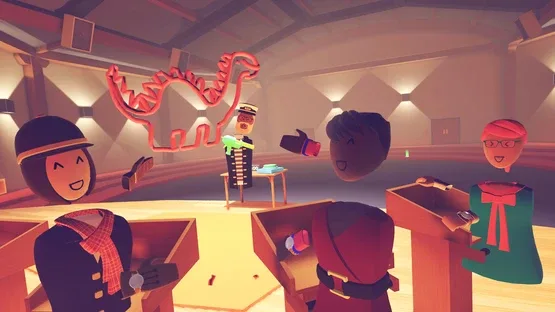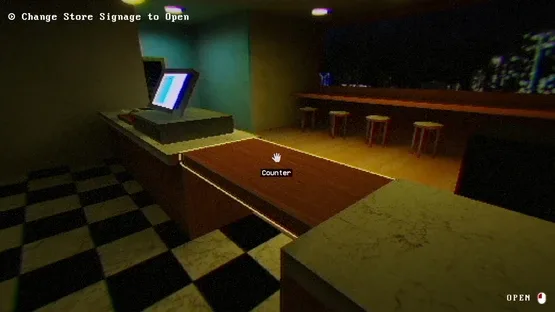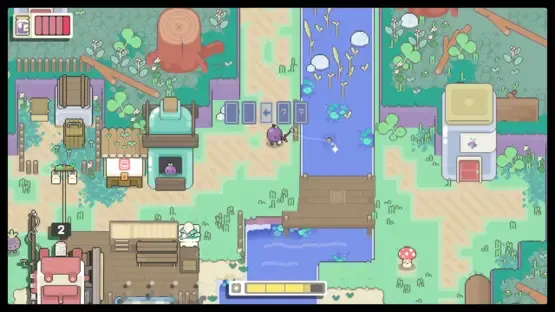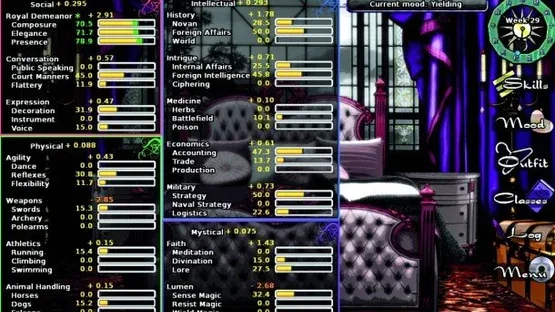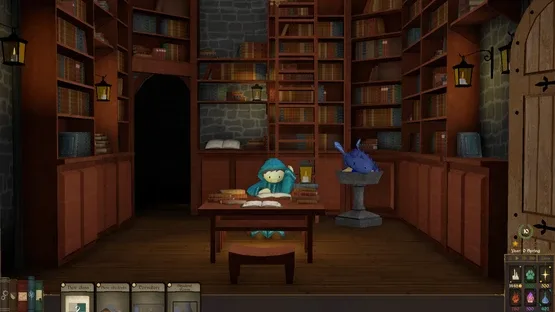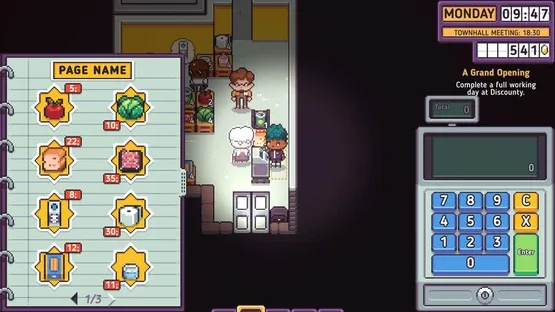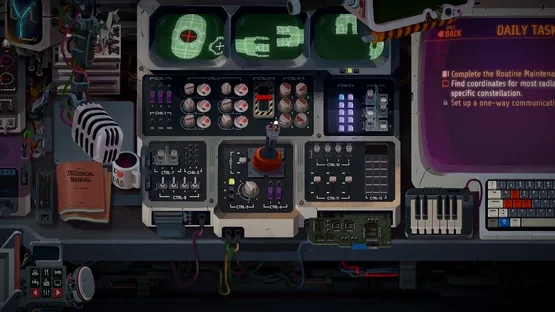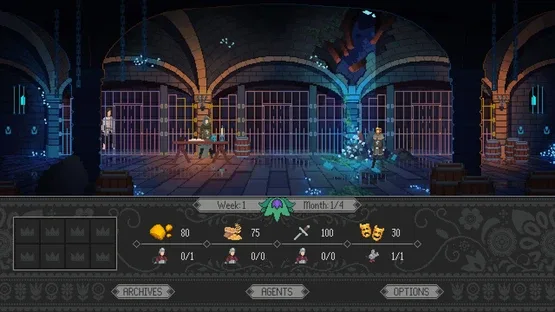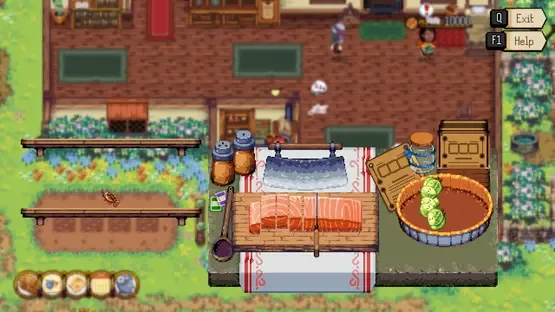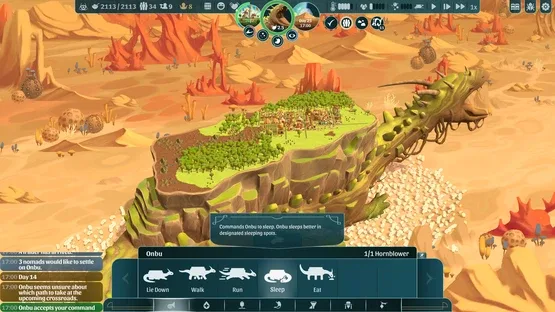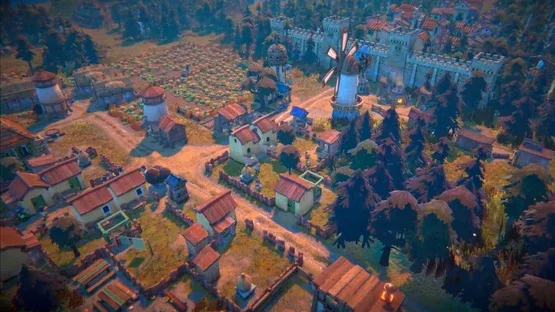
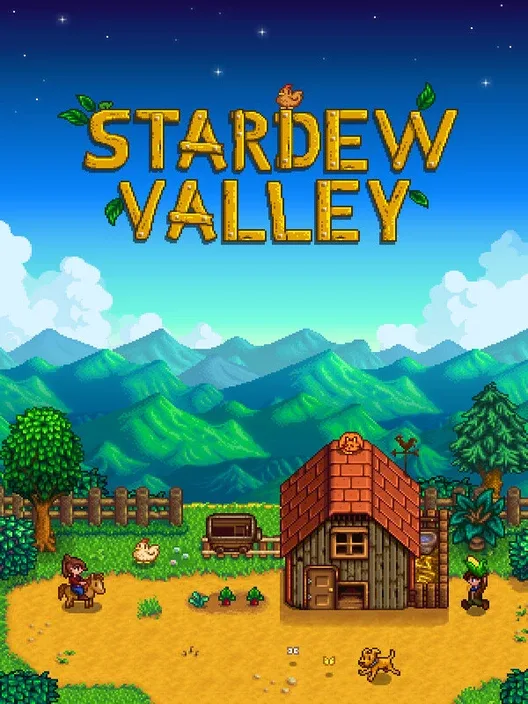
 Stardew Valley
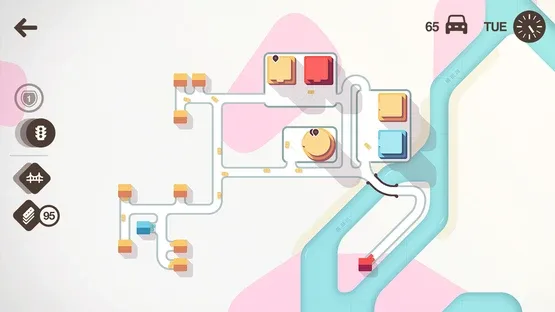
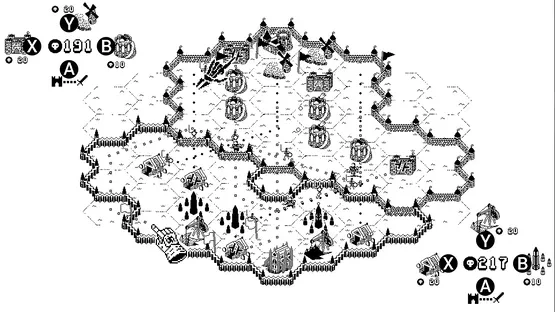
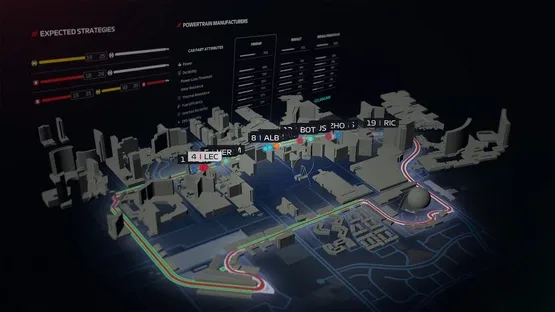
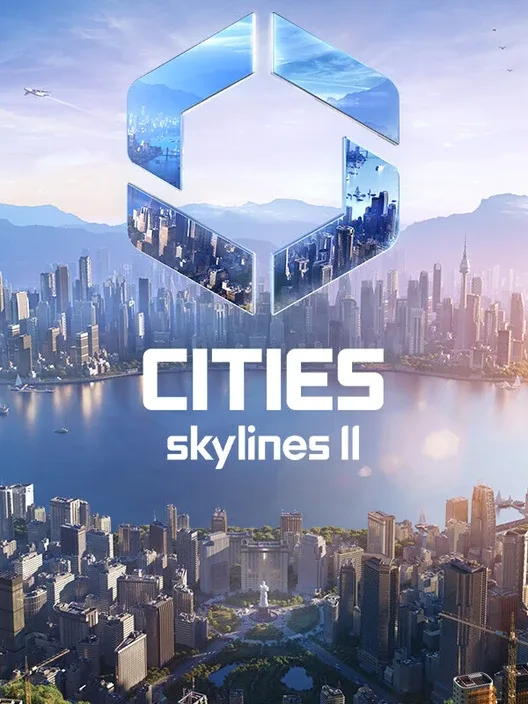 Cities: Skylines II
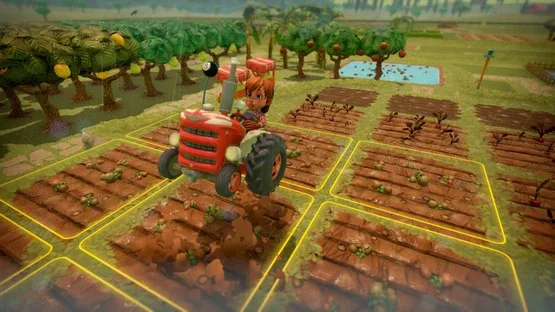
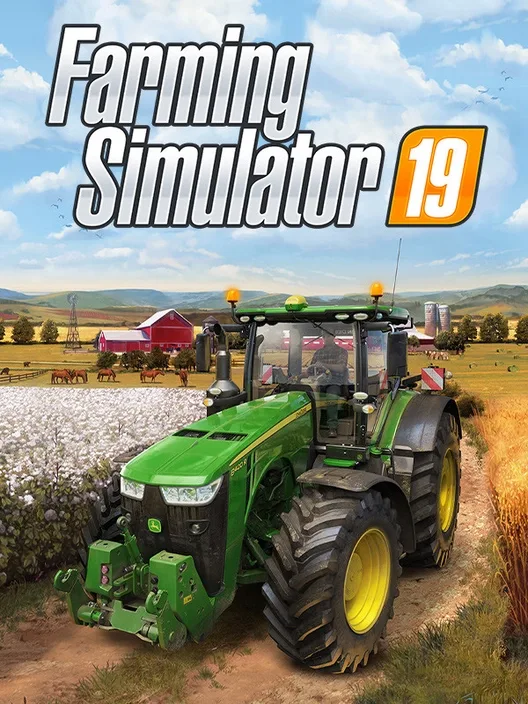 Farming Simulator 19
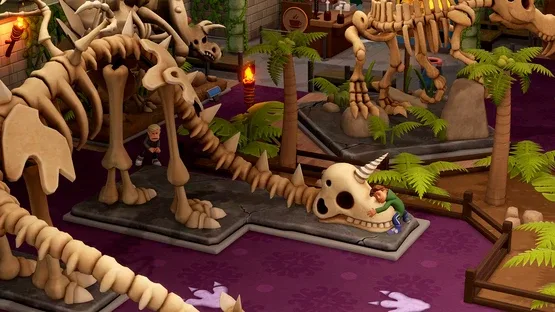
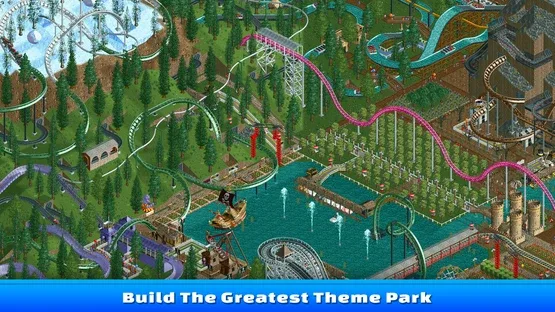
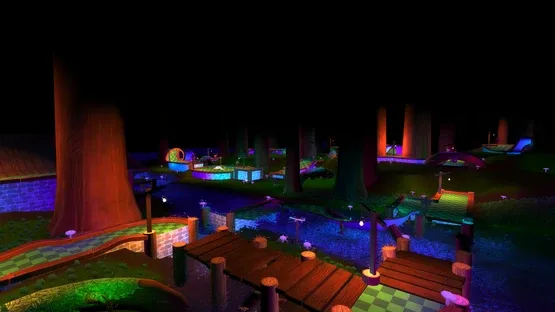
 Planet Coaster
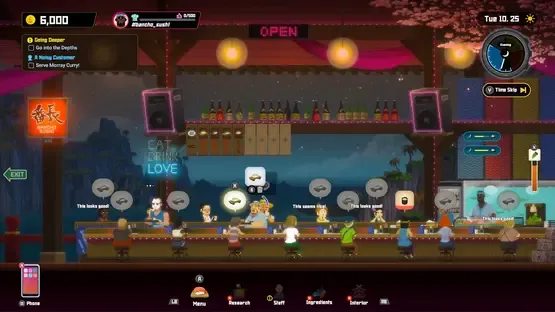
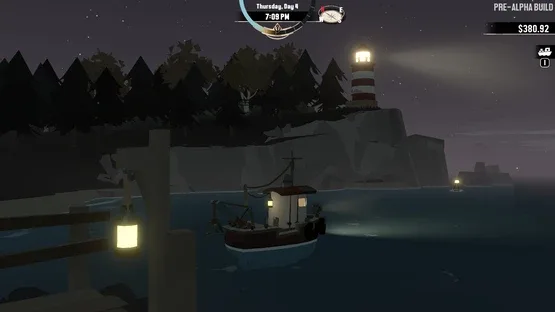
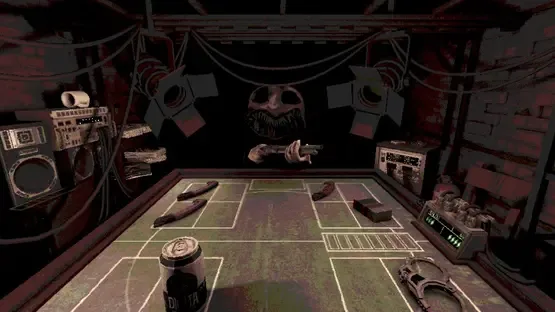
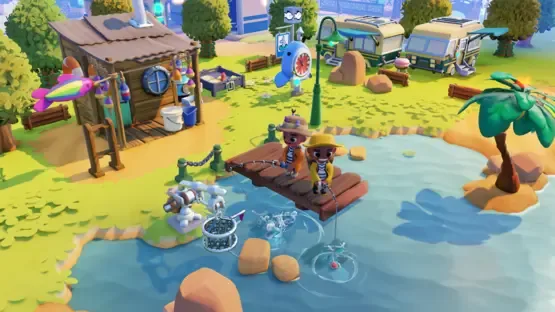
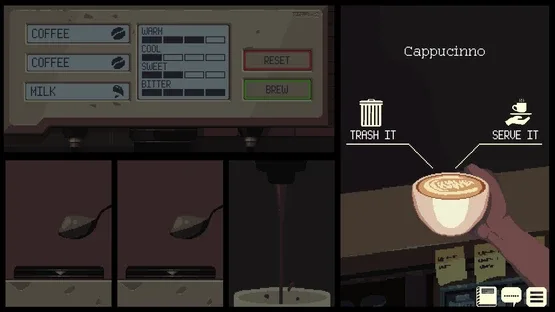
 Dave the Diver
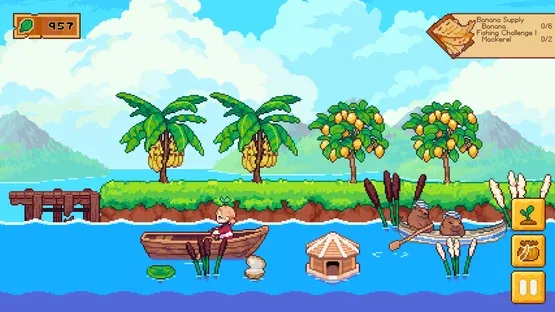
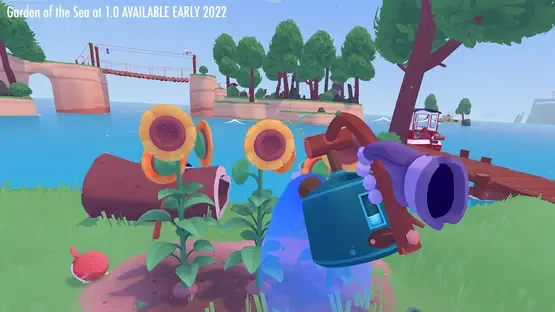
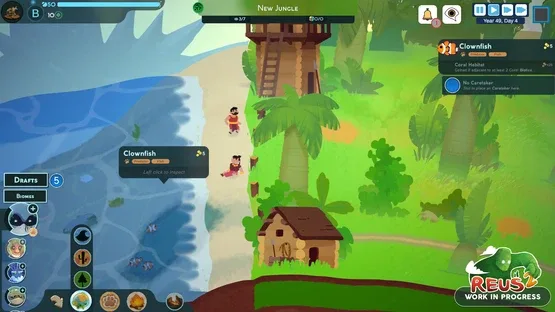
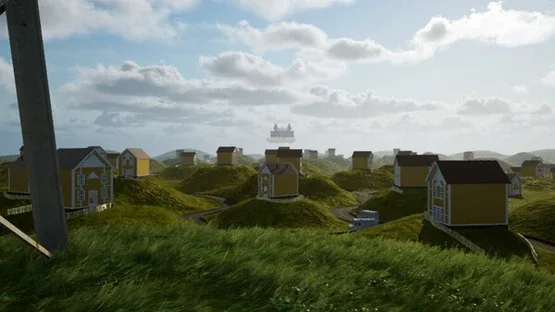
 Coral Island
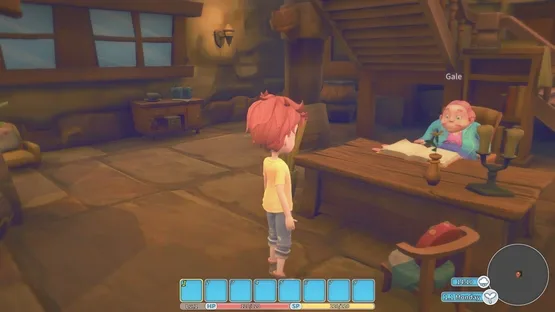
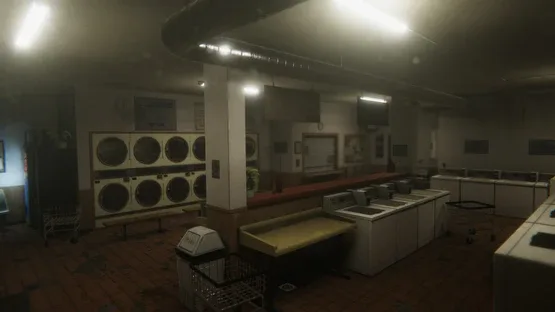
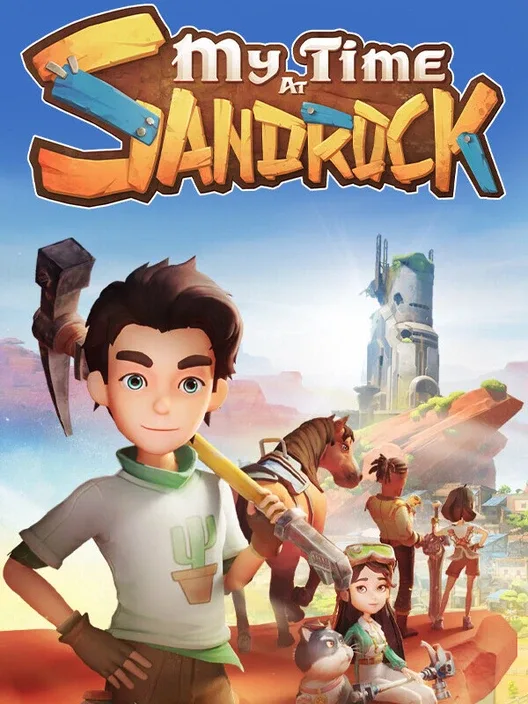 My Time at Sandrock
What simulation games are actually selling#
Every genre promises some kind of fantasy, but simulation games are unusual in what they ask a player to take seriously. A shooter wants you to believe you're fast and lethal; a simulation wants you to believe the system in front of you is real enough that your decisions carry weight beyond the next five minutes. That's a different kind of engagement, and it's why the genre attracts a different kind of player — someone who wants friction, consequence, and a machine that keeps its promises rather than a scripted encounter that resets the moment it's over.
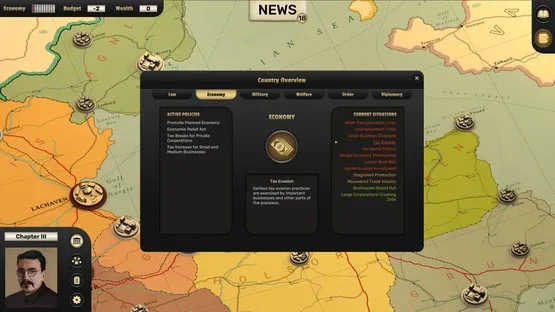
The appeal isn't escapism in the usual sense. Nobody boots up a farming sim to feel powerful, and nobody plays a train simulator for adrenaline. What these games offer instead is a version of "what would it actually be like to do this job, run this business, or live this life" — taken far more seriously than a theme-park ride would take it. A city-builder doesn't just let you place buildings on a grid; it models traffic flow, tax revenue, pollution drift, and citizen happiness as interacting variables, and it lets bad decisions compound over hours rather than seconds. A farming sim tracks soil quality and seasonal windows. A flight sim models airflow over a wing. The fantasy is competence inside a system that doesn't cheat for you.
That's also why simulation games split so cleanly into two temperaments, and why lumping them together under one label undersells how different they feel to actually play. On one side there are systems designed to punish carelessness — economic models, physics engines, logistics chains — where getting it wrong has a cost and getting it right feels like genuine mastery. On the other are systems designed to be lived in rather than beaten: no fail state, no economic collapse waiting to happen, just a loop of small, satisfying tasks repeated until a season passes. Both are legitimately "simulation." They just simulate different things — one simulates a system, the other simulates a rhythm.
It also explains why the genre has aged so well commercially while barely changing its core pitch. A shooter has to keep escalating spectacle to hold attention; a simulation doesn't, because the thing holding attention was never spectacle to begin with. A farming sim from a decade ago and one released this year are doing roughly the same job — they're just doing it with a longer crop list, better pathing for hired hands, and a UI that doesn't require a manual. The genre iterates on fidelity and convenience far more than it reinvents its own premise, which is unusual, and it's part of why a ranked list built on aggregate scores works so well here: the field is wide enough, and stable enough in what it's trying to do, that a rating can meaningfully compare a 2015 release against one from this year without the comparison feeling unfair.
The precision end: sims that reward a spreadsheet mindset#
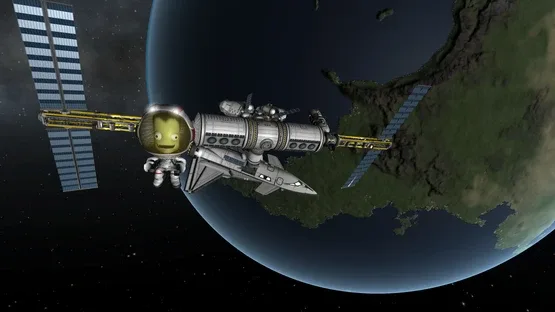
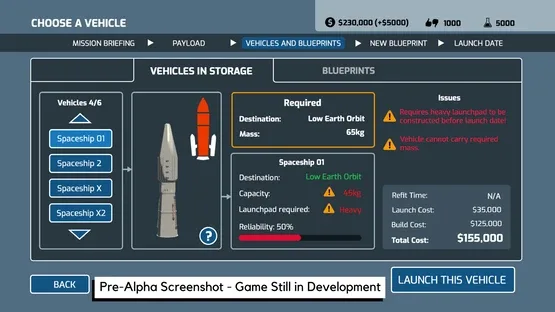
Some simulation games are built for players who enjoy optimization as its own reward — the ones who'll happily open a spreadsheet next to the game if the interface doesn't give them one already. Kerbal Space Program is the clearest example of this instinct taken to its logical extreme: build a rocket out of real physical constraints — thrust-to-weight ratio, delta-v budgets, staging — and either it reaches orbit or it doesn't, usually with fireworks either way. There is no partial credit and no narrative cushioning. The game doesn't care whether you understand orbital mechanics when you start; it teaches you by letting your rockets fail in physically accurate ways until you don't.
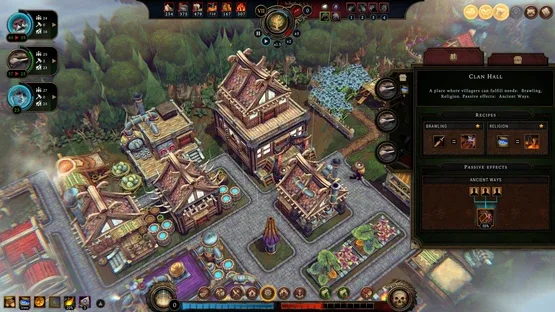
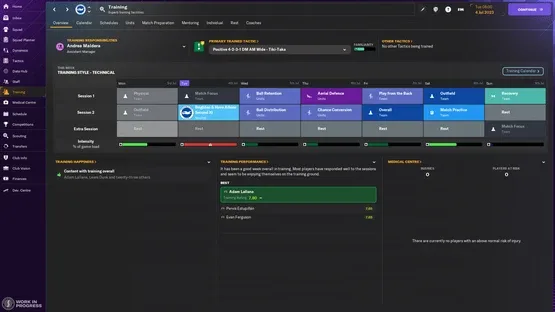
Cities: Skylines built its reputation on a similar principle applied to urban planning: the traffic isn't decorative, it's a simulation of actual vehicle pathing that will expose a badly designed intersection with the same indifference a real city would. Anno 1800 does something comparable with supply chains — needs escalate as a population grows, and satisfying one tier of demand creates new logistics problems the player has to solve with production chains that sprawl across multiple islands. Football Manager, meanwhile, has spent decades proving that a simulation doesn't need visible action at all to reward obsessive attention: it's a database and a set of statistical models dressed as a football club, and the appeal is entirely in reading those numbers correctly.
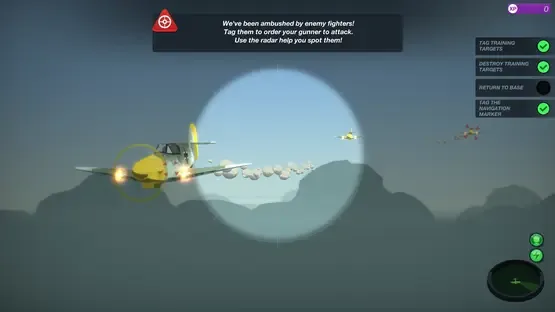
Flight simulation deserves its own mention here because it's arguably the most technically demanding branch of the genre. Microsoft Flight Simulator rebuilt its entire premise around real-world data — actual terrain, actual weather systems, actual air traffic — and turned flying a plane into an exercise that can be as procedural or as demanding as the player wants, from an arcade-style takeoff to a fully manual instrument approach in a storm. It's a genre where realism isn't a marketing bullet point; it's the entire product.
What unites all of these is that failure is informative rather than punishing in a cheap sense. A rocket that explodes on the pad, a road network that gridlocks, a football season that collapses after a run of bad results — each one teaches the underlying system a little better than success would have. That's the specific pleasure this end of the genre sells: not winning, but understanding.
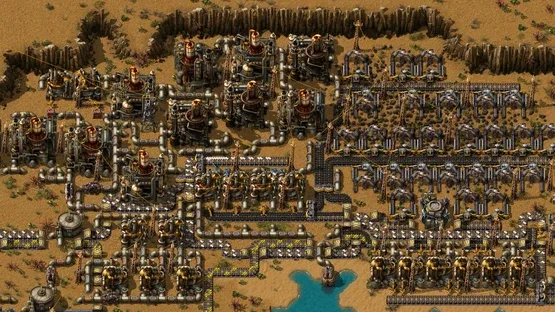
Factory and logistics sims push that same instinct even further by removing narrative dressing almost entirely. Games built around conveyor belts, resource chains, and automation puzzles ask players to design a system once and then watch it run, which is a strange but genuine pleasure that has almost nothing to do with reflexes or story and everything to do with the specific satisfaction of a bottleneck finally clearing. It's the same appeal that makes a well-organized spreadsheet oddly pleasing to look at, scaled up into something with moving parts. Players drawn to this end of the genre tend to describe the loop the same way regardless of which specific game they're playing: identify the constraint, redesign around it, watch the throughput number go up. It's less a game about winning than a game about diagnosis, which is precisely why it holds up over dozens or hundreds of hours in a way a shorter, more linear game rarely does.
The relaxed end: sims about rhythm, not risk#
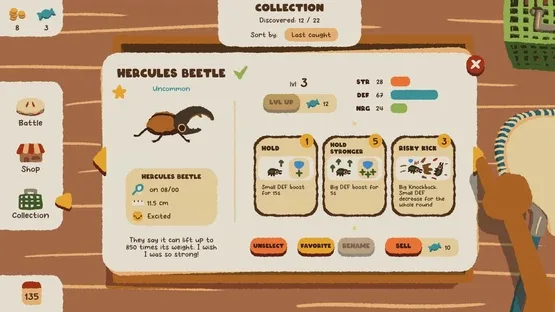
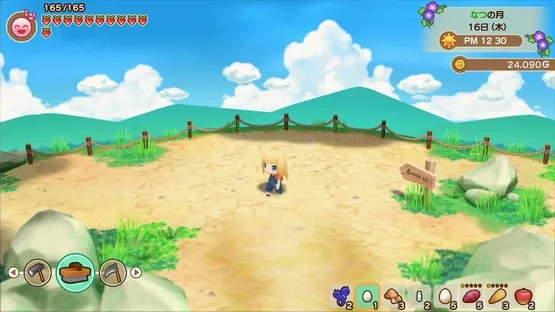
The other branch of the genre has almost the opposite relationship with failure — it mostly refuses to have one. Harvest Moon set the template for this decades ago and Story of Seasons has carried it forward since: plant crops, tend animals, get to know the people in a small town, and let a calendar quietly structure the days. There's no game over screen waiting in the wings. The tension, such as it is, comes from time management within a season rather than survival, and the reward is watching a farm and a town slowly become more full over dozens of hours.
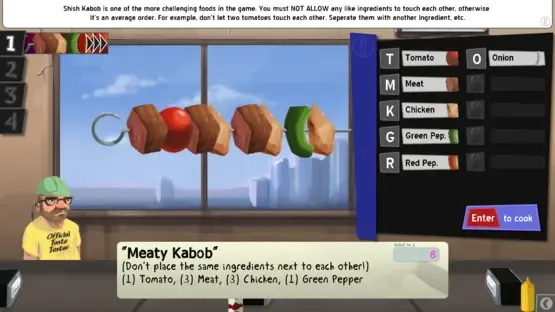
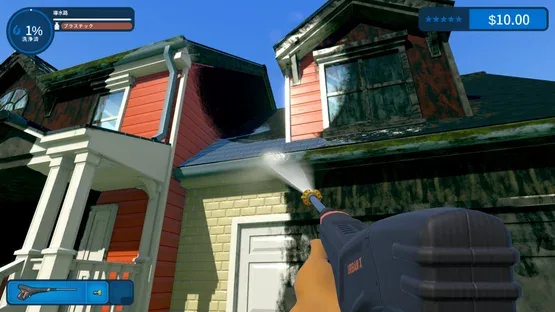
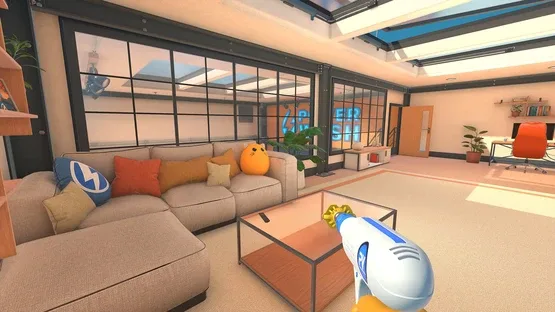
PowerWash Simulator takes the "job as a genre" idea and strips away almost everything except the satisfaction of the task itself: point a pressure washer at something filthy and watch grime disappear in real time, level by level, with a soundtrack and nothing resembling a fail state. House Flipper does something similar for renovation — buy a wreck, repair and decorate it, sell it, repeat — and the appeal is identical to PowerWash Simulator's: a visibly messy problem getting visibly, satisfyingly solved. Job Simulator, on the VR side, pushed the same idea into slapstick, turning mundane workplace tasks into a comedy sandbox precisely because it never asks the player to actually be good at anything.
The Sims occupies its own space in this branch and arguably invented the modern audience for it: a life simulator with no single objective, where the systems that matter are relationships, careers, and household management, and where the player is free to build a story instead of chasing a score. Two decades on it's still the reference point every other life sim gets compared to, for better or worse, because it proved a simulation could sell purely on the fantasy of authorship over an ordinary life.
None of this is a lesser version of the precision end — it's a different design goal entirely. These games are engineered to be low-stakes and repeatable, which is exactly why they work as a daily habit in a way a punishing physics sim doesn't. The genre needs both temperaments, and most players lean toward one more than the other without necessarily realizing that's the axis they're choosing along.
It's also worth noting how much this end of the genre has grown specifically because of how well it fits short sessions. A pressure-washing level or a single in-game day on a farm fits neatly into twenty minutes, which makes these games unusually well suited to handheld play and to the kind of evening where a longer, systems-heavy sim feels like too much of a commitment. That's not a compromise on ambition; it's a different ambition, aimed at being the game someone reaches for specifically because it asks so little of them and gives back something calm in return.
The reference points everyone gets measured against#
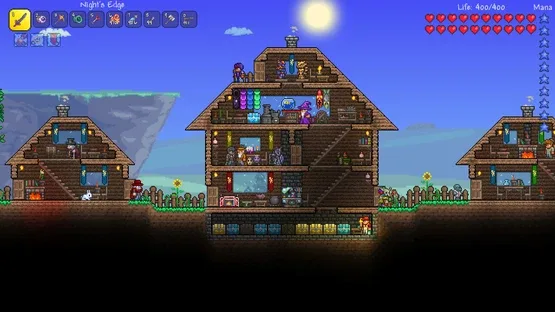
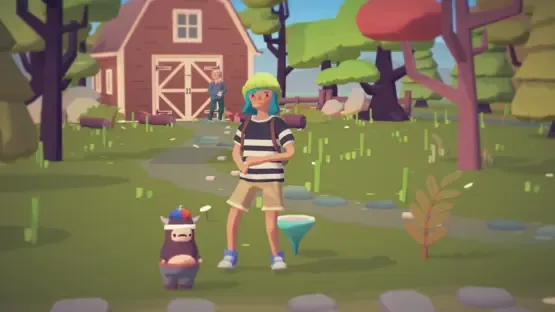
Certain games in this genre function less like individual titles and more like units of measurement — new releases get compared to them automatically, favorably or not. Stardew Valley is one of those, and it earned the position honestly: a single developer built a farming-and-life sim so complete in its loop of crops, relationships, mining, and fishing that it's now the baseline every indie life-sim gets held against, including several titles that appear on GameAvant's own list of great starting points in the genre. Harvest Moon still gets credited as the originator of the format, but Stardew Valley is the version modern players actually learned the genre from.
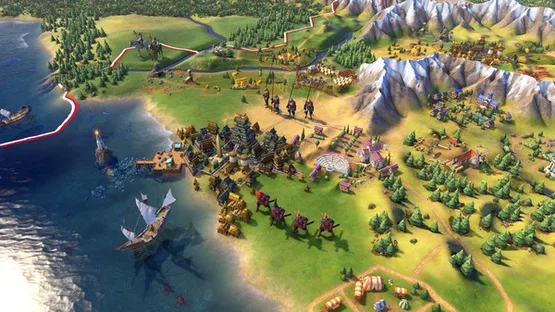
SimCity did the equivalent job for city-building a generation earlier, and even though the franchise itself has been mostly dormant, its DNA is in every city-builder that followed, including Cities: Skylines, which took the crown by fixing the specific things later SimCity entries got wrong — mainly by giving players a functioning economy and enough moddability to fix whatever the base game missed. RollerCoaster Tycoon did something similar for management sims built around a single kind of business: it proved a simulation could be built entirely around the tension between what makes money and what delights the people paying it, a tension Planet Coaster later inherited and modernized with a friendlier interface and far more expressive building tools.
Euro Truck Simulator 2 deserves mention as the game that made "job simulator with a genuinely relaxing driving loop" into its own durable subgenre, years before other job-focused sims followed the same idea into warehouses, farms, and cockpits. It's a reminder that a simulation doesn't need stakes to hold attention — sometimes a long highway, good weather, and a delivery deadline are enough.
The Sims deserves a second mention here specifically as a reference point rather than as an example of the relaxed branch, because it did something no other simulation managed at the same scale: it turned a life sim into a mainstream cultural fixture rather than a niche interest, and every life sim released since has had to answer, at least implicitly, the question of what it does that The Sims doesn't. Some answer with a fixed setting and a stronger sense of place, the way a farming-and-relationships hybrid does; others answer with a tighter, more game-like structure instead of an open sandbox. Either way, the comparison is unavoidable, which is exactly what makes a title a genre-defining reference point rather than just a well-regarded game.
It's worth being honest about why these particular titles hold their position rather than getting quietly replaced. It isn't nostalgia, and it isn't first-mover advantage alone — plenty of first movers get overtaken. It's that each of them nailed the core loop of its specific subtype cleanly enough that competitors have to actively differentiate rather than simply copy and improve. A new farming sim can't just have "more crops than Stardew Valley," because that was never really the point; it has to bring its own hook, whether that's Coral Island's sense of place, My Time at Sandrock's crafting-and-story hybrid, or Fields of Mistria's willingness to lean harder into the RPG side of the format. The reference points set the bar not by being unbeatable, but by being specific enough that beating them requires a genuine new idea rather than a bigger number.
Choosing a subtype based on what you actually want#
Because "simulation" covers such different design philosophies, the more useful question isn't "is this game good" but "which flavor of the genre matches what you actually want from an evening with it." A few honest distinctions make that easier.
If the appeal is watching a small world get more prosperous over time, with relationships and a slow-burn sense of progress rather than mechanical difficulty, a life sim is the right entry point — GameAvant's dedicated Life Sim page collects exactly that slice of the genre, games built around routines, social bonds, and a home that grows rather than a scoreboard that climbs.
If the pull is closer to running a small business with actual production logic — crop rotations, seasonal windows, upgrading equipment, expanding a plot of land — a farming sim scratches a more specific itch than a general life sim does, closer to light management with dirt under its fingernails. GameAvant's Farming Sim page is built for exactly that comparison, separate from the broader life-sim category because the two genuinely reward different instincts even though they overlap at the edges.
Flight simulation is its own commitment and worth treating as one before diving in: it rewards patience with checklists and instrument panels far more than it rewards reflexes, and the ceiling on realism is effectively unlimited if a player wants to chase it with peripherals and add-ons. GameAvant's Flight Sim page is the place to compare the arcade-friendly end of that spectrum against the full-procedure end before committing to either.
Train simulation asks for a similar kind of patience but trades the third dimension for something more meditative — routes, timetables, signal discipline, the specific satisfaction of a smooth stop at a platform. It's a narrower audience by design, and GameAvant's Train Sim page is there for players who already know that's what they want rather than stumbling into it by accident.
Job simulators sit at the opposite end from all of the above in terms of stakes: little to no failure state, a task loop borrowed from real work, and a tone that ranges from meditative (PowerWash Simulator, House Flipper) to outright comic (Job Simulator). GameAvant's dedicated Job Simulator page groups these together because the appeal — watching a concrete task get done well — cuts across VR slapstick and quiet PC cleaning games alike.
None of these subtypes is a lesser version of "real" simulation. They're different bets on what makes a system worth spending time inside, and picking the right one matters more for enjoyment than picking the highest-rated game in the broader category ever will.
A quick way to sanity-check the pick before committing: think about what specifically felt satisfying the last time a game held attention for an entire evening without effort. If it was watching numbers climb and a base or a town slowly become more capable, that points toward city-builders and management-heavy titles rather than the relaxed end. If it was the feeling of a messy problem getting visibly tidied up — a cluttered inventory, a chaotic kitchen, an overgrown plot of land — that points straight at the job-simulator and farming-sim end, where visible progress is the entire design goal. If it was reading and understanding a complex system rather than acting inside one, flight simulation or a deep management sim like Football Manager will reward that instinct far more than a cozy life sim ever could. The genre is broad enough that almost any answer to that question has a real, well-supported subtype waiting on the other side of it.
How the ranking above actually works#
The grid of games above this article isn't a curated "best of" list built from opinion, and that's a deliberate choice rather than an oversight. It's sorted by aggregate rating pulled from IGDB, a games database that compiles critic and community scores into a single number per title, which means the order updates as new scores come in rather than freezing at whatever a writer believed on the day the page went live.
That has a real trade-off. A purely rating-driven list can't account for taste the way a curated list can — it won't know that a reader specifically wants a relaxed farming loop over a punishing logistics sim, which is exactly why the "great starting points" list sits alongside it: recommendations chosen for someone new to the genre, rather than for the games that happen to score highest across a review aggregator. The ranked grid and the starting-points list are answering two different questions, and neither replaces the other.
The trade-off is worth it for what the ranking gains in return: transparency and freshness. A hand-picked "top 10 simulation games" list is only as good as the day it was written, and it tends to calcify around whatever was popular at the time, favorites that don't necessarily hold up as the genre keeps producing new precision sims and new relaxed sims in roughly equal measure. A rating-driven list has no such blind spot. When a new farming sim or a new flight simulator lands and earns strong scores across enough reviewers, it appears in the ranking on its own merits, at whatever position the aggregate data puts it, without anyone having to remember to go back and rewrite the page.
It's a bet on data over opinion for the specific job a ranked list is supposed to do, while leaving room, in the article you're reading and the starting-points list beside it, for the kind of guidance a pure number can't provide: which corner of this genre actually fits what someone is looking for.