

Kingdom Come: Deliverance
Medieval · Swordplay · Open World · Realistic · Historical
Game page →
Review
Warhorse Studios' realistic medieval RPG set in 15th-century Bohemia, where Henry of Skalitz continues his story. There is no magic; skills improve through use, combat demands timing and positioning, and the world reacts to your reputation and choices. Two large regions offer plenty of freedom. Is it your kind of game?
Game Avant verdict
A historical RPG that trades spectacle for consequence, built on a combat and reputation system detailed enough to make a single stolen chicken matter three towns later.
By GameAvant · Published Oct 1, 2026 · Updated Oct 9, 2026 · 13 min read
Choose what matters to you
Every question is optional.
How do you like to find your way?
How long a game do you want?
How much story and dialogue do you want?
Based on your choices
Pick what matters to you above and the result shows up here.
IGDB
93%
270 ratings
Steam:
93%
145,016 reviews
Fits you if
you want a realistic medieval world and deep role-playing.
Skip it if
you want fast action or a forgiving game.
Availability
Steam
$23.99
Kingdom Come: Deliverance II is what happens when a studio takes the strangest, most divisive, and most frequently criticized parts of a genuine cult RPG and decides, deliberately, that the right answer was never to smooth those edges down for a wider audience. Developed by Warhorse Studios and published by Deep Silver, it released on 4 February 2025 for PC, PlayStation 5 and Xbox Series X|S, with a Nintendo Switch 2 version currently planned for 2027. The story picks up just two days after the first Kingdom Come: Deliverance ends, with protagonist Henry of Skalitz now serving as squire to Sir Hans Capon on what starts as a straightforward diplomatic mission to Lord Otto von Bergow at Trosky Castle, itself part of the much larger Sigismund–Wenceslas war actively tearing the kingdom of Bohemia apart in 1403. That initial mission goes wrong almost immediately, and from that collapse, the game opens outward into two full regions large enough to make the original game's entire Rattay valley setting look, by comparison, like little more than an extended training level. What makes this a genuine structural step forward, rather than simply a bigger, longer version of the exact same design the original already offered, is how deliberately every one of the game's core systems is built to feed directly into every other system, rather than existing as separate, parallel mechanics that happen to share a single game world. Combat, reputation, alchemy, and dialogue are not siloed design pillars; they are explicitly interconnected. Reputation specifically functions as a genuinely persistent, tracked value rather than a simple binary good-or-bad meter: a theft committed in one small village can follow Henry's reputation into a town three regions away, surfacing in dialogue, pricing, and NPC behavior in ways that feel earned rather than arbitrarily scripted. A single stolen chicken, treated as a throwaway joke in most other RPGs, can genuinely matter here, days later and towns away, because the underlying reputation system was built with enough granularity to actually track that specific kind of small, cumulative consequence. Combat itself has been meaningfully deepened from the original's already demanding sword-fighting system, adding new weapon types, expanded perk trees, and combat scenarios that increasingly reward players who have invested time in understanding the underlying stamina and positioning mechanics rather than simply mashing toward victory. Alchemy, a system the original game was frequently criticized for making tedious, has been streamlined without being simplified into irrelevance, keeping its sense of genuine craft while removing some of the friction that made it feel like a chore in the first entry. What emerges from all of that deliberate interconnection is a simulation that stops feeling like a loosely related pile of individual RPG mechanics stacked on top of each other and genuinely starts feeling like a coherent, reactive place, one where Henry's reputation, his combat choices, his alchemical knowledge, and the specific words he chooses in conversation all draw from and feed back into the same underlying model of who he has become over the course of the story. That is a rare achievement for any sequel, let alone one built on a foundation as deliberately unconventional and historically grounded as the original Kingdom Come: Deliverance, and it is exactly why this earns a 9 out of 10: a historical RPG that chooses genuine consequence over spectacle, and succeeds specifically because it trusted its own strangest ideas enough to build further on them rather than quietly sanding them away.
You may love it because
Every lie, theft and act of charity is remembered by name and by town, which makes choices feel genuinely weighty.
It may frustrate you because
It also means an early mistake, like getting caught stealing in Kuttenberg, can quietly close off quests and prices for hours before you notice why.
You may love it because
The four-directional system and Master Strike counters make swordplay a real skill rather than a stat check, and mastering it is deeply satisfying.
It may frustrate you because
The first ten hours punish anyone who has not internalised the timing, and a string of tavern beatings can feel less like a tutorial than a wall.
You may love it because
Alchemy, lockpicking and blacksmithing all use hands-on minigames instead of a progress bar, so Henry's competence is something the player builds too.
It may frustrate you because
Anyone who wants to skip to the next quest marker will find the game actively resists being rushed.
13 min read
· By Game Avant
Three alternatives, one line each on why.
Medieval · Swordplay · Open World · Realistic · Historical
Game page →
Medieval · Swordplay · Immersive · Realistic · Combat
Game page →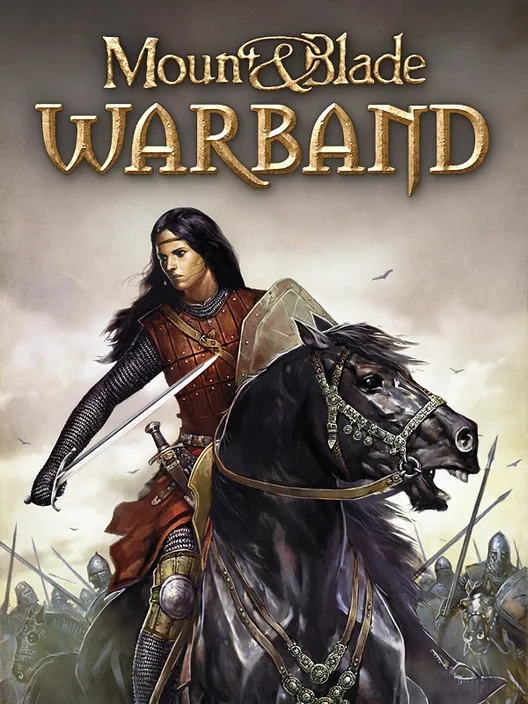
Medieval · Open World · RPG · Realistic · Historical
Game page →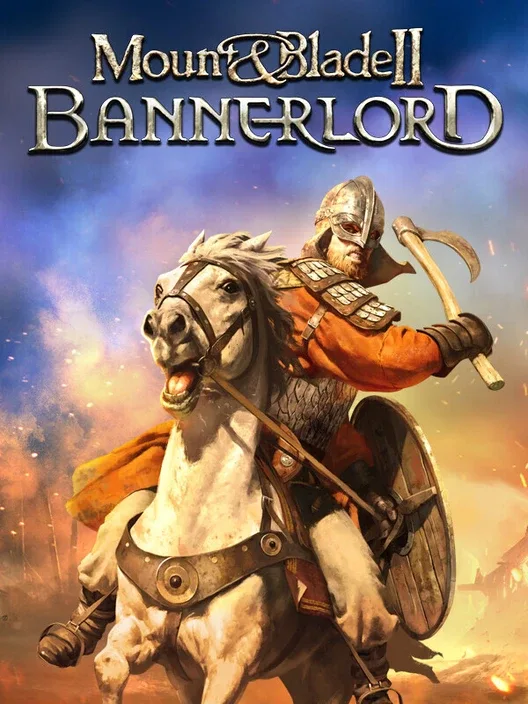
Medieval · Open World · RPG · Historical · Realistic
Game page →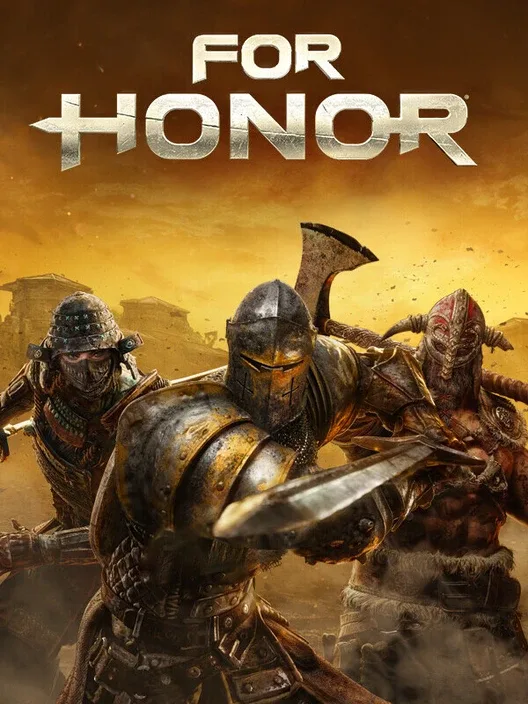
Medieval · Swordplay · Historical · Realistic · RPG
Game page →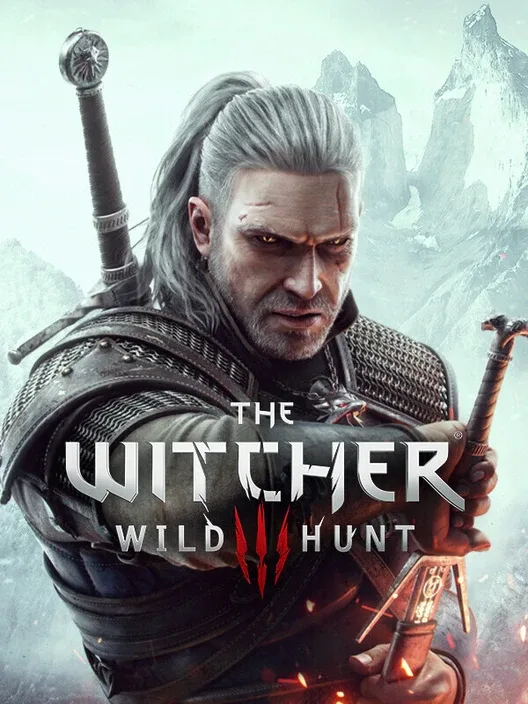
Medieval · Open World · RPG · Choices Matter · Story Rich
Game page →