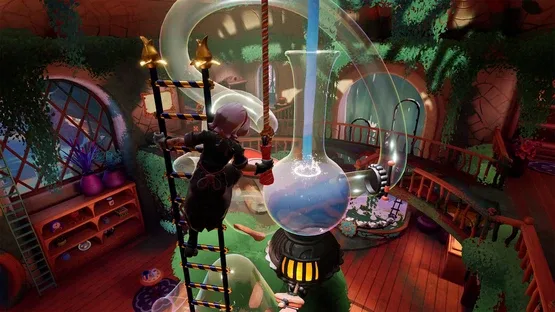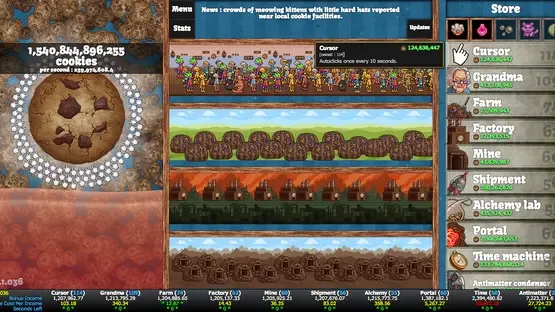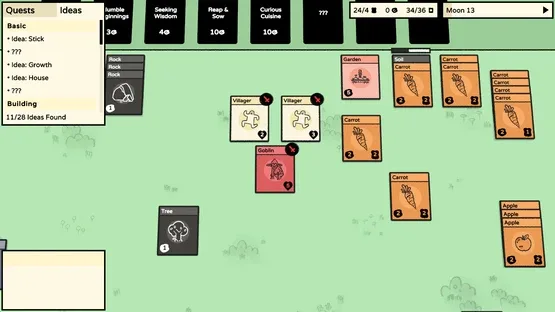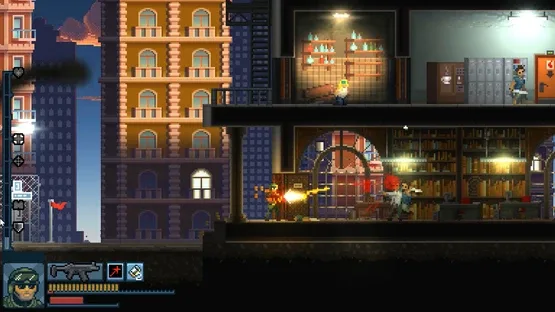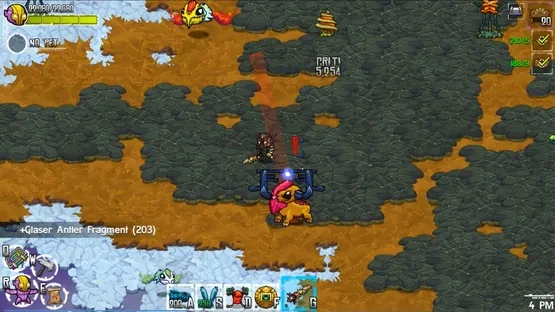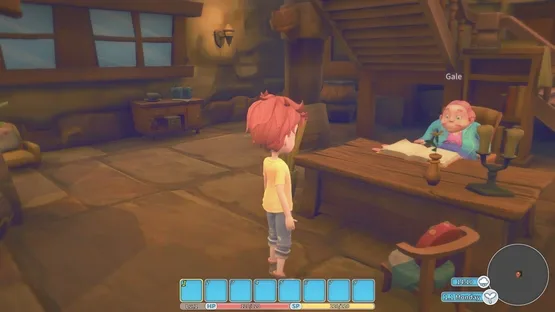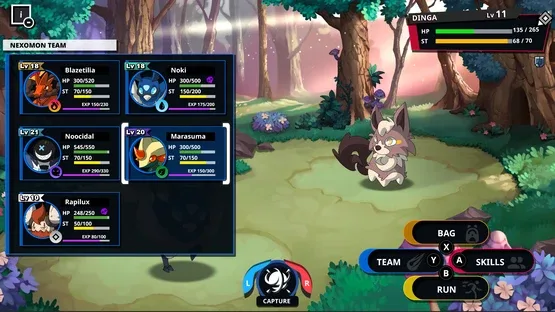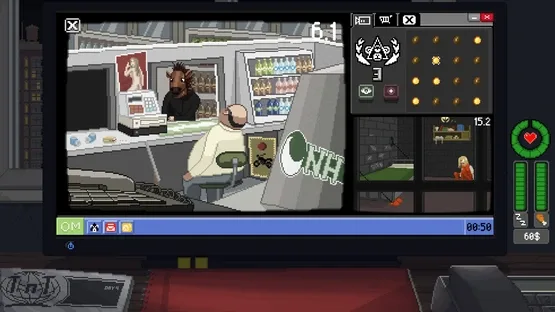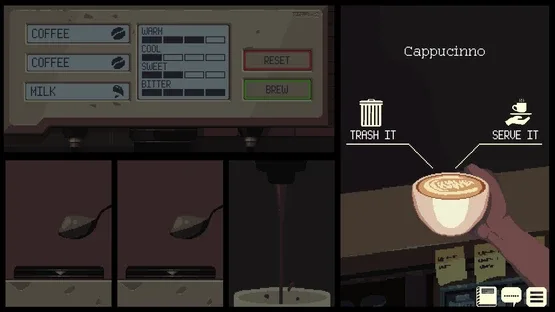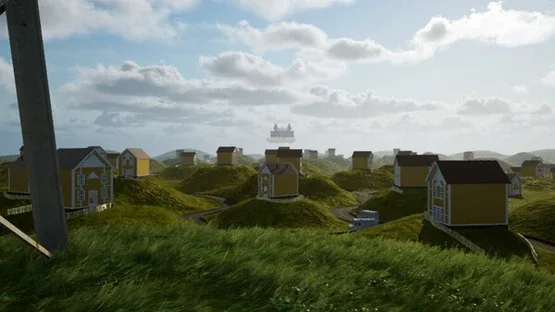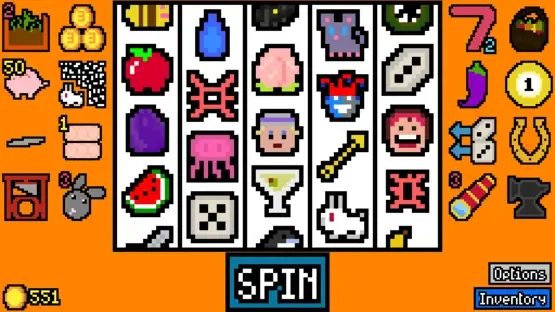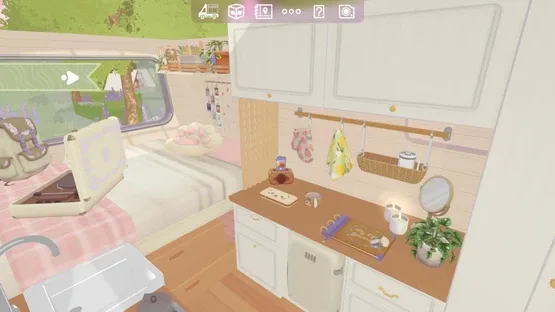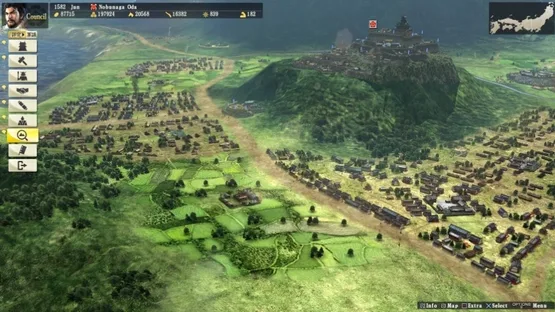
 Stardew Valley
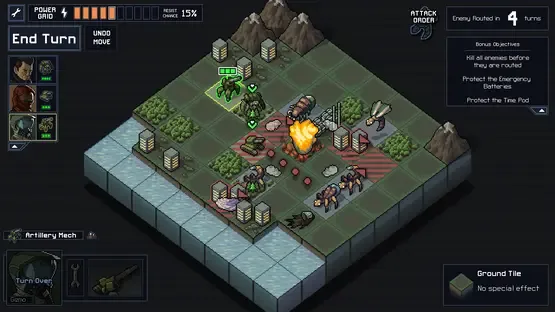
 Cities: Skylines II
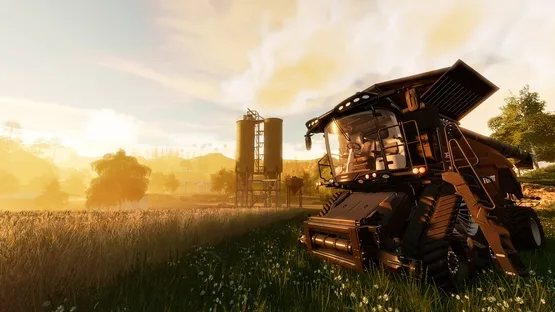
 Farming Simulator 19
 Planet Coaster
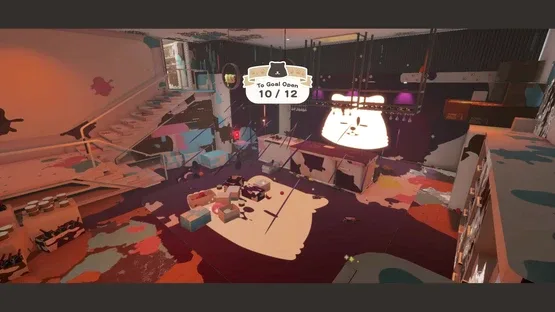
 Dave the Diver
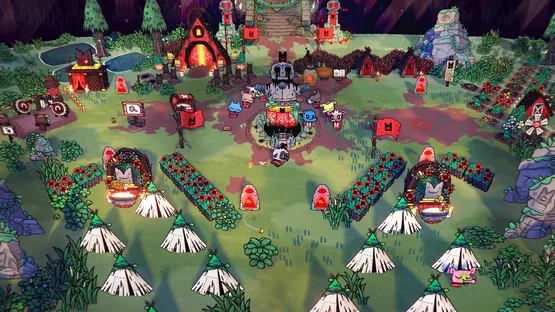
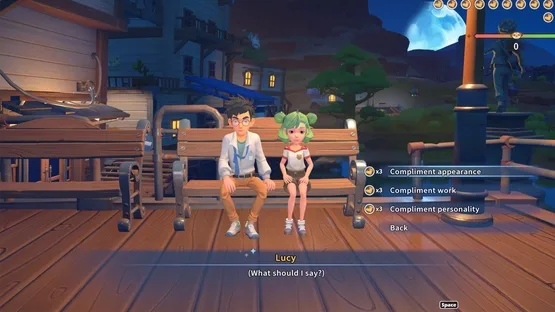
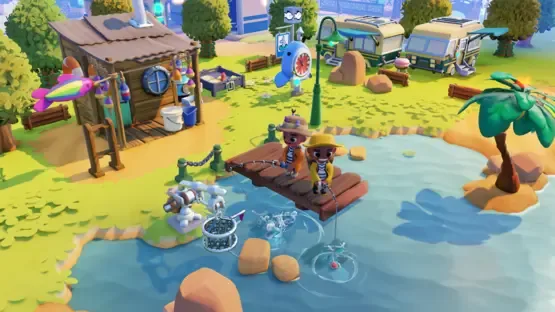
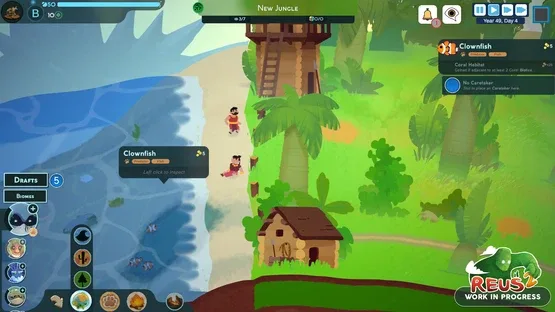
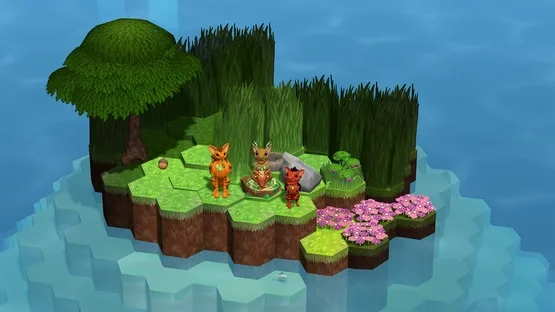
 Coral Island
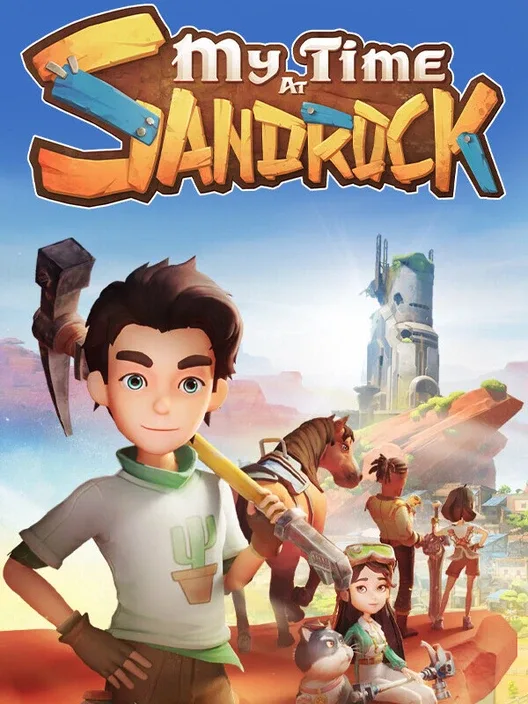 My Time at Sandrock
This is GameAvant's own ranked list of the best simulation games right now, built from the site's combined critic and player rating data rather than picked by hand. "Simulation" on this page means games where a system responds believably to a decision and is taken seriously as a system — from precise, technical sims that model real physics and real economies (flight, trains, trucking, firearms, racing) to relaxed, lived-in sims that model a life, a business, or a routine (farming, house-flipping, hospital management). It does not mean strategy games, RPGs, or visual novels that picked up a loose "simulation" tag along the way — a game about commanding armies or reading dialogue trees isn't a simulation just because a store page says so, and the split matters, because judging Kingdom Come: Deliverance II by the same yardstick as Farming Simulator flattens what both are actually trying to do.
The order below comes from blending IGDB's aggregate rating with Steam's own user review percentage, and only for games with a real sample size behind the score. That means a lesser-known title can sit above a franchise name if the numbers say so, and it also means the field gets filtered hard: this genre attracts an unusual number of joke clickers and crypto farming games wearing "simulator" in their title without anything underneath it. Read the write-ups for what each game's systems actually do — the rank tells you how it currently scores among the best sim games on the site, not which one fits a particular mood.
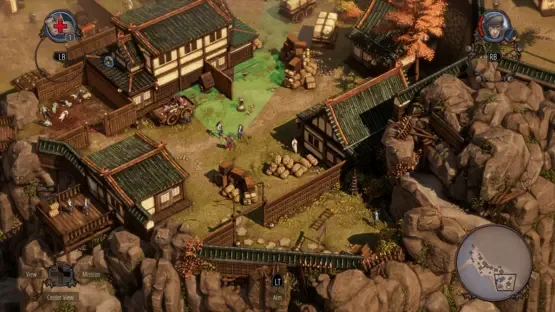
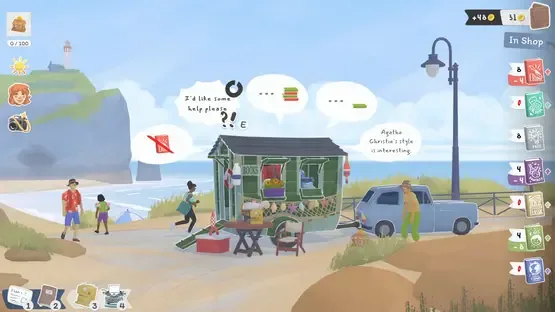
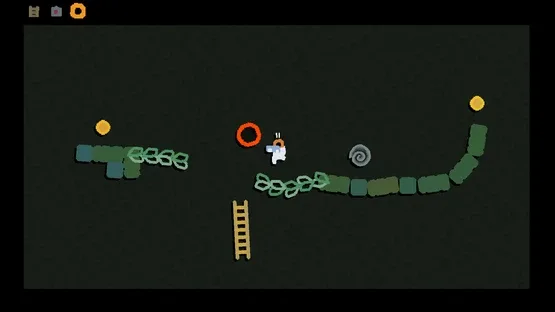
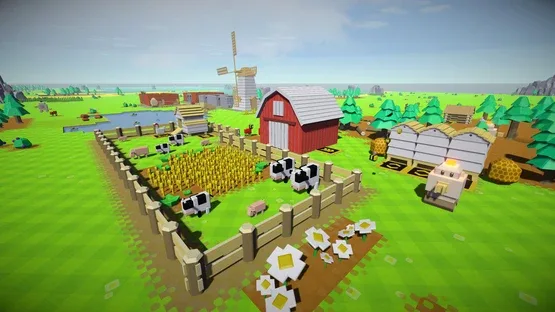
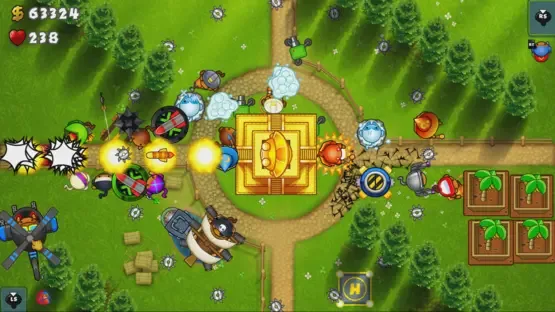
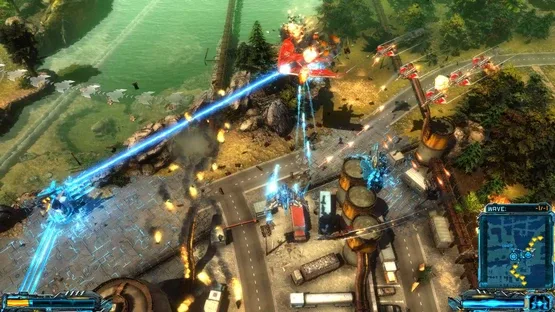
1. Stardew Valley#
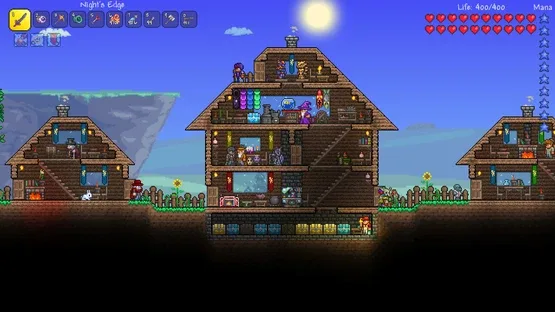
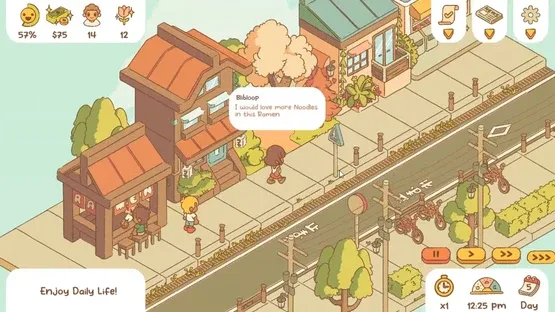
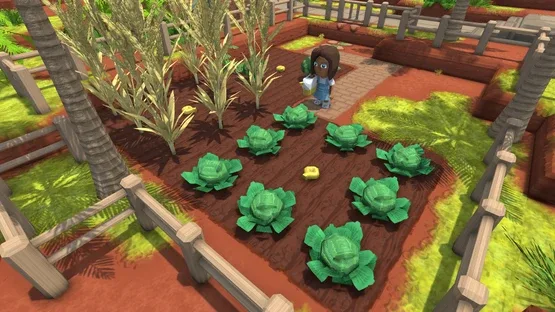
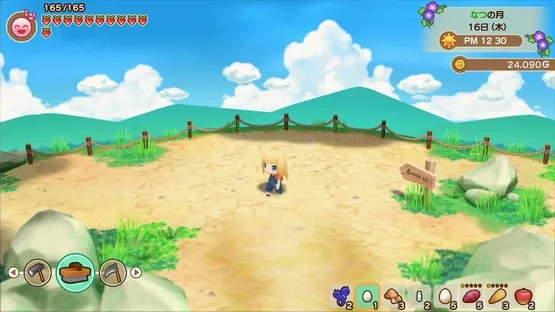
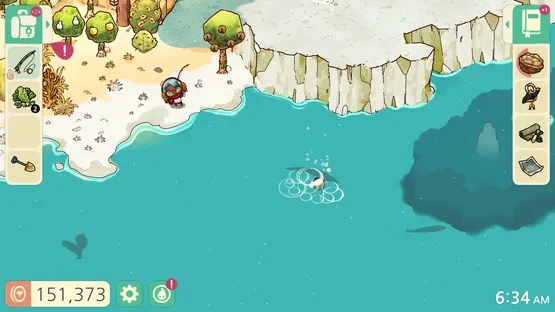
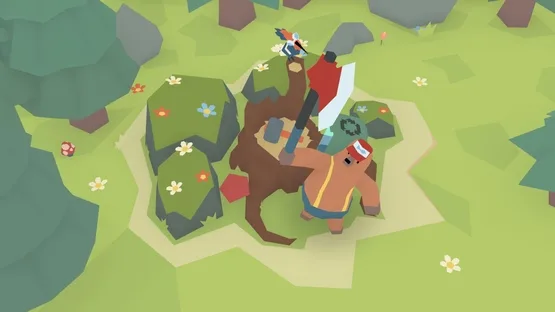
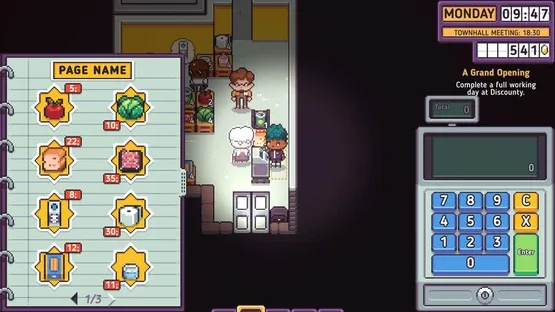
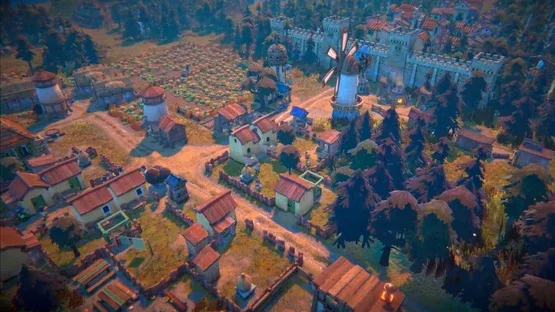
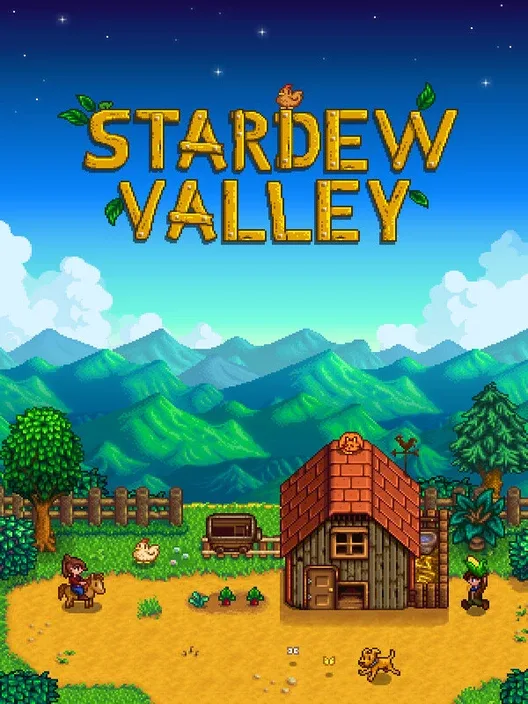
ConcernedApe's one-person farming sim earns the top spot by refusing to be just a farming sim — the crop-and-season loop is the backbone, but the mine's procedurally generated combat floors, the eventual multiplayer support, and a full cast of villagers with scheduled routines and heart-level relationship tracks give it a breadth almost no other life sim on this list attempts single-handedly. The relationship system alone is a small simulation in its own right: every villager keeps an actual daily schedule tied to weather and season, and gifting, dialogue, and festival attendance all feed a tracked opinion score rather than a cosmetic flavor stat. Farm layout matters mechanically too — sprinkler ranges, crop-quality upgrades, and building placement all have real efficiency consequences rather than existing purely for decoration. It's consistently near the top of any list of the best simulation games precisely because it doesn't specialize in one system at the expense of the rest. The honest drawback: the combat in the mines is the shallowest part of the design, a fairly basic hack-and-slash bolted onto a much deeper farming-and-relationships game, and the very late-game content (perfection tracking, the higher mine floors) exists mostly for completionists rather than as essential systems.
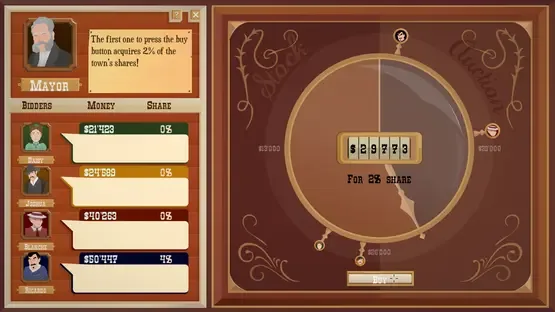
2. Factorio#
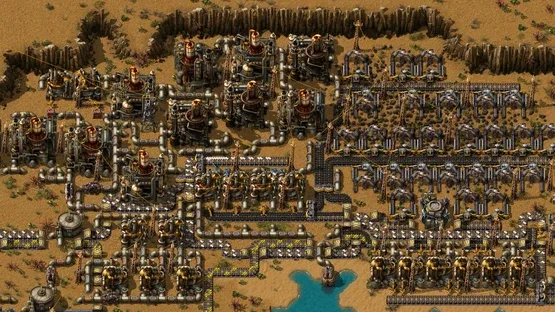
Wube Software's factory-automation sim is built on one relentless idea — "the factory must grow" — and it commits to that idea with a logistics engine precise enough that belts, inserters, and train schedules can be optimized down to the individual item-per-second. The 2024 Space Age expansion extended the core loop across multiple planets, each with its own resource constraints and hazards, forcing players who've mastered Earth-bound logistics to redesign entire production chains around vacuum, heat, or corrosive terrain rather than simply scaling up what already worked. Blueprint books, letting a whole factory section be copied, rotated, and stamped down elsewhere, turn what would be repetitive manual labor into a genuine design problem about modularity and throughput. Among sims built for a spreadsheet mindset, few reward optimization this directly: a bottleneck is always visible, always traceable to a specific belt or smelter, and always fixable. The honest drawback: the biters, the game's answer to combat and external threat, are clearly the least-developed system in the whole design — a resource sink to manage rather than a mechanic with anything like the depth of the logistics puzzle it interrupts.
3. Microsoft Flight Simulator#
Asobo Studio and Xbox Game Studios' rebuild of the genre's oldest franchise around real-world data is still the most technically ambitious entry on this list: actual satellite terrain, live weather pulled from real meteorological services, and real air traffic patterns turn a flight from one real airport to another into something closer to a live systems model than a level design. The 2024 sequel added a full career mode — cargo runs, aerial firefighting, agricultural spraying — giving the sim actual jobs to string flights together rather than leaving free flight as the only structure on offer. Instrument realism scales from fully assisted to a genuinely accurate cockpit workflow, which means the same aircraft can be a relaxed scenic tour or a demanding instrument-approach exercise depending entirely on which systems a player chooses to engage with. It's routinely cited as one of the best simulation games for exactly this reason — realism isn't a marketing bullet point here, it's the whole product. The honest drawback: the 2024 release leaned on server-streamed world data and a redesigned marketplace that had real stability and library problems at launch, and the hardware and internet bandwidth the experience wants are steep even by simulation standards.
4. Farming Simulator 25#
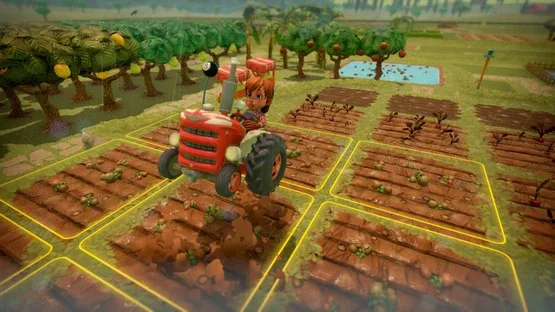
Giants Software's latest entry in its long-running franchise, released in November 2024, expands the crop roster with additions like rice paddies and their specific irrigation demands, while refining the seasonal cycle that determines planting windows, growth rates, and equipment wear across a full calendar year. The core loop — buy equipment, work fields, sell crops, reinvest in bigger machinery — is deceptively deep once multiple crop types and animal husbandry chains are running in parallel, each with its own timing and market price fluctuation to track. Multiplayer cooperative farms, letting a whole operation be split across several players managing different equipment simultaneously, make the economic model feel less like a solitary chore list and more like running an actual business with staffing decisions. It remains one of the best sim games for anyone specifically drawn to the equipment-and-logistics side of agriculture rather than Stardew Valley's more social, arcade-inflected version of the same fantasy. The honest drawback: heavy machinery handling is still noticeably floaty compared to what a dedicated vehicle-physics sim delivers, and a lot of the loop, especially early on, is closer to administrative task-management than active moment-to-moment decision-making.
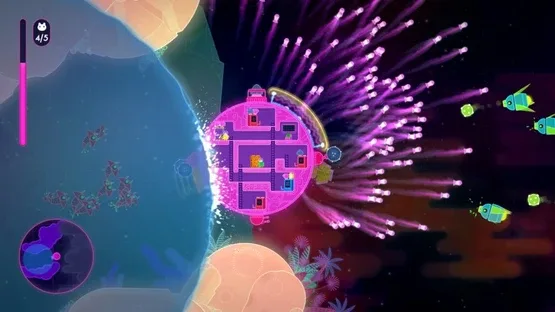
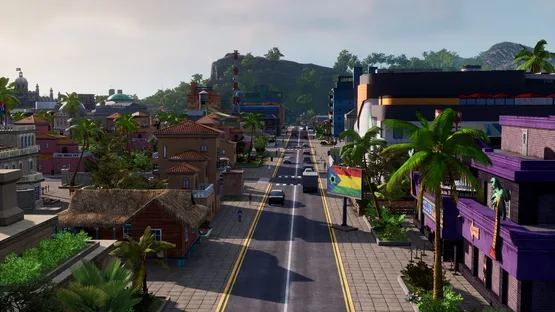
5. Cities: Skylines II#
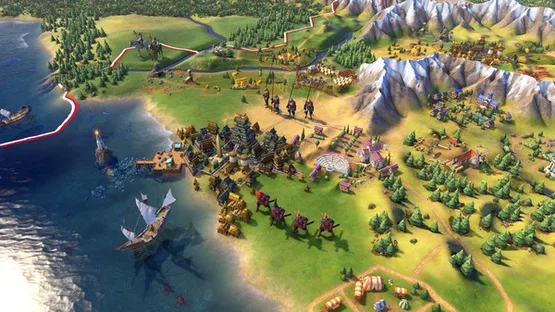
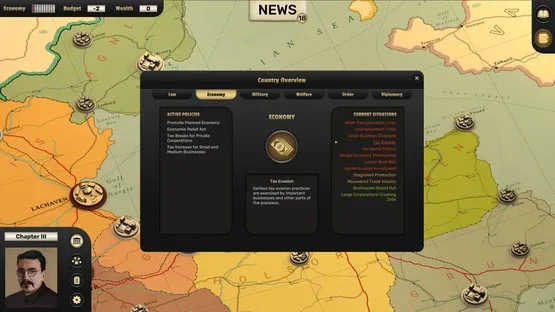
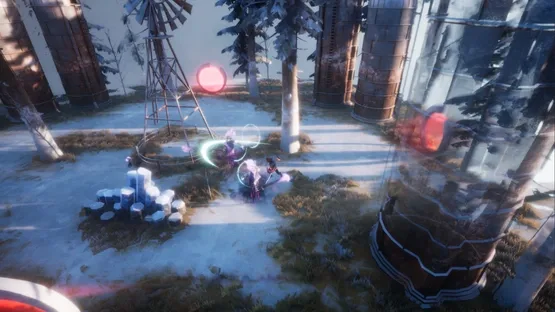
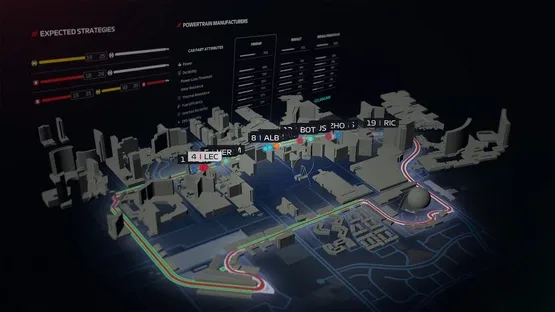
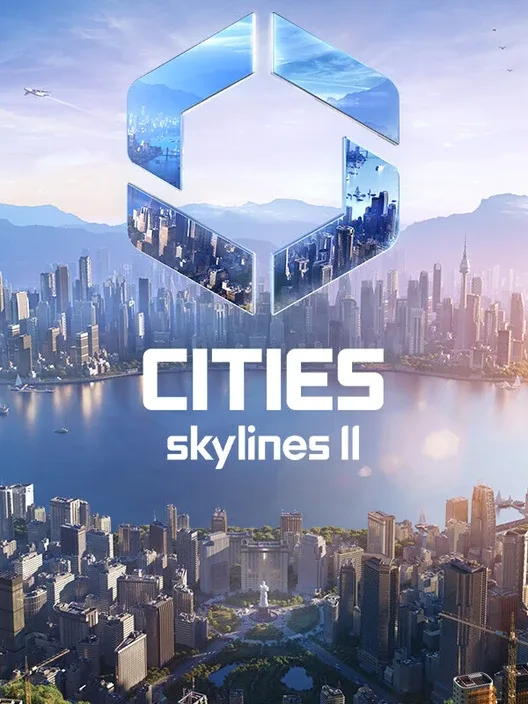
Colossal Order's sequel, released in October 2023, pushed the city-builder's simulation further than the original dared — individual citizens are tracked with their own jobs, routes, and needs rather than aggregate statistics, and the traffic model responds to genuine road-network decisions in a way that exposes a badly planned intersection with real consequences rather than a cosmetic slowdown animation. Economic modeling ties tax policy, service coverage, and land value together as interacting variables, which means a budget decision in one district can visibly ripple into unemployment or pollution somewhere else on the map. When it works, it's one of the more convincing believable-systems city sims available, closer to a genuine urban-planning model than a building-placement game with a population counter attached. The honest drawback, and it's a significant one: the game launched with serious performance and optimization problems that made large cities run poorly even on strong hardware, several planned features and paid expansion content were delayed or scaled back after release, and while patches through 2024 and 2025 addressed much of this, the rocky launch is still the first thing most players bring up.
6. Euro Truck Simulator 2#
SCS Software's trucking sim has spent over a decade growing from a single-country delivery game into a continent-spanning economic simulation, with each expansion adding not just new roads but new border logistics, fuel prices, and delivery contracts specific to that region's economy. The core driving model — realistic braking distances, cargo weight affecting handling, fatigue management on long hauls — gives even a routine delivery real stakes, since a badly judged overtake with an oversized load has consequences a more arcade racer wouldn't bother simulating. Its trucking company management layer, hiring AI drivers and expanding a garage fleet, turns the game from a solo driving experience into a small logistics business once a player wants it to be one. The scale of its community-made map expansions, built on genuinely open modding tools, has kept it relevant far longer than most driving sims manage. The honest drawback: the core loop of driving from A to B is fundamentally repetitive once the systems are understood, the career-management layer sitting on top of it is comparatively shallow next to a dedicated business sim, and the freight variety plateaus well before the map does.
7. PowerWash Simulator#
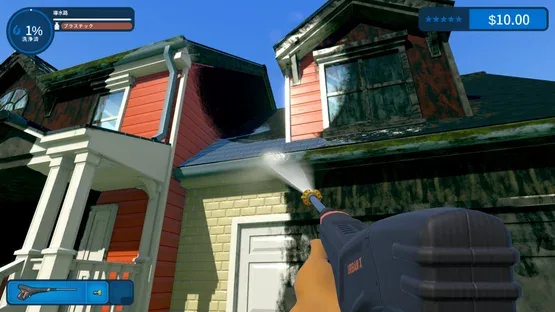
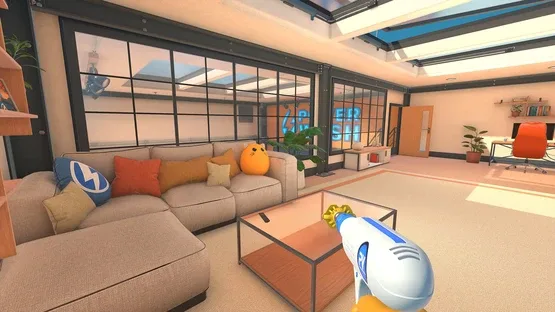
FuturLab's pressure-washing game turns an oddly specific chore into one of the most purely satisfying simulation loops on this list, built entirely around watching grime, moss, and rust disappear in real time under a precisely modeled water-pressure cone that has to be worked across a surface at the right angle and distance to actually clean it. Licensed crossover levels — a SpongeBob-themed Krusty Krab, a Tomb Raider excavation site — give the format surprising variety without changing what the game is actually asking a player to do, and the four-player co-op mode turns a solitary task into a genuinely social one, dividing a house or vehicle between friends the way an actual cleaning crew would split a job. Few simulation games on this list are this legible in what they're testing: there's no ambiguity about whether a job is done, because the dirt is either gone or it isn't. That clarity is exactly why it keeps coming up in conversations about the best simulation games for unwinding rather than optimizing. The honest drawback: the loop is genuinely repetitive by design, offers no real failure state or challenge beyond patience, and the satisfaction plateaus once the novelty of a new location wears off.
8. Workers & Resources: Soviet Republic#
3Division's economic sim asks a player to build an entire country's infrastructure from nothing — power generation, water treatment, road and rail networks, and a full production-and-distribution chain that has to feed itself before it can feed anything else — under an explicitly Soviet-era planned-economy framing that most city-builders don't attempt. Every resource, from raw ore to finished construction materials, has to physically move along a route a player builds and maintains, which means a single missing rail connection can stall an entire production chain rather than triggering a simple shortage icon. The scale of interconnected systems here is unusually honest about how much coordination a real planned economy actually requires, and it rewards players who genuinely enjoy tracing bottlenecks back to a root cause rather than being told what's wrong. It's a strong pick for anyone specifically searching out realistic simulation games to play right now rather than a lighter management title. The honest drawback: the learning curve is brutal, the interface and tutorial coverage lag well behind the depth of the underlying systems, and understanding what's actually broken in a stalled economy can take longer than fixing it once found.
9. Automobilista 2#
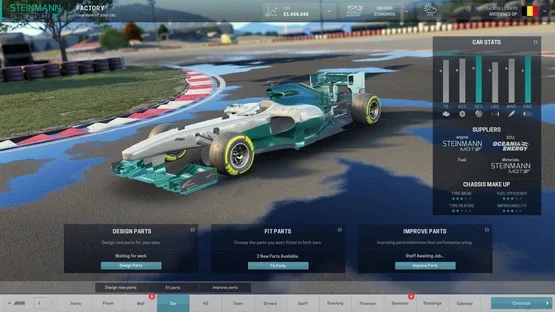
Reiza Studios' racing sim, built on the Madness engine, models dynamic weather and progressive track rubbering-in with a level of detail that changes how a corner should be taken lap over lap, not just how it looks — a wet track dries unevenly, and grip returns to specific racing lines before the rest of the surface catches up. Its vehicle roster spans decades and disciplines, from vintage karts to modern prototypes, each tuned with distinct handling characteristics rather than reskinned physics, and full VR support puts the cockpit-view precision this genre is built around directly in front of a player's eyes rather than on a flat monitor. Among sim-racing titles competing for the best simulation games conversation, it's noted specifically for how much force-feedback and physics nuance it packs in without demanding the subscription-style ecosystem some competitors lean on. The honest drawback: the AI opponents and presentation layer — menus, career structure, broadcast-style race presentation — are clearly less polished than the physics model underneath them, and newcomers without prior sim-racing experience will find the learning curve steep before any of that depth becomes visible.
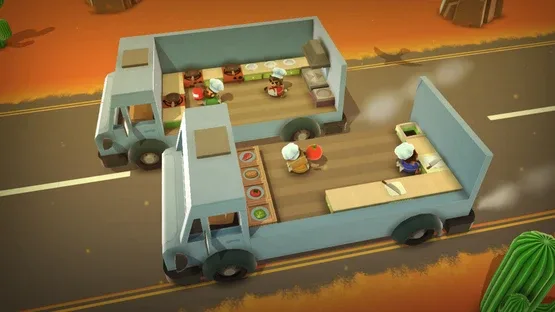
10. Dave the Diver#
Mintrocket's hybrid splits its day-night cycle cleanly between two different systems: diving by day through a procedurally shifting reef to catch fish, dodge sea creatures, and manage a limited oxygen and inventory loadout, then running a sushi restaurant by night where the catch from that same dive determines the night's menu and profit. That feedback loop, where a good dive directly funds better diving gear and restaurant upgrades, gives the management half genuine stakes tied to the action half rather than the two existing as separate minigames bolted together. Guest-chef crossover events, bringing real recipes and characters from other franchises into the restaurant rotation, add novelty without breaking the underlying loop's internal logic. It sits comfortably among the best sim games precisely because it doesn't over-explain the fantasy — running a business off what's caught that day reads as a genuinely coherent system rather than two genres sharing a save file. The honest drawback: the diving-and-combat side is mechanically simple compared to a dedicated action game, and the story's pacing slows considerably in the back half as narrative sections stretch out between the gameplay loops that made the opening hours compelling.
11. Shapez 2#
The sequel to the original shape-sorting automation game rebuilds its factory-logic core around a hexagonal grid and full 3D verticality, letting production lines stack vertically as well as sprawl outward, and adds VR support that puts the same belt-and-cutter logic directly into a headset. The core test is entirely abstract — cut, rotate, stack, and paint geometric shapes into precise target patterns using an ever-expanding toolkit of factory buildings — which strips automation-sim design down to its purest logistics puzzle without a resource-scarcity or combat layer competing for attention. Blueprint reuse, letting a solved sub-problem be copied and slotted into larger designs, mirrors Factorio's own solution to repetitive labor and is arguably even more central here, since almost nothing scales without it. For players who want the genre's precision-and-optimization pleasure without an accompanying survival or narrative wrapper, it's one of the cleaner best sim games entries on this list. The honest drawback: the abstraction that makes the puzzle so pure also strips away any thematic hook — there's no fiction reason to be doing any of it — and very late-game goals demand blueprint-heavy repetition that can feel like homework rather than discovery.
12. House Flipper#
Frozen District and Empyrean's renovation sim turns a genuinely mundane premise — cleaning, repairing, and redecorating derelict houses to sell for profit — into a satisfying task-completion loop built on the same tactile appeal that made PowerWash Simulator popular, but paired with an actual property-flipping economy underneath it. Individual tools, from a wallpaper roller to a pressure washer to a full furniture catalog, each have their own physically modeled interaction rather than a single context-sensitive "fix" button, which keeps a renovation feeling like a sequence of real jobs rather than one abstracted task. The sequel, House Flipper 2, expanded the scope to include full customer-request systems and neighborhood-level property investment, giving the loop more structure than the original's more freeform sandbox. It's a reliable entry point for players newer to the genre who want something closer to relaxing chore-simulation than a spreadsheet-driven economic model. The honest drawback: the task lists underlying each job are genuinely repetitive once the tool set is learned, and the narrative justification for why any given house needs flipping is thin enough that it rarely matters — the appeal is entirely the doing, not the story wrapped around it.
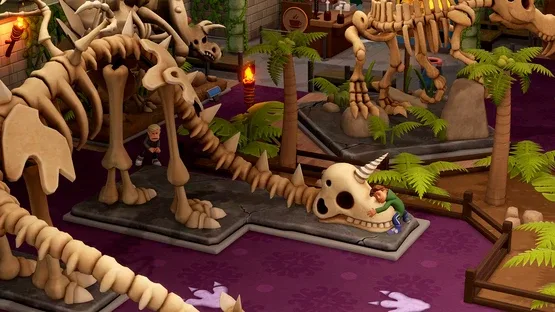
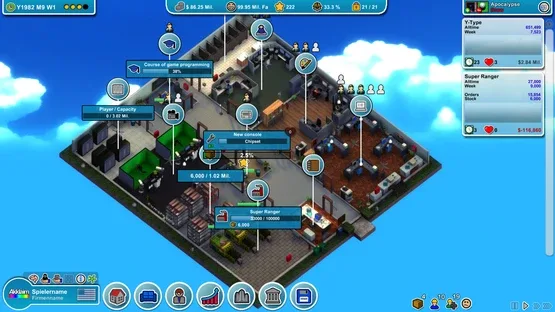
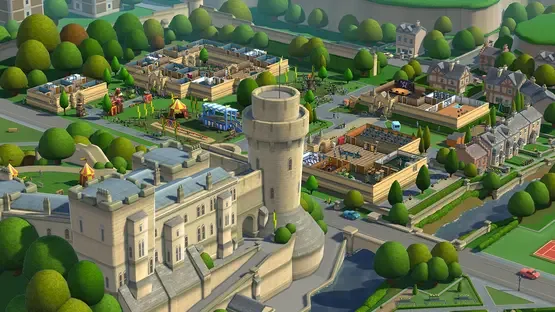
13. Planet Coaster#
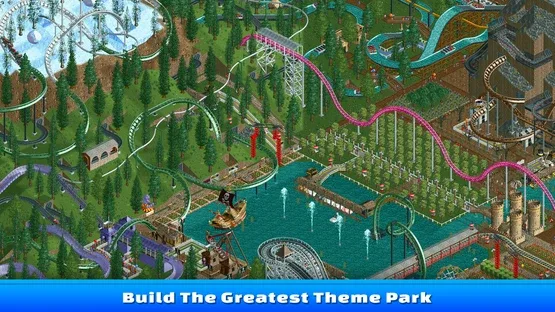
Frontier's theme-park building sim pairs genuinely deep coaster-construction tools — full spline-based track editing, custom supports, and ride-physics simulation that actually affects rider comfort ratings and queue satisfaction — with park-management systems tracking staff, finances, and guest happiness as interacting variables rather than a single aggregate score. Planet Coaster 2, released in 2024, added water park attractions with their own separate physics and guest-behavior systems, expanding what counts as a "ride" well beyond coasters for the first time in the series. The piece-by-piece scenery and terrain tools remain some of the most precise creative building systems in any management sim, letting a park's aesthetic be as expressive as its ride roster. Among the best simulation games for players who want equal parts creative freedom and economic pressure, it's one of the few that genuinely delivers both without one undermining the other. The honest drawback: the 2024 sequel launched missing several features and quality-of-life tools the original had accumulated over years of updates, and the underlying finance-and-guest simulation, while solid, is shallower than what dedicated economic-management veterans of the genre expect.
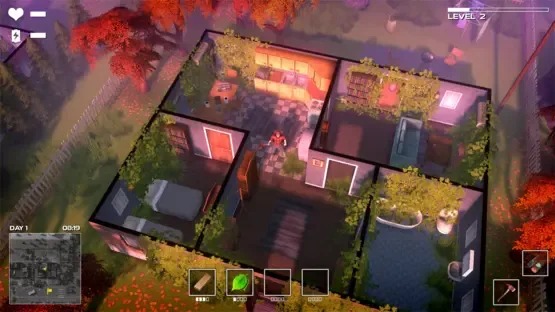
14. The Sims 4#
Maxis and EA's long-running life sim, which moved to a free-to-play base game in 2022, still sets the template for the "simulate an entire life" end of the genre: careers, relationships, aspirations, and a build-and-buy mode precise enough that houses become genuine creative projects in their own right rather than a means to an end. Individual Sims track needs, moods, and relationships as interacting values that visibly shape behavior — a Sim in a bad mood botches social interactions differently than one who's simply tired — which gives even mundane household routines a layer of systemic cause and effect. The scale of its expansion ecosystem, covering everything from university life to supernatural occult systems, means the base game's simulation depth can be substantially reshaped depending on which packs a player owns. It remains one of the most recognizable best sim games by name alone, decades into the franchise, precisely because "simulate a life" is such a durable premise. The honest drawback: the free base game is noticeably shallow on its own, the aging engine still shows its age in small lot sizes and load-screen transitions between neighborhoods, and reaching the game's full depth requires buying into an expensive, ever-growing expansion catalog.
15. Derail Valley#
Altfuture's train simulator distinguishes itself by modeling locomotive operation at the level of individual physical controls — levers, brakes, couplers, and instrument gauges that all have to be manually operated rather than abstracted into a single throttle slider — and full VR support makes reaching for a specific lever or checking a specific gauge a literal hand-eye task rather than a menu interaction. Its career mode ties that control-level realism to an actual cargo economy: routes, contracts, and locomotive maintenance all matter, and a poorly executed coupling or an ignored maintenance warning has consequences that ripple into later runs rather than resetting cleanly. Manually shunting cars into position, a task most train games abstract away entirely, becomes its own skill here, rewarding precise, patient control over the raw momentum of a loaded train. For a genre with relatively few technically serious entries, it's a strong answer to what a genuinely realistic simulation game for trains actually looks like. The honest drawback: it remains in active early access, with some rough edges and bugs that come with ongoing development, and its single map, while detailed, is considerably smaller in scope than what dedicated competitors like Train Sim World offer.
16. Mini Metro#
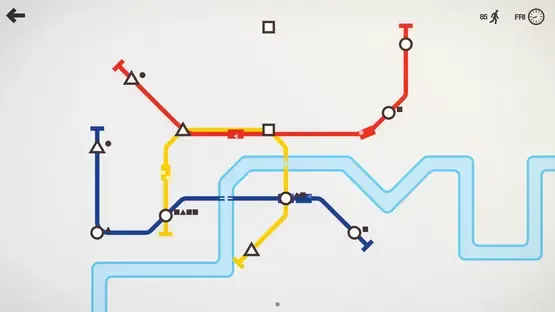
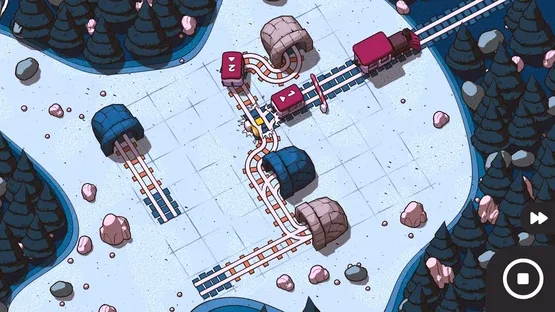
Dinosaur Polo Club's minimalist transit-planning game distills city logistics down to its purest form: draw lines connecting procedurally placed stations, keep up with a growing passenger load and an ever-expanding city, and manage a strictly limited toolkit of trains, carriages, and interchanges rather than an open-ended budget. Every city included is procedurally generated and modeled after a real metropolitan layout's general shape and growth pattern, giving each playthrough genuine variety in what problem is actually being solved rather than repeating the same optimal solution. The daily and weekly challenge modes, run on a shared seed for every player, turn the core puzzle into something closer to a competitive logistics benchmark than a solitary sandbox. Its total lack of decoration or narrative wrapper is deliberate, and it works precisely because the underlying transit-network puzzle is strong enough to need no dressing up. The honest drawback: once the core spatial-reasoning puzzle clicks, the format doesn't have much longer-term depth to offer beyond harder maps and stricter constraints, and its own spinoff, Mini Motorways, arguably iterates the format with sharper systemic tension than the original manages.
17. VTOL VR#
Built initially by a solo developer under Boundless Dynamics, this VR combat flight sim distinguishes itself with a fully physical cockpit — switches, dials, and levers that have to be reached for and flipped by hand rather than triggered through a single button prompt — across a roster of switchable aircraft with genuinely different flight models and weapon systems. Multiplayer missions, letting one player fly while another operates as a weapons officer or ground controller, turn what could be a solitary simulation into a coordinated team exercise where communication matters as much as flying skill. The commitment to physical interaction over abstracted menus is what separates it from more accessible arcade flight combat games, and it earns real respect from the flight-sim community specifically for not compromising that realism for a wider audience. It's a genuinely strong pick for anyone specifically hunting for realistic simulation games to play right now inside a VR headset. The honest drawback: the campaign content is comparatively thin next to its mechanical depth, and the VR-only requirement is a hard access barrier — there's no flat-screen alternative for players without the hardware.
18. Escape Simulator#
Pine Studio's physics-based escape-room sim translates the genre's core appeal — logic puzzles solved through careful observation and object manipulation — into a first-person format where items can actually be picked up, rotated, and physically combined rather than clicked through a static interface. Its official room roster spans a wide range of themes and difficulty curves, but the real engine behind its longevity is the built-in level editor and Steam Workshop support, which has produced a community-made puzzle library many times larger than the base game's own content. That user-generated ecosystem turns a single-purchase game into something closer to an ongoing platform, with new rooms appearing regularly long after the official content is exhausted. Co-op support, letting a room be split between players working different puzzle threads simultaneously, mirrors how an actual escape-room team would divide attention across a space. The honest drawback: quality in the user-made Workshop rooms varies enormously, from genuinely clever puzzle design to barely functional experiments, and the official developer-made content, while polished, is comparatively short next to the community catalog that surrounds it.
19. Two Point Hospital#
Two Point Studios' spiritual successor to Theme Hospital keeps the same fictional-illness humor — patients arriving with Bloaty Head or Lightheadedness, each requiring its own comically specific treatment room — while building a genuinely interconnected hospital-management simulation underneath the jokes: staff training, room placement, patient flow, and hospital reputation all interact rather than existing as separate menus. Expansion packs added entirely new illness categories and specialist rooms, meaningfully expanding what a fully built-out hospital actually needs to handle rather than just adding cosmetic variety to existing systems. Staff skill progression, letting doctors and nurses train into specializations that make certain treatments faster or more effective, gives hospital layout genuine strategic weight beyond simply placing rooms where they fit. The comic tone never undercuts the real management-sim mechanics running underneath it, which is a harder balance than it looks. The honest drawback: several individual systems are simplified compared to what Theme Hospital's own devoted fanbase remembers as deeper in the original, and the illness-of-the-week humor, while consistently funny early on, thins out across a long campaign of hospitals built to the same basic formula.
20. American Truck Simulator#
SCS Software's US-set companion to Euro Truck Simulator 2 models the specific realities of American long-haul trucking — state-line weigh stations, wide interstate geography, and a rollout of states, from California at launch in 2016 through later additions like Texas, Colorado, and Montana, each modeled with real regional landmarks and terrain. Its core driving model shares the same cargo-weight-affects-handling physics as its European sibling, and the sheer scale of some American routes gives long hauls a genuinely different rhythm than the more densely packed European road network. Multiplayer convoy support lets a fleet of players run the same route together, turning solitary long-distance driving into a shared road-trip experience. As a technically serious driving sim rather than an arcade racer, it holds up well against most of the vehicle-sim competition on this list. The honest drawback: the core loop is fundamentally the same repetitive delivery cycle as its European counterpart, new US states have rolled out slowly over nearly a decade, leaving real geographic gaps in the map for long stretches, and the career-management layer on top of the driving remains fairly shallow.
21. Gran Turismo 3: A-Spec#
Polyphony Digital's PlayStation 2 entry, released in 2001, was a genuine landmark for realistic simulation games in its era — its physics model, license-test structure requiring players to demonstrate specific driving techniques before unlocking harder events, and its now-iconic soundtrack set a template the sim-racing genre spent years catching up to. The license tests in particular are still cited as one of the format's better teaching tools: rather than throwing a player into a full race grid immediately, they isolate specific skills — braking points, cornering lines, weight transfer — as discrete, gradeable challenges before combining them in competition. Its car roster, while modest by modern standards, was unusually broad for its time, spanning everything from humble economy cars to genuine racing prototypes within the same progression system. Revisiting it now means seeing sim-racing's foundational ideas in a rawer, more focused form than most modern entries bother with. The honest drawback: its physics and visual presentation have aged considerably against every other racing sim on this list, and its car and track count is a fraction of what later Gran Turismo entries and current competitors offer.
22. Prison Architect#
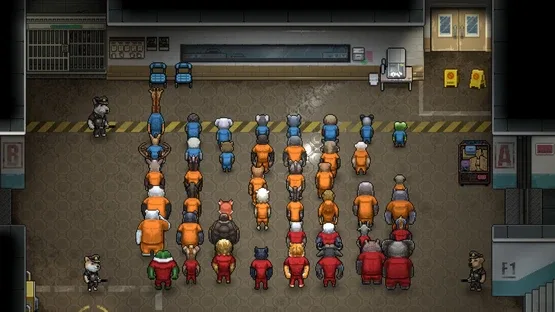
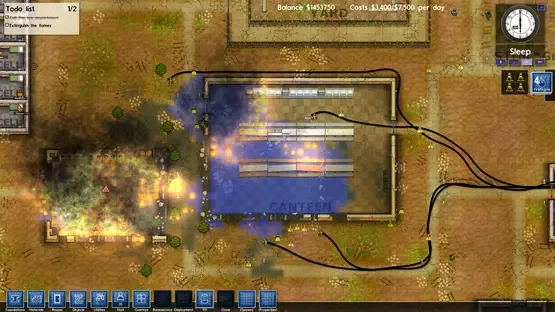
Introversion Software's prison-management sim, released in 2015, asks a player to build and run a functioning penal facility from the ground up — cell blocks, kitchens, laundries, and security infrastructure all have to be planned around a population of inmates with individual needs, grievances, and escape ambitions rather than a static, decorative crowd. Riot mechanics, triggered by neglected needs or mishandled incidents, turn poor planning into a genuinely dangerous cascading failure rather than a simple efficiency penalty, and the reform systems — education programs, work assignments — give the sim a real ethical dimension about what a prison is actually for. The 2024 sequel, Prison Architect 2, moved the format into isometric 3D and reworked several core systems, though the shift drew a mixed response from a community attached to the original's more legible 2D logistics. As a management sim willing to sit with genuinely uncomfortable subject matter rather than softening it, the original remains a notable entry among the best simulation games in the genre. The honest drawback: the original's interface and tutorial coverage show their age, and the sequel's redesigned systems are still finding their footing against what longtime players expected from the format.
23. SpaceEngine#
Originally a solo passion project before its 2019 Steam release, this procedurally generated universe simulator is built on genuinely scientific foundations — real star catalogs, physically modeled planetary systems, and procedural generation rules that extrapolate plausible worlds from actual astronomical data rather than random dressing. Free-roam exploration lets a player travel from a planet's surface out to galactic scale without a loading transition breaking the illusion, and the addition of basic spacecraft piloting gave the experience a small layer of active interaction on top of what began as a pure observation tool. Its scientific grounding is the real draw: star types, orbital mechanics, and atmospheric composition all follow real physical rules rather than existing purely for visual variety, which gives exploration an actual educational backbone alongside the spectacle. Among simulation games built for open-ended systems exploration rather than a defined win condition, it's one of the most technically credible on this list. The honest drawback: there's very little in the way of structured goals or progression, which makes it a poor fit for players who want a game rather than a sandbox to wander, and the piloting systems remain secondary to the observation experience at its core.
24. DCS World#
Eagle Dynamics' combat flight simulator is free to install with a rotating selection of playable aircraft, but its real depth comes from paid aircraft modules that model individual cockpits down to functioning switches, radar modes, and weapons systems specific to that airframe, turning every new module purchase into an entirely separate system to learn rather than a reskin of a shared cockpit. Its "click-in-cockpit" philosophy, where nearly every physical control can be manipulated directly rather than through an abstracted menu, is among the most granular in any flight sim on this list, civilian or military. Dynamic campaigns and multiplayer missions layer tactical decision-making — fuel and weapons loadouts, mission planning, coordination with other aircraft — on top of the raw systems-operation challenge, giving the sim structure beyond pure procedural mastery. It's consistently mentioned in serious conversations about the best sim games for combat aviation specifically because it refuses to simplify any of that for accessibility's sake. The honest drawback: the learning curve per aircraft is genuinely steep even by simulation standards, the module-by-module payment structure adds up quickly for players who want more than one or two aircraft, and it demands serious hardware to run its systems at a usable frame rate.
25. Receiver 2#
Wolfire Games' firearm-mechanics sim strips gun handling down to its individual physical components — racking a slide, checking a chamber, manually engaging a safety, and reloading a specific magazine type are all separate, deliberately unforgiving actions rather than a single reload button — making it one of the most mechanically granular simulations of a single object on this entire list. Procedurally generated levels and an audio-tape-driven backstory give that mechanical precision a reason to exist beyond a firing range, forcing careful, deliberate handling under pressure from unpredictable enemy encounters rather than in a controlled tutorial space. Its commitment to modeling each weapon's specific manual-of-arms, differently for a revolver than a semi-automatic pistol, means genuine practice with a firearm's mechanical logic transfers directly into in-game competence in a way most shooters don't attempt to simulate. For a genre often defined by scale, it's a reminder that a simulation can be just as legitimate modeling one small mechanical object in exacting detail. The honest drawback: the control scheme is deliberately obtuse and punishing by design, offering little forgiveness for players expecting a conventional shooter's input logic, and the overall scope and runtime are modest next to nearly everything else on this list.
26. Hypnospace Outlaw#
Tendershoot's alt-history internet simulator recreates a fictional 1999 web-and-operating-system called HypnOS with startling functional completeness — homepages built with period-accurate garish design, a working search engine, chat clients, and an entire ecosystem of amateur content that a player actually browses rather than watches through cutscenes, all while working as a volunteer moderator flagging content that violates the platform's rules. That moderation loop is the real system being simulated: reading context clues across genuinely browsable pages to determine whether something actually breaks a rule, rather than being told outright, gives the whole experience a research-and-judgment mechanic closer to real content moderation than most games bother to attempt. Its period-specific interface design, right down to period-appropriate web fonts and layout conventions, is detailed enough to function as a genuine simulation of an internet that never existed rather than a simple aesthetic backdrop. It's an unusual entry among sim games, but a legitimate one — a systems simulation of a browser and an OS, taken as seriously as any flight sim takes a cockpit. The honest drawback: it plays closer to a narrative mystery than a mechanical challenge once its systems are understood, and the moderation-and-search loop itself is fairly simple by the back half, with the mystery doing most of the remaining work.
The ranking above blends IGDB's aggregate critic and user rating with Steam's own user review percentage, and only for games with a real sample size behind the score rather than a handful of early ratings that can swing wildly. Nothing on this list was hand-picked for inclusion or placement — the order is a direct output of that combined score, which means it shifts automatically as more people rate these games or as new releases join the catalog with enough reviews to be scored fairly. It also means the field gets filtered before it reaches this page: joke clickers, crypto-backed farming games, and anything wearing "simulator" in its title without a real system underneath it don't make the cut regardless of how the raw numbers might otherwise read. Read this as a live snapshot of how these best simulation games are currently rated relative to each other, not a fixed, permanent verdict — check back as the data changes, because it will.