
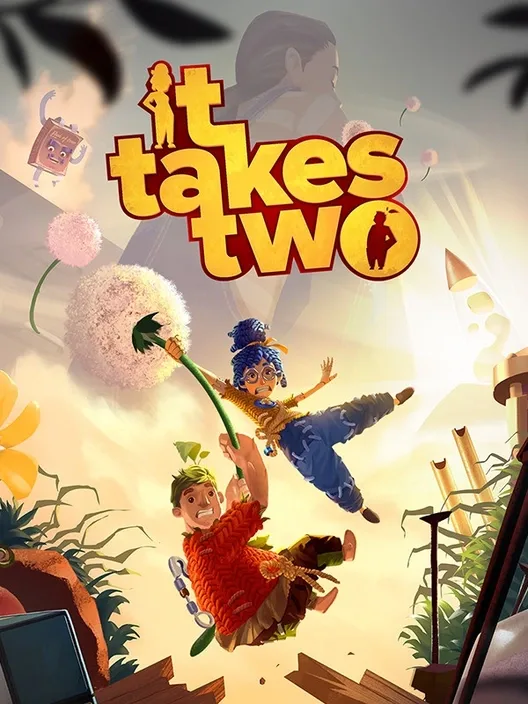
It Takes Two
Split Screen · Co-op · Local Co-Op · Co-op Campaign · Online Co-Op
Game page →
Review
A co-op adventure from Hazelight, the studio behind It Takes Two, in which two writers are trapped inside a simulation built from their own science fiction and fantasy stories. Almost every chapter introduces new mechanics, and optional side stories add even more variety. It requires two players, locally or online, and the Friend's Pass lets a friend join for free. Is it your kind of game?
Game Avant verdict
A relentlessly inventive two-player adventure that spends a bigger budget than It Takes Two on variety instead of length, held back only by a story that never quite matches its own gameplay.
By GameAvant · Published Oct 1, 2026 · Updated Oct 9, 2026 · 13 min read
Choose what matters to you
Every question is optional.
How do you want to play?
How much story and dialogue do you want?
Based on your choices
Pick what matters to you above and the result shows up here.
IGDB
90%
245 ratings
Steam:
97%
78,518 reviews
Fits you if
you have a co-op partner and want constant variety and big set pieces.
Skip it if
you want a game to enjoy alone – it requires two players.
Availability
Steam
$32.49
Split Fiction is built on a premise that sounds like a writing-workshop exercise and turns out to be the backbone of one of the most inventive co-op games Hazelight Studios has made. Developed by the team behind It Takes Two and published by Electronic Arts, it released on 6 March 2025 for PlayStation 5, Xbox Series X|S and PC, with a Nintendo Switch 2 version following on 5 June 2025. Two authors, with incompatible writing styles and even less compatible personalities, get trapped inside a machine that pulls their unfinished stories out of their heads and turns them into a shared, physical simulation. Neither of them asked to collaborate. The machine does not care. The game requires exactly two players, either on the same couch or online through a free Friend's Pass that lets a second player join without owning a copy themselves, and it spends that two-player requirement more aggressively than almost any co-op game released before it. Because the two authors write in wildly different genres, one leaning toward grounded science fiction, the other toward high fantasy, the simulation they are trapped in never settles into a single consistent world. Instead, it swaps genres, mechanics, and even camera perspective every few minutes, forcing both players to learn and discard entire new skill sets at a pace most single-player games would never risk. One stretch might hand you a jetpack and a grappling hook in a crumbling space station; the next drops you into a storybook forest where your abilities work completely differently, and neither player ever gets comfortable long enough to feel like the ideas have been exhausted. What makes this work rather than exhaust the player is the sheer density of distinct ideas packed into the runtime. Hazelight has built its reputation on one-off co-op mechanics that most studios would stretch into an entire game, and Split Fiction spends that same inventiveness at a far higher rate than its own predecessor, It Takes Two, did. The budget clearly went toward variety rather than length, and the trade pays off almost every time a new segment begins. Where the game falls short is the part most co-op adventures lean on hardest: the story holding the gameplay together. The two authors' personal arc, about learning to collaborate despite their differences, follows a fairly predictable path, and it never quite earns the same level of surprise that the mechanics deliver minute to minute. That gap between a relentlessly inventive toy box and a story that plays it safe is the one thing keeping Split Fiction from a flawless score. It does not stop the game from being Hazelight's biggest, most varied achievement yet, built for exactly the kind of two-person audience willing to be thrown into a new idea every few minutes without warning.
You may love it because
Mio and Zoe get a new set of abilities almost every chapter, so the game never lets a single idea overstay its welcome.
It may frustrate you because
Ideas you enjoy, like the dragon flight in Rise of the Dragon Realm, are gone within the hour and never come back.
You may love it because
Every puzzle and set piece is built around two people needing each other, which makes the asymmetry feel purposeful rather than tacked on.
It may frustrate you because
There is no way to experience any of it solo, so a good couch or online partner is not optional, it is the price of admission.
You may love it because
Mio and Zoe's arc from distrust to friendship gives the constant genre-hopping something to hang onto emotionally.
It may frustrate you because
The beats of that arc are visible from the first chapter, so the story rarely surprises the way the gameplay does.
13 min read
· By Game Avant
Three alternatives, one line each on why.
Split Screen · Co-op · Local Co-Op · Co-op Campaign · Online Co-Op
Game page →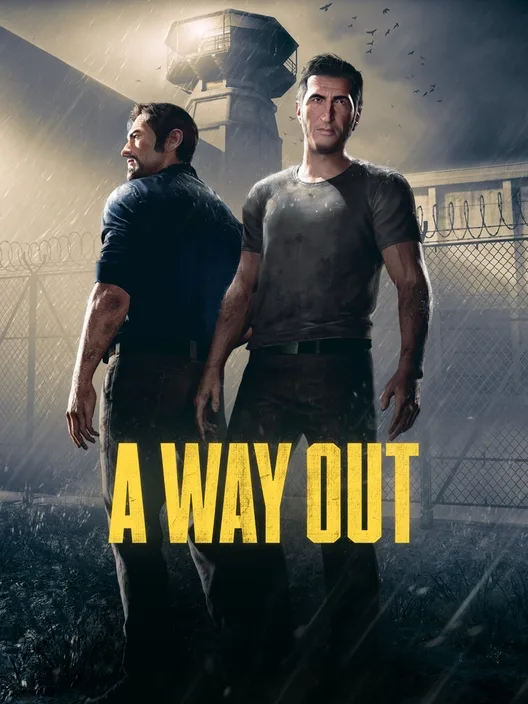
Split Screen · Online Co-Op · Co-op · Local Co-Op · Action-Adventure
Game page →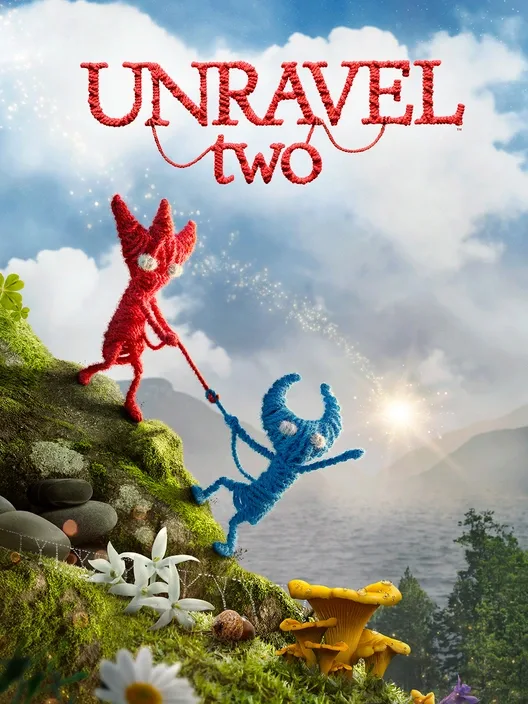
Split Screen · Co-op · Local Co-Op · couch co-op · Platform
Game page →
Split Screen · Co-op · Online Co-Op · Co-op Campaign · Action-Adventure
Game page →
Split Screen · Co-op Campaign · Local Co-Op · Action-Adventure · Online Co-Op
Game page →
Split Screen · Co-op Campaign · Co-op · Local Co-Op · Female Protagonist
Game page →Play it together
Online
Up to 2 players
Same couch
Up to 2 players
Crossplay
PC · PlayStation · Xbox · Switch