

The Elder Scrolls IV: Oblivion
Open World · Moddable · RPG · Fantasy · Magic
Game page →
Review
Bethesda's 2011 open-world fantasy RPG, where you play as the Dragonborn in the cold northern province of Skyrim. You can go anywhere, join guilds and shape your character through what you do. The Special Edition and Anniversary Edition are the versions most players choose today. Is it your kind of game?
Game Avant verdict
A province built for wandering rather than following, still one of the best open-world RPGs made despite dated combat and a badly aged main quest.
By GameAvant · Published Sep 26, 2026 · Updated Oct 9, 2026 · 15 min read
Choose what matters to you
Every question is optional.
How do you like to find your way?
How long a game do you want?
How do you want to play?
Based on your choices
Pick what matters to you above and the result shows up here.
IGDB
84%
4,343 ratings
Steam:
94%
180,995 reviews
Fits you if
you want huge freedom and a world full of side stories.
Skip it if
you want tight combat or a strong main story.
Availability
Steam
$19.99
Skyrim is the game that convinced an entire decade of players that wandering off the marked road is, fundamentally, the entire point of an open-world RPG, and it managed to do that with a game whose combat, writing, and underlying technical foundations were already noticeably behind the curve on the day it originally released. Bethesda Game Studios first put it out on 11 November 2011 for PlayStation 3, Xbox 360 and PC, rebuilt it as the Special Edition in 2016 for PlayStation 4, Xbox One and PC, and rebuilt it a second time as the Anniversary Edition in 2021, which folded years of accumulated Creation Club add-ons into a single package and brought the game to Nintendo Switch for the first time. Across every version combined, it has sold more than 30 million copies, and remarkably, it is still being actively sold, patched, and modded fourteen years after its original release, an unusually long commercial tail for any single-player RPG. None of that sustained longevity comes from a central plot that has aged well, because it genuinely has not. It comes almost entirely from a map that was deliberately built to reward player curiosity before that design philosophy had become a standard, expected feature of the open-world genre, and that specific idea has aged considerably better than nearly everything else sitting on top of it. The core setup is straightforward. Skyrim, the northernmost province of the continent of Tamriel, is sliding steadily toward civil war between the rebel Stormcloaks, led by Ulfric Stormcloak, and the ruling Imperial Legion attempting to hold the province together, and that political crisis happens to coincide exactly with dragons, long believed extinct for centuries, beginning to return to the world. The player character survives a scheduled execution that gets interrupted at the last possible moment by the dragon Alduin, and turns out afterward to be Dragonborn, uniquely able to absorb a slain dragon's soul and speak its language in the form of Thu'um, the game's dragon shouts. That premise genuinely carries the opening hours well, covering the escape from the initial cave sequence and the walk toward the city of Whiterun with real narrative momentum, and then the game largely stops actively insisting on that central plot thread for the remainder of the experience, which is precisely what allows everything else to work as well as it does. What fills the hundreds of hours after that opening is a genuinely enormous amount of handcrafted content scattered across the province rather than generated or repeated systematically: distinct faction questlines for the Thieves Guild, the Dark Brotherhood, the Companions, and the College of Winterhold, each with its own internal tone and competing design philosophy; small, self-contained stories tucked into individual dungeons that reward careful reading of environmental details and notes rather than simply following a quest marker; and an enormous amount of genuinely optional content that most players will never fully exhaust across a single playthrough. The combat system itself, largely unchanged across all three major releases, is dated by nearly any contemporary standard, built around simple directional attacks and a magic system that never develops the kind of depth its scale would suggest it should. The main quest's pacing and writing have also aged specifically poorly compared to the richer, more varied side content surrounding it. Those are real, substantial weaknesses rather than minor quibbles, and they are exactly why this does not reach a perfect score. But the fundamental design philosophy underneath all of it, a province built explicitly for wandering rather than for following a prescribed path, remains close to unmatched even against open-world RPGs built a full decade or more after this one originally released, and that is precisely why it still earns a 9 out of 10 fourteen years later.
You may love it because
Wandering off the road toward any ruin, tower or column of smoke almost always leads somewhere designed, not filler.
It may frustrate you because
There is no marker system pointing you back to what you were doing, so a five-minute detour regularly becomes a three-hour one.
You may love it because
No class locks you in, so a character can go from sneaking with a bow to a fire-breathing werewolf without restarting.
It may frustrate you because
Perks and skills sit behind grinding a skill by using it, so a build that ignores its own strengths early feels weak for hours.
You may love it because
Community fixes and overhauls on PC repair combat, AI, textures and quests that Bethesda itself never finished patching.
It may frustrate you because
The game everyone recommends is often not the one in the box, and console players never get most of that version at all.
15 min read
· By Game Avant
Three alternatives, one line each on why.
Open World · Moddable · RPG · Fantasy · Magic
Game page →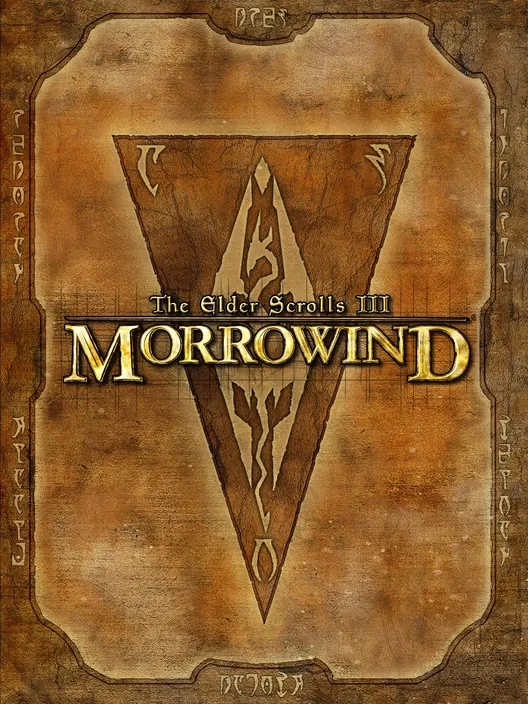
Open World · RPG · Moddable · Fantasy · Magic
Game page →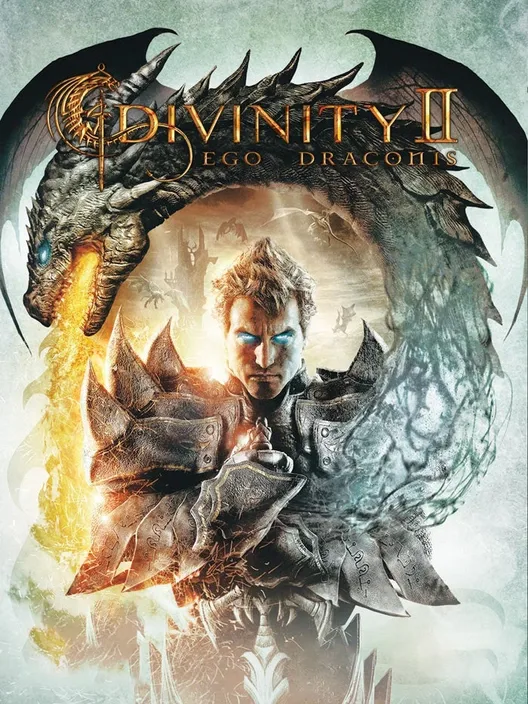
Dragons · RPG · Open World · Fantasy · Magic
Game page →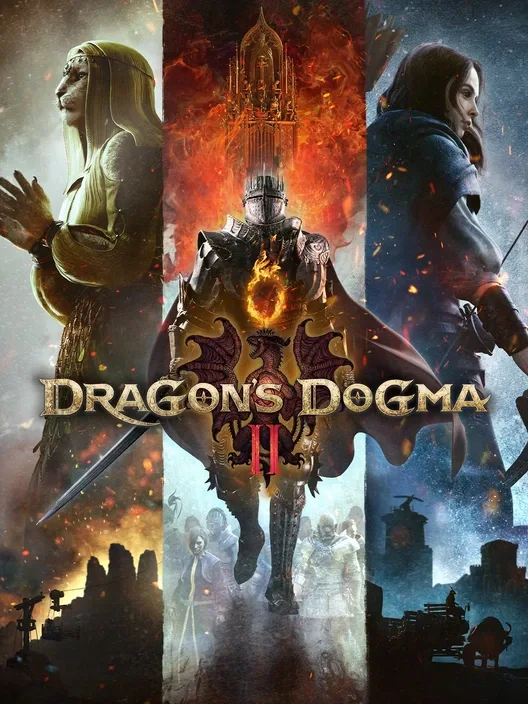
Dragons · Open World · RPG · Medieval · Magic
Game page →
Open World · RPG · Medieval · Fantasy · Sandbox
Game page →
Dragons · Open World · RPG · Fantasy · Magic
Game page →