
A 1998 classic rebuilt by Nintendo's own Zelda team#
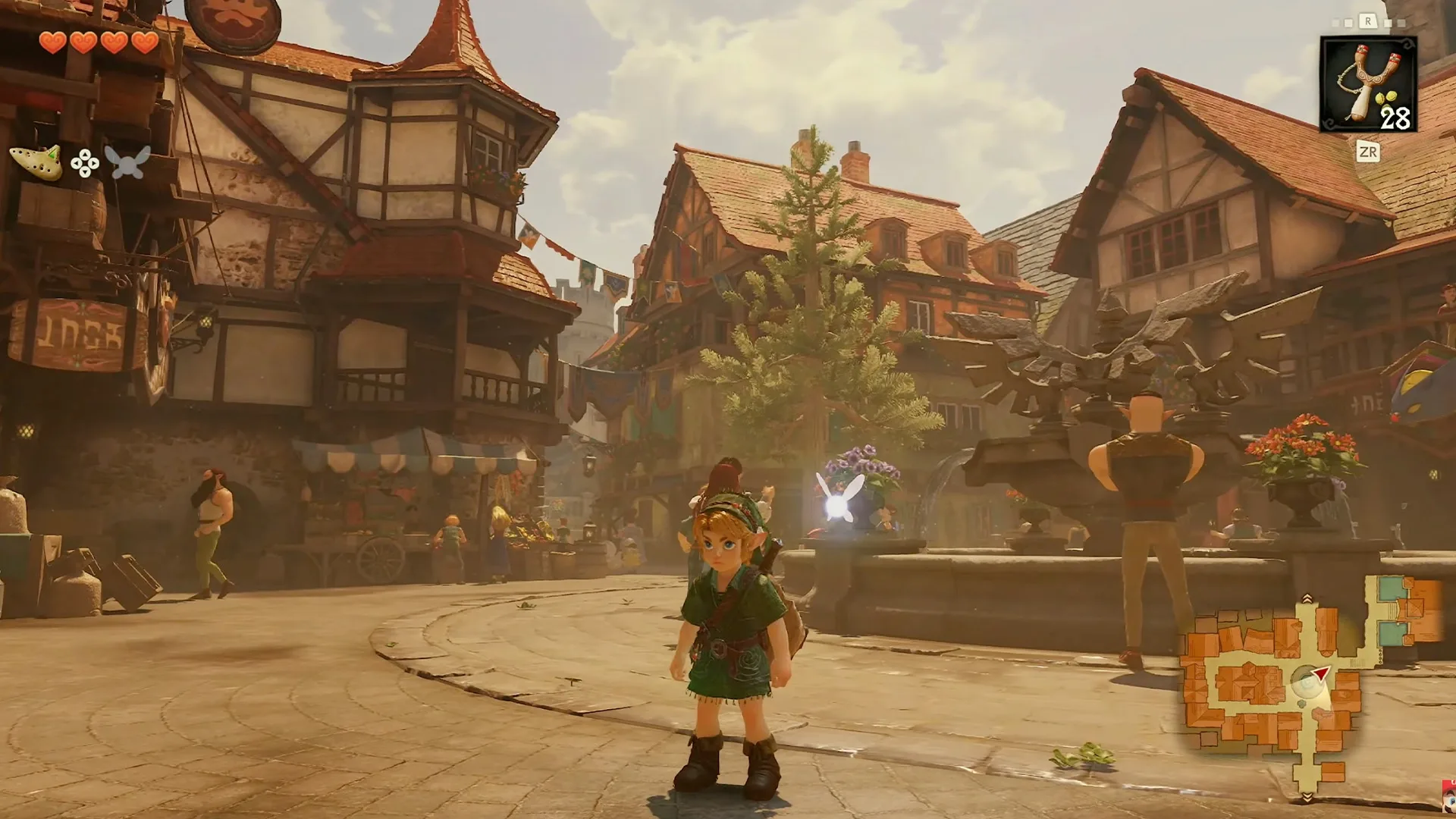
The Legend of Zelda: Ocarina of Time is Nintendo's full remake of its own 1998 Nintendo 64 classic, released on 5 November 2026 exclusively for Nintendo Switch 2. It wasn't farmed out to an outside studio: Nintendo EPD Production Group No. 3, the same internal team behind Breath of the Wild and Tears of the Kingdom, built it from the ground up, with producer Eiji Aonuma overseeing the project as he has for the series since the original. This is the second time Ocarina of Time has been remade, after the 2011 Nintendo 3DS version, but the gap between those two efforts is the whole story here: the 3DS remake sharpened the N64 game's edges, while this one rebuilds its lighting, character models, voice work and music from scratch while keeping the same dungeons, the same time-travel structure, and the same story of Link growing from a child in Kokiri Forest into the Hero of Time.
That's the bet the remake makes, and it's a deliberate one. Nothing about the nine dungeons, the overworld layout or Ganondorf's plan to steal the Triforce has been redesigned. What's changed is everything around that structure: how it looks, how it sounds, and how directly it talks to you.
What Nintendo actually rebuilt#
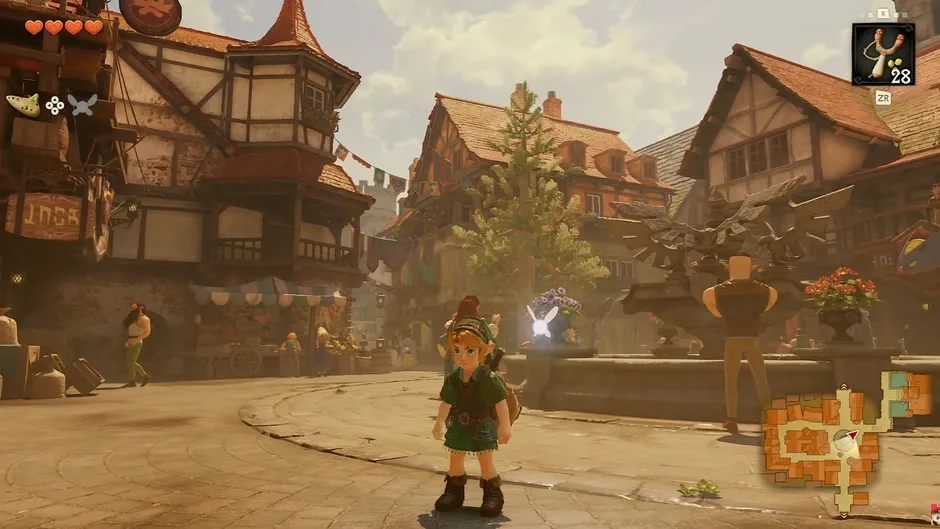
The headline change is visual. Hyrule Field, the Temple of Time, Zora's Domain and every dungeon are rebuilt with lighting, texture detail and character models that have nothing in common with the N64 original's blocky geometry, while keeping each location's silhouette and layout recognizable to anyone who played it in 1998. Nintendo calls the result the game "reborn," and the Temple of Time's stained glass or the Water Temple's shifting light are the clearest proof that this is a full rebuild rather than a straight resolution upgrade.
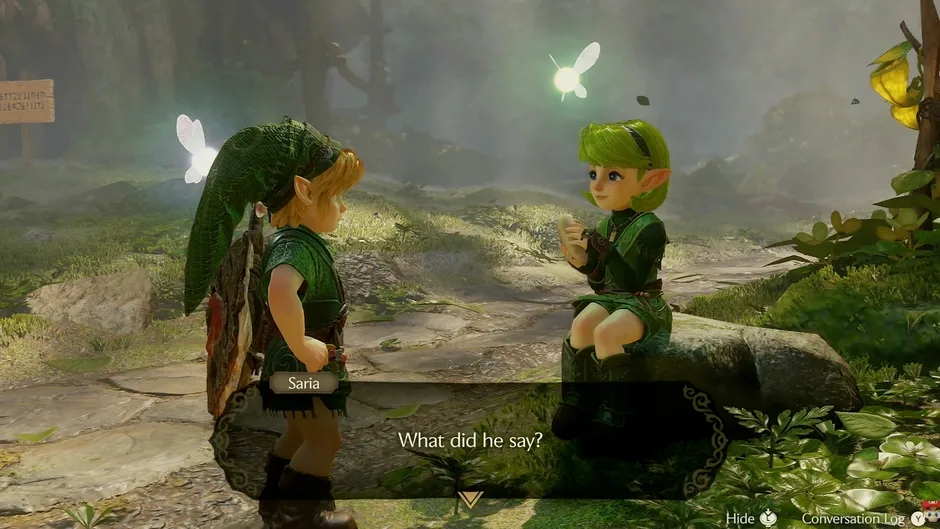
The bigger shift is how the story is told. Every major cutscene now has full voice acting and expanded dialogue, played over a symphonic orchestral score rather than the original's MIDI soundtrack. Zelda warning Link about Ganondorf, Saria's farewell in the Lost Woods, and the Temple of Time's theme all land with a weight the N64's text boxes and chiptune score physically couldn't deliver, even though none of the dialogue beats themselves have changed.
The most unusual addition is how you actually play the ocarina. Link's ocarina has always been a tool for warping across Hyrule, switching day to night and calling Epona, and the remake keeps every one of those songs on the controller's buttons. What's new is that Switch 2's built-in microphone lets you play those same songs by humming into it or playing them on a real instrument, which turns a menu action you'd normally mash through into something closer to performing. Scattered across Hyrule are new collectible Fairy Thoughts, small lore fragments that reward exploring corners of the map the main quest doesn't require you to visit.
Hall of Fallen Foes: the one genuinely new mode#
The dungeons themselves are unchanged, but the remake adds Hall of Fallen Foes, a rematch arena where you can replay fights against the game's major bosses, Ganondorf and Phantom Ganon included, without starting a new file or hunting down a late-game warp point. It's a small addition next to a full story campaign, but it's the one piece of the package built for people who already know this adventure and want a reason to keep dipping into it after the credits, rather than for first-time players discovering Hyrule for the first time.
The same nine dungeons, and why that still works#
Ocarina of Time's structure, child Link clearing three dungeons before a seven-year jump turns him into an adult who clears six more, remains one of the best-paced adventures the series has built, and the remake doesn't touch it. The Water Temple, infamous for its boot-swapping logic, is rebuilt visually but runs on the same puzzle design that made it a landmark the first time, for better and for worse depending on how you remember it. The Forest, Fire, Water, Shadow and Spirit Temples still teach their tools one at a time, in an order that still feels deliberate nearly three decades later.
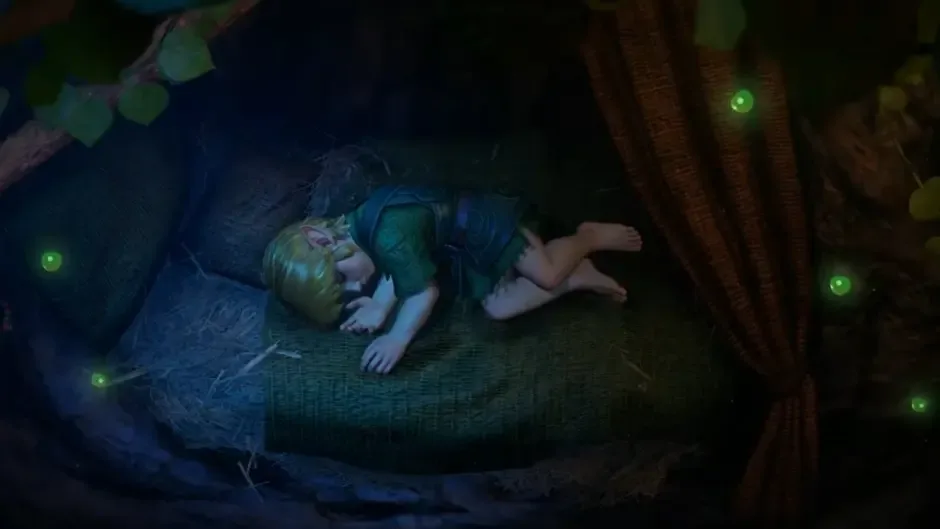
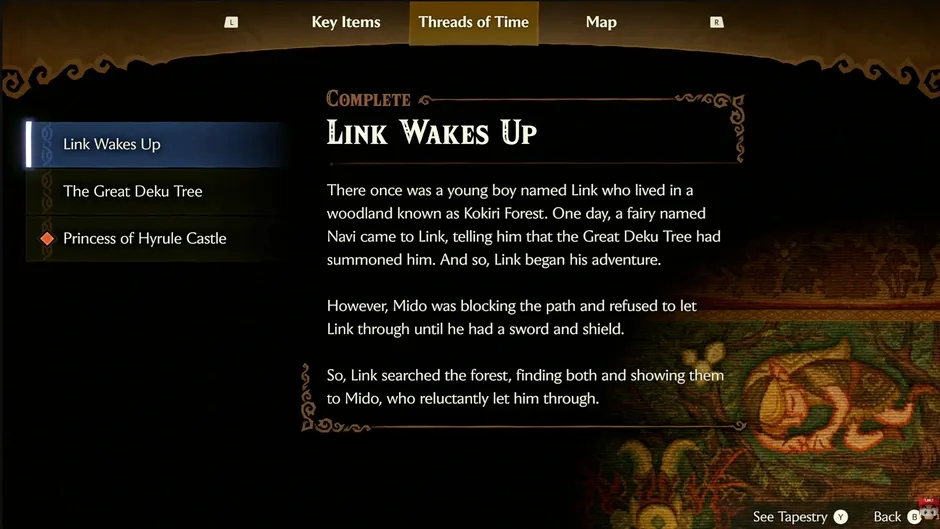
What hasn't aged as gracefully is the opening hour. Kokiri Forest's string of fetch tasks before Link even leaves the village was paced for a 1998 audience with nowhere else to be, and the remake doesn't speed any of it up. Anyone coming from Breath of the Wild or Tears of the Kingdom's open, player-directed structure should expect a much more linear, gated adventure, not a reinvention in that newer mold.
Reception#
Critics have responded to the remake with the kind of near-unanimous praise that's rare even for a beloved franchise's return: scores from major outlets cluster in the mid-90s out of 100, with the overwhelming majority of reviewers recommending it outright. One of the more detailed critic panels specifically singled out the reworked camera and controls as the clearest proof the remake earns its place, while noting that the moment-to-moment design is still simple by the standards of 2026 open-world games, since the dungeons themselves were never touched. The remake's aggregate critical score lands only a few points below the original 1998 release, which is itself one of the highest-rated games ever made, a comparison that says more about how good the N64 original still is than about any shortcoming here.
Who the remake is actually for#
This is built first for people who already know Hyrule: the ones who want to hear Zelda's warning voiced instead of read, see the Water Temple's water levels rendered properly, and replay Ganondorf without a new save file. Newcomers can absolutely start here, since the story and dungeon design hold up entirely on their own merits, but they're getting a more linear, puzzle-box adventure than Nintendo's two most recent Zelda games, and should set that expectation going in rather than expecting another Breath of the Wild.
Is it worth the money?#
The remake is $59.99 on the Nintendo Switch 2 eShop, in line with the platform's standard new-release pricing rather than a discounted remaster price. For that, you get the same roughly 20-to-30-hour adventure the original offered, depending on how much time you spend hunting side content and Fairy Thoughts, plus Hall of Fallen Foes as replay value afterward. Nintendo has not announced a Master Quest mode or any harder difficulty setting, so anyone buying specifically for that should wait for an official confirmation rather than assuming it's included.
Play this instead if …#
More open-ended: The Legend of Zelda: Breath of the Wild or Tears of the Kingdom trade this remake's structured dungeons for an open world you can approach in almost any order.
Shorter: The Legend of Zelda: Link's Awakening is a tighter, roughly 10-to-15-hour Zelda adventure with a similarly dungeon-driven structure.
Cheaper: The original 1998 Ocarina of Time and its 2011 Nintendo 3DS remake are both still widely available secondhand, and tell the exact same story with a far more modest presentation.
FAQ#
How long is the Ocarina of Time remake? Roughly 20 to 30 hours for a full playthrough, depending on how much side content and how many Fairy Thoughts you chase down.
Is it a remaster or a full remake? A full remake. The visuals, voice acting, music and ocarina controls are rebuilt, but the dungeons, overworld layout and story beats are unchanged from the 1998 original.
Is it available on anything other than Switch 2? No. It's a Nintendo Switch 2 exclusive with no announced release on other platforms.
Does it include Master Quest? Nintendo hasn't confirmed Master Quest or any harder difficulty mode for this version.
Do I need to have played the original? No. The remake tells the full story on its own, though anyone who played the N64 or 3DS versions will recognize every dungeon and story beat.
Is there voice acting? Yes, full voice acting and expanded dialogue across the game's major cutscenes, played over a new orchestral score.
Game Avant verdict#
Ocarina of Time earns the word "remake" rather than "remaster" by rebuilding everything around its nine dungeons, the lighting, the voice work, the score, the way you physically play the ocarina, while trusting that the puzzle design underneath still works nearly three decades later. For the most part, it's right to trust that: the dungeons that made the N64 original a landmark haven't lost a step, and hearing them scored properly for the first time only strengthens that case. Where it comes up short is in asking the same of the slow opening hour and in leaving Master Quest and harder difficulty options unconfirmed for players who wanted more resistance alongside the new presentation.
9 out of 10 – a ground-up rebuild that respects what already worked instead of reinventing it, and mostly earns the right to.