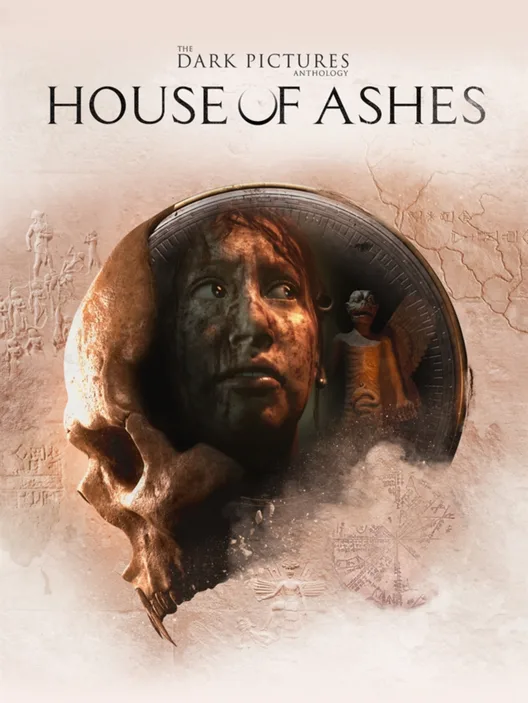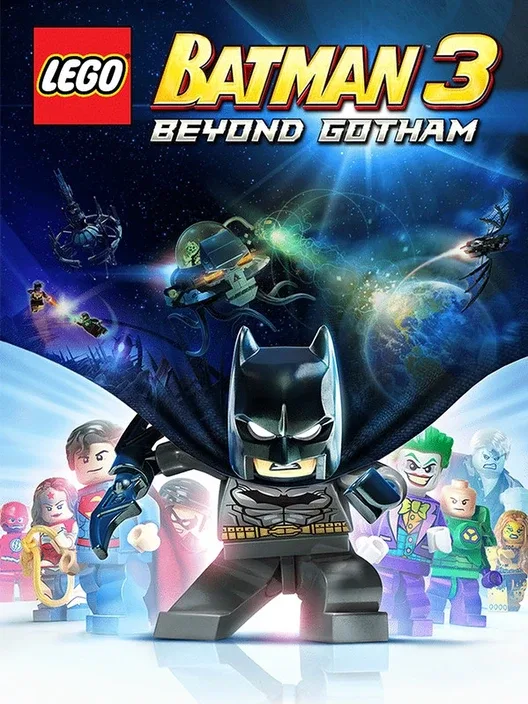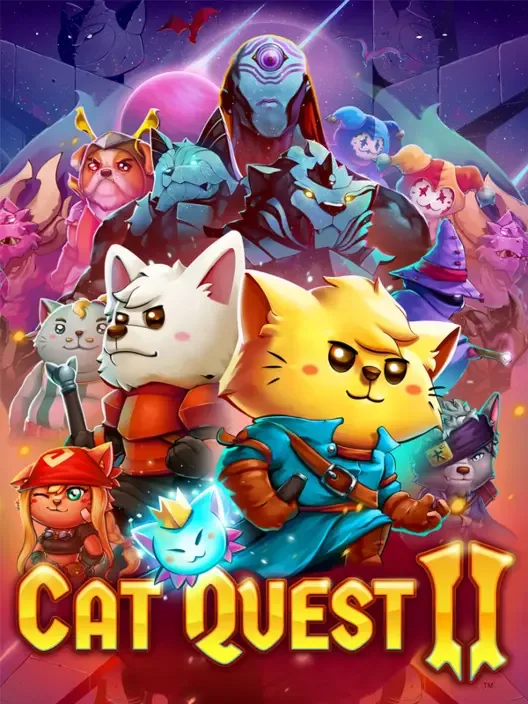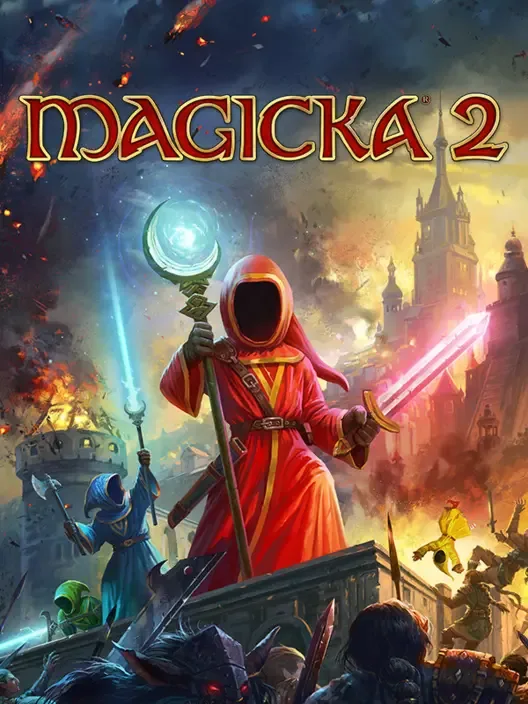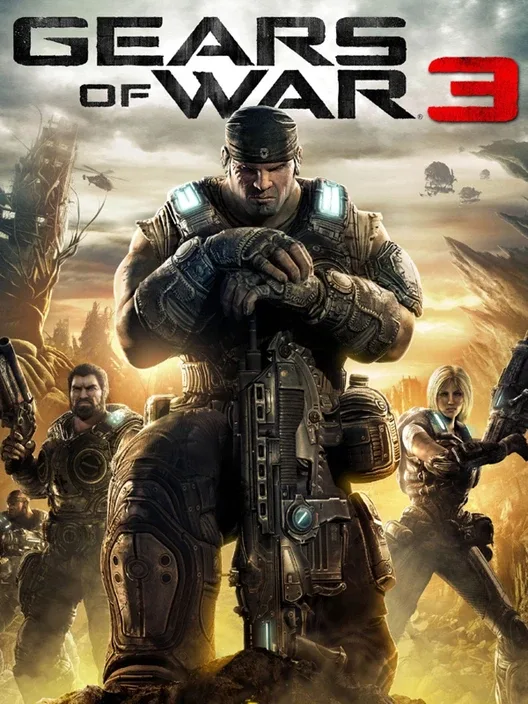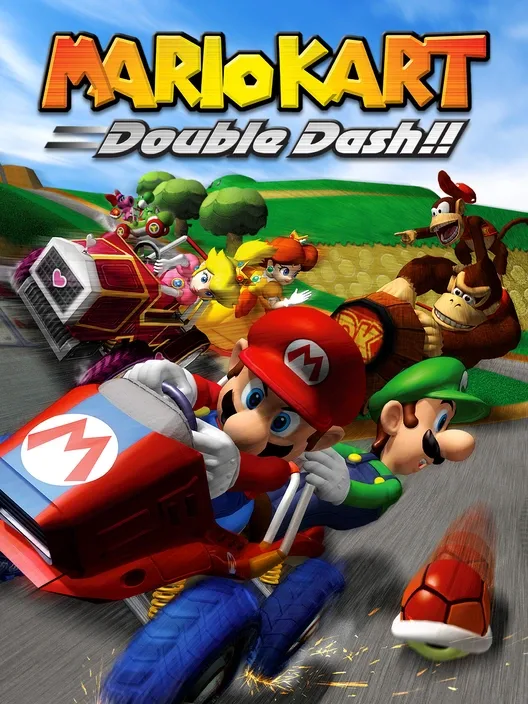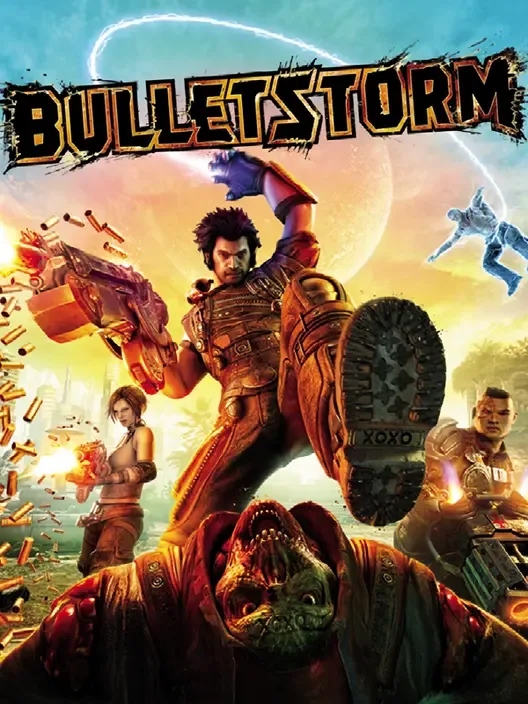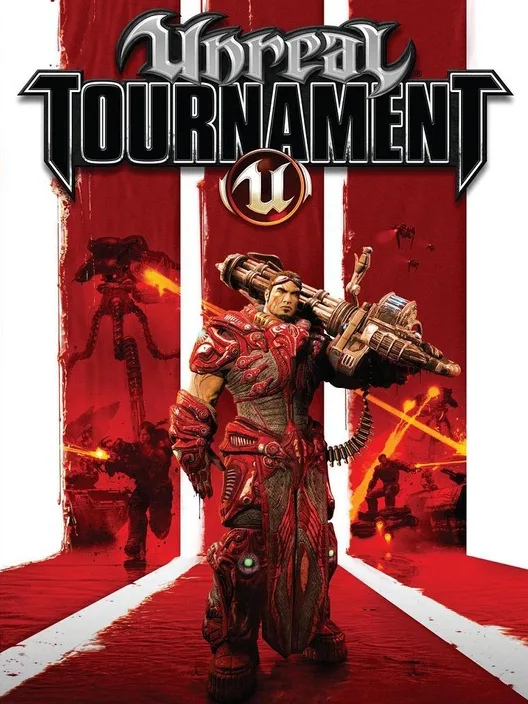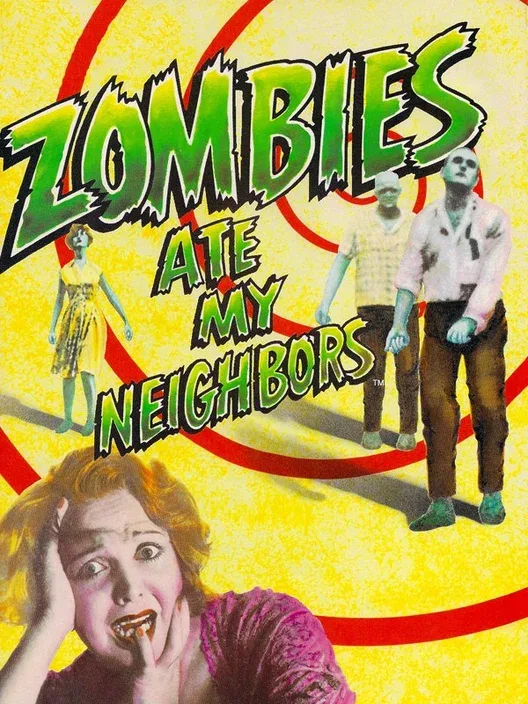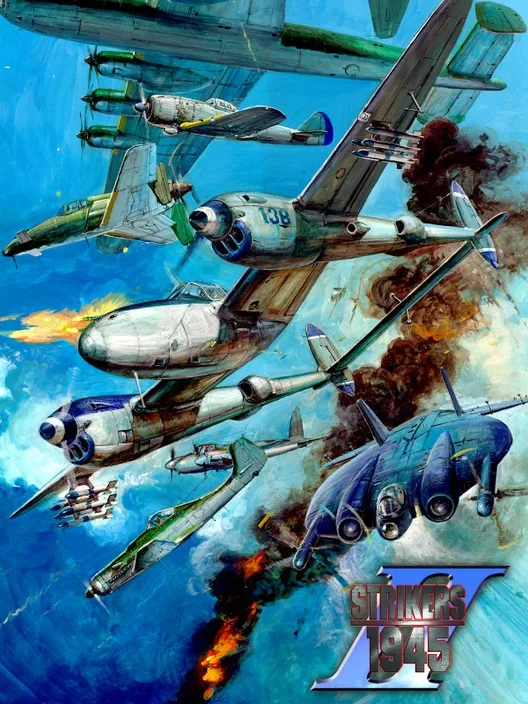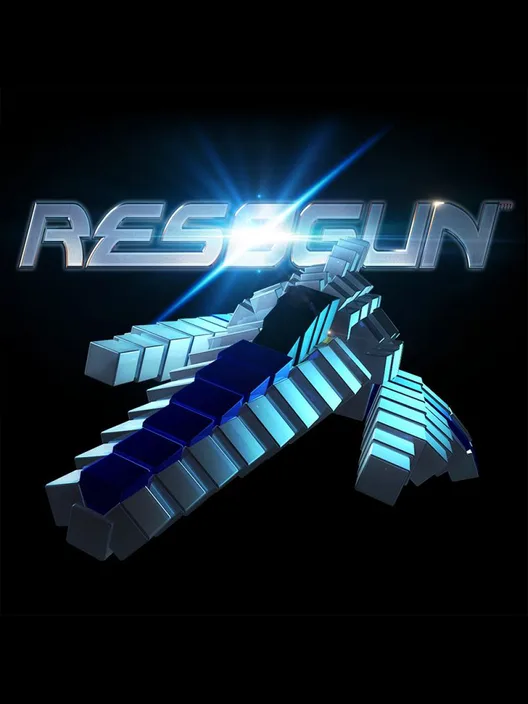
 Split Fiction
 Valheim
 Monster Hunter Wilds
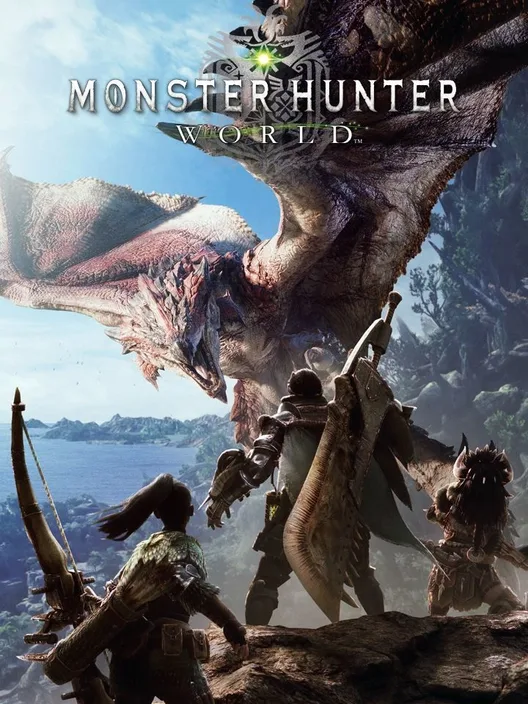 Monster Hunter: World
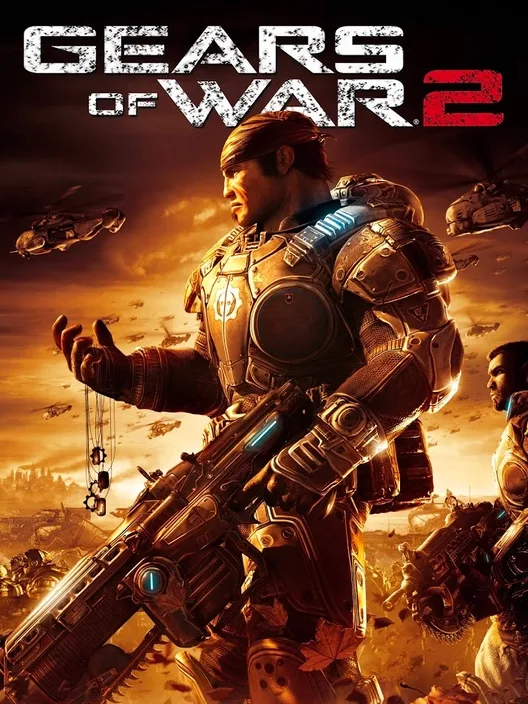
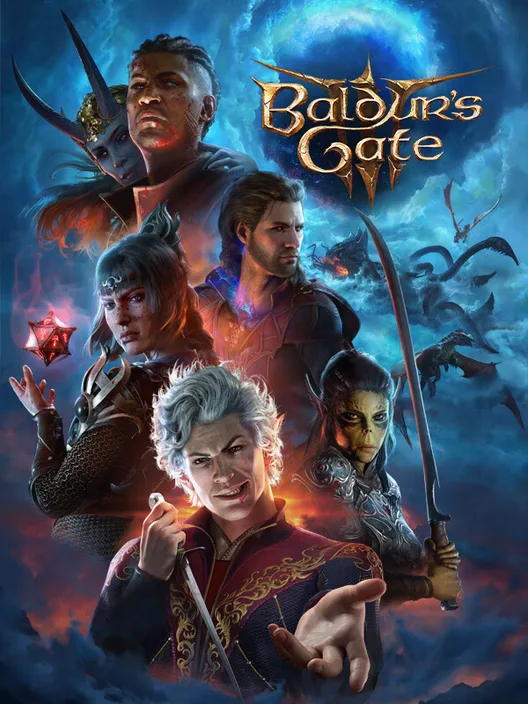 Baldur's Gate III
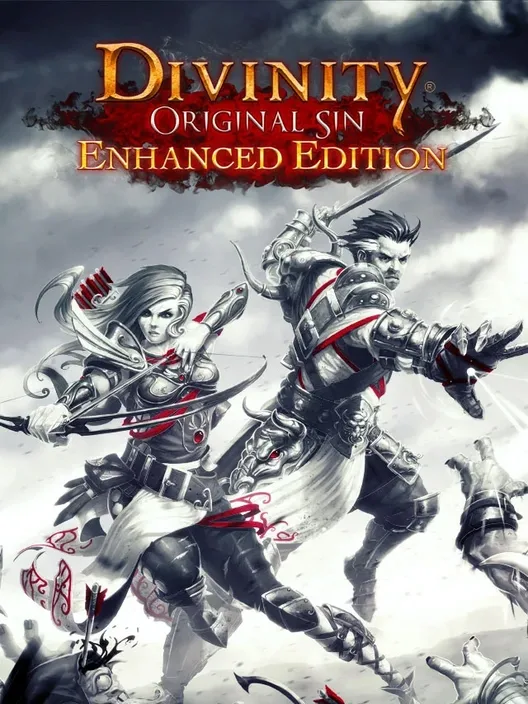 Divinity: Original Sin - Enhanced Edition
This is GameAvant's own ranked list of the best co-op games right now, built from the site's combined rating data rather than picked by hand. "Co-op" on this page means games where playing together is actually load-bearing: puzzles built to require two sets of hands, encounters tuned around a full squad, campaigns that assign each player a genuinely different job rather than the same job twice. It does not mean a single-player game that happens to have a multiplayer mode bolted on somewhere in the menu — a lot of well-reviewed games clear that lower bar, and they were deliberately left off. What's left is a list built for people actually searching for the best co-op games to play with friends, whether that means a couch, a headset, or both, and it spans local and online co-op games alike rather than favoring one format over the other. Anyone hunting for the best co-op games 2026 has to reckon with the fact that the genre now stretches from four-hour couch classics to sprawling online squads that meet up weekly, and this list tries to represent that whole range rather than one narrow slice of it.
The order below comes from blending IGDB's aggregate critic score with Steam's own user review percentage, filtered to require a real sample size behind the number. That means franchise names sit next to smaller studios' work, ranked by the same math rather than by marketing budget. A few titles from the wider pool of "has a co-op flag in the database" were checked by hand and cut when the actual game turned out to be a single-player experience with a token extra mode; what remains is the set of top cooperative games and multiplayer co-op games worth playing that hold up under that stricter test. Read the write-ups for how each one actually plays together, not just how it scores — the rank is a snapshot of current reception, not a guarantee that any given entry is the right match for a specific group of friends.
1. It Takes Two#
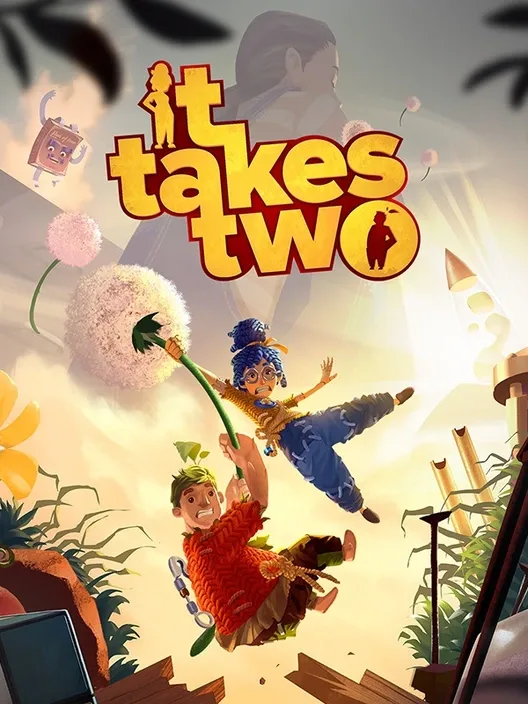
Hazelight's split-screen adventure is arguably the clearest argument for what a co-op game can be when it refuses to be anything else: there is no solo mode, no way to play it alone, because the entire design — traversal, combat, boss fights, minigames — assumes two people occupying the same story at once. Cody and May play as magically shrunk-down dolls with abilities that change almost every chapter, and the two abilities are always different from each other: one player might get a hammer that flips switches while the other gets a nail-gun that needs the first player's platforms to land a shot. The Friend's Pass lets one owner invite a friend for free, which matters, because almost nobody owns this twice. The honest drawback is that some of the game's dozens of minigames land better than others, and a handful feel like padding between the genuinely inventive boss fights, though even the weaker chapters rarely last long enough to sour the whole run.
2. Baldur's Gate III#
Larian's RPG supports up to four players online, with drop-in, drop-out play and a version of split-screen for two players sharing one screen, and it commits to that structure rather than treating multiplayer as an afterthought bolted onto a single-player story: every companion, every dialogue choice, every turn-based fight works whether one person is directing the whole party or four people are each steering their own character. Letting each player make separate dialogue choices means a shared campaign can genuinely diverge — one player romances a companion the others dislike, one lies to an NPC the others just told the truth to — which gives repeat sessions a different shape than solo play ever produces. The honest drawback is pacing: turn-based combat that feels unhurried solo can turn into real downtime waiting on other players' turns, and letting choices diverge sometimes means one player quietly waits while another finishes a quest thread alone, which a group has to actively manage rather than expect the game to smooth over on its own.
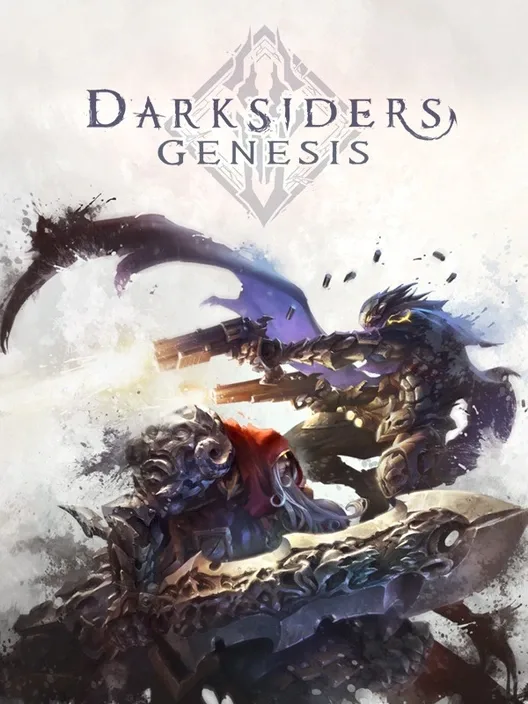
3. Split Fiction#
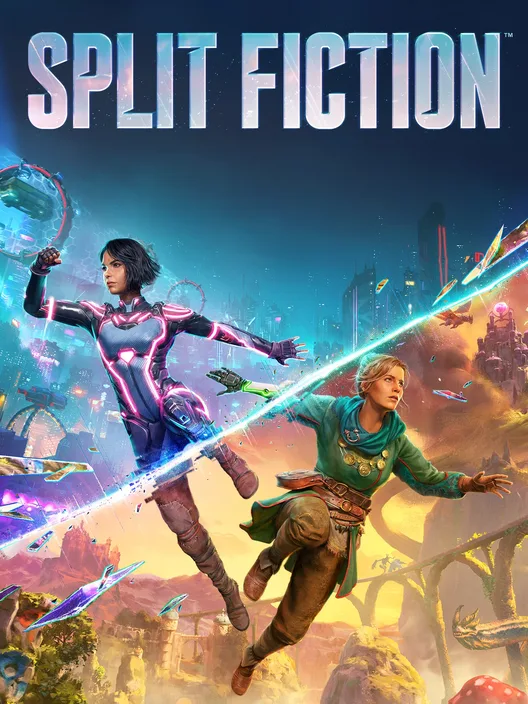
Josef Fares and Hazelight's follow-up to It Takes Two doubles down on the same premise — a co-op game with no other way to play it — and raises the stakes by splitting its two playable characters, Mio and Zoe, across a science-fiction narrative and a fantasy one that constantly swap which half of the screen leads. Each chapter hands the two players genuinely asymmetric tools rather than mirrored ones, and the game's side-stories, short "glitch" detours the characters fall into mid-mission, exist purely to try a new mechanical idea for five minutes and then abandon it, which keeps a long campaign from settling into a rhythm either player can predict. The pace rarely slows for exploration, which is either a strength or the game's one real limitation depending on what a pair is looking for — there's very little room to linger, and the game assumes both players are equally along for the ride.
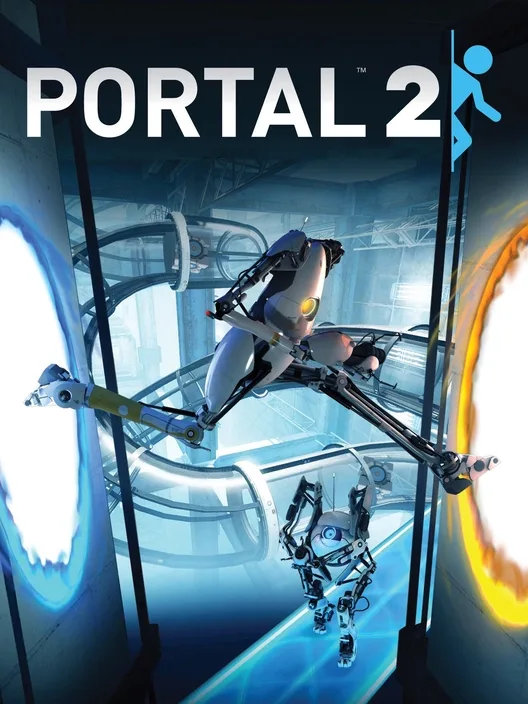
4. Portal 2#
Valve's separate co-op campaign, played as the robots Atlas and P-body rather than Chell, is still the clearest example of puzzles engineered around two people rather than retrofitted for them — most test chambers are unsolvable without both portal guns active at once, with solutions that require one player's portal to catch the other player's momentum mid-fall. Voice or text communication becomes load-bearing rather than optional, since describing an unopened portal placement to a partner who can't see your screen is often the actual puzzle underneath the puzzle. The single-player campaign remains the more famous half of Portal 2, and the co-op story is comparatively slight and shorter, which is the honest tradeoff: what's here is dense, clever, and built exclusively for two, but there isn't as much of it as the acclaim for the base game might suggest.
5. Deep Rock Galactic#
Ghost Ship Games' four-player mining shooter assigns each dwarf a genuinely distinct job — Driller carves shortcuts through rock, Gunner covers ledges and builds zip lines, Engineer drops platforms and sentry turrets, Scout lights up dark caves and finds fast paths down — and a full squad covering all four roles plays meaningfully differently from four Gunners in the same cave. Procedurally generated missions mean the caves themselves are never memorized, and friendly fire staying on for explosives and gunfire means coordinating who's standing where is a real, constant consideration rather than a settings toggle nobody uses. It scales down to solo play with an AI helper drone, but the mission design clearly assumes a full room of dwarves, and playing it alone is a noticeably smaller experience. The grind for cosmetic unlocks and resources is real, if never predatory.
6. Helldivers 2#
Arrowhead's third-person shooter against alien bugs and robots keeps friendly fire permanently on, which turns its signature mechanic — calling in orbital strikes and support weapons by typing directional codes on a d-pad under pressure — into something that can genuinely wound teammates who wandered into a blast radius, and that risk is treated as a feature rather than smoothed away. A full squad of four spreads objectives across a map that's actively trying to overrun all of them at once, and coordinating who breaks off to hold a flank versus who pushes the main objective is where the genuine cooperative decision-making lives. It has had a rockier road than most entries here — server issues and matchmaking hiccups have shown up at points since launch — and the difficulty curve at higher tiers assumes a squad that already knows how to work together, which can be a rough introduction for a mismatched group of friends.
7. Left 4 Dead 2#
Valve's four-player zombie shooter is old enough now to be a genre ancestor rather than a current release, and it still holds up because its AI Director — the system that decides in real time where hordes spawn and how much ammo is lying around — means no two runs through the same campaign play identically, which keeps a game built entirely around four people covering each other's backs from ever feeling scripted. Special infected, each built to counter a specific kind of team positioning (a Smoker punishing anyone standing alone, a Tank punishing anyone standing too close together), turn "stay near your team" from a vague suggestion into the actual rule the whole game is testing. The drawback by 2026 is straightforward: the visuals and gunplay show their age, and the population left playing without mods is thinner than it was a decade ago, though it remains one of the best co-op games to revisit specifically for how tightly its four-player design still works, and it's still frequently cited as the reference point newer horde shooters are measured against.
8. Divinity: Original Sin II - Definitive Edition#
Larian's turn-based RPG, the game that established the studio's later approach in Baldur's Gate III, supports up to four players building separate origin characters with their own personal quests running alongside the shared main story. The clever wrinkle is that disagreements between party members' dialogue choices get resolved with an in-game rock-paper-scissors match rather than one player's choice simply overriding another's, which turns an argument about how to treat an NPC into its own small competitive moment inside a cooperative game. Turn-based combat that rewards careful positioning and elemental combos (freezing water then electrifying it, igniting oil slicks) plays well with four separate tacticians contributing ideas to the same fight. The honest drawback is time: a full campaign runs well over 50 hours, and turn-based combat that's absorbing solo can turn into real waiting when four players each want to deliberate their turn.
9. Stardew Valley#
ConcernedApe's farming game supports up to eight players online sharing one farm (four with split-screen on consoles), and what makes it a genuine co-op pick rather than a single-player game people happen to play near each other is how much of it is actually shared: one farm, one set of seasonal deadlines, cabins to build for each player, and a split-profits option so nobody's individual sale numbers matter more than the group's. Roles emerge naturally rather than being assigned — one player mining, one fishing, one running the shop counter — without the game forcing anyone into a fixed job. The honest drawback is that a farm laid out by one player early on can feel cramped or badly organized for a group that joins later, and someone has to host the world and keep it running for everyone else to log in, which puts more responsibility on one player than the shared framing suggests.
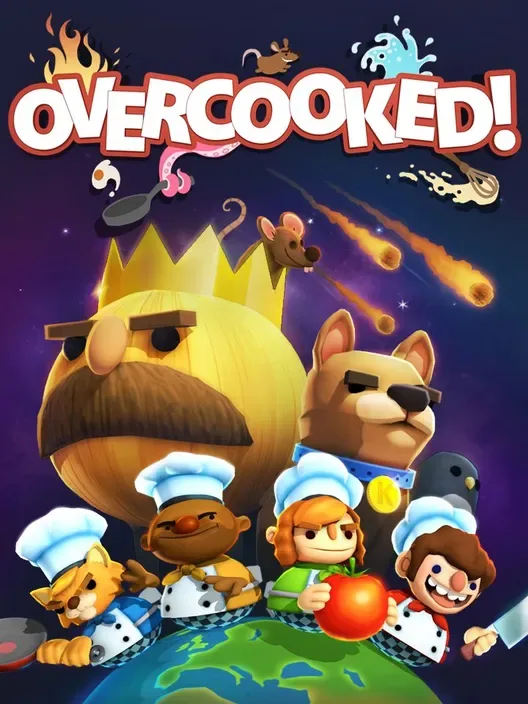
10. Overcooked! 2#
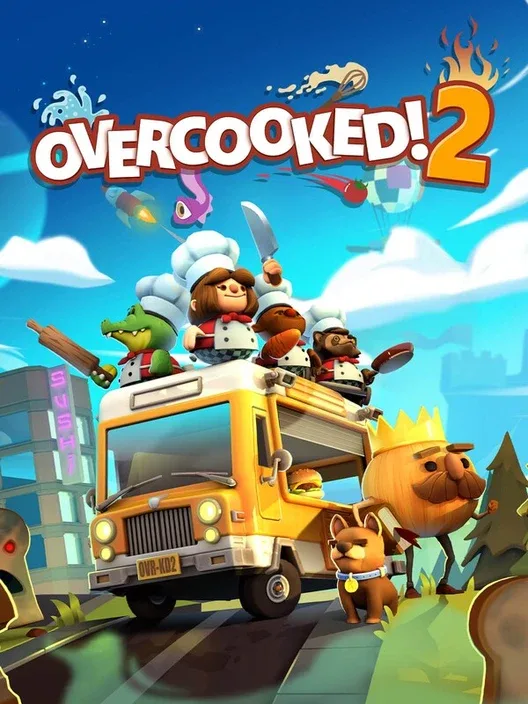
Ghost Town Games and Team17's kitchen-chaos game puts up to four players in an increasingly absurd set of restaurant layouts — moving trucks, conveyor belts, kitchens split across a chasm that require literally throwing ingredients to a partner — where every level is a short, timed test of who chops, who cooks, who plates, and who's currently sprinting across the map because the layout changed under everyone's feet. The core loop of divvying up cooking steps under time pressure is simple enough to teach in a minute and still coordinates like a real cooperative puzzle by level twenty, especially once levels start actively working against clean division of labor. The honest drawback is that the format doesn't evolve much beyond "harder layout, same tasks," and a night of it can feel repetitive stretched past a couple of hours, particularly for players who don't enjoy the genuine time pressure at its core.
11. Valheim#
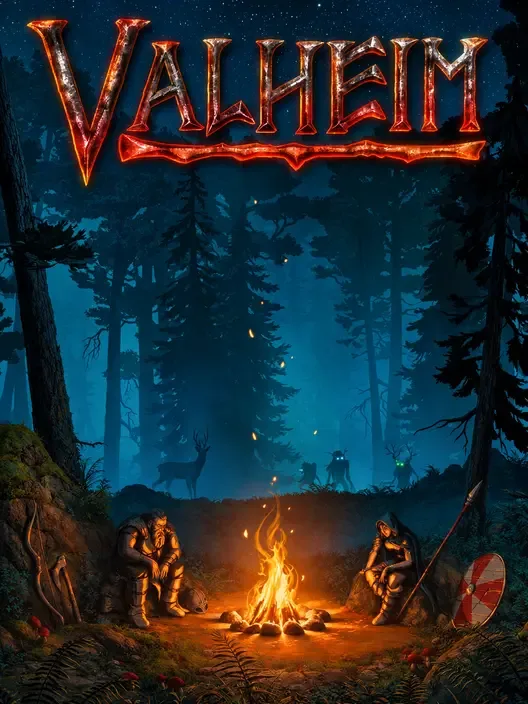
Iron Gate's Viking survival game supports up to ten players on a shared dedicated world, and its co-op case rests on how naturally a group divides itself across a long-term project — someone builds, someone forages, someone maps out the next biome — while the game's boss fights are tuned to punish a lone player who wanders in underprepared and reward a group that's actually planned the encounter with the right gear and terrain. Shared bases growing organically over dozens of hours, with rooms and additions from different players layered on top of each other, gives long-running Valheim worlds a sense of collective history most survival games don't build. The honest drawback is setup friction — running a dedicated server takes more technical fiddling than a lot of players expect going in — and progression can outpace a group whose members log in unevenly, leaving some players under-geared for fights the rest of the group is ready for, which is a recurring source of friction in long-running Valheim servers specifically.
12. Factorio#
Wube Software's factory-automation game turns multiplayer into a genuine division-of-labor puzzle rather than a shared-screen novelty: one player might specialize in defending the perimeter from biters, another in optimizing a production line's throughput, another in laying track for a growing rail network, all on the same shared map with the same shared goal of an ever-more-automated factory. The 2024 Space Age expansion adds interplanetary logistics that only raise the ceiling on how much a coordinated team can divide between members. The honest drawback is that Factorio's steep learning curve is real for everyone at the table, not just newcomers, and a mismatched group — one veteran optimizing belts down to the item while three others are still learning what a splitter does — can create friction over how the shared factory should actually be built, which is a genuinely common point of tension among Factorio co-op groups, and one the game does nothing to referee for them.
13. Sea of Thieves#
Rare's pirate sailing game assigns a crew of up to four players actual, distinct jobs the moment a ship leaves port — someone on the wheel, someone reading the map and calling headings, someone managing sails, someone below deck bailing water or manning a cannon — and a ship crewed by people who've never communicated sails in visibly worse shape than one working as a unit. Loot runs, buried treasure, and the escalating Tall Tale questlines all assume that division of labor rather than one player doing everything alone. The honest drawback is that Sea of Thieves layers PvP danger over its cooperative core — other crews can and will attack, board, and sink a ship at almost any point — which means a relaxed co-op session with friends can turn hostile without warning, and that unpredictability is either the game's best feature or its most common complaint depending on what a crew signed up for that evening.
14. Monster Hunter Wilds#
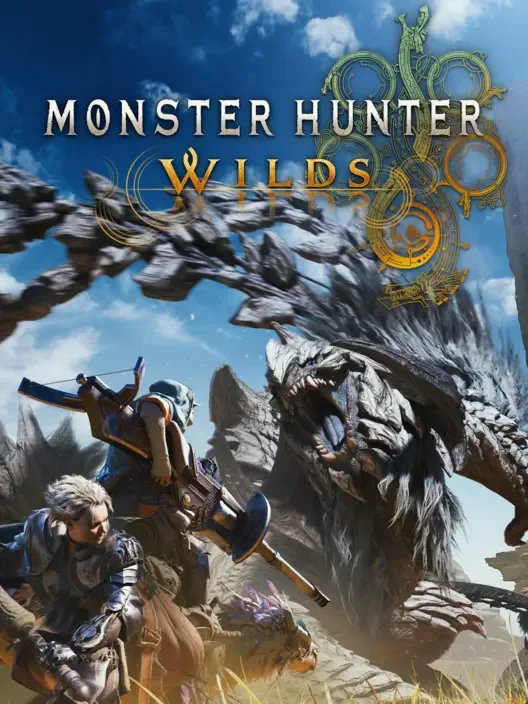
Capcom's 2025 entry lets hunters call in help mid-hunt with an SOS flare or join a squad from the outset, and across its more than a dozen weapon types, a coordinated group covering different roles — one player's Lance holding a monster's attention, another's Bow whittling from range, another's Hunting Horn buffing the whole party — turns a fight that would grind on solo into something considerably faster and more dynamic. The open, seamlessly connected regions mean a group can split up to track different monsters before converging on the same hunt, which single-player-focused monster games rarely allow. The honest drawback is that the game front-loads a chunk of story solo before online hunting fully opens up, and long hunts against the toughest monsters still ask for a real time commitment from every player in the party, not a quick fifteen-minute session.
15. Payday 2#
Overkill Software's heist shooter, still actively played more than a decade after release, gives a four-player crew genuinely different jobs on a job — someone drilling a vault, someone hacking a server, someone holding a chokepoint against the police response, someone keeping hostages calm to buy time — and lets a crew choose between a quiet stealth approach or an all-out loud one, which changes what "cooperation" even means from heist to heist. The escalating police assault the longer an alarm stays tripped rewards a crew that's actually coordinating roles over one that's just four people shooting in the same direction. The honest drawback is age: the engine and heist mechanics show their years next to shooters built since, the game's long history of paid mask and weapon DLC is a real friction point for new players trying to figure out what's actually worth buying, and matchmaking for its older heists has thinned out considerably by 2026.
16. A Way Out#
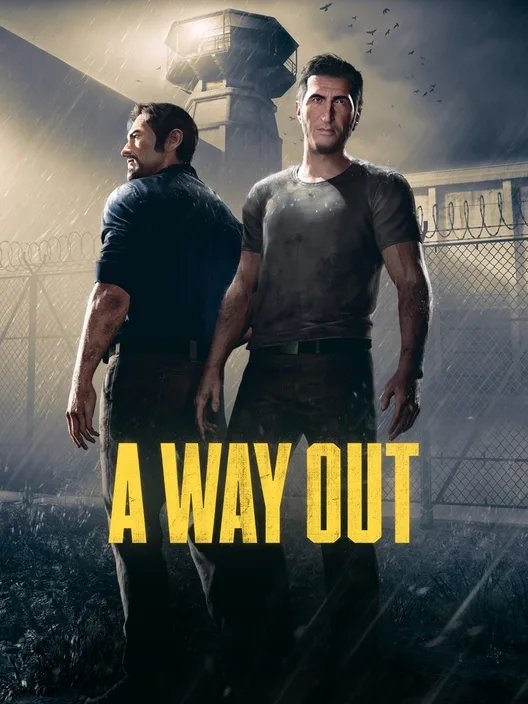
Hazelight's first co-op-only game, the one that established the studio's entire "no solo mode" house style before It Takes Two and Split Fiction, is built entirely around Leo and Vincent's prison break and the fallout after it, told in permanent split-screen where both players' halves of the story are always visible even when the two characters are doing completely different things in completely different places. The constant stream of small physical minigames — lockpicking, a rowboat, a baby's diaper change — keeps two players actively doing something together rather than watching one player drive a cutscene. The honest drawback is length: at six or seven hours it's the shortest game on this list by a wide margin, its story is far more linear than its two successors, and it still requires the same Friend's Pass arrangement or two copies to actually play with someone.
17. Human: Fall Flat#
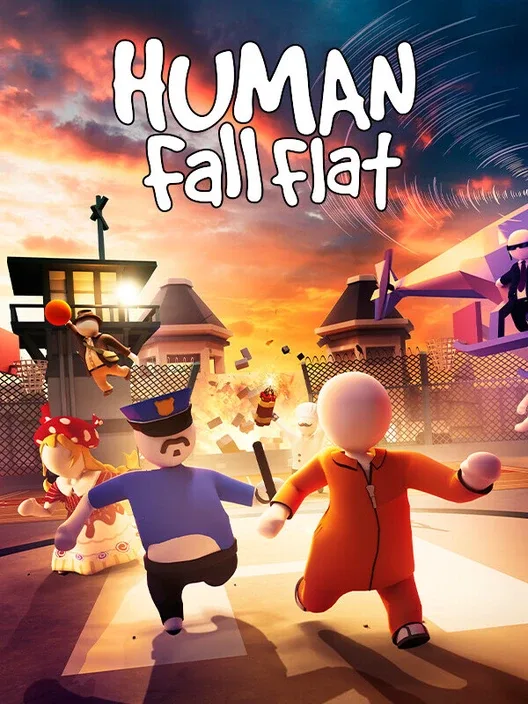
No Brakes Games' physics-comedy platformer supports up to eight players stumbling through Steam Workshop and official levels as floppy, deliberately uncoordinated ragdoll characters, and its co-op case rests entirely on shared chaos rather than tight puzzle design — a rope bridge, a see-saw, a grappling hook puzzle all become funnier and harder in roughly equal measure with more bodies involved. The lack of any real narrative stakes means a session can be picked up and dropped with a group at any time without losing a story thread. The honest drawback is that the appeal is fairly narrow and depends entirely on finding ragdoll physics genuinely funny rather than frustrating — for a group that isn't laughing at the flailing, the loose controls read as jank rather than comedy, and puzzle variety across levels repeats more than it innovates, leaning on new environments rather than genuinely new physics tricks to keep things feeling fresh.
18. Terraria#
Re-Logic's 2D sandbox supports co-op worlds with a handful of players by default and considerably more on a dedicated server, and unlike some sandbox games, its boss fights are genuinely built around a shared world's progression — summoning items call bosses that scale with how many players are present, and a coordinated arena build (platforms, buff stations, escape routes) matters as much as raw gear. A long-running world with one player mining, another building, another fighting bosses for progression items develops a genuine sense of shared history across dozens of hours. The honest drawback is that Terraria's progression is dense enough to lean on a wiki even solo, and in a group it's common for players to progress at different paces — someone deep into late-game gear while a newer player is still finding their first sword — which the game doesn't do much to smooth over.
19. Borderlands 3#
Gearbox's looter shooter supports four-player online or split-screen co-op across its four Vault Hunter classes, each with a genuinely different skill tree and signature action ability, and loot scales per player so nobody's forced to fight over the same gun drop. Its central loop — shoot, loot, compare who found the better gun — is built to be funnier and more chaotic with a full squad than solo, and boss fights scale to punish a lone player who wanders in underleveled while rewarding four people covering different parts of an arena. The honest drawback is that the writing's exhaustive, joke-a-minute tone is genuinely divisive, split-screen visibly shrinks and clutters the screen on a smaller TV with four players, and the endgame loop of grinding for marginally better gear repeats far past the point most players stop finding it fresh.
20. Phasmophobia#
Kinetic Games' ghost-hunting horror puts up to four players inside a haunted location armed with tools — EMF readers, spirit boxes, UV light — that need to be cross-referenced to identify which of several ghost types is actually haunting the place, and the game's real-voice-recognition mechanic means a ghost can hear and react to what players actually say out loud, which turns ordinary voice chat into part of the horror itself. Splitting up to cover more ground faster is tempting and often necessary, and is also exactly how the game punishes a careless group, since most of Phasmophobia's scariest moments happen to whoever's isolated from the rest of the team. The honest drawback is that it plays noticeably better with live voice chat than with text, still carries some rough edges years after its early-access debut, and its pool of locations, while expanded since launch, repeats often enough for veteran groups to start memorizing layouts rather than genuinely investigating each one fresh.
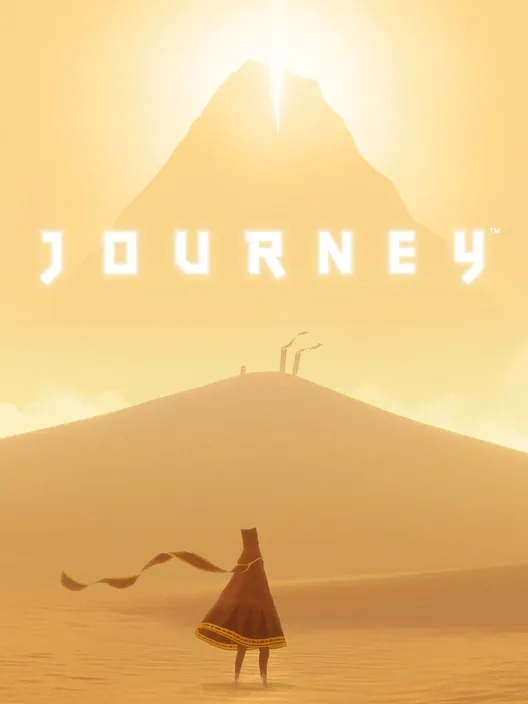
21. Journey#
Thatgamecompany's short adventure remains one of the most unusual entries on any best co-op games list: it pairs two strangers online with no voice chat, no text chat, and no player names, leaving only a musical chime players can use to communicate, and yet the game's entire emotional arc — crossing a desert, climbing a mountain, weathering a storm together — depends on whether that stripped-down connection with another anonymous player actually lands. There's no coordinating strategy or dividing tasks here, only a shared physical journey between two people who may never interact again after the credits. The honest drawback is that it's genuinely brief, around two hours, the partner matched at any given moment is entirely out of a player's control and can disconnect without warning, and there is essentially no mechanical depth beyond movement and that one chime.
22. Super Mario Bros. Wonder#
Nintendo's 2023 side-scroller supports up to four players locally on the same screen at once, and its Wonder Flower gimmick — a level-specific transformation that can turn every enemy into coins, flip the whole stage sideways, or turn the cast into giant, screen-filling elephants — turns co-op sessions genuinely chaotic in a way earlier Mario platformers, whose two-player modes were largely one active player and one assist character, never attempted. A player who falls behind or dies can turn into a floating bubble a teammate pops to bring them back in, which keeps four uneven skill levels from stalling the whole run. The honest drawback is that it's local-only with no online co-op option, and four players sharing one screen during a Wonder Flower's chaos can genuinely be too much information for any of them to track cleanly.
23. Donkey Kong Bananza#
Nintendo's 2025 entry supports two-player co-op through its GameShare feature, letting a second player join as Pauline — controlling her separately from Donkey Kong, using the Joy-Con 2's microphone for vocal blasts that shape and destroy the game's fully destructible terrain — either locally or online, and notably only one player needs to actually own the game for GameShare to work. Because nearly every surface in the world can be smashed, tunneled through, or reshaped, a second player actively carving new paths changes how the other explores in a way most 3D platformers with a secondary assist character don't attempt. The honest drawback is that Pauline's toolkit, while genuinely useful, is clearly built as a companion role rather than an equal half of the design, and the campaign itself is still built first as a single-player adventure with co-op layered on top rather than designed in from the start.
24. Tetris Effect: Connected#
Resonair and Monstars' art-house Tetris variant adds a dedicated "Connected" mode where up to three players literally merge their playfields into one shared board to take down a series of escalating CPU-controlled bosses, which is a genuinely different game from the classic competitive Tetris most players already know — coordinating who clears which lines and when becomes cooperative strategy rather than solo pattern recognition. A separate Connected Vs. mode lets a human stand in for the AI boss during scheduled weekend events, giving the format some competitive range without diluting the co-op mode's own identity. The honest drawback is that Connected is one mode inside a much larger package built primarily around solo and competitive Tetris, and getting three players' pieces to sync into a coherent shared board takes real practice before it clicks as genuine teamwork rather than three people getting in each other's way.
25. Figment 2: Creed Valley#
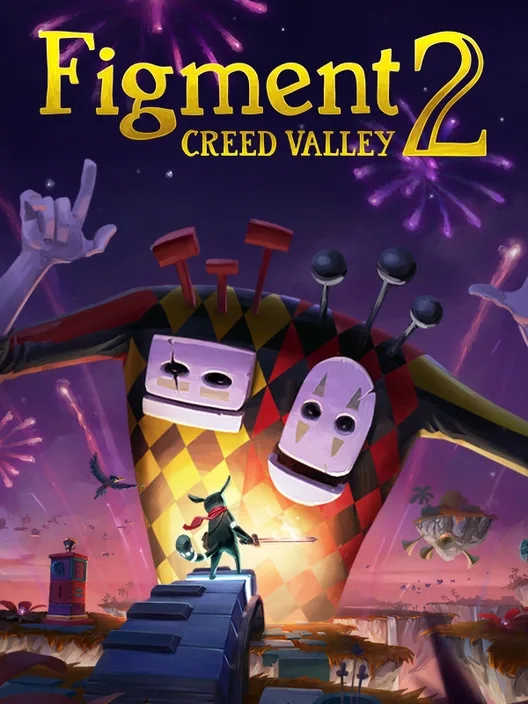
Bedtime Digital Games' surreal adventure supports local two-player co-op, sharing one screen, where the second player controls Piper, a companion bird who can solve environmental puzzles, distract enemies, and support the lead character through the game's musical boss fights, rather than simply mirroring what the first player does. The whimsical mindscape setting, filled with anthropomorphic fears and manifestations of anxiety, gives the co-op puzzles a tone distinct from most action-adventure games on this list. The honest drawback is that there's no split-screen and no true online co-op — a workaround through Steam's Remote Play Together exists, but isn't the same as native support — and Piper's role, while genuinely useful, is more supportive sidekick than an equal creative partner, which some pairs will notice more than others depending on who's playing which half.
26. Vampire Survivors#
Poncle's horde-survival roguelite added couch co-op for up to four players and later online co-op as well, letting a shared screen fill with the same auto-attacking chaos the solo game is known for, just multiplied — more players means more enemies on screen at once, and more overlapping upgrade choices to track as everyone levels up mid-run. Splitting up slightly to cover more of the map while staying close enough to benefit from each other's evolved weapons becomes its own light strategic layer that solo play doesn't have. The honest drawback is that online co-op runs through invite-only lobbies with no public matchmaking, and a screen already busy with one player's swarm of homing knives and lightning bolts becomes genuinely hard to parse with three more players' effects layered on top, which is either delightful chaos or visual noise depending on the group.
27. VTOL VR#
Boundless Dynamics' VR combat flight sim supports dedicated multiplayer co-op missions for up to six players, crewing aircraft together in roles like pilot, co-pilot, and gunner across scenarios that assume real voice coordination — calling out targets, managing weapons load-outs, and flying formation the way an actual crewed sortie would require. It's a genuinely different kind of co-op from anything else on this list: no puzzle-solving or looting, just a group learning to operate complex simulated aircraft as a coordinated team. The honest drawback is real: a VR headset is a meaningful barrier to entry that most other games here don't have, multiplayer is still tagged as actively in development with the occasional rough edge, and the smaller player population makes finding a full six-person co-op lobby a genuine ask compared to more mainstream shooters.
28. ToeJam & Earl#
The 1991 Sega Genesis original is the oldest game on this list by three decades, and its two-player co-op still holds up as a genuinely clever idea: the screen splits and rejoins elastically as the two aliens wander apart or reunite while exploring procedurally generated levels of Earth, hunting down pieces of their crashed spaceship and sharing unidentified items to figure out what they actually do together. That elastic split-screen, stretching and shrinking with distance rather than staying fixed, was a real technical trick for its era and still makes wandering apart feel like a deliberate choice rather than a camera limitation. The honest drawback is age, plainly: the pace is slower, the visuals are of their era, and the humor and presentation are distinctly early-90s in a way some players will find charming and others will find simply dated next to anything else on this list.
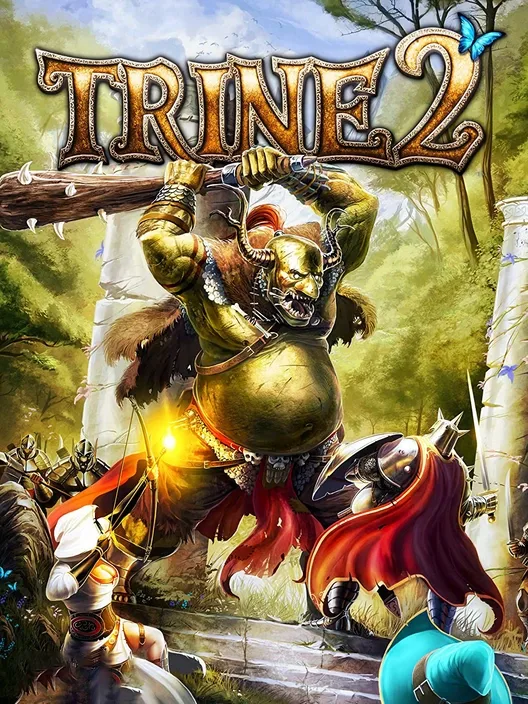
29. Trine 2#
Frozenbyte's fantasy puzzle-platformer supports up to three players controlling a wizard, a knight, and a thief simultaneously, each with a genuinely different toolkit — the wizard conjures boxes and planks, the knight blocks and smashes, the thief grapples and shoots arrows — that a level's puzzles are built to require in combination rather than let one player brute-force alone. Sharing a single screen means watching a partner's solution unfold in real time, which turns puzzle-solving into a genuinely collaborative back-and-forth rather than parallel play. The honest drawback is that the game's toolkit isn't distributed evenly across every puzzle — some sections lean so heavily on one hero's ability that the other two players have little to actually do — and the gap between its forgiving story-mode difficulty and its considerably harder unlimited-lives-off mode is large enough to feel like two different games aimed at two different kinds of groups.
30. Elden Ring#
FromSoftware's 2022 open-world action RPG, published by Bandai Namco, built its reputation as a solo-first, punishing adventure, but it carries a genuine, if secondary, co-op layer underneath that reputation: a Furlcalling Finger Remedy reveals nearby summon signs (gold for cooperative ones, red for hostile invaders), and dropping a Tarnished's Furled Finger lets a player place their own sign for someone else to find, capping a session at a host plus two Furled Fingers, or up to four total once an invader joins. A Multiplayer Password lets a specific group bypass the game's normal level and weapon-upgrade proximity restrictions to summon each other directly, which is how most friend groups actually coordinate rather than relying on random signs. The honest complication is that this was never built as a co-op-first game the way something like It Takes Two was: bosses get their health pool inflated by roughly 60% with one summoned ally and around 130% with two, plus a resistance boost, specifically to offset the extra damage output, and a session is scoped to either open-world exploration or a single boss encounter rather than both at once, so a summoned ally typically gets banished back to their own world once that fight or area ends and has to be re-summoned for whatever comes next. A Taunter's Tongue flips the dynamic entirely, inviting hostile invaders into the world in exchange for a shorter wait between summons. The honest drawback is that Elden Ring's difficulty curve, its item and stat systems, and its level design were all tuned first for a lone Tarnished, so co-op here functions as a way to borrow help through a punishing solo-designed game rather than a parallel, purpose-built cooperative campaign, and constant re-summoning between areas makes it a noticeably more fragmented experience than anything else on this list.
The ranking above blends IGDB's aggregate critic and user rating with Steam's own user review percentage, and only for games with a real sample size behind the score rather than a handful of early ratings that can swing wildly. Nothing on this list was hand-picked for inclusion or placement — the order is a direct output of that combined score, which means it shifts automatically as more people rate these games or as new releases join the catalog with enough reviews to be scored fairly. Several titles that technically carry a co-op tag in the underlying data were checked by hand and left off because the actual co-op content turned out to be a minor mode bolted onto a single-player game, not a real reason to call it one of the best co-op games. Read this as a live snapshot of the best co-op games and multiplayer co-op games worth playing right now, not a fixed verdict — check back as the data changes, because it will.