

Dark Souls II
Souls-like · Dark Fantasy · Difficult · Action RPG · RPG
Game page →
Review
FromSoftware's open-world action RPG set in the Lands Between, where you roam freely on horseback between castles, dungeons and some of the toughest bosses in the genre. The difficulty is high, but the open structure lets you explore elsewhere when you get stuck. The Shadow of the Erdtree expansion adds a large new region. Is it your kind of game?
Game Avant verdict
A vast, hostile world that rewards curiosity more than any open-world game before it, backed by the deepest combat FromSoftware has shipped.
By GameAvant · Published Sep 26, 2026 · Updated Oct 9, 2026 · 17 min read
Choose what matters to you
Every question is optional.
How do you feel about a tough game with lots of retries?
How do you want to play?
How do you like to find your way?
Based on your choices
Pick what matters to you above and the result shows up here.
IGDB
95%
2,304 ratings
Steam:
93%
832,261 reviews
Fits you if
you want challenging combat and a world that rewards curiosity.
Skip it if
you dislike dying often or want clear directions.
Availability
Steam
$59.99
Elden Ring is the game where FromSoftware took the corridor-based structure that defined Dark Souls and every subsequent Soulsborne title, removed the corridors entirely, and discovered the underlying formula got genuinely better rather than falling apart without its linear scaffolding. Released on 25 February 2022 for PlayStation 4, PlayStation 5, Xbox One, Xbox Series X|S and PC, and arriving on Nintendo Switch 2 in August 2026 as the Tarnished Edition, it stands as the studio's biggest, most generous, and most approachable game to date. It won Game of the Year at The Game Awards 2022 and has sold more than 30 million copies worldwide. None of those accolades are why it earns a 10 here, though. It earns that score because it solves a specific problem every large-scale open-world game has struggled with for roughly fifteen years: how do you make a genuinely massive map feel worth the time it costs to cross, rather than feeling like padding between the content that actually matters? FromSoftware's answer, it turns out, is to simply stop telling the player where to go. The premise fits comfortably in a single sentence. The Elden Ring itself, the fundamental source of order holding the Lands Between together, has been shattered into pieces. Demigods each hold one fragment, called a Great Rune, and the player controls a Tarnished, called back from exile specifically to collect those fragments and ultimately become Elden Lord. What FromSoftware deliberately refuses to do with that premise is turn it into a conventional quest log with clearly marked objectives chaining the player from one story beat to the next. Instead, there is only a golden trail of light called grace, which points vaguely in the general direction of the next major story-relevant boss without specifying a route, and a map that fills itself in only as the player physically discovers map fragments at scattered stone monuments across the world. Everything else, every optional dungeon, every hidden boss, every side character's entire personal story, is left entirely to the player to stumble into, deliberately seek out, or simply walk past without ever knowing it existed. That structural restraint is what makes exploration feel genuinely earned rather than simply mapped out in advance. Without a waypoint constantly confirming whether a given direction is correct, every landmark visible on the horizon becomes a real decision rather than a predetermined checkpoint, and the game's legendarily dense world design, verticality that rewards looking up and down as much as sideways, environmental storytelling that implies entire histories through ruins and item descriptions rather than cutscenes, rewards exactly that kind of undirected curiosity in a way few open-world games before or since have matched. Underneath all of that exploration sits combat that represents the deepest system FromSoftware has ever shipped, building on the stamina-and-punishment fundamentals of Dark Souls while adding genuine build diversity through Ashes of War, a wider spell and incantation system, and summonable spirit ashes that let players approach the same brutally difficult boss fight from meaningfully different angles rather than through a single correct method. The combination of a world that trusts players completely with where to go and a combat system deep enough to reward however they choose to get there is what makes Elden Ring the most complete game FromSoftware has produced, and it is difficult to imagine the open-world genre at large fully recovering from how thoroughly this specific approach outperformed the waypoint-driven alternative almost everyone else was still building toward.
You may love it because
The map only tells you where you have been, so every ruin and cave is a genuine find.
It may frustrate you because
Without a hint you can spend hours in Caelid at level 20 and assume the game is broken rather than that you took a wrong turn.
You may love it because
Margit, Morgott and Maliketh have readable patterns that turn a wall into a puzzle you solve.
It may frustrate you because
Malenia's Waterfowl Dance and the DLC's final fight cross into memorisation territory and can eat a whole evening.
You may love it because
Piecing together Marika, Radagon and the Shattering from item text and NPC hints feels like discovering something real.
It may frustrate you because
If you skip the descriptions you will finish 80 hours later without a clear idea of what happened or why.
17 min read
· By Game Avant
Guide
The best Elden Ring weapons for Strength, Dexterity, Intelligence, Faith and Arcane, ranked with stats, scaling and exact locations, plus affinities, Ashes of War, the upgrade path and the Shadow of the Erdtree picks that matter.
Read the guide
Guide
How levels and rune costs scale in Elden Ring, what every attribute really does, sensible level targets for each region and boss, and the fastest rune farms from Limgrave to Shadow of the Erdtree.
Read the guide
Guide
The complete starting guide to Elden Ring: which class to pick, a step-by-step route through Limgrave, how combat really works, how to beat Margit and Godrick, and when Shadow of the Erdtree makes sense.
Read the guide
Three alternatives, one line each on why.
Souls-like · Dark Fantasy · Difficult · Action RPG · RPG
Game page →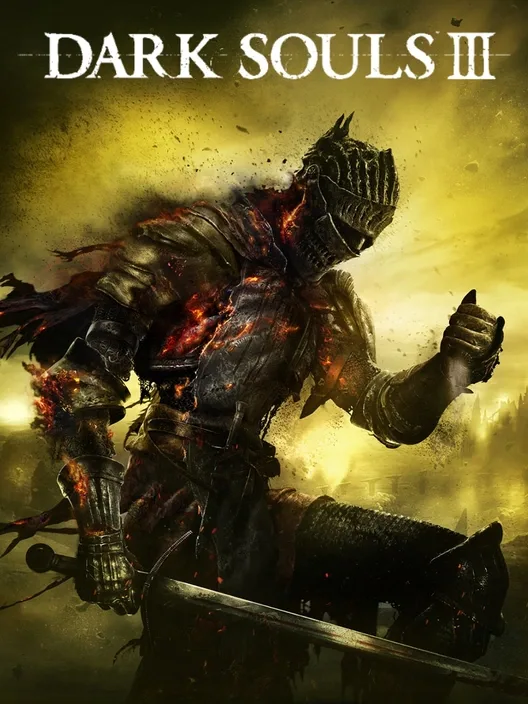
Souls-like · Dark Fantasy · Difficult · Action RPG · RPG
Game page →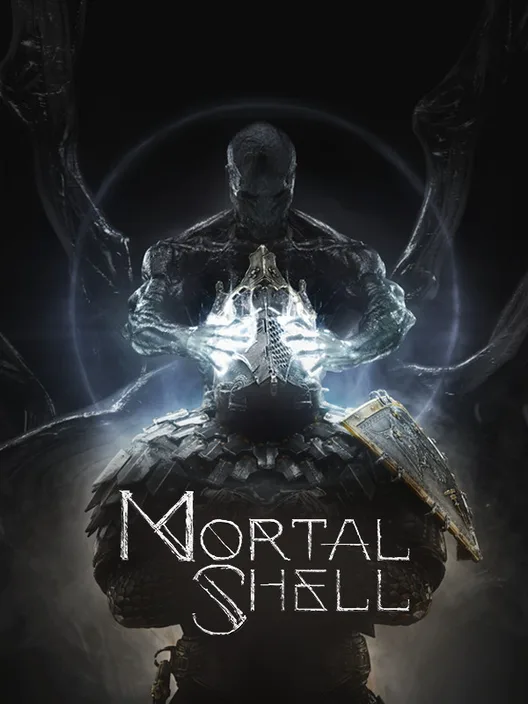
Souls-like · Dark Fantasy · Difficult · Action RPG · Open world
Game page →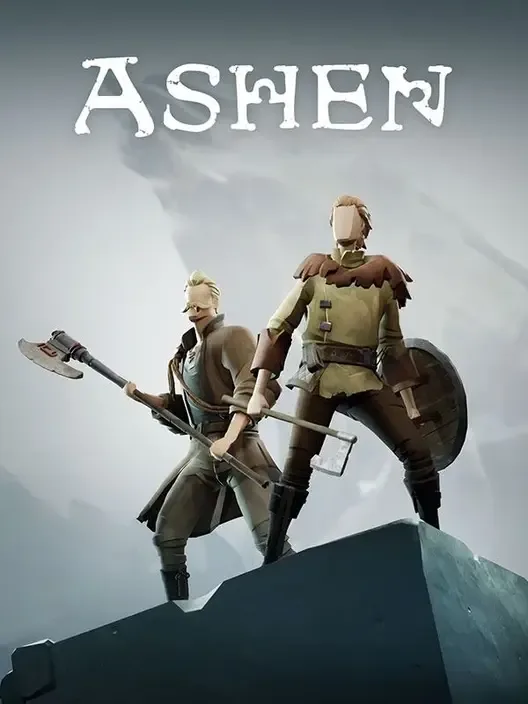
Souls-like · Dark Fantasy · Action RPG · Open World · Online Co-Op
Game page →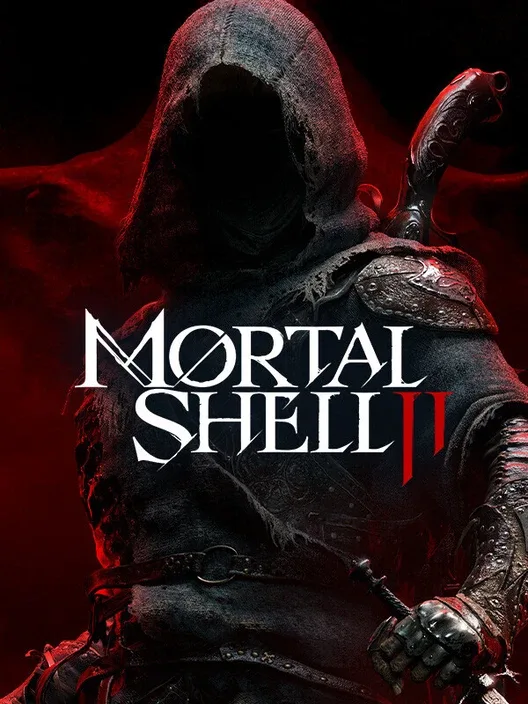
Souls-like · Dark Fantasy · Action RPG · Difficult · Open World
Game page →
Souls-like · Dark Fantasy · Action RPG · Difficult · Open World
Game page →Play it together
Online
Up to 3 players
Crossplay
none