 Helldivers 2
 Warframe
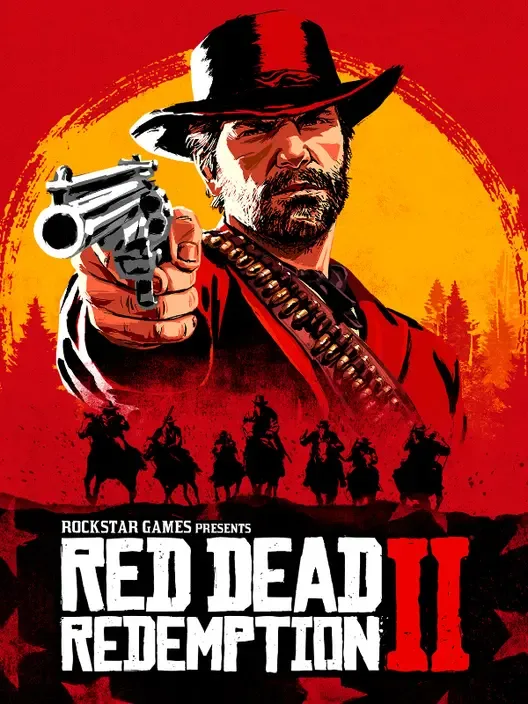 Red Dead Redemption 2
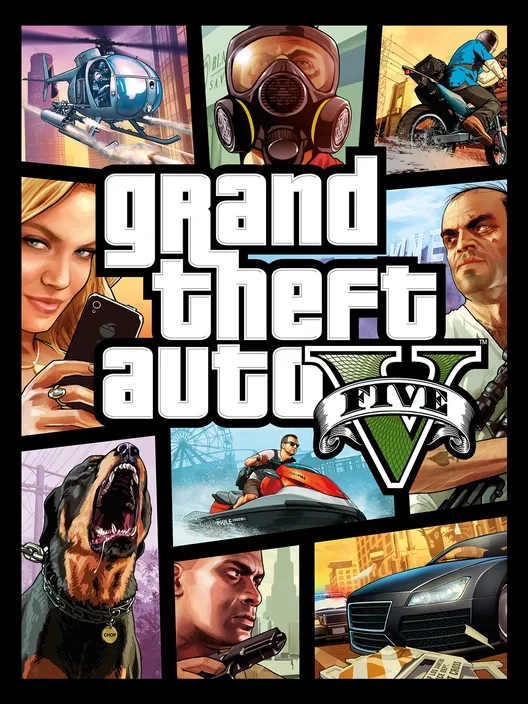 Grand Theft Auto V
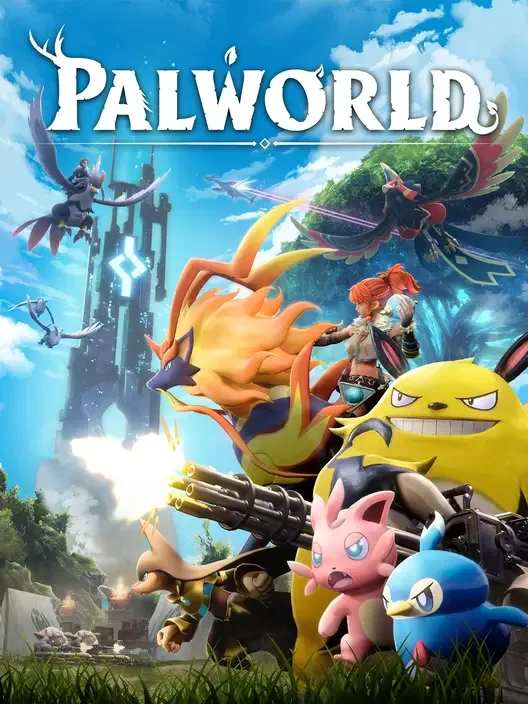 Palworld
"Third-person" on this page means shooters built around watching a character model move through the world rather than looking down the barrel yourself — an over-the-shoulder or fully external camera that keeps the protagonist's own body, cover positioning, and melee range visible on screen at all times. That distinction matters because it changes what the gunplay is actually testing: a first-person shooter lives or dies on reflexive aim and peripheral awareness, while a third-person shooter can build entire systems around silhouette-reading, cover-to-cover movement, and the specific spatial trade-off of seeing more of the battlefield around your own character at the cost of a slightly less precise sightline down the weapon itself. That's also what separates this page from the site's looter-shooter and battle-royale subgenres, both of which include plenty of third-person games in their own right — the split here is about camera and combat feel specifically, not about loot structure or match format, so a game like Warframe or Helldivers 2 can legitimately belong on more than one of these pages at once.
The order below blends Game Avant's combined critic-and-player rating data with an editorial pass for breadth, curated rather than a pure percentage sort, mixing games that define third-person shooting at a mainstream scale with smaller titles that earn their spot on the strength of what they actually do with the camera and the gun. Read the write-ups below for what each of these best third-person shooters actually does and where it falls short.
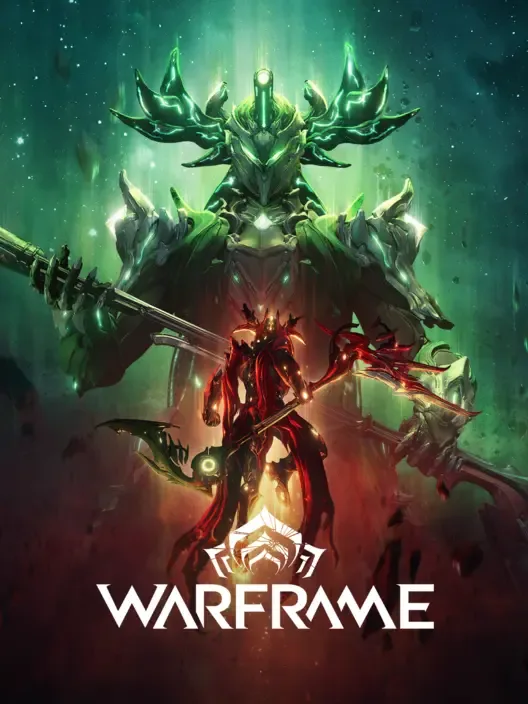
1. Warframe#
Digital Extremes' free-to-play shooter, launched in 2013 out of assets originally built for the studio's earlier game Dark Sector, casts players as ancient Tenno warriors piloting powered exosuits called Warframes, each with a distinct set of four abilities ranging from crowd-control powers to full damage-dealing ultimates, all viewed from a fixed third-person camera that keeps the Warframe's own silhouette and momentum central to every fight. The movement system is the game's real standout: bullet jumping, wall-running, and momentum-chaining slides let a skilled player traverse a level almost entirely off the ground, and that parkour layer, refined over more than a decade of updates, gives Warframe a physical fluidity few other third-person shooters attempt, let alone sustain this long. Melee combat, reworked several times across the game's lifespan, is deep enough to fully replace gunplay for some builds, with combo systems and stance-based movesets attached to individual weapon types. The sheer size of the Warframe roster, each one built around a specific power fantasy from a fire-based caster to a stealth-focused assassin, gives the game long-term build variety that rivals dedicated looter-shooters despite its free-to-play origins. The honest drawback: the game's grind-heavy progression and famously convoluted new-player experience, built up over more than a decade of layered systems, remains a real barrier that Digital Extremes has repeatedly tried and only partly succeeded in smoothing out.
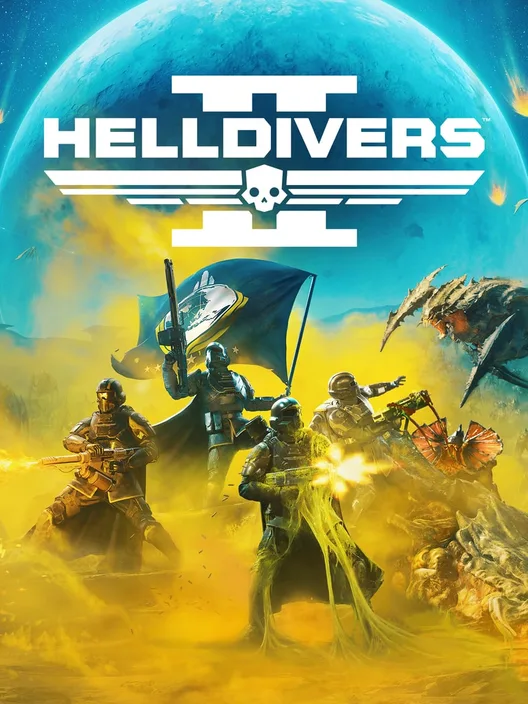
2. Helldivers 2#
Arrowhead Game Studios' 2024 sequel switched the original top-down twin-stick game to a full third-person perspective and, in doing so, turned its trademark "stratagems" system into the whole point of the game: calling in orbital strikes, turrets, or resupply drops requires typing a specific directional code on the fly mid-firefight, and fumbling that input under pressure is as common a cause of death as the bugs or robots actually attacking. Permanent friendly fire, carried over from the original Helldivers and left fully active by design, means a poorly aimed airstrike or an errant teammate's shotgun blast can kill a squadmate just as easily as an enemy can, forcing genuine communication in a way most co-op shooters soften for accessibility. The satirical, propaganda-poster tone of "Super Earth" and its endless managed-democracy war frames every mission with a dark comedy most military shooters don't attempt. Terminid bug swarms and Automaton robot forces each demand different loadouts and stratagem choices, giving the four-player squad genuine reasons to plan before dropping in rather than bringing one universal build. The honest drawback: server capacity and matchmaking stability were a serious, well-documented problem at launch given the game's surprise popularity, and balance patches to weapons and stratagems have swung hard enough at times to make a previously viable loadout suddenly feel underpowered overnight.
3. Resident Evil 4 (2023)#
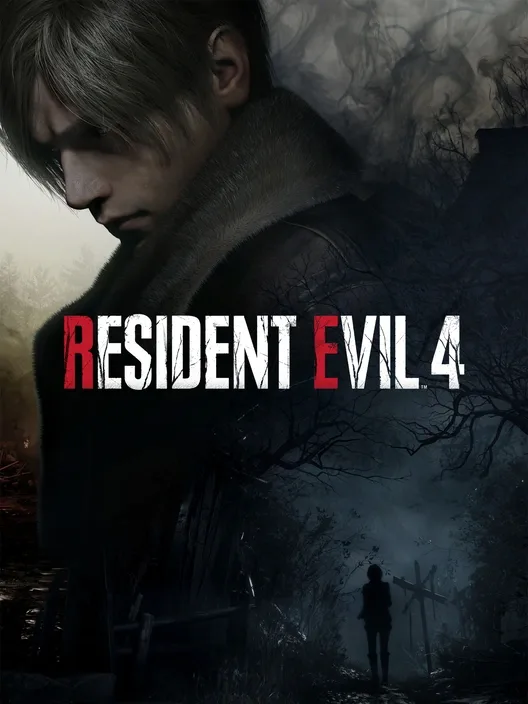
Capcom's remake of its own 2005 landmark keeps the parasite-driven Ganado village intact while rebuilding nearly every system underneath it, and its over-the-shoulder camera — locked tight behind Leon Kennedy's shoulder rather than a freer third-person view — is the core reason it belongs on this list at all: the knife now has limited durability and a genuinely useful parry that turns Leon's melee options into an active defensive tool rather than a last resort. Dr. Salvador, the chainsaw-wielding villager whose instant-kill grab defined the original's tension, returns with sharper AI positioning that makes his ambushes feel calculated rather than scripted. Ashley Graham's escort sections, widely mocked in the original for fragile AI, were rebuilt so she actively hides and calls out threats instead of standing in gunfire, removing the series' most notorious annoyance without softening the difficulty. The village, castle, and island acts each still shift tone distinctly, from claustrophobic siege to gothic puzzle-box to more conventional action, and the added Merchant-run weapon customization tree gives long-term build variety the 2005 original's simpler upgrade system didn't have. The honest drawback: the late-game shift toward action-heavy set pieces is a real step down in horror intensity from the village's opening hour, a criticism the original also drew, even as the shooting itself stays sharp throughout.
4. Risk of Rain 2#
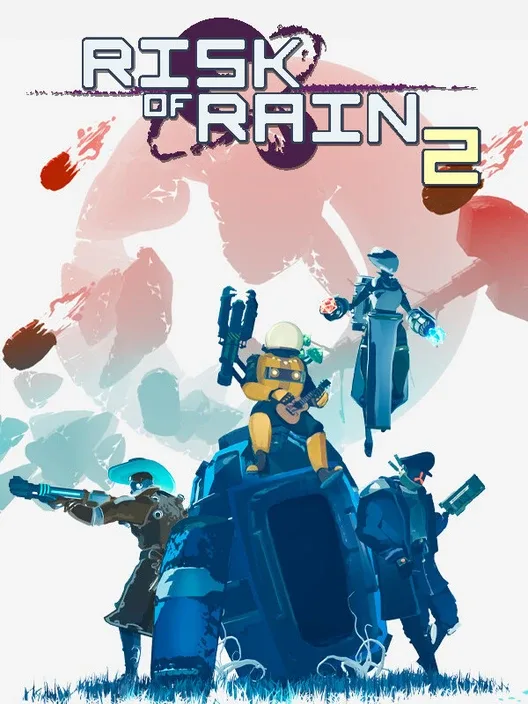
Hopoo Games' 2020 sequel moved its predecessor's 2D side-scrolling roguelike into a full 3D third-person arena shooter without losing the original's escalating-difficulty structure, where a hidden timer continuously buffs every enemy on the map the longer a run drags on, actively punishing players who want to explore slowly and fully loot each stage. Item stacking, letting dozens of passive pickups combine on a single character until a build's visual effects genuinely obscure the screen, turns each run into a specific kind of build-optimization puzzle where synergies between items matter more than any single pickup's individual power. The roster of playable Survivors, from the mobility-focused Huntress to the risk-reward Loader, each demand a different relationship with the third-person camera itself, since some builds reward aggressive melee positioning while others are built entirely around kiting at range. The Artifact system, unlocked through in-world puzzles rather than menus, lets players toggle specific run-modifying rules, like forcing every item drop to be a guaranteed choice between three options instead of random. The honest drawback: the procedural stage generation and item-drop randomness mean a single run's outcome can hinge heavily on early luck, and the escalating difficulty curve is deliberately punishing enough that shorter, more casual sessions are a genuinely awkward fit for the format.
5. Marvel Rivals#
NetEase Games' third-person hero shooter, released in December 2024 in close collaboration with Marvel Games, put more than thirty licensed Marvel heroes and villains into six-versus-six team fights built around destructible environments that can be reshaped mid-match by specific character abilities rather than staying static, with the third-person camera specifically chosen to keep each hero's oversized powers and silhouette readable in a crowded fight. Team-Up abilities, letting specific pairs or trios of characters combine their kits into a unique joint attack when both are on the same team, give roster composition a strategic layer beyond simply picking six strong individual heroes. The roster's power fantasy leans directly on established Marvel identities — the Hulk's ability to grow stronger the longer a fight goes on, or Doctor Strange's portals repositioning teammates across the map — in a way licensed shooters rarely commit to this fully. Destructible terrain, used as both an offensive tool and a way to open new sightlines mid-fight, gives maps a more dynamic shape over the course of a match than most hero shooters attempt. The honest drawback: as a game barely a year old at the time of writing, balance between its rapidly growing hero roster is still visibly a work in progress, with individual characters swinging between clearly overtuned and underused across patches.
6. ARC Raiders#
Embark Studios' third-person extraction shooter, built by former Battlefield developers on Unreal Engine 5 and released in October 2025, drops solo players or teams of two or three onto a lethal, ruined future Earth to scavenge gear and fight off ARC, a mysterious mechanized threat, before extracting with whatever loot survived the raid. The third-person camera is a deliberate design choice for an extraction format specifically, since it lets a player read cover, check corners, and manage a squad's positioning across the sightlines that matter most when every death costs a full inventory of gear rather than just a life. Crafting and gear progression, built around scavenged materials brought back from successful extractions, tie the shooting directly into a long-term resource loop rather than treating loot as a pure cosmetic reward. ARC enemy types range from small scavenging drones to large, heavily armored machines, each demanding a genuinely different approach from the same scavenged arsenal. The honest drawback: as a newly released extraction shooter, its long-term content cadence and balance between PvE machine threats and PvP player encounters are still being actively tuned in response to a surprisingly large early player base.
7. Warhammer 40,000: Space Marine II#
Saber Interactive's 2024 sequel, developed by the studio's Saber St. Petersburg team and published by Focus Entertainment, puts players in the armor of a Primaris Space Marine cutting through Tyranid swarms with a signature Swarm Engine that renders hundreds of enemies on screen simultaneously without collapsing into a slideshow. Rather than recovering health by hunkering down in cover, players execute staggered enemies in gory melee finishers to refill their own health bar directly, a loop lifted deliberately from DOOM Eternal's aggression-rewarding design and translated into a fully third-person, chainsword-and-bolter power fantasy. Seven playable classes, each carrying up to twenty-five unlockable perks plus per-weapon perks and cosmetic armor customization, give the co-op Operations mode genuine build variety across repeated missions. The campaign alternates between dense Tyranid hordes and small, precise fights against the faster, more tactical Thousand Sons chaos forces, forcing a real shift in approach between enemy factions. The honest drawback: the campaign's roughly eight-to-ten-hour length is short relative to its production values, and the game leans heavily on its Warhammer 40,000 setting's existing fanbase for its emotional hooks in a way newcomers to the license may not fully connect with.
8. Tomb Raider (2013)#
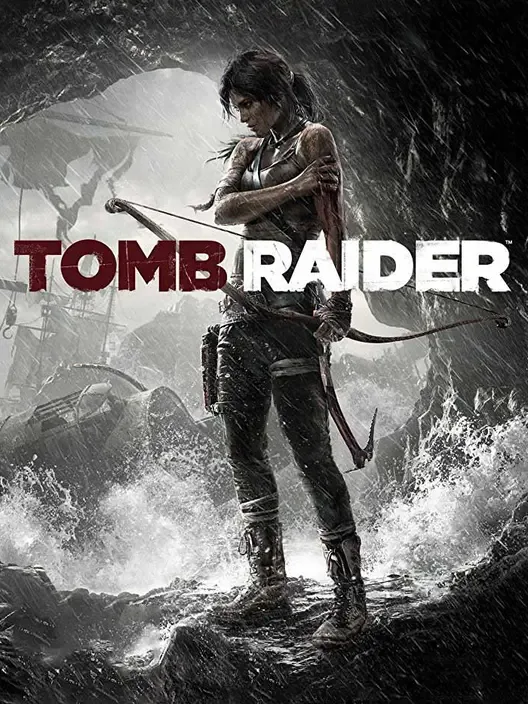
Crystal Dynamics' 2013 reboot recast Lara Croft as a young, inexperienced survivor shipwrecked on a hostile island, replacing the series' old puzzle-box tomb-raiding identity with a scavenging, over-the-shoulder combat and traversal loop built specifically to make every early gunfight feel like genuine desperation rather than practiced heroics. The climbing axe, introduced here as both a traversal tool and a melee weapon, lets Lara scale cliff faces and finish off enemies with the same piece of equipment, tying exploration and combat together more tightly than the series had before. A skill-tree and weapon-upgrade system, fed by scavenged salvage found across the island, lets players specialize toward stealth takedowns, sustained firefights, or a hybrid of both well before the story pushes Lara into full action-hero territory. Optional tombs, smaller and more self-contained than the series' old full-length dungeons, preserve a piece of the classic puzzle-solving identity without disrupting the main survival-shooter pacing. The honest drawback: the narrative's early insistence on Lara's vulnerability sits at odds with how quickly and fluently she's mechanically dispatching armed men by the campaign's midpoint, a tonal mismatch the game never fully resolves.
9. Mass Effect 2#
BioWare's 2010 sequel refined the original trilogy's cover-and-powers combat into a tighter, more responsive shooter while keeping Commander Shepard's squad-based, class-driven structure intact, with each of the game's recruitable squadmates — Mordin, Garrus, Miranda, and others — built around a mission specifically designed to introduce their personality and combat role before they join the permanent roster. The suicide-mission finale ties nearly every prior decision, from upgrades researched to loyalty missions completed, into a genuinely variable outcome where beloved squadmates can permanently die based on choices made hours earlier, a structural gamble few sequels attempt at this scale. Biotic and tech powers, streamlined from the original's more cumbersome menu-heavy system, now flow directly into gunfights with shorter cooldowns and clearer visual feedback, making the class-based power fantasy feel far more immediate. Loyalty missions, one per squadmate and tied directly to that character's personal arc, gave the game's episodic mission structure real emotional stakes beyond the main plot. The honest drawback: the heavy emphasis on loyalty-mission completionism as a prerequisite for a good outcome means players unaware of the systems going in can lose major characters permanently without ever understanding why.
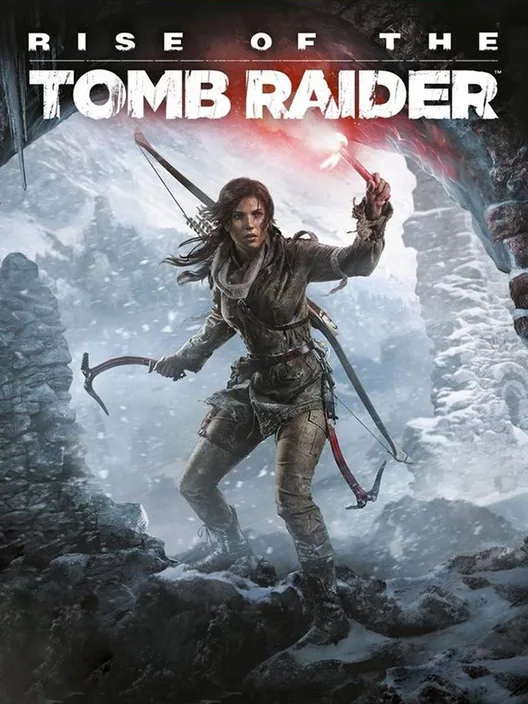
10. Rise of the Tomb Raider#
Crystal Dynamics' 2015 sequel expands the 2013 reboot's survival-shooter foundation with larger, more open regions built around optional Challenge Tombs, self-contained puzzle vignettes that reward exploration without derailing the main story's more linear, combat-focused pacing. The crafting system deepens considerably, letting Lara build specialty arrows, poison-gas grenades, and armor upgrades from resources gathered across Siberia's ruins, giving preparation between fights as much weight as the fights themselves. Stealth got a genuine overhaul from the previous game, with foliage, mud camouflage, and a proper takedown system that lets a full encounter be cleared without triggering open combat if a player commits to the slower approach. The Remnant faction's search for a mythical divine source ties the campaign's central mystery to Lara's late father's own research, giving the story a more personal throughline than the first reboot's survival-first framing. The honest drawback: the game's combat encounters, while mechanically improved, still lean on familiar cover-shooting beats the series had already established, and its exclusivity window on one platform at launch limited how many players experienced it alongside its immediate predecessor.
11. Mass Effect#
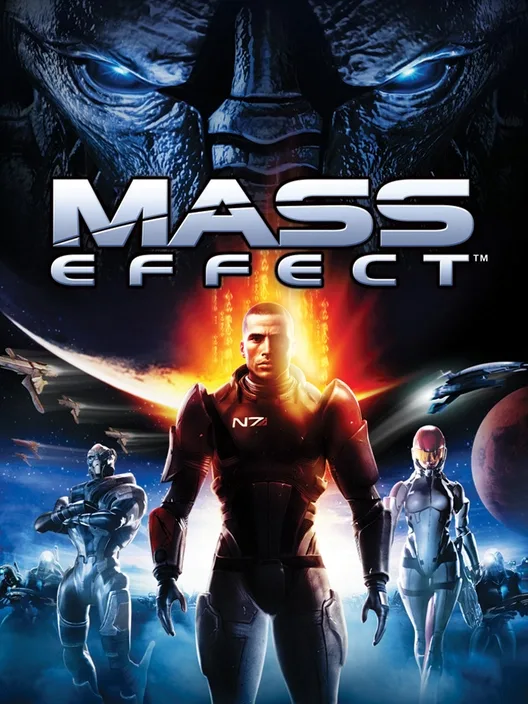
BioWare's 2007 original established the trilogy's core action-RPG loop around Commander Shepard's squad of two AI or co-op-controlled companions, with a cover-and-powers combat system that pairs directly with class choice — a Soldier leans on raw weapon damage and unlimited ammo capacity, while an Adept's biotic powers like Throw and Singularity can chain enemies into the air for follow-up damage. The Paragon and Renegade dialogue system ties morality directly into a persistent reputation meter, unlocking exclusive dialogue options and, eventually, entire mission outcomes once enough points accumulate on either side. Weapon and armor modding lets a build specialize toward a specific damage type or utility stat, though the original game's clunkier inventory system, later streamlined in its sequels, makes that customization more of a chore than a joy here. The Mako, a drivable exploration vehicle used to traverse the surface of numerous side-mission planets, gave the game a scale its sequels later scaled back in favor of tighter, more curated content. The honest drawback: the combat, while foundational for the series, feels notably rougher and more static than what BioWare refined in Mass Effect 2, and several planetary side missions reuse the same handful of building layouts repeatedly.
12. Gears of War#
Epic Games' 2006 original defined the modern cover-shooter template that nearly every third-person military shooter since has borrowed from in some form: the "roadie run" sprint between chest-high cover pieces, an active-reload mini-game that rewards precisely timed button presses with a temporary damage boost, and the Lancer rifle's built-in chainsaw bayonet, which turns a close-range kill into a deliberately brutal melee finisher rather than another gunshot. The Locust Horde's emergence from underground tunnels gave the campaign's siege-warfare setting a specific visual and tactical identity distinct from the human-versus-human military shooters that dominated the era. Squad commands, letting Marcus Fenix direct his COG squadmates to specific cover positions or focus fire, added a light tactical layer on top of the otherwise fast, aggressive gunfights. Co-op play, supported through the entire campaign from the very first mission, was unusually complete for its era rather than bolted on as an afterthought. The honest drawback: the cover system's rigid, chest-high-wall-to-chest-high-wall structure, groundbreaking in 2006, reads as noticeably more restrictive today than the more flexible movement options later cover shooters, including its own sequels, eventually introduced.
13. Vanquish#
PlatinumGames' 2010 sci-fi shooter, directed by Resident Evil creator Shinji Mikami, took the cover-shooter template Gears of War had just established and deliberately blew it apart with the ARS exosuit's boost mode, a rocket-slide that lets protagonist Sam Gideon rocket across the battlefield low to the ground at high speed, turning cover into a brief waypoint between slides rather than a place to sit and trade fire. Bullet time, triggered automatically when a killing blow would otherwise land or manually through the boost gauge, lets players thread precise headshots through chaos that would be unreadable at normal speed, tying the game's signature slow-motion directly to its aggressive forward momentum rather than a defensive panic button. The boost gauge itself doubles as a resource that overheats with overuse, risking a temporary immobilization if drained completely, forcing a real risk calculation around how long to stay in motion versus ducking behind a hard cover point to let it recharge. Boss fights, built around large mechanized enemies with multiple destructible weak points, demand the same slide-and-shoot rhythm the regular combat teaches throughout an unusually short, tightly paced campaign. The honest drawback: that campaign length, often cited as one of the shortest in the genre at a handful of hours, left many players wanting more just as the game's systems were clicking into place.
14. Days Gone#
Bend Studio's 2019 open-world survival shooter puts former outlaw biker Deacon St. John through a post-collapse Pacific Northwest overrun by Freakers, a fast, hive-minded infected variant whose massive migrating hordes — some numbering in the hundreds on screen simultaneously — became the game's signature set piece, forcing players to use terrain, environmental traps, and crafted explosives rather than simply outgunning a swarm that size directly. The motorcycle, Deacon's primary mode of traversal and a genuinely persistent resource that needs fuel, repair parts, and upgrades scavenged from the world, ties the open world's survival systems directly to mobility in a way most open-world shooters treat as a cosmetic afterthought. Crafting, built around scavenged materials found while exploring camps and abandoned structures, lets players build molotovs, traps, and silencers on the fly mid-encounter rather than only between missions. Camp-based trust systems, where completing jobs for different faction camps unlocks new gear and story content, give the open world's side activities a clearer throughline than a simple icon-clearing checklist. The honest drawback: the game's technical performance at launch was notably rough even by open-world standards, and its combat, while solid against hordes specifically, leans on fairly conventional cover-shooting against human enemies that doesn't match the horde encounters' inventiveness.
15. Star Wars Battlefront II (2017)#
DICE's 2017 multiplayer shooter, published by Electronic Arts, rebuilt the prior Battlefront's licensed Star Wars combat around a class-based Trooper system — Assault, Heavy, Officer, and Specialist — each with a distinct kit, layered on top of large-scale Galactic Assault battles that can put dozens of players, vehicles, and Hero units into the same map simultaneously across trilogy-spanning eras. Hero units, playable versions of characters like Darth Vader, Rey, and Boba Fett earned through in-match performance rather than a fixed spawn, let a single well-timed pickup swing a losing push, giving the third-person camera room to show off recognizable lightsaber duels and blaster showdowns the license is built on. Starfighter Assault, a separate space-combat mode putting players into X-wings, TIE fighters, and larger capital ships, gave the game a genuinely different combat rhythm from its ground-based modes rather than reusing the same systems in a new coat of paint. The game's notoriously botched pay-to-win loot box launch, which EA was forced to walk back within days under regulatory and player pressure, became one of the most cited cautionary tales in modern game monetization. The honest drawback: that launch controversy overshadowed years of genuinely well-regarded post-launch content and rebalancing, and the game's single-player campaign remains notably shorter and less ambitious than its multiplayer systems.
Read this page alongside Game Avant's broader shooters category and its first-person, battle royale, and looter-shooter sibling pages for the full picture of where third-person shooting sits relative to the rest of the genre. The ranking above blends the site's combined critic-and-player rating data with an editorial pass for breadth, and it will keep shifting as more games earn a real sample size of reviews and as new third-person shooters join the catalog — treat it as a working shortlist of the best third-person shooters worth playing right now, not a fixed, permanent verdict.