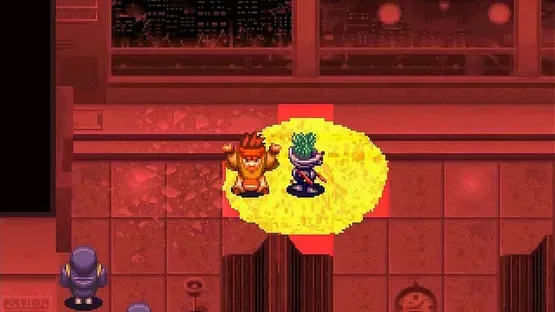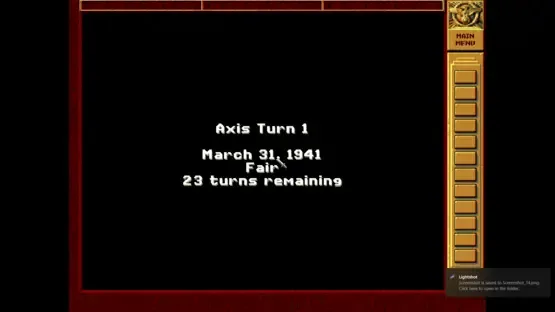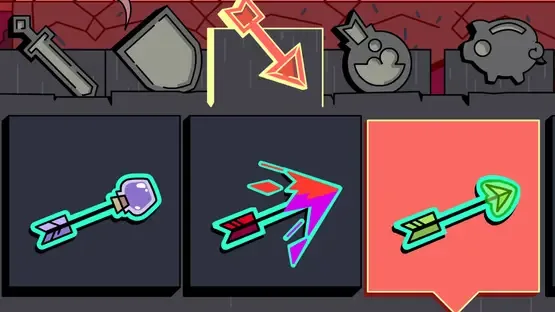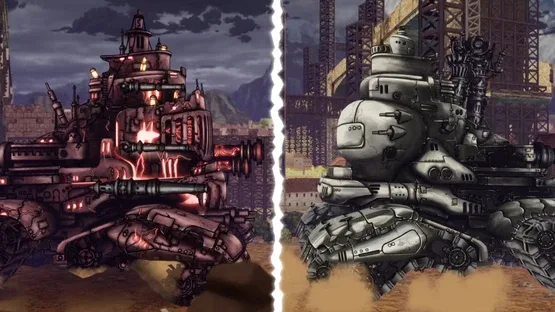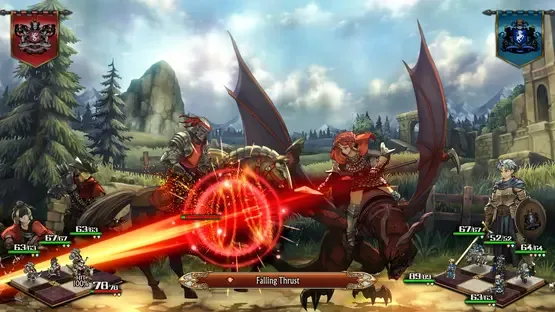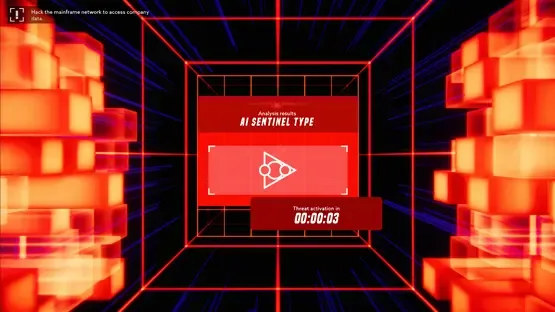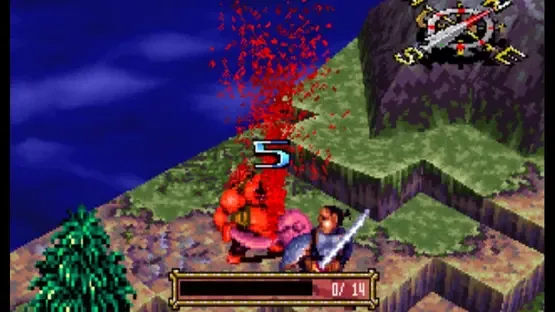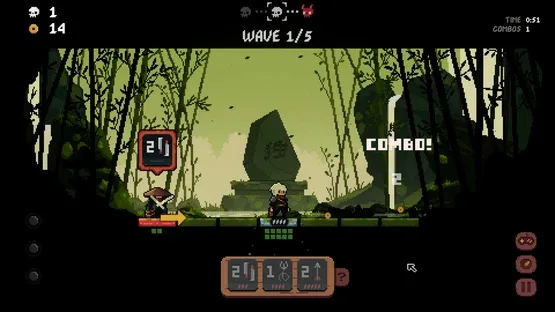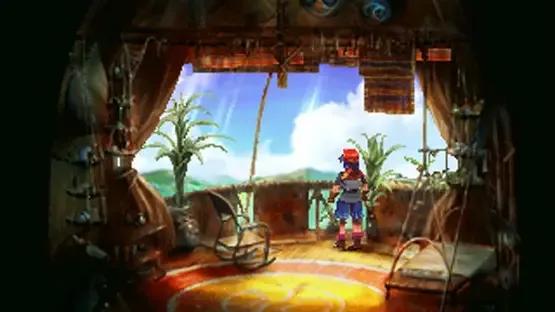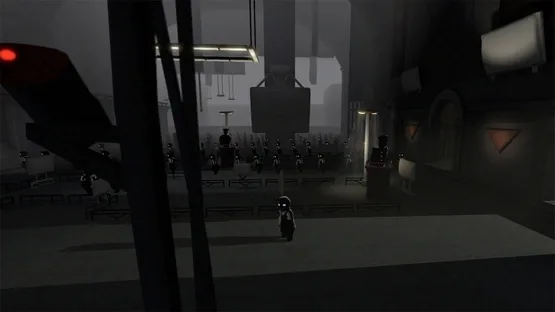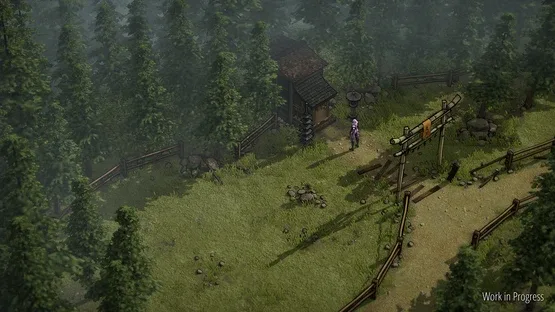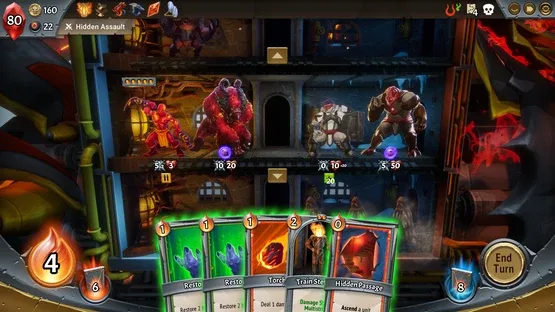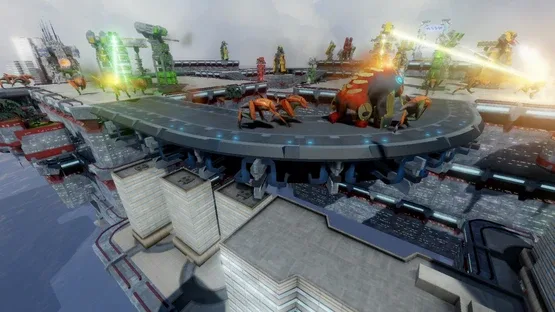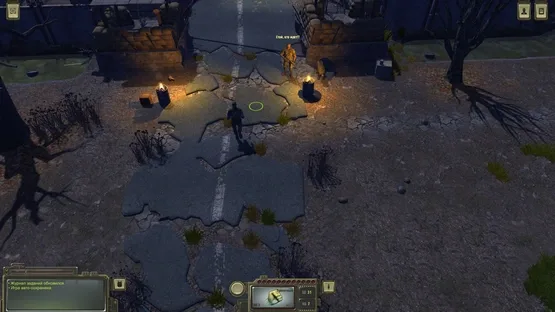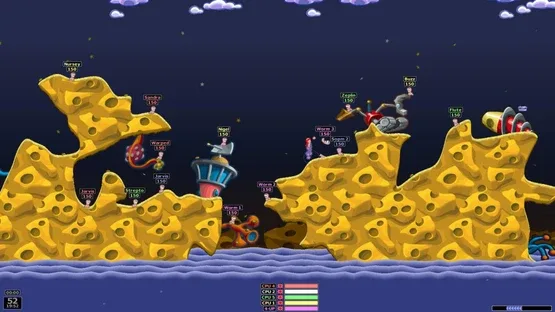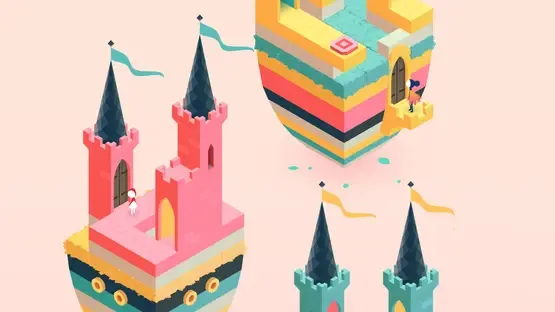
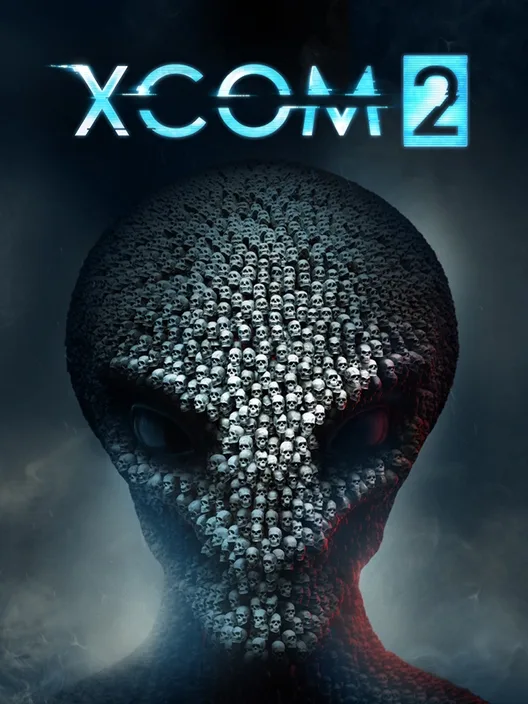
 XCOM 2
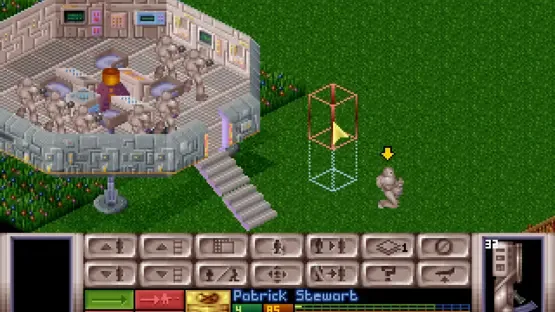
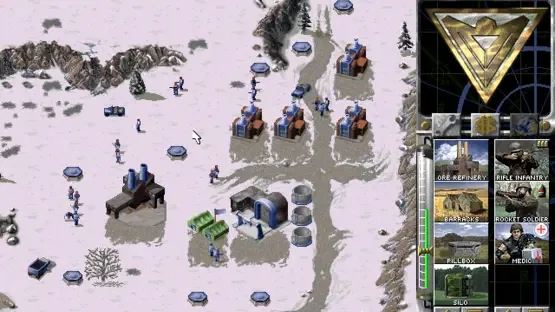
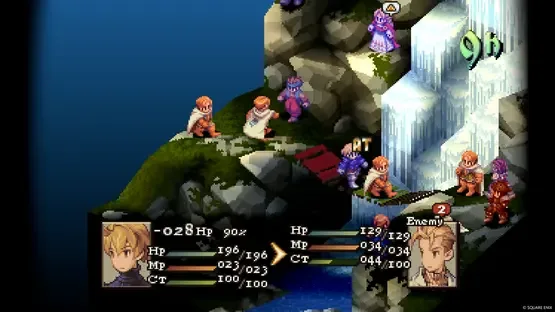
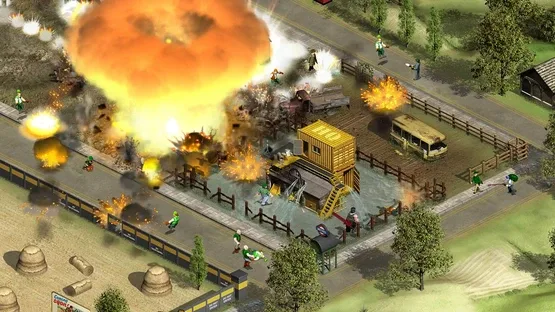
 X-COM: UFO Defense
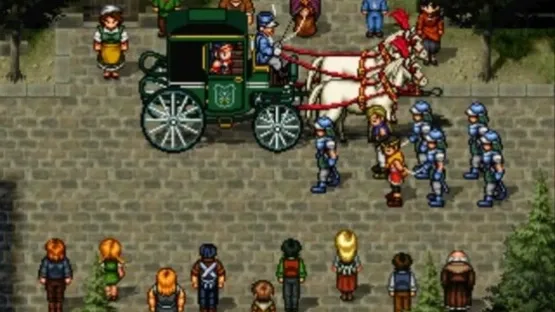
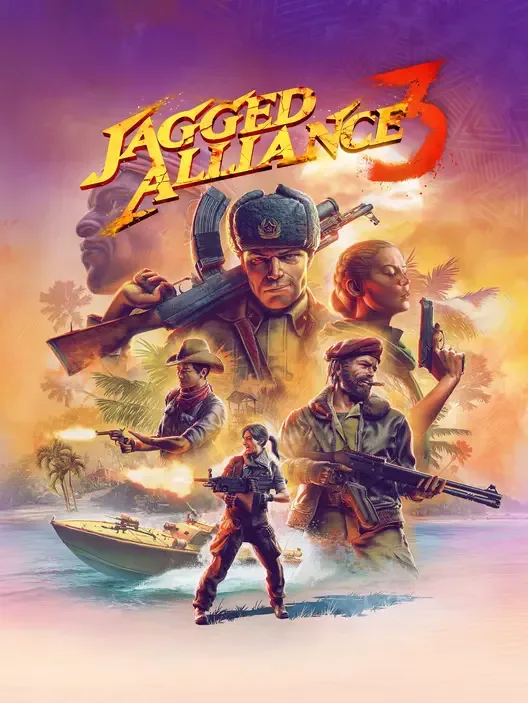 Jagged Alliance 3
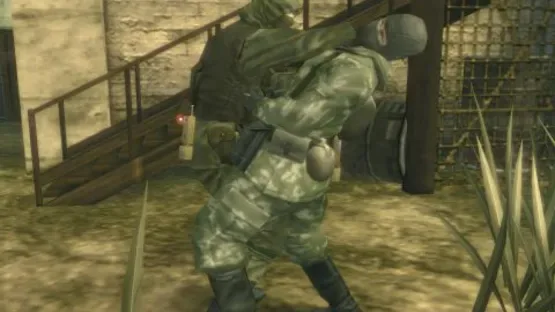
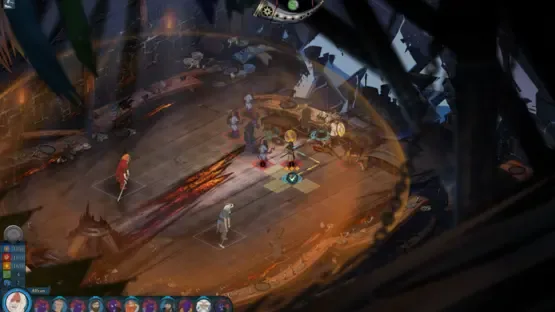
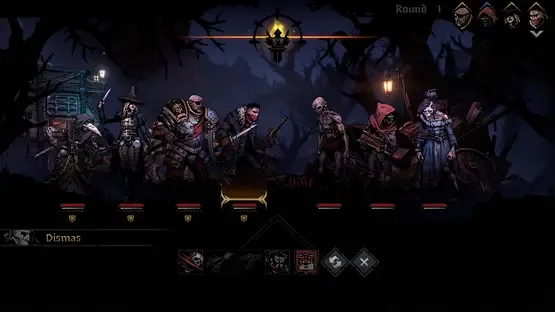
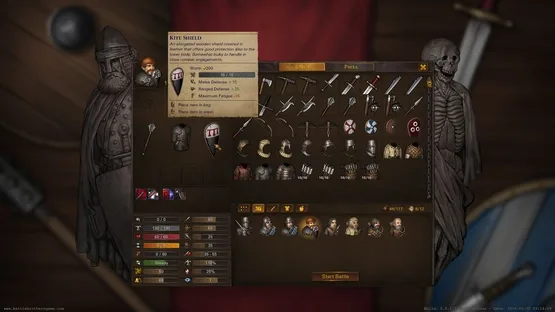
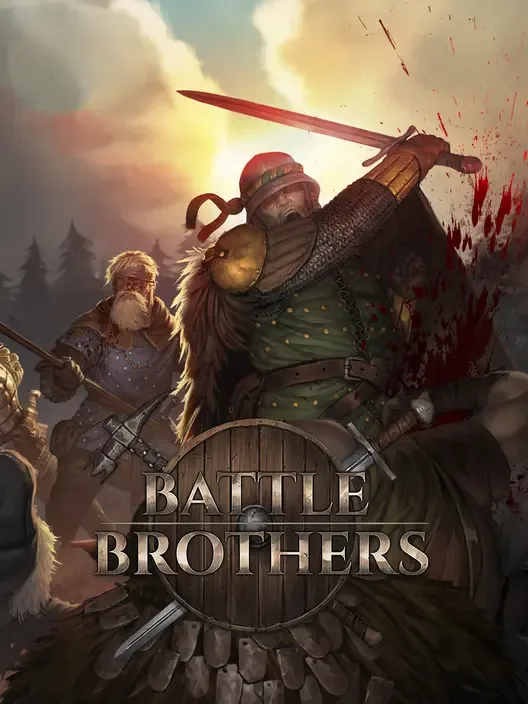 Battle Brothers
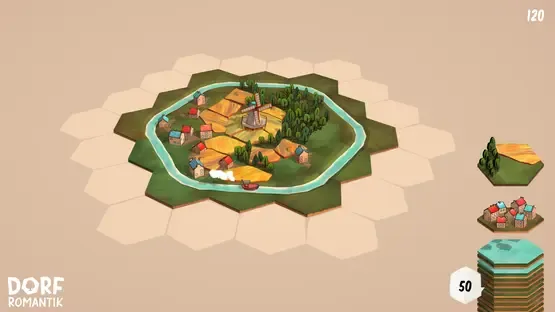
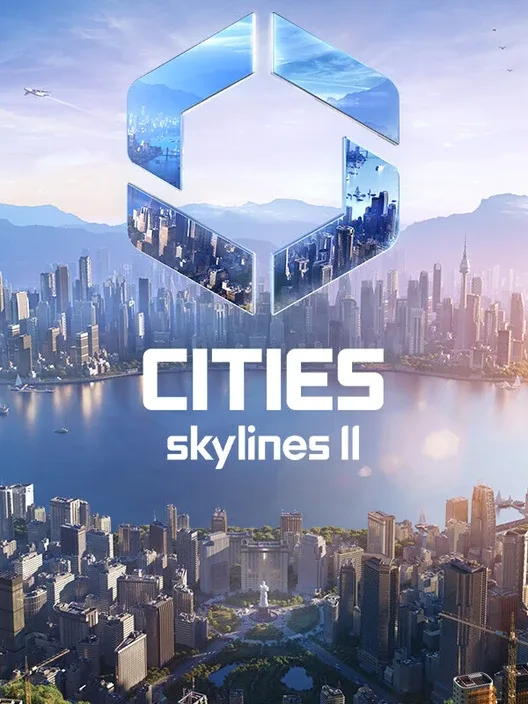 Cities: Skylines II
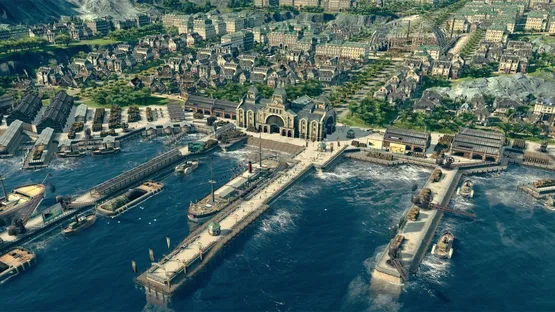
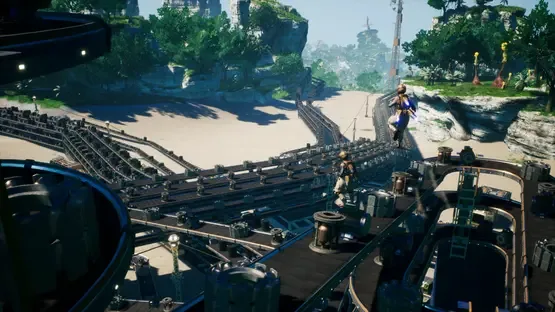
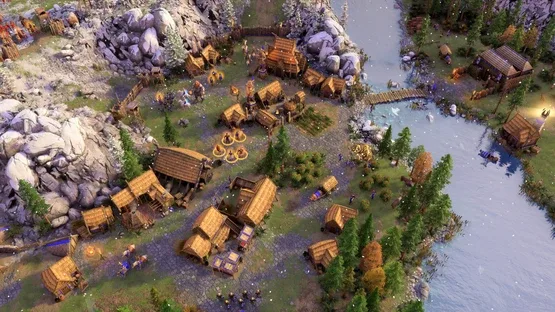
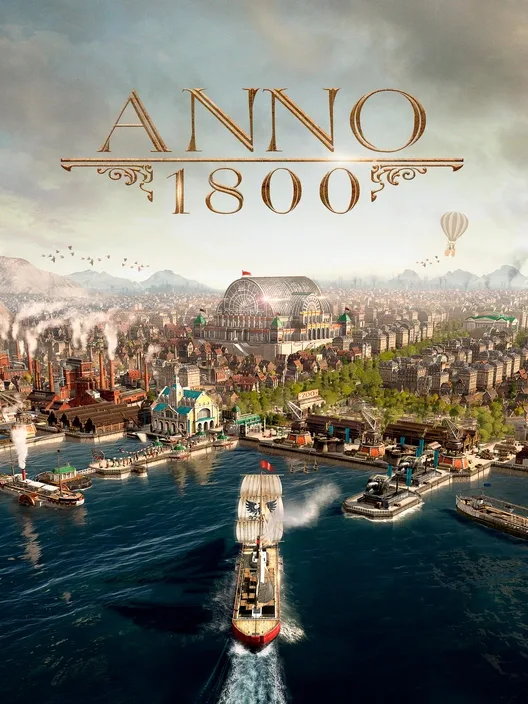 Anno 1800
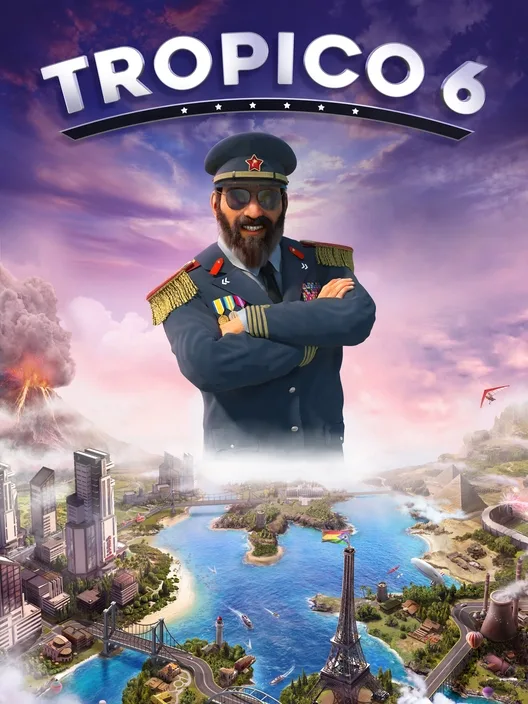 Tropico 6
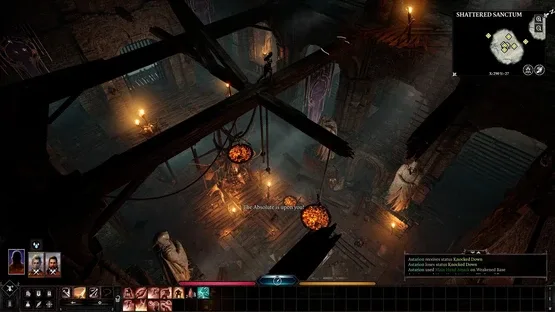
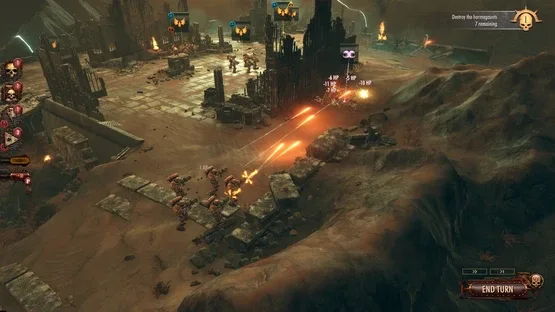
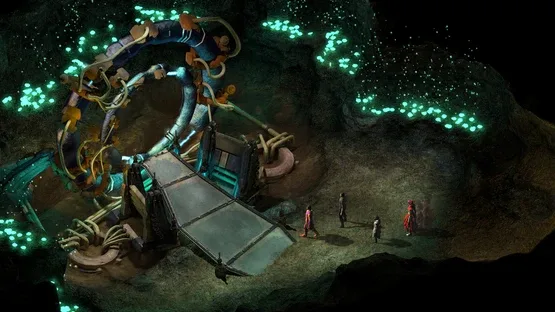
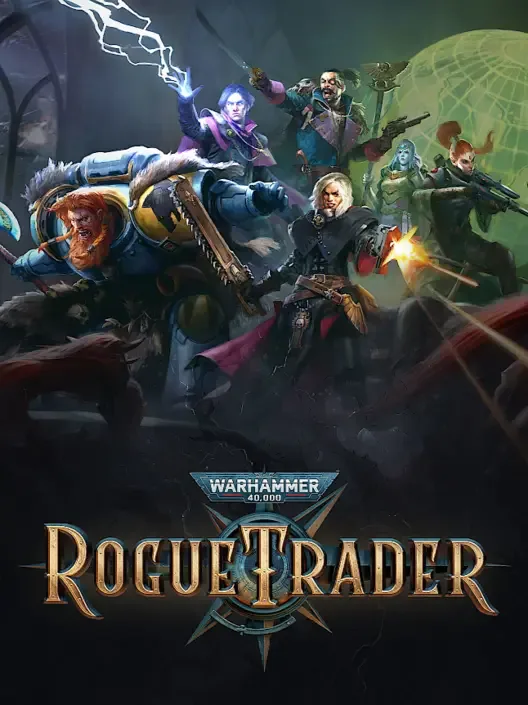 Warhammer 40,000: Rogue Trader
Thinking instead of reacting#
Strategy games run on a different clock than the rest of the medium. In an action game, the player who reacts fastest usually wins. In a strategy game, the player who reacts fastest is usually the one who loses, because the best move in a strategy game is rarely the quickest one to make. It's the one that accounts for what the opponent, the terrain, the economy, or the calendar will do three, ten, or fifty turns from now. That's the whole appeal of the genre in one sentence: strategy games ask you to think before you act, and then hold you to the consequences of that thinking for a long time afterward.
That single shift in pacing changes what "skill" even means. A shooter rewards precise aim and split-second timing. A strategy game rewards patience, pattern recognition, and the willingness to lose a unit, a city, or a decade of in-game progress because it was the correct trade. The tension in a good strategy game doesn't come from a twitch reflex, it comes from a decision that can't be undone once it's made — sending an under-supplied army through a mountain pass, promising a rival nation something you can't actually deliver, or letting a colony starve for one more winter so the mine can finish paying for itself. None of that requires fast hands. All of it requires a plan, and the discipline to watch that plan collide with reality.
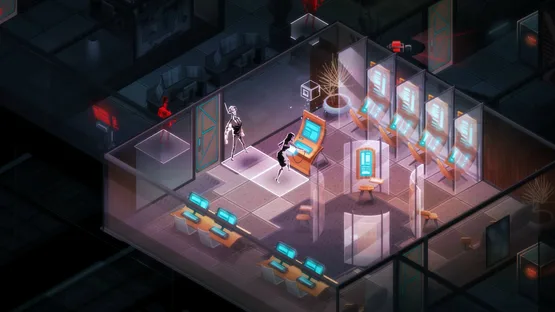
That's also where the genre draws its clearest line between "great" and merely "complex." Complexity on its own is cheap — any designer can bury a game under menus, resource types, and modifiers until it looks deep. What separates a genuinely great strategy game from a game that's simply hard to parse is whether the extra layers translate into decisions that matter, or whether they're just busywork dressed up as depth. A spreadsheet with combat animations isn't automatically a strategy game; it's a strategy game only if optimizing that spreadsheet forces real trade-offs, and if a player who ignores the fine print can still lose to one who reads it carefully. The best designers in this space — the teams behind Firaxis's XCOM reboots, Paradox's grand strategy line, Klei's Invisible, Inc. — treat every additional system as a lever the player has to actually choose whether to pull, not a checkbox to tick before the game lets them proceed. The worst ones mistake volume of numbers for weight of decision.
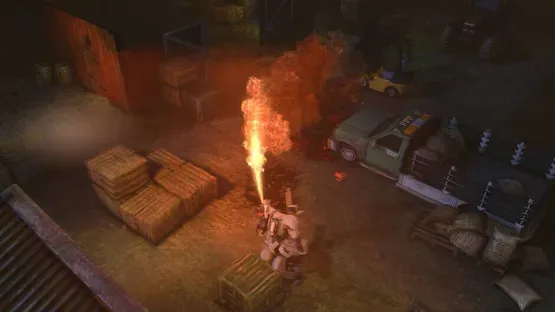
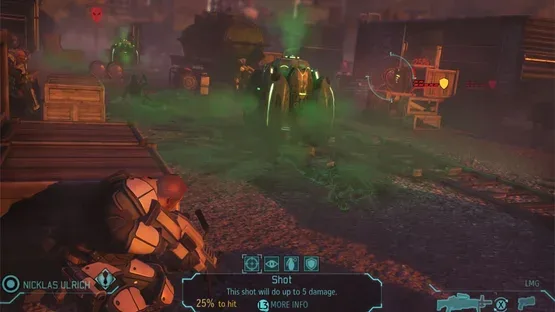
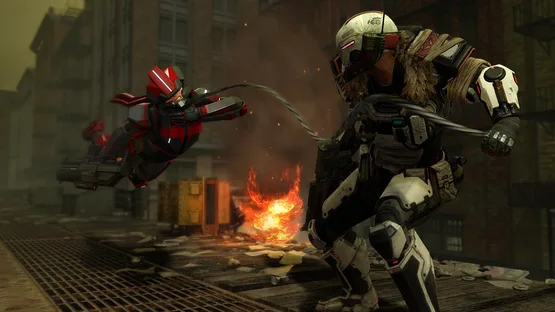
This is also why "hard" and "deep" get confused so often in discussions of the genre. A game can be brutally punishing without being strategically interesting — an unforgiving difficulty curve is a design choice, not a guarantee that the underlying decisions are meaningful. Conversely, a game can be forgiving and still be deep, because depth is about how many genuinely different, genuinely viable approaches exist to the same problem, not about how harshly the game punishes the wrong one. Firaxis's XCOM: Enemy Unknown and its sequel are instructive here: the permadeath and the ticking mission timers make failure visible and painful, but the actual strategic weight comes from the fact that there's rarely one correct squad composition or one correct way to clear a UFO, and the game is honest about the odds it's showing a player before a shot is fired. Compare that to a game that hides its real math behind flavor text, and the difference in trust between designer and player becomes obvious immediately.
Where the genre came from#
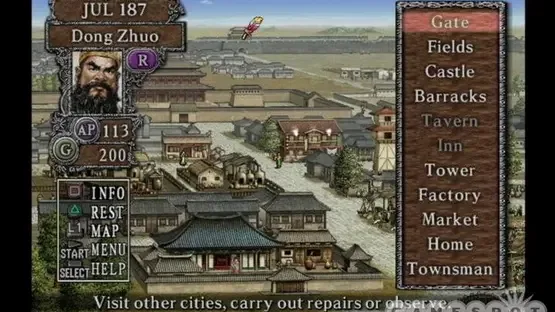
None of this is new. Strategy as a genre predates almost everything else on a modern storefront, tracing a reasonably direct line back through tabletop wargaming and Sid Meier's early PC output — Sid Meier's Civilization in 1991 effectively invented the 4X template that Civilization VI still runs on more than three decades later, and the original X-COM: UFO Defense in 1994 established the alternating strategic-layer-and-tactical-mission structure that Firaxis would later rebuild almost unchanged for its 2012 reboot. Blizzard's StarCraft, released in 1998, did the equivalent work for real-time strategy, turning what had been a fairly loose genre after Westwood's Command & Conquer and Dune II into something with a rigid, tournament-ready rock-paper-scissors balance between three wildly asymmetric factions — a template South Korea then turned into a full professional esport that outlasted the game's own commercial relevance by a decade. Paradox Interactive built its entire identity on a completely different lineage, starting with Europa Universalis in 2000 and refining the "simulate history rather than script it" approach across two and a half decades until Crusader Kings III and Victoria 3 arrived as the current high point of that specific philosophy. None of the newer names above invented their genre out of nothing; they're the latest link in chains that, in some cases, stretch back to before most of their current players were born.
The genre's different families#
"Strategy" is really an umbrella over several traditions that share almost nothing in terms of moment-to-moment play, and it's worth knowing which one you're actually drawn to before picking up a new title.
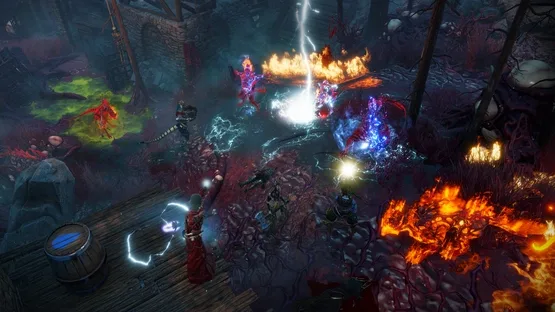
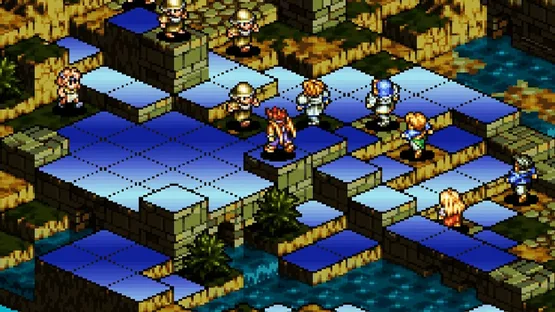
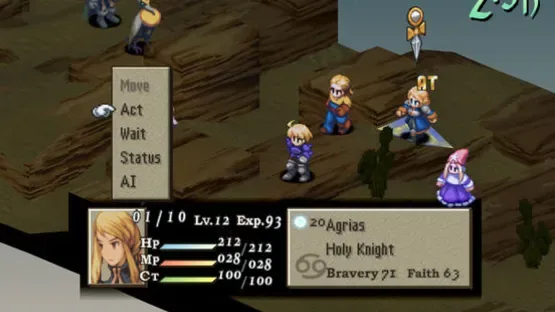
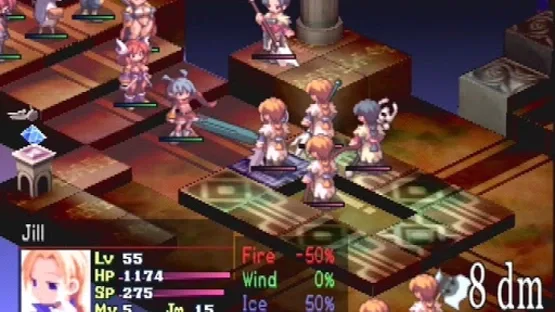
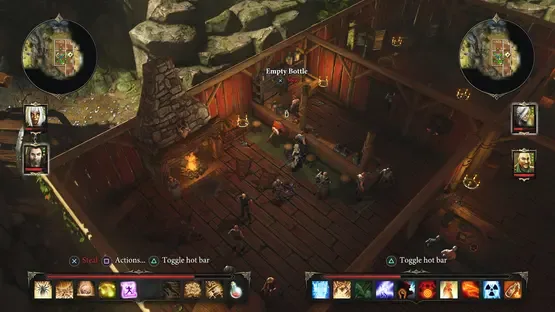
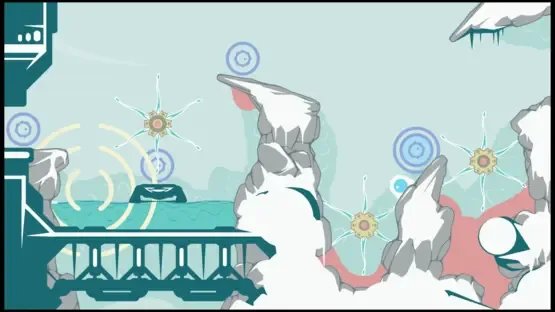
Turn-based tactics is the tightest and most legible of the bunch: small unit counts, a grid or hex map, and a puzzle-like emphasis on positioning, cover, and timing over economy management. Subset Games' Into the Breach distilled this down to a near-perfect form — tiny maps, full information, and permadeath consequences that are visible before you commit to a move, which makes every turn feel like a chess puzzle with a ticking clock. Intelligent Systems' Fire Emblem series runs the same core loop through a decades-long lineage with permanent unit death and relationship systems layered on top, while Larian's Divinity: Original Sin 2 proves the format also works as the backbone of a full CRPG, with environmental interactions — fire, poison gas, elevation, wet floors that conduct electricity — turning every fight into an improvised chemistry set. Gears Tactics took the XCOM formula and stripped out the strategic layer entirely to focus purely on mission-to-mission tactical puzzles, which is a useful reminder that "turn-based tactics" and "turn-based strategy with a base to manage" aren't actually the same thing, even though they get lumped together constantly.
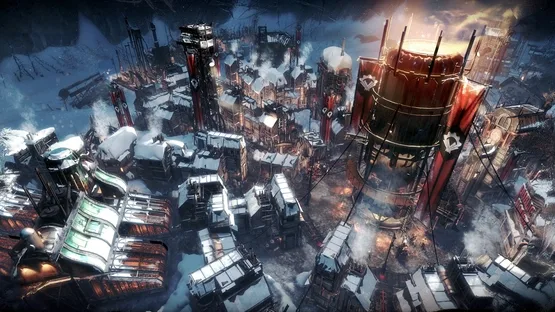
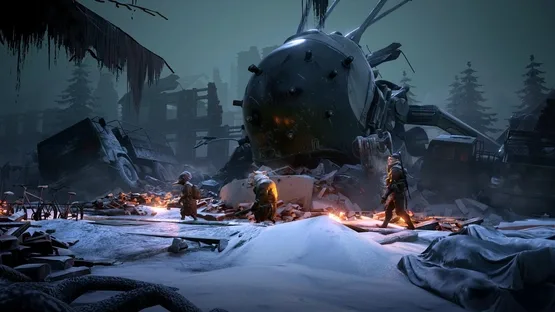
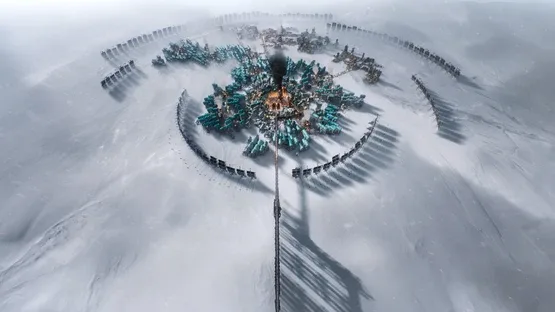
Grand strategy and its city-building cousins occupy the opposite end of the pacing spectrum: games measured in decades or centuries rather than turns, where a single campaign might span a real-world dozen hours to simulate two hundred in-game years. Paradox's Crusader Kings III turns dynastic politics — marriages, murders, inheritance law, religious schism — into the actual game mechanics, while its sibling Europa Universalis IV does the same for early-modern statecraft, colonization, and trade routes. Victoria 3 pushes the formula into the industrial era and makes economic modeling — supply chains, labor markets, political ideology — the central puzzle rather than a side system. Mohawk Games' Old World folds a lot of that historical-simulation DNA into something closer to a 4X, with a council of advisors and family drama driving decisions the way a Paradox game would. On the city-building side of the same family, Frostpunk turns survival-city management into a moral pressure cooker where every efficiency gain costs something in a population that's slowly freezing to death, which is a very different emotional register than the genre's usual detached spreadsheet tone.
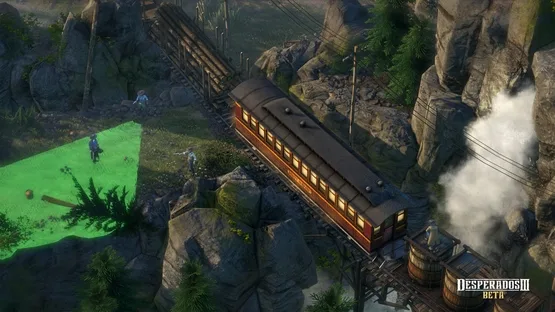
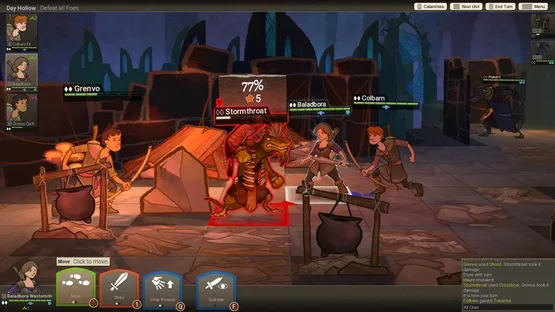
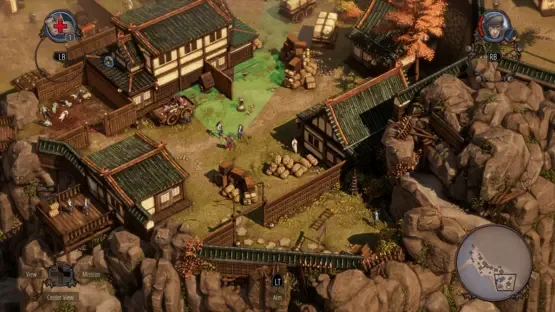
Squad-based tactics sits between those two extremes: smaller in scope than grand strategy, but with a persistent roster and a campaign layer that turn-based-tactics puzzle games usually skip. Mimimi Games built an entire studio's reputation on this format — Shadow Tactics: Blades of the Shogun and Desperados III both use real-time-with-pausable-tactics to choreograph small-squad infiltration missions where a single mistimed guard rotation collapses the whole plan. The Bearded Ladies' Mutant Year Zero: Road to Eden and Shiro Games' Wartales both lean harder into the roster-management side, where keeping a small band of mercenaries alive, fed, and equipped across a long campaign matters as much as any individual fight — injuries linger, morale drops after a bad string of losses, and a favorite unit's death near the end of a long campaign stings in a way that a puzzle-format tactics game rarely manages. Relic's Company of Heroes, meanwhile, sits at the real-time end of squad tactics — cover, flanking, and suppression matter more than base-building, which makes it feel closer to a tactics game wearing an RTS's clothes.
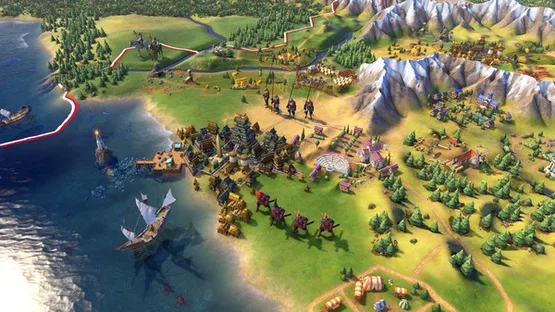
Then there's 4X, which borrows pieces from both grand strategy and turn-based tactics without fully belonging to either: a genre named after its own four verbs, eXplore, eXpand, eXploit, eXterminate. A 4X campaign always starts from the same blank slate — a single settler unit and an unrevealed map — and grows an empire outward from there through the player's own decisions, rather than inheriting an already-formed nation the way a grand strategy game does. Sid Meier's Civilization line is still the genre's most recognizable name, but Amplitude's Endless Space 2 does interesting work translating the same core loop into a 4X space opera with faction design built around genuinely different win conditions, and Firaxis's own Sid Meier's Alpha Centauri — decades old at this point — remains a reference point for how much personality a 4X can carry in its faction writing alone, something the genre doesn't always prioritize.
Picking a lane based on what you actually enjoy#
None of this matters if a player picks up a title from the wrong tradition and bounces off it for reasons that have nothing to do with quality. The most useful filter isn't "which strategy game is best," it's "which flavor of decision-making do you actually enjoy sitting with."
Real-time versus turn-based is the first and biggest fork. Real-time strategy — the Age of Empires and StarCraft II lineage, or the more tactical Company of Heroes — rewards multitasking, mechanical execution, and the ability to make good-enough decisions under a running clock. It's closer to the action genre's reflex demands than anything else in the strategy space, and it punishes hesitation. Turn-based strategy removes the clock entirely and replaces speed with depth of analysis — nobody times how long a player takes to plan a Civilization VI turn or an XCOM 2 mission, so the skill ceiling is about reading the board correctly, not reading it quickly. GameAvant's dedicated Real-Time Strategy and Turn-Based Strategy pages split the catalogue along exactly this line, which is the fastest way to find out which side of that fork actually holds a player's attention.
The second fork is scale: nation-level grand strategy versus squad-level tactical combat. Grand strategy asks a player to think like a head of state — manage an economy, balance factions, plan decades ahead, and accept that a single battle rarely decides anything on its own. Tactical strategy asks the opposite: forget the big picture, and win or lose based on how well a dozen units are positioned in a single encounter. Someone who enjoys the political chess of a Crusader Kings III succession crisis and someone who enjoys the tense, silent countdown before a Into the Breach mech swings at a kaiju are being served by two different parts of the brain, and GameAvant's Grand Strategy and Tactical Strategy pages exist because conflating those two audiences does neither one any favors.
4X sits a half-step away from both of those forks, which is exactly why it earns its own page rather than getting folded into grand strategy. The two genres can look similar from a distance — both eventually produce a sprawling, many-provinced empire with a long list of things to manage — but they get there from opposite directions. A grand strategy campaign in Crusader Kings III or Europa Universalis IV starts with an inherited nation that already has borders, a ruler, and a place in history, and the player's job is to steer what already exists. A 4X campaign in Civilization VI or Endless Space 2 starts from nothing but a single unit on an empty map, and everything that follows — every city, every border, every rival relationship — is built entirely from the player's own choices. That "start from zero, build outward" arc, plus the genre's habit of ending in open warfare between empires that spent the early game barely aware of each other, is different enough from either grand strategy or tactical strategy that GameAvant's dedicated 4X page treats it as its own category rather than a subgenre of something else.
Tower defense and auto-battlers are the genre's two most approachable, most compressed forms, and they scratch strategic itches without demanding the same time investment as anything above. Tower defense — Ironhide's Kingdom Rush, Ninja Kiwi's Bloons TD 6 — reduces strategy to a single core question, placement and timing of static defenses against a route the enemy is forced to take, and lets a player master a short, replayable puzzle in a sitting rather than a campaign. What keeps the format from feeling shallow, at its best, is the same principle that governs the rest of the genre: a good tower defense map has more than one viable layout, forces a trade-off between area-of-effect towers and single-target damage, and punishes greedy economy decisions just as harshly as a bad wave does. Robot Entertainment's Orcs Must Die! series adds a third-person action layer on top of the same core loop, which is a useful example of how flexible the format actually is once a designer stops treating it as a fixed template.
Auto-battlers go further than tower defense and remove direct control entirely: build a roster, set a formation, and then watch the plan you made play out with no further input, which turns strategic thinking into a pure drafting and positioning exercise. Riot's Teamfight Tactics and the wider Auto Chess lineage it grew out of — originally a Dota 2 community mod before it spun off into its own standalone genre — compress an entire game into a repeating cycle of buying units, arranging a formation, and watching a short automated fight resolve, with almost all of the actual skill concentrated into the handful of seconds before that fight starts. It's strategy reduced to its purest planning phase, with the execution phase handed over entirely to the game's own simulation, and that trade-off is either the format's biggest strength or its biggest turn-off depending on how much a player enjoys watching a plan unfold versus steering it in real time. GameAvant's Tower Defense and Auto Battler pages cover both of these separately from the rest of the catalogue, because "short, replayable, low-commitment strategy" is a real and distinct preference that a 400-hour Paradox campaign simply doesn't serve.
There's no wrong answer among any of these, and plenty of players end up liking more than one of them for completely different reasons — the appeal of losing three hours to an Auto Chess-style draft on a Tuesday night has nothing to do with the appeal of spending a real-world week nursing a fragile empire through a Europa Universalis IV campaign, and both of those appeals are legitimate. The point of splitting the genre into these lanes isn't to rank them, it's to help a player find the one that matches how they actually like to think.
How the list above is built#
The ranked grid at the top of this page isn't a hand-picked list of favorites, and that's a deliberate choice rather than an oversight. It's sorted by aggregate rating pulled directly from IGDB, the same database that powers the rest of GameAvant's catalogue, and it updates automatically as new ratings come in rather than sitting frozen at whatever looked right on a launch date. That means the order can shift over time as more reviews and player scores accumulate, and it means no editor is quietly nudging one title above another because of personal taste.
The trade-off with that approach is visible if you look closely: an aggregate rating rewards games that are broadly well-liked, which sometimes means a niche title with a small but devoted following ranks below a game that's merely very good and appeals to almost everyone. It also means a rating can move — a patch that fixes a broken late game, a balance pass that finally solves a dominant strategy, or a wave of new reviews after a big expansion can all shift where a title sits in the grid weeks or months after launch, in either direction. A frozen, hand-picked list wouldn't capture any of that; a live, source-driven ranking does, automatically, without anyone having to remember to go back and re-editorialize it.
That's exactly why this article exists as a separate piece rather than duplicating what the grid already shows. The "great starting points" list above pulls out specific entry points across the genre's different traditions regardless of where they currently land in the aggregate ranking — a deliberately curated on-ramp for someone who doesn't yet know which corner of the genre suits them. This article maps the wider terrain those starting points sit inside: the traditions they come from, the forks between real-time and turn-based or grand-scale and squad-level, and the dedicated Real-Time Strategy, Turn-Based Strategy, Grand Strategy, 4X, Tactical Strategy, Tower Defense, and Auto Battler pages that let a player go deeper into whichever one of those actually clicked. Between the ranked grid, the starting points, and this article, the goal is the same one strategy games themselves are built around: give a player enough information to make a good decision, and then get out of the way.