

Darksiders III
Souls-like · Hack and Slash · Female Protagonist · Hack and slash/Beat 'em up · Dark Fantasy
Game page →
Review
A third-person soulslike action RPG set in a dark fantasy version of late Ming Dynasty China. You play a woman with amnesia and fight monstrous enemies using melee combat, parrying and magic, while exploring a large world. The main story runs around 45 hours and the difficulty is high. Is it your kind of game?
Game Avant verdict
An ambitious, visually striking Soulslike whose aggressive combat and mythological world design are undercut by camera trouble, uneven boss balance and a rough performance at launch.
By GameAvant · Published Sep 29, 2026 · Updated Oct 9, 2026 · 14 min read
Choose what matters to you
Every question is optional.
How do you feel about a tough game with lots of retries?
How do you like to find your way?
How do you want to play?
Based on your choices
Pick what matters to you above and the result shows up here.
IGDB
77%
54 ratings
Steam:
58%
44,959 reviews
Fits you if
you want a hard soulslike with parrying and a fresh, non-European setting.
Skip it if
you want a polished, forgiving action game.
Availability
Steam
$49.99
Wuchang: Fallen Feathers is the first game from Leenzee, and it plays like a studio that spent its entire budget on ambition and had little left over for quality assurance. Published by 505 Games and released on 24 July 2025 for PlayStation 5, Xbox Series X|S and PC, it throws a cursed pirate into a version of Ming-dynasty China falling apart from plague, war and something stranger, and builds a combat system around punishing hesitation rather than rewarding patience. The setting is the game's clearest strength. The Feathering-ravaged region of Shu mixes late-Ming architecture with half-bird monster designs inspired by Sanxingdui mythology, a combination unlike anything else currently in the Soulslike genre, which tends to default to European dark fantasy. Twenty-four boss fights are spread across four regions, an unusually high number for a debut title, and encounters like Xuanyangzi and Zhu Youjian mix readable swordplay with escalating, poetry-reciting madness that sells the story's descent better than the cutscenes manage to on their own. Combat is built around a resource called Skyborn Might, earned by dodging with a well-timed move the game calls a "shimmer" rather than by standing still and blocking. That resource fuels offensive abilities, turning evasion itself into an attack option rather than a purely defensive one, which pushes players toward aggression in a genre that often rewards turtling instead. A separate Madness system acts almost like a second health bar: letting Madness climb boosts both damage output and currency gains for players willing to gamble, but dying at high Madness wipes your earned Red Mercury and can spawn a hostile copy of your own character to haunt a later run. Weapon switching mid-combat, backed by a full skill reset system, makes experimenting with a second moveset low-risk, which softens some of the game's harder edges. The rough edges are real, though. Shader stutter and frame drops marred the game at launch, especially on mid-range PC hardware, and a lock-on camera loses track of fast, flying or cornered enemies at exactly the moments it matters most, undermining fights that otherwise lean on flying or multi-phase gimmicks. Skyborn Might costs are also unevenly balanced across weapons and magic, so some builds feel considerably stronger than others, and the Madness system's risk-reward loop is explained poorly enough that most players learn its penalties the hard way, by losing currency they'd already earned. None of that erases what Leenzee got right on a first attempt. The gap between a genuinely distinctive setting and combat system on one side, and uneven camera, balance and launch performance on the other, is the entire story of this debut, and it's the kind of gap that makes a strong case for whatever Leenzee builds next, almost as loudly as it makes the case for Wuchang itself.
You may love it because
Shimmer-dodging into a full Skyborn Might bar makes fights feel fast and rewarding once the timing clicks.
It may frustrate you because
Getting there means eating a lot of damage from a camera that does not always show you the attack you are dodging.
You may love it because
Letting Madness climb boosts damage and currency gains for players willing to gamble.
It may frustrate you because
Dying at a high Madness level wipes out earned Red Mercury and can spawn a hostile copy of your own character.
You may love it because
The sheer number and variety of fights means there is almost always a new idea around the corner.
It may frustrate you because
A handful of those fights, particularly the ones that lean on flying or multi-phase gimmicks, expose the camera and lock-on at their weakest.
14 min read
· By Game Avant
Three alternatives, one line each on why.
Souls-like · Hack and Slash · Female Protagonist · Hack and slash/Beat 'em up · Dark Fantasy
Game page →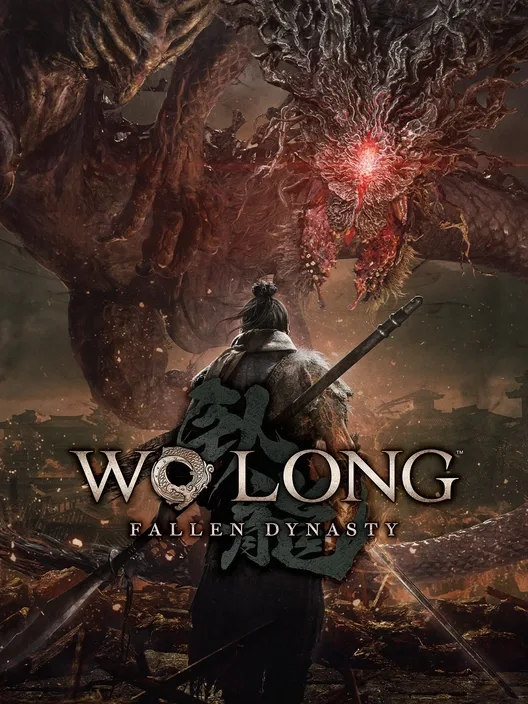
Souls-like · Action RPG · Dark Fantasy · Hack and Slash · Difficult
Game page →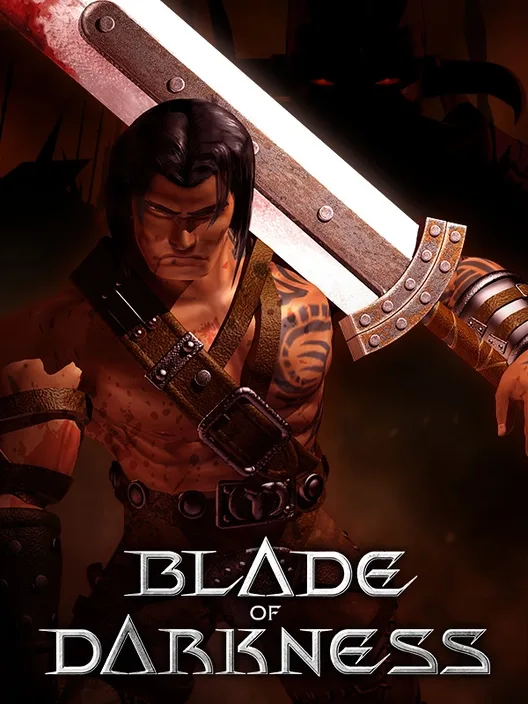
Souls-like · Dark Fantasy · Difficult · Combat · Action RPG
Game page →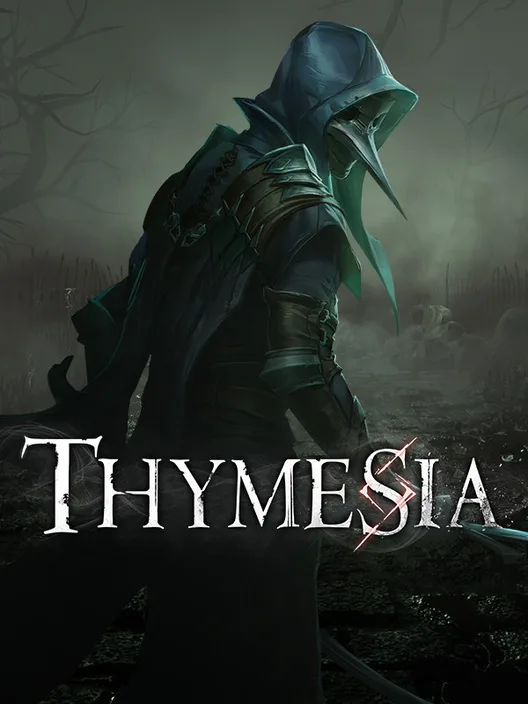
Souls-like · Dark Fantasy · Hack and Slash · Action RPG · Difficult
Game page →
Souls-like · Action RPG · Hack and Slash · Dark Fantasy · Hack and slash/Beat 'em up
Game page →
Souls-like · Action RPG · Hack and Slash · Hack and slash/Beat 'em up · Dark Fantasy
Game page →