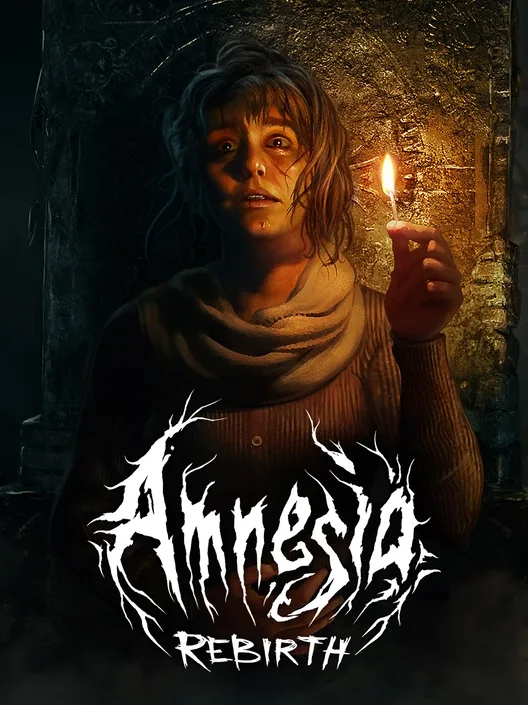
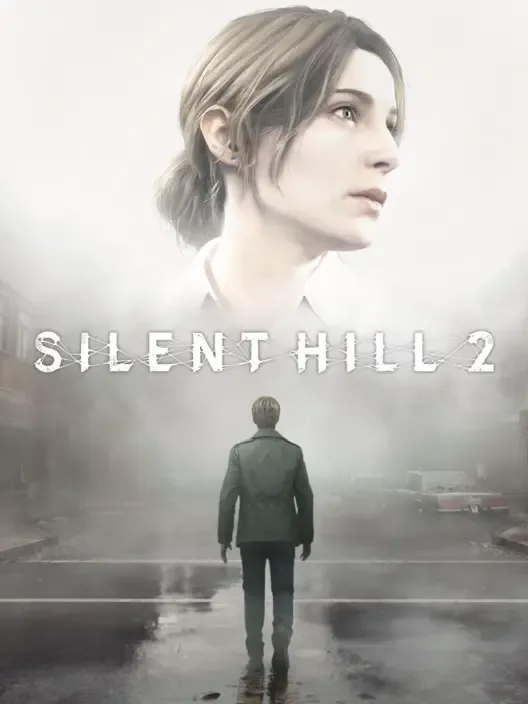
 Silent Hill 2
 Silent Hill: Townfall
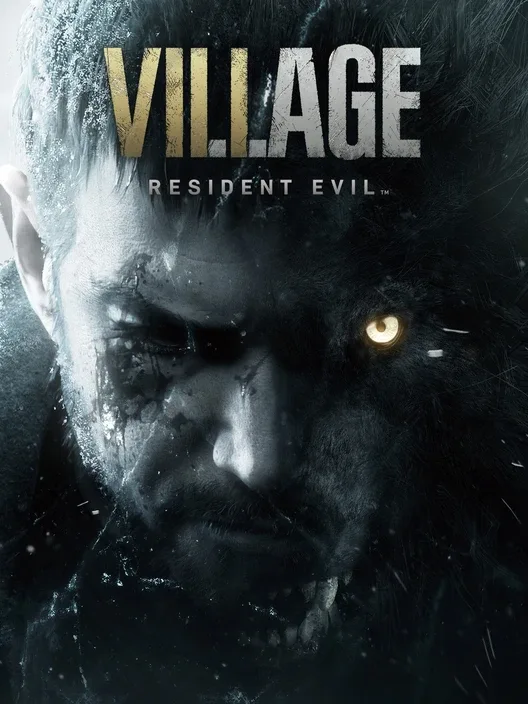 Resident Evil Village
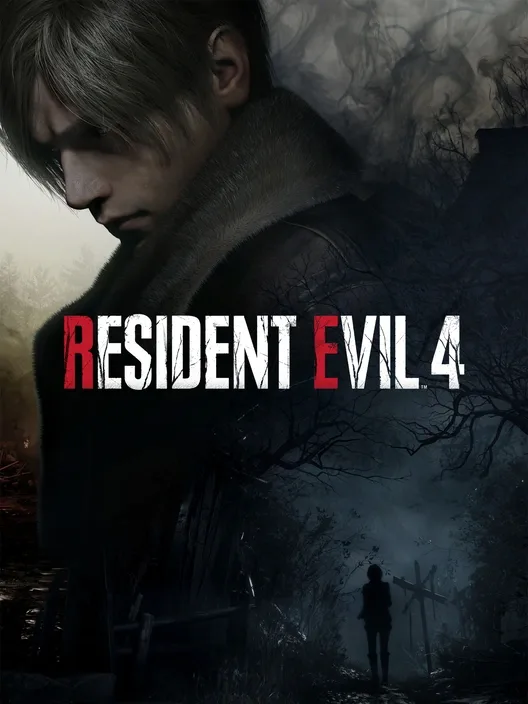 Resident Evil 4
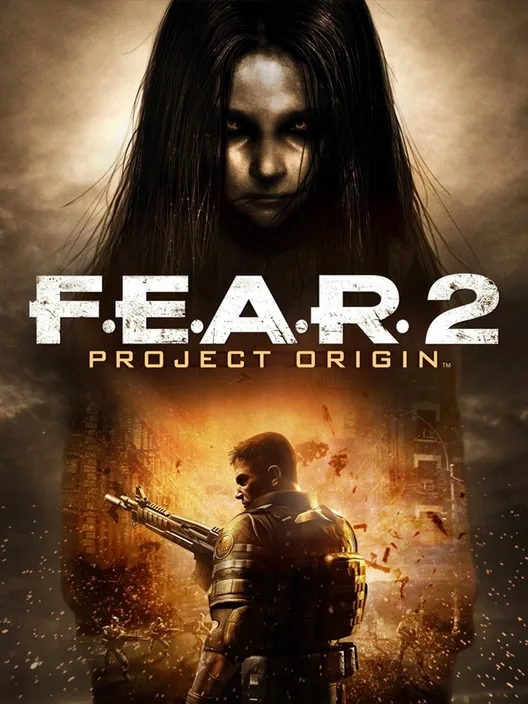
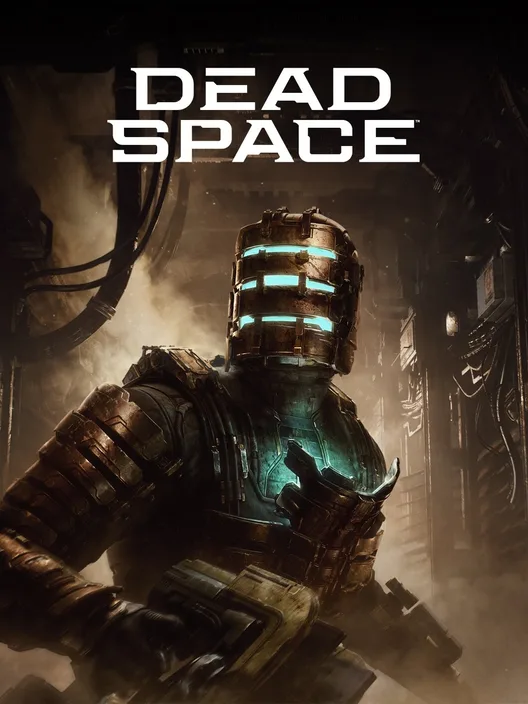 Dead Space
 Amnesia: The Bunker
 The Evil Within 2
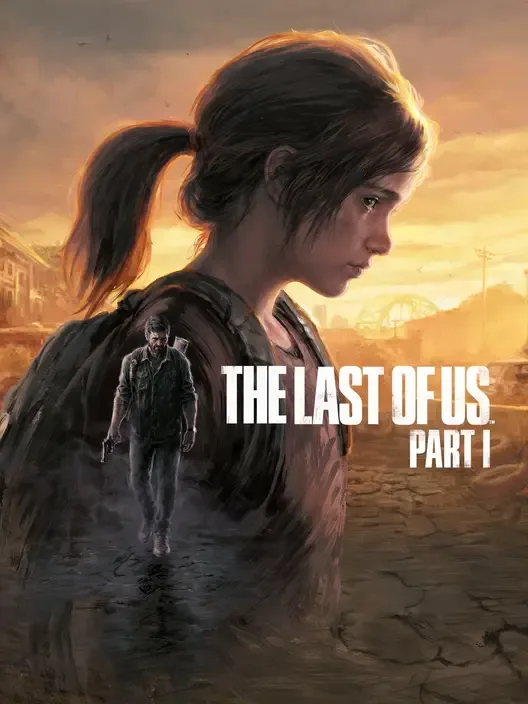 The Last of Us Part I
This is GameAvant's own ranked list of the best horror games right now, built from the site's combined rating data rather than picked by hand. "Horror" on this page means atmosphere and dread built up over time — a corridor that gets quieter before something goes wrong, a monster whose footsteps matter more than its damage number, a story that sits with the player long after the credits roll. It does not mean any game that happens to feature blood, a monster enemy type, or a spooky setting as set dressing. Action games with a horror coat of paint, sci-fi shooters with a xenomorph-shaped enemy, and open-world dramas with one unsettling chapter are excluded here even when they got tagged "horror" somewhere along the way — that loose tagging is exactly what a serious ranking of the best horror games has to filter out.
The order below comes from blending IGDB's aggregate critic score with Steam's own user review percentage, and it moves as more people rate these games or as new ones join the catalog. That means a four-person Swedish studio's first release can sit above a Capcom flagship, and a free visual novel nobody marketed can outscore a game that sold ten million copies. Read the write-ups below for what each of these scariest games actually does and where it falls short — the goal is a working shortlist of the best survival horror games and psychological horror games worth playing, not a popularity contest.
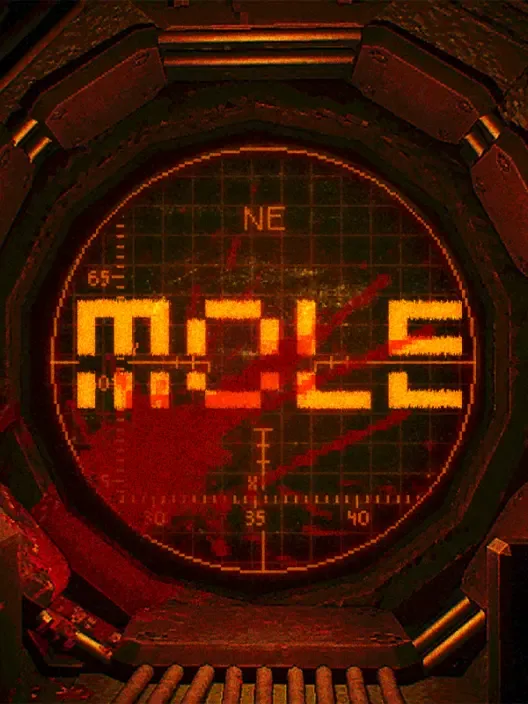
1. MOLE#
Off Black Creations, a small Swedish studio founded by former 10 Chambers developers, built its debut around a single unglamorous job: navigating a massive drill descending toward a mysterious underground signal nicknamed "White Rabbit." The player operates the drill's cockpit directly — levers, knobs, cassette-loaded systems — which turns basic maintenance into the game's primary tension generator, since a distracted moment at the controls matters as much as anything hiding in the dark below. Chase sequences interrupt that slow-burn management rhythm with sudden, frantic pursuit, and the flashbacks threaded through the descent reframe the drill itself as a vehicle for grief and unraveling faith rather than just a horror-movie elevator going down. The game earned a 96% positive demo response months before its June 2026 launch, and the full release has held that reception. The honest drawback: the control-panel-heavy pacing that makes the early hours distinctive can feel like a chore once the novelty wears off, and players expecting constant scares instead of slow psychological erosion may find the simulation layer gets in the way.
2. Shipwrecked 64#
Squeaks D'Corgeh's creepysweet platformer commits fully to a bit: it presents itself as a "rediscovered" 1997 Nintendo 64 game, cartridge scratches and all, following a fisherman named Bucky who crash-lands on the island of Nulla Terra after his friends are dragged off by wolves. The unfiction framing is the real hook — load screens, manual pages, and community lore all reinforce the idea that this is an authentic lost artifact rather than a modern horror game, and that layered deception makes the moments where the facade cracks and the game turns openly graphic hit much harder than a straightforward horror title could manage. The N64-style tank controls and fog-draped low-poly visuals aren't just aesthetic cosplay; they're doing real work making the island feel unstable and half-remembered. Nearly 2,200 user reviews sit at 95-96% positive, an exceptional ratio for a game this strange. The drawback: the ARG-adjacent lore layer rewards outside research that a player going in blind will miss entirely, and the deliberately janky movement is a genuine barrier for anyone who came only for the horror.
3. Resident Evil 4 (2023)#
Capcom's remake of its own 2005 landmark keeps the parasite-driven Ganado village intact while rebuilding nearly every system underneath it — the knife now has limited durability and a genuinely useful parry that turns Leon Kennedy's melee options into an active defensive tool rather than a last resort. Dr. Salvador, the chainsaw-wielding villager whose instant-kill grab defined the original's tension, returns with sharper AI positioning that makes his ambushes feel calculated rather than scripted. Ashley Graham's escort sections, widely mocked in the original for fragile AI, were rebuilt so she actively hides and calls out threats instead of standing in gunfire, removing the series' most notorious annoyance without softening the difficulty. The village, castle, and island acts each still shift tone distinctly, from claustrophobic siege to gothic puzzle-box to more conventional action, giving the campaign real structural variety. The honest drawback: that late-game shift toward action-heavy set pieces is a real step down in horror intensity from the village's opening hour, a criticism the original also drew.
4. SOMA#
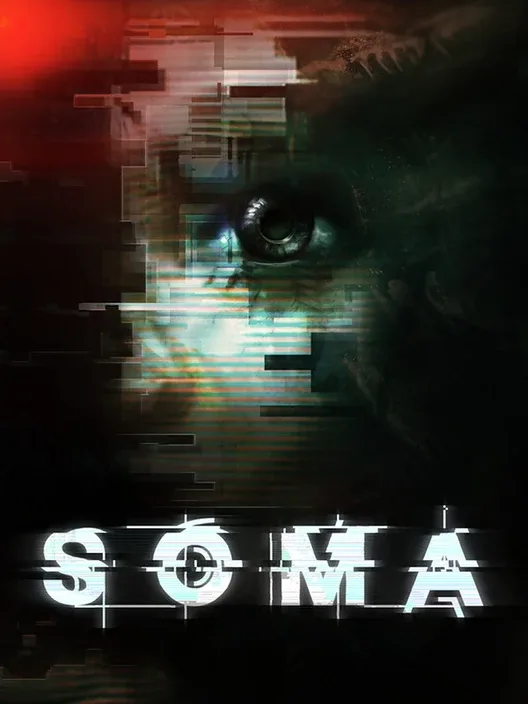
Frictional Games followed Amnesia with a first-person horror built around a genuinely unsettling premise: protagonist Simon Jarrett wakes up aboard the underwater research station PATHOS-II decades after he should be dead, and slowly realizes what that means about the nature of his own consciousness. The Structure Gel monsters and the station's rogue AI, WAU, provide traditional stalking-and-hiding horror, but the game's real weapon is philosophical dread — a mid-game choice involving a body transfer forces a decision with no comfortable answer, and it lands harder than any jump scare on this list. The Safe Mode option, added after launch, strips out enemy encounters entirely for players who want the story without the chase sequences, an unusually honest acknowledgment from the developer that the stalking sections are the weakest part of its own game. The drawback: combat-adjacent stealth against the Akers and similar creatures is mechanically thin compared to the writing surrounding it, and some sequences drag well past the point their tension has anywhere left to go.
5. Resident Evil 2 (2019)#
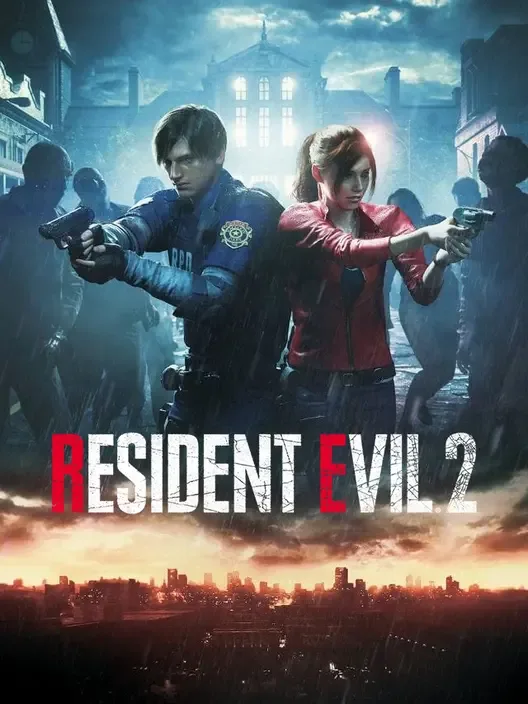
Capcom's from-the-ground-up remake of its 1998 sequel replaced the original's fixed cameras with an over-the-shoulder view and, more importantly, introduced Mr. X — a hulking, coat-wearing Tyrant who patrols the Raccoon City Police Station on a genuine pursuit AI, tracking gunshots and footsteps rather than triggering on scripted cues. His stomping footsteps audible through walls turn item-management puzzles the player had already solved into fresh emergencies, since finishing a safe combination while he's closing in changes the calculus completely. Licker enemies, blind and sound-reactive, force a different kind of tension in the station's darker corridors, rewarding careful movement over the aim-and-shoot reflexes the rest of the combat allows. Splitting the campaign into Leon and Claire's separate-but-overlapping "Scenario A/B" runs gives the police station two meaningfully different playthroughs rather than one linear story stretched twice. The honest drawback: the back half, set in the sewers and the Umbrella lab beneath them, trades the police station's dense verticality for more linear, less frightening corridors.
6. Alien: Isolation#
Creative Assembly built its stalker horror around a single alien with no scripted spawn points — a director AI tracks the player's general location while a separate behavior AI controls how the creature actually searches, which means no two encounters on Sevastopol Station play out the same way twice. Amanda Ripley's motion tracker, the game's signature tool, creates a horrible trade-off: watching the screen means not watching the vents the alien actually drops from, and that split attention is the game's whole thesis on tension. The Working Joe androids add a second, entirely different threat — slower, more predictable, but capable of overwhelming a player who's spent all their resources hiding from the alien instead. Locker-hiding sections, where the alien can be heard sniffing just outside, produce some of the purest dread in any game on this list. The honest drawback: at roughly fifteen hours, the game runs meaningfully longer than its core cat-and-mouse loop can sustain without repeating itself, and a few late chapters lean on human soldiers in ways that dilute the alien's singular menace.
7. Enigma of Fear#
Fun Dog Studios built a deliberately old-fashioned survival horror around fixed camera angles and item-combination puzzles that owe an obvious debt to late-90s PlayStation horror, set in a decaying small town where the protagonist's investigation into a missing person unravels into something considerably stranger. Limited saves and a genuinely restrictive inventory force the kind of resource anxiety that modern horror games often remove for convenience's sake, and backtracking through half-explored rooms with a new key item creates the classic "wait, was that door locked?" tension the genre was built on. The fixed-camera cinematography, while a deliberate throwback, is used with real intent — corners and blind spots are placed to hide threats rather than just to look retro. The drawback: the tank-adjacent movement and camera cuts that make the throwback work also make combat encounters clumsier than they need to be, and the puzzle logic occasionally leans on the kind of obscure item-combination guesswork the genre's harshest critics have always pointed to.
8. Faith: The Unholy Trinity#
Airdorf Games' PS1-style horror trilogy strips its presentation down to blocky, low-resolution sprites and stark black-and-white environments, and that minimalism turns out to be the scariest choice on the whole list — the mind fills in horror that low fidelity only suggests. Playing an unnamed priest performing exorcisms across three connected episodes, the game builds its scares around sudden, simple sprite-based monsters that lunge into frame with none of the animation polish a bigger studio would add, and the crudeness somehow makes the jolt land harder rather than softer. Occult ritual imagery and possessed-house set pieces draw heavily on real exorcism-horror cinema, and the soundtrack's sparse ambient drones do as much work as anything on screen. The game's cult following has pushed it to a remarkably strong Steam rating for something this deliberately rough around the edges. The honest drawback: the retro presentation is a genuine taste test some players won't pass, and the connected-episode structure means jumping in on episode two or three without the first loses meaningful context.
9. Resident Evil 7: Biohazard#
Capcom's soft reboot switched the series to a first-person perspective for the first time and used it to build the single most oppressive location in the franchise: the Baker family's rotting Louisiana plantation, where Jack Baker's genuinely warm, homicidal insistence that Ethan Winters is "part of the family now" is scarier than any conventional monster because he means it as a kindness. The early-game chase sequences through the Baker house, with no weapons and nowhere to effectively fight back, reset the series' relationship to combat entirely — survival here means outlasting a person, not out-shooting a Ganado. The mold-based Molded enemies that appear once the game's back half opens up provide a more traditional creature-horror shift, and the tonal pivot is deliberate: dread first, action second. VR support, where available, turns the Baker house sections into something close to unbearable. The drawback: that back-half shift toward more conventional shooting undercuts some of the claustrophobic intimacy the plantation built in its opening hours, a trade the sequel would double down on.
10. Felvidek#
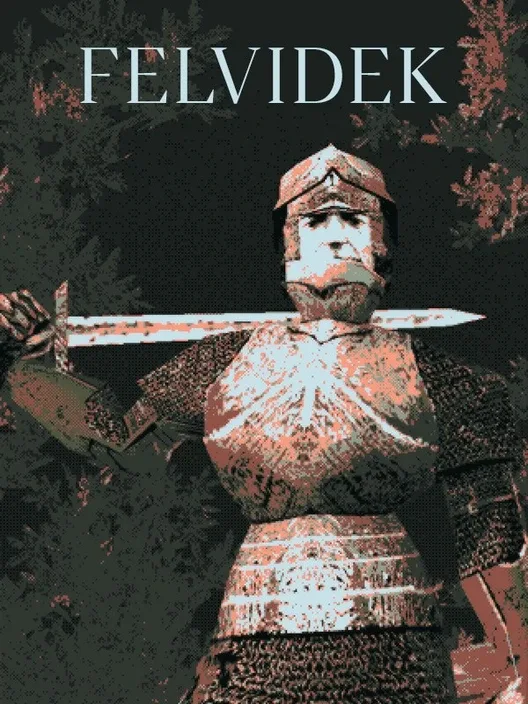
Jozef Pavelka and Vlado Ganaj's RPG Maker project sets its horror-comedy in 15th-century Slovakia, casting the player as Pavol, an alcoholic knight navigating a land torn between Hussite raiders and a cult of Zurvan recruiting desperate townspeople with promises of salvation. The scripted, story-driven battles — no grinding, no character levels — keep the pacing tight and let the writing carry weight a stat-heavy JRPG combat system would dilute, and the surreal horror sequences that erupt without warning from otherwise mundane village life land with real disorientation precisely because the game doesn't signal them coming. Its blend of dry gallows humor with genuinely unsettling folk-horror imagery is a specific tonal needle few games thread successfully, and Felvidek mostly does. Nearly 3,200 user reviews sit at 98% positive. The honest drawback: a three-to-four-hour runtime and combat that's functionally simple even by RPG Maker standards means the game leans almost entirely on writing and atmosphere to justify itself, with little mechanical depth underneath.
11. Your Turn to Die: Death Game by Majority#
This free-to-play visual novel traps its cast, including protagonist Sara Chidouin, inside a "Sacrifice Game" where survival requires other participants to die, and builds its horror less from monsters than from the accumulating psychological weight of watching likeable characters make impossible choices under pressure. The hybrid structure — escape-room puzzle segments bleeding into turn-based RPG confrontations — keeps the pacing from settling into either genre's usual rhythm, and branching story paths mean a player's early choices about who to trust can determine who's still alive by the game's later chapters. The game's willingness to kill off characters the story has spent real time humanizing, rather than protecting a cast of favorites, is what separates its horror from a typical death-game premise — the tension is emotional as much as mechanical. The drawback: the game released in serialized parts over several years, and pacing between chapters is uneven, with some stretches of dialogue-heavy setup that test patience before the next real gut-punch arrives.
12. Dead Space (2023)#
Motive Studio's remake of the 2008 original keeps Isaac Clarke's "strategic dismemberment" combat system — Necromorphs need limbs severed, not center-mass shots, to actually go down — and sharpens it with genuinely more aggressive creature behavior that punishes players who fall back on old habits from the original. The USG Ishimura's zero-gravity sections, reworked with a more open traversal system, turn the ship's exterior and gutted interior sections into some of the most disorienting horror set pieces in the remake, since threats can now approach from directions gravity-bound horror rarely uses. The Hunter-style regenerating enemy returns with an even more punishing chase structure, forcing genuine flight rather than a fair fight. The Ishimura's environmental storytelling — audio logs, corpses, and graffiti scrawled by dying crew — got meaningfully expanded rather than just visually upgraded. The honest drawback: players who finished the original recently will find the moment-to-moment loop familiar rather than reinvented, since the remake's ambitions are polish and expansion rather than a fundamental rethink.
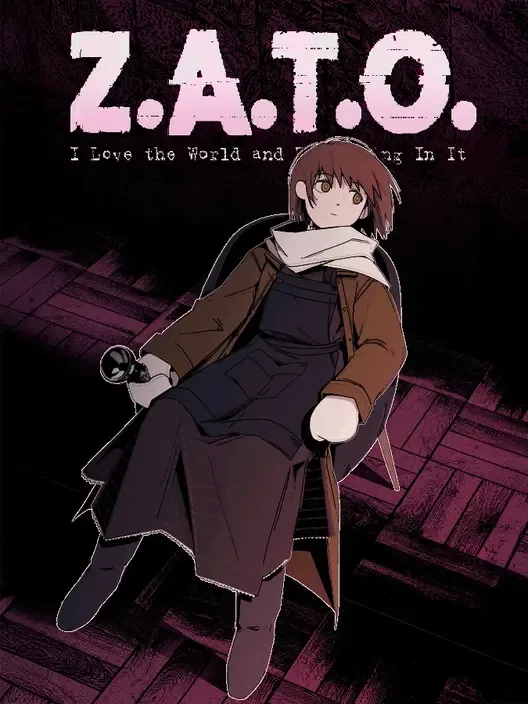
13. Z.A.T.O. // I Love the World and Everything In It#
Ferry's free visual novel sets its cold-war paranoia in 1986, inside the fictional closed Soviet city of Vorkuta-5, where a missing girl's disappearance becomes the thread pulling apart a much larger and stranger mystery involving a signal meant for transmission to the wider universe. The linear, no-choice structure is a deliberate design decision rather than a limitation — the horror here is about following a fixed, unstoppable descent into the truth rather than branching around it, closer to reading a novel than playing an interactive one. Its Soviet closed-city setting, rarely used in horror games, does real atmospheric work: the isolation of a town that officially doesn't exist on any map gives the mystery a genuine sense of being unreachable and unwitnessed. Nearly 12,700 reviews sit at 98% positive for a completely free release. The drawback: a seven-to-eight-hour runtime with zero player agency over outcomes will frustrate anyone who wants their choices to matter, and the lack of branching means a single playthrough is functionally the entire game.
14. Scarlet Hollow#
Black Tabby Games, the studio behind Slay the Princess, builds this episodic visual novel around the small Appalachian town of Scarlet Hollow, where the player's choices genuinely reshape which of several folk-horror storylines get explored across the town's tangled cast of residents. Body horror and rural-gothic dread sit side by side with dry character writing that gives the horror room to breathe rather than piling scare on scare without pause, and several major branch points hinge on relationship choices made many chapters earlier, rewarding attentiveness the genre doesn't always ask for. The episodic release model means the story has grown and been refined in response to player reaction, a rare degree of live iteration for a horror narrative. Its multiple-ending structure, tied closely to the specific townspeople a player chose to trust, gives it real replay incentive beyond seeing "the other path." The honest drawback: as an ongoing episodic release, the story is still incomplete, and newcomers are buying into a multi-year commitment rather than a finished experience.
15. Inside#
Playdead's wordless puzzle-platformer follows an unnamed boy through a dystopian facility where he's hunted by dogs, drowned things, and mind-controlled workers, using almost no dialogue or exposition to build a sense of dread that escalates scene by scene rather than through jump scares. The mind-control worm mechanic, which lets the boy briefly command other captive humans once infected, turns the game's puzzle logic into something genuinely unsettling — solving a puzzle means weaponizing another victim's body, and the game never softens what that implies. The final act's transformation, which turns the protagonist into something the game never explains and can't easily be taken back from, is one of the most discussed and disturbing endings in the medium, precisely because it offers no closure. The muted color palette and near-total silence do more sustained atmospheric work than most horror games manage with a full sound design budget. The drawback: at roughly three to four hours with no replay-driving mechanics beyond finding hidden orbs, the experience is deliberately brief.
16. Resident Evil Village#
Capcom's direct sequel to Biohazard returns to Ethan Winters and expands the single-location dread of the Baker house into four distinct territories, each built around its own horror subgenre — Lady Dimitrescu's castle plays as gothic vampire horror, House Beneviento is a claustrophobic first-person nightmare with barely any combat, and the Moreau and Heisenberg sections shift into creature-horror and industrial body-horror respectively. Lady Dimitrescu herself, towering over Ethan and stalking him through her own castle in real time, became one of the most instantly recognizable horror antagonists in years, largely because her pursuit sections genuinely threaten a player who mistimes an escape. House Beneviento's near-total absence of combat, replaced by an unarmed stealth crawl through a dollmaker's nightmare, is the game's tonal high point and its scariest hour by a wide margin. The honest drawback: that variety comes at the cost of consistency — the shift between subgenres means some sections land far harder than others, and the finale's action-heavy climax is the weakest link tonally.
17. Resident Evil Requiem#
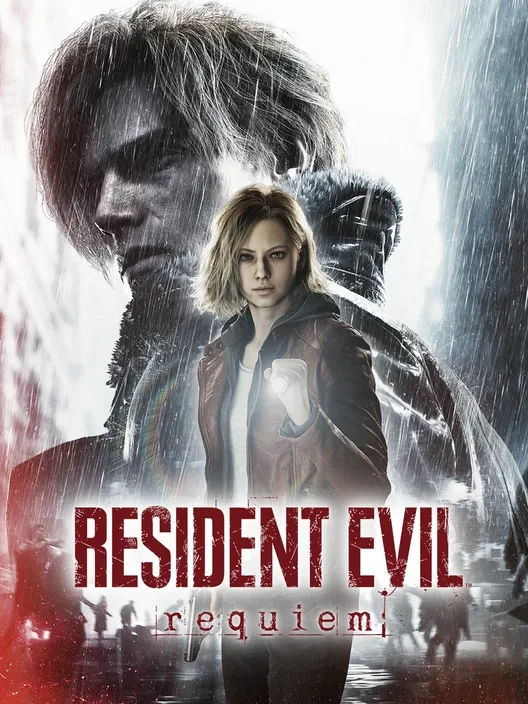
Capcom's newest mainline entry, released in February 2026 and already the fastest-selling game in series history at over eight million copies within six months, returns to the Raccoon City Police Station setting under new protagonist Grace Ashcroft, whose personal connection to the site reframes familiar Resident Evil geography through fresh eyes. The hybrid perspective system, letting players shift between first- and third-person views depending on the situation, is a meaningful structural experiment for a series that's alternated between the two across its history rather than blended them, and it changes how combat encounters and exploration each feel moment to moment. Grace's own backstory ties directly into the series' deeper lore around the Ashcroft family, giving longtime fans a reason to pay close attention beyond the immediate scares. The honest drawback: as a recent release still receiving post-launch content, some balance and pacing questions that longtime series entries eventually settle through patches and player feedback haven't fully shaken out yet.
18. BirdGut#
Solo developer Micah Boursier's free puzzle-platformer casts the player as an underdeveloped bee, eaten by a bird and thrown into the bird's internal organs, which turn out to be a brainwashing facility processing other captured insects into the bird's service. The body-horror premise — organs as architecture, digestive processes as level hazards, other bees as either obstacles or fellow escapees — gives the puzzle-platforming a genuinely unsettling backdrop that most games in the genre don't attempt, and the Steam community's own classification of the game under psychological horror and surreal tags reflects how effectively that atmosphere lands despite the puzzle-first design. Multiple endings and a chapter-select structure after completion reward exploring the bird's anatomy more than once. The drawback: the horror here is tonal and thematic rather than mechanical — there's no real threat of death-by-monster driving tension moment to moment, and players expecting a scare-focused game rather than a creepy puzzle-platformer will find the balance tilted toward the latter.
19. Outlast#
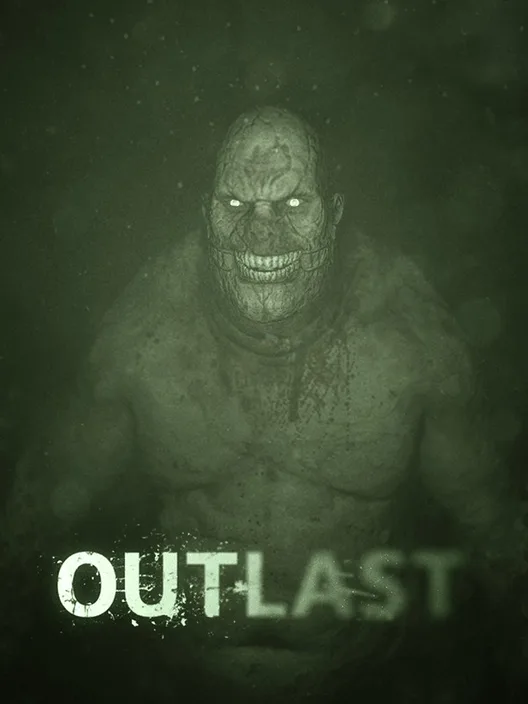
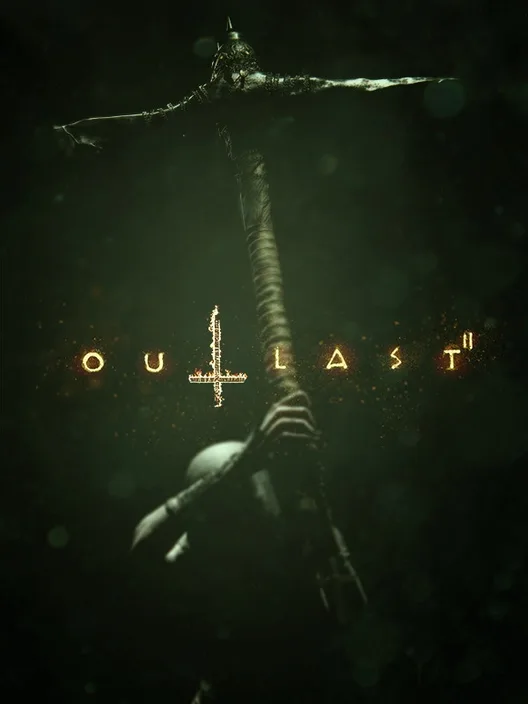
Red Barrels built its found-footage horror around a genuinely radical constraint: journalist Miles Upshur has no weapons and no way to fight back against anything inside Mount Massive Asylum, which means every encounter is pure evasion, and that total powerlessness is the game's entire design philosophy rather than a difficulty option. The camcorder's night-vision mode, essential for navigating the asylum's darkest corridors, runs on a battery that depletes in real time, forcing a genuine risk calculation between seeing clearly and running out of light at the worst possible moment. Chris Walker, a recurring hulking patient who reappears across multiple chapters rather than showing up once and vanishing, builds a specific, personal dread that a fresh monster every level can't replicate. The asylum's found-footage framing, presented entirely through Miles's own camera, keeps the horror grounded in what one exhausted, frightened person can actually witness. The honest drawback: the no-combat premise, while effective, means the game's answer to escalating tension is mostly "run faster," and that toolkit wears thinner across a full campaign than the opening hours suggest.
20. Fear & Hunger 2: Termina#
This turn-based RPG sequel abandons any pretense of a hopeful world, dropping its cast into the town of Le'garde to investigate a disappearance while surrounded by graphic body horror, brutal permadeath mechanics, and combat systems willing to maim, dismember, or infect party members in ways that persist for the rest of a run. The game's refusal to soften any of its darkest content, paired with genuinely grim writing that never winks at the player to say it's all in fun, makes it one of the most uncompromising horror RPGs available on Steam. Multiple wildly different endings, reachable only through specific and often obscure choices, reward exactly the kind of obsessive replay the genre's harshest fans want, and punish anyone hoping for a single defined "true" path. Distinct playable characters with genuinely different combat approaches and story perspectives on the same central mystery add replay value beyond just chasing endings. The drawback: the difficulty and its refusal to compromise are also real barriers — this is a deliberately punishing, occasionally obtuse game that has no interest in being anyone's introduction to the genre.
21. Amnesia: The Dark Descent#
Frictional Games' breakout title established the template that half of modern first-person horror still borrows from: protagonist Daniel has no way to fight back against Brennenburg Castle's monsters, and a sanity meter that drains in darkness or under a monster's gaze forces players to manage light sources as carefully as any survival-horror ammo count. The Grunt, the castle's signature stalking enemy, can't be fought directly, and the game's insistence on hiding rather than confronting threats reframed what "horror gameplay" could mean for an entire generation of indie developers who followed. The physics-driven interaction system, letting players manually open doors, drag furniture as barricades, and pick up nearly any object, gives the world a tactile realism that scripted horror sequences elsewhere on this list don't attempt. The story's slow reveal of Daniel's own complicity in the castle's atrocities adds a genuine moral weight beneath the jump scares. The honest drawback: the sanity mechanic's penalties are mild enough in practice that experienced players can largely ignore it, undercutting one of the game's own central systems.
22. Doki Doki Literature Club!#
Team Salvato's visual novel spends its first several hours presenting itself as a wholesome high-school dating sim about a literature club, and that patient, genuine setup is precisely what makes its turn into psychological horror land as hard as it does — this is a game whose scares depend entirely on having earned a player's guard being down first. Monika, one of the club's four members, becomes aware of her own status as a character within the game files themselves, and her subsequent manipulation of the game's code, save files, and even its title screen blurs the line between diegetic horror and something that feels like it's actually happening to the player's own computer. Sayori's fate, which arrives without the narrative signaling typical of the genre, remains one of the more discussed gut-punches in visual novel horror specifically because nothing in the game's tone up to that point prepares for it. The drawback: the meta-horror trick, however well-executed, depends entirely on the element of surprise, and a game this widely discussed online is now nearly impossible to go into unspoiled.
23. Omori#
Omocat's RPG splits its world between Headspace, a colorful dream realm populated by Sunny's own subconscious, and Faraday, the real town where the consequences of a specific unspoken tragedy involving his friend Mari are slowly excavated through the dream logic layered on top of them. The game's central trick — using a bright, almost childlike art style to deliver some of the heaviest psychological content in the genre — makes its darkest moments hit with a specific, disorienting force precisely because nothing about the presentation prepares for them. Basil's fractured role in both worlds, and the way Headspace itself visibly degrades and distorts as buried memories get closer to the surface, turns exploration into an act of psychological excavation rather than simple dungeon-crawling. An emotion system layered onto standard turn-based combat gives battles a mechanical hook beyond the story, tying combat outcomes to the same emotional themes the narrative explores. The honest drawback: the game's slow-burn structure asks for real patience before its true stakes become clear, and combat can feel like padding between story beats for players chasing the horror rather than the RPG.
24. Little Nightmares#
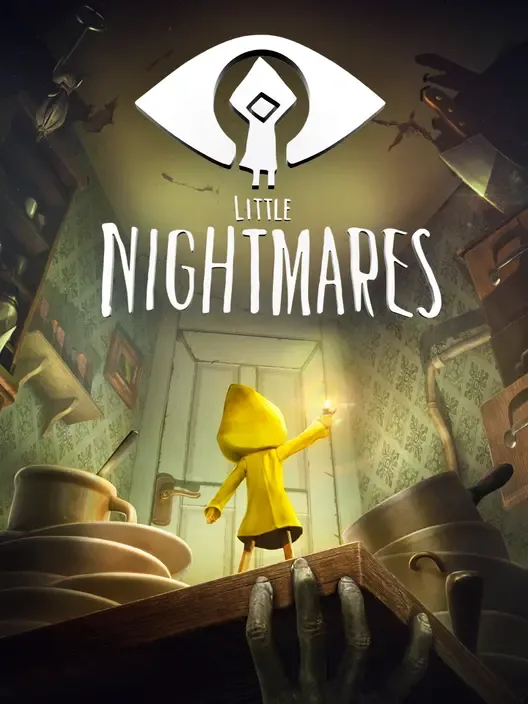
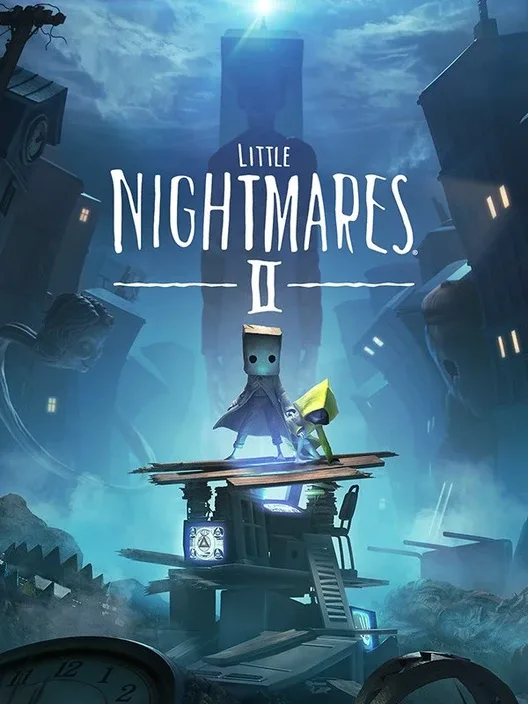
Tarsier Studios' puzzle-platformer builds its horror almost entirely around scale — Six, a small child in a yellow raincoat, is dwarfed by every adult on The Maw, a floating vessel of grotesque, oversized diners, and that size disparity does more to generate dread than any monster design alone could. The Twin Chefs, hunting Six through the ship's kitchens with cleavers and a shared, unsettling movement pattern, and the Janitor, blind and reliant on hearing, each demand a different kind of careful, quiet movement rather than a repeatable formula, keeping the chase sequences from feeling identical. The Maw's environmental design, all oversized furniture and cutlery scaled to adult diners, reinforces the powerlessness at the heart of the game without a single line of dialogue. The final confrontation with The Lady, presented through mirrors and a genuinely disturbing physical transformation, closes the game on its most unsettling note rather than a conventional victory. The drawback: at three to four hours, several of the game's most interesting ideas — particularly around Six's own hunger and what she's willing to do to satisfy it — get introduced without much room to develop.
25. Sheepy: A Short Adventure#
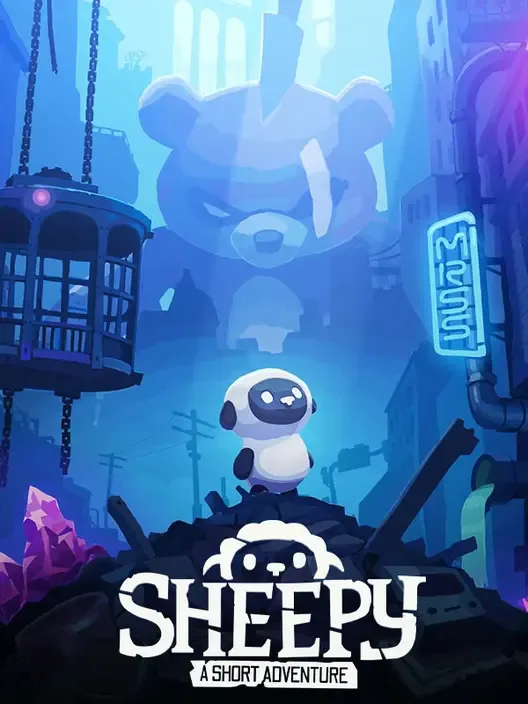
MrSuicideSheep's first game, a free handcrafted pixel-art platformer, follows an abandoned plushy toy brought unexpectedly to life in the sewers beneath a nameless city, and spends its short runtime shifting between genuinely cute character writing and moments of real, sewer-set creepiness without ever fully committing to either tone. That tonal instability is the point — Sheepy's world keeps threatening to turn dark before pulling back into whimsy, and the uncertainty about which mode is about to take over is where most of its tension actually lives. Its handcrafted pixel art, built scene by scene rather than through reusable tilesets, gives the sewer setting an unusually specific, lived-in creepiness for a game this short. Nearly 12,000 reviews sit at 98% positive for a totally free release. The honest drawback: at roughly ninety minutes to two hours, several of its more unsettling ideas are introduced and dropped before they can build into anything close to the sustained dread longer horror games on this list manage.
26. The Cat Lady#
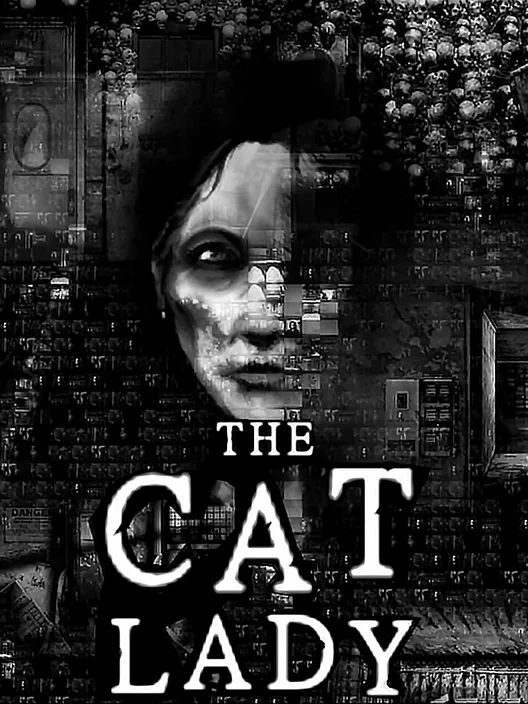
Harvester Games' point-and-click adventure opens with protagonist Susan Ashworth's suicide attempt and doesn't soften what follows: her forced return to a life she'd already decided to end, now pursued by the Queen of Maggots and a genuinely disturbing serial killer known as The Eyeless Brute, whose own philosophy about death gives him a presence more unsettling than a typical slasher villain. The game's refusal to treat Susan's depression as a plot device to be solved rather than a lived, ongoing condition gives its horror a psychological grounding that pure monster-chase games don't attempt, and several of its "puzzle" solutions are really about how far Susan is willing to compromise herself to survive. The Eyeless Brute's dialogue-heavy confrontations, built around genuine philosophical debate rather than a chase, are some of the most unusual horror-villain writing on this list. The honest drawback: the low-budget point-and-click presentation, with static backgrounds and limited animation, is a real barrier for players who need modern production values to stay immersed in a game this narratively heavy.
27. Bioshock#
Irrational Games' underwater city of Rapture, built by industrialist Andrew Ryan as an Objectivist utopia and long since collapsed into addiction and violence, remains one of the best-realized horror settings in the medium specifically because its decay tells a coherent political and human story rather than existing as pure atmosphere. Splicers, Rapture's drug-addled former citizens, attack with a desperate, human unpredictability that separates them from generic zombie-adjacent horror enemies, and the Big Daddy/Little Sister relationship — a hulking bonded protector guarding a child harvesting a corpse for genetic material — creates a genuinely uncomfortable moral question the game never fully resolves for the player. The mid-game "Would You Kindly" reveal recontextualizes everything the player has done up to that point as a critique of on-rails game design itself, a twist still cited as one of the medium's sharpest. The honest drawback: the plasmid-and-gunplay combat, while serviceable, is considerably less frightening than the setting and story around it, and the back half leans harder into shooter mechanics than the atmospheric opening hours promise.
28. Little Goody Two Shoes#
AstralShift's prequel to Yuppie Psycho follows Elise, a poor village girl in the folk-horror town of Kieferberg, whose ambition to marry into wealth collides with rural superstition, a suspicious cult, and horrors that emerge specifically from the town's own buried history rather than an external threat. The turn-based combat, while functional rather than the game's real focus, exists mainly to punctuate a story built on slow-building dread and genuinely upsetting reveals about what Kieferberg's townspeople have done to maintain their way of life. Elise's own morally compromised choices, made in pursuit of a better life rather than pure survival, give the game's horror a specific class-anxiety angle most folk-horror games don't explore as directly. The hand-painted, storybook-adjacent art style does real work contrasting a deceptively pleasant surface with what's actually happening underneath it. The drawback: the combat system, clearly secondary to the narrative, feels undercooked compared to games built around it from the start, and pacing between story beats occasionally drags.
29. Silent Hill 2 (2024)#
Bloober Team's remake of Konami's 2001 classic keeps James Sunderland's search for his dead wife Mary intact while rebuilding the fog-choked town of Silent Hill and its combat from the ground up, and the decision to keep the original's psychological core rather than modernize it into a more conventional action game is what makes the remake work. Pyramid Head, whose pursuit of James was originally more limited and symbolically loaded than later series appearances suggested, returns with that original restraint intact, and his presence still functions as a specific manifestation of James's own guilt rather than a generic recurring boss. Maria, whose unsettling resemblance to Mary drives much of the story's tension, and the ambiguous nature of the town itself as either supernatural or psychological, are handled with enough restraint that the remake doesn't over-explain what made the original's ambiguity so effective. The honest drawback: combat, while improved from the original's clunkier systems, is still clearly secondary to atmosphere and story, and players expecting Resident Evil-style action will find it deliberately unsatisfying by comparison.
30. The Evil Within#
Shinji Mikami's post-Resident Evil project puts detective Sebastian Castellanos inside STEM, a shared mental network whose instability lets the game warp its own geography and rules mid-level without needing to justify it narratively, since the world literally isn't stable to begin with. Ruvik, the mutilated antagonist whose traumatic backstory is slowly uncovered through the game's fragmented structure, has a genuinely disturbing design rooted in real body horror rather than generic monster aesthetics, and the Sadist — a chainsaw-wielding brute who can't be permanently killed through normal combat — forces the same kind of resource-conscious evasion Resident Evil's Mr. X pioneered. The game's willingness to shift wildly in tone and setting from chapter to chapter, using STEM's instability as narrative justification, gives it a genuinely unpredictable structure few horror games attempt at this scale. The honest drawback: that same tonal whiplash means some chapters land far better than others, and the story's fragmented, dreamlike delivery leaves real plot threads deliberately, sometimes frustratingly, unresolved.
The ranking above blends IGDB's aggregate critic and user rating with Steam's own user review percentage, and only for games with a real sample size behind the score rather than a handful of early ratings that can swing wildly. Nothing on this list was hand-picked for inclusion or placement — the order is a direct output of that combined score, which means it shifts automatically as more people rate these games or as new releases join the catalog with enough reviews to be scored fairly. Treat it as a living answer to "what are the best horror games right now" rather than a fixed verdict, and check back as the data changes, because among the best horror games 2026 has produced so far, this list will keep moving.