




Sony's PlayStation Vita launched in 2011 and 2012 with two analog sticks, a touch screen and a rear touch pad, and its library was shaped by a partnership between Sony's first-party studios, Japanese role-playing and visual novel publishers, and a wave of ambitious indie developers. The list therefore mixes Persona 4 Golden and Gravity Rush with Spelunky, Hotline Miami and a strong run of visual novels. Only games that were genuinely notable on Vita are included, and each entry notes an honest weakness.
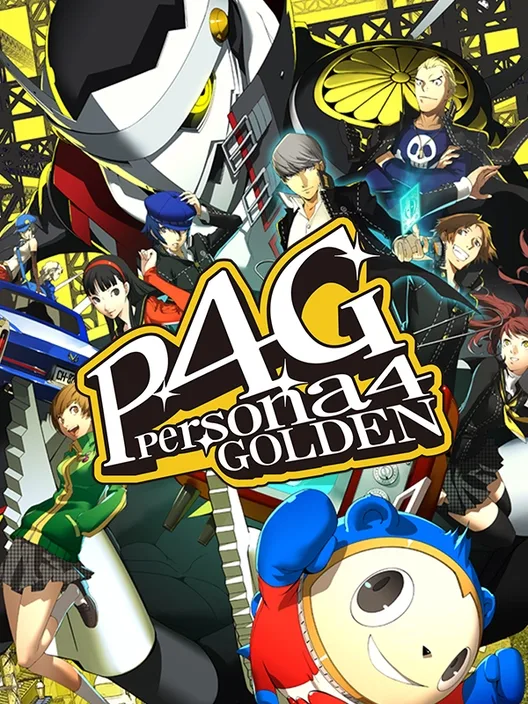
1. Persona 4 Golden#
Atlus reworked its 2008 PlayStation 2 role-playing game for Vita in 2012, adding expanded social links, a new character (Marie), new Personas, extra story and a garden feature. Players spend a year in the rural town of Inaba, balancing school life and friendships with dungeon crawling to solve a string of murders. It holds a Metacritic score of 93, the highest of any game on this list. The pace is slow, with long stretches of dialogue and a calendar that punishes wasted days, and the dungeons are repetitive. It later reached Windows in 2020 and Switch, PS4 and Xbox in 2023, and sold roughly 2.5 million copies across all platforms.
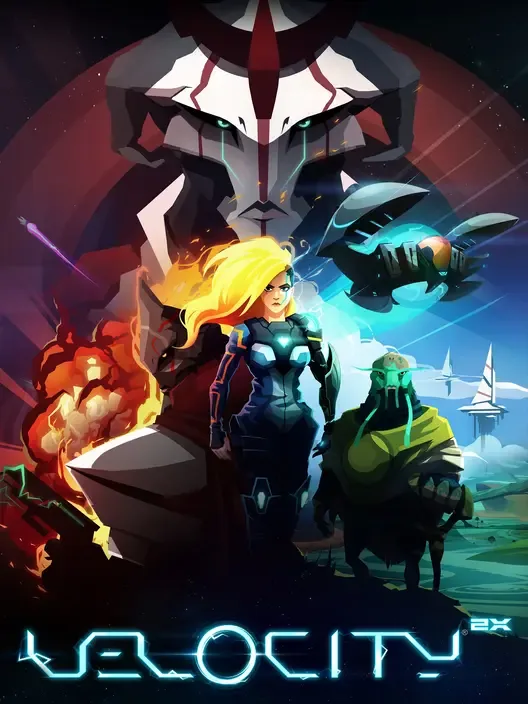
2. Velocity 2X#
FuturLab's Velocity 2X, released in 2014, combines top-down shooting and teleportation with 2D platformer sections woven into most levels, as Lt. Kai Tana escapes the Vokh Empire. It holds a Metacritic score of 90 on Vita, one of the highest on the system. Levels reward speed, collecting crystals and rescuing survivors. IGN, GameSpot and Polygon each gave it 9/10, with IGN praising the new side-scrolling sections, while the PS4 version scored a lower 86 on Metacritic.
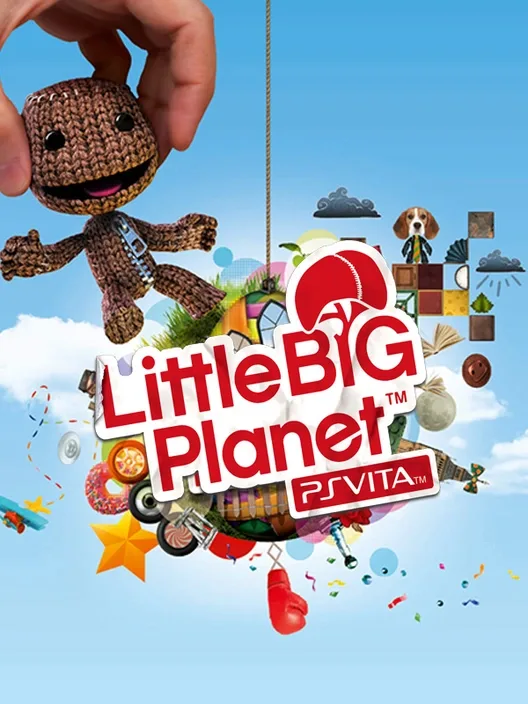
3. LittleBigPlanet PS Vita#
Developed by Tarsier Studios and Double Eleven, LittleBigPlanet PS Vita launched in September 2012 and adapted Sackboy's platforming to touch and motion. The front and rear touch surfaces let players push, pull and prod the world, and the built-in level creator carried over from the console games. It holds a Metacritic score of 88, and IGN called it the definitive LittleBigPlanet game. Reviewers praised its varied story levels and controls, and it added four-player online play and touch-based two-player modes. Its creation tools can be complicated, however, jumping is often described as floaty, and load times run long.
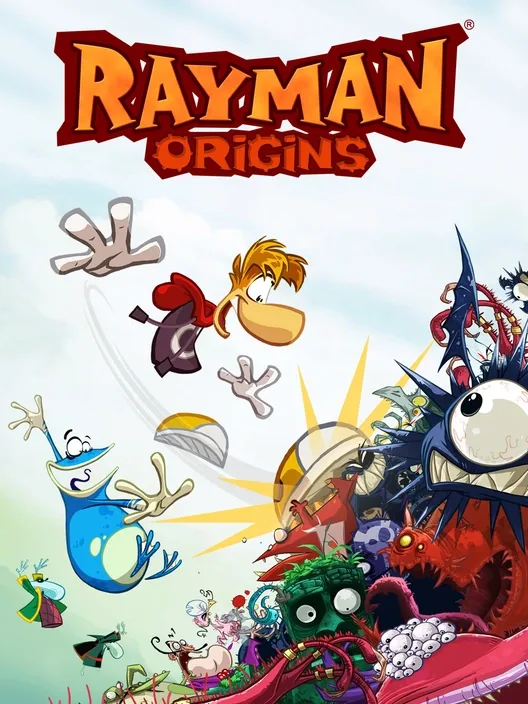
4. Rayman Origins#
Ubisoft Montpellier's Rayman Origins returned the series to hand-drawn 2D platforming in 2011, and the Vita version arrived in 2012 during the system's launch window. Critics praised its art direction and level design, which stays varied despite a simple surface. It holds a Metacritic score of 88 on Vita. Reviewers of the Vita version singled out its controls and art style. Its weakness was commercial: it sold only about 50,000 copies in the US in its first month across platforms, though Ubisoft later confirmed it proved profitable.
5. Spelunky#
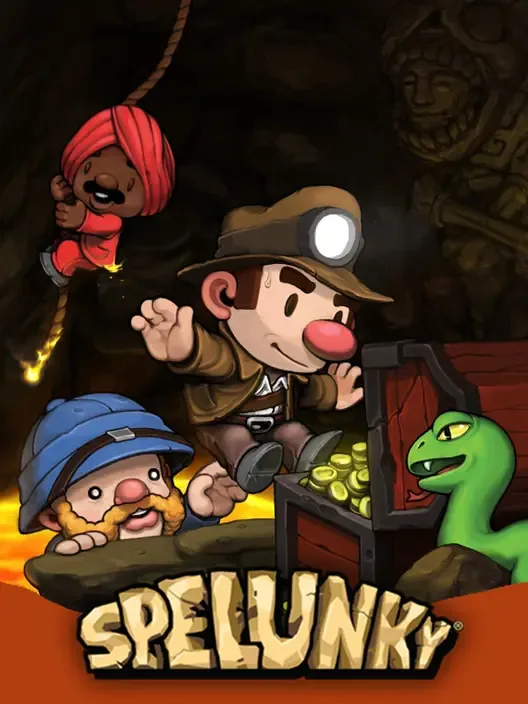
Derek Yu's Spelunky, an enhanced version of the 2008 PC original, came to Vita in October 2014 alongside the PlayStation 4 version, with cross-buy across PlayStation 3, PlayStation 4 and Vita. It sends an explorer through randomly generated caves where a single mistake usually ends the run, and it is famous for the emergent chaos created by its interacting systems. It holds a Metacritic score of 88 on Vita. Derek Yu has said the difficulty is intentional, pushing players to think strategically rather than react reflexively. Eurogamer ranked it third on its Games of the Generation list, and The Guardian placed it 36th among the best games of the 21st century in 2019. That punishing difficulty makes it an acquired taste.
6. Tearaway#
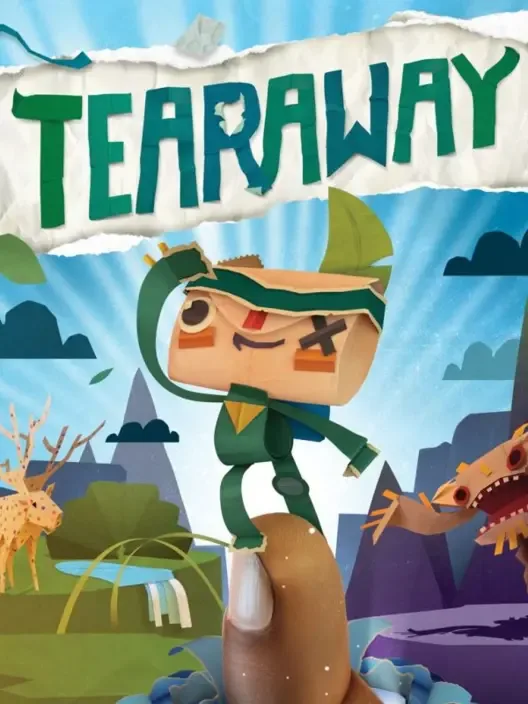
Media Molecule's Tearaway arrived in November 2013 and built a papercraft world that players reshape through the Vita's rear touch pad, camera and microphone. Players choose between the papercraft Messengers Iota and Atoi. It holds a Metacritic score of 87 and won three BAFTAs, including Best Mobile & Handheld. IGN's Daniel Krupa called it the best game he had played on the Vita, and critics singled out its art style, creativity and inventive use of the system's inputs and sensors. The 2015 PlayStation 4 remake, Tearaway Unfolded, later adapted the ideas for the DualShock 4.
7. Rayman Legends#
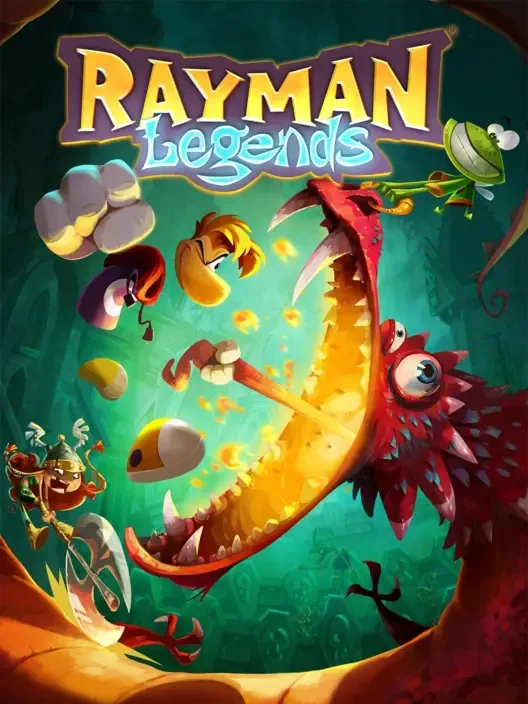
Ubisoft Montpellier's Rayman Legends reached Vita in 2013 after its console release. It expands on Origins with rhythm levels synced to popular songs such as "Black Betty" and "Eye of the Tiger", and with Murfy stages that use touch controls. It holds a Metacritic score of 87 on Vita. The game contains over 120 levels, including 40 remastered from Origins, and one reviewer called it one of the most jubilant, vividly imagined platformers in a long time. The Vita version's 87 was the lowest Metacritic score among its platforms, where scores reached 92, and the game went on to become the best-selling Rayman title.
8. Guacamelee!#
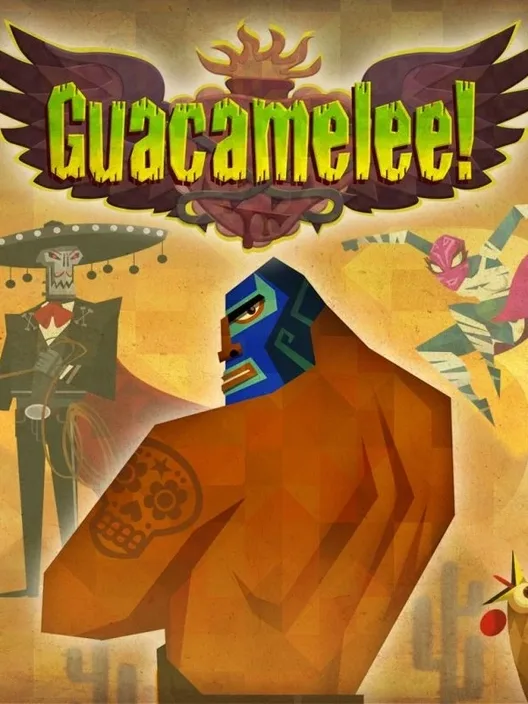
DrinkBox Studios' Guacamelee! launched on Vita in April 2013 and reworked the Metroidvania formula around Mexican folklore and lucha libre. The luchador Juan explores an open, non-linear world, buying skills whose colored moves also unlock gated areas. It holds a Metacritic score of 87 on Vita. It also offers co-op with a second player as Tostada. IGN gave it 9.0 and GameSpot 9/10, though IGN noted its only misfire was its short length.
9. Tales from Space: Mutant Blobs Attack#
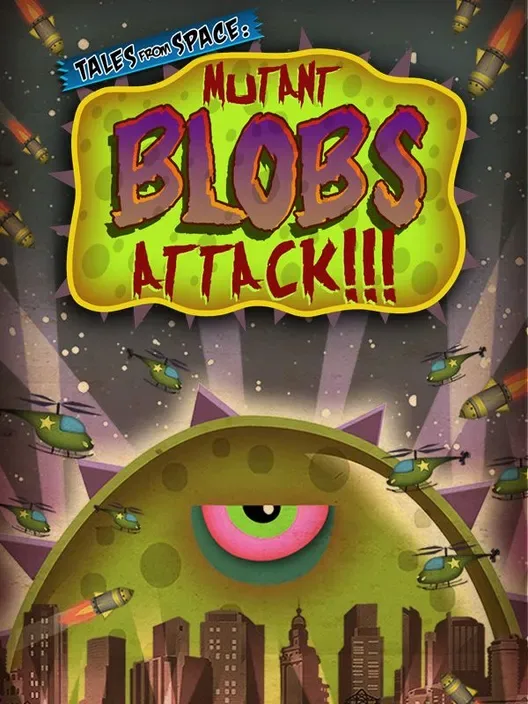
DrinkBox Studios' Tales from Space: Mutant Blobs Attack launched on Vita in 2012. Players guide a blob that grows by absorbing objects, using the rear touch pad and gyroscope to manipulate the level. It holds a Metacritic score of 87, among the highest of the Vita's launch-window games, and IGN gave it 9/10. Its cartoon style and 1950s B-movie humor give it charm. The game is short, and its touch mechanics can feel gimmicky. It is a fine early showcase for what the Vita's controls could do. It is the sequel to Tales from Space: About a Blob and appeared on several best-of-2012 lists, including Game Informer's Top 50.
10. Final Fantasy X/X-2 HD Remaster#
Square Enix released Final Fantasy X/X-2 HD Remaster on Vita in Japan in December 2013 and in the West in March 2014. It bundles Tidus and Yuna's story with the more lighthearted sequel, Final Fantasy X-2, and adds remastered visuals and audio. It holds a Metacritic score of 86 on Vita. Final Fantasy X is a landmark of the PlayStation 2 era for its story and Sphere Grid. It is also strictly linear in its early hours, and X-2 is considered the weaker of the two games. Virtuos handled much of the development, and the package includes content previously found only in the International versions, a new audio drama set a year after X-2, and the Last Mission dungeon mode. Its 86 is the highest Metacritic score of the collection's platform versions.
11. Hotline Miami#
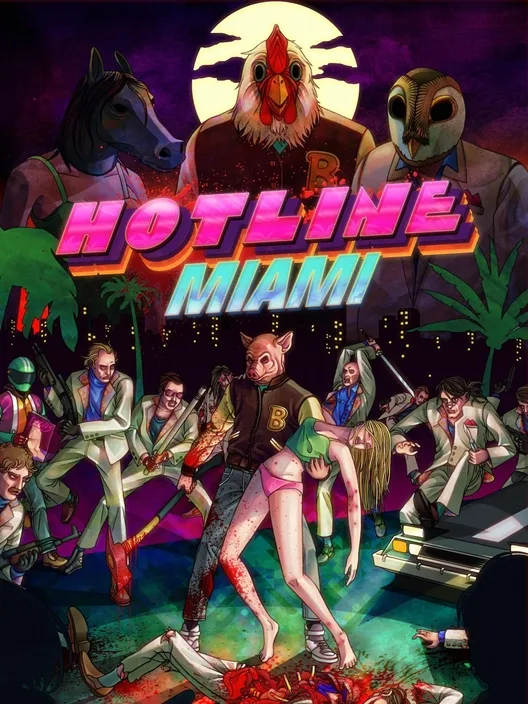
Dennaton Games' Hotline Miami, a top-down action game set in 1989 Miami and published by Devolver Digital, reached Vita in June 2013. Players clear buildings of enemies in a matter of seconds, dying in a single hit, and a synthwave soundtrack drives the pace. It holds a Metacritic score of 85 on Vita. The violence and hallucinatory story are deliberately provocative. Restarts are frequent, and the difficulty can frustrate. Its instant retry loop suits a handheld, and critics singled out its soundtrack, a 22-track mix of electronic, techno and synthwave, as a highlight.
12. Rogue Legacy#
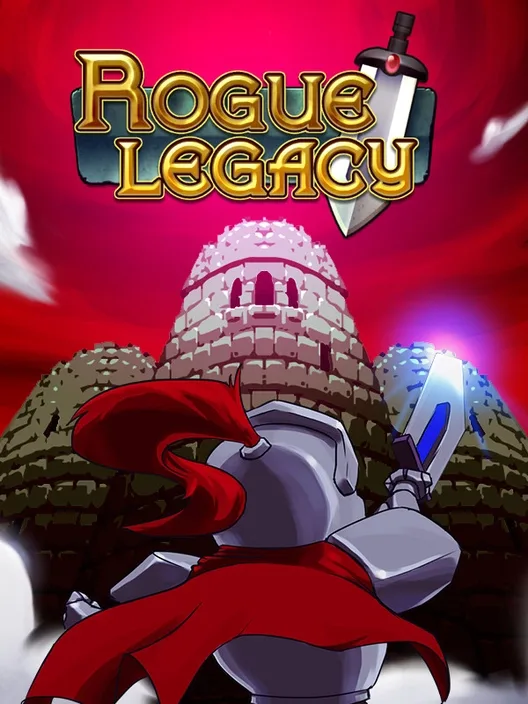
Toronto studio Cellar Door Games' Rogue Legacy reached Vita in July 2014. Each hero dies and passes a randomized set of traits to their heir, while gold spent between runs upgrades the family castle permanently. It holds a Metacritic score of 85 on Vita. The traits, such as vertigo or colorblindness, add humor and variety. Progress can feel grindy, and the later combat depends on stat upgrades. It is a strong fit for the handheld's short sessions, since reviewers noted the design encourages short runs while rewarding players through the broader progression system. Other traits include color-blindness, which renders the game in black and white, and dwarfism, which lets the hero fit into small gaps. The difficulty curve is steep for newcomers.
13. Terraria#
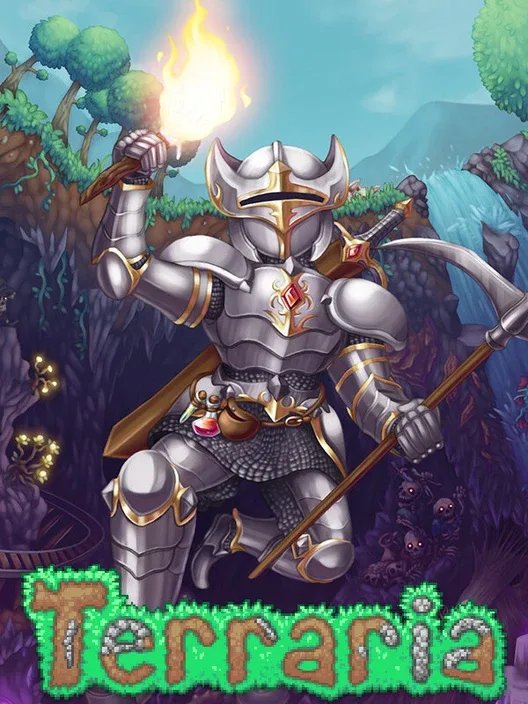
Re-Logic's Terraria brought its 2D sandbox of digging, building and fighting to Vita in December 2013, ported by Engine Software and published by 505 Games, complete with crafting, bosses and a large world to shape. It holds a Metacritic score of 85 on Vita. The Vita version adds a tutorial world, online Wi-Fi multiplayer and touch-screen controls that reviewers praised. It can be overwhelming at the start because of its lack of guidance. It is one of the deepest games available on the system.
14. Mortal Kombat#
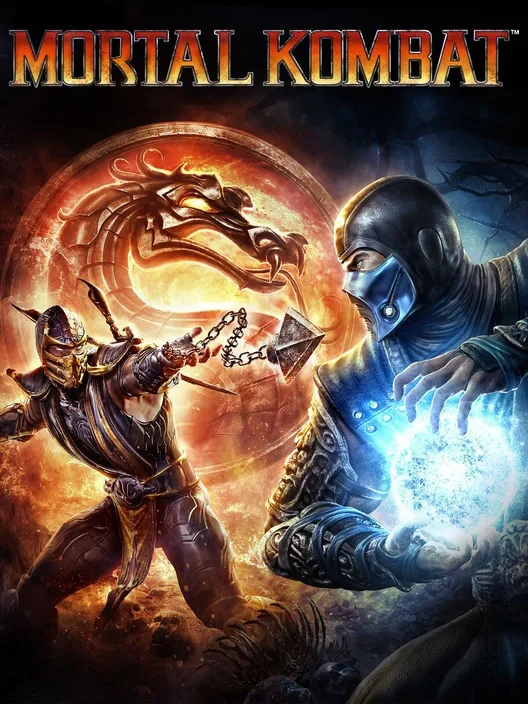
NetherRealm Studios' 2011 reboot of Mortal Kombat reached Vita in May 2012 with its full roster and console-style visuals. It holds a Metacritic score of 85 on Vita. The X-ray moves are brutal, and the story mode retells the first three games. The Vita version adds touchscreen finishing moves, new costumes and a Challenge Tower not found on consoles, though one stage was cut from the port. It includes the content of the PlayStation 3 Komplete Edition. The graphics are a step down from the consoles, and the gore is not for everyone. The controls suit the handheld's buttons well, and it stands out as one of the best fighting games on the system.
15. Sine Mora#
Digital Reality and Grasshopper Manufacture's Sine Mora is a side-scrolling shooter in which a countdown timer acts as health: damage speeds it up and destroying enemies adds time back. It first appeared on Xbox Live Arcade in March 2012 and reached Vita in November 2012. It holds a Metacritic score of 85 on Vita. Its story is unusually ambitious for a shooter, following a father seeking vengeance for his son's execution alongside a plot by surviving members of the Enkie race against an oppressive empire. The narrative is hard to follow, and the game is short. Critics praised its gameplay, boss encounters and visuals, and one reviewer called it perhaps the most visually stunning shooter ever made.
16. OlliOlli2: Welcome to Olliwood#
Roll7's OlliOlli2: Welcome to Olliwood, released in 2015, refined the original's skateboarding with a Hollywood-themed setting, launching on PS4 and Vita in March 2015. It holds a Metacritic score of 85 on Vita. Chaining tricks in short, replayable levels suits the handheld. Its difficulty is steep and the scoring system is unforgiving. It passed one million downloads within weeks of launch, and critics scored the Vita version 85 on Metacritic, one point below the PS4 version.
17. Zero Escape: Virtue's Last Reward#
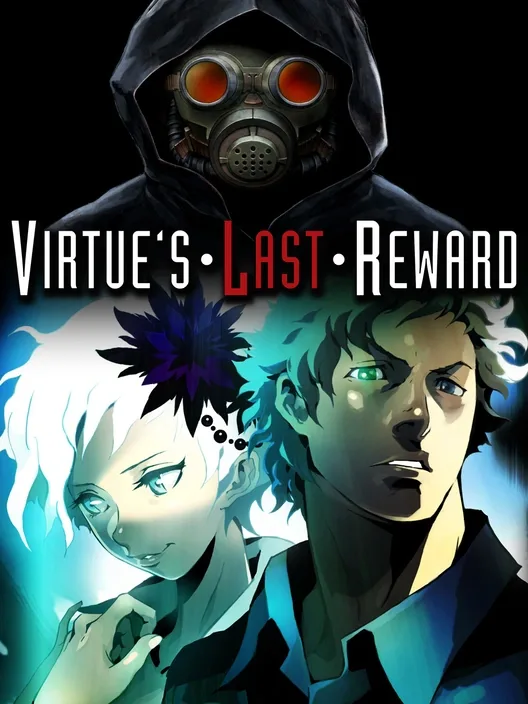
Chunsoft's Virtue's Last Reward reached Japan on Vita and 3DS in February 2012 and the West later that year. Nine strangers are trapped in a facility and must play a game of trust and betrayal, and the branching story is navigated through a flowchart. It holds a Metacritic score of 84 on Vita. It combines escape-room puzzles with a science-fiction plot full of twists. The text is heavy, and the puzzles are less engaging than the narrative. It is a landmark of visual novel storytelling on the system. Critics praised its narrative and characters and the convenience of the flowchart, though some felt the flowchart reduced the tension of wrong choices, and reviewers also found the Vita controls awkward and oversensitive.
18. Grim Fandango Remastered#
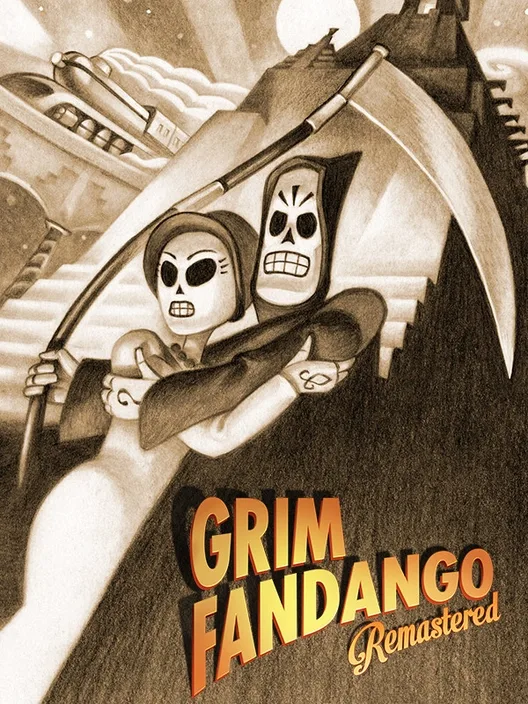
Double Fine Productions' Grim Fandango Remastered, released in January 2015, brought Tim Schafer's 1998 adventure game to Vita with improved character textures and lighting and point-and-click controls added alongside the original tank controls. Manny Calavera works as a travel agent in the Land of the Dead, and the game mixes film noir with Mexican Day of the Dead imagery. It holds a Metacritic score of 84 on Vita. The writing and music are exceptional. Some puzzles are obscure and reward guesswork, which is a known weakness of the genre at the time. Critics also noted that the game did not get a full high-definition upgrade, leaving the higher-resolution characters somewhat out of place against the original backgrounds.
19. Steins;Gate 0#
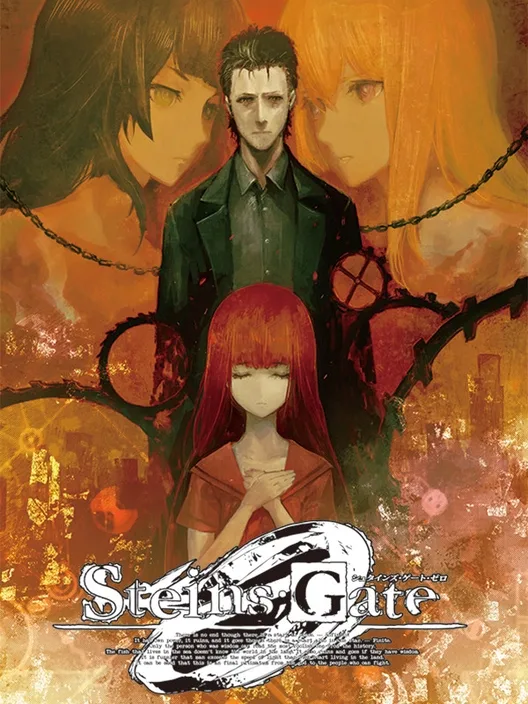
5pb.'s Steins;Gate 0 is a sequel visual novel that explores an alternate timeline after the events of the original. It reached the West on Vita in November 2016, published by PQube, and holds a Metacritic score of 84. It builds on the emotional core of the first game. It assumes the player has finished Steins;Gate and is slow to start. It is a satisfying follow-up for fans. Okabe, traumatized after failing to save Kurisu, ends up testing an AI called Amadeus that holds her memories, and his conversations with it are widely praised. Critics did find some character scenes padded, and reaching every ending is hard without a guide.
20. Sound Shapes#
Queasy Games' Sound Shapes, published by Sony Computer Entertainment, launched on Vita in August 2012, mixing platforming with music creation. Players roll a ball through levels in which each obstacle is a musical element, and the soundtrack features contributions from artists such as Deadmau5 and Beck. It holds a Metacritic score of 84. It offers a create-and-share level editor that uses the Vita's touch screen and rear touch pad, and it won Best Handheld Game at the 2012 Spike Video Game Awards. The campaign is short, and the platforming is basic. It is a memorable art-house release.
21. Gravity Rush#
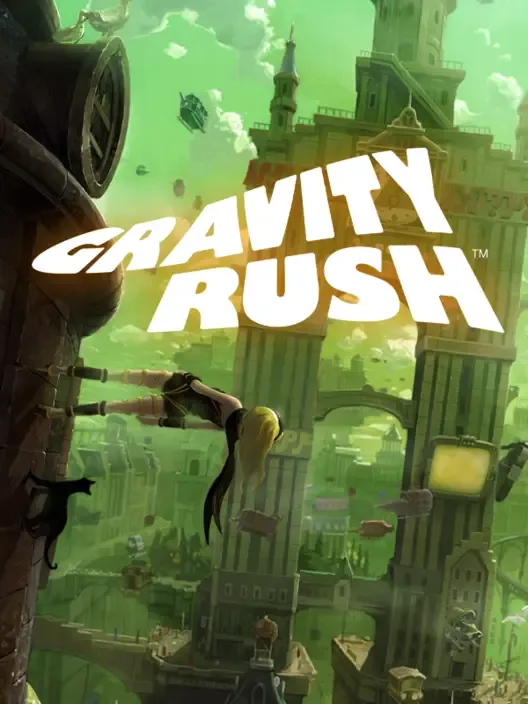
Sony Japan Studio's Gravity Rush, directed by Keiichiro Toyama, reached Japan in February 2012 and the West that June. Kat can shift gravity to fall in any direction across the floating city of Hekseville, and the cel-shaded, comic-inspired art, which draws on Franco-Belgian comics and Studio Ghibli, gave the game a look unlike any other Vita release. It holds a Metacritic score of 83. Critics praised the art style and Kat's portrayal, though gameplay and control issues drew criticism. A PlayStation 4 remaster followed in December 2015 in Japan and February 2016 in the West, ahead of the 2017 sequel Gravity Rush 2.
22. Steins;Gate#
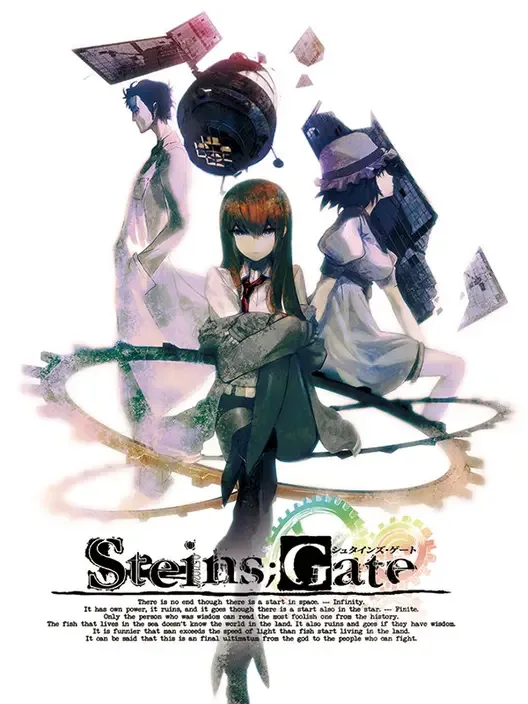
5pb. and Nitroplus's Steins;Gate, a science-fiction visual novel about a group of friends who discover a way to send messages to the past, is among the most celebrated stories in the genre. The Vita edition reached English-speaking players in August 2015, published by PQube. It holds a Metacritic score of 83 on Vita. Its slow-burn opening pays off with a gripping second half. The first hours are heavy on dialogue, and there is little interactivity. It is often recommended to newcomers to visual novels, and its Vita release was Metacritic's highest-rated Vita game of 2015 according to Wikipedia's summary.
23. Lumines: Electronic Symphony#
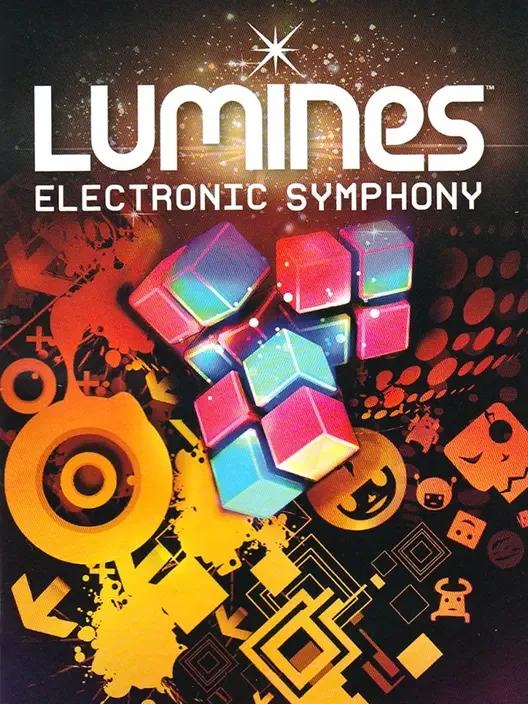
Q Entertainment and Rocket Studio's Lumines: Electronic Symphony, published by Ubisoft, was a Vita exclusive released in February 2012 in North America and Europe and April 2012 in Japan. Tetris-like blocks are cleared as a timeline sweeps across the grid in time with music, and the soundtrack pairs the visuals with electronic tracks. It holds a Metacritic score of 83. It is a hypnotic puzzle game that adds Chain and Shuffle blocks, an experience-point unlock system and avatars with abilities triggered from the rear touch pad. Its music leans towards a relaxed lounge feel rather than constant high tempo, and the basic block-clearing formula will feel familiar to PSP veterans. It is a fine example of the puzzle-rhythm hybrid.
24. Child of Light#
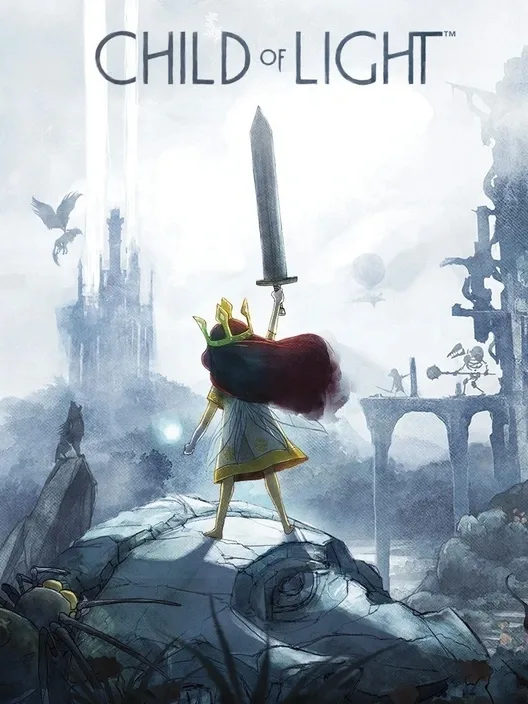
Ubisoft Montreal's Child of Light, released in 2014, is a role-playing game built on the UbiArt engine, with watercolor art and rhyming verse. Aurora explores the fairy-tale world of Lemuria with a turn-based system in the style of active-time battle games, where players control two characters at once and can swap in reserves. It holds a Metacritic score of 83 on Vita. The music and visuals are gorgeous. The story is simple and the rhyming dialogue can grate. It is a short but affecting adventure. It reached Vita in July 2014, after the April 2014 launch on other platforms, and the game was nominated for Handheld Game of the Year at the D.I.C.E. Awards.
25. Zero Escape: Zero Time Dilemma#
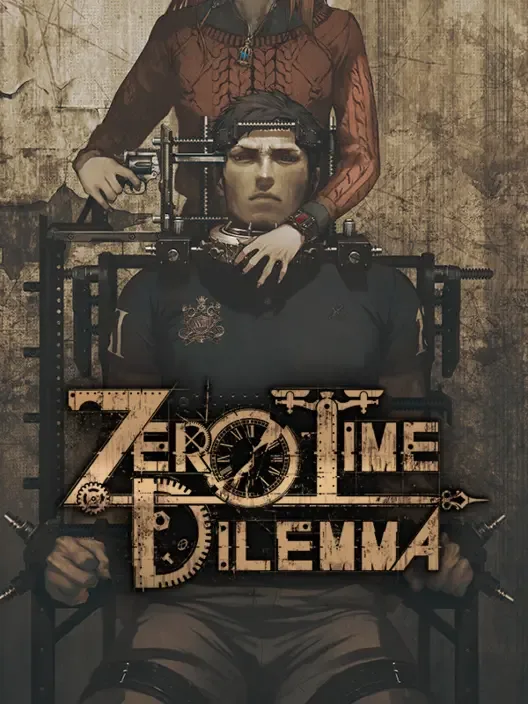
Chime's Zero Escape: Zero Time Dilemma, released in June 2016, concludes the trilogy that began with 999 and continued with Virtue's Last Reward. The story is told in fragments in a shuffled order and the puzzles return in escape-room form. It holds a Metacritic score of 83 on Vita. It has a satisfying conclusion for fans. Critics singled out the rough cutscene presentation as a drawback. It is best played after the earlier games. It launched on Vita in late June 2016 and its 83 was the second-best Metacritic score for a Vita game that year. Its story is split into 90-minute fragments that players choose through a Floating Fragment system.
26. Oddworld: Stranger's Wrath HD#
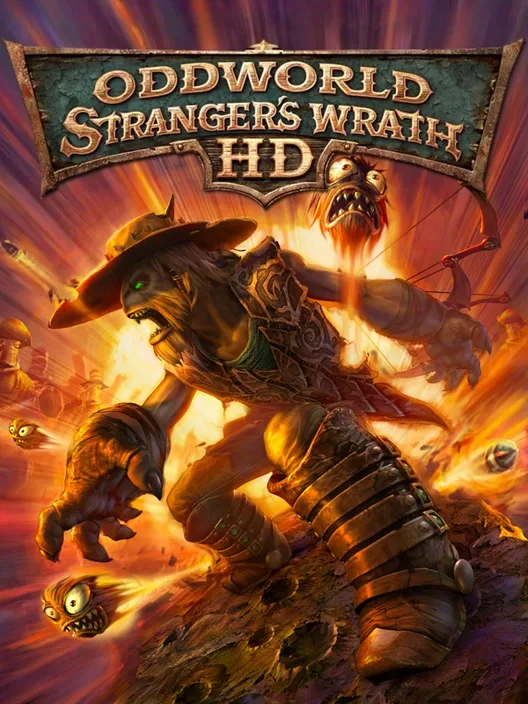
Just Add Water's Oddworld: Stranger's Wrath HD updated the 2005 Xbox game for Vita. Players control the bounty hunter Stranger, using live ammo creatures as weapons, in a blend of first- and third-person action. It holds a Metacritic score of 83. Its humor and world design remain distinctive. The controls show their age and the checkpoints are sparse. It is an oddball classic that transferred well. The Vita edition arrived in December 2012 and Oddworld Inhabitants published it. The 2005 Xbox original scored 88 on Metacritic but sold only about 600,000 copies, far below what the developer needed to break even. Third-person view covers exploration and melee, while first-person handles ranged weapons.
27. Luftrausers#
Vlambeer's Luftrausers, a 2014 arcade dogfighter published by Devolver Digital, lets players build custom planes from combinations of engines, weapons and hulls and fight waves of enemy aircraft and ships. It holds a Metacritic score of 83 on Vita. Its sepia visuals and fast, frantic gameplay suit short sessions. The core loop is thin, and it can feel repetitive after a few hours. It nonetheless earned a strong following: it launched simultaneously on PC, PS3 and Vita in March 2014, recovered its development costs within three days, and Giant Bomb named it Best Music of 2014 for Jukio Kallio's soundtrack.
28. Bit.Trip Presents... Runner2: Future Legend of Rhythm Alien#
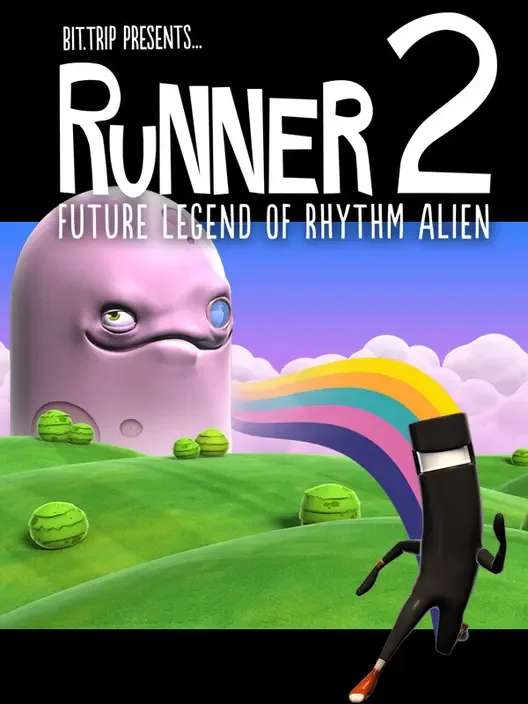
Gaijin Games' (now Choice Provisions) Bit.Trip Presents... Runner2: Future Legend of Rhythm Alien is a rhythm-platformer in which Commander Video runs automatically and the player times jumps, slides and kicks to the music. It holds a Metacritic score of 83 on Vita. The narration and audio are great, and the difficulty ramps up smoothly. It punishes mistakes and some players will find its pace relentless. It is well suited to short handheld sessions. The Vita version launched in December 2013, and the game spans five themed worlds with 95 levels and adds moves such as hanging from rails and deflecting projectiles with a shield. It sold over a million copies across platforms by March 2014.
29. Ys: Memories of Celceta#
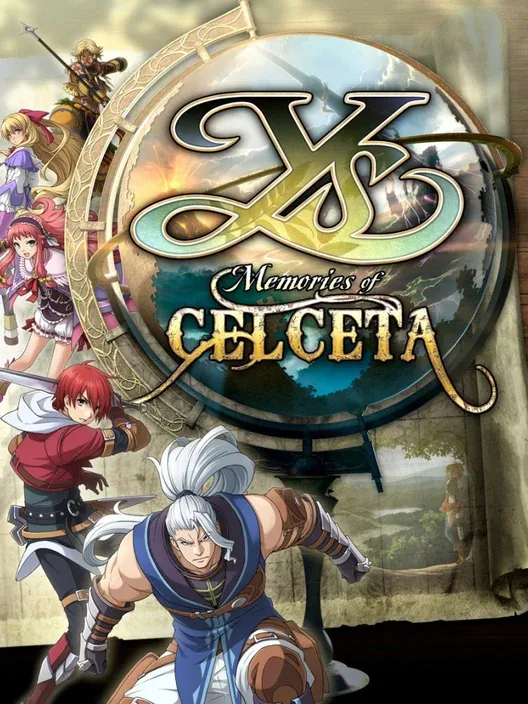
Nihon Falcom's Ys: Memories of Celceta is a reinterpretation of the story previously told in Ys IV, first released in Japan in September 2012 and in North America in November 2013. Adol Christin wakes with amnesia in the Great Forest of Celceta and fights through fast, action-oriented combat with party members who can be swapped. It holds a Metacritic score of 82. The music and pace are excellent. The environments are repetitive, and the story is slight. It is a good entry point to the long-running series. Xseed Games published it in North America and NIS America in Europe, and the party system builds on Ys Seven, with up to three characters on screen and Flash Move defensive mechanics. Reviewers noted its modest graphics by Vita standards.
30. Soul Sacrifice Delta#
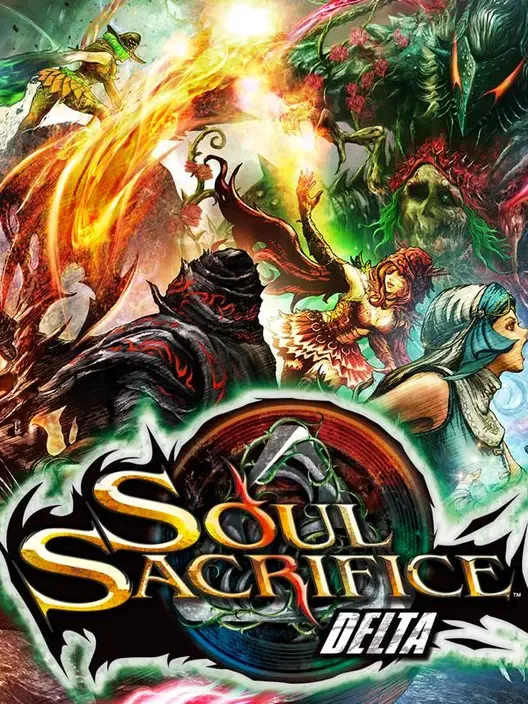
Marvelous AQL and Sony Japan Studio's Soul Sacrifice Delta is an updated version of the original Soul Sacrifice, developed by Marvelous AQL and Japan Studio and published by Sony Computer Entertainment, released in March 2014 in Japan and May 2014 in the West. Players fight monsters as a sorcerer with sacrificial spells, and a moral choice system decides whether to save or sacrifice defeated enemies. It holds a Metacritic score of 82. The dark fantasy setting and cooperative play are its highlights. Missions are repetitive and the multiplayer is more fun with friends. It is a solid alternative to Monster Hunter on Vita. It improved on the original's Metacritic score of 77, earned 37/40 from Famitsu, and sold about 48,800 physical copies in its first week in Japan to top the charts. Delta adds co-op attacks to the original's four-player online quests.
31. Severed#
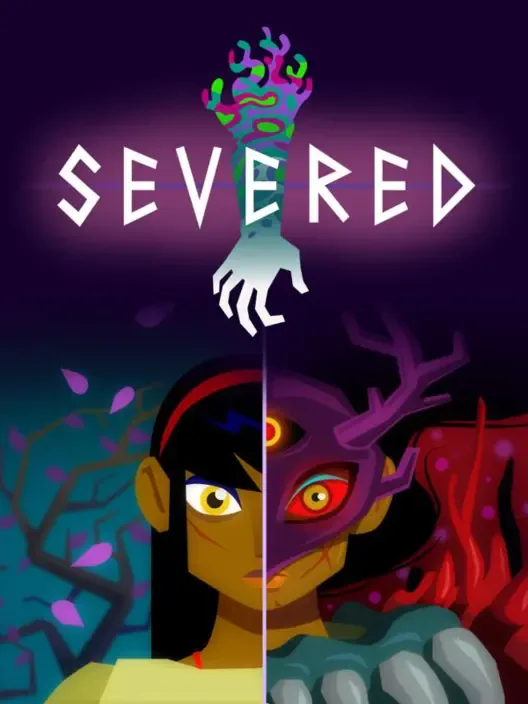
DrinkBox Studios' Severed launched on Vita in April 2016, before later reaching Wii U, 3DS, iOS and Switch. The heroine Sasha fights through a dungeon by swiping the touch screen to slice enemies, and the hand-drawn art is striking. It holds a Metacritic score of 82. The combat is distinctive and the controls are responsive. The game is short and a repetitive loop of encounters can set in. It is a fitting showcase of the system's touch screen. Its soundtrack by Yamantaka // Sonic Titan won Best Musical Score at the Canadian Videogame Awards, and the game earned a Handheld Game of the Year nomination at the D.I.C.E. Awards. Critics called the reception generally favorable across every platform it reached, though the Vita score of 82 was the lowest of the versions.
32. Danganronpa 2: Goodbye Despair#
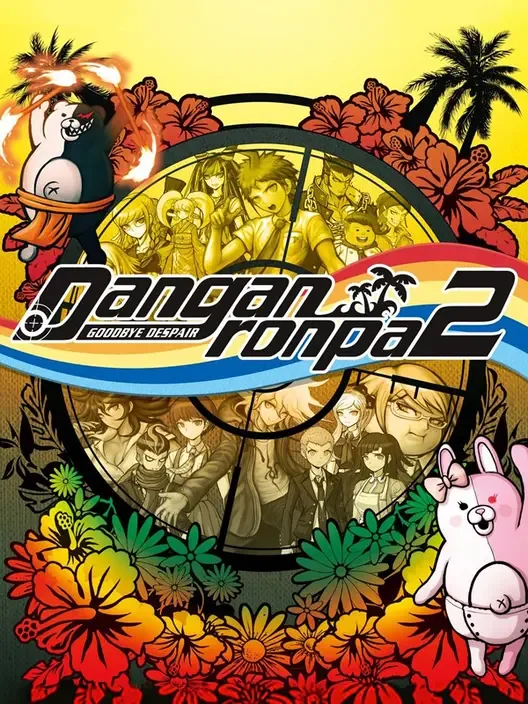
Spike Chunsoft's Danganronpa 2: Goodbye Despair sent a new cast to a tropical island and reached the West on Vita in September 2014. It follows the first game's class trials with new minigames and a new island setting, Jabberwock Island, where Monokuma runs the deadly game. It holds a Metacritic score of 81 on Vita. Reviewers praised its story, characters and dating-sim elements, though some found parts of the class trials less engaging. It first launched on PSP in Japan in 2012. It still uses much of the same formula, and players unfamiliar with the first game may miss references.
33. Lone Survivor: The Director's Cut#
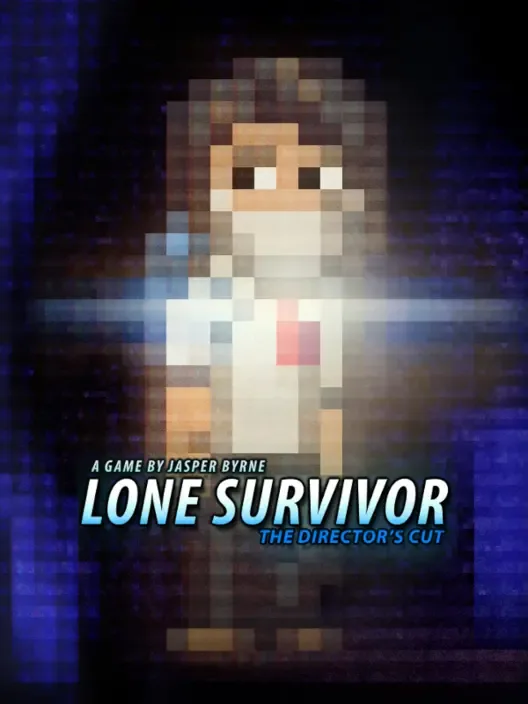
Jasper Byrne's Lone Survivor: The Director's Cut, published by Curve Studios, brings his pixel-art survival horror game to Vita in September 2013. Players explore a ruined apartment block where sanity, hunger and sleep matter as much as combat. It holds a Metacritic score of 81. Its atmosphere and sound design are excellent. Some critics felt it never delivered fully on psychological horror. It is a moody, indie counterpart to the big-budget horror games elsewhere. Wearing a surgical mask in an infected city, the player must find food and sleep to survive, and the only hint of other survivors is a note.
34. Uncharted: Golden Abyss#
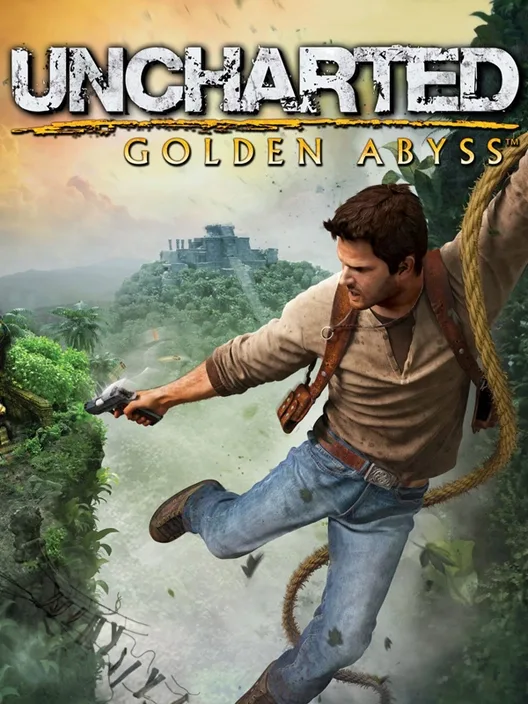
Bend Studio's Uncharted: Golden Abyss was a Vita launch title, released in Japan in December 2011 and in the West in February 2012, taking Nathan Drake to Panama in a prequel story as he hunts for the lost city of Quivira with Marisa Chase. It showed that a console-style adventure could run on a handheld, using touch and motion controls. It holds a Metacritic score of 80. Critics praised its console-quality graphics and voice performances. Some critics found the touch and motion controls intrusive, and one likened the story to decent fan fiction. It became the best-selling Vita game in the United States.
35. Danganronpa: Trigger Happy Havoc#
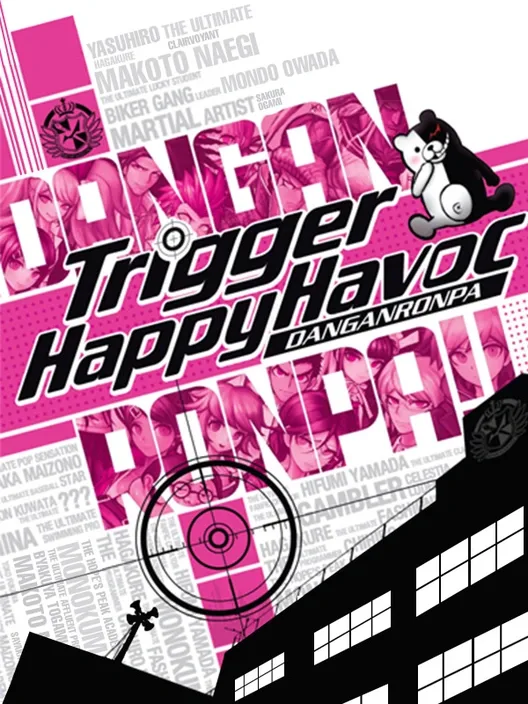
Spike Chunsoft's Danganronpa: Trigger Happy Havoc reached Vita in the West in February 2014, having launched on PlayStation Portable in Japan. Students trapped in a school must solve murders in class trials that mix debate and minigames. It holds a Metacritic score of 80. Its pop-art style and dark comedy gave the handheld a cult hit. Some trial minigames become repetitive, and the pacing between investigations is slow. It launched a franchise that thrived on Vita. Critics praised the narrative and the class trials, but some found the murder mysteries too easy to solve, and opinions on the trial minigames were mixed. The Vita version followed the PSP original, which launched in Japan in 2010.
36. Danganronpa V3: Killing Harmony#
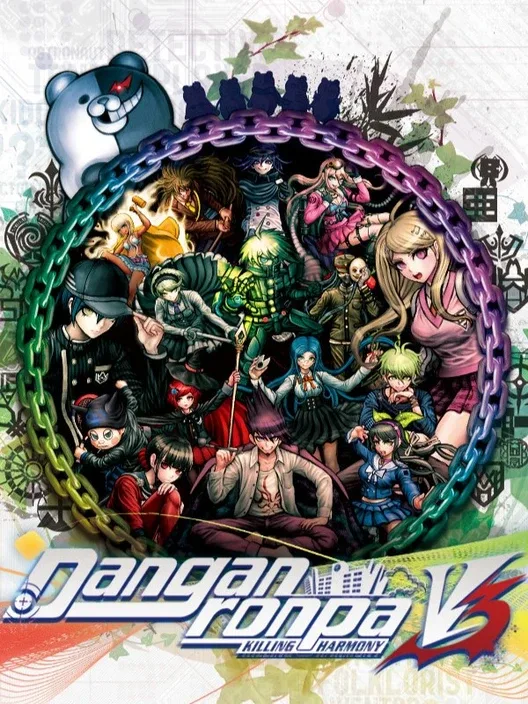
Spike Chunsoft's Danganronpa V3: Killing Harmony reached Vita in the West in September 2017. It reworks the series formula with new class trial mechanics and a story that plays with the fiction itself. It holds a Metacritic score of 80. Its ending is polarizing. The pacing can drag, and some new trial minigames are less refined. It is one of the last major Vita releases in the West. It launched in North America on September 26 and in Europe on September 29, 2017. Spike Chunsoft both developed and published it, and the PS4 and PC versions score 81 and 80 on Metacritic. New trial mechanics such as Mass Panic Debates and Debate Scrums add variety to the courtroom sequences.
37. Ultimate Marvel vs. Capcom 3#
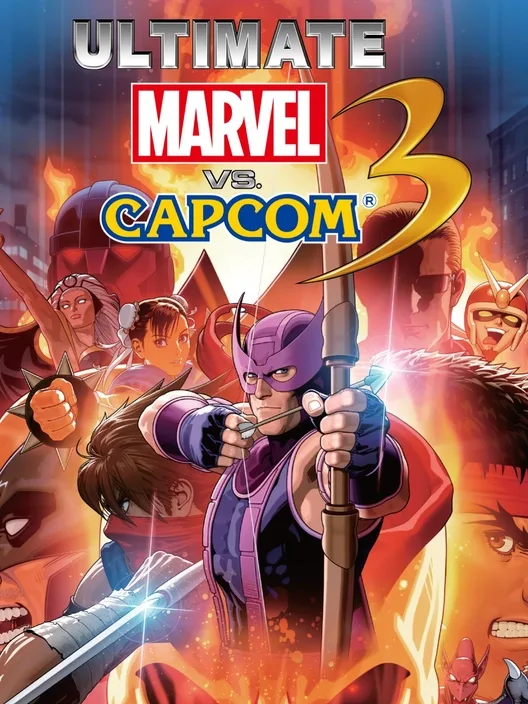
Capcom's Ultimate Marvel vs. Capcom 3, reached Vita in Japan in December 2011 and in the West in February 2012, and brought a huge crossover roster and fast three-on-three tag battles to the handheld. It holds a Metacritic score of 80. It preserved most of the console version's content. Reviewers found the touch-screen controls a weak point, and the handheld hardware limits the presentation. It remains one of the better fighting game ports on the system. Capcom developed it with Eighting, and its 48 playable characters (36 from the original game plus 12 newcomers) match the console release, which Metacritic also scored 80.
38. WipEout 2048#
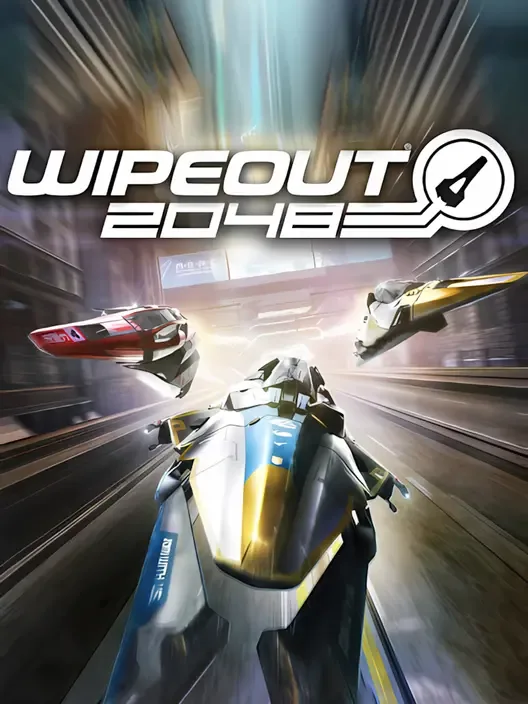
Sony Studio Liverpool's WipEout 2048 was a Vita launch game, released in Japan in January 2012 and in North America and Europe in February 2012. It is a prequel to the original 1995 game, set in 2048 to 2050 in the fictional Nova State City, with anti-gravity craft racing on street courses rather than dedicated tracks. It holds a Metacritic score of 79. Its visuals were a benchmark for the hardware. Long loading times and a weak sense of progression were common criticisms. It stands out as a racing game of the system's first wave. Reviewers cited waits of 30 to 50 seconds before races. It was also Studio Liverpool's last mainline WipEout game, and its 79 made it the 20th-highest-rated Vita game of 2012.
39. Killzone: Mercenary#
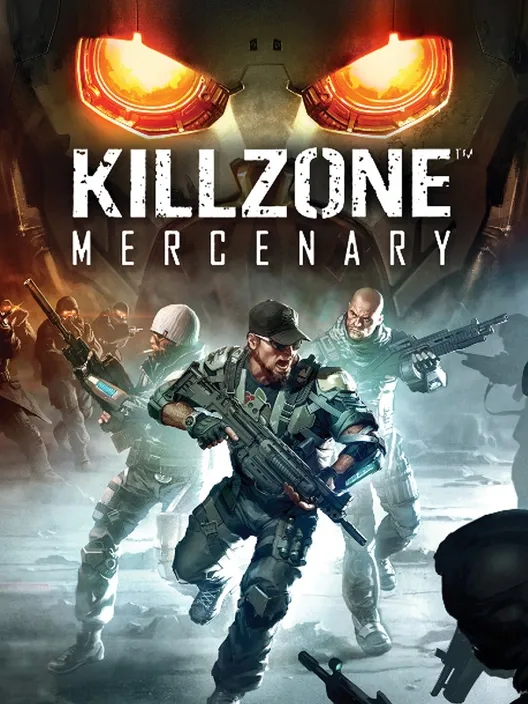
Guerrilla Cambridge's Killzone: Mercenary, released in September 2013, was a full first-person shooter with dual analog sticks and a mercenary character who takes contracts from both sides of the war. It holds a Metacritic score of 78. Its graphics were among the best on the system, and it ran on a modified Killzone 3 engine with volumetric lighting. The campaign is short and the story forgettable. It is still the most convincing shooter the platform saw, with tight controls that avoided over-reliance on touch. Players take the role of Arran Danner and can take contracts for either the ISA or the Helghast, with a large weapon loadout suiting different playstyles, and IGN called it "the best portable shooter ever made."