
The PSP launched in December 2004 in Japan and remained in production until 2014. It was the first handheld that could deliver near-console graphics, and its library mixes ports of PlayStation 2 franchises with original games such as Lumines, Patapon and LocoRoco. It also hosted a wave of Japanese role-playing games that never received a home-console release. The list therefore places prequels and reinventions of major series next to original ideas. Each entry notes an honest weakness, since a single analog stick and limited memory left marks on many of these games.
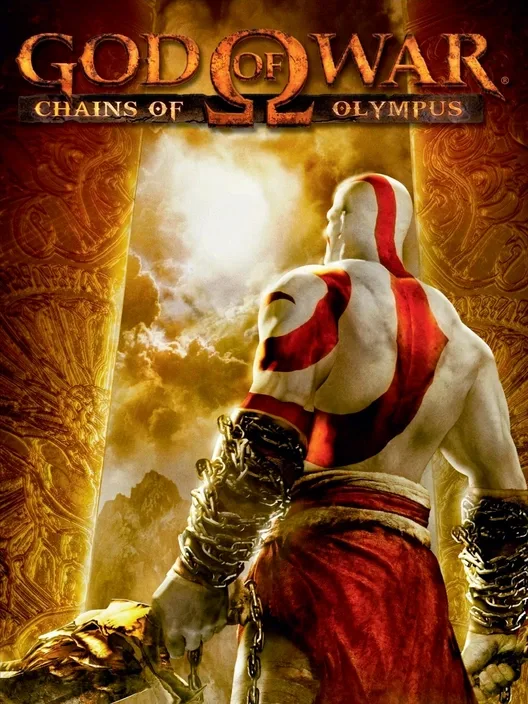
1. God of War: Chains of Olympus#
Ready at Dawn developed Chains of Olympus, released in 2008 as a prequel that proved a full God of War could run on a handheld. Kratos fights through Attica to stop the sun from falling, and the game keeps the series' combo-driven blade combat, large set-piece bosses and context-sensitive finishing moves almost intact. It holds a Metacritic score of 91, the highest of any PSP game, and its visuals became a showcase for the hardware. The main weakness is length: the campaign ends in a fraction of the time of a console entry, and the fixed camera can hide enemies during larger fights. It later reached PlayStation 3 in the God of War: Origins Collection (2011), and it sold over 3.2 million copies by 2012, but the original handheld release remains the reference point for action games on the system.
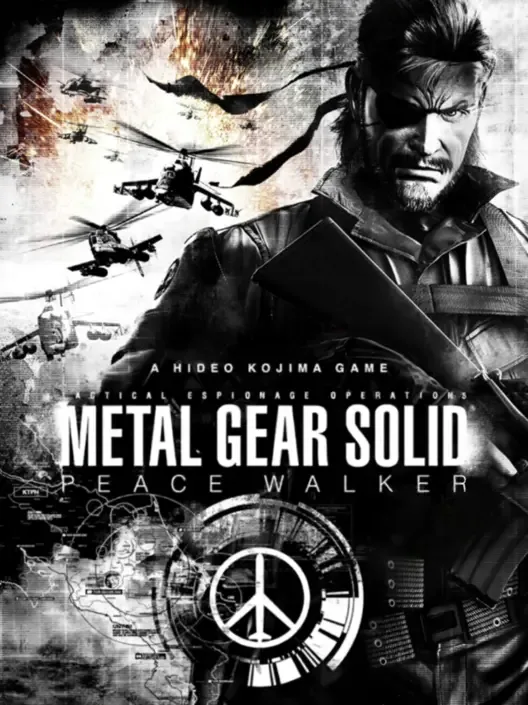
2. Metal Gear Solid: Peace Walker#
Kojima Productions released Peace Walker in 2010 as a canonical bridge between Metal Gear Solid 3 and the later games in the series. Big Boss builds a private army, recruiting captured soldiers with the Fulton system and expanding Mother Base, while missions can be played in co-op against enormous mechs. It holds a Metacritic score of 89 and it earned a perfect 40/40 from Famitsu, the first PSP game to do so. The controls remain the weak point, since the PSP has one analog stick and both camera and aiming suffer for it. Its structure of short missions and a persistent base is what allowed the series to grow into Metal Gear Solid V, and the game returned in an HD edition on PlayStation 3 and Xbox 360 in 2011.
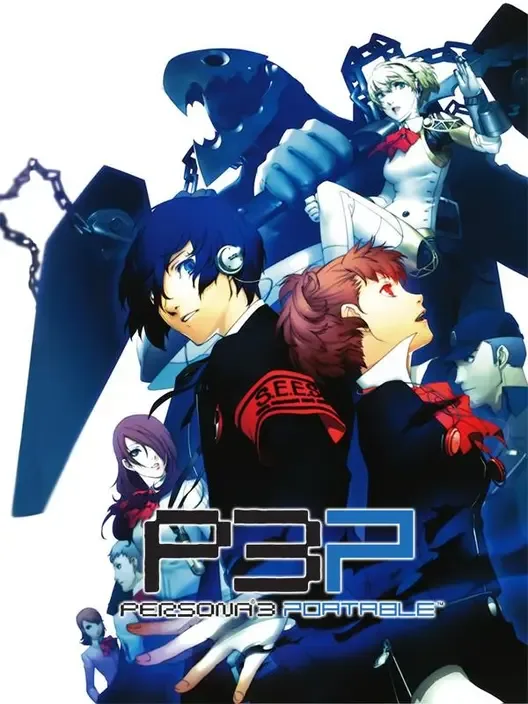
3. Persona 3 Portable#
Atlus released Persona 3 Portable in 2009 in Japan and 2010 in North America as a reworked version of the 2006 PlayStation 2 role-playing game. The player balances a school calendar of social links against nightly climbs of the Tartarus tower, and the port adds a female protagonist route and more streamlined battles. It holds a Metacritic score of 89. To fit the handheld, exploration outside Tartarus became a point-and-click menu and the anime cutscenes were replaced with in-game graphics and on-screen portraits, which some players considered a step down from the console original. The somber theme of life and death and the strong social-simulation loop make it the version many players still recommend, and it reached modern platforms in 2023.
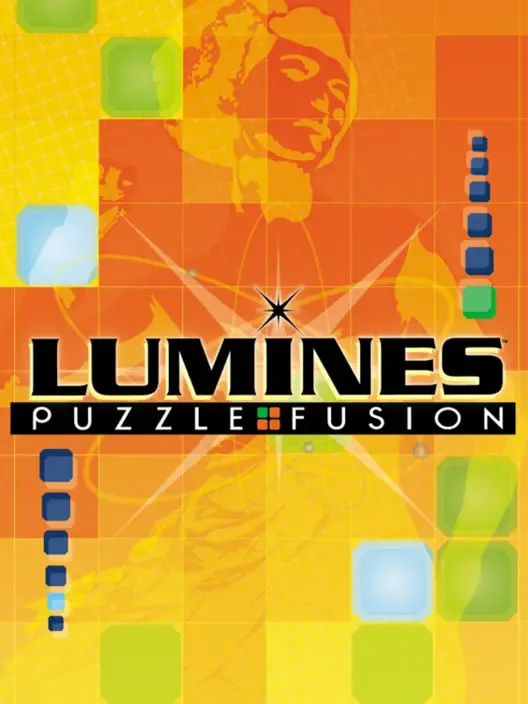
4. Lumines: Puzzle Fusion#
Lumines, from Q Entertainment and creator Tetsuya Mizuguchi, was a launch title for the PSP around 2004 and 2005 and became the system's signature puzzle game. Two-by-two blocks fall onto a grid while a timeline sweeps across it, clearing same-colored squares, and every skin changes the music, the palette and the tempo. It holds a Metacritic score of 89. The core loop is close to perfect, but the game offers little beyond it: the modes are few and the difficulty climbs sharply in later skins. It is also the clearest example of a handheld game built around headphones and short sessions, and it was followed by Lumines II and a long line of ports and sequels across other platforms.
5. Grand Theft Auto: Liberty City Stories#
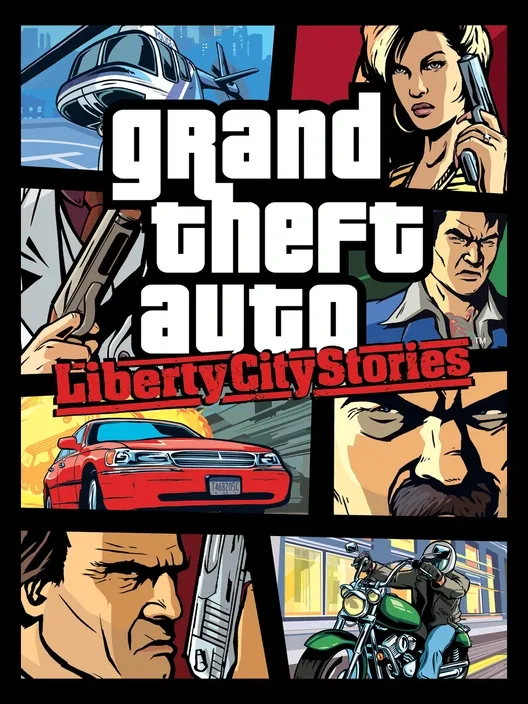
Rockstar Leeds and Rockstar North released Liberty City Stories in 2005 and delivered an open-world Grand Theft Auto with the scale of the console games on a handheld. Players follow Toni Cipriani through a version of Liberty City set before the events of GTA III, with vehicles, weapons and mission structure intact. It holds a Metacritic score of 88 and became one of the best-selling PSP games. Its story is smaller and less ambitious than the console entries, and the controls suffer from having only one analog stick, particularly during aiming. It nonetheless set the standard for open-world design on a handheld, and it later reached the PlayStation 2.
6. Final Fantasy Tactics: The War of the Lions#
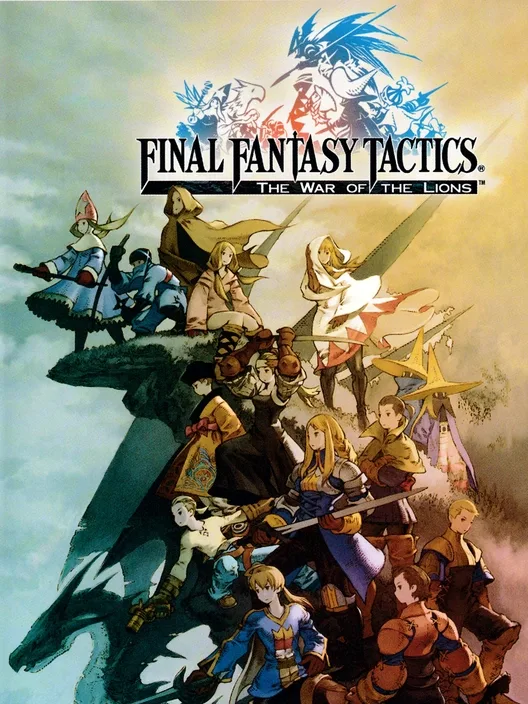
Square Enix released The War of the Lions in 2007 as an expanded remake of the 1997 PlayStation tactics game. It keeps Yasumi Matsuno's political story of Ivalice and the deep job system, and adds a new translation, animated cutscenes, new jobs and multiplayer battles. Metacritic lists it at 88. The story of noble houses and betrayal remains among the strongest in the genre. Difficulty spikes frustrated some players, and slowdown during spellcasting and special abilities was a common complaint. It was the definitive way to play the game for well over a decade and later reached iOS and Android.
7. Wipeout Pure#
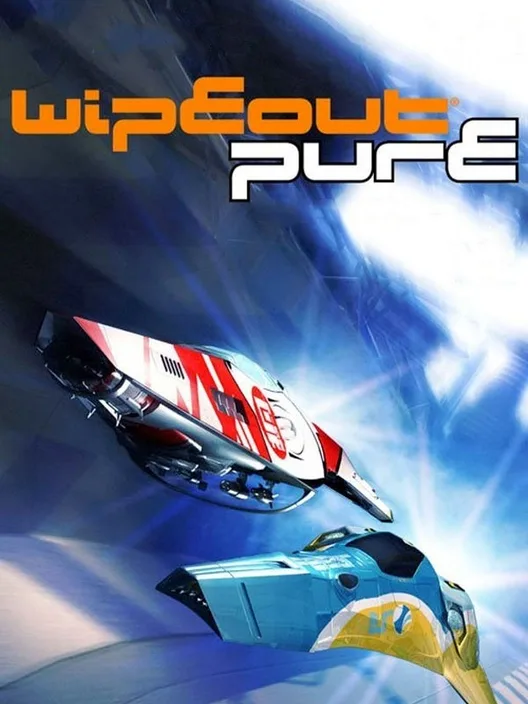
SCE Studio Liverpool developed Wipeout Pure as a launch title in 2005 and returned the futuristic racing series to its roots. Antigravity ships race at extreme speed on tracks filled with weapons, boost pads and a techno soundtrack, and the handheld version kept the sharp visuals and smooth frame rate of the console games. It holds a Metacritic score of 88. Critics noted occasional frame-rate dips below the intended 60 fps, and the track selection is smaller than in the later Pulse. It was the first PSP game to support downloadable content, with free monthly packs of ships, tracks and artwork for six months. Many players consider it the purest racer on the platform.
8. Ridge Racer#
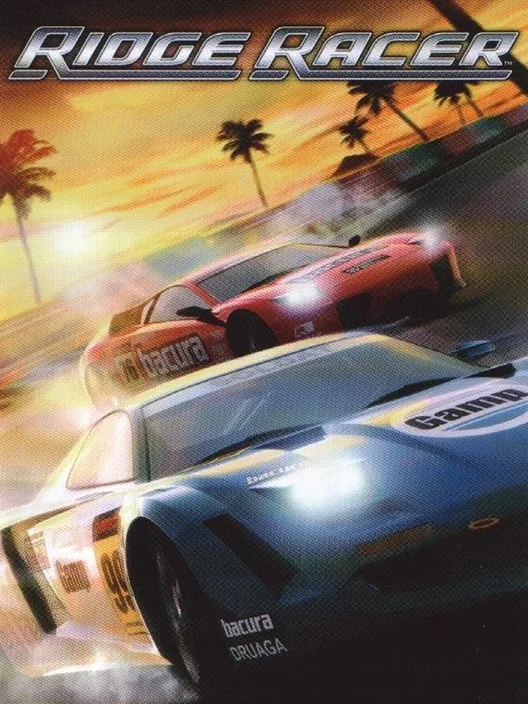
Namco released Ridge Racer as a launch title in December 2004 in Japan, and it showed that the PSP could deliver console-grade arcade racing. Its drift-heavy handling, its track layouts and its sense of speed made it the reference racer of the launch line-up. It holds a Metacritic score of 88. The game is short on content, with a limited set of tracks and modes, and it leans on ideas from earlier entries in the series. Its strengths are the smooth frame rate and the precise drifting model, and it remained a favorite for quick sessions on the go. A sequel, Ridge Racer 2, followed in 2006.
9. Tactics Ogre: Let Us Cling Together#
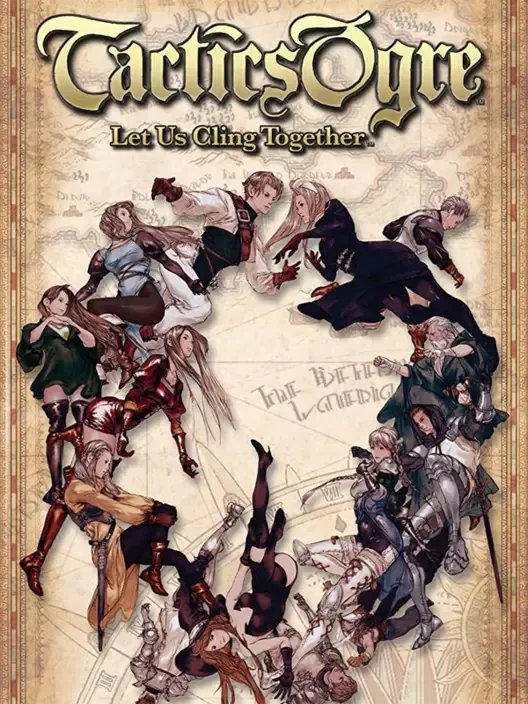
Square Enix released this remake in Japan and then in North America on February 15, 2011, bringing back Yasumi Matsuno to revise his 1995 Super Famicom tactics game. The story of a civil war in Valeria asks the player to make choices that branch into different endings, with three story paths (Law, Neutral and Chaos) and up to eight endings. It holds a Metacritic score of 87. Its pacing is slow and the interface, though improved, still asks a lot from newcomers. It is a demanding but rewarding role-playing game, and one Metacritic-listed reviewer called it the finest classic remake they had played. The trade-off is length, since even the main campaign can run to 40 hours or more of slow, deliberate battles.
10. Metal Gear Solid: Portable Ops#
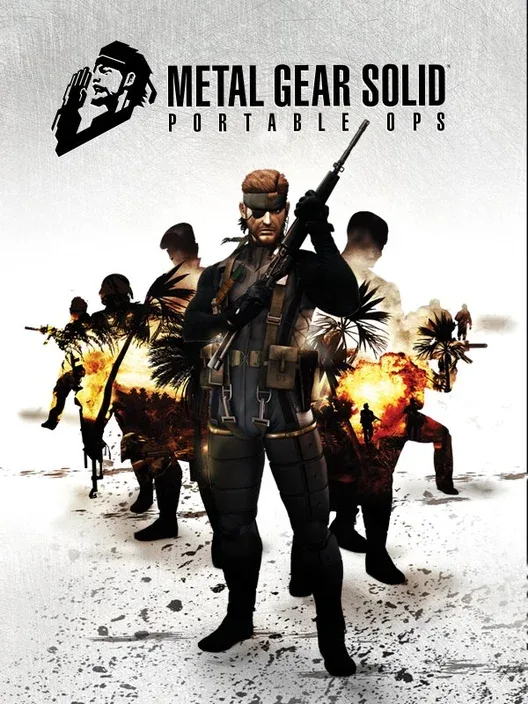
Kojima Productions released Portable Ops in December 2006 (December 5 in North America, December 21 in Japan), set in 1970, six years after Metal Gear Solid 3. Snake infiltrates a rebel base and can capture enemy soldiers, recruit them and send them on missions, which gives the stealth gameplay a management layer. It holds a Metacritic score of 87. The camera and aiming controls suffer from the handheld's single analog stick, and the story keeps players in menus for long stretches. It was the game that first showed how Metal Gear could work in short portable sessions, a template that Peace Walker later refined. Its Comrade System also lets players recruit allies through Wi-Fi hotspots or the PSP's GPS receiver, and its online mode expands on Metal Gear Online from Subsistence.
11. Tekken: Dark Resurrection#
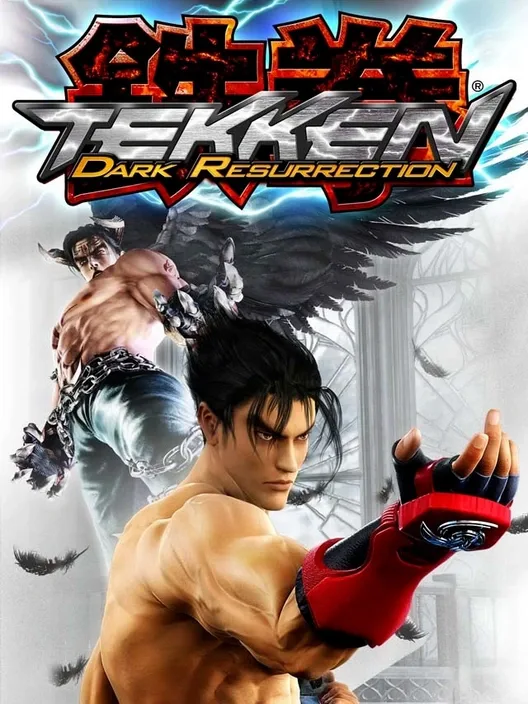
Namco released Tekken: Dark Resurrection for the PSP in July 2006 in Japan and North America (Europe followed in September) as a portable version of its 2005 arcade update of Tekken 5. It carries the series' full roster of fighters, the fast juggle-based combat and the same character-specific move lists to the handheld, and adds Ghost mode, where the player fights data recorded from a rival, along with ad hoc multiplayer between two consoles. It holds a Metacritic score of 88, and GamesRadar called it the best portable fighting game. The weakness is the hardware: the PSP's small directional pad makes some of the more demanding combos harder to execute, and the single-player story content is thin. It remains the best way to play the series on the go.
12. Jeanne d'Arc#
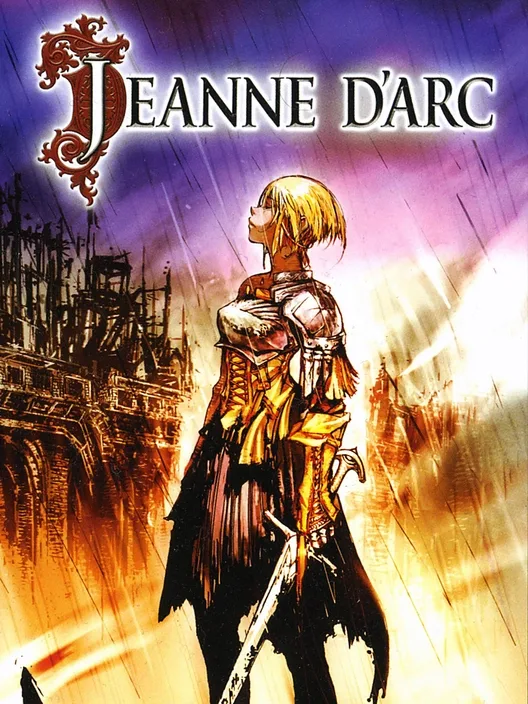
Level-5 developed Jeanne d'Arc, released in 2006 in Japan and 2007 in North America, a tactical role-playing game that borrows the outline of the Hundred Years' War and adds fantasy elements. Jeanne leads a small party through grid-based battles with a well-tuned mix of character classes, and her transformation into a powerful form gives the fights a clear turning point. It holds a Metacritic score of 87. The pacing of the story is uneven, and the battles lean on repetition during the later chapters. Sony published it, and its transformations, powered by magical armbands, grant Jeanne extra turns after defeating enemies. IGN praised its deep, balanced tactical gameplay, and it was widely regarded as one of the best tactical role-playing games on any handheld at the time.
13. Syphon Filter: Dark Mirror#
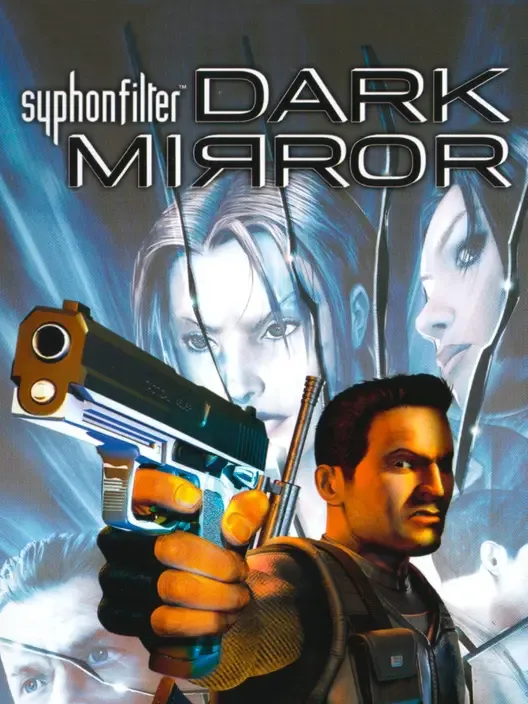
Bend Studio developed Dark Mirror, released on March 14, 2006, as a fresh start for the stealth-action series, following Gabe Logan as he battles the Red Section paramilitary group over Project Dark Mirror. Levels mix shooting, gadgets and stealth. It holds a Metacritic score of 87. The weakness is control: the PSP's single analog stick makes aiming imprecise, which makes precise shooting difficult. Reviewers called it one of the best shooters on the handheld, and the PlayStation 2 port later scored a much lower 70 on Metacritic, which shows how much the game was judged as a PSP title. Bend followed it with Logan's Shadow in October 2007, which Metacritic lists at 85.
14. LittleBigPlanet#
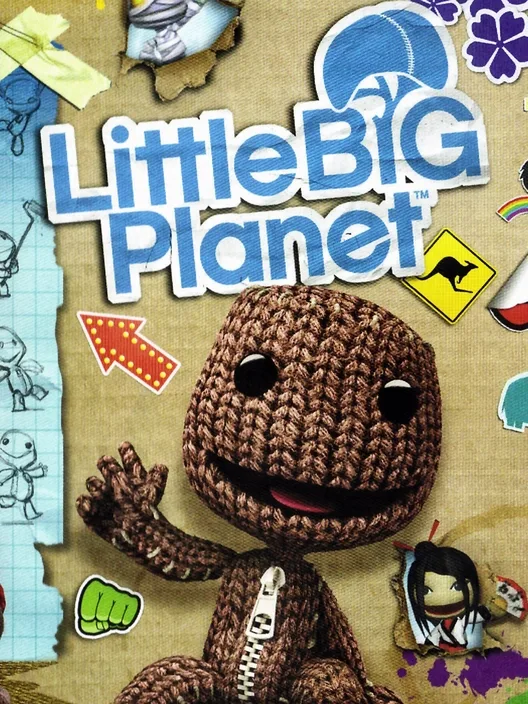
SCEE Cambridge Studio, with help from Media Molecule, brought LittleBigPlanet to the PSP in November 2009 with the platforming and level-creation features of the PlayStation 3 game. Players can build and share their own levels, and Stephen Fry returns as narrator across a campaign of 23 main levels and 14 mini-levels. It holds a Metacritic score of 87. The main weakness is the cut-down design: there is no co-operative play and fewer layers than on the PlayStation 3. It was a well-received handheld version that carried the creative spirit of the original.
15. God of War: Ghost of Sparta#
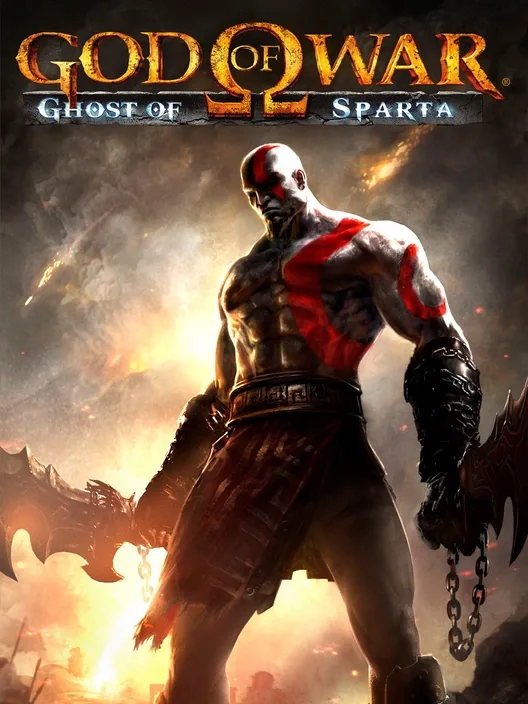
Ready at Dawn returned to the series in 2010 with Ghost of Sparta, set between the first and second console games and telling the story of Kratos and his brother Deimos. It features bosses such as Scylla, Thanatos and Erinys, and Game Informer scored it 95 out of 100. It holds a Metacritic score of 86. It offers little that is new in terms of combat, and the story is fairly predictable for anyone who knows the series. Its production values remain a benchmark for what could be done on the hardware, and it closed out the PSP entries in the franchise. It reached the PlayStation 3 in the God of War: Origins Collection in September 2011.
16. Grand Theft Auto: Vice City Stories#
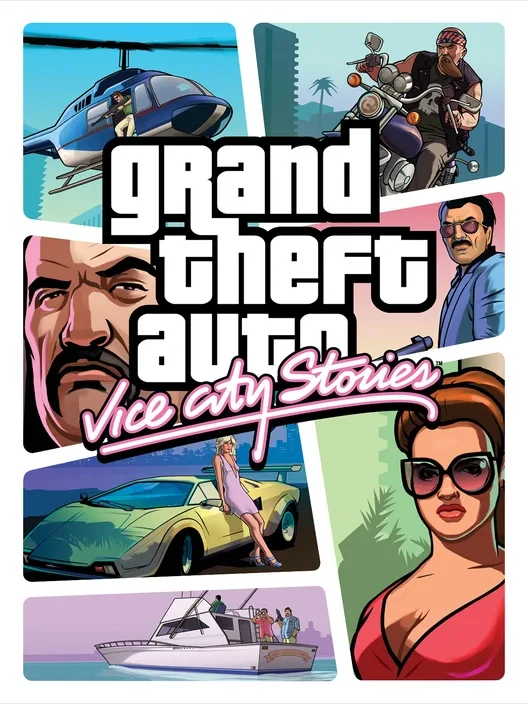
Rockstar Leeds, with Rockstar North, released Vice City Stories in October 2006 as a PSP prequel to Vice City set in 1984, following army veteran Victor Vance through a neon-lit Miami. Vic and his brother Lance expand a criminal empire by taking over rival businesses, and the game adds a rich soundtrack of period music. It holds a Metacritic score of 86. It shares the limitations of the platform, including a single analog stick, and the story is less memorable than that of the console game it precedes. It reached the PlayStation 2 in March 2007, where it scored a lower 75 on Metacritic, and is remembered as a confident follow-up to Liberty City Stories.
17. Patapon#
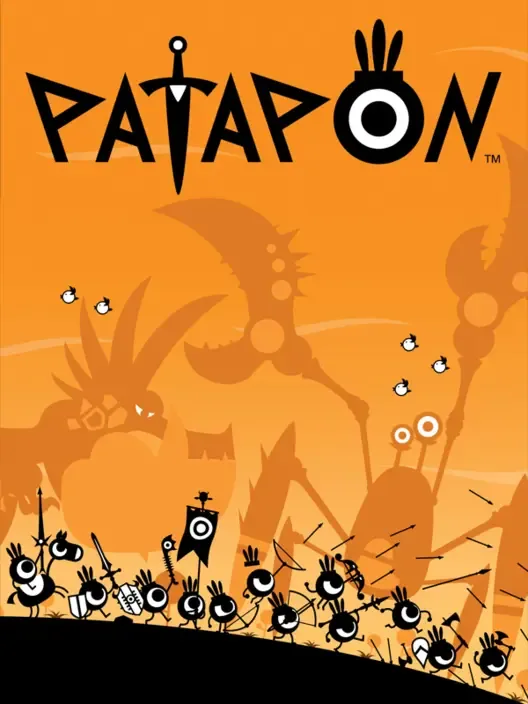
Patapon, from SCE Japan Studio and developer Pyramid, appeared in 2007 in Japan and 2008 in North America as an original mix of rhythm game and real-time strategy. Players issue commands by drumming a four-beat sequence to a tribe of small warriors, and keeping a rhythm chain going boosts their strength. The hand-drawn silhouette art is still striking. It holds a Metacritic score of 86. The loop of repeated missions to gather materials becomes grindy, and the story is thin. It launched a series with two sequels, Patapon 2 in Japan in November 2008 and Patapon 3 in April 2011, and a PlayStation 4 remaster followed in August 2017. Reviewers praised it as a rhythm-strategy hybrid unlike anything else on the market.
18. Burnout Legends#
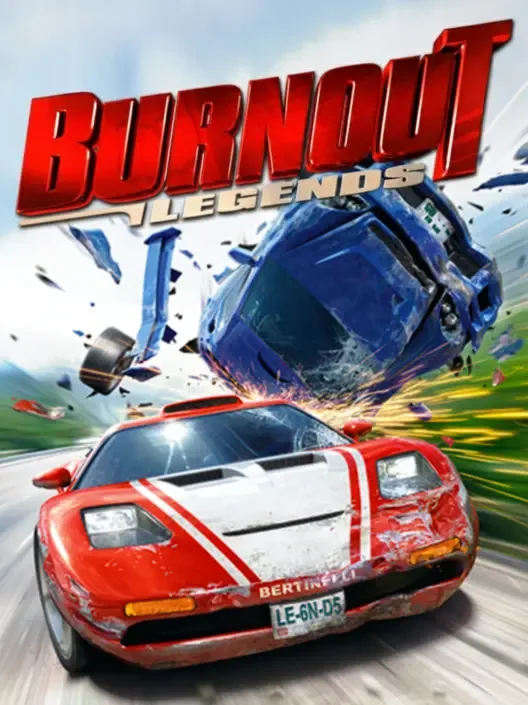
Criterion Games released Burnout Legends in September 2005 as a compilation of tracks and modes drawn from the first three Burnout games, rebuilt for the PSP. Its crashes, takedowns and boost system are reproduced with impressive fidelity, and the sense of speed remains high. It holds a Metacritic score of 86. Because much of the content comes from earlier games, players who have already played the console versions will find little new. It nonetheless offered one of the most complete arcade racing packages available on the PSP, with eight modes, 175 events and Wi-Fi multiplayer, and Burnout Dominator followed as the next series entry.
19. Daxter#
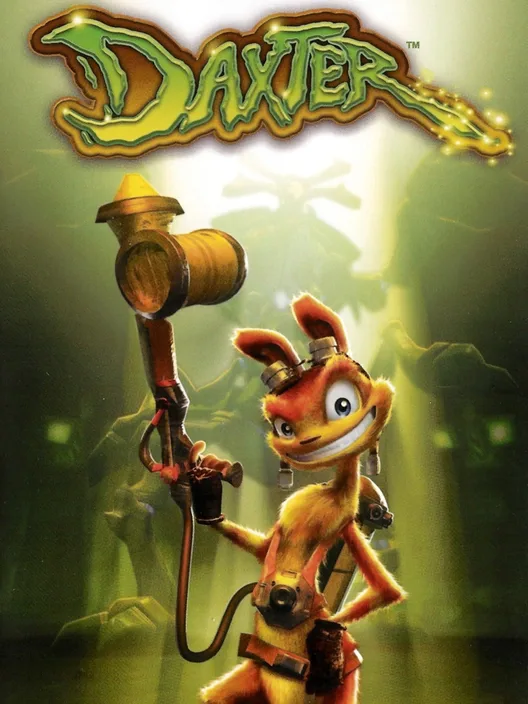
Ready at Dawn made Daxter in 2006 as a platformer starring the sidekick from the Jak and Daxter series, set in the gap between the first two games. Daxter fights bugs with a bug-spray gun and a fly swatter, and there are film parodies throughout the levels. It holds a Metacritic score of 85. The game relies on familiar platforming ideas and the camera can be awkward in tight spaces. It is nevertheless one of the most polished platformers on the system and a showcase for the developer's early handheld work. Published by Sony, it launched in North America in March 2006 and had passed 2.3 million copies sold by mid-2008, and it later returned on PS4 and PS5 in 2024.
20. Ratchet & Clank: Size Matters#
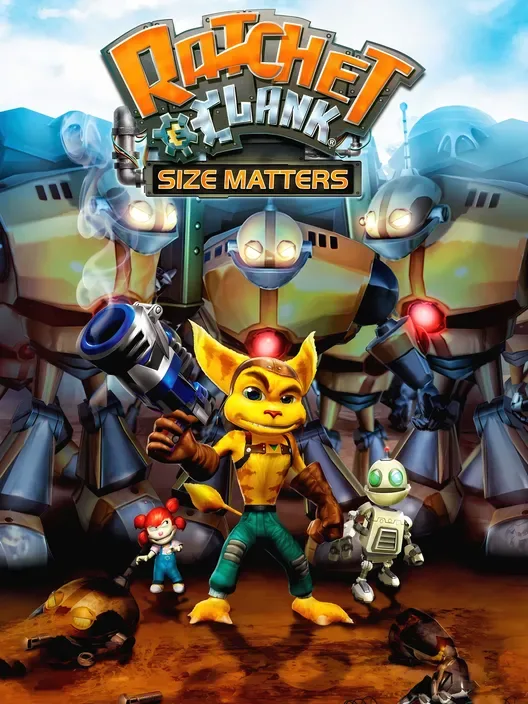
High Impact Games developed Size Matters in 2007 as the first handheld entry of the series. Ratchet and Clank rescue a young girl named Luna, kidnapped during a vacation on Pokitaru, with the weapon upgrade system and gadgets of the console games. It holds a Metacritic score of 85. The campaign is short and it lacks the scale of the console entries. It was a strong example of how a big franchise could be adapted for the PSP, and it sold well, reaching roughly 4.4 million copies across platforms. Its PlayStation 2 port in 2008 was received far more poorly than the PSP original.
21. LocoRoco 2#
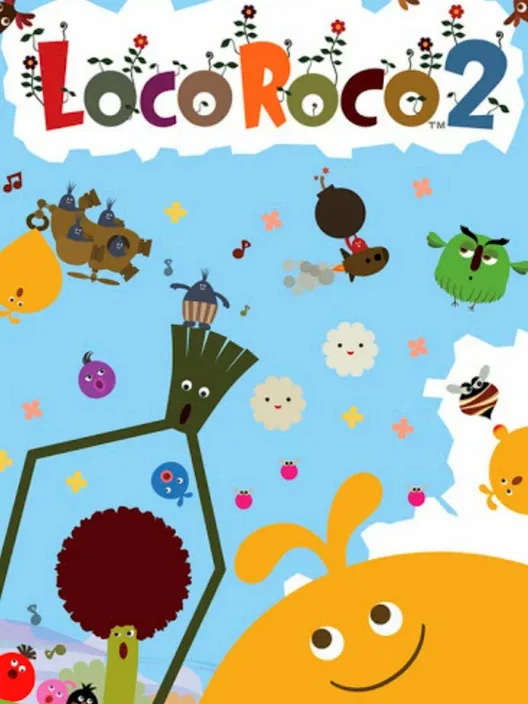
LocoRoco 2 followed in late 2008 in Europe and Japan (North America got it in February 2009) from SCE Japan Studio and expanded the original with new abilities such as underwater swimming, more levels and improved visuals. Players tilt the world with the shoulder buttons rather than steering the blobs directly, and the music-driven charm of the first game carries through. It holds a Metacritic score of 85. The core ideas are unchanged, so the sequel feels more like an expansion than a reinvention. It is an easy game to recommend for its color, its humor and its unusual approach to the platformer, and it earned an Outstanding Achievement in Portable Game Design nomination at the 2010 DICE Awards.
22. Disgaea: Afternoon of Darkness#
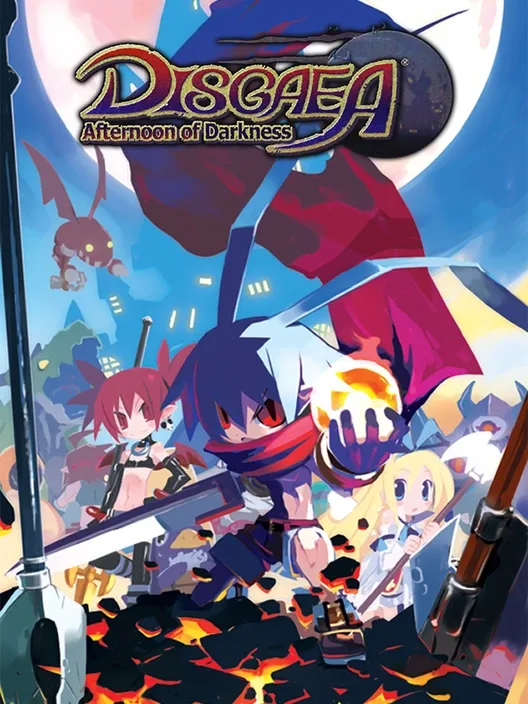
Nippon Ichi's PSP version of the original Disgaea keeps the story of Laharl, the demon prince who wakes up after a long sleep, and adds an alternative route built around the character Etna. The tactical battles are famous for their absurd depth, with item worlds, huge damage numbers and stacking mechanics. It holds a Metacritic score of 84. It rewards players who like grinding, but the interface is dense and the systems are hard to enter for players unfamiliar with the series. It remains a deep strategy role-playing game for the system. NIS America published the port in North America in October 2007, adding 16:9 widescreen and ad-hoc multiplayer, though the original's licensed theme song was dropped.
23. Puzzle Quest: Challenge of the Warlords#
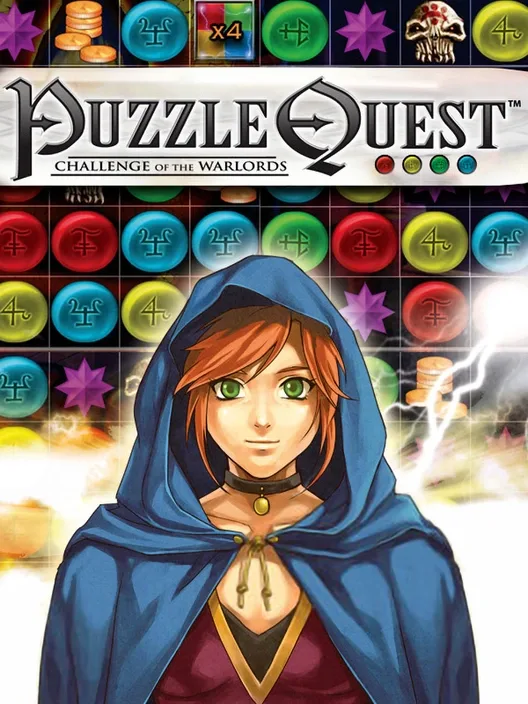
Infinite Interactive developed Puzzle Quest, which D3 Publisher released on the DS and PSP together in March 2007. It fuses Bejeweled-style match-three puzzles with a role-playing game structure, with spells, mounts and the conquest of towns. It holds a Metacritic score of 84. Its match-three battles can be won or lost on luck, and the story is a simple framework for the fights. It is a well-regarded and surprisingly deep game; designer Steve Fawkner has said he wanted to combine Bejeweled-style matching with Magic: The Gathering-style spells and a Final Fantasy Tactics-like campaign.
24. Half-Minute Hero#
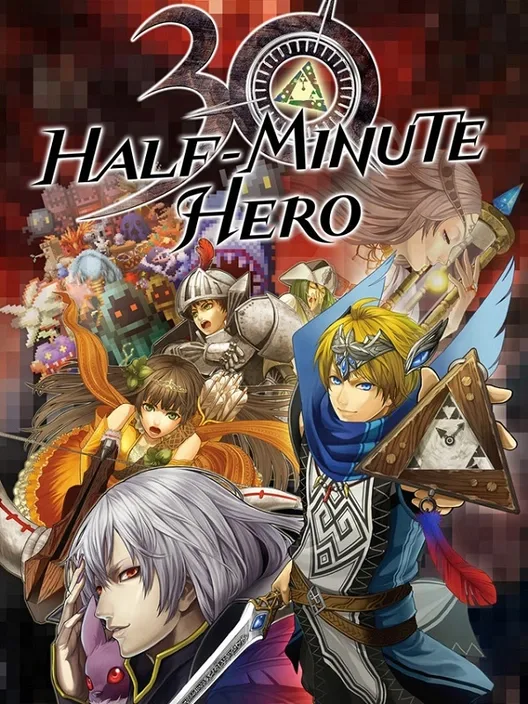
Opus developed Half-Minute Hero, which Marvelous released in Japan in May 2009, and XSEED localized it for North America in October 2009 (Europe followed in February 2010). Every stage is a role-playing adventure that must be completed within 30 seconds, using time-manipulation tricks and self-aware humor. It holds a Metacritic score of 84. The repeated structure is designed for short bursts, and the presentation is deliberately low-budget, which can grow tiring in long sessions. It is one of the most original role-playing games on the platform and a cult favorite, and it won several RPG-site awards in 2009 including RPGamer Editor's Choice. It has six modes that mix genres, including real-time strategy and shoot-'em-up stages, with timers extendable for in-game money.
25. Space Invaders Extreme#
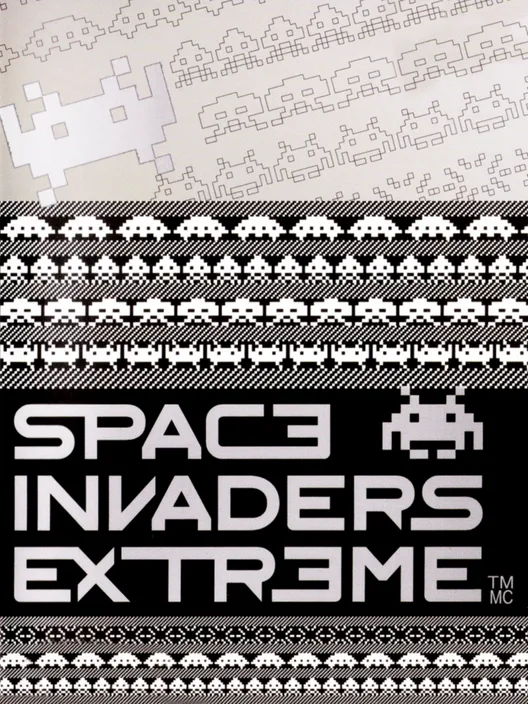
Taito developed Space Invaders Extreme and Square Enix published it, reworking the arcade classic in 2008 (Japan in February, North America in June) with combo chains, power-ups and a music-driven presentation. Each stage responds to how the player performs, and the visual effects follow the beat. It holds a Metacritic score of 84. The style can be overwhelming and the difficulty is high. GameSpot called it a very good example of how to update a classic game, and it is a good fit for short handheld sessions. Players pick easier or harder routes after the early stages, and matching colors builds combos that unlock power-ups and a bonus 'Fever Time'.
26. Crisis Core: Final Fantasy VII#
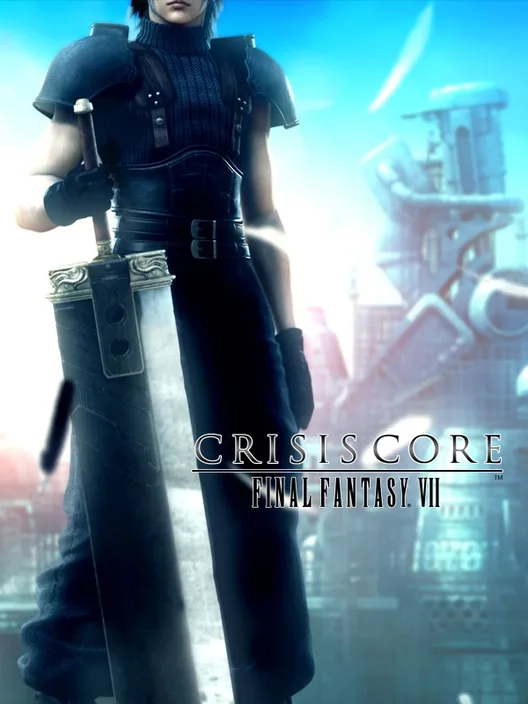
Square Enix released Crisis Core in September 2007 in Japan, March 2008 in North America and June 2008 in Europe as a prequel to Final Fantasy VII, telling the story of Zack Fair. The action-based battles use a slot-machine system called the Digital Mind Wave that randomly triggers limit breaks, summons and level-ups. It holds a Metacritic score of 83. Critics were divided on the luck-based system, with some finding it overpowered. Its story and character work were widely praised, and a remaster, Crisis Core Reunion, arrived in December 2022.
27. LocoRoco#
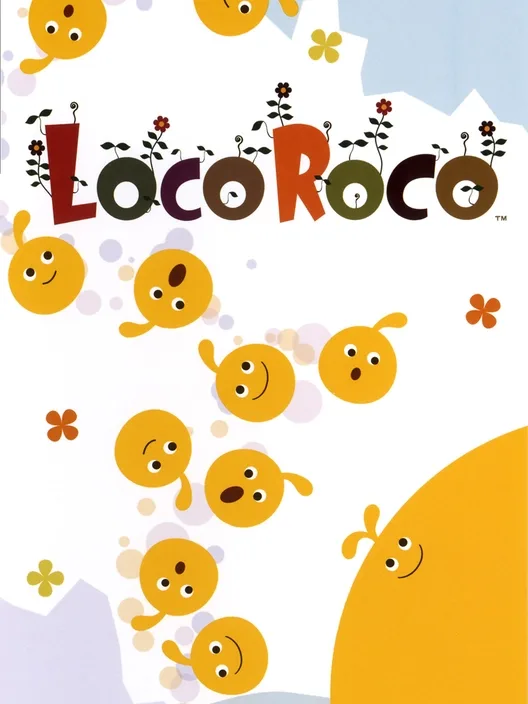
SCE Japan Studio's LocoRoco appeared in 2006 as a platformer where the player tilts the world to guide a blob that splits and merges. The music and vivid art gave the game an identity that few PSP titles matched. It holds a Metacritic score of 83. It has over 40 stages, but GamePro felt the fun runs out before the game is over, and the challenge is light. It won BAFTA awards for Best Children's Game and Best Character, and it launched in September 2006. It is an original and colorful game that helped define the platform's early library.
28. Valkyria Chronicles II#
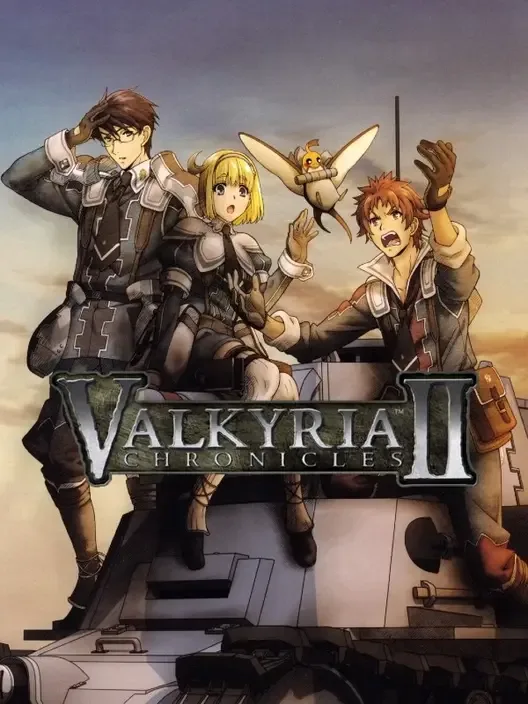
Sega's Valkyria Chronicles II was released in Japan in January 2010 and in North America and Europe in August and September 2010, moving the series to the PSP with a school-based structure. Squads fight in the same blend of turn-based and real-time tactics as the first game, and a class system lets players assemble teams for skirmish missions. It holds a Metacritic score of 83. Critics generally found it a worthy follow-up, and IGN gave it 9/10. Its setting is Lanseal Military Academy during the Gallian Civil War, where cadets balance studies and missions. It still delivers the same tactical battles and a strong watercolor look, and it stayed a PSP exclusive. The mission structure leans on repeated skirmishes, which some players will find repetitive.
29. Disgaea 2: Dark Hero Days#
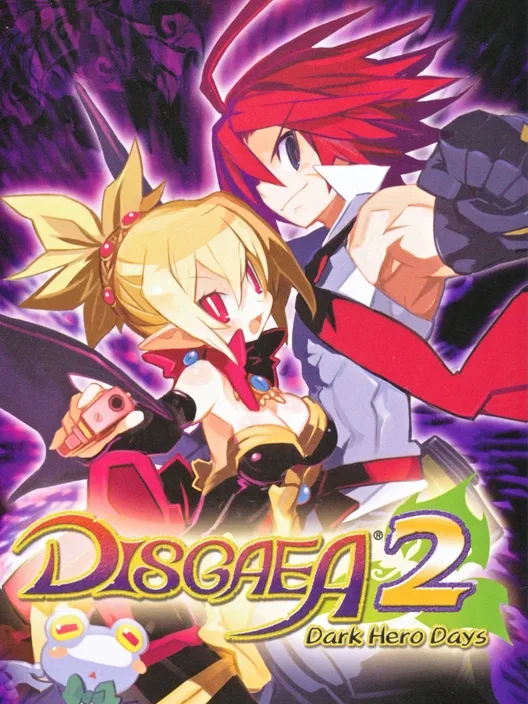
Nippon Ichi developed the PSP version of Disgaea 2, published by NIS America in North America, and it keeps the tactical depth of the original and adds new content and characters. The story follows a young man who tries to defeat an overlord who cursed his village, and the battles offer the same absurd damage numbers and stackable systems. It holds a Metacritic score of 83. The grind-heavy design is not for everyone and the menus are dense. It is a good entry point to the series for fans of the genre. Released in Japan in March 2009 and North America in September 2009, it adds three characters from Disgaea 3 (Mao, Raspberyl and Mr. Champloo) and an Axel Mode storyline, plus more creatable monsters and stronger spells.
30. Crush#
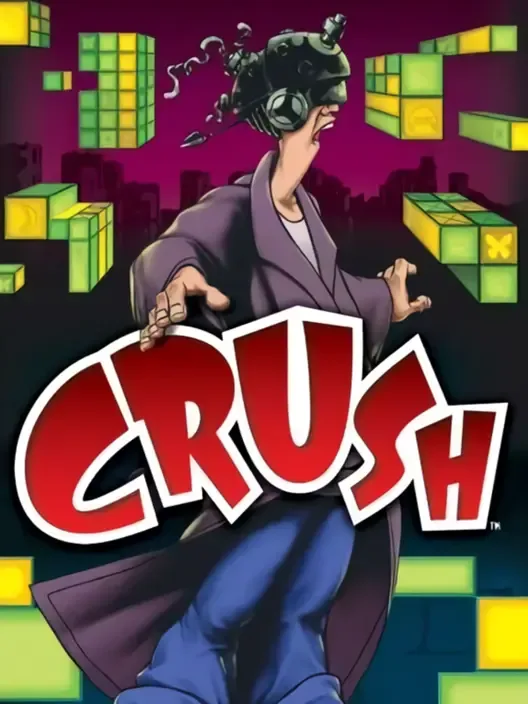
Zoe Mode developed Crush, which Sega published on PSP in May 2007, and it lets the player flatten a 3D world into a 2D layout to reach otherwise inaccessible areas. The puzzle design is inventive and the dreamlike presentation is stylish. It holds a Metacritic score of 83. The story is thin and some of the later levels can be frustrating. It was a standout original on the PSP and won IGN's Best PSP Puzzle Game award, though its strong reviews did not translate into high sales. Its levels drew on the look of Tim Burton and M.C. Escher, and a 3DS version, CRUSH3D, followed in 2012.
31. Kingdom Hearts Birth by Sleep#
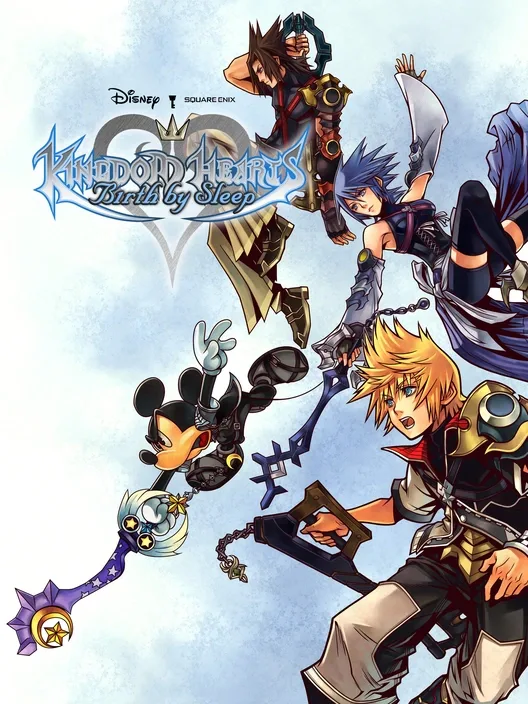
Square Enix released Birth by Sleep in 2010 as a prequel to the first Kingdom Hearts, with three playable characters and a command deck combat system. Each character's story is presented in separate campaigns that reveal a fuller picture of the world. It holds a Metacritic score of 82. Recycled Disney worlds and a confusing plot are its main weaknesses. It was later included in HD collections for PlayStation 3 and PlayStation 4. Released in Japan in January 2010 and in North America in September 2010, it had sold about 1.27 million copies worldwide by November 2010. Critics praised the gameplay and music but noted concerns about level design and the camera.
32. Wipeout Pulse#
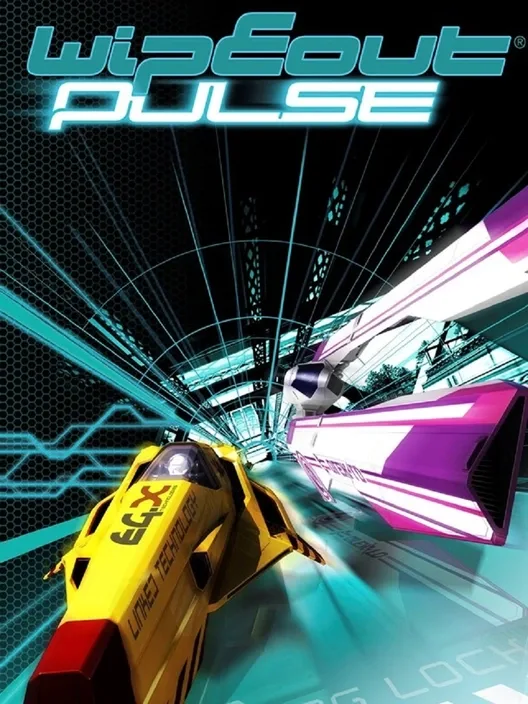
SCE Studio Liverpool followed Pure with Wipeout Pulse in December 2007 in Europe and February 2008 in North America, mixing anti-gravity racing with weapons. It ships with 12 tracks that can be raced forward and in reverse, a 16-grid campaign and a licensed electronica soundtrack. It holds a Metacritic score of 82. Critics praised the graphics, but some criticized the high difficulty and repetitiveness. It remains an excellent example of what the PSP could do with a fast racing game.
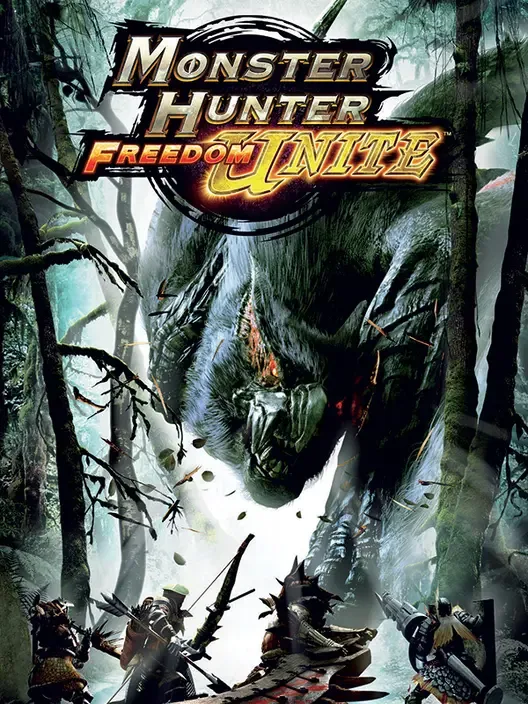
33. Monster Hunter Freedom Unite#
Capcom released Monster Hunter Freedom Unite in Japan in 2008 and in North America in 2009, an expanded version of Monster Hunter Freedom 2. Players hunt enormous monsters alone or with friends, crafting weapons and armor from the parts they collect. It holds a Metacritic score of 81. The learning curve is steep and some reviewers criticized the gameplay mechanics. It was one of the best-selling PSP games, and Capcom later released it on PlayStation Vita and iOS in 2014, where the iOS version scored 86 on Metacritic. It added new missions, equipment and monsters over Freedom 2.
34. Patapon 2#
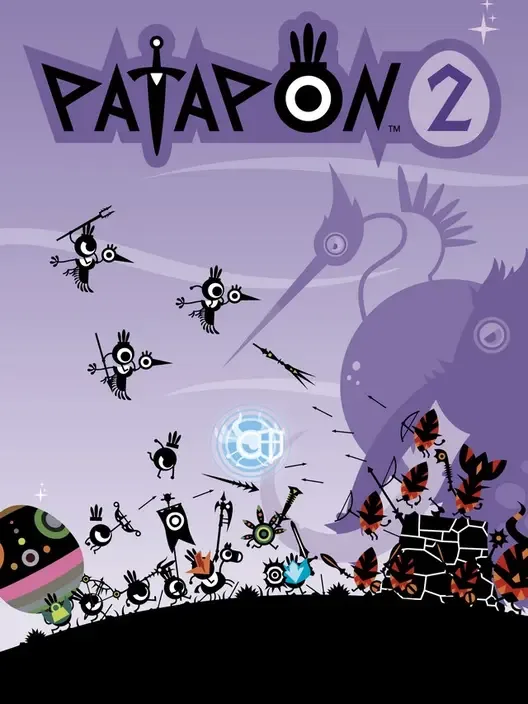
Patapon 2, developed by Pyramid and Japan Studio, arrived in Japan in November 2008 (Europe March 2009, North America May 2009) as a sequel to the rhythm-strategy game, with a hero unit and a larger set of unit types. The core drumming mechanic is unchanged and the campaign is longer. It holds a Metacritic score of 81. It is much like the original, including the repetition. It is a solid continuation. IGN gave it 9.5/10 and named it PSP Game of the Year, and it topped North American PSP sales in its debut week. The hero unit can take on different classes with customizable masks, and new Toripon, Robopon and Mahopon units add variety.
35. Ys Seven#
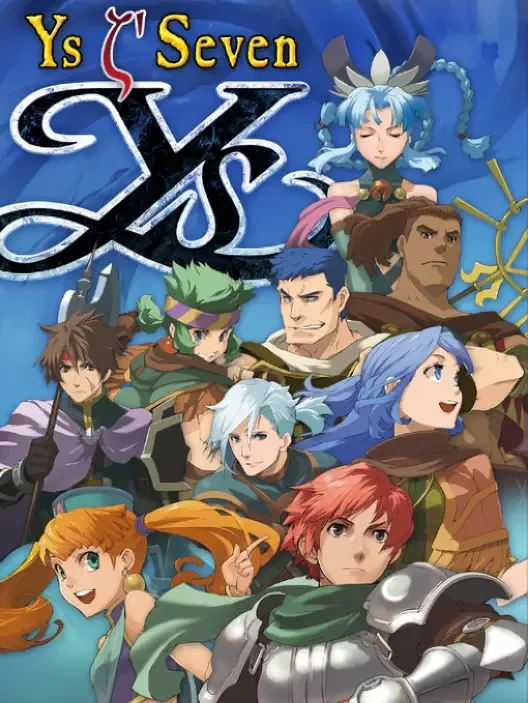
Nihon Falcom's Ys Seven, released in 2009 in Japan and localized by XSEED in 2010, is an action role-playing game in which a party of characters fights in fast real-time combat. The combat and the soundtrack are widely praised, and the dungeons are well designed. Its story is simple, following Adol Christin in the kingdom of Altago, and reviewers noted backtracking that slows the pacing. Combat lets a three-member party switch characters mid-battle, and precisely timed Flash Guards trigger counterattacks. It holds a Metacritic score of 79 on PSP and was localized in North America in August 2010. RPGamer named it the best PSP RPG of 2010, and its combat framework carried into later Ys games.