
The original PlayStation is where 3D gaming became mainstream, and the list reflects that: Sony's own mascots and racers, Square's golden age of role-playing games, Capcom and Konami's survival horror and stealth pioneers, and the arcade-quality fighters and sports games that filled the shelves. Multiplatform games are included where the PlayStation version was the best or most influential one. Each entry notes a weakness, because many of these games look and control very differently from modern ones. Playing them today usually means original hardware, though several have been re-released or remade, which the entries mention where it could be verified.
1. Tony Hawk's Pro Skater 2#
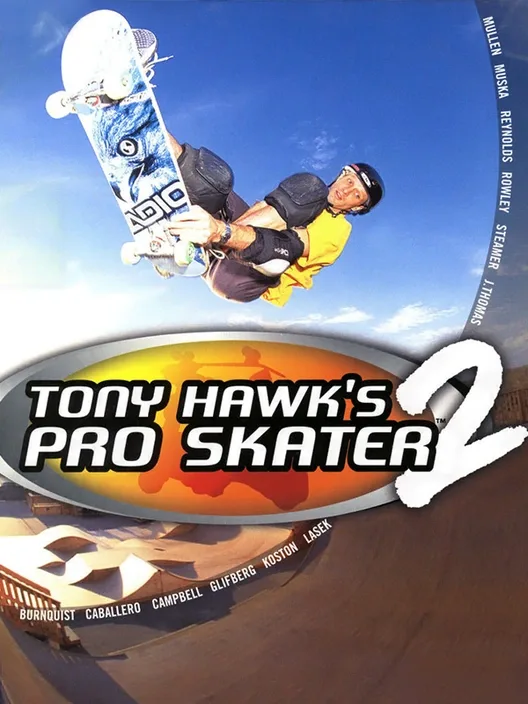
Neversoft released Tony Hawk's Pro Skater 2 for the PlayStation in September 2000 and it became the definition of arcade sports design. Manuals let players link tricks into endless combos, the level roster is packed with memorable locations, and the create-a-skater and park editor modes added lasting appeal. Its PlayStation version holds a Metacritic score of 98, one of the highest of any game, and Electronic Gaming Monthly gave it a Platinum award. Its weaknesses are the console's low resolution and occasional frame rate dips. The 2020 remake, Tony Hawk's Pro Skater 1 + 2, is the modern way to play it.
2. Gran Turismo#
Polyphony Digital, then Polys Entertainment, released Gran Turismo in Japan in December 1997 and in the West in 1998, after five years of development. Kazunori Yamauchi's driving simulator brought licensed real cars, tuning, a licence test system and a career structure to consoles, and its physics felt far more grounded than any arcade racer of the time. It holds a Metacritic score of 96 and it became the best-selling PlayStation game. The licence tests are punishing, the car roster of about 140 is small next to its sequels, and the AI is docile. It is a PlayStation exclusive best played on original hardware.
3. Tekken 3#
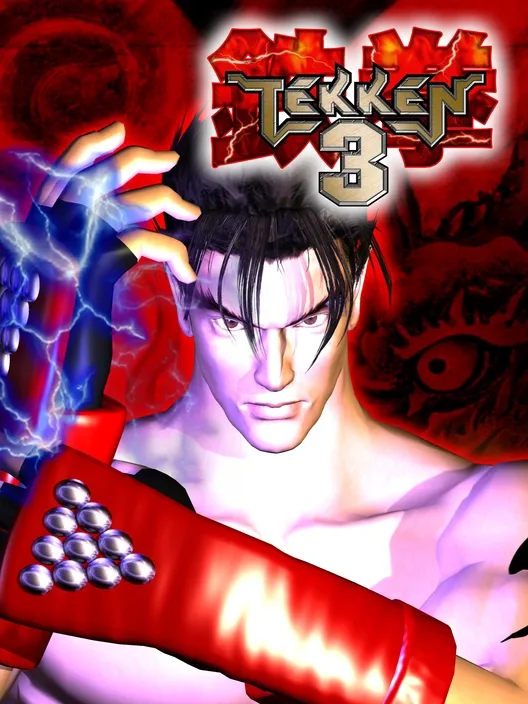
Namco brought Tekken 3 to the PlayStation in 1998 after its 1997 arcade debut, with a Japanese release in March and a North American one in April. Sidestepping added a third dimension to the series, the roster grew to more than 20 fighters on console, and the Tekken Force beat-em-up mode gave the disc real single-player depth. It holds a Metacritic score of 96, GameSpot gave it 9.9 out of 10, and it is frequently cited among the greatest fighting games of all time. Its weakness is that its polygon visuals are basic today. It was included in the PlayStation Classic mini console in 2018.
4. Metal Gear Solid#
Konami released Metal Gear Solid for the PlayStation in 1998, and it turned stealth into a cinematic, character-driven experience. Snake's infiltration of Shadow Moses mixes codec conversations, inventive boss fights and a story that plays with the player's expectations of the medium. It holds a Metacritic score of 94, and it was shown in the Smithsonian's Art of Video Games exhibition. Its weaknesses are long cutscenes and codec calls that some players find excessive, and the polygon models look rough today. It has since been re-released digitally on PlayStation Network and in Metal Gear Solid: Master Collection Vol. 1 in 2023.
5. Chrono Cross#
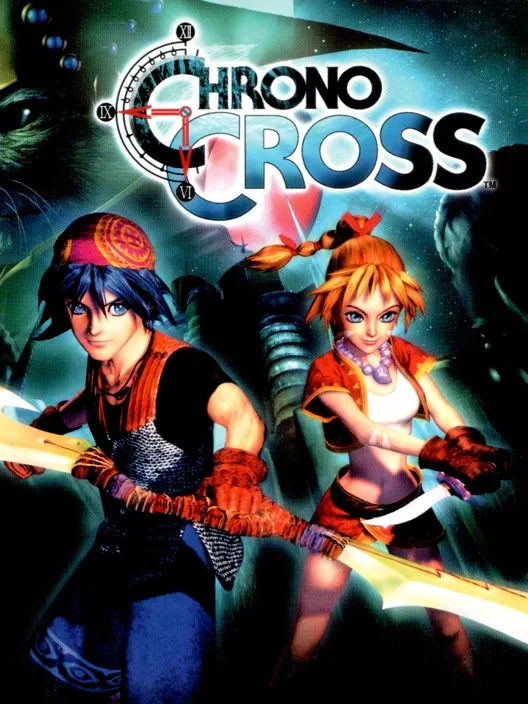
Square's Chrono Cross, directed by Masato Kato, was released in Japan in November 1999 and in North America in August 2000. It is a sequel to Chrono Trigger that trades time travel for parallel worlds, with a cast of 45 playable characters and a battle system built on stamina points rather than magic points. It holds a Metacritic score of 94 and a perfect 10 from GameSpot. Fans have criticized the departures from Chrono Trigger, including fewer combination techniques, and the large cast means many characters have little to say. It was remastered as The Radical Dreamers Edition in April 2022 for Switch, PlayStation 4, PC and Xbox One.
6. Final Fantasy IX#
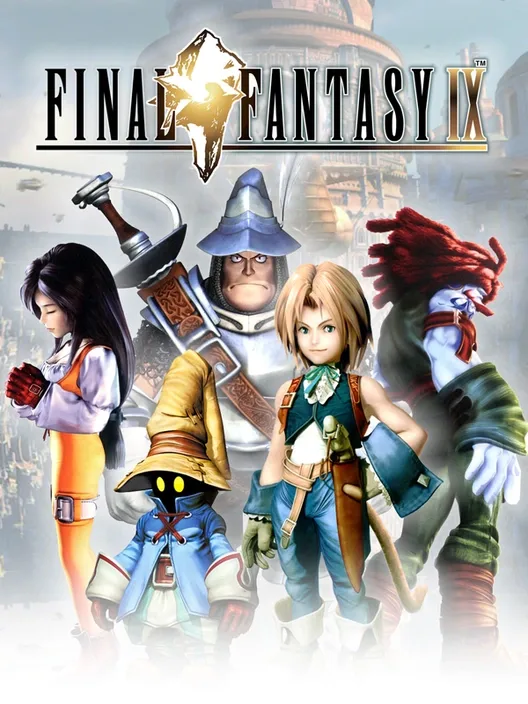
Square's Final Fantasy IX arrived in Japan in July 2000 and in North America in November 2000, and it was a deliberate return to the series' fantasy roots after the science fiction of VII and VIII. Zidane, Vivi and Garnet star in a warm story with rich art direction, and the soundtrack is by series composer Nobuo Uematsu. It holds a Metacritic score of 94, the highest of any Final Fantasy game on that site, and won Console RPG of the Year at the Interactive Achievement Awards. IGN criticized the slow combat pacing and the Trance meter can feel unpredictable. It has been remastered for PC, Switch, PlayStation 4, Xbox One and mobile devices.
7. Castlevania: Symphony of the Night#
Released in Japan in March 1997 and in North America that October, Symphony of the Night was developed by Konami under producer Koji Igarashi. It replaced the linear stage structure of earlier Castlevania games with a huge interconnected castle, role-playing progression and hundreds of items, and it defined what is now called the Metroidvania genre. GameSpot called it easily one of the best games ever released, and its Metacritic score is 93. Michiru Yamane's soundtrack is widely praised. The English voice acting is famously stilted, and the game is quite easy once the strongest gear is found. Sales were modest at first in North America before word of mouth built its reputation, and it sold over 700,000 copies across the US and Japan.
8. Wipeout XL#
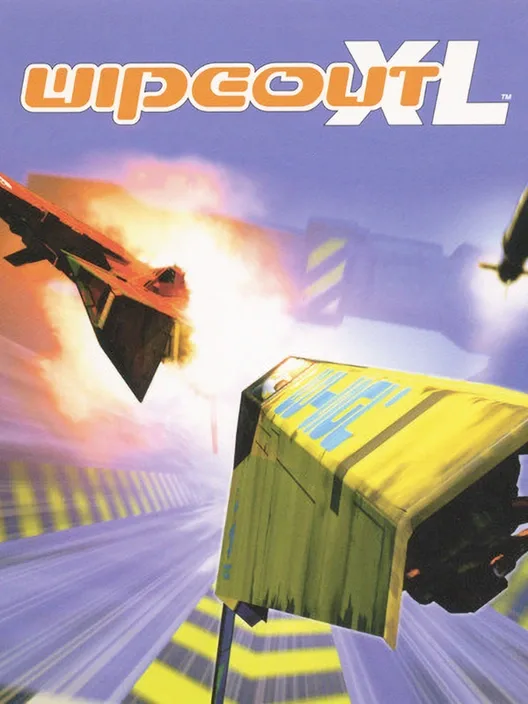
Psygnosis released Wipeout 2097 in Europe in October 1996, and it was published as Wipeout XL in North America. The anti-gravity racing sequel improved the engine, the AI and the weapons, and its licensed soundtrack, with artists such as The Prodigy, The Chemical Brothers and Fluke, helped bring electronic music to a mass audience. It holds a Metacritic score of 93 and a GameRankings average of 95 percent, and Electronic Gaming Monthly named it best music of 1996. Its weaknesses are a steep speed and handling curve and a repetitive weapon set. It was later included in the Wipeout Omega Collection.
9. Gran Turismo 2#
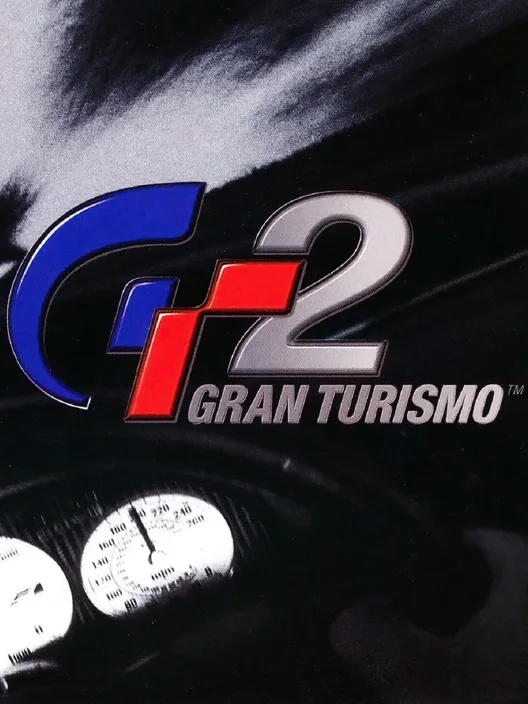
Released in Japan in December 1999 and in the West in December 1999 and January 2000, Gran Turismo 2 was another Polyphony Digital release, with nearly 650 cars across 27 tracks including rally stages. It refined the physics and made the career more varied, so it feels like the full realization of the first game's promise. It holds a Metacritic score of 93, and IGN gave it 9.8 out of 10. The weaknesses are a rushed finish with bugs, including an endurance race that shipped with an unwinnable car balance, and a roster where many cars are near-duplicates. It shipped on two discs and sold more than nine million copies worldwide.
10. Final Fantasy VII#
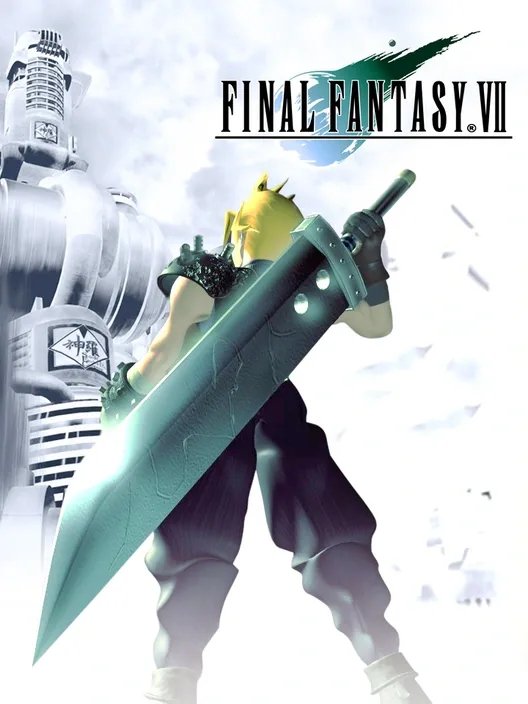
Square's Final Fantasy VII, released in January 1997 in Japan and September 1997 in North America, was the game that pushed Japanese role-playing games into the Western mainstream. Cloud's story, the city of Midgar, the materia system and Nobuo Uematsu's score combined with pre-rendered backdrops and full-motion video that had never been seen on a console. It holds a Metacritic score of 92 and drew perfect scores from outlets including GameFan and GamePro. Its weaknesses are a North American translation with errors, with Aerith initially spelled Aeris, and blocky in-battle character models. It has been re-released on PC, PlayStation 4, Switch, Xbox One and mobile platforms, and the story was later reimagined in the Remake series.
11. Vagrant Story#
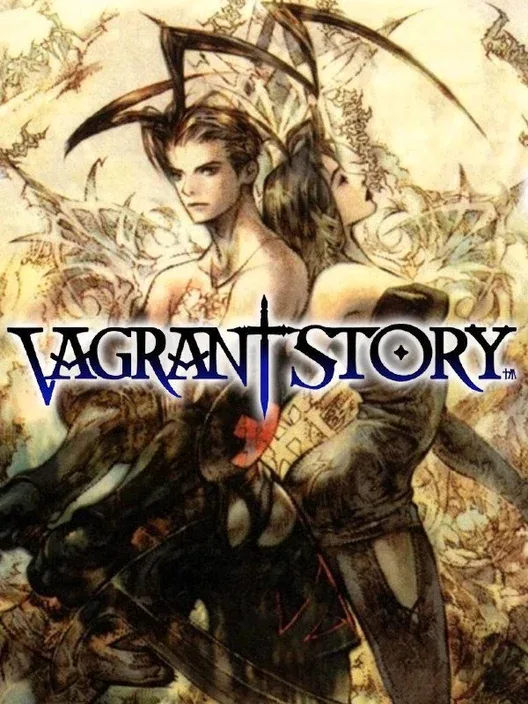
Square's Vagrant Story, directed by Yasumi Matsuno, was released in Japan in February 2000 and in North America that May. Ashley Riot's descent into the ruined city of Leá Monde combines real-time exploration with a targeted, chain-based combat system, and the story is told in deliberately archaic English that is remembered as an exceptional localization. It holds a Metacritic score of 92, and earned a Famitsu score of 40 out of 40, the only original PlayStation game to do so. Its weaknesses are a steep learning curve and a combat system that confuses many first-time players. It was later made available on PlayStation Network for the PlayStation 3, PSP and Vita.
12. PaRappa the Rapper#
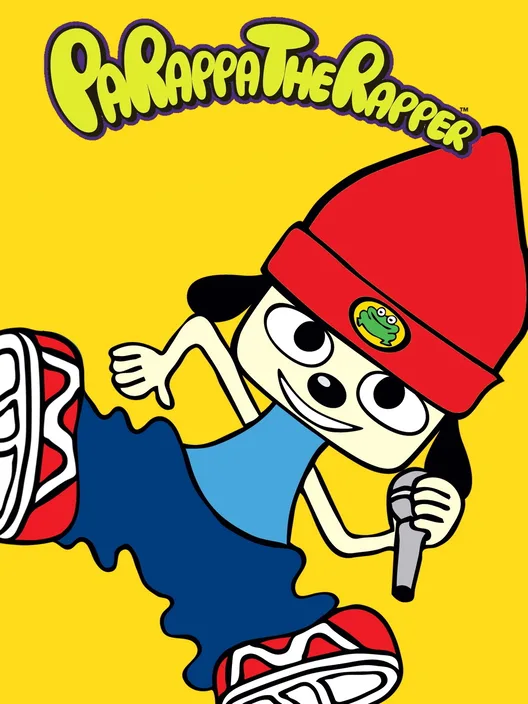
NanaOn-Sha released PaRappa the Rapper in Japan in December 1996, designed by Masaya Matsuura as an interactive music video. Players press buttons in time to catchy rap songs and the result is charming and inventive. It holds a Metacritic score of 92 on PlayStation. It is regarded as the first true rhythm game, and influenced Dance Dance Revolution, Guitar Hero and Rock Band. The main criticism was its short length and low difficulty. It sold about 1.47 million copies in Japan by 2003. A remaster for the PlayStation 4 was released in 2017 for the 20th anniversary.
13. Medal of Honor#
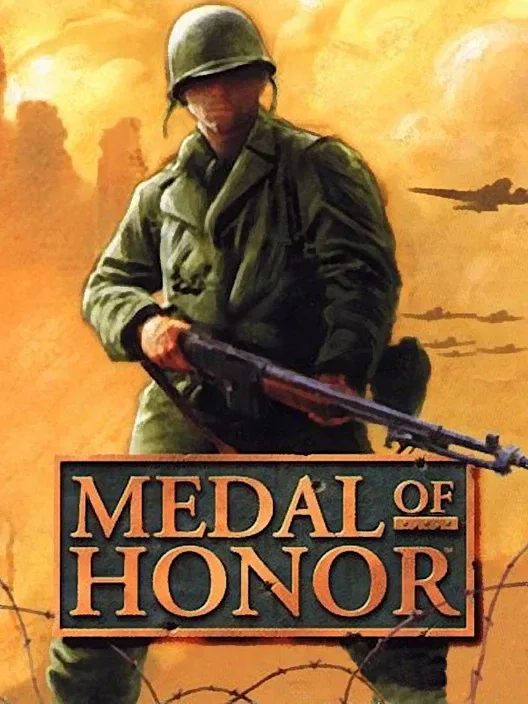
DreamWorks Interactive released Medal of Honor in November 1999, produced by Steven Spielberg, who provided the story after working on Saving Private Ryan. Michael Giacchino composed the score, and the mix of mission-based stealth and shooting in World War II made it an alternative to Quake-style shooters. It holds a Metacritic score of 92, IGN gave it 9.3 out of 10, and IGN credited it with popularizing World War II shooters. It has a limited enemy AI and the dual-analog control scheme is dated, though it still feels tense. It is a PlayStation game best played on original hardware.
14. Resident Evil#
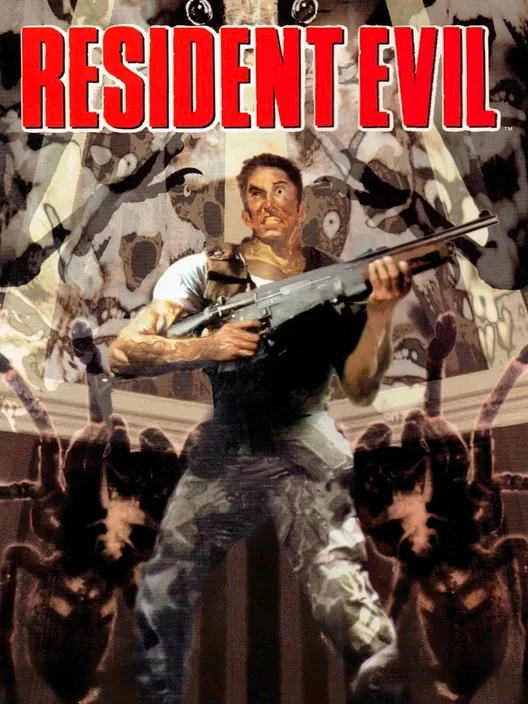
Capcom's Resident Evil, released in March 1996 and directed by Shinji Mikami, defined survival horror and made the PlayStation a horror console. The Spencer Mansion is a masterclass in level design, with limited ammunition, ink ribbons and fixed camera angles creating constant tension. It holds a Metacritic score of 91 and sold about four million copies by the end of 1997. It was placed among Time magazine's 100 greatest video games and inducted into the World Video Game Hall of Fame in 2024. Its weaknesses are famously wooden dialogue and voice acting, and tank controls that take patience. The later Director's Cut added a new control option and rearranged content.
15. Tomb Raider#
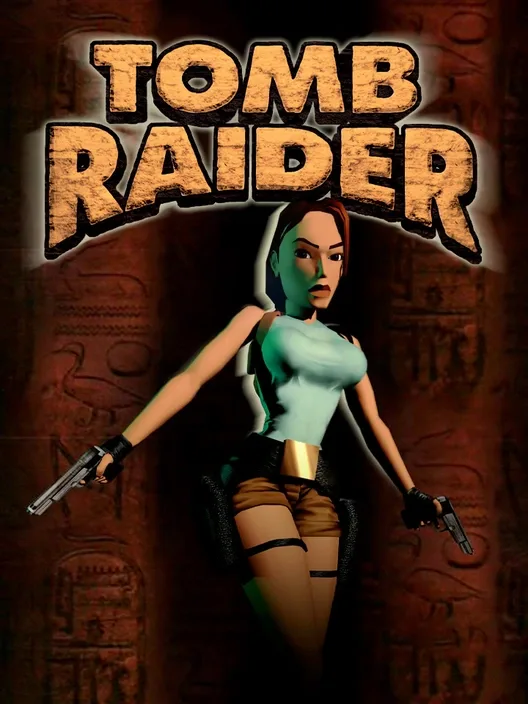
Core Design's Tomb Raider, released on Saturn in October 1996 and on PlayStation in November, made Lara Croft a global icon. Its 3D exploration, puzzle rooms and animal encounters created an atmosphere of solitary adventure that few games matched. It holds a Metacritic score of 91 on PlayStation, and Electronic Gaming Monthly named it Game of the Month. It sold more than seven million copies and was inducted into the World Video Game Hall of Fame in 2018. Its tank controls and fixed grid movement are the main obstacles today.
16. Crash Bandicoot: Warped#
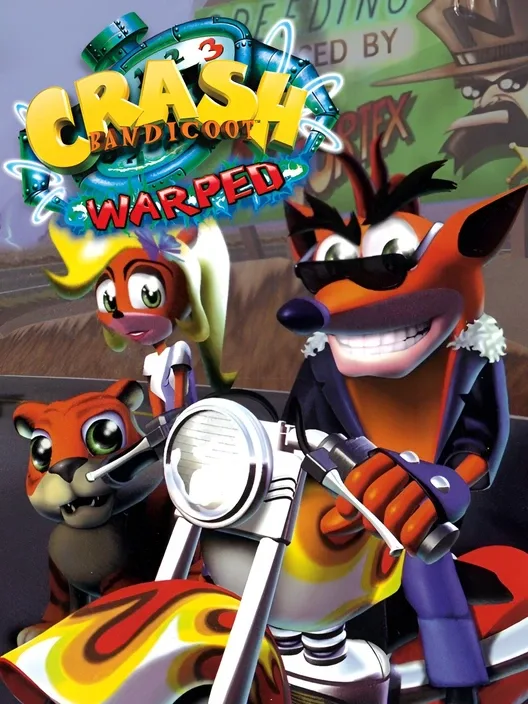
Naughty Dog released Crash Bandicoot: Warped in November 1998, and it is the best of the trilogy. Time-travel levels, vehicle stages and new moves for Crash and Coco gave the platformer variety that the first two games lacked. It holds a Metacritic score of 91, and it sold nearly six million copies. Its weaknesses are trial-and-error difficulty in the hardest levels and a fixed camera that can make depth hard to judge. It is included in the Crash Bandicoot N. Sane Trilogy remaster from 2017.
17. Xenogears#
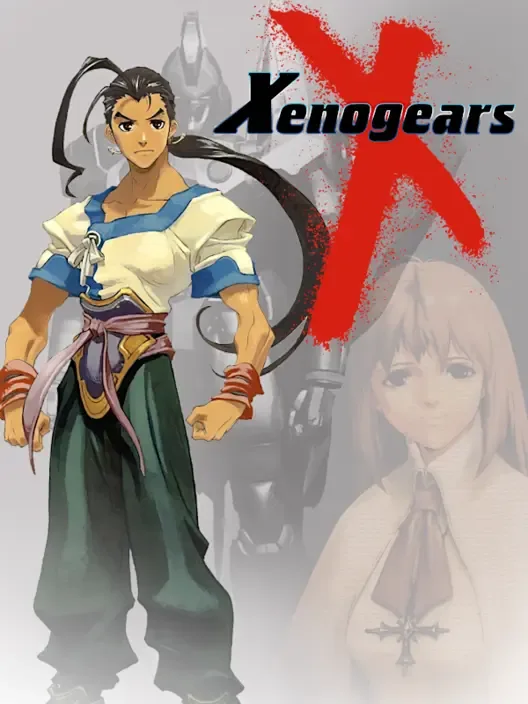
Square released Xenogears in Japan in February 1998 and in North America in October 1998, directed by Tetsuya Takahashi. Its story of religion, memory and giant robots is unusually ambitious, and the combination of on-foot combat and Gear battles gives it a distinct identity. It holds a GameRankings score of 91 percent, and IGN called it the best RPG of the year. Its main flaw is well known: the second disc relies heavily on cutscenes because of development pressures, and the pacing collapses. It was never released in Europe. Takahashi later founded Monolith Soft and made the Xenosaga and Xenoblade series as spiritual successors.
18. Legacy of Kain: Soul Reaver#
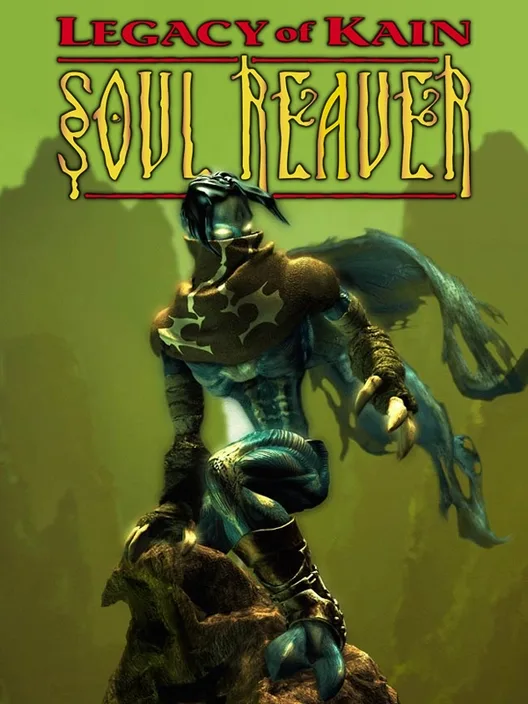
Crystal Dynamics released Soul Reaver in August 1999, with a story of the vampire Raziel in the decaying land of Nosgoth. Its seamless world with no loading between areas, the ability to shift between the spectral and material realms and the Gothic tone made it feel like a step forward for 3D action adventure. It holds a Metacritic score of 91 on PlayStation. The game was rushed, with content cut from the final release and an ending that feels abrupt. Reviewers also found the warp system confusing and the objectives unclear at times. It was later made available on PlayStation Network in 2009.
19. Resident Evil 3: Nemesis#
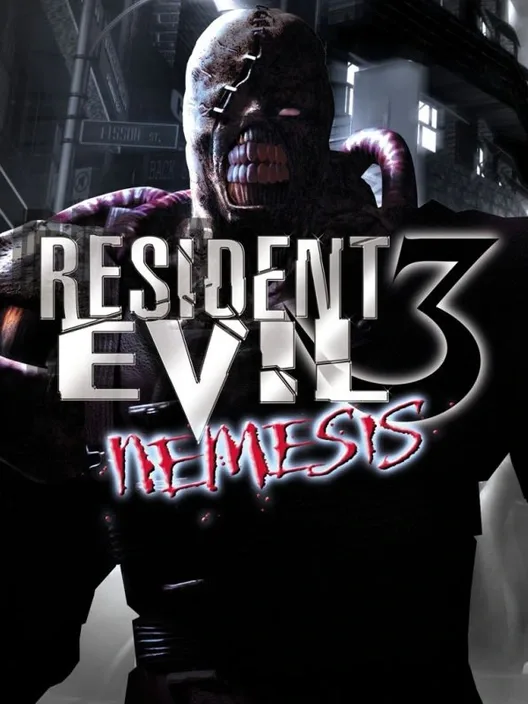
Capcom released Resident Evil 3: Nemesis in Japan in September 1999 and in North America in November 1999. It follows Jill Valentine through Raccoon City as the relentless Nemesis stalks her, and it added quick dodging and branching choices that make the pacing feel faster and more action-oriented than earlier games. It holds a Metacritic score of 91 on PlayStation and IGN gave it 9.4 out of 10. Mikami said Nemesis was designed to create constant paranoia. It is shorter than its predecessor and the story is simpler. It sold more than three and a half million copies. A full remake arrived in 2020 with modern over-the-shoulder controls.
20. Spyro: Year of the Dragon#
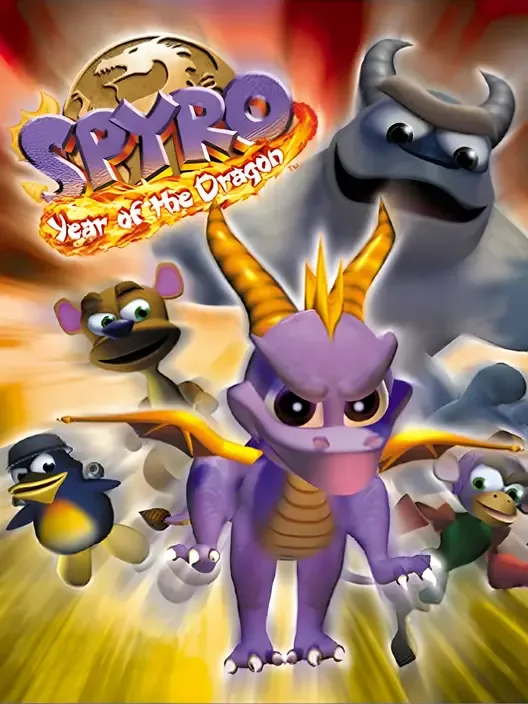
Insomniac's Spyro: Year of the Dragon, released in October 2000, closed the studio's run on the series with the most varied entry. New playable characters, minigames and skateboarding levels make each world feel different. It holds a Metacritic score of 91, and AllGame called it one of the best platformers on the PlayStation. It sold more than three million copies. Its weaknesses are a camera that struggles to keep up with the action and occasional slowdown when the screen gets busy. Insomniac's Ted Price said the team could not do anything new with the character, and the studio moved on to Ratchet and Clank.
21. Final Fantasy VIII#
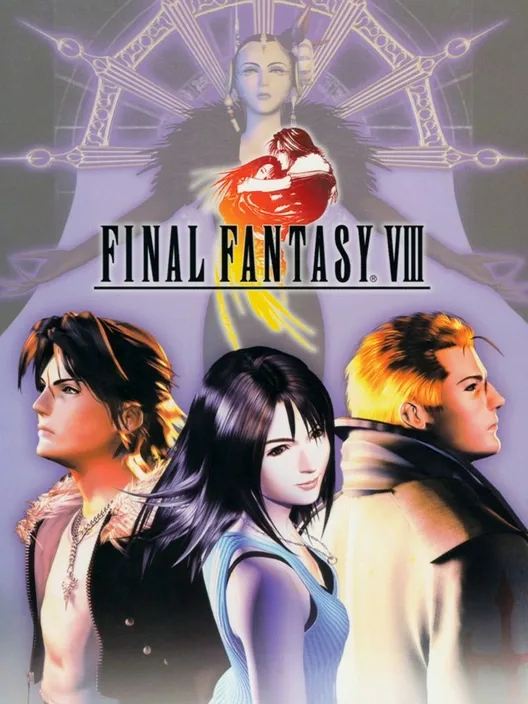
Square released Final Fantasy VIII in Japan in February 1999 and in North America in September 1999. It swapped fantasy tropes for a school-and-soldier setting, more realistic character proportions and the Junction system, where magic is drawn from enemies and attached to stats. It holds a Metacritic score of 90, Famitsu gave it 10, 9, 9 and 9, and Electronic Gaming Monthly called it the pinnacle of its genre. It sold 2.21 million copies on its first day in Japan. The Junction system can feel like tedious spell farming and its story split fans. A remaster was released for Switch, PlayStation 4, PC and Xbox One in 2019.
22. Syphon Filter#
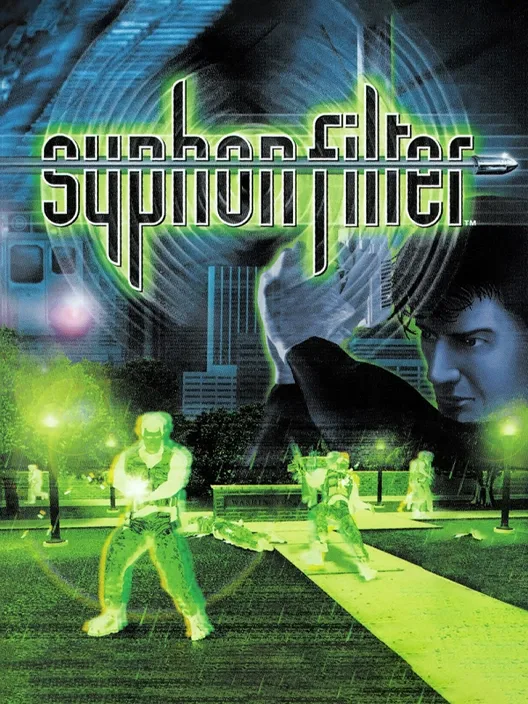
Developer Bend Studio, then Eidetic, released Syphon Filter in February 1999. It combines third-person shooting with stealth and gadgets. It holds a Metacritic score of 90, the highest in the series. Its sequels declined in reception, so the original remains the standout. The aiming is stiff by modern standards. Its later sequels scored lower, and it is best played on original hardware.
23. Ape Escape#
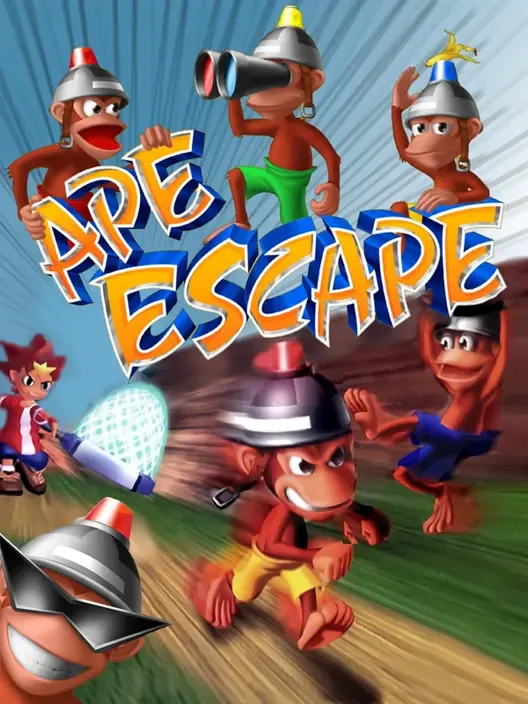
Sony Computer Entertainment Japan released Ape Escape in June 1999 as the first game to require the DualShock controller. Both sticks control Spike's movement and gadgets, so catching monkeys with a net is unusually tactile. It holds a Metacritic score of 90, and IGN called it the best 3D platform game on the PlayStation. The English voice acting was criticized as poor, and some gadgets are underused. It reached 1.4 million copies worldwide by July 2003 and became a Greatest Hits title in North America. The game needs dual-analog controls, so it is best played with a DualShock or a compatible controller on original hardware.
24. Resident Evil 2#
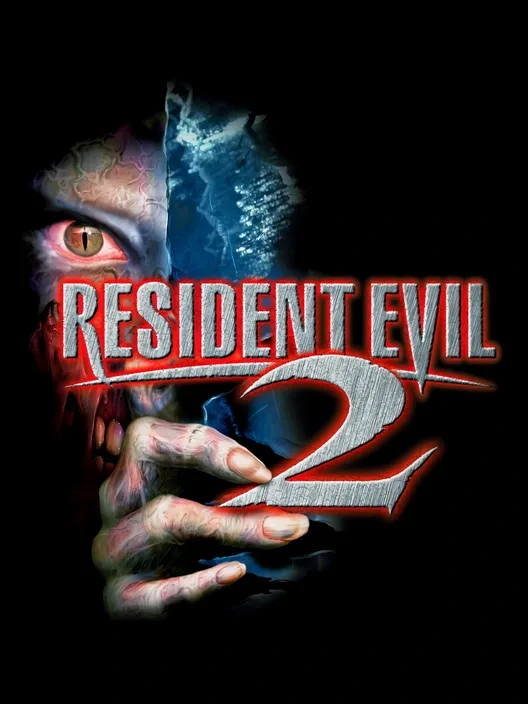
Capcom released Resident Evil 2 in January 1998, directed by Hideki Kamiya and produced by Shinji Mikami. It expanded the original's mansion into Raccoon City, offered two interlocking scenarios with Leon and Claire, and created a tense, cinematic survival horror with a strong sense of place. It holds a Metacritic score of 89 and a GameRankings average of 93 percent, and it sold nearly five million copies on the PlayStation. Its tank controls and weak voice acting are the usual complaints. The Nintendo 64 port was praised for fitting a two-disc game on a cartridge, and a full remake arrived in 2019 for those who prefer modern controls.
25. Tekken 2#
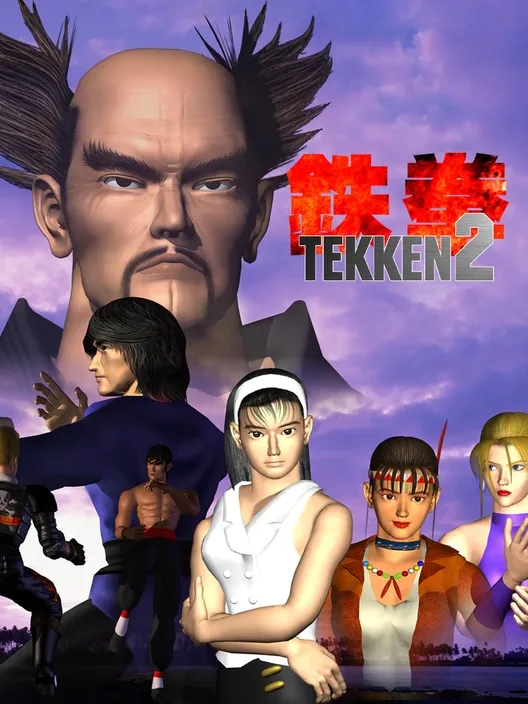
Namco's Tekken 2 arrived on the PlayStation in Japan in March 1996 and in North America in August 1996. It expanded the roster, added a practice mode that became a genre standard, brought Survival, Team Battle and Time Attack modes and gave every fighter a full-motion video ending. It holds a Metacritic score of 89 and a GameRankings average of 93 percent, and it sold about 5.7 million copies on PlayStation. It received numerous Game of the Year awards. Its polygon models are crude today and it lacks the sidestep of the third game, so it is best seen as the moment the series became a system seller.
26. Crash Bandicoot 2: Cortex Strikes Back#
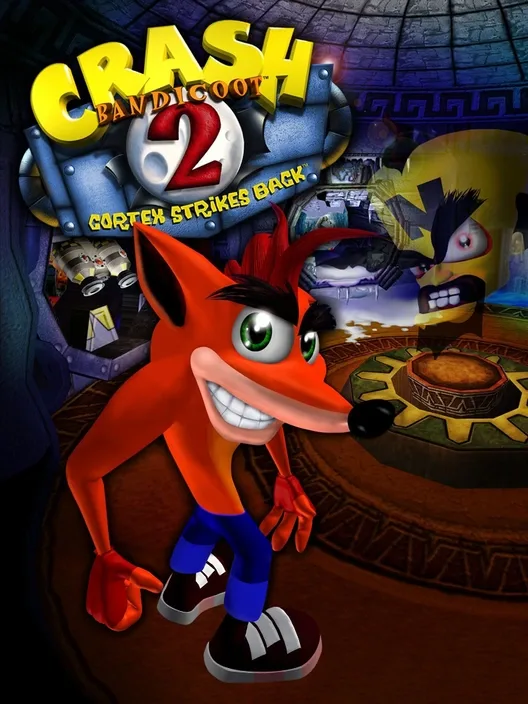
Released in November 1997, Crash Bandicoot 2: Cortex Strikes Back was developed by Naughty Dog under director Jason Rubin. It added new moves, a warp room hub that let players choose levels non-linearly, and greater variety than the first game, with polished animation and level design. It holds a GameRankings average of 89 percent and sold more than five million copies. Its weaknesses are trial-and-error moments, levels that reuse ideas from the original, and boss fights described as insultingly easy. It is included in the Crash Bandicoot N. Sane Trilogy from 2017, which gives the game a more forgiving modern look.
27. Grandia#
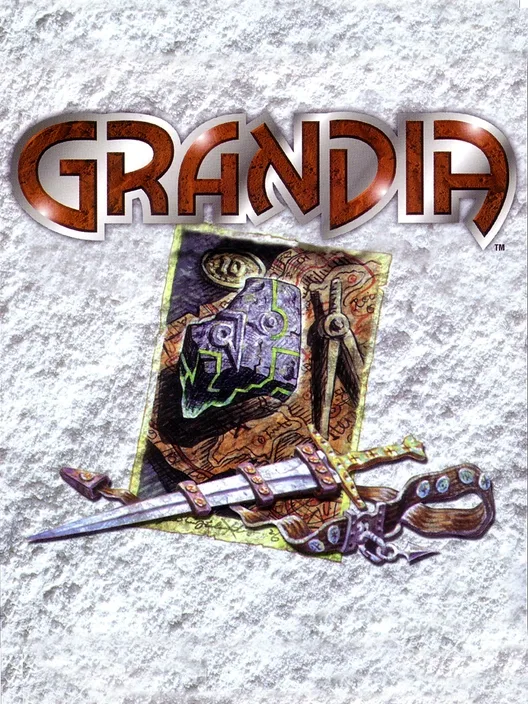
Game Arts released Grandia on the Saturn in December 1997, and the PlayStation version reached Japan in June 1999 and North America in October 1999. Its battle system, in which an Initiative Points bar lets players interrupt enemy attacks, added tactical depth to the turn-based formula, and its adventure feel and optimistic tone set it apart. It holds a Metacritic score of 89 and a GameRankings average of 86 percent on PlayStation. GameSpot called the English localization inexcusable by today's standards and GamePro found the soundtrack repetitive. It was re-released on Switch and PC in 2019 and on PlayStation 4 and Xbox One in 2024.
28. Einhänder#
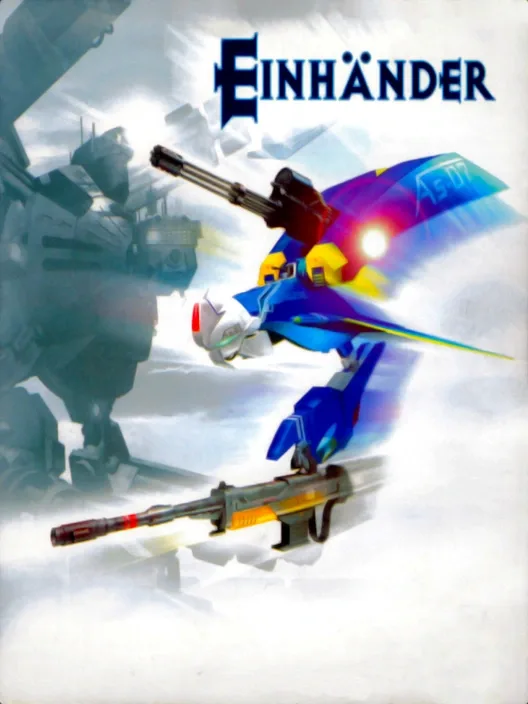
Square's Einhänder, released in Japan in November 1997 and in North America in May 1998, is a 2.5D scrolling shooter in which the player collects gunpods from defeated enemies with a manipulator arm. Its tilting camera, Square's production values elevated a genre usually left to smaller studios. It holds a Metacritic score of 89, IGN gave it 9 out of 10, and AllGame called it the best side-scrolling shooter of the post 16-bit era. Its chief weakness is length, with GameSpot estimating just over an hour to complete, and it lacks a two-player mode. It is a niche favorite and collector's item.
29. R4: Ridge Racer Type 4#
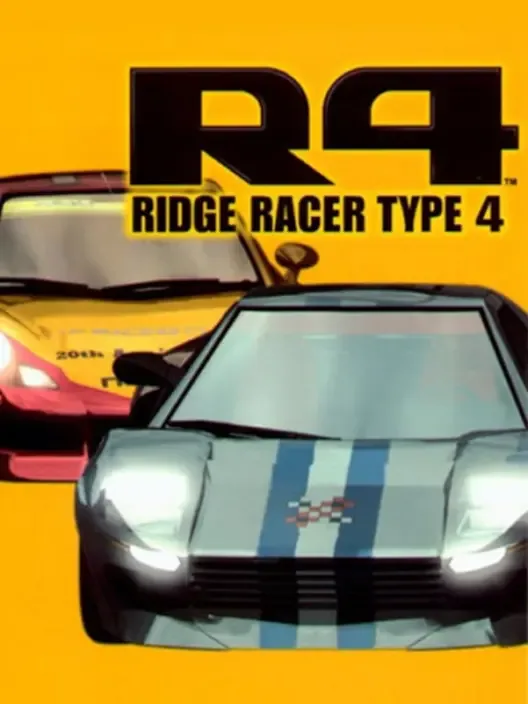
Namco released R4: Ridge Racer Type 4 in Japan in December 1998 and in the West in the spring of 1999. It shifted the series toward a stylish, story-driven grand prix with four teams, a funky, breakbeat-driven soundtrack and a first-class presentation. It holds a Metacritic score of 88 and is regularly ranked among the best racing games ever made. Powersliding is easier than in earlier entries and the driving model favors style over realism, which some fans of the original games disliked. It also had an undocumented Link Cable mode for multiplayer play.
30. Crash Team Racing#
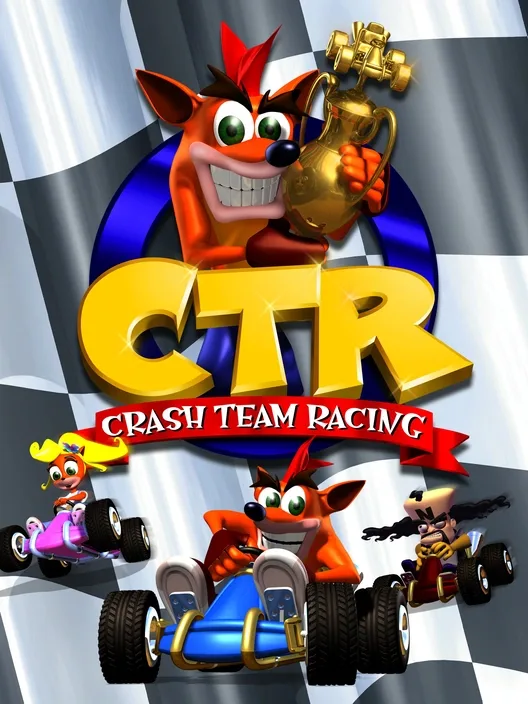
Naughty Dog's Crash Team Racing, released in October 1999, was its final Crash game and one of the best kart racers of its era. Its turbo boost mechanic, distinct tracks and a full adventure mode set it apart from Mario Kart imitators. It holds a Metacritic score of 88, and critics often called it the best kart racer on the PlayStation, with many arguing it surpassed Mario Kart 64 and Diddy Kong Racing. The music and voices can be grating, and the adventure mode ending was called underwhelming. It was remade in 2019 as Crash Team Racing Nitro-Fueled by Beenox for Switch, PlayStation 4 and Xbox One.
31. Colin McRae Rally 2.0#
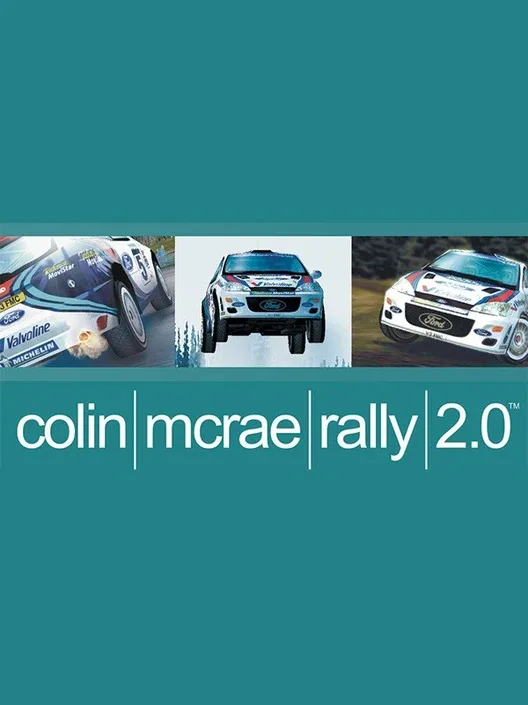
Codemasters released Colin McRae Rally 2.0 on the PlayStation in the UK in June 2000 and in North America that December, based on the 2000 World Rally Championship season. It brought more detailed cars, an arcade mode and a cleaner menu system to the series, and its stage racing against the clock rewards careful driving. It was received with universal acclaim, IGN gave it 8.9 out of 10 and GameSpot 8.5, and the original 1998 game had helped pioneer realistic rally games. The PlayStation's limited hardware means pop-in and blocky scenery, and the handling is unforgiving for newcomers.
32. Spyro 2: Ripto's Rage!#
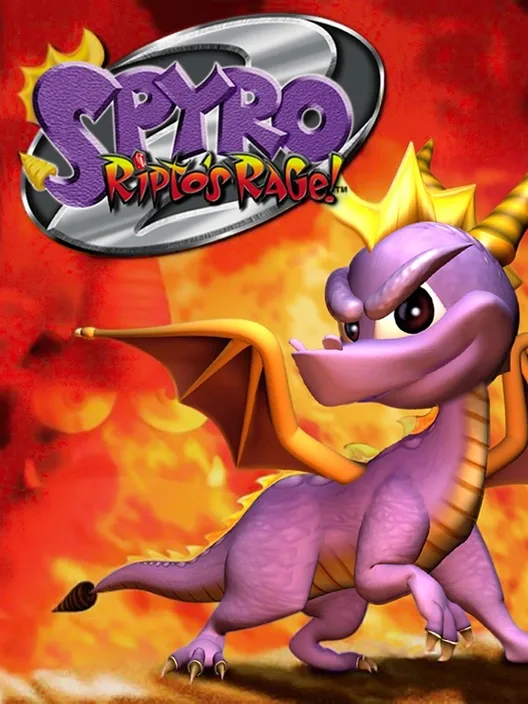
Insomniac Games released Spyro 2: Ripto's Rage! in November 1999, with music by Stewart Copeland. It expands the original with new moves, minigames and larger hub worlds, and the tone is more character-driven while remaining accessible to younger players. It holds a GameRankings average of 87 percent, IGN gave it 8.8 out of 10 and it sold more than three million copies. Its weaknesses are low difficulty and a familiar structure. It was nominated for several D.I.C.E. Awards. The 2018 Spyro Reignited Trilogy remasters it alongside the first and third games for those who want modern visuals.
33. Klonoa: Door to Phantomile#
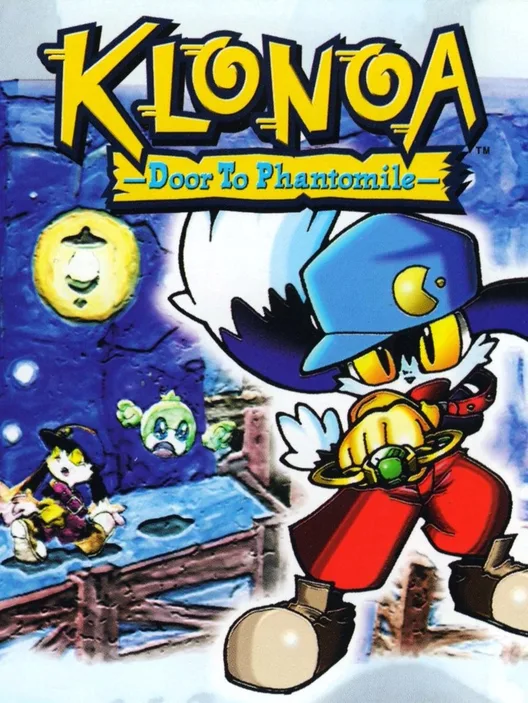
Namco released Klonoa: Door to Phantomile in Japan in December 1997 and in North America in March 1998, directed by Hideo Yoshizawa. The 2.5D platformer lets Klonoa grab enemies with his wind ring and use them as projectiles or springboards, and its dreamlike art style and music give it a lasting identity. It holds a GameRankings average of 87 percent, GameSpot called it one of the best side-scrollers in years. It sold poorly in the West, which limited its audience, and some critics found it formulaic. A remake for Wii followed in 2008.
34. Tenchu: Stealth Assassins#
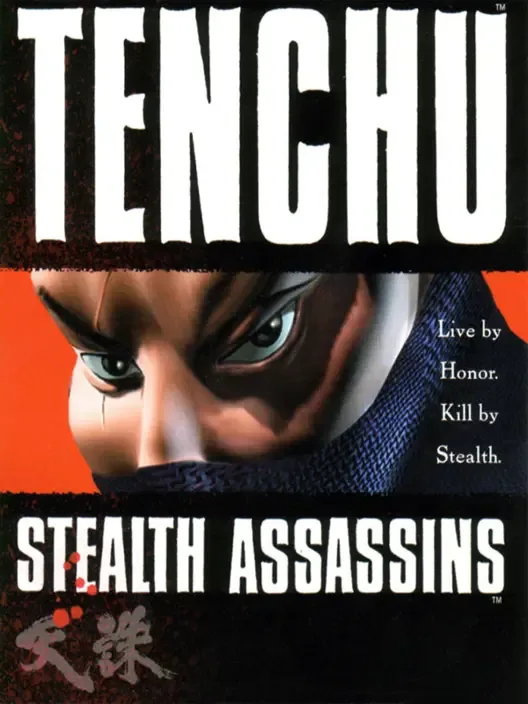
Acquire's first project, Tenchu: Stealth Assassins, was released in Japan in February 1998 and in the West later that year. Playing as the ninja Rikimaru or Ayame, the player creeps through night-time Japan and performs stealth kills, and its atmosphere and mission design were unlike anything else on the console. It holds a Metacritic score of 87, and Game Informer ranked it 54th among all-time games. It helped codify the stealth genre alongside Thief and Metal Gear Solid. The camera is awkward and the draw distance is short because of hardware limits, which is why the game takes place at night. It sold more than 1.4 million copies by 2003.
35. Driver#
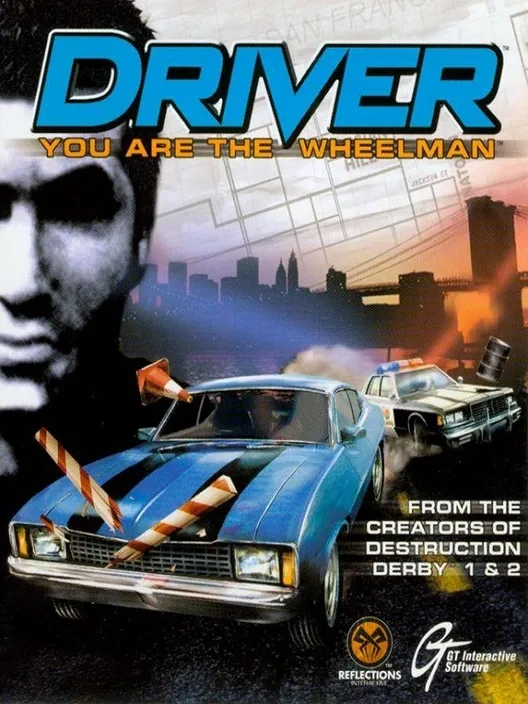
Reflections Interactive released Driver in June 1999, putting players in the seat of an undercover cop with the freedom to drive through Miami, San Francisco, Los Angeles and New York. Its 1970s car-chase style, Film Director replay mode and handling that rewards handbrake turns made it a standout, with a Metacritic score of 87. IGN called it one of the best driving games on any system. It sold more than four million copies by 2000. The opening parking-lot tutorial is notorious for its difficulty, and the game has no on-foot sections. It is best played on original hardware.
36. Spider-Man#
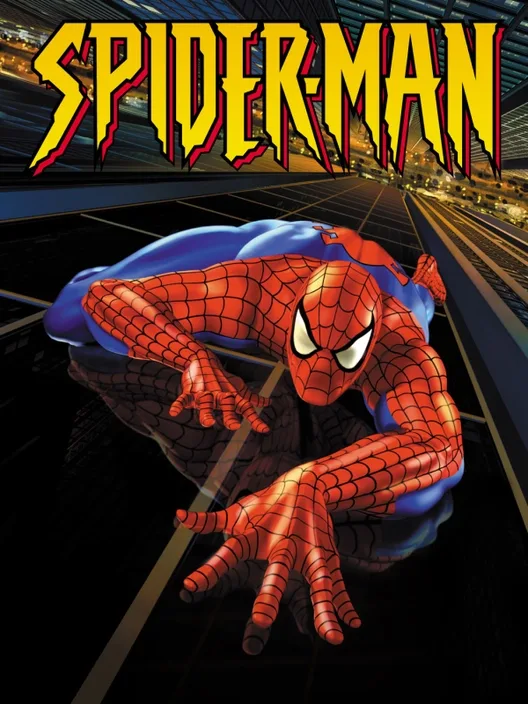
Neversoft released Spider-Man in August 2000. Web-swinging, wall-crawling and combat combined with a comic-book story featuring Doctor Octopus, Carnage and Venom, narrated by Stan Lee. It holds a Metacritic score of 87 on PlayStation, and IGN called it arguably the best Spider-Man game. It reached UK Platinum status. Its camera can be awkward in tight spaces and the campaign is short. Licensing has made a remaster difficult, so the PlayStation version remains the definitive one, and the soundtrack that remixes the 1960s theme with Apollo 440 still stands out.
37. Silent Hill#
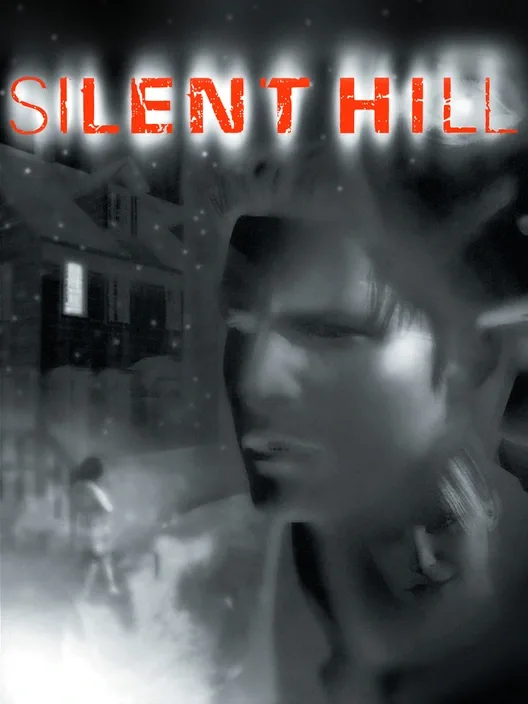
Konami's Team Silent released Silent Hill in North America in February 1999 under director Keiichiro Toyama, and it moved survival horror away from B-movie monsters toward psychological dread. Fog and darkness hid the console's technical limits while creating a sense of constant threat, and the everyman hero Harry Mason felt vulnerable. It holds a Metacritic score of 86 and sold more than two million copies, and Time magazine later placed it on its 100 greatest video games list. Its controls and combat can be frustrating, and some puzzles are obtuse. It was inducted into the World Video Game Hall of Fame, and the original is a PlayStation game best played on its original hardware.
38. Twisted Metal 2#
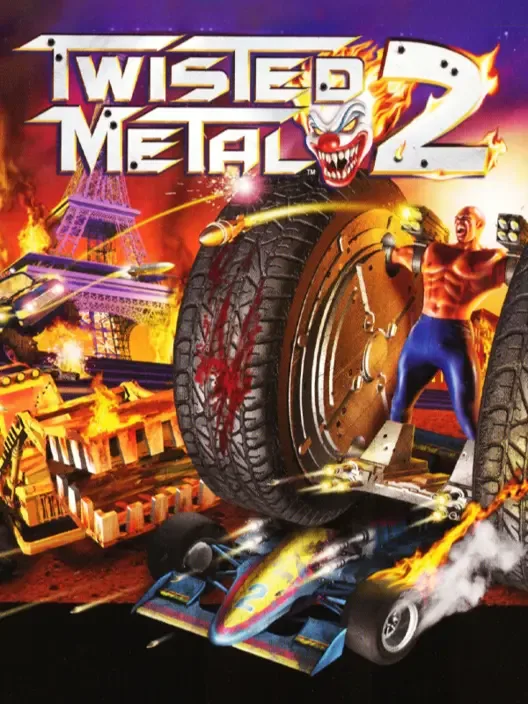
SingleTrac released Twisted Metal 2 in November 1996, and it turned vehicular combat into a PlayStation staple. Larger and more detailed arenas than the first game, an expanded cast of drivers including Sweet Tooth and a stronger sense of humor helped it sell 1.74 million copies in the United States. It holds a GameRankings average of 86 percent on PlayStation, Electronic Gaming Monthly ranked it number 64 on its list of the 100 best games, and GameSpot inducted it into its greatest games list in 2003. Its controls are loose, the difficulty is unbalanced and the music is repetitive. It was later re-released digitally, but its best form is the original disc.
39. Alundra#
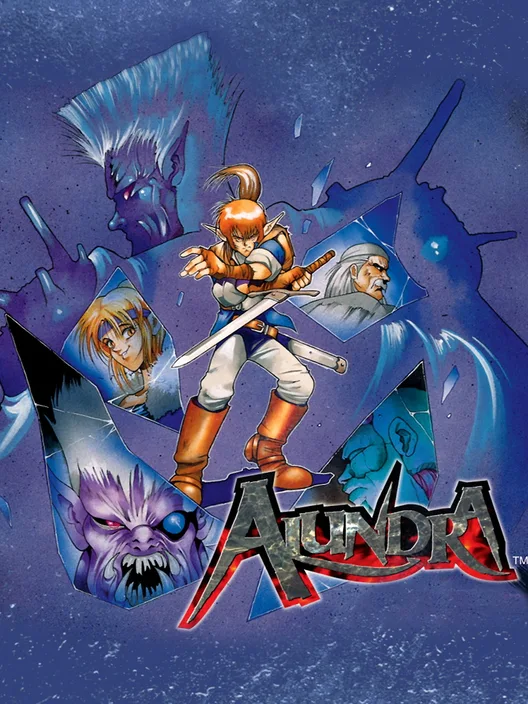
Matrix Software released Alundra in Japan in April 1997 and in North America in January 1998, directed by Yasuhiro Ohori with a score by Kohei Tanaka. The top-down action adventure draws on The Legend of Zelda and Landstalker, with dream-diving story sequences and puzzle-heavy dungeons. It holds a Metacritic score of 86 and a GameRankings average of 84 percent, and both Electronic Gaming Monthly and GamePro named it runner-up for Best RPG of 1997 behind Final Fantasy VII. Reviewers found the puzzles maddeningly difficult and the graphics too 16-bit, with depth hard to judge. It sold more than 100,000 copies in North America within a month of release.
40. Spyro the Dragon#
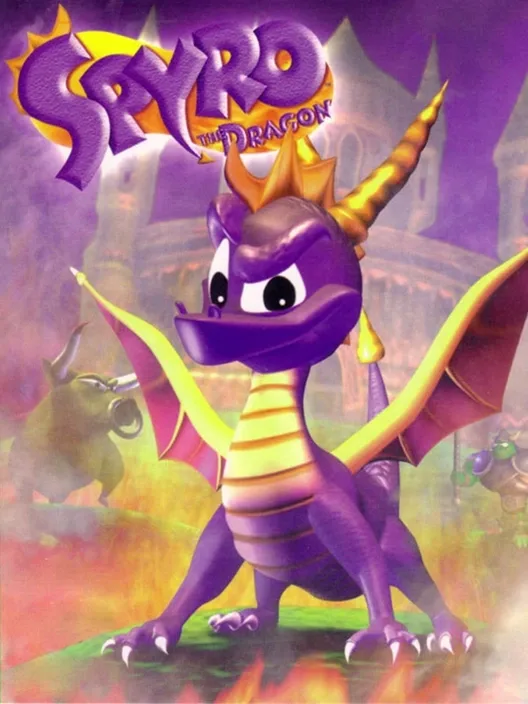
Insomniac Games released Spyro the Dragon in September 1998, with an unforgettable look and soundtrack by Stewart Copeland. Gliding, charging and flame make a simple platformer feel fluid, and the open levels were an antidote to more linear rivals. It holds a GameRankings average of 85 percent. Computer and Video Games called it easily the best 3D platform game on the PlayStation, and IGN's Craig Harris said it was the most fun 3D platformer he had played since Crash Bandicoot. It is easy, and some reviewers called the boss fights small and undemanding. It shipped nearly five million copies by 2007 and is part of the Reignited Trilogy from 2018.
41. Oddworld: Abe's Oddysee#
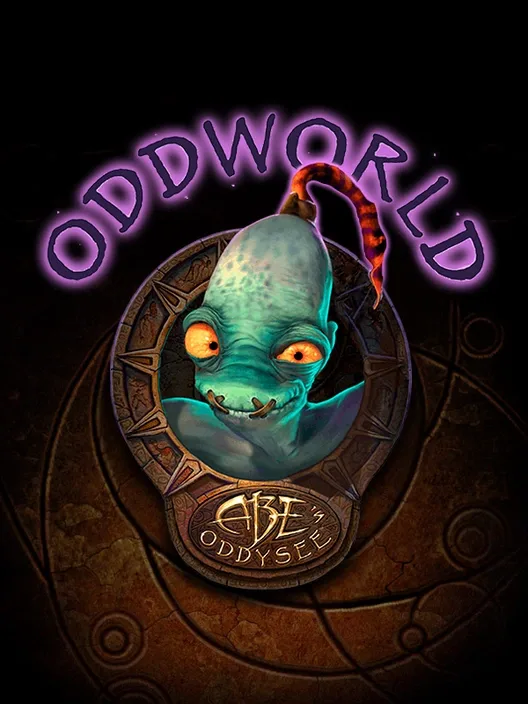
Oddworld Inhabitants released Abe's Oddysee in September 1997, a cinematic puzzle platformer about a Mudokon slave escaping the meat factory of RuptureFarms. Its pre-rendered backdrops, GameSpeak commands and dark humor gave it a personality unlike any competitor. It holds a Metacritic score of 85 and a GameRankings average of 88 percent on PlayStation, and it sold 3.5 million copies by 2012. Critics complained about its high difficulty and checkpoint-only saves, which turn many rooms into trial and error. It was remade in 2014 as Oddworld: New 'n' Tasty!, which is the friendlier way to play it today.
42. Dino Crisis#
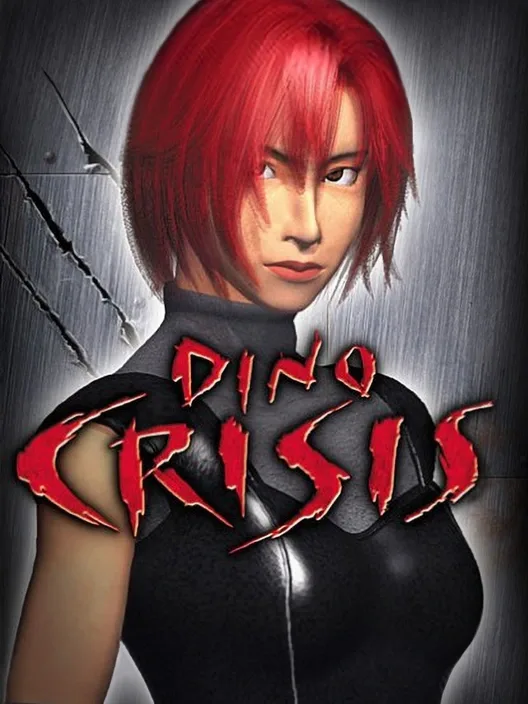
Capcom released Dino Crisis in July 1999, moving the survival horror formula from zombies to dinosaurs on Ibis Island. Its fully 3D environments and dinosaurs that hunt the player made it feel different from Resident Evil. It holds a Metacritic score of 84 on PlayStation, which is stronger than the scores of its Dreamcast and PC ports. Its fixed-camera controls and tense pacing owe a lot to Resident Evil, which some found derivative. It sold well enough to launch a series that has sold five million units. The PlayStation version is the version to seek out.
43. Rayman#
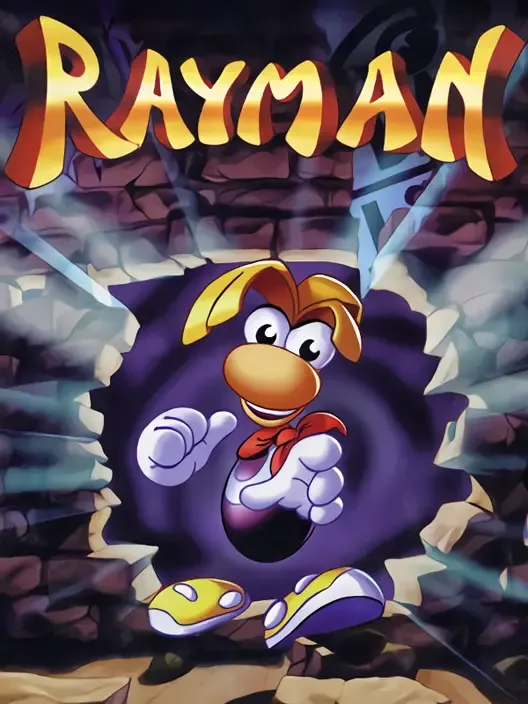
Ubi Pictures released Rayman on the PlayStation in September 1995, created by Michel Ancel, as a hand-drawn 2D platformer with a limbless hero. The animation, atmosphere and soundtrack are among the most charming of the generation, and the PlayStation version received particular acclaim. It sold more than three million copies worldwide and was among the best-selling PlayStation games in the United Kingdom. Its difficulty is high, with checkpoints far apart and a limited-lives system that punishes mistakes, which contrasts with its cheerful look. It appeared in a 30th Anniversary Edition compilation in February 2026 for modern platforms, which includes several platform versions.
44. Final Fantasy Tactics#
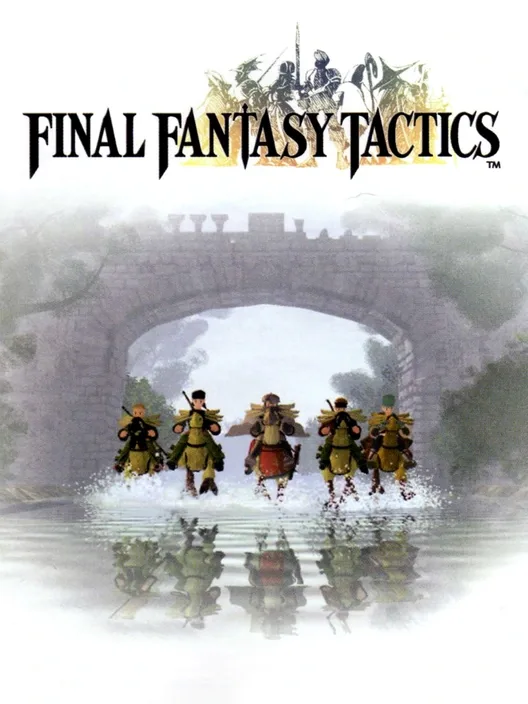
Square released Final Fantasy Tactics in Japan in June 1997 and in North America in January 1998. Directed and written by Yasumi Matsuno, with battle design by Hiroyuki Ito, it introduced a grid-based tactical role-playing system with a deep job system, set against a political story of class conflict in Ivalice that was unusually mature for its time. Reviewers praised its strategic depth and narrative complexity. Its weaknesses are a steep difficulty curve, small battle maps and a rough English translation in places. It later reached the PSP as The War of the Lions and returned in 2025 as The Ivalice Chronicles on modern platforms with updated graphics and full voice acting.
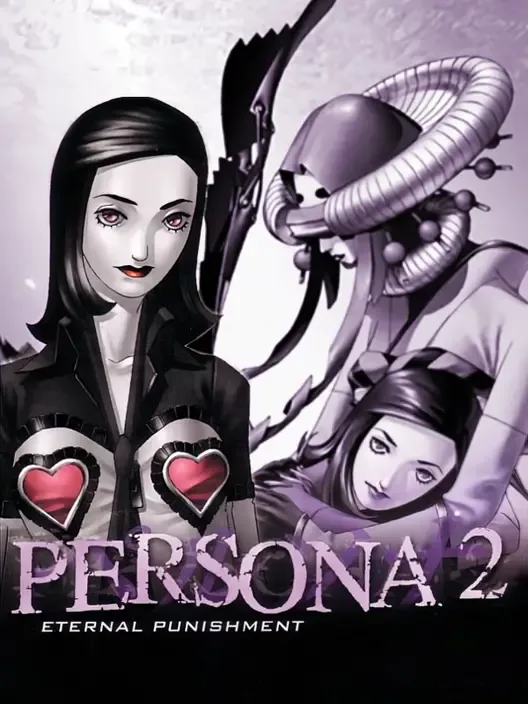
45. Persona 2: Eternal Punishment#
Atlus released Persona 2: Eternal Punishment in Japan in June 2000 and in North America in December 2000. As a sequel to Innocent Sin, it follows Tatsuya Suou as rumors reshape reality in Sumaru City, with a mature story and a negotiation system for demons. It holds a Metacritic score of 83 and a GameRankings average of 84 percent, with 8.5 out of 10 from GameSpot and 8.2 from IGN. Critics found the pace slow and some visuals unappealing. It sold 200,103 copies in Japan in 2000. A PSP remake followed in Japan in 2012.
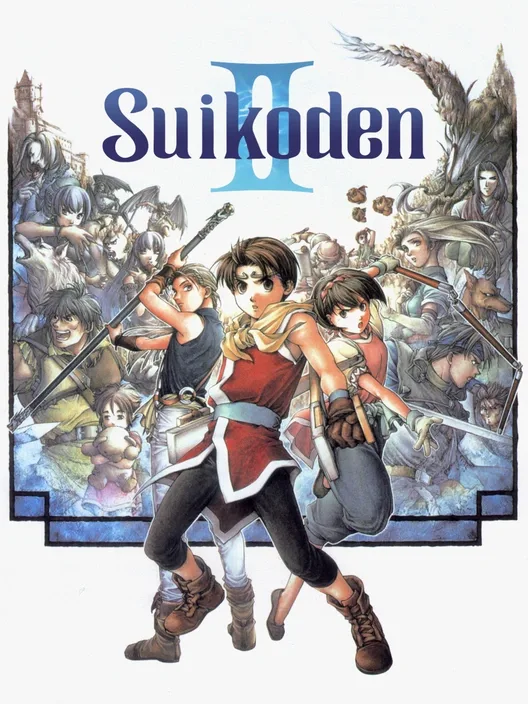
46. Suikoden II#
Konami's Suikoden II, developed by Konami Computer Entertainment Tokyo, was released in Japan in December 1998 and in North America in September 1999. Riou and Jowy's friendship torn apart by war is one of the most affecting stories in role-playing games, and it features over 100 recruitable characters, duels and large-scale tactical battles. It holds a Metacritic score of 82, and its stature grew after release as it became a cult classic; many publications now rank it among the greatest RPGs ever made. Its hand-drawn sprites looked dated next to 3D rivals when it launched. The Suikoden I & II HD Remaster was released in March 2025 for modern platforms.
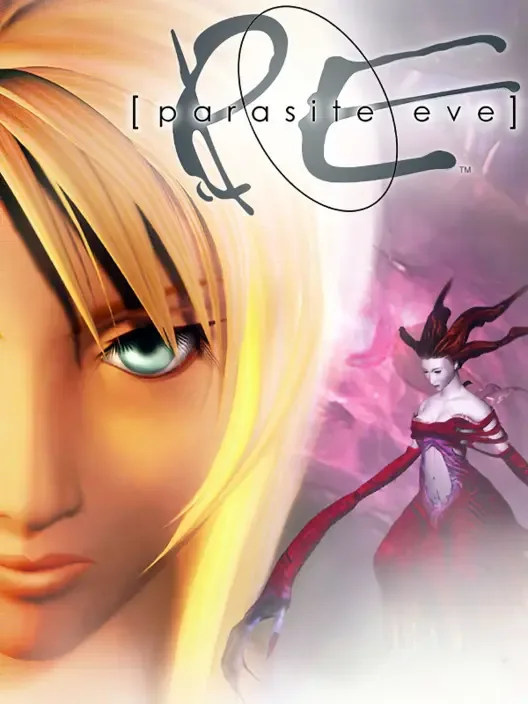
47. Parasite Eve#
Square released Parasite Eve in Japan in March 1998 and in North America in September 1998. Based on a novel by Hideaki Sena, it followed police officer Aya Brea in New York City and mixed real-time movement with Active Time Battle. Tetsuya Nomura designed Aya and Yoko Shimomura composed the score, which earned widespread acclaim. It holds a Metacritic score of 81 and a GameRankings average of 77 percent, and it shipped 1.94 million copies. The plot is linear, the game is short and the inventory system is fiddly. It was Square's first M-rated game and an early East-West collaboration, and it stays a distinctive blend of horror and role-playing.
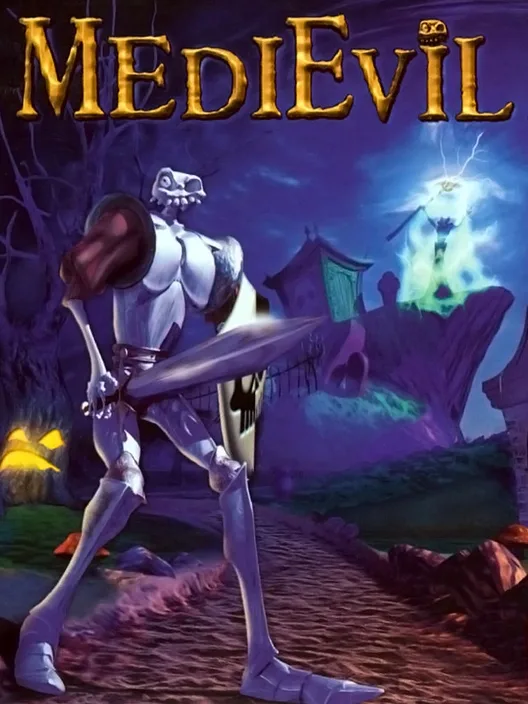
48. MediEvil#
Sony Computer Entertainment Europe developed MediEvil, released in Europe in October 1998 and in North America a few weeks later. Sir Daniel Fortesque, a skeleton knight, fights through a Tim Burton-like Gallowmere with dark humor, a fine score and memorable voice acting. It holds a GameRankings average of 80 percent, GameSpot gave it 8.2 out of 10, and it reached PlayStation Platinum status in 1999. Reviewers called it one of the cleverest platform games, but found the controls and camera awkward and the navigation repetitive. A full remake for PlayStation 4 was released in 2019, and it lets players unlock the original 1998 game by meeting special objectives.
49. Lunar: Silver Star Story Complete#
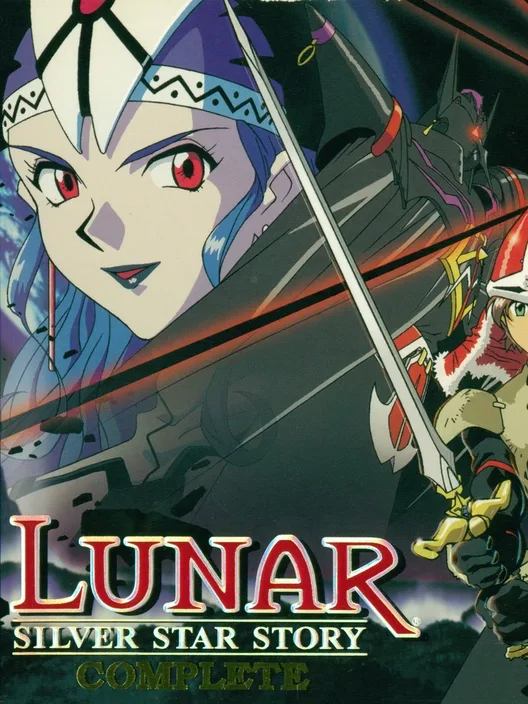
Game Arts developed this remake of the 1992 role-playing game, released on PlayStation in Japan in May 1998 and in North America in May 1999. Working Designs' localization was spotless, according to PlayStation: The Official Magazine, and the package included fifty minutes of new animated cutscenes by Studio Gonzo, a music disc and a cloth map. It holds a GameRankings average of 86 percent and Metacritic score of 78, and Electronic Gaming Monthly gave it an editor's choice gold. It sold over 223,000 copies in its first year in North America. Its turn-based combat is basic and the story follows familiar role-playing lines. The collector's edition is now a sought-after item.
50. Mega Man X4#
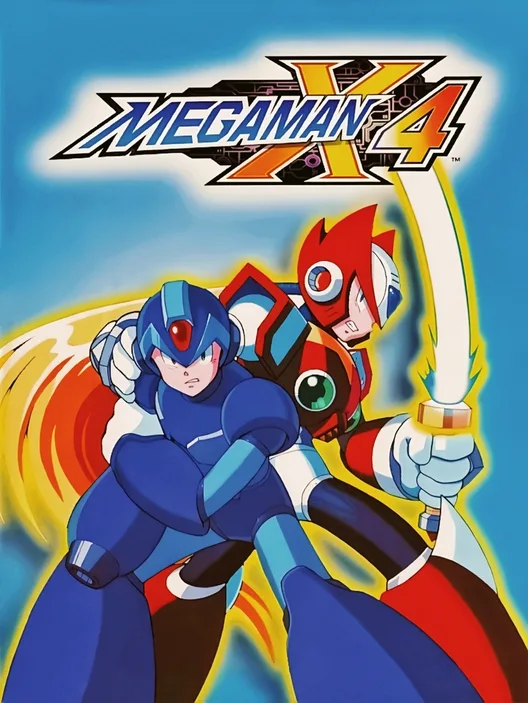
Capcom released Mega Man X4 in Japan in August 1997, and North America followed later that year. It brought the series to 32-bit hardware with hand-drawn animated sprites, and offered two very different playable characters in X and Zero. It is widely regarded as one of the best entries in the X series, with a strong set of stages and bosses. Reviewers noted the formula felt familiar, and the English voice acting drew widespread derision. It has appeared in compilations for the GameCube, PlayStation 2 and Nintendo Switch, so it is easy to play today. The PlayStation original also featured anime cutscenes that were rare for the time.