
The list mixes the console's defining exclusives with the multiplatform games that were at their best on PlayStation 2. Each game is listed once, under its PlayStation 2 release, and no franchise appears more than twice. Where a game has since been remastered or remade, the write-up says so, but the original hardware remains the reference point for every ranking.
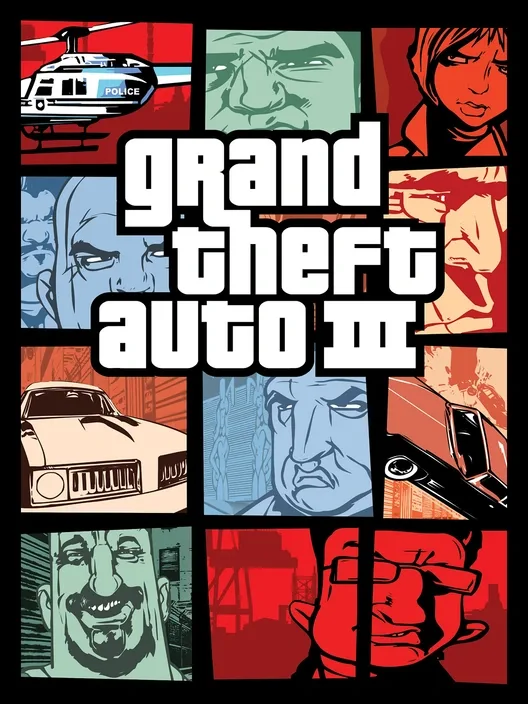
1. Grand Theft Auto III#
DMA Design, later Rockstar North, released Grand Theft Auto III in October 2001 and reinvented the series as a three-dimensional city that could be explored on foot or by car. It holds a Metacritic score of 97, tied for the highest on the console, and won multiple Game of the Year awards. It was the best-selling game in the United States in 2001 and inspired a generation of open-world games. Its silent protagonist, low-resolution look and awkward controls have aged worse than its successors. It nevertheless stays high on critic lists because so much of the modern open-world game began here.
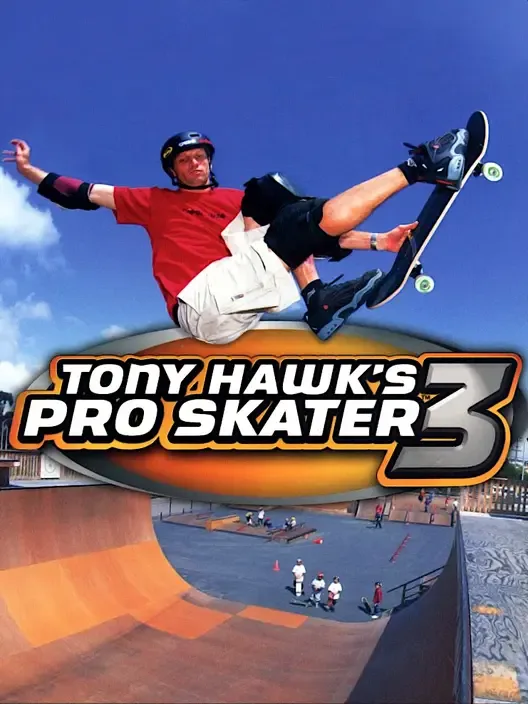
2. Tony Hawk's Pro Skater 3#
Neversoft released Tony Hawk's Pro Skater 3 for PlayStation 2 in October 2001, and it introduced the revert, which let players link vert tricks into manual combos and made huge scores possible. It has a Metacritic score of 97, tied with Grand Theft Auto III for the highest on the console. It won Best Sports Game at E3 2001 and the Console Sports Game of the Year award at the 2002 Interactive Achievement Awards. The level design, with objectives that reward exploring every rooftop, still holds up. The graphics and physics are of their time, and the series later moved to more story-driven entries that few consider its peak.
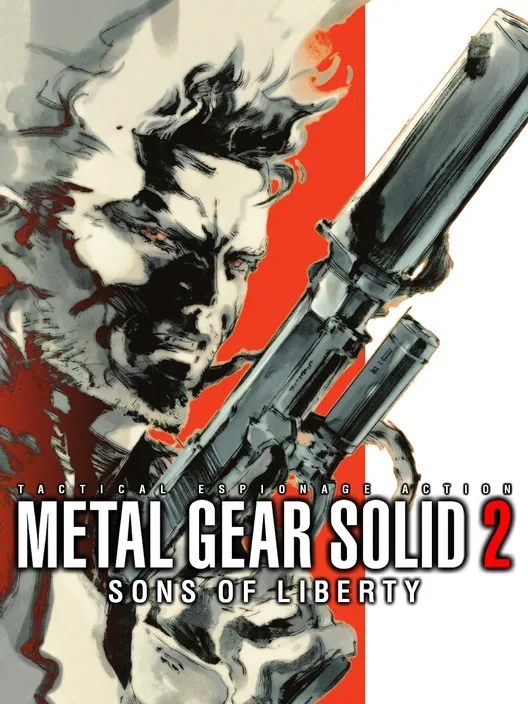
3. Metal Gear Solid 2: Sons of Liberty#
Hideo Kojima's sequel arrived in November 2001 and used the PlayStation 2's power for a rain-soaked tanker, a hijacked offshore cleanup platform and stealth systems in which guards react to noise, blood trails and open doors. It holds a Metacritic score of 96, Famitsu scored it 38 out of 40, and it took Best Console Game and Best Action/Adventure Game at E3 2001. Its bait-and-switch of Solid Snake for the new hero Raiden divided fans, and its philosophical final act about information control, delivered through long codec conversations, has been called incomprehensible by some critics. Even so, its themes of manufactured reality and memes now read as strikingly prescient. It was re-released in Metal Gear Solid: Master Collection Vol. 1 in October 2023.
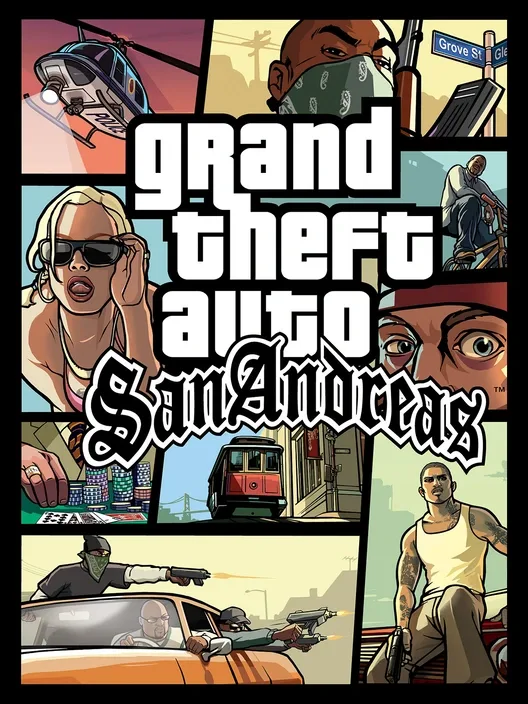
4. Grand Theft Auto: San Andreas#
Rockstar North released San Andreas in October 2004, and it turned the open-world crime game into a whole state: three cities, countryside, desert, gang turf wars, gyms, hairstyles and a radio that defined an era. It holds a Metacritic score of 95 on PlayStation 2, won Game of the Year at the Spike Video Game Awards and became the best-selling PlayStation 2 game, with about 17 million copies sold on the console. Samuel L. Jackson and the rest of the voice cast lifted a story about family, betrayal and 1990s Los Angeles. The console was pushed hard: pop-in and frame-rate dips are obvious today, and the controls for aiming and flying are clumsy. The Hot Coffee modding scandal also brought a lasting rating controversy.
5. Gran Turismo 3: A-Spec#
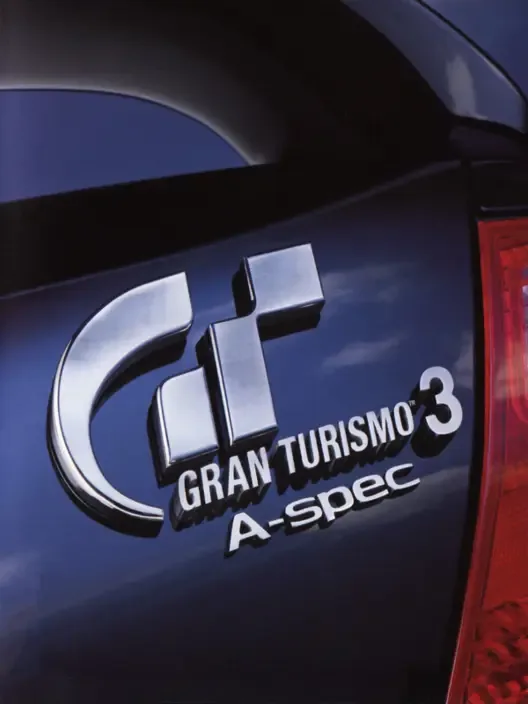
Polyphony Digital released Gran Turismo 3: A-Spec in Japan in April 2001 and in the West that July. It was the first Gran Turismo built for PlayStation 2, and it delivered a leap in visuals and handling that made it the console's first true showpiece. It holds a Metacritic score of 95, won a Game Critics Award for best racing game and the Academy of Interactive Arts and Sciences award for console racing. It sold more than 14 million copies, making it the best-selling PlayStation 2 exclusive. It has fewer cars than its predecessor, and the long grind for cars and licences can wear on a player. It is still regarded as the moment console racing simulation grew up.
6. Grand Theft Auto: Vice City#
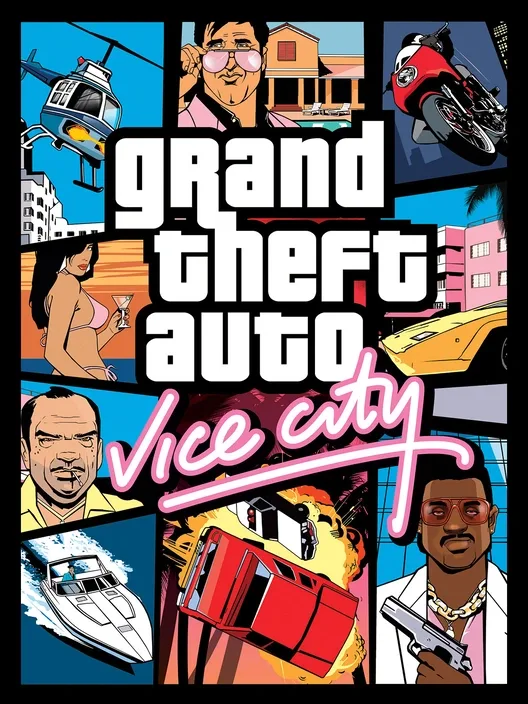
Rockstar North released Vice City in October 2002 and traded the grey Liberty City of the previous game for a neon 1980s Miami, with a soundtrack of licensed hits and a fully voiced protagonist in Tommy Vercetti. It holds a Metacritic score of 95 and won several industry awards. It was the best-selling game of 2002 and sold more than half a million copies within a day of release. The mission structure is more linear than in San Andreas, the shooting relies on crude auto-aim and its treatment of Haitian and Cuban gangs drew criticism from civil rights groups. It is still often cited as the best-realised setting in the series.
7. God of War#
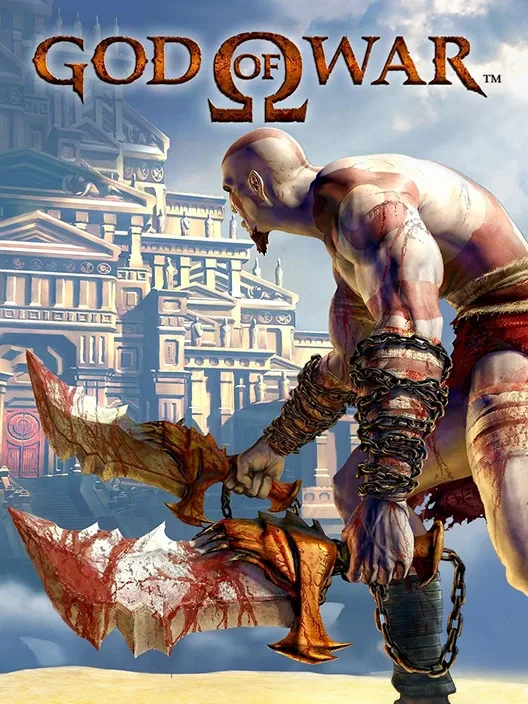
Santa Monica Studio released God of War in March 2005, and its combination of chained blades, cinematic set pieces and a furious Kratos in ancient Greece set a template for third-person action for a decade. It holds a Metacritic score of 94 and IGN gave it 9.8 out of 10. At the D.I.C.E. Awards it took seven awards, including Overall Game of the Year. Its puzzles and platforming sections are sometimes stiff, and some reviewers criticised the fixed camera for hiding hazards or off-screen attackers. Sony released God of War Collection with the sequel on PlayStation 3 in 2009, and it later reached PlayStation Vita, but the PlayStation 2 original still holds up as one of the tightest action games of its time.
8. Devil May Cry#
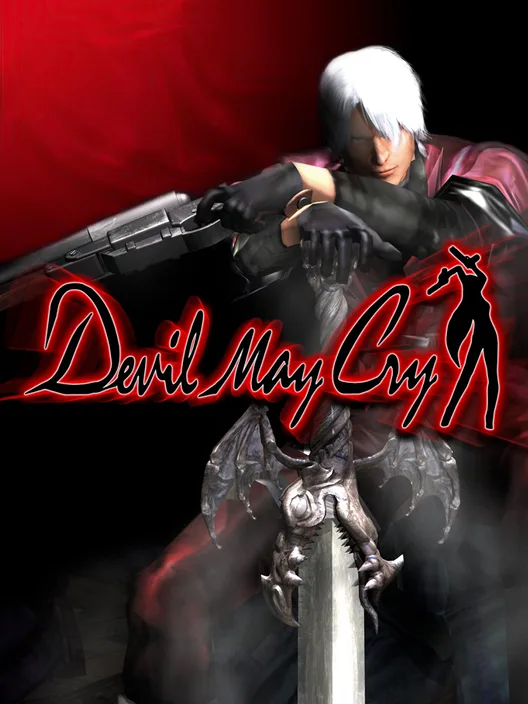
Capcom Production Studio 4 released Devil May Cry in August 2001 under director Hideki Kamiya. It began as an early prototype for Resident Evil 4 before it became a stand-alone action game about a half-demon in a gothic castle. It holds a Metacritic score of 94 and is credited with founding the character-action genre through its Stylish ranking system, mission grades and juggling combat with guns and sword. It sold more than three million copies. The fixed camera and repetitive backtracking through the castle feel dated, and some of the puzzle and platforming sections are dull compared with the combat. It was included in the Devil May Cry HD Collection in 2012.
9. Virtua Fighter 4#
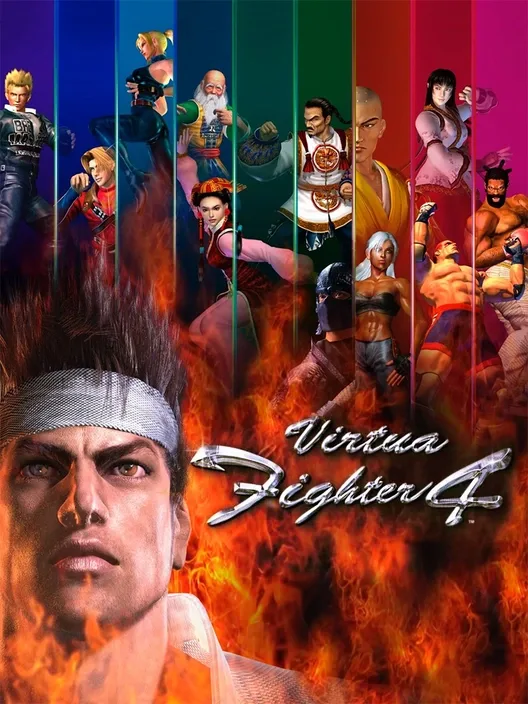
Sega AM2 released Virtua Fighter 4 on PlayStation 2 in early 2002 after its arcade debut in 2001. It holds a Metacritic score of 94, and Game Informer gave it 9.75 out of 10. It sold 500,000 copies in its first weekend in Japan. Its system of ring-outs, stance changes and frame-precise Sabaki counters demanded study, and a training mode with real depth helped players learn it. Its sequel, Virtua Fighter 4 Evolution, added two characters and refinements. Its steep learning curve kept it a niche favourite compared with more accessible fighters.
10. Okami#
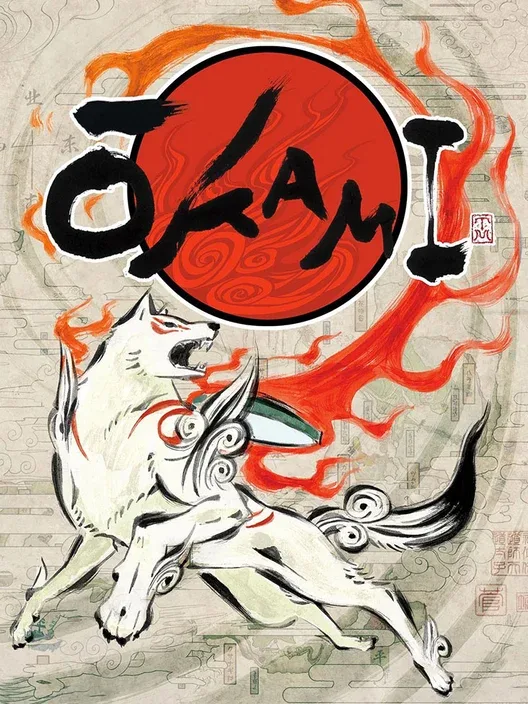
Clover Studio released Okami in Japan in April 2006. Hideki Kamiya's Zelda-inspired adventure casts the player as the sun goddess Amaterasu, painting the world back to life with a Celestial Brush inside a sumi-e ink-wash art style. It holds a Metacritic score of 93. It sold poorly on PlayStation 2, and Clover closed shortly after its release, but it went on to be remastered in high definition for several platforms and won a much larger audience. A sequel was announced at The Game Awards in 2024. The main weakness of the original is a slow opening that lingers on dialogue.
11. God of War II#
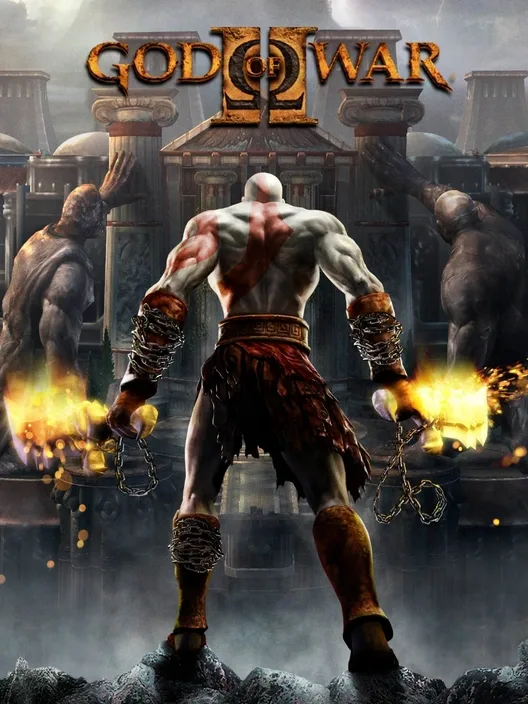
Santa Monica Studio and director Cory Barlog released God of War II in March 2007, only a few months after the PlayStation 3 had launched, and it stretched the PlayStation 2 further than almost any other late release. It holds a Metacritic score of 93. The boss fights and set pieces are bigger than in the original, and it is widely regarded as the swan song of the console. Combat remains fairly straightforward and prone to button mashing, and invisible walls limit exploration. It is included in the God of War Collection for PlayStation 3.
12. Burnout 3: Takedown#
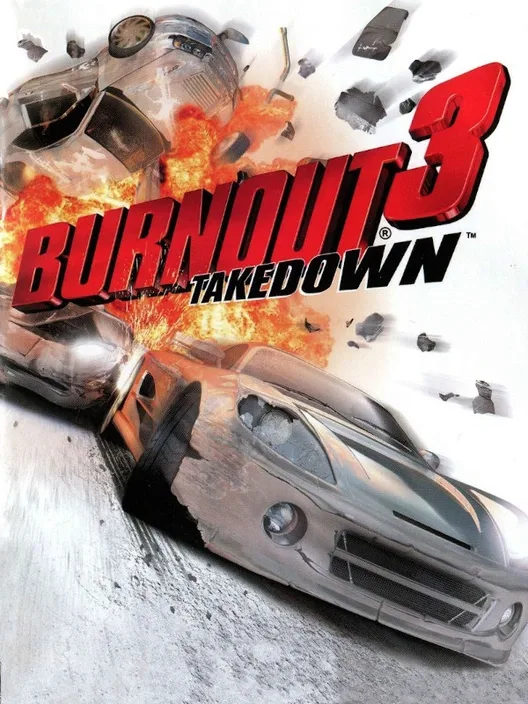
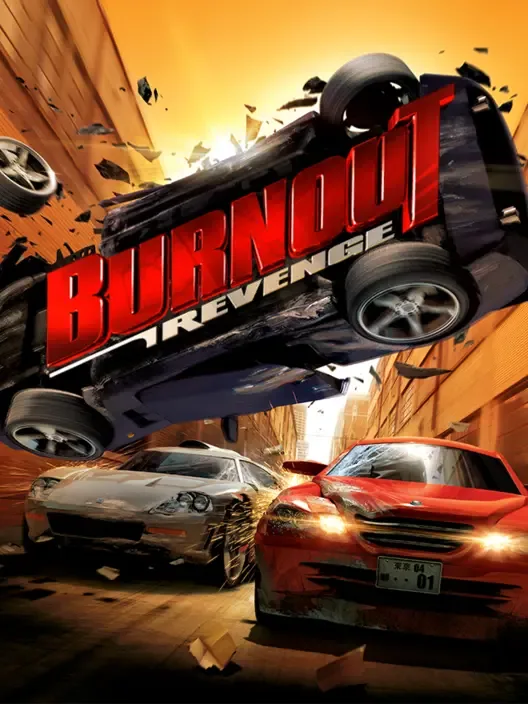
Criterion Games released Burnout 3: Takedown in September 2004 for PlayStation 2 and Xbox. It turned crashing into the point of the game: ramming rivals into walls, called Takedowns, refills the boost meter, and the slow-motion Crash mode is a puzzle of its own. It holds a Metacritic score of 93 on PlayStation 2, and won three British Academy Games Awards, including Racing and PS2 Game. Reviewers have called it possibly the best arcade racer ever made. There is no simulation depth, and its identity rests on a single mechanic that some players tire of. Burnout Revenge is the follow-up.
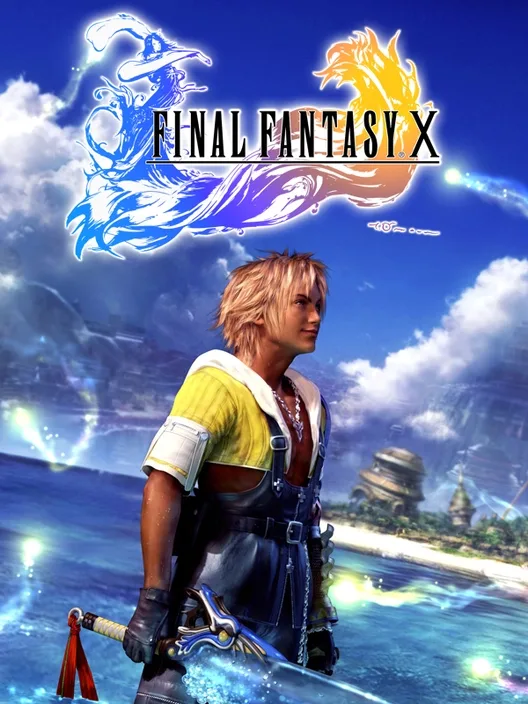
13. Final Fantasy X#
Square released Final Fantasy X in Japan in July 2001 and in North America that December, and it was the series' first game with fully voiced characters and fully three-dimensional environments. It has a Metacritic score of 92, Famitsu scored it 39 out of 40 and it won the Japan Game Awards' Best Game Award. The Sphere Grid, the swap-in turn-based battles and Nobuo Uematsu's score gave it a tight structure, and the story of Tidus and Yuna was the emotional peak of the series for many players. Its critics found the linear, corridor-like progression limiting, some dialogue awkward and the puzzle segments tedious. An HD remaster arrived on PlayStation 3 and Vita in 2013 and later came to PlayStation 4, Windows, Switch and Xbox One.
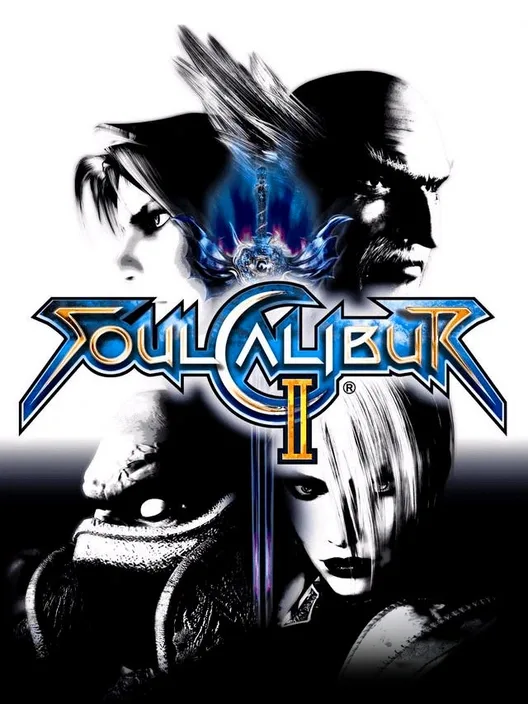
14. SoulCalibur II#
Project Soul released SoulCalibur II in arcades in July 2002 and on PlayStation 2, GameCube and Xbox in 2003. It has a Metacritic score of 92 on PlayStation 2, and it won console fighting game of the year from the Academy of Interactive Arts and Sciences. Each console had a guest fighter: the PlayStation 2 version got Heihachi Mishima from Tekken, GameCube received Link and Xbox received Spawn. GameSpot called it one of the most refined and accessible 3D fighting games, and its weapon-based combat and unlockables gave it lasting appeal. Its story is thin, and the PlayStation 2 guest is arguably the least celebrated of the three.
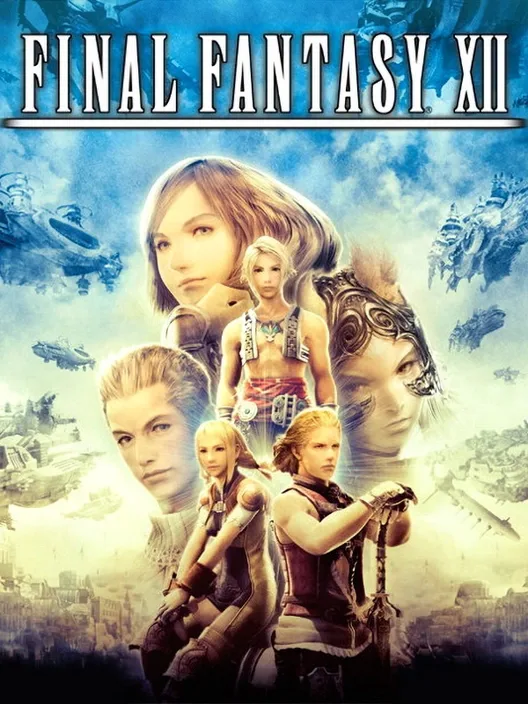
15. Final Fantasy XII#
Square Enix released Final Fantasy XII in March 2006, after five years in development and a change of director when Yasumi Matsuno left for health reasons. Set in the world of Ivalice, it replaced random encounters with visible enemies on open fields and introduced the Gambit system, which lets players program their party's behaviour. It has a Metacritic score of 92, was the sixth game to receive a perfect 40 out of 40 from Famitsu and was named Game of the Year by Edge and Famitsu. Some critics found the gambits and the license board difficult to grasp, and its music is often considered weaker than in earlier entries. The Zodiac Age remaster followed in 2017 for PlayStation 4 and later other platforms.
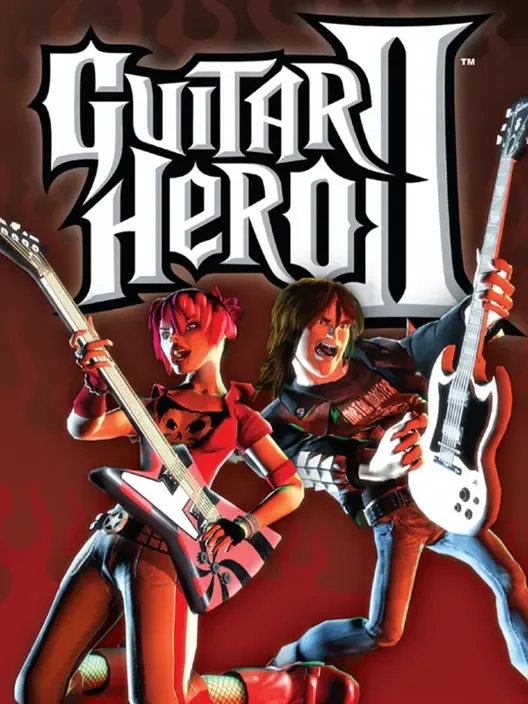
16. Guitar Hero II#
Harmonix and RedOctane released Guitar Hero II in November 2006 for PlayStation 2. It improved the first game with a smoother hammer-on and pull-off system, chords, and a practice mode that allowed players to slow songs down. It has a Metacritic score of 92, Official U.S. PlayStation Magazine gave it 10 out of 10 and IGN gave it 9.5. It sold 3.1 million copies by the end of 2007 and was the fifth best-selling game of 2006. Its setlist leans towards hard rock and metal, so it is less welcoming to casual players, and critics found some of the cover songs to be only average. It requires the plastic guitar controller.
17. SSX Tricky#
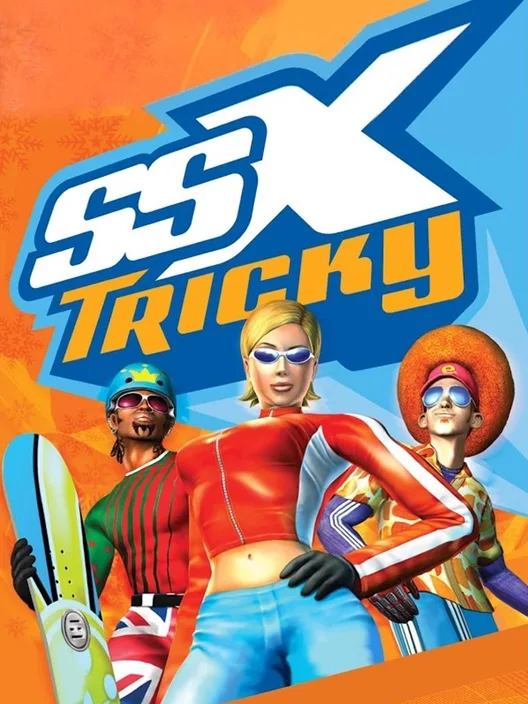
EA Canada released SSX Tricky in November 2001 for PlayStation 2, and the Uber Tricks, an exaggerated trick system driven by a boost meter, made it one of the most joyful sports games of its time. It holds a Metacritic score of 92 on PlayStation 2. Critics praised its speed and style, but several noted that it was closer to an improved version of the original SSX than to a real sequel because it reused most of its courses. It sold more than 800,000 copies and earned Platinum status. Its title comes from the Run-DMC song that is prominent in the game.
18. Shadow of the Colossus#
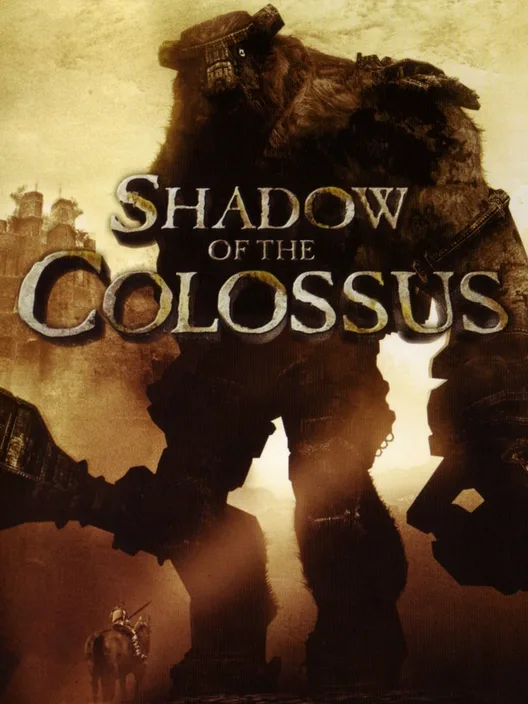
Sony Computer Entertainment Japan released Shadow of the Colossus in October 2005, and it distilled Fumito Ueda's minimalism into sixteen boss fights across an empty, mournful landscape. Each colossus is a moving puzzle that the player climbs, and the long rides between them give the game its loneliness and its emotional weight. It holds a Metacritic score of 91, IGN gave it 9.7 out of 10, Eurogamer awarded a perfect 10 and Electronic Gaming Monthly named its music Soundtrack of the Year. The original struggles with an erratic frame rate during the largest battles and a camera that critics described as an opponent in its own right. Bluepoint Games remade it for PlayStation 4 in 2018, but the PlayStation 2 version remains the definitive artistic statement.
19. Metal Gear Solid 3: Snake Eater#
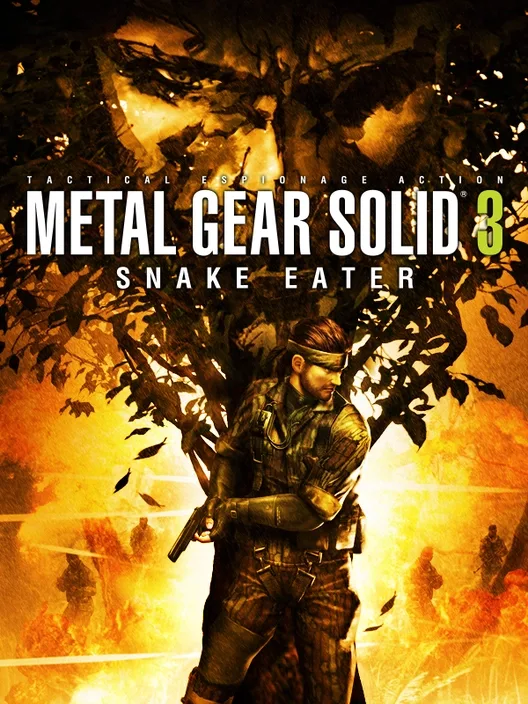
Konami's Snake Eater, released in November 2004, sent Snake into a 1964 Soviet jungle and swapped corridor stealth for camouflage, hunting, injury treatment and a food chain. It holds a Metacritic score of 91, IGN awarded it 9.6 out of 10, and both IGN and GameSpot named it best story of 2004. The boss fight with The End, which can be skipped by patient sniping or by changing the system clock, remains one of the most talked-about encounters of the generation. The camera was widely called dated, the frame rate dropped to 30 frames per second from the predecessor's 60 and some dialogue read awkwardly in translation. Metal Gear Solid Master Collection Vol. 1 brought it to current systems in 2023, and a remake, Metal Gear Solid Delta, followed in August 2025.
20. Ratchet & Clank: Up Your Arsenal#
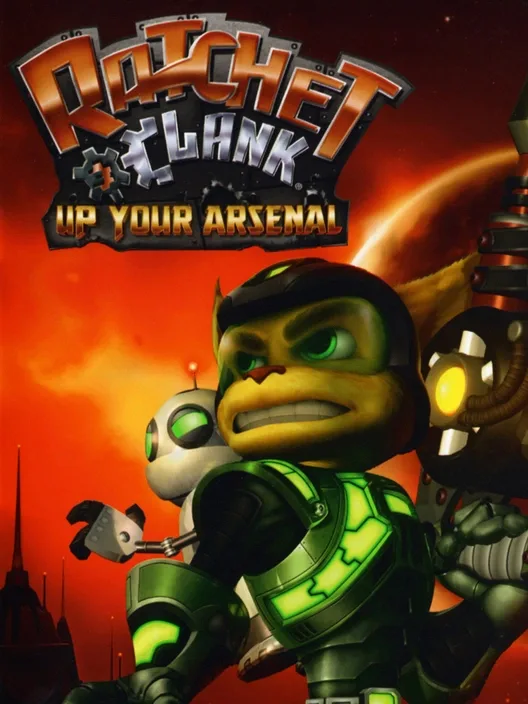
Insomniac Games released Up Your Arsenal in November 2004, the third game in the series. It has a Metacritic score of 91, GameSpy gave it five stars, and IGN placed it among the top 25 PlayStation 2 games. It introduced online multiplayer to the series for up to eight players and expanded the arsenal to 20 weapons that level up through use. It is regarded by many critics as the strongest of the series' PlayStation 2 entries, with the first game and Going Commando close behind. Its campaign is on the short side and the platforming is forgiving. It was remastered for PlayStation 3 and Vita.
21. Twisted Metal: Black#
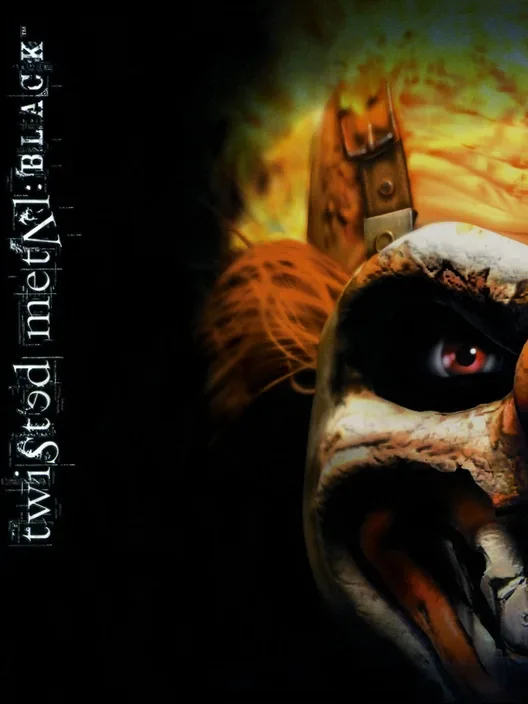
Incognito Entertainment released Twisted Metal: Black in June 2001 as a dark reboot of the vehicular combat series. It holds a Metacritic score of 91, and critics praised its dark, psychological stories for each driver and its varied arenas and weapons. It sold about 950,000 copies in the United States by 2006. Critics remarked that the controls and difficulty balance were carried over from earlier entries in the series. It has been re-released digitally for PlayStation 3 and PlayStation 4.
22. Ico#
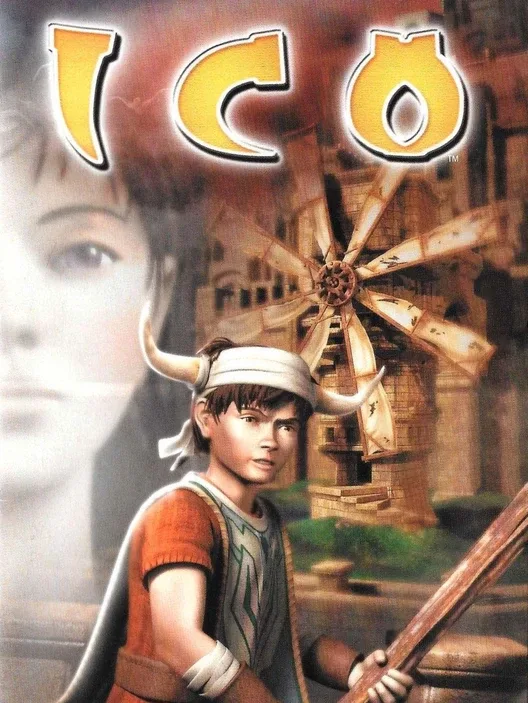
Ico was released in North America in September 2001 and in Japan that December, and it introduced the pared-back style of Fumito Ueda: a boy, a girl named Yorda who cannot fight, and a castle that has to be climbed and escaped hand in hand. It has a Metacritic score of 90, and it won three Game Developers Choice Awards in 2002. Reviewers praised the art direction and the game's small, perfect moments, and designers including Hideo Kojima and Eiji Aonuma have cited it as an influence. It sold modestly at the time, the combat against shadow creatures is basic and the game is short. Bluepoint Games released a high-definition remaster alongside Shadow of the Colossus for PlayStation 3 in 2011.
23. Jak and Daxter: The Precursor Legacy#
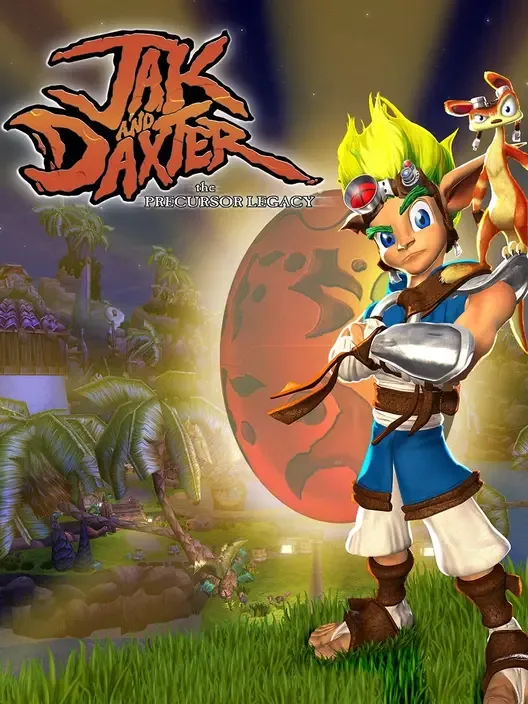
Naughty Dog released Jak and Daxter: The Precursor Legacy in December 2001 and used the PlayStation 2 for a large connected world with no loading screens, which was a technical achievement at the time. It holds a Metacritic score of 90, critics praised its visuals and polish, and Daxter won Original Game Character of the Year at the 2002 Game Developers Choice Awards. It follows familiar collect-a-thon platforming rules, the story is simple and it is light on boss fights. Its fluid movement and consistent charm nevertheless place it among the best mascot platformers of the generation.
24. Persona 4#
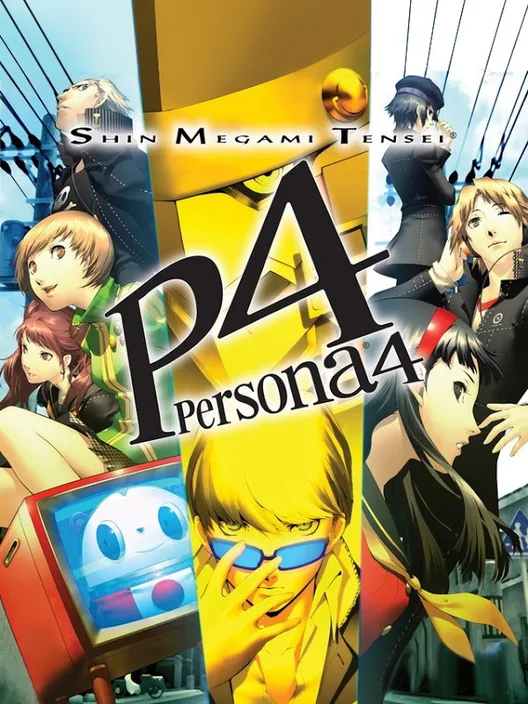
Atlus released Persona 4 in Japan in July 2008 and in North America that December. A murder mystery in a rural town, it combined turn-based dungeon crawling with a calendar of school days, friendships and part-time jobs. It holds a Metacritic score of 90 on PlayStation 2, won the PlayStation 2 Game Prize at the 2008 Famitsu Awards and a Games of the Year Award of Excellence at the Japan Game Awards. Its cast and its upbeat soundtrack gave it a wide following far beyond the genre. Critics pointed to pacing issues and some recycled elements from earlier Persona games. The enhanced Persona 4 Golden appeared on PlayStation Vita in 2012 and later on other platforms, and is the easiest way to play it today.
25. Burnout Revenge#
Criterion Games released Burnout Revenge in 2005 for PlayStation 2, Xbox and Xbox 360. It added traffic checking, where the player can slam into cars moving in the same direction and send them flying, and made Takedowns even more satisfying. The PlayStation 2 version holds a Metacritic score of 90, and the Xbox 360 version won Racing Game of the Year at the Interactive Achievement Awards. Many players consider it the last great game in the series, though some prefer Burnout 3's tighter design. The online servers for the PlayStation 2 version were shut down in November 2007.
26. TimeSplitters 2#
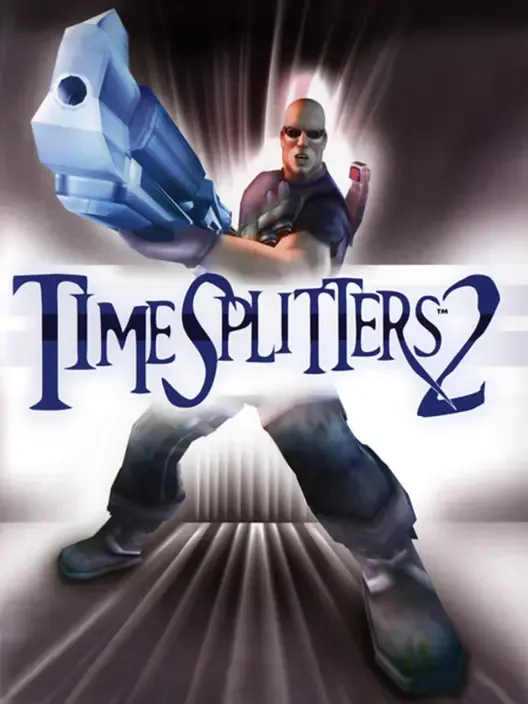
Free Radical Design, founded by veterans of GoldenEye 007, released TimeSplitters 2 in October 2002. It sent the player through ten story levels across different eras, and its arcade modes and MapMaker tools gave it huge replay value. It holds a Metacritic score of 90 on PlayStation 2, and GameSpot wrote that it may very well be the best split-screen shooter ever created. The lack of online multiplayer was regarded as a notable omission, though the PlayStation 2 version supports System Link for larger sessions. Its humour and speed remain a reminder of the console-shooter era before online play took over.
27. Silent Hill 2#
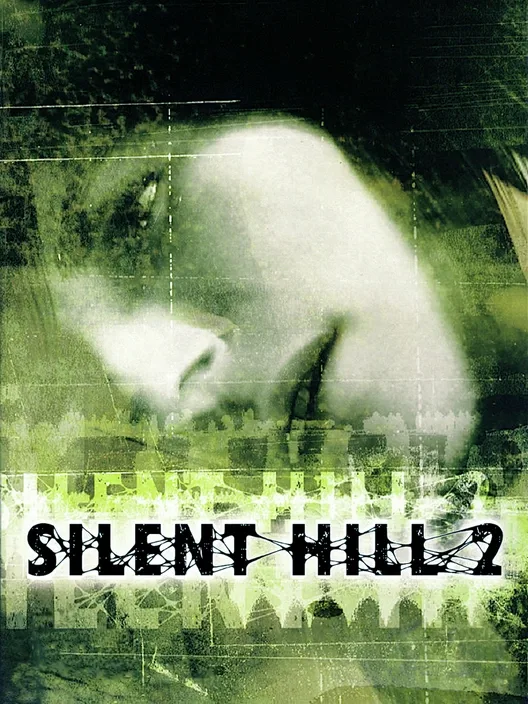
Team Silent's Silent Hill 2 reached PlayStation 2 in September 2001 and made horror personal. James Sunderland travels to a fog-covered town after receiving a letter from his dead wife, and the monsters, drawn by Masahiro Ito, reflect his guilt. It holds a Metacritic score of 89, Akira Yamaoka's score is regularly praised as one of the best in games. Its combat is clumsy and the ammunition is abundant, so it is not a challenge, and the camera can be awkward around ceiling monsters. It works because of its story, atmosphere and symbolism. Bloober Team released a remake for PlayStation 5 and Windows in October 2024.
28. Prince of Persia: The Sands of Time#
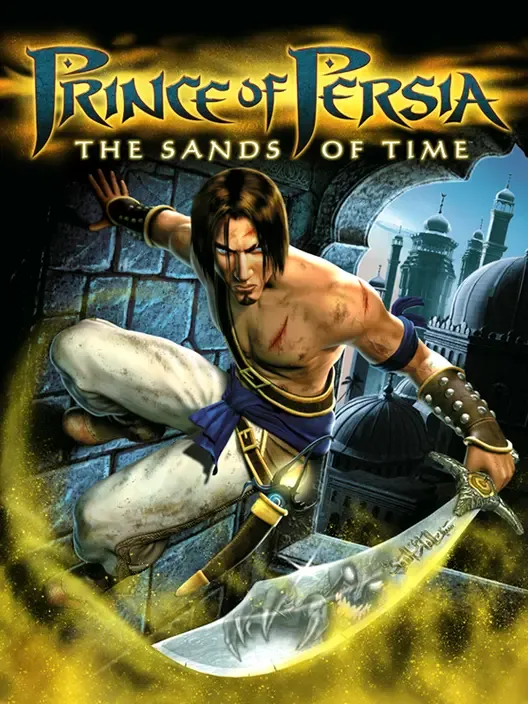
Ubisoft Montreal released The Sands of Time in November 2003 and reinvented the acrobatic platformer with a rewind mechanic that turns every mistake into a second chance. It holds a Metacritic score of 92 on PlayStation 2 and was named Game of the Year at E3 2003, and it won multiple D.I.C.E. Awards including Console Game of the Year. Edge said it could not be commended highly enough. The combat is repetitive and the story is a simple framing device. A remake was cancelled by Ubisoft in January 2026, so the original remains the reference point.
29. Gran Turismo 4#
Polyphony Digital released Gran Turismo 4 in Japan in December 2004 and in North America in February 2005. It contains more than 700 cars from 80 manufacturers, 51 tracks and a photo mode. It holds a Metacritic score of 89, IGN gave it 9.5 out of 10 and Famitsu awarded 39 out of 40. It sold nearly twelve million copies. Critics complained about the lack of damage modelling, passive computer opponents and shortcuts on some tracks, and the online mode that was promised during development did not ship. It is still a benchmark for the amount of content in a racing game.
30. Persona 3 FES#
Atlus released Persona 3 FES in Japan in April 2007 and in North America in April 2008 as the expanded version of Persona 3. It combined a dungeon crawler with a social simulation in which the calendar and the bonds with classmates shape the player's power, and its dark tone made it a landmark. It holds a Metacritic score of 89, compared with 86 for the original game. Persona 3 won RPG of the Year from Famitsu, GameSpot and RPGFan. The epilogue, The Answer, was criticised for dropping the social system and focusing on grinding. Persona 3 Reload, a remake, arrived in February 2024.
31. Dragon Quest VIII: Journey of the Cursed King#
Level-5 released Dragon Quest VIII in Japan in November 2004 and in North America in November 2005. It was the first fully three-dimensional Dragon Quest, and its cel-shaded world can be explored on foot from the first minute. It holds a Metacritic score of 89 and was the first game in the series to receive 39 out of 40 from Famitsu. It sold three million copies in three days in Japan, the fastest-selling PlayStation 2 game there. Its turn-based battles are deliberately traditional, and some critics felt its simplicity worked against it, but the charm of its story and cast carried it.
32. Ace Combat 04: Shattered Skies#
Namco released Ace Combat 04: Shattered Skies in Japan in September 2001 and in North America the following month. It rebooted the series after a mixed response to Ace Combat 3, and introduced the fictional Strangereal world and the pilot Mobius 1 in 18 missions with 21 aircraft. It holds a Metacritic score of 89, IGN gave it 9.1 out of 10 and Famitsu awarded 33 out of 40. It was the highest-selling entry in the franchise until Ace Combat 7 passed it in 2021. It plays as an arcade flight game, not a simulation, and it is deliberately easy to pick up. Its orchestral and rock soundtrack helped set the series' tone.
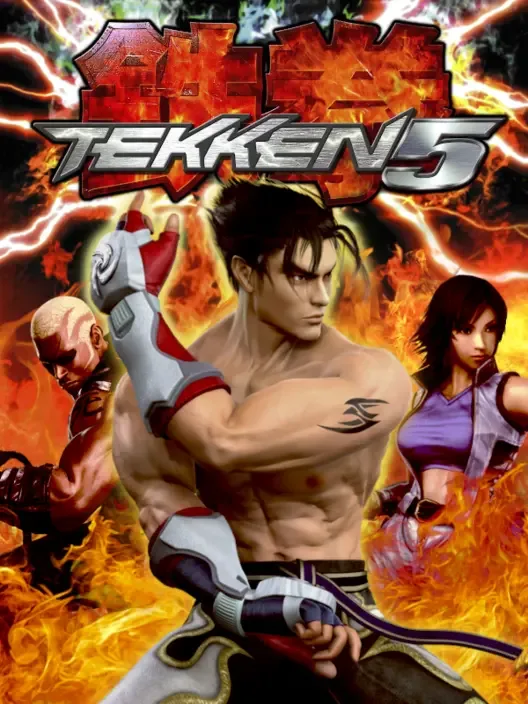
33. Tekken 5#
Namco released Tekken 5 in arcades in November 2004 and on PlayStation 2 in early 2005. Created as a tenth-anniversary celebration, it restored the fast, fluid feel of the series after the uneven stages of Tekken 4, and added costume customisation and a generous set of unlockables. It holds a Metacritic score of 88 and won GameSpot's Best Fighting Game of 2005. Its Devil Within side-mode, a beat-em-up, was widely criticised, and the final boss Jinpachi is regarded as overpowered. It received an update in Tekken 5: Dark Resurrection, but the original PlayStation 2 home version remains a very complete package.
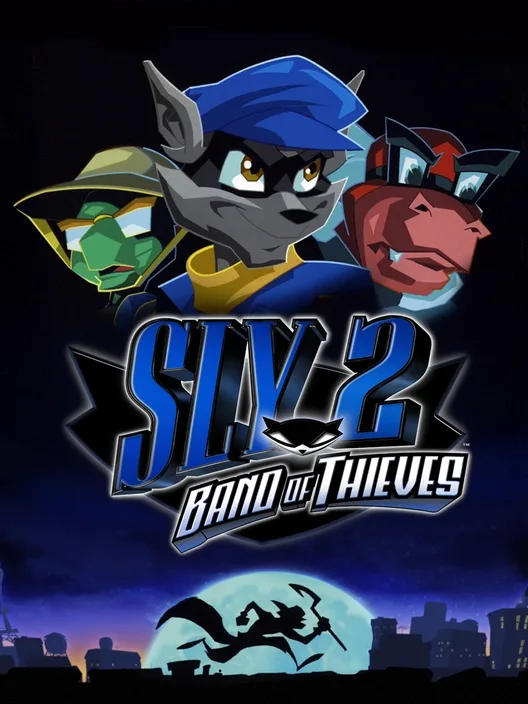
34. Sly 2: Band of Thieves#
Sucker Punch Productions released Sly 2: Band of Thieves in September 2004 in North America. It turned the first game's platforming into open heists where the player switches between the thief Sly, the mastermind Bentley and the muscle Murray. It holds a Metacritic score of 88 and is often regarded as the best of the trilogy. Critics praised its cel-shaded look and its user-friendly controls, and complained about camera problems in combat and some repetitive hacking and photography tasks. It was remastered in the Sly Collection for PlayStation 3 in 2010, and digital re-releases came to PlayStation 4 and PlayStation 5 in December 2024.
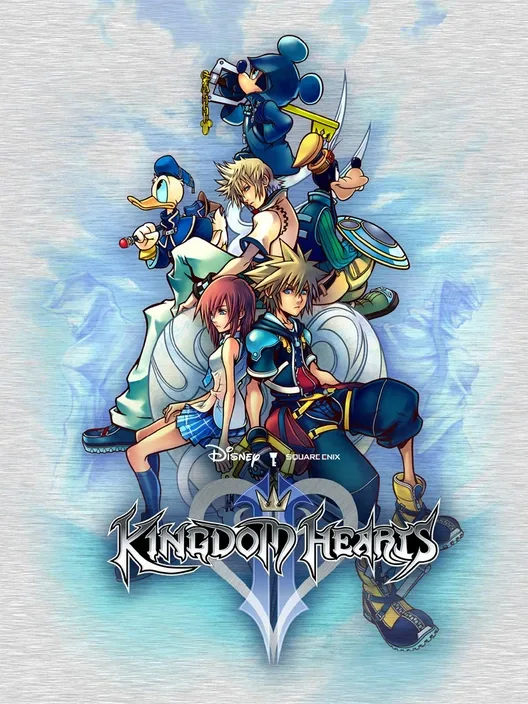
35. Kingdom Hearts II#
Square Enix released Kingdom Hearts II in Japan in December 2005. It sharpened the original's action combat with Drive Forms and reaction commands, and it brought Disney worlds and Final Fantasy characters together with a lavish soundtrack. It holds a Metacritic score of 87, Famitsu scored it 39 out of 40 and it shared Famitsu's 2005 Game of the Year with Resident Evil 4. It sold more than four million copies by 2007. The main criticisms are an easy difficulty curve, smaller and more linear worlds and problematic partner AI. The plot may confuse newcomers to the series.
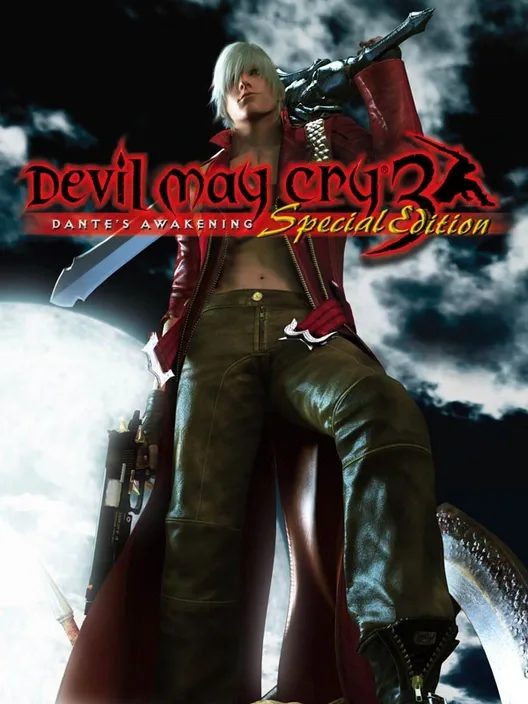
36. Devil May Cry 3: Dante's Awakening - Special Edition#
Capcom Production Studio 1 released Devil May Cry 3 in Japan in February 2005 and in North America in March 2005. It went back in time to show a younger, cockier Dante, with style-switching that changes his fighting moves. The original has a Metacritic score of 84 and was criticised for a Western release that used Japan's hard mode as its normal difficulty. The Special Edition, released in North America in January 2006, has an easier balance, checkpoints, the Bloody Palace survival mode and Vergil as a playable character, and holds a score of 87. It is credited with rescuing the series. The game came to Switch in 2020.
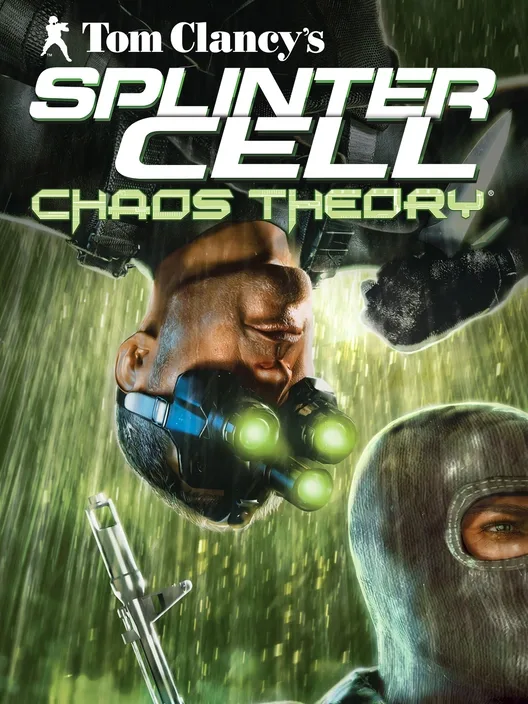
37. Tom Clancy's Splinter Cell: Chaos Theory#
Ubisoft Montreal released Chaos Theory in March 2005. It refined the series with more flexible stealth and better lighting. The Xbox version is the strongest, with a Metacritic score of 94 against 87 on PlayStation 2, which is why it sits lower on this list. It is often called one of the greatest stealth games ever made, and Official Xbox Magazine named it Xbox Game of the Year. It sold 2.5 million units in its first month across all platforms. The PlayStation 2 version is the compromised one, but it is still a very good game.
38. Bully#
Rockstar Vancouver released Bully in October 2006, and sent a teenage troublemaker through a boarding school year of classes, cliques and pranks in a smaller, gentler take on the Rockstar open world. It holds a Metacritic score of 87, IGN gave it 8.9 out of 10 and GameSpot 8.7. It attracted enormous controversy before release, including a failed Florida lawsuit to ban it, but it turned out to be a relatively mild, well-written game. It sold 1.5 million copies on PlayStation 2 by March 2008. The combat is basic and the mission structure repeats. It is best remembered for its characters and its sense of place.
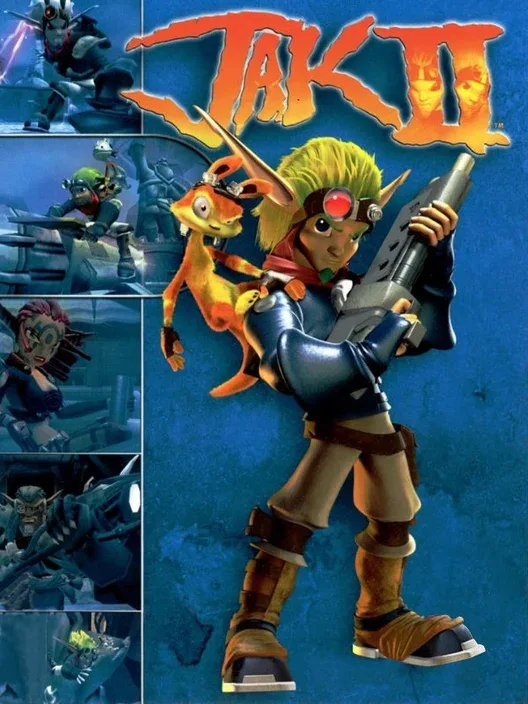
39. Jak II#
Naughty Dog released Jak II in October 2003, and turned the cheerful platformer into a darker open-world action game in which the hero avenges two years of experiments in a dystopian city. It holds a Metacritic score of 87 and won Editor's Choice awards from IGN and GameSpot. Critics praised its mixing of genres and its story. Its difficulty divided players: some found the missions unfair and the checkpoints sparse. It was Naughty Dog's fastest-selling game at launch, though it did poorly in Japan, where the darker tone was less welcome.
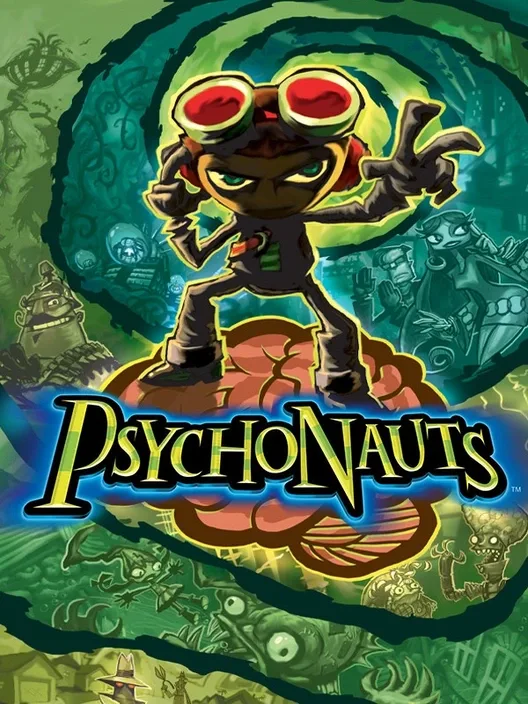
40. Psychonauts#
Double Fine Productions released Psychonauts in April 2005 for Windows and Xbox, and the PlayStation 2 version followed in June 2005. Tim Schafer's platformer sends a young psychic into the minds of camp counsellors and lost souls, and every mind is a different level with its own art style and logic. Metacritic scores across platforms range between 86 and 88. It took the Best Original Game award at E3 2005's Game Critics Awards and writing awards at the BAFTAs and the Game Developers Choice Awards. It sold poorly at first, but it has since become a cult classic. Critics found the opening slow and the final Meat Circus level unexpectedly hard.
41. Dark Cloud 2#
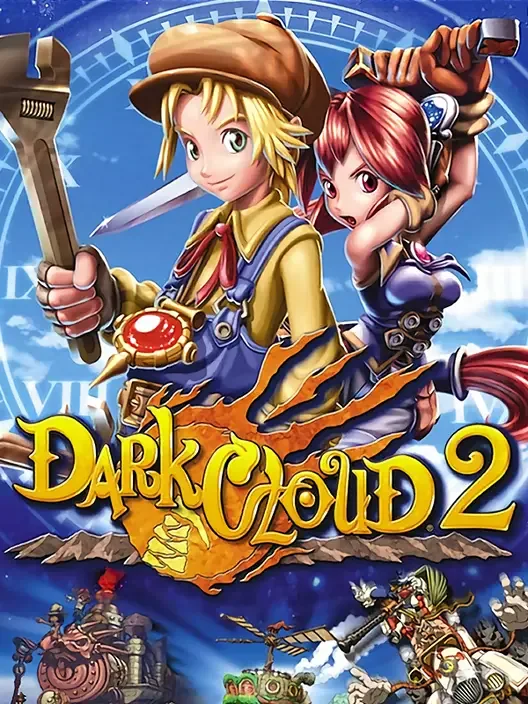
Level-5 released Dark Chronicle, known in North America as Dark Cloud 2, in Japan in November 2002, with North America following in February 2003 and Europe in September 2003. Its mix of dungeon crawling, town-building, fishing, robot-building and a time-travel story made it one of the most inventive role-playing games on the console. It holds a Metacritic score of 87, GameSpot called it one of the finest games released for the console at that point and IGN praised its look. GameSpy said it fell just short of being a classic, and the story was seen by some as less engaging than the systems. It was released on PlayStation 4 as an emulated title in 2016.
42. Katamari Damacy#
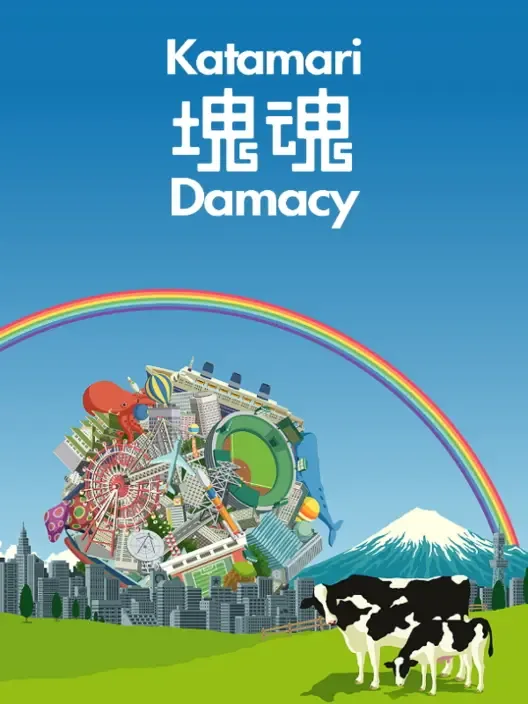
Namco released Katamari Damacy in Japan in March 2004 and in North America in September 2004. Directed by Keita Takahashi on a budget a fraction of a normal Namco game, it asked the player to roll a sticky ball, gathering everything from thumbtacks to mountains, to rebuild the stars for a pompous King of All Cosmos. It holds a Metacritic score of 86, won Excellence in Game Design at the 2005 Game Developers Choice Awards and was later admitted to the permanent collection of the Museum of Modern Art. It is short, at under ten hours, and its structure repeats. The Katamari Damacy Reroll remaster arrived in 2018 on current platforms.
43. Kingdom Hearts#
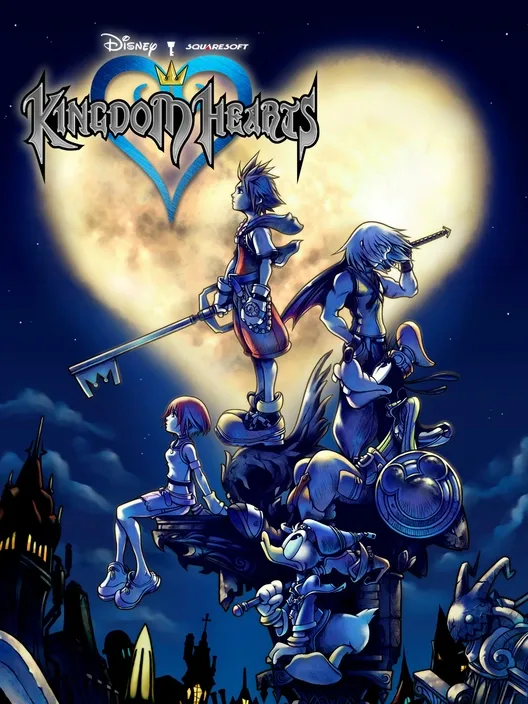
Square released Kingdom Hearts in Japan in March 2002 and in North America in September 2002. Tetsuya Nomura's directorial debut paired Disney worlds with Final Fantasy characters, and Sora, Donald and Goofy fought through a real-time action role-playing game that few had predicted would work. It has a Metacritic score of 85 and received recognition for best crossover from GameSpot and best story from G4TV. It became a PlayStation 2 Greatest Hits title and shipped over five million copies by 2006. Critics found the camera frustrating and the Gummi Ship sections a pale imitation of Star Fox. The second game refined nearly all of it.
44. Resident Evil 4#
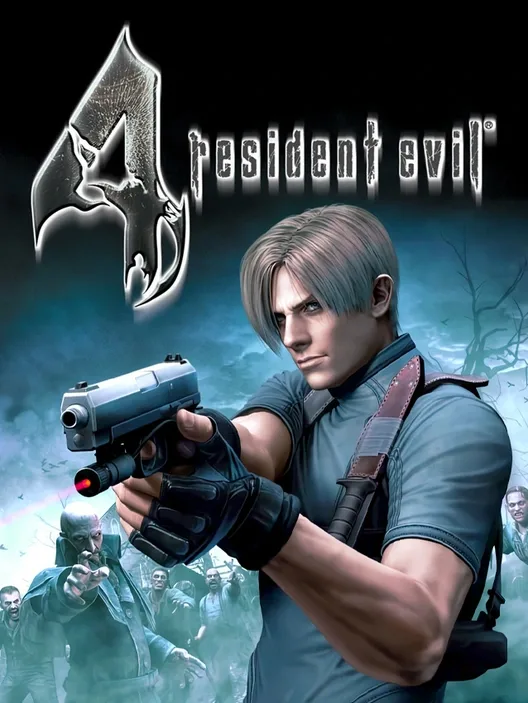
Capcom Production Studio 4 first released Resident Evil 4 on GameCube in January 2005, and the PlayStation 2 version followed in October 2005 with a Metacritic score of 96. It replaced fixed cameras with an over-the-shoulder view and turned survival horror into a tense action game built around crowd control, precision aiming and merchant upgrades. The PlayStation 2 edition added the Separate Ways campaign starring Ada Wong, which was the reason to prefer it. The game won Game of the Year honours from outlets including Edge and Game Informer. Its textures and lighting were visibly softer than on GameCube, and it inspired a run of imitators that made its own tank-era predecessors feel dated. A full remake arrived in March 2023 for current platforms.
45. Beyond Good & Evil#
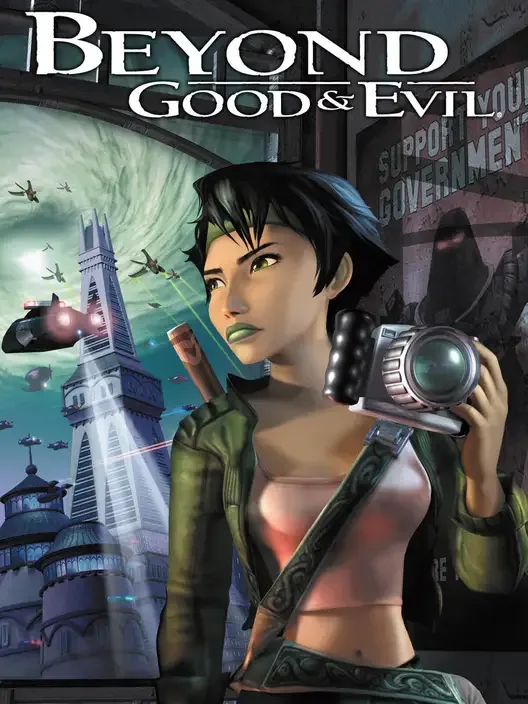
Ubisoft Montpellier released Beyond Good & Evil in November 2003. Michel Ancel's action-adventure follows the photojournalist Jade as she exposes an alien conspiracy by photographing wildlife and sneaking into military bases. Reviews were favourable, with Metacritic scores of 83 to 87 across platforms, and it was up for Game of the Year at the 2004 Game Developers Choice Awards. It flopped at launch during a crowded holiday season, and retailers reduced prices heavily, but it became a beloved cult classic. Its combat and some technical aspects were criticised. An HD remaster arrived in 2011, and a 20th Anniversary Edition followed in June 2024.
46. Shin Megami Tensei: Nocturne#
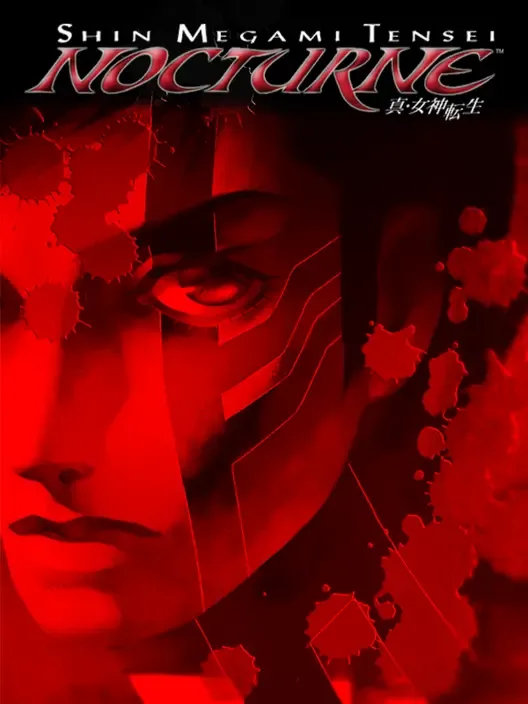
Atlus released Nocturne in Japan in February 2003, and its Western localisation, the first mainline Shin Megami Tensei game released in the West, followed in 2004 and 2005. It follows a young man reborn in an apocalyptic Tokyo, with the Press Turn system, which rewards exploiting weaknesses and punishes mistakes, and an army of recruitable demons. It holds a Metacritic score of 82 on PlayStation 2. It is notoriously demanding, which critics both praised and criticised. An HD Remaster with difficulty options was released for Switch, PlayStation 4 and Windows in 2020.
47. Zone of the Enders: The 2nd Runner#
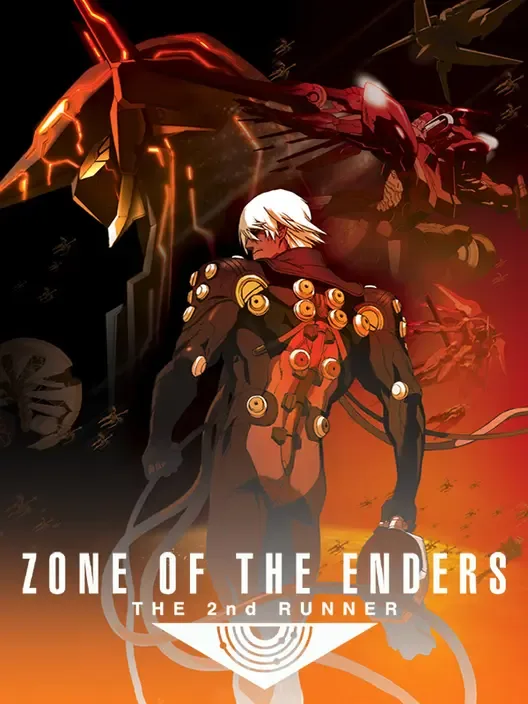
Konami Computer Entertainment Japan released The 2nd Runner in February 2003. It improved the original's mecha combat with faster fights, more enemy variety and a new protagonist, Dingo Egret. It holds a Metacritic score of 82, and GameSpot called it what the first game should have been. Its brevity was the most common complaint, as was the English voice acting, and it sold poorly. Its combat, however, has earned it a lasting following. The game was included in the Zone of the Enders HD Collection in 2012, and a remaster with 4K and virtual reality support arrived on PlayStation 4 and Windows in 2018.
48. Fatal Frame II: Crimson Butterfly#
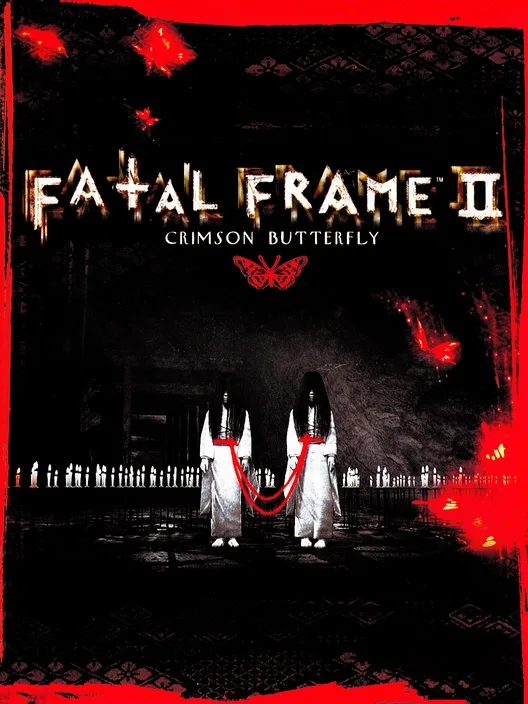
Tecmo released Fatal Frame II in Japan in November 2003 and in North America in December 2003. Two twin sisters search an abandoned village for ghosts armed with a camera, and the game's atmosphere of dread has been praised for years. It holds a Metacritic score of 81 on PlayStation 2, and Eurogamer's reviewer called it the best survival horror experience in her memory. It is often named on lists of the scariest games. Critics found the gameplay innovations few, the combat slow and the puzzles repetitive. A Wii remake was released in 2012 in Japan, Europe and Australia.
49. Rez#
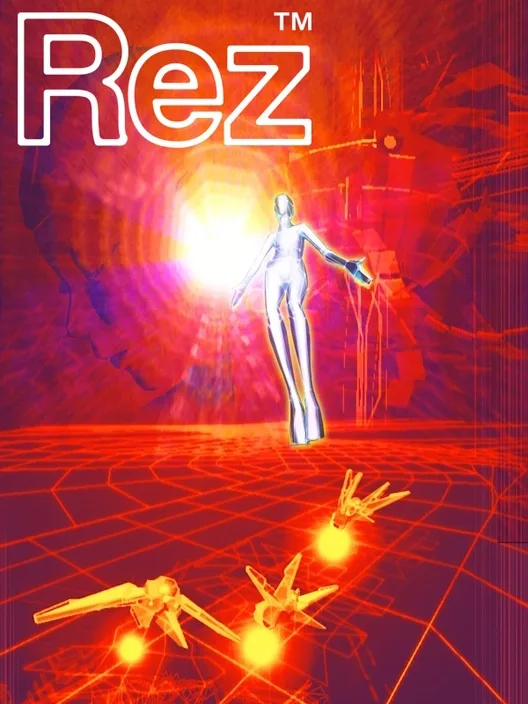
United Game Artists released Rez in Japan in November 2001 on Dreamcast and PlayStation 2. Tetsuya Mizuguchi's synesthetic rail shooter turns every shot into a note in the soundtrack, and the Trance Vibrator accessory sent the beat through the player's body. It holds a Metacritic score of 78 on PlayStation 2, lower than most games on this list, but reviewers praised the way it blends absorbing music with abstract visuals. Its criticisms are a lack of content and a niche appeal that made it a commercial disappointment. The expanded Rez Infinite, released for PlayStation 4 in 2016 with the freely explorable Area X and virtual reality support, is the most complete version.
50. God Hand#
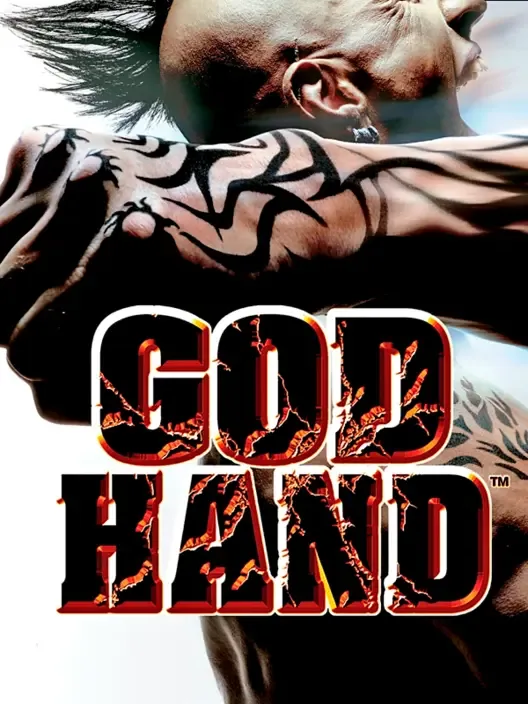
Clover Studio released God Hand in 2006 under director Shinji Mikami. It was the studio's last game before its closure. It is a deliberately absurd beat-em-up with a customisable move set, a dodge-heavy fighting system and a sense of humour that swings from crude to sublime. It scored 73 on Metacritic at launch, and reviewers were split on its graphics and camera, one writing that it is a terrible game he could not stop playing. Later reappraisal has been generous, and IGN placed it on its list of the best PlayStation 2 games. Its influence can be seen in the work of PlatinumGames, which counts several Clover veterans among its staff.