 Hades
 Elden Ring
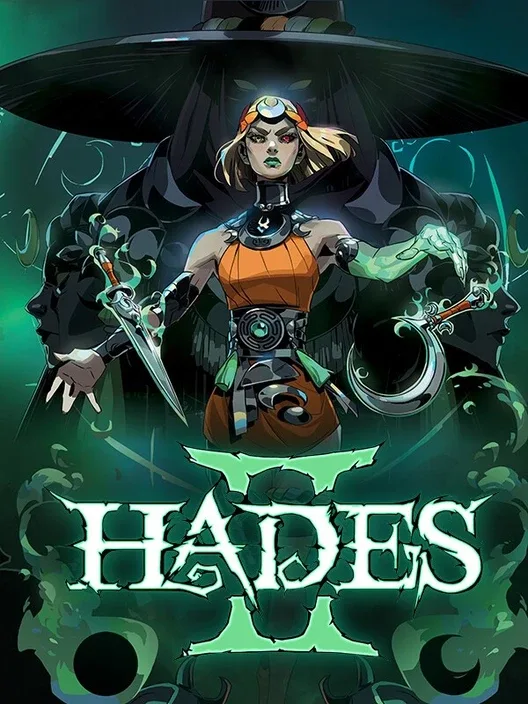 Hades II
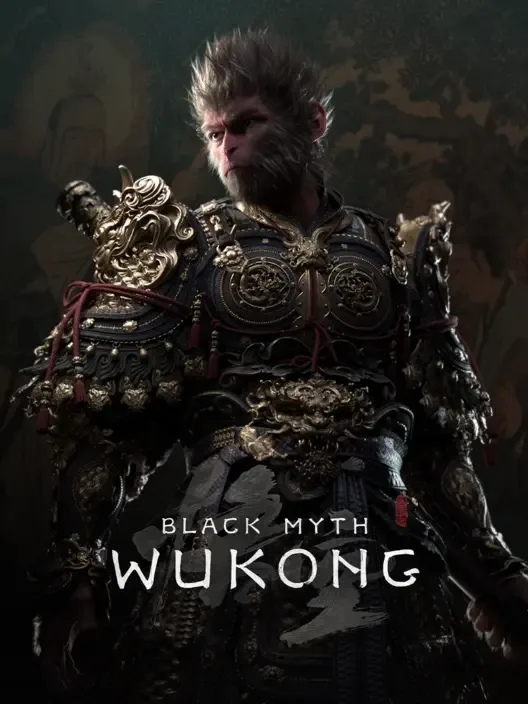 Black Myth: Wukong
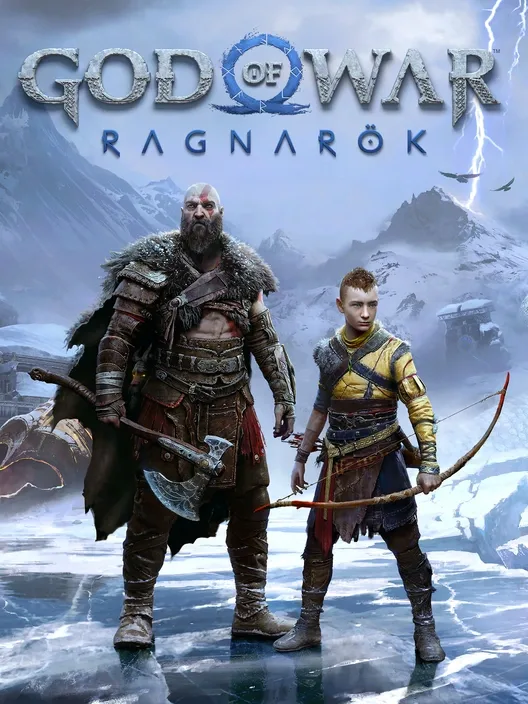 God of War Ragnarök
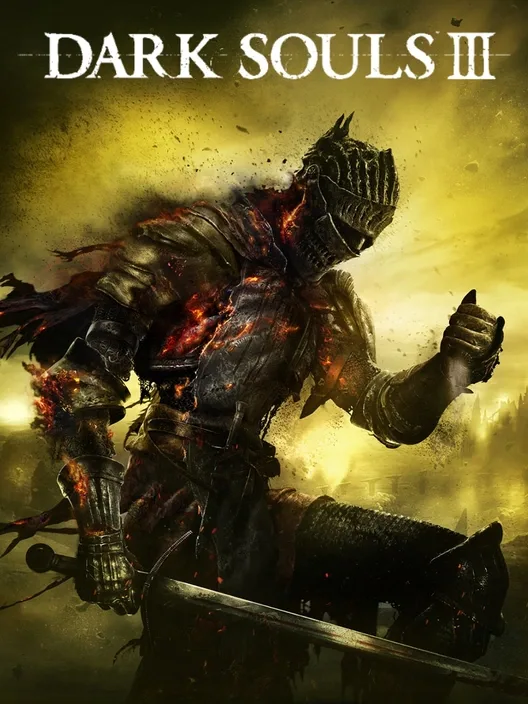 Dark Souls III
This is Game Avant's own ranked list of the best action RPGs right now, built from the site's combined critic-and-player rating data rather than picked by hand. "Action RPG" on this page means games where character building and progression are expressed through real-time combat itself — a weapon art triggered with a button press, a dodge window that has to be read on reaction, a build that changes how a fight actually feels to play — rather than through menus, turn order, or a paused tactical camera. That distinguishes it from RPGs generally, where a build might matter just as much in a dialogue tree as in combat; from turn-based and tactical RPGs, where positioning and command selection replace reflexes; and from CRPGs, where a party of controlled characters and systemic, often isometric combat take priority over a single character's moment-to-moment execution. All three of those live on their own separate pages on this site, because judging Elden Ring's boss fights and Baldur's Gate III's tactical party combat by the same yardstick flattens what makes each of them work.
The order below comes from blending IGDB's aggregate critic score with Steam's own user review percentage, with a 50-review minimum floor applied before any game qualifies for a spot, and it shifts as more people rate these games or as new ones join the catalog. That means smaller, more focused titles sometimes sit above bigger-budget releases ranked by the same math rather than by name recognition, and a devoted niche fanbase rating something overwhelmingly positive isn't automatically weighted the same as a mainstream release rated well by a much larger sample — this list applies real editorial judgment on top of the raw numbers rather than reprinting them unfiltered. Read the write-ups below for what each of the best action RPGs actually does well and where it falls short.
1. Hades#
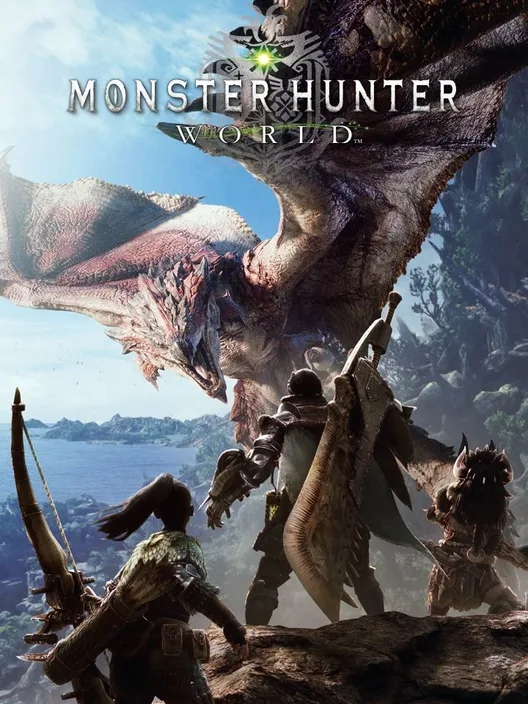
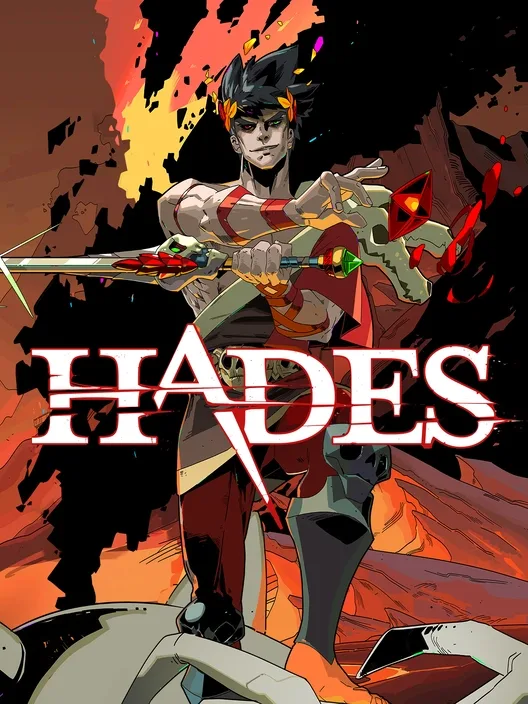
Supergiant Games' 2020 release, which spent nearly two years in early access before its full launch, frames its entire structure around Zagreus's repeated, doomed escape attempts from the Underworld, and its combat systems earn the top spot by making every single run feel mechanically distinct. Boons offered mid-run by the Olympian gods — Zeus's chain lightning, Athena's deflect, Ares's doom damage — slot onto one of six base weapons and reshape its entire moveset, with Duo Boons unlocking when two gods' effects overlap on the same build for an even stronger combined effect. Each weapon's four Aspects, unlocked with Titan Blood, function as the closest thing to a class system in the game; the Stygian Blade's Aspect of Arthur, for instance, turns a fast slashing weapon into a slow, heavy counterattacking one. The Mirror of Night, a persistent meta-progression tree filled in with Darkness earned across failed runs, and Keepsakes gifted by NPCs back at the House of Hades, both let failure carry forward real, permanent value rather than resetting to zero. The dialogue system, which reacts specifically to how a run just ended, keeps even repeated deaths feeling like the story is still moving. The honest drawback: build variety resets at the start of every run instead of accumulating on one steadily growing character, which is a genuine mismatch for players who specifically want that traditional RPG feeling.
2. Elden Ring#
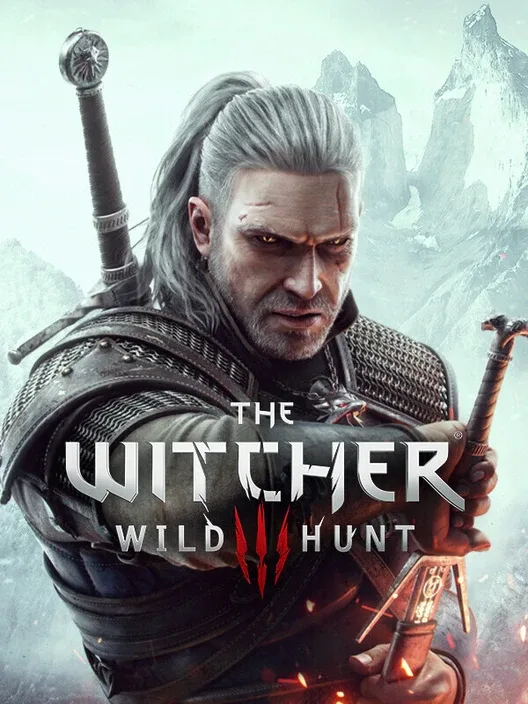
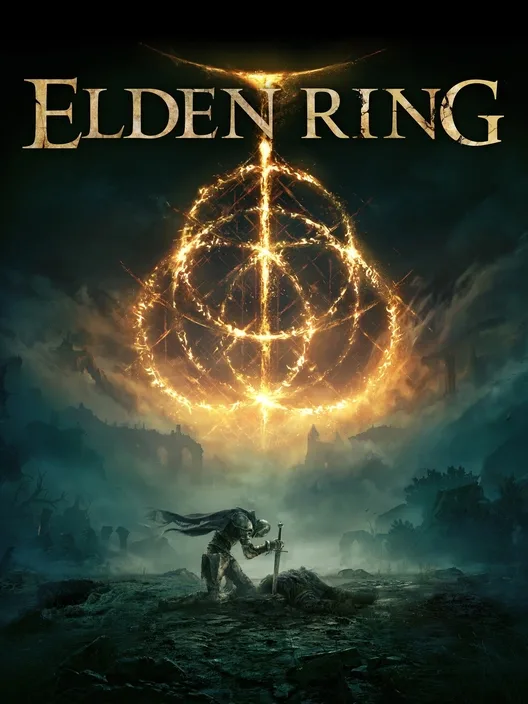
FromSoftware's 2022 open-world reinvention of the Souls formula keeps the series' punishing, deliberate combat intact while handing players an entire continent to explore around any wall they can't beat yet. The Ashes of War system lets nearly any weapon be reforged with a different skill and elemental affinity, so a Bloodhound's Fang can play as a bleed-focused dash weapon or a straightforward slash-and-thrust option depending entirely on what's socketed into it — genuine build variety on a per-weapon basis rather than a fixed moveset. Spirit Ashes summon AI allies into a fight, letting a caster build draw enemy aggro away from a fragile character without needing a second human player. Malenia, Blade of Miquella remains one of the hardest boss fights the studio has ever shipped, a two-phase fight whose life-steal mechanic punishes hesitation as much as outright mistakes. The Shadow of the Erdtree expansion added an entire second map's worth of content in 2024 without diluting what made the base game work, introducing the Scadutree Blessing system to keep its harder encounters from trivializing the new region. The honest drawback: the open world's pacing occasionally works against it, with several optional dungeons reusing boss encounters the main path already featured, and the game offers no map markers for quest objectives at all.
3. Hades II#
Supergiant Games' sequel, which fully launched in September 2025 after roughly a year and a half in early access, swaps Zagreus for his sister Melinoë and swaps the Underworld's exits for a fight against Chronos across the mortal realm, the Underworld, and beyond. Combat now layers Omega Moves onto the existing Boon system — a fully charged special attack unique to each of the six weapons, from the twin-bladed Witch's Staff to the new Sister Blades — giving every weapon a build-defining finisher on top of its normal moveset. Incantations, cast outside combat runs to permanently upgrade Melinoë's base kit, and Arcana cards, a Tarot-style meta-progression system replacing Hades's Mirror of Night, both let a player shape which boons and effects show up more often on a given run. The Crossroads hub area and its cast of familiar and new gods give the framing story room to breathe between attempts in a way the original's House of Hades matched almost exactly. The honest drawback: because it's still a relatively new full release, several of its systems feel less thoroughly tuned than the original Hades's after five years of post-launch iteration, and returning players expecting a pure retread will find Melinoë's magic-focused kit demands a genuinely different approach than Zagreus's melee-first one.
4. Clair Obscur: Expedition 33#
Sandfall Interactive's 2025 debut reinvents turn-based JRPG combat by layering real-time dodges and parries onto every enemy attack, meaning a fight against the world's painters can be lost entirely to bad reflexes even with a perfectly optimized party — which is what earns it a spot on this list despite its turn-based command menu. The Lumina and Pictos systems let characters equip passive effects lifted from earlier fights, so late-game builds can stack unlikely combinations, like a tank character built entirely around counterattacking every successful parry, that the game never explicitly points players toward. Gustave, Lune, Maelle, and the rest of the expedition each play distinctly enough that switching a lead character mid-fight changes the whole approach to a battle rather than just swapping the character model on screen. The Gommage premise, a mysterious painted entity erasing everyone above a certain age each year, gives the story genuine urgency without over-explaining itself early on. The honest drawback: the parry-timing demands are unforgiving enough that players who want a purely turn-based, strategy-first experience may find the reflex layer an unwelcome addition rather than the refinement it's designed to be.
5. Black Myth: Wukong#
Game Science's 2024 debut, loosely adapting the Chinese classic Journey to the West, builds its combat around staff stances — Smash, Pillar, and Thrust — that trade speed, reach, and damage against each other and can be swapped mid-combo depending on what an enemy telegraphs. Transformation spells let the Destined One become an entirely different creature mid-fight, such as a rat spirit whose fast slashing attacks and fire breath replace the staff kit outright for a limited window, functioning as genuine alternate playstyles rather than a cosmetic special move. Mysticism and Alteration spells round out the kit with crowd control and utility, from freezing an enemy in place to turning briefly invisible to reposition around a boss's attack pattern. Focus points, earned through successful staff strikes and spent on a charged Focused Strike, reward players who commit to landing hits over turtling defensively. The game's boss-rush structure, built around large, distinct chapter bosses drawn from regional folklore, gives the whole campaign a clear rhythm. The honest drawback: outside of boss encounters, the game's linear chapter structure and comparatively thin side content leave less room for build experimentation than the open stages of its clearest genre peers.
6. Deus Ex#
Ion Storm's 2000 cyberpunk classic, directed by Warren Spector and published by Eidos Interactive, built its identity around letting nearly every objective be solved through combat, stealth, hacking, or social means, often in the same level. Nano-augmentations installed into JC Denton's body — cloaking, night vision, or the aggressive Speed Enhancement that turns real-time combat into a brief slow-motion dodge fest — are chosen from a limited pool, forcing genuine build trade-offs rather than letting a player eventually unlock everything. The skill point system lets stats like Lockpicking, Electronics, or Pistol proficiency be raised selectively, so a hacking-focused build can bypass entire security systems that a straight combat build has to shoot through instead. Branching mission design means a base like Liberty Island or Hong Kong's canals can be approached through a front door, a sewer system, or a ventilation shaft, each requiring a different combination of augmentations and skills to pull off cleanly. The game's multiple endings, tied to a philosophical choice about technology and control rather than a simple morality meter, were unusually ambitious for its era. The honest drawback: the game's age shows heavily in its combat feel and enemy AI by modern standards, and its blocky, early-2000s visual presentation is a real barrier for players used to contemporary production values.
7. Ghost of Tsushima: Director's Cut#
Sucker Punch's 2020 open-world samurai game, expanded in 2021's Director's Cut with the new Iki Island region, builds Jin Sakai's combat around four interchangeable stances — Stone, Water, Wind, and Moon — each tuned to counter a specific enemy type, so a fight against sword-and-shield enemies plays completely differently than one against spear-wielders once the right stance is swapped in mid-combat. The Ghost Weapons and tools, including smoke bombs, kunai, and the sticky bomb, let Jin's "Ghost" playstyle lean into ranged disruption and stealth kills as a genuine alternative to the "Samurai" stance-based swordplay the game also fully supports. Standoffs, a quick-draw duel mechanic triggered before certain fights begin, reward precise reaction timing with an instant multi-enemy kill if executed correctly. The Legends cooperative mode, added post-launch and folded into the Director's Cut package, layers class-based builds — Samurai, Hunter, Ronin, and Assassin — with their own skill trees onto small-group PvE content separate from the main story. The honest drawback: the open world leans on a fairly familiar formula of icon-clearing side activities, and the story's central conflict between honor and pragmatism, while well-acted, resolves in a way some players find less surprising than the combat system built to support it.
8. Ōkami HD#
Clover Studio's 2006 PlayStation 2 original, remastered by Capcom in HD in 2017, casts the player as Amaterasu, the sun goddess reincarnated as a wolf, and builds its entire combat and puzzle identity around the Celestial Brush — a divine painting technique that lets the player draw symbols directly onto the screen to affect the world, from a Power Slash that cuts through enemies and objects in a straight line to a Bloom technique that restores withered trees and, in combat, can stun certain enemies outright. Combat itself pairs traditional weapon-swapping between Reflector, Rosary, and Glaive-type Divine Instruments with Brush techniques cast mid-fight, so a battle against a corrupted demon might open with a Power Slash to interrupt an attack before switching to a straight combo. The Praise system, earned by completing good deeds and restoring the world's greenery, functions as Amaterasu's leveling currency, spent on expanding health, ink capacity, and money pouch size rather than raw combat stats alone. The HD remaster's added Wii Remote-style motion-adjacent controls on modern platforms kept the brush drawing intuitive well outside its original hardware. The honest drawback: the game's slow, deliberate pacing and heavy reliance on extended dialogue and tutorial-style exposition, faithfully preserved from the 2006 original, can feel like a real mismatch for players expecting the more streamlined pacing of newer action RPGs.
9. God of War Ragnarök#
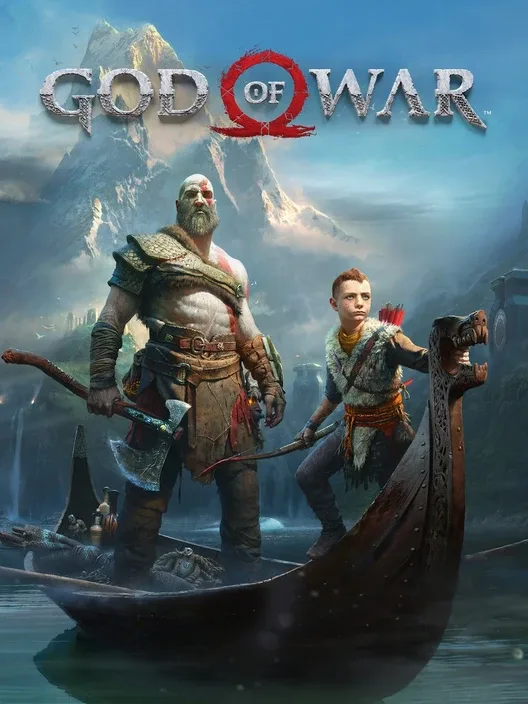
Santa Monica Studio's 2022 sequel continues Kratos and Atreus's Norse saga with a combat system built around switching freely between the returning Leviathan Axe, the Blades of Chaos, and the new Draupnir Spear mid-fight, each with its own separate skill tree and elemental strength against different enemy types. Runic attacks, equippable Light and Heavy abilities tied to each weapon, let a build lean into elemental burst damage, crowd control, or single-target execution depending on what's socketed in, while Spartan Rage remains a build-defining panic button that trades a resource meter for a temporary, unblockable damage boost. Atreus becomes a fully playable character with his own separate combat kit for extended sections, built around a bow, shapeshifting into animal forms, and light platforming rather than mirroring Kratos's moveset. The game's set-piece boss fights, several of them drawn directly from named figures in Norse mythology, are staged with a scale and choreography the 2018 predecessor mostly saved for its finale. The honest drawback: the core combat loop, while polished, doesn't meaningfully depart from what the 2018 game already established, and players hoping for a more radical evolution of the moment-to-moment fighting will find Ragnarök is more expansion than reinvention.
10. Bastion#
Supergiant Games' 2011 debut established the studio's identity years before Hades, framing its isometric action combat around the Kid's fight to rebuild a floating world called the Bastion after a cataclysm called the Calamity. Rucks, the game's narrator, comments on the player's actions in real time and specifically — dodging a fight, backtracking, or trying an unusual weapon combination all get their own dynamically triggered lines, tying narration directly to moment-to-moment play rather than pre-scripted cutscenes. Weapon pairs, one melee and one ranged carried simultaneously, can be freely swapped mid-fight, and Skills purchased with earned Black Tonics let a build lean into a specific weapon's alternate function, like the Cael Hammer's charged slam. Idols, optional difficulty modifiers unlocked partway through the game, let a player deliberately handicap enemies-get-stronger conditions in exchange for a fixed reward multiplier, giving experienced players a way to raise the stakes on demand. The New Game Plus mode, called the Memorial, preserves earned upgrades into a harder replay. The honest drawback: the game's campaign is short by the genre's usual standards, and its hand-painted, narrated presentation, while distinctive, leaves comparatively little room for the kind of deep itemization some action RPG players expect.
11. Cat Quest III#
The Gentlebros' 2024 entry in their lighthearted, pun-heavy series moves the action out to open water for the first time, letting the player's cat protagonist sail a customizable ship between islands, engage in ship-to-ship combat, and then seamlessly leap ashore to continue fighting on foot without a loading transition. Dual-wielding two weapons simultaneously, one assigned to each face button, lets a build mix a slow, heavy-hitting option with a fast one, and each weapon and spell can be independently leveled and infused with elemental damage types that matter against specific enemy resistances. Local co-op, playable with a second controller-based cat character dropped in and out at will, is a structural first for the series and changes how encounters are paced when a second player is sharing the same screen. The treasure-map-driven exploration loop, built around literal pirate maps that mark a dig site rather than a quest marker, rewards reading the environment over following a waypoint. The honest drawback: the game's humor-first tone and comparatively simple, readable combat mean it lacks the mechanical depth or difficulty ceiling of the bigger-budget entries elsewhere on this list, which is by design but still a real limitation for players wanting a tougher challenge.
12. Dark Souls III#
FromSoftware's 2016 entry, the last mainline Souls game before Elden Ring, tightens the series' combat pace considerably compared to its predecessors, with faster enemy attack patterns and a more aggressive dodge-roll window that rewards precise reaction timing over the earlier games' more methodical positioning. Weapon Arts, a unique special move tied to nearly every weapon and triggered by holding a dedicated button, let a build express itself mid-fight — a straight sword's Stance ability opens a parry-into-riposte window, while a greatsword's might instead be a wide, armor-breaking sweep. The Ashen Estus Flask splits healing between HP and FP, forcing a build decision between leaning on spells and weapon arts or keeping healing charges in reserve. Covenants, joined at specific in-world locations, layer optional PvP and co-op objectives onto the main campaign, from the aggressive invader-focused Watchdogs of Farron to the summon-friendly Blades of the Darkmoon. The Ringed City and Ashes of Ariandel expansions added some of the hardest boss encounters in the series, including the notoriously difficult Slave Knight Gael. The honest drawback: the game's linear, corridor-heavy level design is a deliberate step back from Dark Souls II's more open interconnectivity, which some longtime series fans read as a loss rather than a refinement.
13. Ender Magnolia: Bloom in the Mist#
Live Wire's metroidvania, published by Binary Haze Interactive and fully released in January 2025 after roughly ten months in early access, casts the player as Lilac, an Attuner with the power to purify Homunculi corrupted by a toxic mist, and builds its combat around equipping multiple purified Homunculi as active skills simultaneously, each with its own cooldown, range, and elemental type. Combat encourages weaving between a fast melee-range Homunculus and a slower ranged or area-denial one mid-fight, since most bosses punish relying on a single equipped skill for an entire encounter. The game's dark, steampunk-adjacent world design, following on directly from 2021's Ender Lilies, uses environmental storytelling and largely wordless cutscenes to build its post-apocalyptic setting rather than lengthy dialogue. Skill trees attached to Lilac herself add passive stat growth and new traversal options, like an air dash, that open up previously inaccessible regions of the map for backtracking. The honest drawback: the game leans heavily on its predecessor's tone and structure rather than reinventing the format, and players who found Ender Lilies's slow, melancholic pacing a poor fit will likely have the same reaction here.
14. Mass Effect#
BioWare's 2007 original established the trilogy's core action-RPG loop around Commander Shepard's squad of two AI or co-op-controlled companions, with a cover-and-powers combat system that pairs directly with class choice — a Soldier leans on raw weapon damage and unlimited ammo capacity, while an Adept's biotic powers like Throw and Singularity can chain enemies into the air for follow-up damage. The Paragon and Renegade dialogue system ties morality directly into a persistent reputation meter, unlocking exclusive dialogue options and, eventually, entire mission outcomes once enough points accumulate on either side. Weapon and armor modding lets a build specialize toward a specific damage type or utility stat, though the original game's clunkier inventory system, later streamlined in its sequels, makes that customization more of a chore than a joy here. The Mako, a drivable exploration vehicle used to traverse the surface of numerous side-mission planets, gave the game a scale its sequels later scaled back in favor of tighter, more curated content. The honest drawback: the combat, while foundational for the series, feels notably rougher and more static than what BioWare refined in Mass Effect 2, and several planetary side missions reuse the same handful of building layouts repeatedly.
15. Fallout: New Vegas#
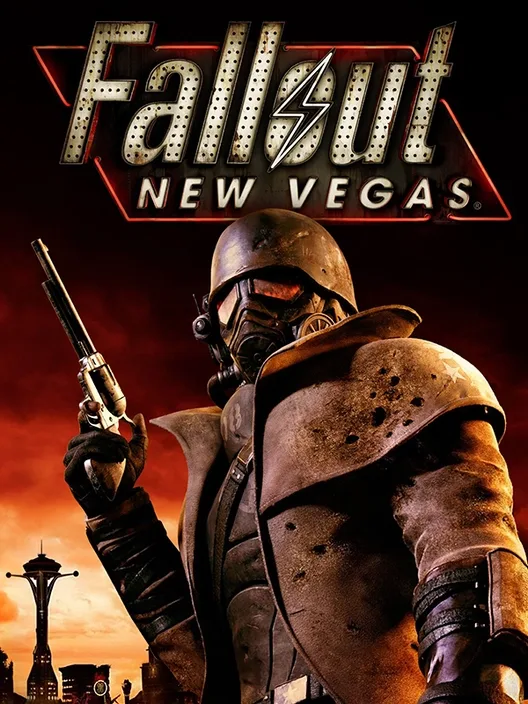
Obsidian's 2010 post-apocalyptic RPG builds its combat around the V.A.T.S. system, which pauses the action to target specific body parts at a percentage-based hit chance, letting a build specialize toward crippling a Deathclaw's legs or scoring a called headshot rather than just trading damage in real time. The SPECIAL stat system determines which perks unlock at specific thresholds, so a high-Intelligence, low-combat build can talk or hack through encounters a straight-combat build has to fight through instead, and the faction-reputation system layered on top means siding with the NCR, Caesar's Legion, Mr. House, or an independent Vegas shifts standing with a dozen smaller factions rather than flipping one binary morality slider. Hardcore Mode, an optional toggle requiring ammunition to have actual weight and forcing the player character to eat, drink, and sleep, turns the open-world survival elements from a background stat into a build consideration of their own. Companion perks, unlocked by recruiting specific NPCs like Boone or Rex, grant passive combat bonuses tied directly to that companion's own questline. The honest drawback: the game shipped with serious technical instability on its original console releases, and the core gunplay, while serviceable, was never the series' strongest system even in its most polished patched state.
16. Metaphor: ReFantazio#
Studio Zero's 2024 fantasy RPG, developed within Atlus using a heavily reworked version of the Persona team's design sensibilities, replaces that series' Persona-fusion system with Archetypes — job classes like the Warrior or the Mage that can be freely swapped between party members and leveled independently, letting a single character stockpile skills from multiple Archetypes as they're mastered and carried forward into new job assignments. Combat blends real-time field exploration, where enemies can be struck directly to stagger or skip straight into an advantageous first turn, with a traditional turn-based battle system once an encounter fully starts, giving builds a genuine reason to invest in both mobility and turn-order stats. The Followers system, tracking relationships with major NPCs much like the Persona series' Confidants, unlocks new Archetype synthesis options and combat bonuses as those bonds deepen over the game's in-world calendar. The royal-succession election storyline, structured around a recurring public approval mechanic, ties the game's social systems directly to its central plot rather than keeping them as a side activity. The honest drawback: the day-by-day calendar structure that governs Follower time and Archetype grinding punishes any activity chosen without forethought, and the genuinely dense job system is a real onboarding wall for players new to Atlus's design conventions.
17. Kenshi#
Lo-Fi Games' 2018 sandbox, which left early access after roughly a decade of solo and small-team development, builds its entire identity around squad-based, real-time control of a growing group of recruits rather than a single hero, with no scripted main story and no level-scaling to soften the world around whatever level the squad happens to be. Combat resolves per body part, tracked on individual limb health bars, and severe enough damage can sever a limb outright, which can then be replaced with a mechanical prosthetic that changes that character's stats going forward — a genuinely permanent build consequence most action RPGs avoid entirely. Skills level purely through use rather than spent points, so a character who spends a hundred in-game hours running from bandits will actually get faster at running, and one who keeps losing fights will slowly get tougher from the beatings themselves. Faction standing with the world's various factions and settlements shifts based on actions taken against them, and building or capturing an outpost lets the player construct a base that has to be defended from raids using the same real-time squad-combat systems as the open world. The honest drawback: the game's total absence of hand-holding, tutorializing, or narrative throughline is a deliberate design choice that will read as a lack of direction rather than freedom to a large share of players expecting a guided action RPG experience.
The ranking above blends IGDB's aggregate critic and user rating with Steam's own user review percentage, applied only to games with a real sample size behind the score rather than a handful of early ratings that can swing wildly. Nothing on this list was hand-picked for inclusion or placement — the order is a direct output of that combined score, which means it shifts automatically as more people rate these games or as new releases join the catalog with enough reviews to be scored fairly. Read it as a live snapshot of how these action RPGs are currently rated relative to each other, not a fixed, permanent verdict — check back as the data changes, because it will.