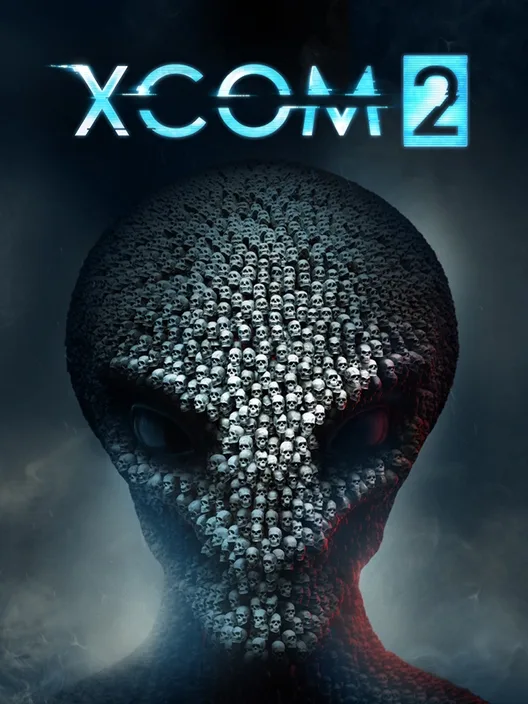
 XCOM 2
 X-COM: UFO Defense
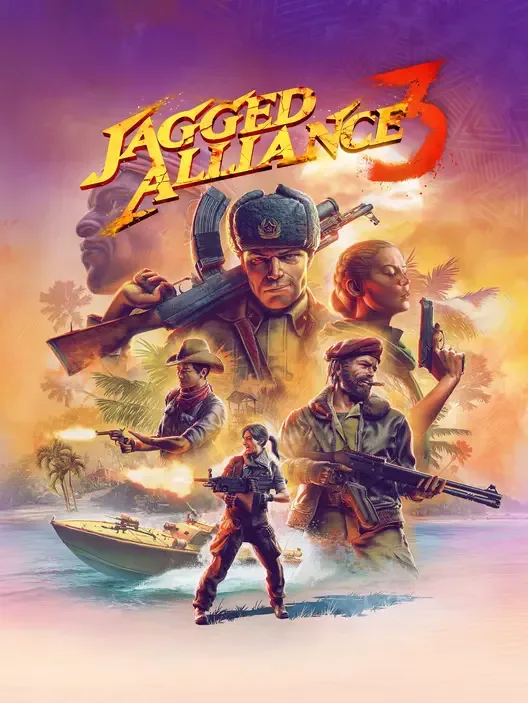 Jagged Alliance 3
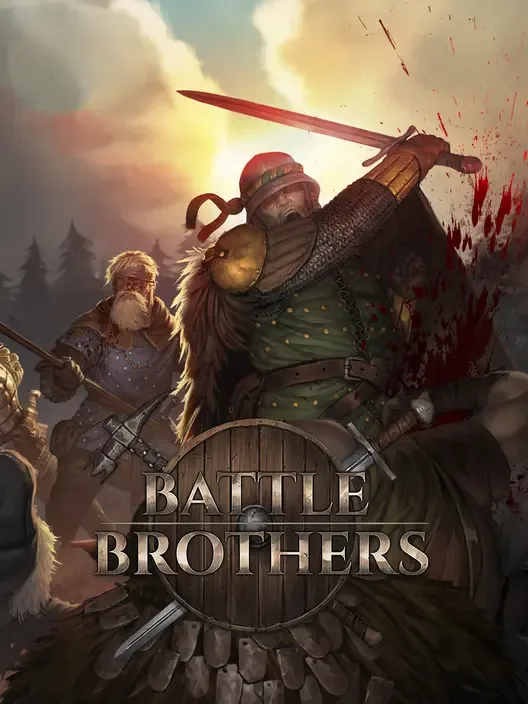 Battle Brothers
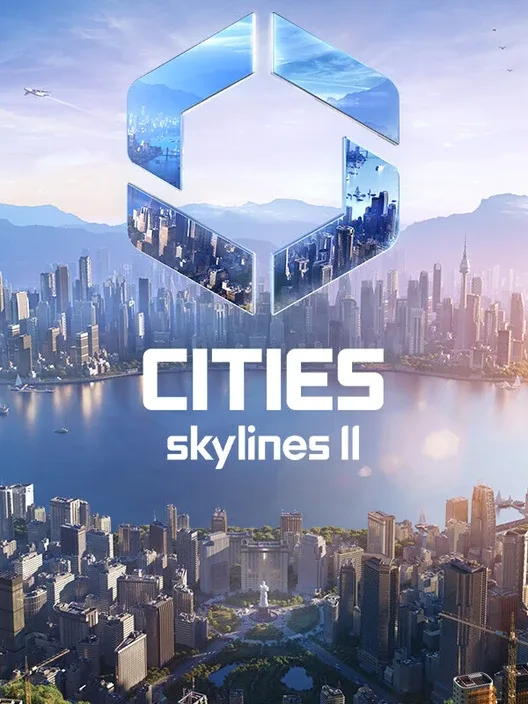 Cities: Skylines II
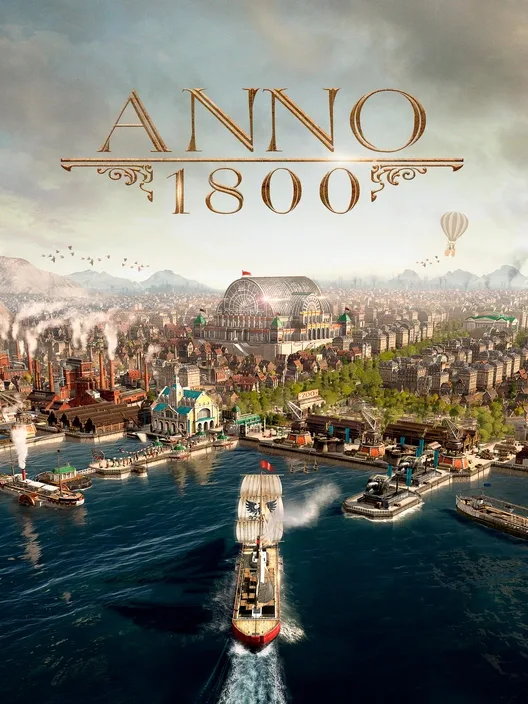 Anno 1800
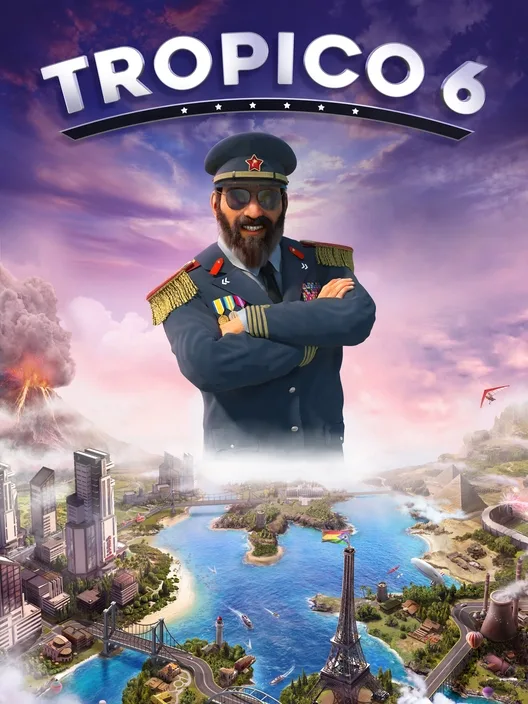 Tropico 6
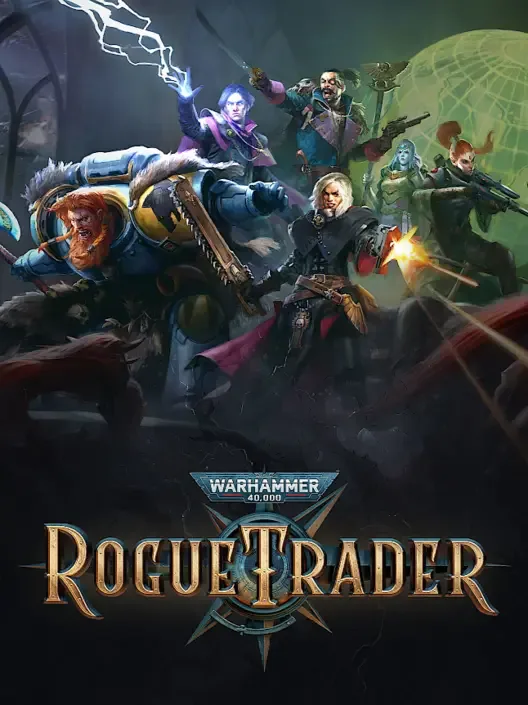 Warhammer 40,000: Rogue Trader
This is GameAvant's own ranked list of the best strategy games right now, built from the site's combined critic and player rating data rather than picked by hand. "Strategy" on this page means games built on planning ahead of reflexes: real-time and turn-based tactics, grand strategy spanning centuries, 4X empire-building, tower defense, and city or colony management where the choices you make between turns matter more than how fast you can click. It does not mean role-playing games with a few tactical flourishes bolted onto a leveling system, farming sims with light production chains, or narrative adventures where a handful of encounters happen to resolve in a grid. Those games can be excellent, but judging Baldur's Gate III and Civilization VI by the same yardstick flattens what actually makes each of them work, so they live on separate pages.
The order below comes from blending IGDB's aggregate critic and user score with Steam's own user review percentage, weighted toward games with a real sample size behind the number. That means a decades-old 4X classic can sit above a recent release, and a niche logistics sim can outrank a franchise name, because the math doesn't care which one you've heard of. Read the write-ups below for what each entry actually does at the table or on the map — the rank tells you how it currently scores among the best strategy games worth playing, not which one fits your evening.
1. Sid Meier's Civilization IV#
Firaxis's 2005 entry is frequently cited as the high point of the pre-Civ V formula, and it earns that reputation through a ruleset that rewards long-term planning without drowning the player in exceptions: the religion system, letting founded faiths spread organically between cities and become genuine diplomatic leverage, gave the game a layer of soft power that no earlier entry in the series had modeled. Leaders paired with two distinct traits — Financial, Philosophical, Aggressive, and others — meant the same civilization played differently depending on who led it, encouraging replays built around a leader's strengths rather than a fixed national identity. The tech tree's branching paths into Civics, unlocked via a separate government-and-economy system layered on top of research, gave mid-game decisions genuine weight: switching to Caste System or Vassalage reshaped an empire's whole strategy rather than just unlocking a unit. Great People, generated by specialist citizens working in an increasingly developed city, could be settled for a permanent bonus or expended for an instant one, adding a further layer of opportunity cost to how a capital's growth was managed. Stacked armies moving and fighting as a single unit on the world map is the honest drawback by modern standards — a lucky combat roll against an undefended stack could erase an entire invasion force in one turn, a design Civilization V would later abandon for exactly that reason, and the AI's diplomacy remains transparent enough that its stated grievances rarely feel like a real negotiation.
2. Crusader Kings III#
Paradox Development Studio's 2020 grand strategy game replaces the map-painting of most entries in the genre with a character simulation, and that swap is the whole appeal: dynasties, not borders, are the actual long game, and a brilliant ruler's death to old age or a badly timed assassination can undo decades of careful empire-building in an instant. The stress and mental-trait system, where a ruler who represses their true nature accumulates strain that eventually breaks out as an actual personality shift, gives characters an arc that most grand strategy games never attempt. Scheming — seduction, blackmail, fabricating claims, poisoning a rival heir — turns court politics into an actual toolkit rather than flavor text sitting on top of a spreadsheet, and the succession laws players choose (gavelkind splitting a realm among heirs versus primogeniture keeping it whole) create genuinely different multi-generational problems to solve. Vassal management, where granting away too much land breeds rival power blocs while hoarding it starves loyal supporters of reward, turns the feudal hierarchy itself into a constant balancing act rather than a fixed org chart sitting quietly in the background. The honest drawback is that the battles themselves are the thinnest part of the whole package: combat resolves largely on stack size and terrain modifiers with little of the tactical depth a dedicated wargame offers, which makes the game's constant warfare feel more like a spreadsheet outcome than a fight, and the sheer density of interlocking systems from years of expansions is a genuinely steep wall for a new player to climb.
3. Stellaris#
Paradox's 2016 space-based grand strategy game distinguishes itself from the studio's other historical titles by handing players a blank galaxy and letting species design, ethics, and government type genuinely reshape how the whole game plays rather than just its flavor text — a hive mind empire that annexes rather than conquers plays almost like a different game from a xenophobic militarist one chasing the same galaxy. The Origin system, chosen at empire creation, front-loads a unique starting scenario (a fractured homeworld, a doomsday-clock relic world, a species born already scattered across the stars) that shapes an entire campaign's opening decisions rather than being cosmetic. First-contact anomalies and Leviathan encounters — ancient guardian fleets or derelict megastructures scattered through unexplored space — turn exploration itself into a genuine strategic decision about risk versus reward rather than simple fog-of-war clearing. The endgame crisis events, galaxy-threatening enemies that scale to however powerful the strongest empires have become, give even a runaway game a reason to keep paying attention. Ascension perks, permanent empire-wide bonuses unlocked through the tradition tree, let a late-game empire specialize toward psionic, synthetic, or biological transcendence in ways that meaningfully diverge from a rival empire's chosen path even when both started from a similar position. The honest drawback: the mid-game is a real slog for many players, as pop and sector micromanagement scales up faster than the tools for handling it, turning turns thirty through eighty into a genuine chore before the crisis-era pace picks back up.
4. XCOM 2#
Firaxis's 2016 sequel to the XCOM reboot is one of the sharpest tactical strategy games made this decade, built around the idea that every choice happens against a hard countdown — the Avatar Project bar filling in the background regardless of how carefully a squad plays a single mission. Missions themselves reward genuine positioning discipline: flanking bonuses, high ground, and the Overwatch system (holding an action to fire on enemy movement instead of acting immediately) turn every turn into a real trade-off between advancing and holding a defensible line. Permadeath on named, custom soldiers means losses actually sting rather than resetting on a quickload, and the Chosen enemies introduced in the War of the Chosen expansion, each learning and adapting to a specific squad's habits across a campaign, are as close as the tactics genre gets to a rival that remembers what happened last time. The guerrilla-war framing, striking from a mobile base rather than defending a fixed one, reframes the entire XCOM formula around aggression instead of attrition. Back at the Avenger, research and engineering queues force their own triage between rushing better weapons, unlocking new facilities, or funding the resistance networks that pay for the whole war, so strategic decisions made off the battlefield carry as much weight as tactical ones made on it. The honest drawback is the percentage-based hit system itself: missing a displayed 85% shot is mathematically fair but feels arbitrary in the moment, and newcomers unfamiliar with the series' brutal difficulty curve can lose a campaign's best soldiers to bad luck before they've learned to play around it.
5. Frostpunk#
11 bit studios' 2018 city-survival game does something most management games avoid: it makes every efficiency decision a moral one. The core loop of keeping a coal generator's heat radius fed while a surviving population freezes outside it is standard resource management on its face, but the Book of Laws — where players choose policies like child labor, forced overtime, or executing dissenters to keep the city functioning — makes every optimization choice into a values statement the game never lets the player forget. Scouting parties sent into the frozen wasteland outside the city return with resources, survivors, or grim discoveries that reshape the story mid-scenario rather than just refilling a stockpile. The generator's heat-zone mechanic, where distance from the core literally determines who freezes first, gives city layout genuine strategic stakes rather than just aesthetic ones. The tension between keeping people alive and keeping them from revolting — discontent and hope are tracked as separate, competing resources — means there's rarely a clean win available, only a least-bad one. The research tree itself branches toward either steam-powered automation or increasingly severe faith-based social control, giving two playthroughs of the same scenario genuinely different late-game character depending on which philosophy a player leans into first. The honest drawback: the campaign length is genuinely short for the price point, and the game's insistence on staging every decision as a moral dilemma occasionally tips into heavy-handedness rather than letting the situation speak for itself.
6. Master of Magic#
MuHa Games' 2022 remake of the 1994 fantasy 4X classic, published by Slitherine, rebuilds the original's dual-plane structure — the mundane world of Arcanus layered against the magical, monster-infested Myrror, connected by towers that let armies cross between them — on a modern hex grid without sanding down what made the original distinctive. Choosing a wizard's spellbook at the start of a campaign, picking from over a dozen magic schools with wildly different late-game payoffs, means two games rarely play the same way even on the same map, and the choice of which spells to research first is as important as any city-placement decision. Combat plays out on its own tactical grid rather than resolving automatically, giving unit positioning and terrain a say that most 4X games abstract away entirely. Recruitable heroes, each with their own stat growth and equipment slots, function as a second layer of army building running parallel to the main unit roster, rewarding the risk of exploring Myrror's ruins for artifacts and relics. The honest drawback: the 2022 remake had a genuinely rough launch, with AI competence and balance issues that took multiple quarterly patches to sand down, and while post-launch support has been extensive, some of that early reputation still shadows a game that has substantially improved since.
7. Factorio#
Wube Software's factory-automation game, which left early access with its 1.0 release in 2020, turns pure logistics into one of the deepest strategy games available on any platform. The core loop — conveyor belts, inserters, and assemblers chained into production lines that must be balanced against resource throughput — sounds like a puzzle game until train networks, oil processing, and the Kovarex enrichment process for late-game nuclear fuel start demanding genuinely long-horizon planning across an entire continent-spanning base. The blueprint system, letting a working section of factory be copied, scaled, and pasted elsewhere, turns iterative design into the actual skill being tested rather than manual construction. Combat against the native Biters exists mostly to punish pollution and sprawl, giving even the most peaceful factory-builder a reason to think about its environmental footprint. The circuit network, letting players wire sensors and combinators into actual logic gates that automate decisions the player would otherwise have to babysit manually, turns the game's endgame into something closer to programming than construction for anyone willing to go that deep. The honest drawback, acknowledged even by the game's own fans, is the addictive time sink baked into the design: "just one more belt" is a genuine phenomenon, the learning curve for advanced logistics has no in-game tutorial past the basics, and a save file can balloon into something genuinely overwhelming to return to after a long break.
8. Age of Empires II#
Microsoft's 1999 real-time strategy game, kept alive and rebalanced for over two decades through the Definitive Edition and its ongoing update cycle, remains one of the most-played strategy games precisely because its civilization system gives every match a different opening puzzle: forty-plus civilizations each with unique units, bonuses, and tech-tree gaps mean a Mongol rush and a Byzantine turtle strategy are barely playing the same game. The age-up structure — Dark, Feudal, Castle, Imperial — creates a natural rhythm of economic investment followed by a military spike, and the wonder-race win condition gives even a losing military position a alternate path to victory. Its esports scene, still active a quarter-century after release, is proof the underlying systems reward genuine mastery rather than just memorization. Campaign scenarios built around real historical figures, from Genghis Khan to Joan of Arc, use scripted objectives and hero units to teach the same systems the competitive ladder tests, but in a far more forgiving setting. The honest drawback: the early-game villager and economy management is unforgiving of mistakes, the competitive meta is dominated by scripted opening build orders that can feel like homework before a match even becomes interactive, and newcomers matched against experienced players can lose a game in the first five minutes without understanding why.
9. Europa Universalis IV#
Paradox Development Studio's 2013 grand strategy game covers roughly four centuries of world history, letting any of hundreds of playable nations rise, fracture, or vanish entirely depending on how well a player manages the game's central abstraction: monarch points, the currency spent on everything from research to diplomatic annexation. The trade node system, where goods flow along a mapped network toward dominant trade hubs that can be steered with merchants and light ships, models economic strategy with a depth few grand strategy games attempt. Mission trees, added years into the game's life, give sprawling campaigns concrete medium-term goals instead of an open-ended map-painting exercise with no throughline. The idea group system, letting a nation specialize toward exploration, quality, or offense over the course of a campaign, means the same starting nation can be played toward wildly different endgames. The estates system, where the nobility, clergy, and burghers each demand privileges in exchange for loyalty and tax income, layers an internal-politics problem on top of what would otherwise be a purely external, map-focused strategy game. The honest drawback: a decade of expansions has layered mechanic on top of mechanic without much pruning, making the UI dense and the onboarding curve steep, and the snowball nature of the monarch-point economy means an early lead compounds into a runaway game more often than a genuine back-and-forth contest.
10. Company of Heroes#
Relic Entertainment's 2006 World War II real-time strategy game reframed the genre around territory and cover rather than base-building macro: capturing points on the map feeds resources directly, and the destructible environment means a defended position can be shelled into rubble mid-fight, removing the cover that made it valuable in the first place. The doctrine system, letting commanders specialize toward armor, airborne support, or defensive tactics partway through a match, gives matches a genuine build-around decision beyond just unit composition. Squad-based infantry, where a unit's effectiveness degrades member by member rather than dying all at once, makes flanking and suppression fire genuinely readable in the moment rather than abstracted into a single health bar. The tactical pause and physics-driven combat, where vehicles can be flipped by explosions and buildings garrisoned for cover, gave battles a sense of place that base-building RTS games of the era rarely bothered with. Veterancy, where a squad that survives long enough at the front gains genuine combat bonuses, gives a canny commander real incentive to preserve experienced infantry rather than treating every unit as disposable. The honest drawback: the smaller unit caps and squad-focused scale can feel slight next to the sprawling armies of Total War or a classic 4X, and the franchise's multiple sequels and spin-offs make it genuinely unclear to a newcomer which entry is the one to actually start with.
11. Workers & Resources: Soviet Republic#
3Division's city-building and logistics simulation, which reached its full 1.0 release in 2024 after years in early access, is a genuine outlier among city builders because it refuses to abstract supply chains the way nearly every other entry in the genre does: raw materials have to be physically hauled by truck, train, or pipeline from mine to factory to warehouse to shop, and a bottleneck anywhere in that chain shows up immediately as a shortage somewhere else. Its Eastern Bloc setting isn't just an aesthetic choice — the game models planned-economy mechanics like fixed production quotas and centrally managed distribution with a level of research and specificity no Western-facing city builder attempts, giving it a genuinely distinct identity among the best strategy games in the management space. Vehicle logistics, down to individual truck routes and rail schedules, turn what would be a single supply-chain arrow in most games into its own layer of continuous optimization. A separate electrical grid and water-and-sewage network run underneath the whole simulation, and either one failing can cascade into shortages across an entire city's production chain in a way most city builders never bother simulating at all. The honest drawback: the learning curve is among the steepest in the entire city-building genre, the tutorial covers only a fraction of what the simulation actually models, and the visual presentation is noticeably dated next to more polished competitors.
12. Master of Orion II: Battle at Antares#
MicroProse's 1996 space 4X game is still cited by genre veterans as a high-water mark for empire customization: choosing a species' traits from a shared point-buy pool at the start of a campaign — trading away diplomatic aptitude for a research bonus, say — meant no two playthroughs of the same nominal race played identically. The ship designer, letting players slot weapons, armor, and special components onto hulls of increasing size, turned fleet combat into a genuine arms race where a clever design could outclass a numerically superior but poorly built opponent. Planetary management, assigning population to farming, industry, research, or unrest control, gave individual worlds enough internal complexity to matter on their own rather than existing purely as a number feeding an empire-wide total. Distinct AI empire personalities, each with a philosophy that shaped how they approached diplomacy and war, made the galaxy feel genuinely inhabited rather than mechanically reactive. Research itself is split across multiple competing categories — construction, force fields, propulsion, and more — so no single tech-rush strategy dominates every game, and neglecting an entire field can leave an empire structurally vulnerable no fleet size can fix. The honest drawback: the interface and presentation are unmistakably a product of 1996, empire micromanagement in the late game has none of the automation tools modern 4X games take for granted, and newcomers used to contemporary UI conventions will need real patience to get past the surface.
13. Medieval II: Total War#
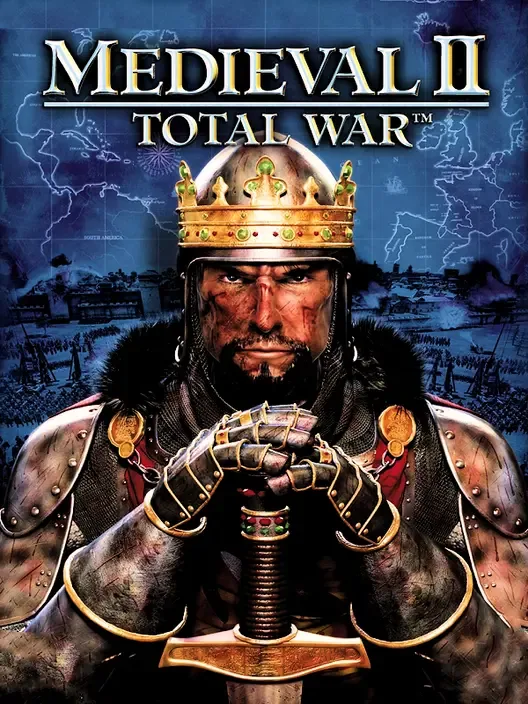
Creative Assembly's 2006 entry in the Total War series remains a reference point for blending turn-based empire management with full real-time battles, and the split is the whole design: the campaign map handles diplomacy, construction, and army movement turn by turn, while actual battles play out as physical, positioned engagements where terrain, unit formation, and flanking decide the outcome rather than a stat comparison. Faction-specific unit rosters — the Byzantine Empire's cataphracts, the Holy Roman Empire's landsknechts — mean armies from different corners of the map genuinely fight differently rather than sharing a common unit list with reskins. The religious system, layering crusades and jihads onto the standard warfare, gives certain campaigns entire additional axes of conflict beyond simple territorial expansion, and the family tree system, tracking named generals who accumulate traits and can marry into other factions, gives individual characters stakes a purely abstract army roster never manages. Trade income and city-specific building chains, from cathedrals to guild halls, mean a faction's prosperity depends as much on economic development between wars as it does on the size of the army it can field. The honest drawback: the AI's battlefield pathing and campaign-level diplomacy show real age by modern standards, siege battles in particular can produce pathing errors that undercut otherwise well-designed maps, and the engine's visuals are dated enough that newcomers used to modern Total War entries will notice immediately.
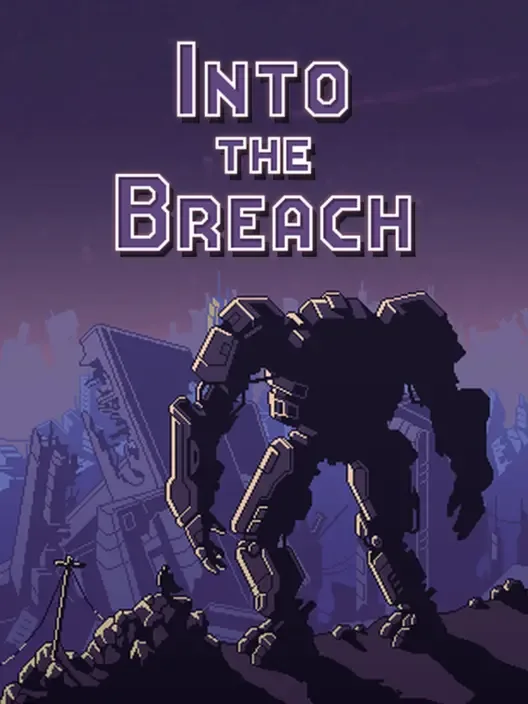
14. Into the Breach#
Subset Games' 2018 tactics game, from the team behind FTL, strips turn-based squad combat down to a deliberately tiny scale — three mechs, an 8x8 grid, and enemy attacks that are always telegraphed a full turn in advance — and builds a surprisingly deep game entirely around that constraint. Because every incoming attack is known before the player acts, the actual skill being tested is positioning and sequencing rather than reading an unknown threat, which makes losses feel like genuine planning failures rather than bad luck. The push-don't-kill philosophy, where shoving an enemy unit into another enemy, into water, or off a cliff is frequently the correct play instead of dealing damage, reframes what "winning" a turn even means compared to most tactics games. Pilots that carry over between timeline resets, gaining permanent bonuses even after a failed run, give the roguelike structure a sense of accumulating progress rather than starting fully from zero each time. The three distinct squads on offer, each built around a different core idea — fire damage, ice control, or pure kinetic force — change the entire strategic vocabulary of a run despite the map and enemy roster staying largely the same. The honest drawback: the tiny map and squad size are the whole point mechanically, but they also cap how epic or large-scale any single encounter can ever feel, and players wanting the sprawl of a bigger tactics game may find the format's minimalism wears thin faster than its density suggests it should.
15. StarCraft#
Blizzard's 1998 real-time strategy game, still actively played competitively and refreshed visually with 2017's Remastered edition, set the template that most competitive strategy games worth playing are still measured against: three races — Terran, Zerg, Protoss — that don't just have different units but entirely different economies, tech trees, and win conditions, so a Zerg swarm rush and a Protoss tech-up strategy are barely recognizable as the same game. The esports scene that grew up around it, particularly in South Korea, proved a strategy game's mechanical ceiling could support a genuine spectator sport built on split-second macro and micro decisions made simultaneously across an entire map. Terrain choke points, high ground granting vision and combat advantages, and the fog of war forcing constant scouting investment all reward map knowledge as its own skill separate from unit control. The Brood War expansion, still considered by many competitive players the definitive balance patch, added enough new units and mechanics to reshape the metagame without disturbing the core three-race identity that made the original click. The honest drawback: the competitive skill ceiling is genuinely intimidating for newcomers, requiring hundreds of actions per minute to play at a serious level, and the original campaign's mission design and interface, even after the Remastered visual pass, show their age next to more modern strategy games' quality-of-life standards.
16. Zeus: Master of Olympus#
Impressions Games' 2000 city builder swaps the more grounded historical settings of its Caesar and Pharaoh predecessors for actual Greek mythology, and that swap changes what the genre can do: heroes like Heracles and Perseus can be recruited and sent out to fight monsters and rival cities directly, giving a normally passive city-management genre an active, adventure-driven layer most competitors never attempted. Trade agreements with named city-states and the gods themselves, who can be appeased with temples and offerings for concrete gameplay bonuses, add a diplomatic and religious dimension on top of the usual production-chain puzzle of housing, goods, and worker walk-radius that defines the genre. Mission-based scenarios escalate deliberately, introducing new monster threats and city-management wrinkles at a pace that keeps a fairly simple core loop from going stale across a full campaign. The Poseidon expansion pack later layered in the underworld and a further set of monsters and heroes drawn from deeper in the mythological cycle, giving an already myth-rich game an even wider cast of gods and threats to manage. The honest drawback: the isometric building placement and grid-snapping are fiddly by modern standards, and unlike its stablemate Pharaoh, Zeus never received a fan-made or official HD remaster, so its interface and resolution options show real age next to newer city builders.
17. Advance Wars#
Intelligent Systems' turn-based series, born on the Game Boy Advance and faithfully rebuilt for modern hardware in 2023's Advance Wars 1+2: Re-Boot Camp, distills tactical strategy into unusually legible rules: a rock-paper-scissors unit-matchup system where infantry, tanks, and artillery each counter something else means reading an opposing army composition is as important as reading the terrain it's standing on. CO Powers, a meter that fills as a commanding officer's units fight and can be unleashed for a dramatic, personality-specific swing (healing an entire army, or supercharging a single devastating strike), function as a genuine comeback mechanic that keeps a losing position from feeling hopeless. Terrain defense bonuses, fog of war obscuring enemy positions on harder difficulties, and a day-based income system funding new unit purchases all layer onto a ruleset simple enough to teach in one mission and deep enough to support a real competitive scene. Map design itself becomes a strategic variable — a river choke point or a cluster of forests changes which unit types dominate a given fight — so the same rock-paper-scissors ruleset plays out differently on every new stage. The honest drawback: the single-player campaign AI plays it relatively safe and predictable, meaning the game's real depth and much higher skill ceiling only really show up once two experienced players face off, leaving the solo campaign feeling gentler than the systems underneath it actually support.
18. Space Rangers HD: A War Apart#
Elemental Games' 2013 remaster of the 2002 original is one of the strangest hybrids on this list: an open-galaxy space strategy game that folds in text-adventure quests, real-time strategy battles fought by deployable combat robots, and even arcade-style shooting sequences, all under a single overarching campaign about repelling an alien invasion. The strategic layer — managing trade routes, faction reputation, and fleet composition across dozens of star systems — gives the galaxy a genuine sense of consequence, since decisions in one system's text-based questline can shift the balance of the wider war. Combat can be resolved in either a real-time tactical mode or handed off to an AI captain, letting players lean into whichever layer of the game they find most engaging without being forced through the parts they don't. Choosing a playable race at the start — from the disciplined Faeyan to the profit-driven Gaalian — colors which of the game's overlapping systems a given campaign leans on hardest, from diplomacy to raw combat strength. The sheer structural ambition, blending four distinct genres into one coherent strategy game rather than bolting on minigames as filler, is something almost nothing else in the genre attempts. The honest drawback: the interface and visual presentation are dated even after the HD remaster, and the genre-blending scope, while ambitious, can feel unfocused compared to a strategy game built around a single core loop.
19. Shapez 2#
tobspr Games' sequel to its own minimalist factory-automation hit left early access with its full 1.0 release in April 2026, and it justifies the jump to a full 3D factory space rather than the original's flat grid: shapes can now be stacked and processed across vertical layers, meaning production-line design has to account for height as a genuine spatial resource rather than sprawling outward indefinitely. The core loop — extracting raw shapes, then cutting, rotating, painting, stacking, and fusing them into more complex forms for delivery — keeps the original's puzzle-like production-ratio math while giving experienced players from the first game meaningfully new problems to solve rather than a reskin. Blueprint import and export tools let complex sub-factories be shared, copied, and scaled the way Factorio popularized, turning the game into as much a design exercise as a construction one once the basics click. A steady drip of new shape types and processing buildings, unlocked through in-game research, keeps introducing fresh constraints on an already-running factory rather than simply adding more of the same building to an existing line. The honest drawback: the soundtrack is largely forgettable background noise, and new mechanics introduced through the game's progression occasionally force a rebuild of an already-optimized production line rather than layering cleanly on top of it, which can sting after hours of careful planning.
20. Mini Metro#
Dinosaur Polo Club's 2015 minimalist strategy game distills transit planning into pure abstraction: stations appear as simple shapes on a blank map, and the entire game is drawing and rerouting subway lines to keep passenger flow moving as the city's population and demands grow in real time. The resource scarcity at its core — a strictly limited number of lines, trains, and carriages available at any moment — forces constant trade-off decisions about which stations to connect and which to temporarily abandon, giving what looks like a drawing exercise real strategic teeth. The real-time pressure of a slowly overwhelming station, visibly filling with waiting passengers until it fails outright, creates a rising tension closer to a tower-defense game than a traditional city builder, and the different city maps — each modeled loosely on a real subway system's geography, from London to Tokyo — reshape the underlying planning problem every time. The daily and weekly challenge modes, which lock every player into an identical randomized map and ruleset, turn what's normally a solitary puzzle into an informal leaderboard comparison against everyone else solving the exact same problem. The honest drawback: the mechanical depth is real but comparatively shallow next to heavier strategy games once the core loop clicks, and the failure state in the game's Extreme mode, a single overwhelmed station ending the run outright with no way back, can feel abrupt for players used to more forgiving management games.
21. Sid Meier's Civilization V#
Firaxis Games' 2010 entry, published by 2K Games, rebuilt the series around a decision that reshaped every layer of play: the switch from square tiles to a hexagonal grid paired with the one-unit-per-tile rule, which broke the stack-of-doom tactics of earlier entries and forced armies to spread across the map, turning terrain chokepoints and unit positioning into a real battlefield concern for the first time in the series. City-states, independent minor civilizations that can be courted with gifts, protected from rivals, or conquered outright, gave the map a layer of diplomacy separate from the great powers, and completing their quests for influence could unlock unique luxuries or free units. The social policy system replaced Civilization IV's Civics with a tree of its own, letting a civilization commit to Tradition, Liberty, Honor, or a dozen later branches as a standing ideological identity rather than a single swappable government. Great Works, generated by specialists and slotted into museums and amphitheaters, turned a late-game culture push into an actual collection-building minigame with its own tourism and influence math. Wonders remained one-per-world, so racing a rival civilization to Stonehenge or the Great Library stayed a genuine diplomatic and military flashpoint. The honest drawback: the base 2010 release launched noticeably thinner than Civilization IV, missing religion, espionage, and a functioning culture victory outright, and while the Gods & Kings and Brave New World expansions eventually filled those gaps, the vanilla game many players first encountered was a genuinely stripped-down version of what the series became.
22. Rome: Total War#
Creative Assembly's 2004 entry, published by Activision, set the template the Total War series has followed ever since: a turn-based campaign map for diplomacy, construction, and army movement, paired with real-time battles where terrain, formation, and flanking decide a fight rather than a stat comparison, at a scale — armies numbering in the thousands rendered simultaneously — that had no real precedent when the game shipped. The family tree system ties every general to a named character with accumulating traits and vices, so a brilliant commander's early death to poor health or a botched assassination can cost a faction more than the battle it was about to win. Playing as Rome specifically adds the Senate, which hands out conquest and diplomatic missions separate from a player's own ambitions and can strip a faction's legitimacy if ignored too often, forcing a Roman campaign to balance the Senate's demands against its own expansion plans. Agents sent into the field — spies to scout garrisons, diplomats to negotiate treaties, and assassins to eliminate rival generals — turn the map phase into its own layer of covert conflict running alongside open war. Trade routes and province-specific buildings, from temples to farms, mean a faction's treasury depends as much on economic development between campaigns as the size of the legions it can field. The honest drawback: the AI's battlefield pathing and campaign-level diplomacy are unmistakably a product of 2004, sieges in particular can produce unit-clumping and pathing errors that undercut otherwise well-designed maps, and only the Roman factions get the Senate's mission structure, leaving the barbarian and Eastern factions comparatively thin on campaign-specific systems.
23. Sid Meier's Alpha Centauri#
Firaxis Games' 1999 spiritual successor to Civilization, published by Electronic Arts, drops seven ideologically distinct factions onto an alien planet and lets Social Engineering — separate sliders across Politics, Economics, Values, and Future Society, each choice granting bonuses for what a faction prioritizes and penalties for what it neglects — define an empire's identity far more precisely than a Civilization tech tree ever managed. The unit workshop lets players design their own military and civilian units from scratch, combining chassis, weapon, armor, and reactor components as new technologies unlock them, so a faction's army composition is a genuine engineering decision rather than a menu pick. Terraforming reshapes the map directly: raising or lowering terrain, planting forests, and carving canals and land bridges all have real ecological consequences, since the planet's native fungus and the mind worms that infest it react to how aggressively a faction reshapes the landscape. The Planetary Council lets factions vote a rival into the Governorship, with real diplomatic and mechanical consequences for the results, giving multiplayer-style politics a place even in a single-player campaign. Research branches toward genuinely different late-game technologies — psionics, nanotechnology, or the eponymous Ascent to Transcendence — rather than a single linear path everyone eventually walks. The honest drawback: the interface and 3D engine are unmistakably a product of 1999, the game never received an official modern remaster so newcomers rely on community patches like the Scient/Yitzi mod just to make the UI tolerable, and late-game micromanagement across dozens of bases and units has none of the automation a modern 4X takes for granted.
24. Against the Storm#
Eremite Games' city-building roguelite, developed with Hooded Horse as publisher and reaching its 1.0 release in December 2023, wraps the genre's usual production-chain puzzle in a structure closer to a deck-building roguelike: each settlement is a single run against a fixed clock, and the goal is banking enough Reputation with the Scorched Queen by fulfilling delivery orders before the map's storm cycle or the settlement's own unrest ends the attempt. Cornerstones, a handful of randomized perks offered at the start of each settlement, reshape an entire run's strategy before a single building goes up, in the same way a roguelike's starting relic defines an approach. The four playable species — humans, beavers, lizards, and harpies — each tolerate the game's constant rain and specific biome hazards differently and demand different housing and amenities, so a mixed-species settlement is a genuine logistics puzzle rather than interchangeable population. Six distinct biomes, from the mundane Forest to the more hostile Blighted Marsh, layer unique resources and unique penalties onto the same core production chains, meaning a settlement's location changes which strategies are even viable. Glade events, discovered while scouting the surrounding wilds, offer one-time resource or hazard choices that can pay off a run or set it back before construction has properly begun. The honest drawback: the game's roguelite structure means no single settlement is meant to last, and players wanting a traditional city builder's sense of a permanent, ever-growing capital may find the reset-every-run format genuinely at odds with what draws people to the genre in the first place.
25. Desperados III#
Mimimi Games' 2020 real-time tactics game, published by THQ Nordic, is a prequel to the Desperados series that refines the stealth-tactics formula Mimimi had already built with Shadow Tactics: five playable characters — Cooper's throwing knife and dual revolvers, Doc McCoy's tranquilizer bandages and sniper pistol, Hector's giant bear trap and brute strength, Kate's crowd-distracting disguises, and Isabelle's voodoo doll that can puppet an enemy — each solve the same guarded map in a genuinely different way. Showdown Mode, which pauses the action so a player can queue up a synchronized kill order across multiple characters and then execute it in a single unpauseable burst, turns what would otherwise be sequential trial-and-error into a single planned action, and is the mechanic the entire late game is built around. Guards react to bodies, footprints in snow, and disturbed cover with genuine investigation behavior rather than a simple alert radius, and hiding a corpse in a barrel, well, or bush is frequently as important as the kill itself. Limited ammunition and cooldown-gated special abilities mean a character's toolkit has to be rationed across an entire mission rather than spammed at the first sign of trouble. The Baron difficulty setting, which removes Showdown Mode's ability to fully pause time, exists specifically for players who want the genre's older, harder rhythm back. The honest drawback: the difficulty curve is punishing by design, individual missions can take a genuine trial-and-error toll as a single spotted guard unravels a carefully planned route, and the genre's slow, methodical pace is a poor fit for anyone looking for a faster-moving tactics game.
26. The Battle of Polytopia#
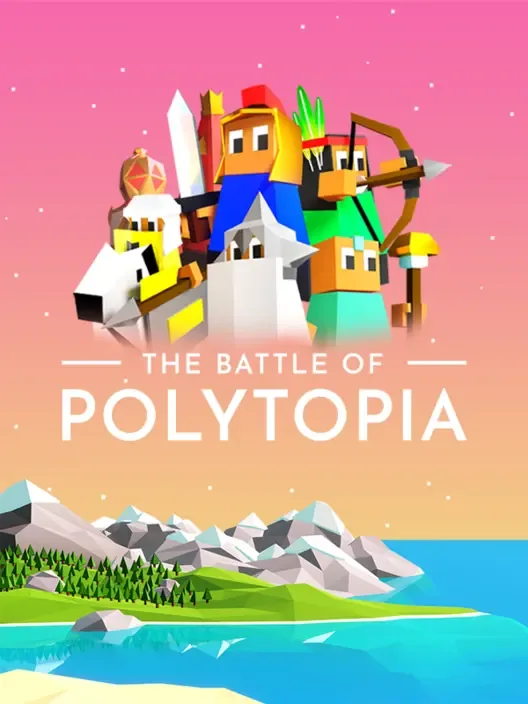
Midjiwan's turn-based 4X, first released on mobile in 2016 and later ported to PC, strips the genre down to a scale a single sitting can finish: a small hex map, a handful of turns, and sixteen selectable tribes, each with its own unique starting technology, unit skins, and — critically — its own branching tech tree, so the aquatic Elyrion and the forest-dwelling Kickoo push toward genuinely different early strategies rather than reskinned versions of the same opening. Stars, generated by cities and spent on research, are the game's only real resource, which keeps expansion, unit production, and technology racing all competing for the same number rather than spread across the multiple currencies most 4X games track separately. Ruins scattered across the map can be explored for a random bonus, a free unit, or a population boost, adding a real risk-reward decision to early scouting beyond simple fog-of-war clearing. Domination mode's capital-capture win condition keeps matches short and aggressive, while Sandbox and Perfection modes reward a slower, score-maximizing style built around city growth and technology completion instead of conquest. The Battle Royale variant seeds identical starting conditions for every tribe on a shared map, turning the format into a genuinely competitive multiplayer mode built for exactly the game's scale. The honest drawback: most tribes beyond the two free starting ones sit behind a real-money purchase, the compressed map size and turn count mean the mid-and-late-game complexity of a full 4X game like Civilization is deliberately absent, and matches can feel over just as a strategy starts to develop.
27. Shadow Tactics: Blades of the Shogun#
Mimimi Games' 2016 real-time stealth-tactics game, published by Daedalic Entertainment and set in an alternate Edo-period Japan, established the studio's formula before Desperados III refined it: five characters — Hayato the shinobi, who can grapple onto rooftops and throw distracting stones; Mugen the samurai, armored enough to tank hits and clear a group with an area attack; Yuki the kunoichi, whose whistle lures guards into ambush; Aiko the cook, who can disguise herself among civilians and drug enemies with sake; and Takuma the sniper, slow-moving but capable of eliminating targets from a rooftop others can't reach — each solve the same patrol pattern from a different angle. Guards who spot a disturbance investigate methodically, following footprints in snow or noticing a missing colleague, so hiding a knocked-out or dead body in a well, barrel, or patch of tall grass is as essential to a clean mission as the takedown itself. Traps and staged accidents, from felling a lantern onto a guard's head to rigging an explosive barrel, let a single well-placed setup clear a chokepoint without alerting anyone nearby. Maps introduce new environmental wrinkles steadily — rooftop sightlines in a castle town, deep snow that muffles or reveals movement — so the core toolkit keeps getting tested in new ways across the campaign rather than repeating the same puzzle. The honest drawback: individual missions can demand genuine trial-and-error as a single miscalculated guard route unravels several minutes of careful setup, and the isometric camera occasionally obscures sightlines or hidden guards in dense terrain, undercutting the precision the genre otherwise demands.
28. Dwarf Fortress#
Bay 12 Games' Steam and itch.io release, published by Kitfox Games in December 2022, is the same simulation that has run since 2006 wrapped in a genuinely new presentation: a purpose-built pixel tileset replaces the ASCII characters the game was known for, a structured tutorial walks new players through founding a fortress instead of leaving them to wiki articles, and a redesigned, mouse-navigable interface replaces menus that had previously demanded memorized keyboard shortcuts. None of that changes the simulation underneath: dwarves still track individual moods, memories, relationships, and mental stability, with a bad enough string of events genuinely capable of sending a dwarf into a tantrum spiral that can spread through an entire fortress. Legends Mode generates centuries of procedural world history before a single fortress is founded, populating the surrounding world with named historical figures, wars, and myths that a fortress's own story can later intersect with. The geological simulation models individual rock and mineral layers realistically enough that digging in the wrong direction can flood a fortress or breach a cavern full of hostile creatures, making excavation itself a genuine strategic risk rather than a simple resource-extraction menu. The honest drawback: even with the new tutorial and interface, the sheer number of interacting systems means the learning curve remains among the steepest in the entire genre, and long-time players' well-known mantra that "losing is fun" reflects a design that still expects a new fortress's eventual, often catastrophic collapse as a normal part of playing.
29. Total War: Warhammer II#
Creative Assembly's 2017 entry, published by SEGA, moved the Total War: Warhammer sub-series onto a new continent and, more importantly, onto Games Workshop's larger cast: four core races at launch — High Elves, Dark Elves, Lizardmen, and the swarming, tunnel-dwelling Skaven — each led by two Legendary Lords with distinct playstyles, such as the High Elves' Tyrion, a melee-focused swordmaster, against his twin brother Teclis, a spellcaster built around the game's Lores of Magic instead. The Vortex campaign, the game's original centerpiece, tasks every race with performing a chain of ritual battles to either stabilize or sabotage a reality-warping magical storm, turning the endgame into a race against rival factions rather than simple territorial conquest. Monstrous units unique to each race — Lizardmen dinosaurs, Dark Elf hydras, Skaven war machines built from stolen and scavenged technology — mean army compositions diverge from faction to faction far more than unit reskins would allow. The Mortal Empires campaign, added shortly after launch for anyone who also owned the first Total War: Warhammer, merges both games' maps and rosters into a single continent-spanning campaign, effectively doubling the game's playable content for owners of both. The honest drawback: the base Vortex campaign's map is comparatively small next to Mortal Empires, so getting the game's full intended scope means also owning its predecessor, and the game has since been folded into and effectively superseded by Total War: Warhammer III's combined campaign, leaving newcomers to sort out which entry point actually makes sense to buy today.
30. RimWorld#
Ludeon Studios' colony sim, designed by Tynan Sylvester and reaching its 1.0 release in October 2018, runs its entire campaign through an AI Storyteller — Cassandra Classic escalating events on a structured curve, Phoebe Chillax pacing them gently, or Randy Random throwing them out with no pattern at all — that decides when raids, disease, or a stray meteorite strike a colony, turning the game into a deliberate story generator rather than a puzzle with a fixed solution. Colonists carry procedurally generated backstories, skills, and personality traits that genuinely constrain how they can be used — a pacifist won't fight, a colonist with a narcolepsy trait can collapse mid-task — and relationships that form and sour between colonists, from rivalries to marriages, feed directly back into the mood system that can push someone into a mental break. Raid difficulty scales dynamically to a colony's total wealth, so hoarding resources or over-building a base has a direct, escalating military cost rather than being a purely economic decision. Research and production trees span everything from simple stone cutting to space-worthy technology, giving a colony's long-term trajectory genuine breadth beyond simple survival. The honest drawback: the combat AI can be exploited fairly easily with chokepoint and doorway tactics that trivialize what should be tense raids, and the vanilla game's content is comparatively thin next to what its enormous modding community has built around it, meaning much of what people associate with RimWorld's reputation comes from mods rather than the base release.
The ranking above blends IGDB's aggregate critic and user rating with Steam's own user review percentage, and only for games with a real sample size behind the score rather than a handful of early ratings that can swing wildly. Nothing on this list was hand-picked for inclusion or placement — the order is a direct output of that combined score, which means it shifts automatically as more people rate these games or as new releases join the catalog with enough reviews to be scored fairly. Whether you're chasing a 4X and grand strategy game to play right now or a shorter tactics game for a single evening, treat this as a live snapshot of how these games are currently rated relative to each other, not a fixed, permanent verdict on the best strategy games of 2026 — check back as the data changes, because it will.