



The Nintendo 3DS launched in 2011 with a glasses-free stereoscopic screen and lived until 2020, growing into one of Nintendo's most successful handhelds. Its library was strong in role-playing games, tactics, puzzle games and remakes of earlier classics, and much of it was sold digitally through the eShop. This list contains 42 games, chosen from those with the best critical reception and the strongest legacy, with a limit on how many entries a single series may take. Where a game also appeared on other systems, it is included only if the 3DS version is a defining release. Each entry notes an honest weakness.
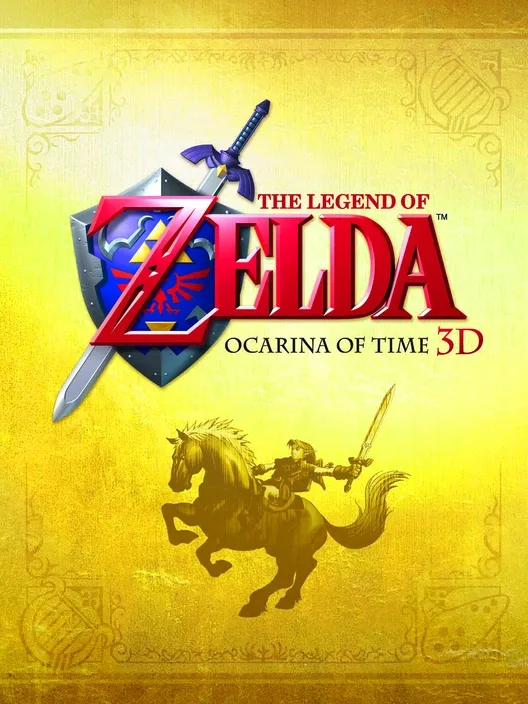
1. The Legend of Zelda: Ocarina of Time 3D#
Grezzo remade Nintendo's 1998 classic for the 3DS in 2011, adding stereoscopic 3D, touch-screen item and map management, gyroscope aiming and a Master Quest mode. The structure that made the original famous is intact: Z-targeting, the time-travelling Hyrule and the Water Temple, now far less tedious because boots no longer need to be swapped through a pause menu. It holds a Metacritic score of 94, the highest of any 3DS game, and sold about 6.4 million copies. Character models and the linear pacing still show their age, and the rebuilt visuals are a polish rather than a reinvention. It remains the best way to play the game on portable hardware.
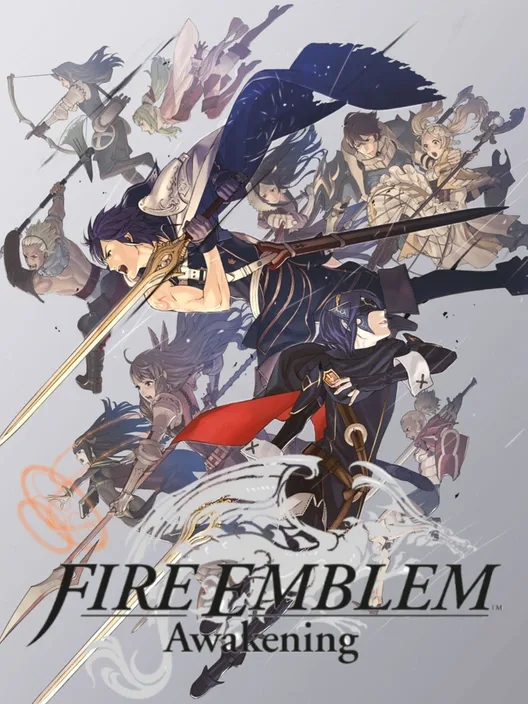
2. Fire Emblem: Awakening#
Intelligent Systems released Awakening in Japan in 2012 and in the West in early 2013, reportedly as a last attempt to keep the series alive. It combined the series' grid-based tactics with pair-up support, a deep marriage and child system and a Casual mode that turns off permanent death. It holds a Metacritic score of 92 and sold about 2.4 million copies, far beyond the 250,000 units Nintendo reportedly wanted to justify the series continuing, and it brought the franchise to a global audience. The story turns melodramatic, and pair-up combined with grinding can flatten the difficulty on the higher settings. As a way into tactical role-playing it has few equals.
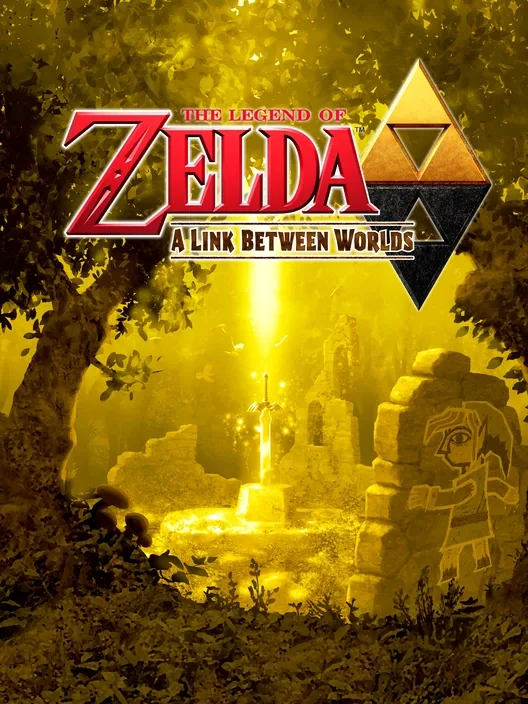
3. The Legend of Zelda: A Link Between Worlds#
Nintendo EAD released this sequel to A Link to the Past in late 2013, returning to the same top-down Hyrule with a new twist: Link can merge into walls as a painting. Items are rented from Ravio's shop rather than found in dungeons, so players can tackle most dungeons in any order. It holds a Metacritic score of 91 and sold about 4.3 million copies. The stereoscopic 3D gives its layered dungeons real depth. Its main weakness is a low difficulty, and dungeons are short by series standards. It is an elegant answer to the question of how to modernize classic Zelda. Rented items are lost if Link is defeated, which adds a small layer of tension to an otherwise gentle adventure, and reviewers praised its puzzle design.
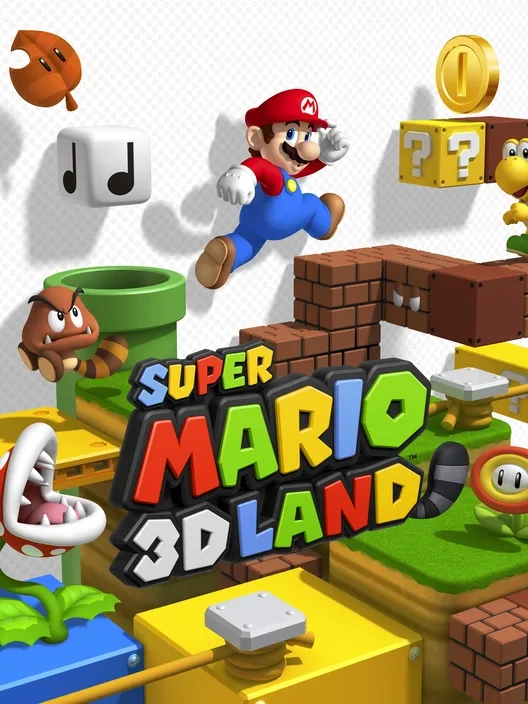
4. Super Mario 3D Land#
Nintendo EAD launched Super Mario 3D Land in November 2011 as a bridge between the 2D and 3D Mario games, with short, linear courses, a Tanooki suit and clear use of the 3DS's stereoscopic depth for judging jumps. It holds a Metacritic score of 90 and sold about 12.9 million copies, and its ideas fed directly into Super Mario 3D World on Wii U. The first eight worlds are easy for experienced players, and the tougher Special worlds arrive only after the credits. The compact levels make it well suited to short portable sessions. Assist items such as the Invincibility Leaf appear after repeated deaths, and critics noted that a moderately skilled player is rarely in danger of running out of lives. The 3D effect makes some obstacles easier to read but is not required to finish the game.
5. Shovel Knight#
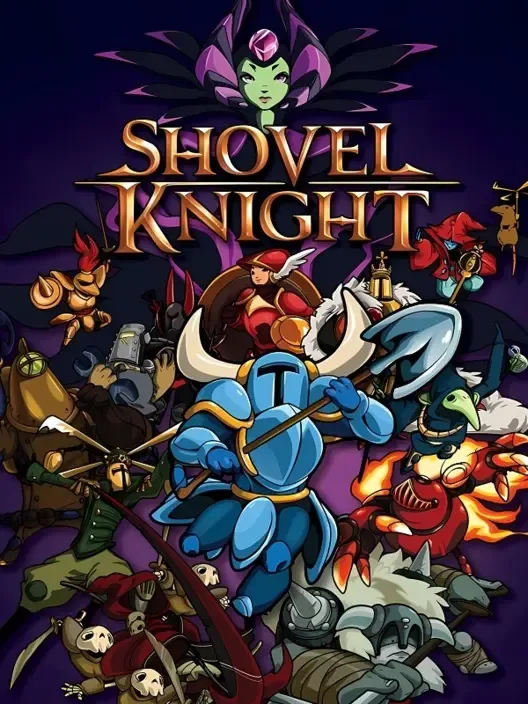
Yacht Club Games released Shovel Knight in 2014 after a successful Kickstarter, and it took the tight platforming and boss design of the NES era and added modern checkpoints and a memorable cast of knights. It holds a Metacritic score of 90 on the 3DS, where it played smoothly with the option of a 3D effect. It was released on many platforms, so it is on this list as a highlight of the 3DS eShop rather than an exclusive. Its retro homage sometimes leans on nostalgia, and some later bosses are demanding. Free expansions (Plague of Shadows, Specter of Torment and King of Cards) extended the game well beyond the main campaign.
6. Pushmo#
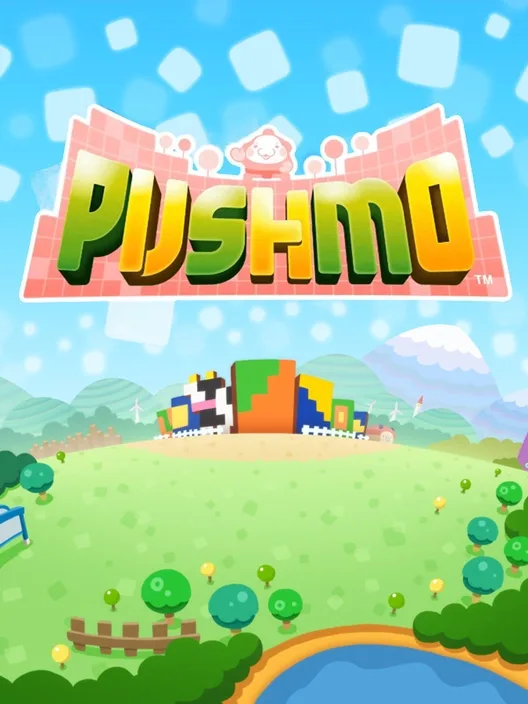
Intelligent Systems' eShop puzzle game from 2011 asks players to pull and push blocks in colorful, pixelated 3D structures to rescue the children trapped inside each structure. It holds a Metacritic score of 90, one of the highest for any downloadable 3DS game, and it introduced the series that continued with Crashmo. The puzzle design is inventive and patient, and the level editor with QR code sharing gave it a community. It builds on a single mechanic, so it may feel repetitive during long sessions. It is a fine example of how the eShop made small ideas viable. A rewind feature lets players undo mistakes, and IGN called it the eShop's killer app on release in December 2011 (Japan followed in October).
7. The Legend of Zelda: Majora's Mask 3D#
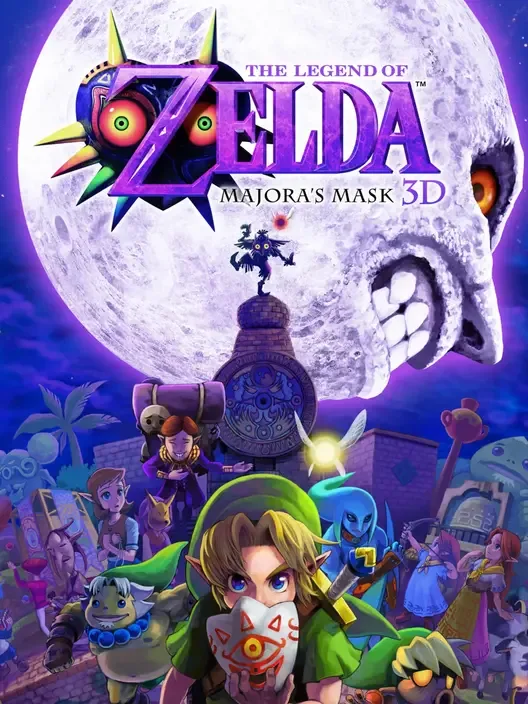
Grezzo's 2015 remake improved the visuals, the frame rate and the Bomber's Notebook, which now tracks every character's schedule, without changing the three-day loop that makes the game so unusual. It holds a Metacritic score of 89 and sold about 3.5 million copies. It launched alongside the New Nintendo 3DS XL, whose second stick allows full 360-degree camera control, and it runs at a higher frame rate than the original. The time limit and the reliance on the Song of Time still frustrate some players, and the boss fights were revised rather than rebuilt. It is the definitive version of one of the series' most distinctive entries.
8. Animal Crossing: New Leaf#
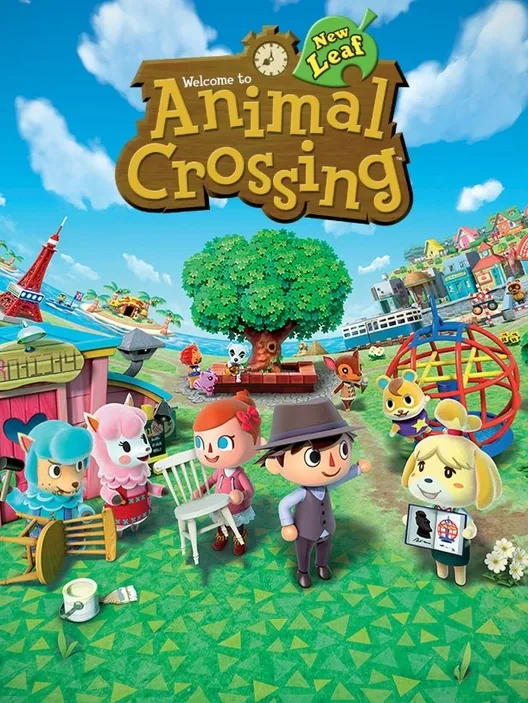
Nintendo EAD's New Leaf, released in Japan in 2012 and worldwide in 2013, made the player the mayor of a village, with the ability to pass ordinances and build public works. It holds a Metacritic score of 88 and sold about 13.1 million copies, one of the best-selling games on the system. Its real-time calendar, StreetPass visits and the island minigames gave it a long life. Progress is slow by design, and it can feel repetitive to players who want quick goals. It is the game that made the series a fixture of the 3DS. Famitsu gave it 39 out of 40 and IGN 9.6, and the Dream Suite let players explore other people's towns, with online visits for up to four friends. Public works projects, funded by villagers and visitors, add a sense of shared civic progress.
9. Pokémon Y#
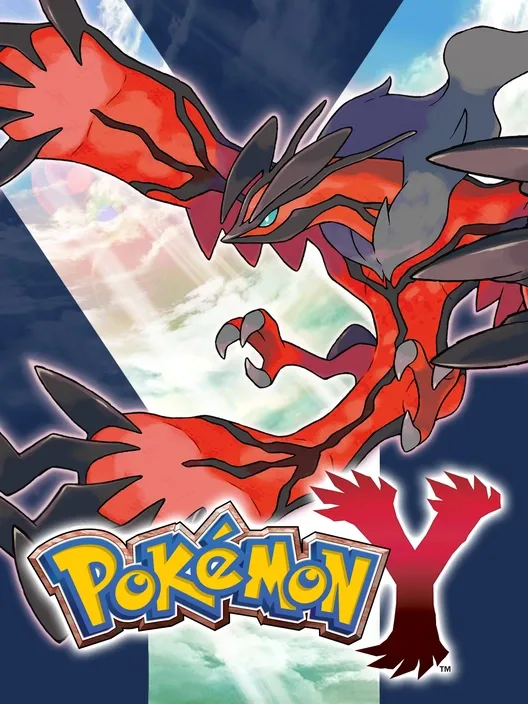
Game Freak's Pokémon X and Y, released in October 2013, were the first mainline games in full 3D. They added the Fairy type, Mega Evolution and a new region inspired by France, and together they sold about 16.8 million copies. Y holds a Metacritic score of 88, slightly ahead of X. The adventure is very easy and the story is light, and critics were less enthusiastic about the story than about the jump to 3D. It is still one of the most approachable entry points to the series, with a strong roster of new and old Pokémon. The pair launched worldwide on the same day, October 12, 2013, a first for the mainline series, and sold four million copies in their opening weekend.
10. Zero Escape: Virtue's Last Reward#
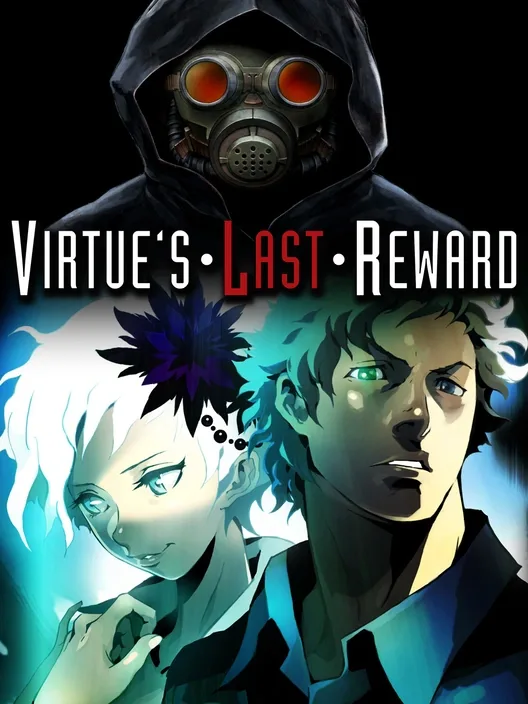
Chunsoft's Virtue's Last Reward, released in 2012, is a visual novel and escape-room hybrid in which nine strangers are forced into the Nonary Game. A flowchart lets players jump between branching story paths, and that structure is central to the mystery, which builds on the previous DS game 999. It holds a Metacritic score of 88 on the 3DS. The puzzle rooms are clever, though the amount of reading is high, and the story requires replays to see everything. It stands among the best written games on the platform. Critics praised its complex narrative and voice acting, though some found the dialogue overwritten and the controls awkward. It launched in Japan in February 2012 and in the West that autumn, and also appeared on PlayStation Vita.
11. Fire Emblem Fates: Conquest#
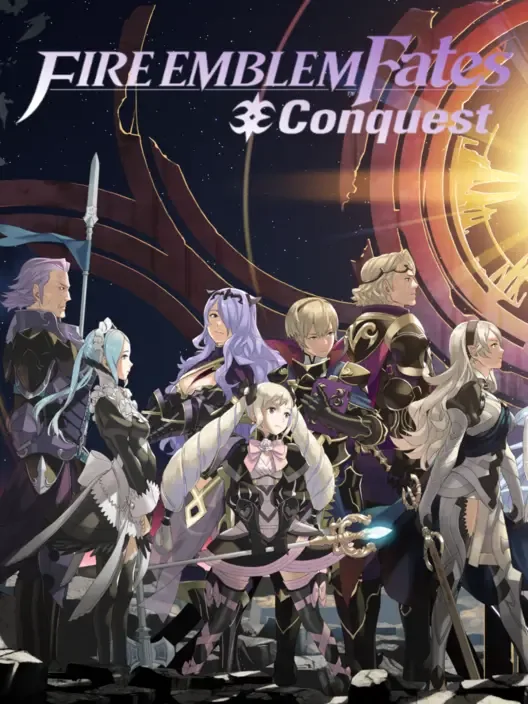
Intelligent Systems released Fates in Japan in 2015 and in the West in 2016 as three separate versions. Conquest follows the Nohr path, with tightly designed maps, limited resources and a difficulty that revived the tactics of the classic games. It holds a Metacritic score of 87, and the Fates games sold about 3 million copies by late 2019. Fates launched in Japan in June 2015 and in the West in early 2016, with Birthright and Conquest sold as the two physical versions. Critics praised Conquest as a much tougher, darker experience than Birthright, though its story drew weaker praise than its maps. The map design is nevertheless strongly regarded, and it suits players who found Awakening too easy. The choice of path at the start locks players out of the other story, which some found a hard commitment.
12. Pokémon Sun#
Game Freak's Sun and Moon, released in November 2016 for the series' 20th anniversary, replaced gym battles with island trials, added Z-Moves and moved to the Hawaii-inspired Alola region. Together the pair sold about 16.3 million copies, and Sun holds a Metacritic score of 87. The tone is warmer and more story-driven than earlier entries. The pacing is slowed by frequent cutscenes and tutorials, and the difficulty is low. Its distinct characters and Alolan Forms, regional variants that give classic Pokémon new typings and looks, gave it a strong identity. It reportedly shipped 10 million units on launch day, and its Rotom Pokédex put maps on the touch screen. Reviewers criticized the long opening, with a compulsory school sequence and lots of tutorials before the game opens up.
13. Luigi's Mansion: Dark Moon#
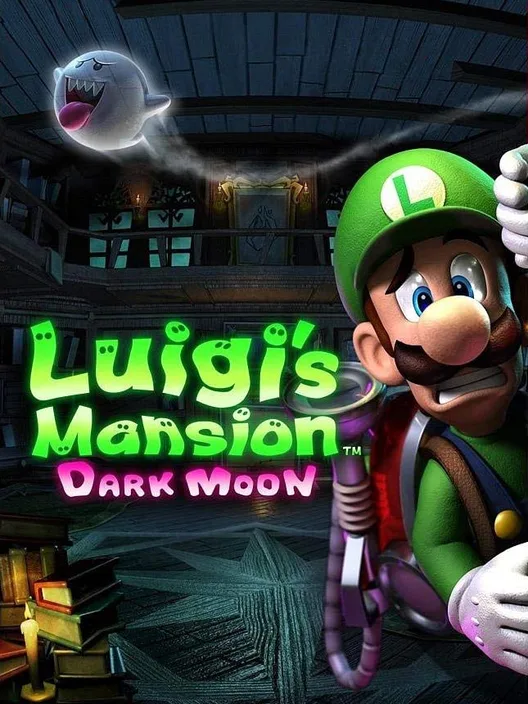
Next Level Games' Dark Moon, released in early 2013, sent Luigi through five mansions in a mission-based structure with an improved Poltergust and a vivid haunted-house atmosphere. It holds a Metacritic score of 86 and sold about 6.5 million copies. Released in March 2013, it drew criticism for its mission structure and lack of checkpoints. Its animation was praised as close to a playable cartoon, and the Poltergust 5000 doubles as a tool for solving environmental puzzles. It reached over a million copies in its first week worldwide, and a Switch remaster followed in 2024.
14. Monster Hunter 4 Ultimate#
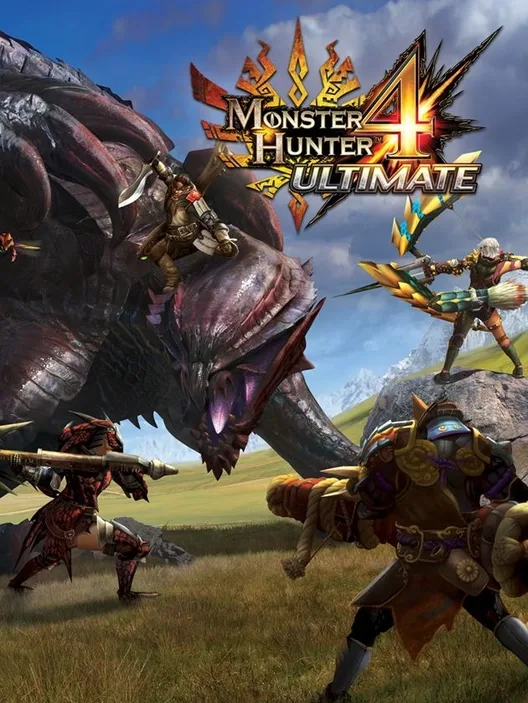
Capcom's Monster Hunter 4 Ultimate reached the West in February 2015, an enhanced version of Monster Hunter 4 (Japan, 2013) that came out in Japan in late 2014 as Monster Hunter 4G. It added vertical terrain, mounting attacks and new weapons to the series' hunting formula, along with second stick support on the New Nintendo 3DS. It holds a Metacritic score of 86 and sold over 4 million copies, and it was the first series game to ship over a million units in Europe and North America combined. The learning curve is steep and the menus are dense, and the camera can be difficult without the extra stick. Critics called it a high point of the series, and GameSpot noted it expands what fans love while making concessions to newcomers.
15. SteamWorld Heist#
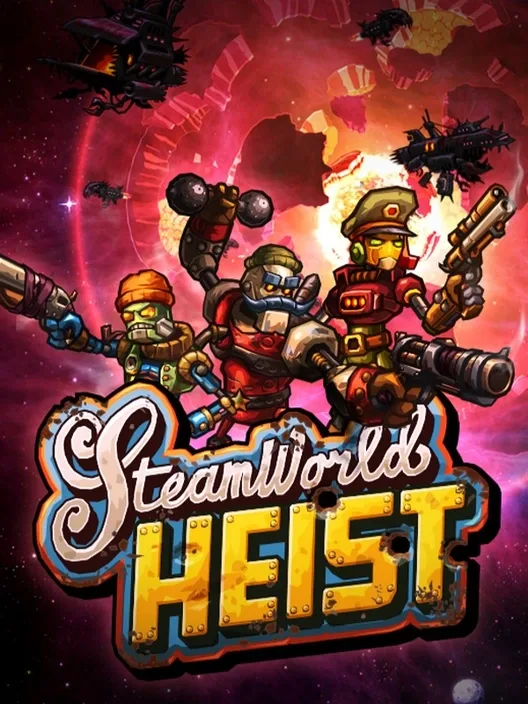
Image & Form's SteamWorld Heist arrived in late 2015, turning the SteamWorld series into a side-view, turn-based tactics game in which robot pirates aim shots by hand and use ricochets to hit enemies behind cover. It launched on the 3DS on 10 December 2015 before reaching other platforms, and it holds a Metacritic score of 86 there. IGN praised its depth, addictive combat and charming characters, and the manual aiming replaces random hit chances, while procedurally generated levels vary each mission. IGN noted limited use of the 3D effect on 3DS, and the game is not a 3DS exclusive: later ports on other systems scored higher, and the Switch version reached 91.
16. Crashmo#
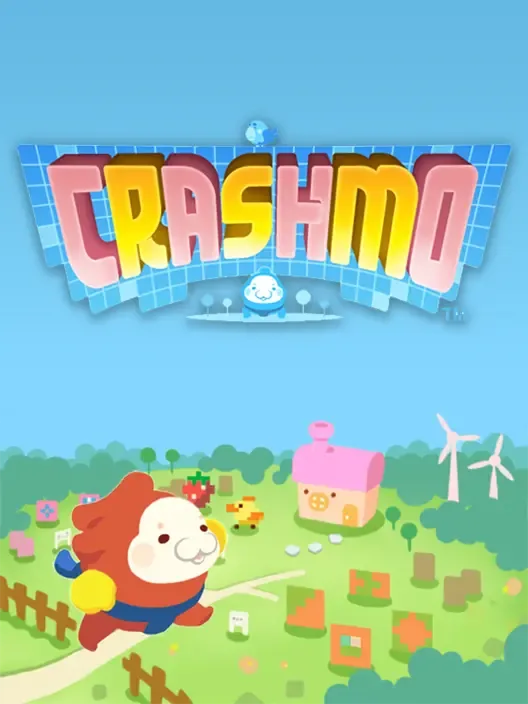
Intelligent Systems followed Pushmo with Crashmo in 2012, moving from one-way structures to freestanding ones, where pulled blocks can fall and shift the puzzle. It holds a Metacritic score of 86. Its puzzles are more complex than its predecessor, and it retains the level creator and QR code sharing. IGN called it a must download but warned that its high difficulty could scare off new players. Blocks can now be shifted freely and fall when supported blocks are pushed away, and players can rewind time to undo mistakes and rotate the camera around the puzzle. It launched in Japan in October 2012 and in the West that November, and is a stronger puzzle game than the first for players who want a bigger challenge.
17. Picross 3D: Round 2#
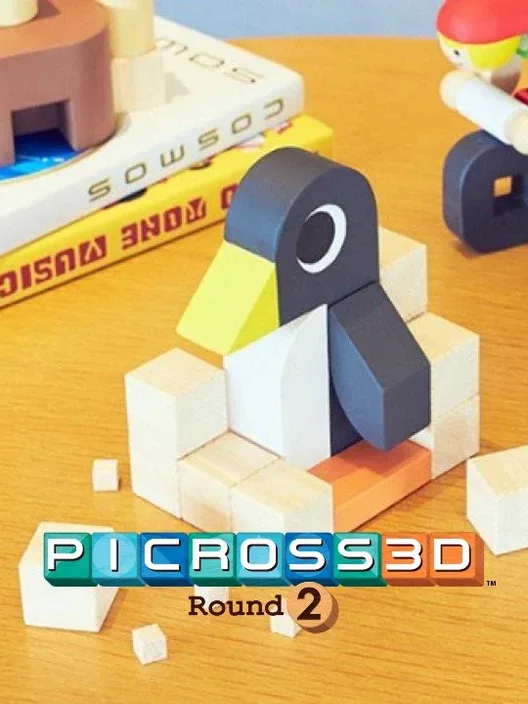
HAL Laboratory's sequel to the DS puzzle game asks players to chip away blocks from a 3D form to reveal the picture inside, using number hints. It holds a Metacritic score of 86 and offers over 370 puzzles across three difficulty settings, adding blue straight blocks and orange blocks that turn into curved or cut-out shapes. It released in Japan in October 2015 and in the West in late 2016, digitally only in North America. Nintendo Life scored it 9/10. The difficulty ramps gradually, and it suits both short and long sessions. It is dry to those who dislike number puzzles, and its presentation is spartan. As a value pick for puzzle fans it is hard to beat, and amiibo scans unlock extra Nintendo-themed puzzles.
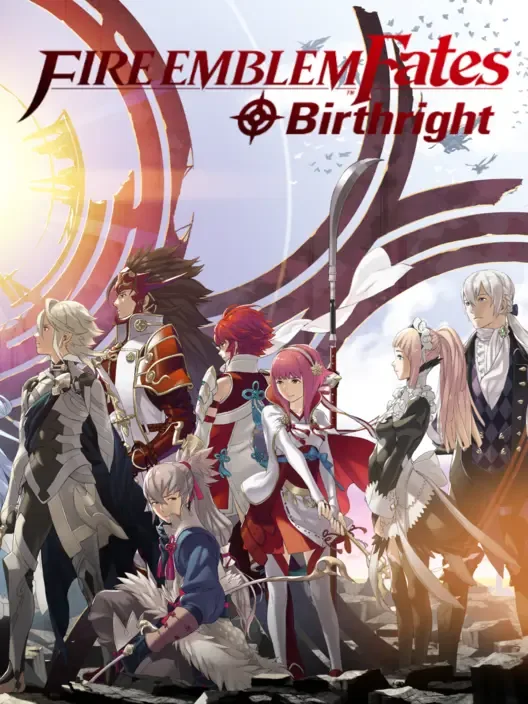
18. Fire Emblem Fates: Birthright#
Birthright, the Hoshido path of Fates, is the friendlier of the two launch versions, with traditional Fire Emblem gameplay and the option to grind for experience and gold between story battles. It holds a Metacritic score of 86. It gives newcomers a gentler start than Conquest, though experienced players find it too easy. Fates as a whole sold about 3 million copies by late 2019. Reviewers found its missions mostly simple rout objectives and its story uninspiring, but the combat is excellent. It is a good starting point for the branching-path design that defines the game, and it launched in Japan in 2015 and in the West in 2016.
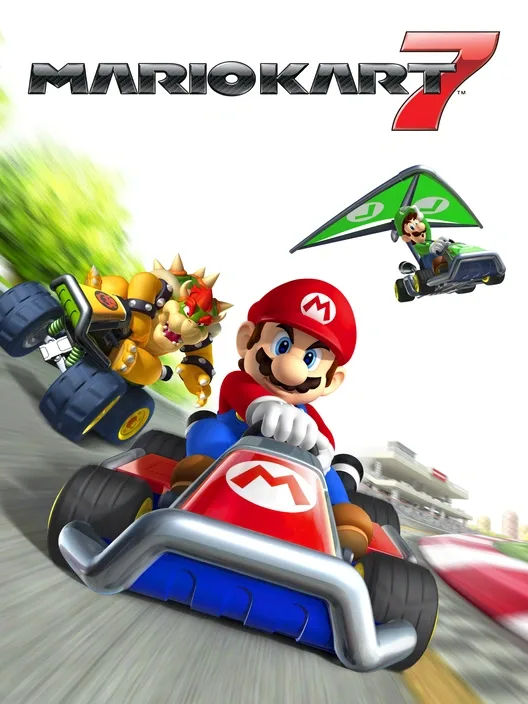
19. Mario Kart 7#
Nintendo EAD and Retro Studios released Mario Kart 7 in late 2011, adding gliding, underwater driving, kart customization and a first-person view. It holds a Metacritic score of 85 and is the best-selling 3DS game with about 19 million copies. Retro Studios helped recreate the classic tracks, and the gyro controls and gliding were praised as real innovations. The roster is smaller, at 17 characters against 25 in Mario Kart Wii, and one reviewer dismissed the new mechanics as an illusion of variety. It was finished quickly by a small team, which makes its polish more impressive. It remains the most popular game on the platform.
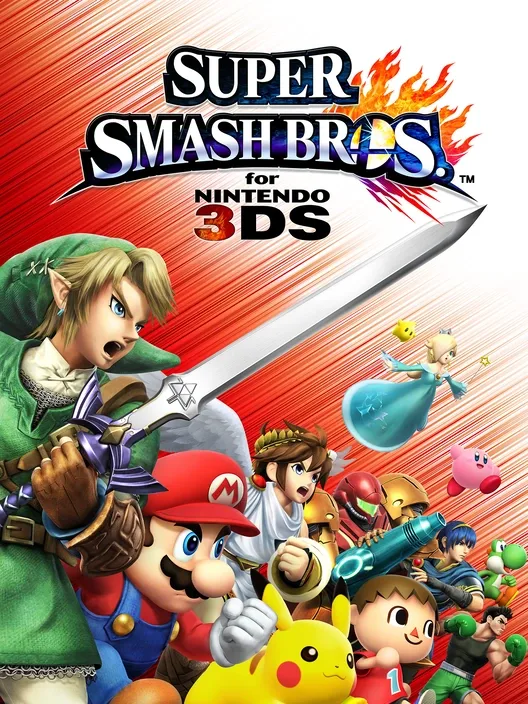
20. Super Smash Bros. for Nintendo 3DS#
Bandai Namco Studios and Sora Ltd. released the portable Smash in late 2014, with Masahiro Sakurai directing, and it sold about 9.6 million copies. It holds a Metacritic score of 85, well below the Wii U version's 92. It brought a large roster and new modes such as Smash Run to a handheld. Critics noted that characters look small on the 3DS screen, which makes fast play harder to read. Its own Smash Run mode, an open-environment run that earns stat boosts before a final match, gives it something the Wii U version lacks. It is a remarkable technical achievement for the hardware.
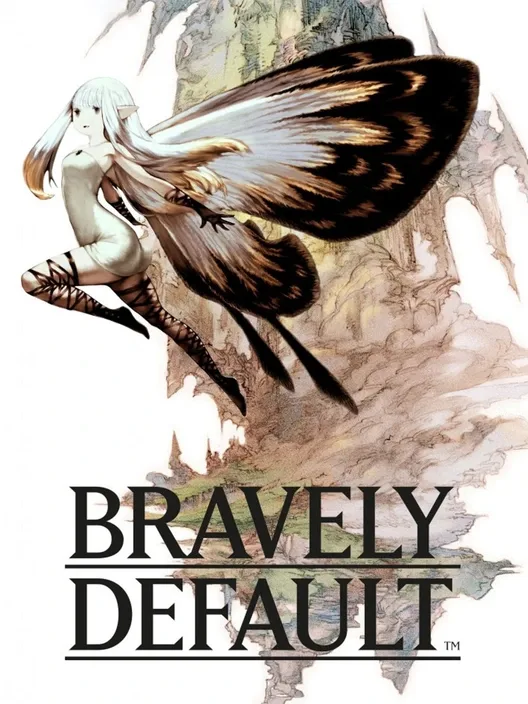
21. Bravely Default#
Silicon Studio and Square Enix's Bravely Default, released in Japan in 2012 and in the West in December 2013 (Europe) and February 2014 (North America), revived classic job-based role-playing with the Brave and Default system, which lets characters bank or borrow turns. It holds a Metacritic score of 85 and sold more than a million copies. Famitsu gave it 38 out of 40. The soundtrack, by Revo, evokes Dragon Quest and SaGa, and the job design is strong. The late chapters repeat content and can be tedious. It was a key reason for the resurgence of traditional role-playing games on the platform. Nintendo published it in the West, and it topped the Japanese charts in its debut week, though reviewers consistently singled out the repetition and grinding of the later chapters.
22. Metroid: Samus Returns#
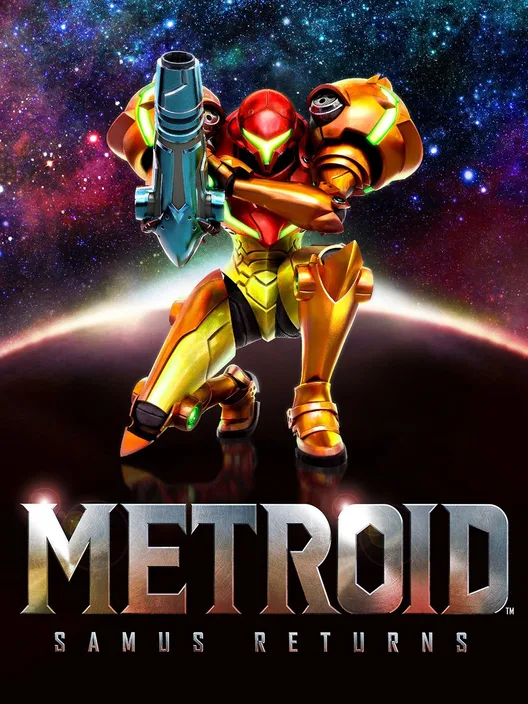
MercurySteam and Nintendo EPD's 2017 remake of Metroid II: Return of Samus adds a melee counter, free aiming and Aeion abilities to the classic hunt for the Metroids. It holds a Metacritic score of 85. It keeps the series' sense of exploration and atmosphere, and reviewers praised its visuals and soundtrack. Reactions to the counterattack were mixed, since it is central to combat and can feel repetitive. Scan Pulse, one of the Aeion abilities, reveals hidden areas, and amiibo unlock extras including a hard Fusion Mode. It won Best Handheld Game at The Game Awards 2017 and led to MercurySteam's later work on Metroid Dread.
23. Monster Hunter Generations#
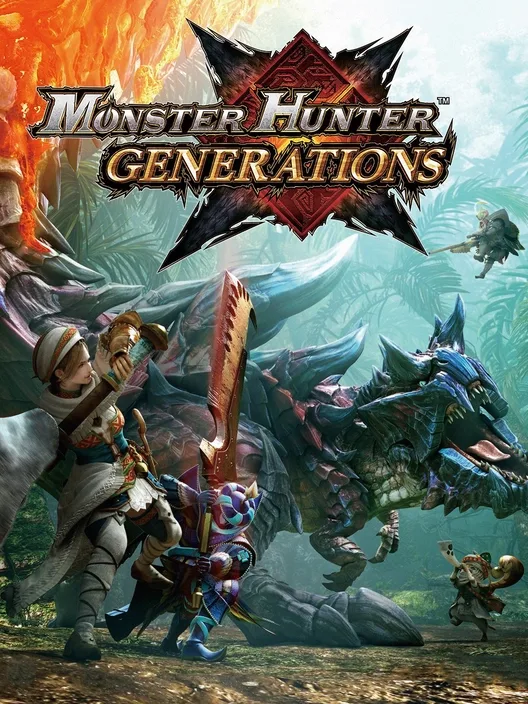
Capcom's Monster Hunter Generations, released in Japan in late 2015 as Monster Hunter X and in the West in July 2016, celebrated the series with monsters and villages from earlier games, and introduced four hunting styles (Guild, Striker, Aerial, Adept) and Hunting Arts that let players customize their moves. It holds a Metacritic score of 85. Grinding is expected and the systems are dense. It is a very content-rich portable action game. It also added playable Felyne characters in Prowler mode, four new signature monsters including Mizutsune and Glavenus, and costume DLC from other Capcom franchises. Reviewers scored it in the high 8s, and it later reached Switch as Generations Ultimate, which shows how well the design held up.
24. Dragon Quest VIII: Journey of the Cursed King#
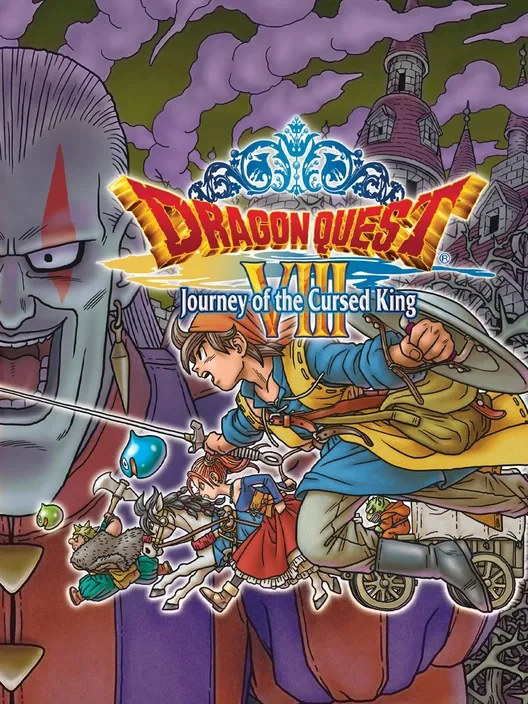
Level-5's Dragon Quest VIII first appeared on the PlayStation 2 in 2004; Square Enix developed the 3DS version, which reached Japan in 2015 and the West in 2017, with Nintendo publishing overseas. It adds two new party members, Red and Morrie, and romance options while keeping the traditional turn-based battles and the Akira Toriyama art. It holds a Metacritic score of 85. Random encounters and a slow pace may feel old-fashioned. It is widely counted among the best classic role-playing games of its generation. It earned a D.I.C.E. Awards handheld nomination, and the soundtrack differs by region, with orchestral recordings in Japan and remastered sequenced music in the West.
25. Shin Megami Tensei: Devil Survivor 2 Record Breaker#
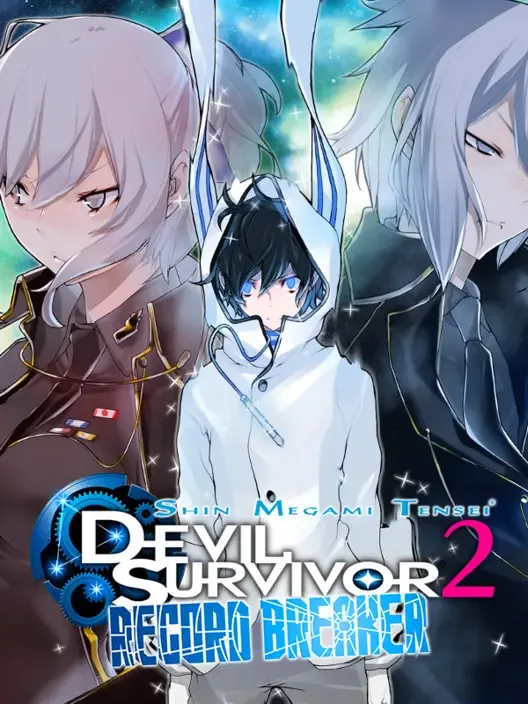
Atlus' Record Breaker is the 3DS version of Devil Survivor 2, a tactical role-playing game in which a group of teenagers fight demons in a Tokyo hit by disasters. It adds the new Triangulum Arc storyline and full voice acting. It holds a Metacritic score of 84. The tight time structure and multiple endings give it replay value, and its battle system is deep. Its story tone is bleak, and critics called some moments unfairly difficult for newcomers. Players have seven days to survive a threat from beyond reality, and the original DS version scored 79 on Metacritic against 84 here, so the expansion is a clear improvement.
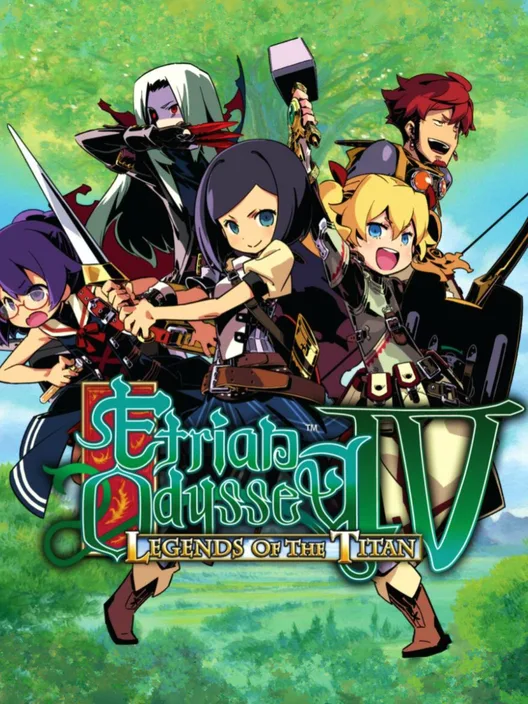
26. Etrian Odyssey IV: Legends of the Titan#
Atlus' Etrian Odyssey IV was released in Japan in 2012 and the West in 2013, and it added airship exploration of a sky realm to the series' first-person dungeon crawling with hand-drawn maps on the touch screen. It holds a Metacritic score of 84. It is difficult and rewards planning, and the mapping approach is unique. New players may find the grind and difficulty forbidding. It is a high point for the series on the 3DS. It was the series' first 3DS entry, replaced static enemy sprites with moving 3D models, and became the best-selling game in the series, with Famitsu scoring it 35 out of 40.
27. Pokémon Omega Ruby#
Game Freak's Omega Ruby and Alpha Sapphire, released in November 2014, remade the 2002 Hoenn games for the 3DS, added Mega Evolution and Primal Reversion and a new story chapter, the Delta Episode. Together they sold about 14.6 million copies, and Omega Ruby holds a Metacritic score of 83. Some features of the originals, such as the Battle Frontier, were not included. It is a warm return to one of the most loved regions. The Delta Episode has the player capture Rayquaza to stop a meteor, and flying on Latios or Latias opens exclusive areas. The pair sold over 3 million copies in three days.
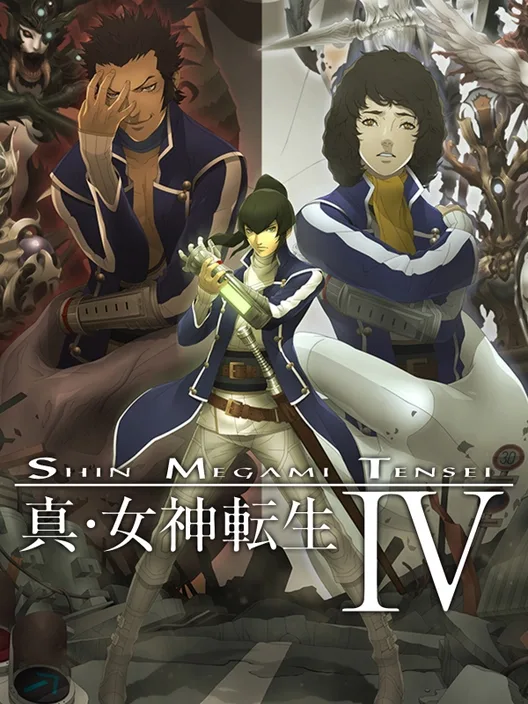
28. Shin Megami Tensei IV#
Atlus' Shin Megami Tensei IV, released in Japan in May 2013 and North America that July, was the first mainline entry on the 3DS and the first numbered mainline game since Nocturne in 2003. It contrasts the medieval Kingdom of Mikado with a demon-overrun Tokyo, and keeps the series' demon negotiation. It holds a Metacritic score of 83. Critics gave its battle system near-universal praise, though character development and graphics drew mixed responses. It is a strong showing for a niche series. It topped the Japanese charts in its first week with 188,562 copies and passed 600,000 copies worldwide by mid-2015. The demon-negotiation and battle systems reward players who learn them, but the graphics and characters are less celebrated than the combat.
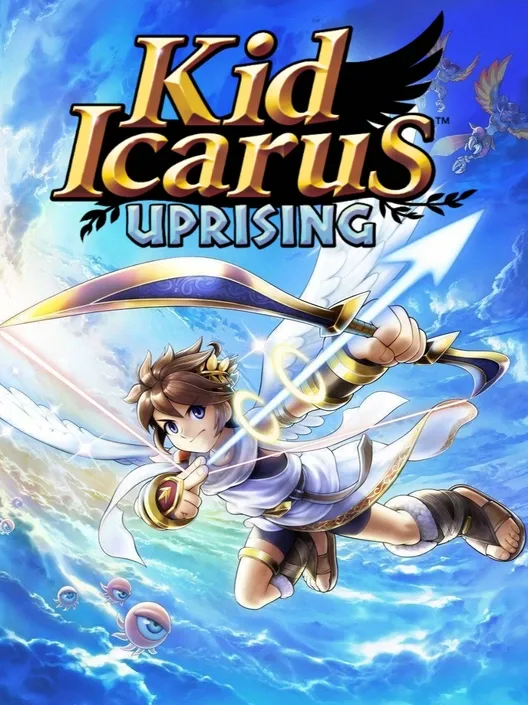
29. Kid Icarus: Uprising#
Project Sora's Kid Icarus: Uprising, directed by Masahiro Sakurai, was released in 2012 as the first new Kid Icarus game since 1991, combining rail-shooting air sections with ground combat and a humorous script. It holds a Metacritic score of 83 and has sold over a million copies worldwide. It shipped with a 3DS stand, and the controls drew consistent criticism. The game offers nine weapon types and multiplayer for up to six players. It is an unusual and inventive action game. Each chapter opens with an on-rails aerial battle before moving to ground combat, and the Fiend's Cauldron lets players wager currency to set their own difficulty. Critics praised the story, dialogue and music despite the controls.
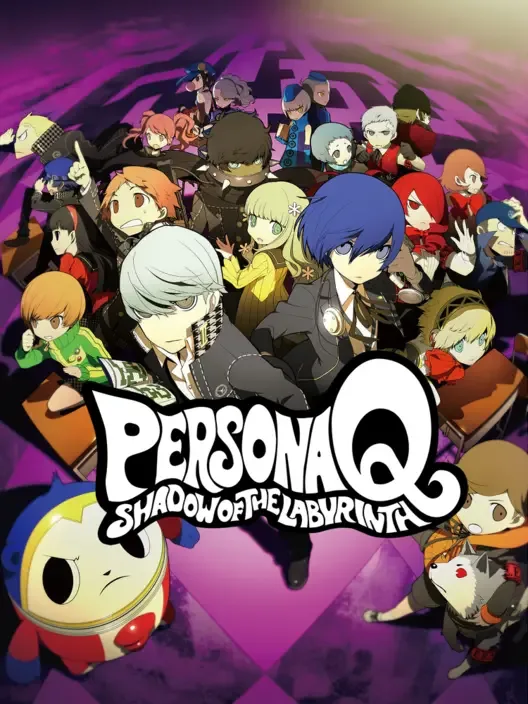
30. Persona Q: Shadow of the Labyrinth#
Atlus' Persona Q crosses the casts of Persona 3 and Persona 4 with the first-person dungeon design of Etrian Odyssey, with the map drawn on the touch screen. It holds a Metacritic score of 83. Critics praised its comedic writing, the hand-mapped dungeons and the music. It is aimed squarely at fans of the two source games, so newcomers get less out of it. It is a rewarding crossover for fans. Developed by P-Studio, it launched in Japan in June 2014 and in the West that November, selling 186,856 copies in its Japanese launch week. Its first-person exploration keeps the series' turn-based combat and FOE enemies.
31. Rhythm Heaven Megamix#
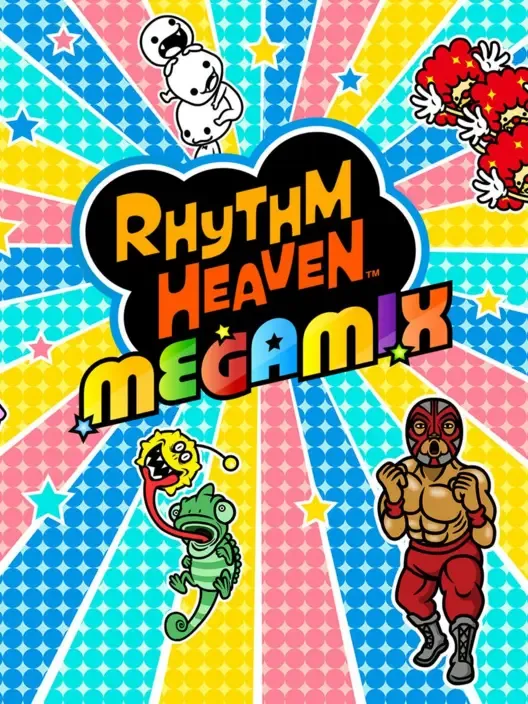
Nintendo SPD's Rhythm Heaven Megamix combines the best microgames from the earlier entries with new ones, and it launched in Japan in 2015, reaching North America in June 2016 and Europe that October. It holds a Metacritic score of 83 and sold about 1 million copies. It has more than 100 rhythm games, 70 from earlier entries and 30 new ones, and critics praised its inventive art and music. Reviewers found the story mode inconsequential and the early difficulty very easy for series veterans. It is a fun introduction to the series. Developed by Nintendo SPD and TNX with Tsunku producing, it includes accessibility features that help newcomers.
32. Theatrhythm Final Fantasy: Curtain Call#
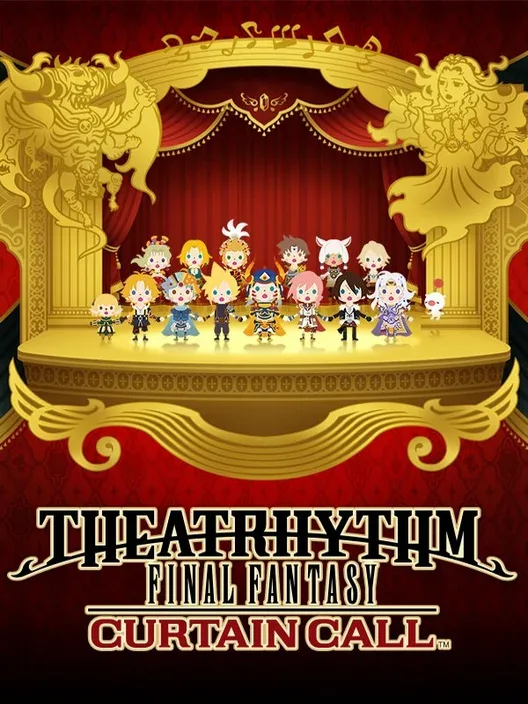
Square Enix's Curtain Call, developed by indieszero and sAs, is a rhythm game built on music from across the Final Fantasy series, with 221 tracks, roughly four times the original's number. It holds a Metacritic score of 83. Notes can be played with buttons or the touch screen, and Quest Medleys add role-playing progression. Critics were split on whether the role-playing elements matter, some feeling they work automatically. It is a love letter to the series' soundtrack. It launched in Japan in April 2014 and in the West that September, and added a Versus mode for competitive play.
33. Pocket Card Jockey#
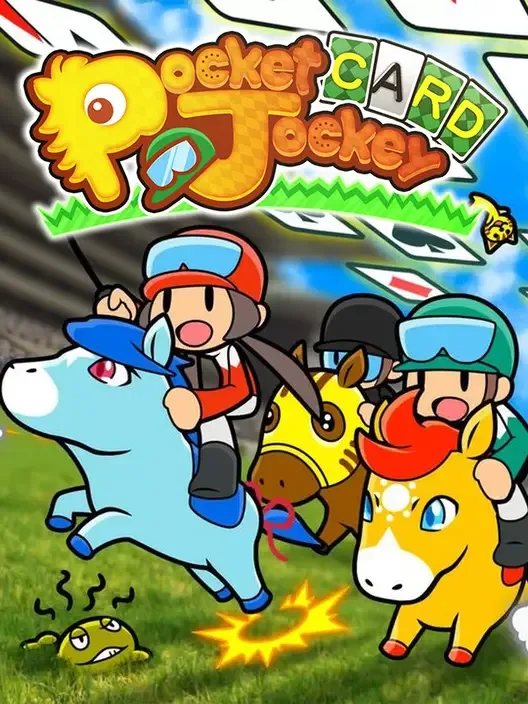
Game Freak's Pocket Card Jockey blends solitaire with horse racing and breeding, and it turned into a small cult hit for the 3DS. It holds a Metacritic score of 83. Critics praised the addictive loop and funny writing. Some found it frustrating and punitive, with long, convoluted tutorials. It is one of the most original eShop games. Players clear golf-style solitaire boards to build unity with their horse before each race, and horses must eventually retire to breed offspring. It launched in Japan in July 2013 and reached the West in May 2016.
34. Bye-Bye BoxBoy!#
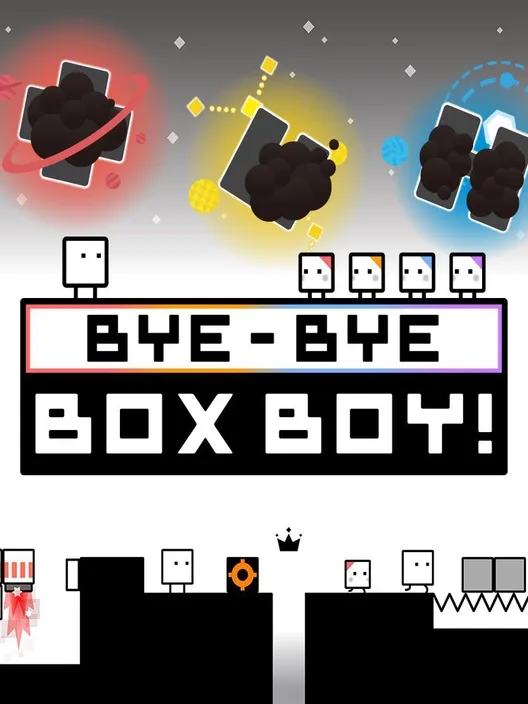
HAL Laboratory's Bye-Bye BoxBoy!, the third BoxBoy game, was released in 2017. Players create boxes to solve puzzles as Qbby. It holds a Metacritic score of 83. Critics praised the puzzles and the friendly tone. Reviewers noted that it was too similar to earlier installments. It is one of the strongest small puzzle series. It launched in Japan in February 2017 and in North America that April, adds Qbaby, a companion to escort to each goal, and lets amiibo unlock costumes and a Game Boy filter.
35. Professor Layton and the Miracle Mask#
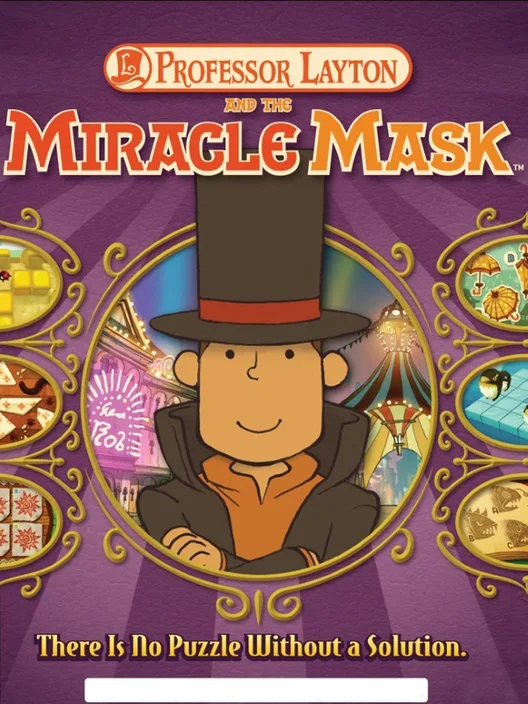
Level-5's Miracle Mask was the first Professor Layton game on the 3DS, released in Japan in 2011 and the West in 2012, as a launch title in Japan, with a story set in Monte d'Or in which Layton investigates a Masked Gentleman who claims to work miracles. It holds a Metacritic score of 82 and was the best-selling Japanese launch title for the 3DS. Its puzzles are well designed. Some critics found the narrative predictable. It is a good entry for fans. It is the fifth main Layton game and the second in the prequel trilogy, and it entertains without violence or scares.
36. Etrian Odyssey 2 Untold: The Fafnir Knight#
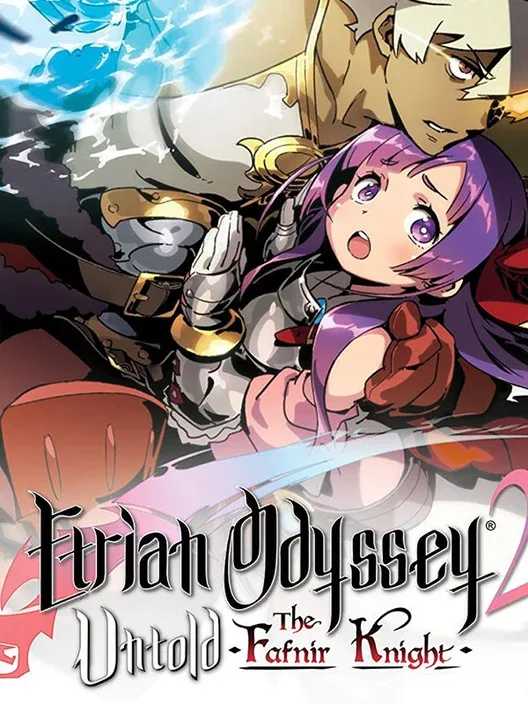
Atlus' remake of Etrian Odyssey II, released in Japan in November 2014, North America in August 2015 and Europe in February 2016, adds a Story mode with a fixed cast, voice acting and cutscenes alongside a Classic mode with custom parties. It holds a Metacritic score of 82. A Picnic difficulty setting makes the series more accessible. The manual dungeon mapping is still demanding. It is a good place to start with the series. Famitsu gave it 36 out of 40, and Yuzo Koshiro composed the soundtrack.
37. Shantae and the Pirate's Curse#
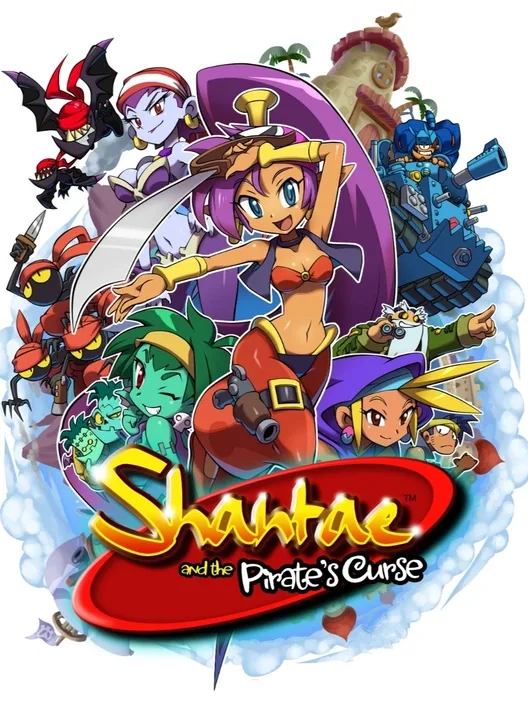
WayForward's Shantae and the Pirate's Curse, released in 2014, is a Metroidvania platformer in which the half-genie hero loses her magic and takes on the pirate Risky Boots. It holds a Metacritic score of 82. The animation and music are excellent. Backtracking is frequent. It launched on the 3DS eShop in North America in October 2014 (Europe followed in February 2015) and became a bestseller there. Critics praised its detailed, expressive sprites and platforming, and the dance-transformation abilities Shantae earns shape how she explores each area. The main complaint is backtracking, along with the shift from a connected world to separate islands. It is among the most admired 2D platformers on the eShop.
38. SteamWorld Dig#
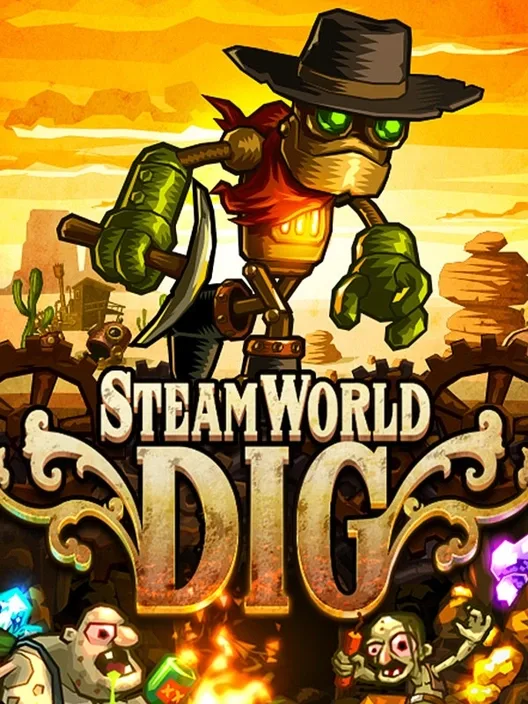
Image & Form's SteamWorld Dig, released as a 3DS eShop game in 2013, has players dig through a mining town's underground while upgrading tools. It holds a Metacritic score of 82. The digging loop is addictive. It is short. It reached the 3DS eShop in August 2013 as Image & Form's first SteamWorld game, and critics praised its core mechanics and engrossing atmosphere. Players collect ores, sell them for cash and unlock new abilities as Rusty the steam-powered robot works down the mine beneath Tumbleton, mixing digging with platforming and puzzles. Its runtime is short. It began a series that later produced SteamWorld Heist and SteamWorld Dig 2.
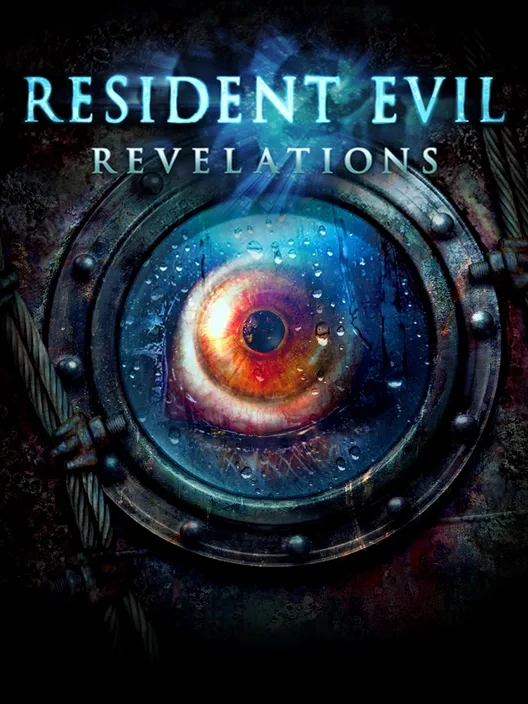
39. Resident Evil: Revelations#
Capcom's Revelations, released in 2012, returned to survival horror aboard a ghost ship with Jill Valentine, and it looked impressive on the 3DS. It holds a Metacritic score of 82. The atmosphere is strong and Raid Mode adds replay value. It was later ported to other platforms, so its 3DS status is as the original release. Capcom's Revelations, directed by Koshi Nakanishi, was released in January 2012 and is set aboard the abandoned cruise ship Queen Zenobia, where limited resources and claustrophobic corridors favor survival over pure action. Critics praised the spooky setting and sound direction, and the Genesis scanner adds a hunt for hidden items. Some reviewers found the episodic structure uneven, and the visuals and controls are dated by later standards.
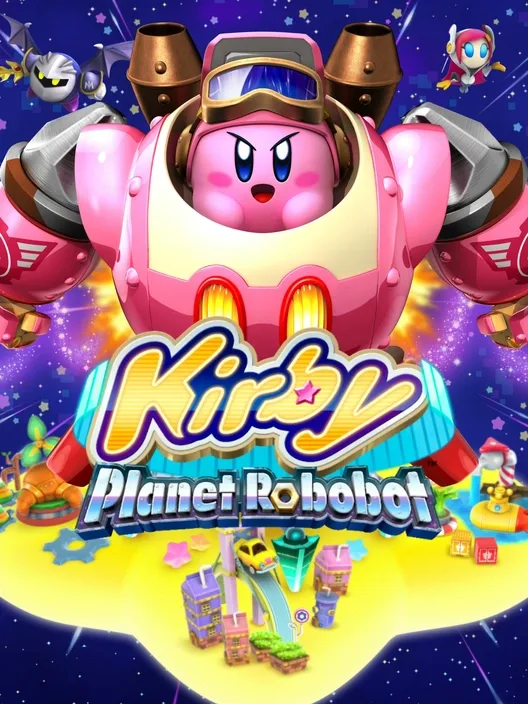
40. Kirby: Planet Robobot#
HAL Laboratory's Planet Robobot, released in 2016, lets Kirby control a mech suit that copies abilities. It holds a Metacritic score of 81 and had sold about 1.36 million copies by March 2017. The polish is high. It is very easy. It launched in April 2016 in Japan and June 2016 in the West, with Nintendo publishing. Critics praised the soundtrack, graphics and the new mechanics, including 3D-based puzzles in vibrant worlds. Kirby also collects Code Cubes to upgrade the suit and can customize it with stickers. It is a strong platformer, though it is rarely challenging.
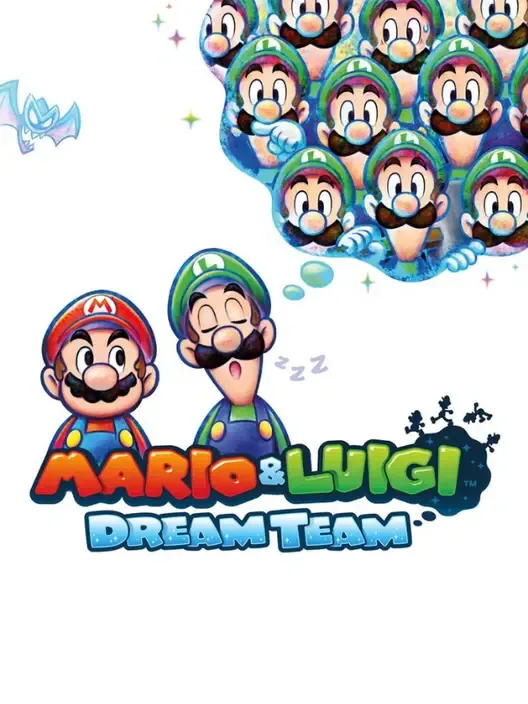
41. Mario & Luigi: Dream Team#
AlphaDream's Dream Team, released in 2013, sends the brothers into Luigi's dream world. It holds a Metacritic score of 81 and sold about 2.7 million copies. The humor is sharp. Its tutorials are lengthy and the pacing slow. It launched in July 2013 in Europe and Japan and in August in North America, and critics praised its characters, combat and the Dream World mechanics. Good-Feel handled the giant battles, and the game reportedly took three years to develop because of the work of animating 2D sprites with stereoscopic depth. Some reviewers found it needed too much backtracking. It is a fine role-playing game, if a sales disappointment for Nintendo.
42. Phoenix Wright: Ace Attorney - Dual Destinies#
Capcom's Dual Destinies, released in 2013, was the first new Ace Attorney game in years, with 3D models and a new lawyer, Athena Cykes. It holds a Metacritic score of 81. The writing is charming. The cases are linear. It arrived in Japan in July 2013 and in the West that October, roughly seven years after the previous main entry, and critics called its 3D models the best-looking in the series. Athena's mood matrix lets players spot conflicting emotions in witness testimony. Some reviewers found the logic frustrating, as objections that seem valid are sometimes rejected. It is a solid return.